
EU Tightens CE Checks for Slurry Pipe Jacking





On June 19, 2026, the European Commission released implementation guidance on strategic port stockpiles for critical raw materials, introducing a new compliance signal for underground engineering equipment that contains cobalt, nickel, graphite, and similar materials. For Slurry Pipe Jacking equipment entering the EU market, the change matters not only at the certification level but also across customs timing, supply-chain documentation, procurement planning, and delivery coordination, making it a practical issue for manufacturers, exporters, importers, and compliance service providers.
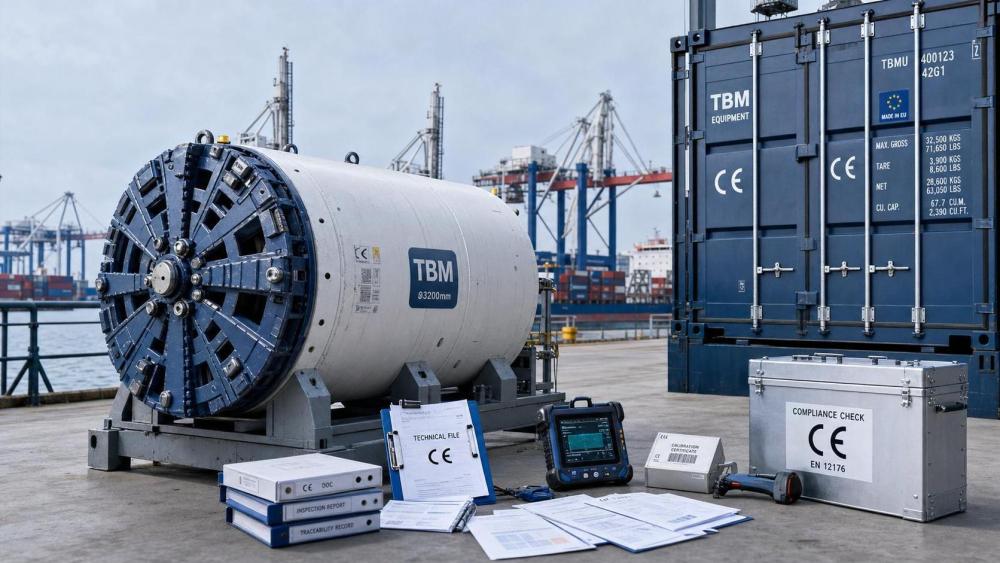
What the new port guidance confirms
The confirmed facts are limited but commercially significant. The European Commission issued the Critical Raw Materials Port Strategic Reserve Implementation Guidelines on June 19, 2026. Under that guidance, major hub ports including Rotterdam and Hamburg will, from 2027, apply pre-clearance CE compliance review to underground engineering equipment containing critical minerals such as cobalt, nickel, and graphite, including slurry balance pipe jacking machines. The new requirement is expected to add 7 to 14 working days to import customs clearance and requires manufacturers to provide a full Supply Chain Statement, or SCS. The stated result is a direct effect on market entry efficiency and compliance cost for Slurry Pipe Jacking equipment shipped to the EU.
Where the pressure is likely to appear first
For equipment manufacturers and exporters
These companies are the most directly exposed because the rule change links port-side review with CE-related documentation before goods move through normal import flow. From an industry perspective, the immediate pressure point is not only whether CE marking exists, but whether supporting material traceability can withstand a port-based review tied to critical mineral content. What deserves closer attention is the need to prepare the SCS in a way that is consistent with technical files, declarations, and shipment documents.
For importers, distributors, and project buyers
These participants may feel the impact through timing rather than product design. Analysis shows that an added 7 to 14 working days in customs handling can affect delivery commitments, installation scheduling, and handover planning for projects relying on Slurry Pipe Jacking equipment. Buyers and channel operators therefore need to pay closer attention to whether quotation terms, procurement lead times, and arrival assumptions still match the new clearance reality.
For certification and testing support services
Observably, the guidance increases the practical importance of document readiness. Service providers involved in CE-related review, testing support, technical file preparation, and traceability documentation may see more demand for upstream checks before shipment. The main issue is not a confirmed expansion of certification scope, but a stricter review gate at entry points for affected equipment categories.
For supply-chain and logistics coordinators
The required full supply-chain materials declaration creates an additional interface between sourcing records and border compliance. Companies handling shipping, customs coordination, or document collection should pay attention to whether supplier material information is complete, internally consistent, and available early enough to avoid shipment delays once the 2027 review mechanism starts operating at major ports.
What companies should monitor now
Strengthen material traceability before shipment
Because the guidance specifically requires an SCS, companies should closely review how cobalt, nickel, graphite, or other relevant material inputs are identified and documented across the supply chain. Analysis shows that incomplete upstream records could become a practical bottleneck even where product certification documents are otherwise in place.
Recheck CE files against port-side review needs
It is more appropriate to understand this development as a shift in how compliance may be examined at entry, not merely as a paperwork add-on. Manufacturers and exporters should therefore watch whether their CE-related files, declarations, and material statements can be presented in a form suitable for pre-clearance review at major EU ports.
Adjust delivery and procurement assumptions
The confirmed 7 to 14 working day clearance extension is material for project-based equipment supply. Companies involved in bidding, project delivery, or procurement scheduling should review whether current contract timelines, inventory assumptions, and shipment buffers remain workable once the new process applies from 2027.
Track how implementation language evolves
The input does not provide detailed operating procedures, so companies should avoid assuming a fully settled enforcement model. What deserves closer attention is how official wording, execution criteria, and commercial documents may evolve in practice, especially for affected equipment categories and transactions routed through major hub ports.
Why this looks like an execution signal rather than a completed end state
Analysis shows that this development is best read as a concrete enforcement signal tied to market access, not as a fully mapped final regime. The guidance already identifies affected ports, the 2027 timing, the added customs window, and the SCS requirement, which means the change has operational consequences now for planning. At the same time, the absence of further detail in the provided information means the market still needs to observe how review standards, documentation expectations, and implementation consistency develop in actual execution.
How the market may need to read this change
From an industry perspective, the significance of this update lies in the way strategic raw-material policy is intersecting with equipment import compliance. For Slurry Pipe Jacking suppliers, the issue is less about a headline policy statement and more about a new entry-control layer that may influence customs efficiency, compliance preparation, and delivery certainty. It is more appropriate to understand this as a rule change with clear commercial implications that has begun to define the direction of enforcement, while some practical details still require continued observation.
Basis of this article and what still needs verification
This article is generated from the user-provided news title, event date, and event summary. For developments of this type, commonly relevant source categories may include official announcements, publications by regulatory authorities, customs or trade-administration information, industry association notices, standards-related documents, and reporting by authoritative trade media. A specific official source link was not provided in the input, so the exact official publication path still needs to be verified on an ongoing basis. Further observation is also needed regarding implementation details, CE review practice, tender document changes, market feedback, and how companies carry out compliance preparation in response.
Related News
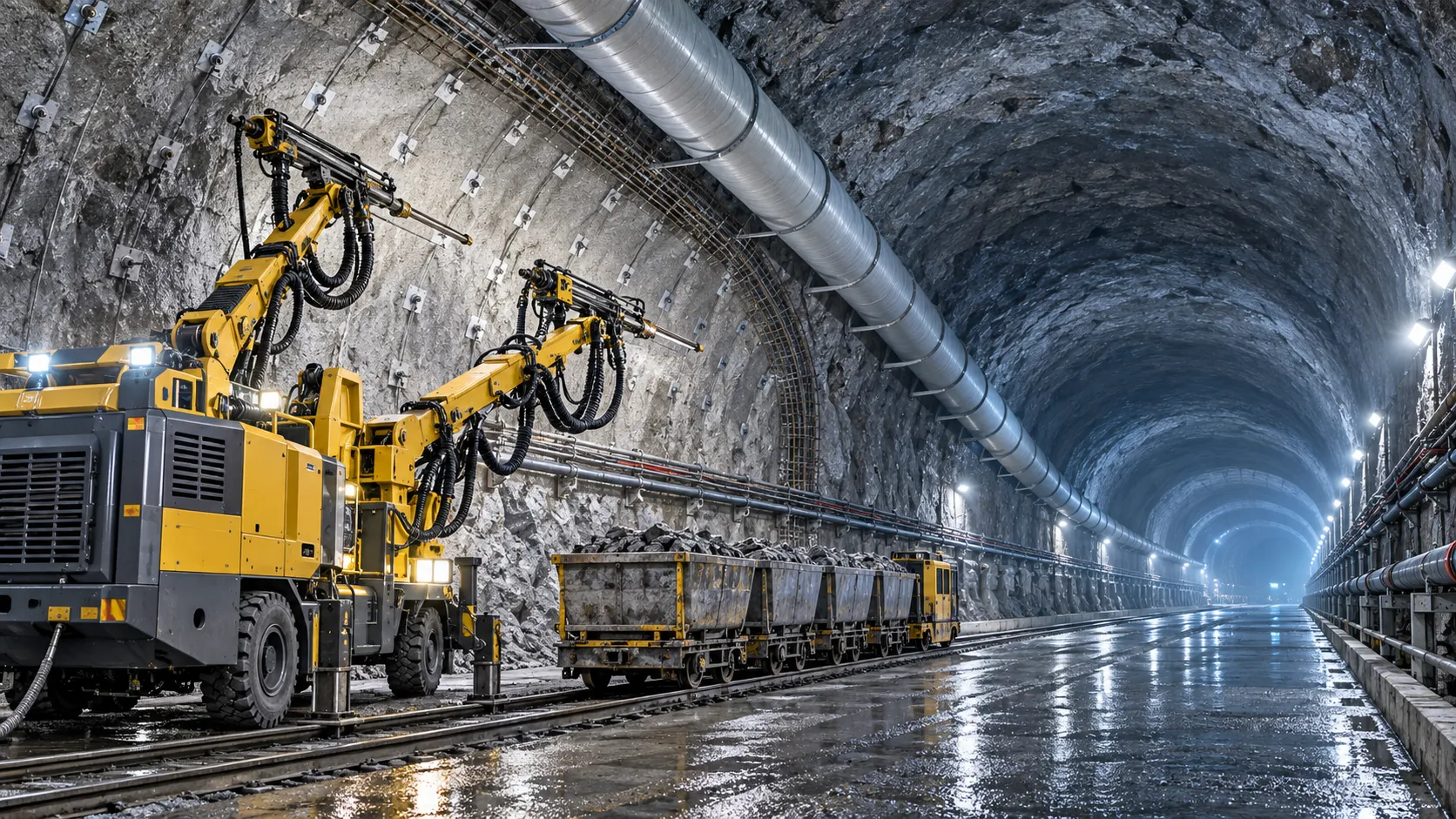
How to Evaluate European Drill-and-Blast Tunnelling Contractors for Complex Projects
Drill and blast tunnelling contractors Europe: learn how to assess geology expertise, blast control, equipment reliability, safety, and programme resilience for complex projects.
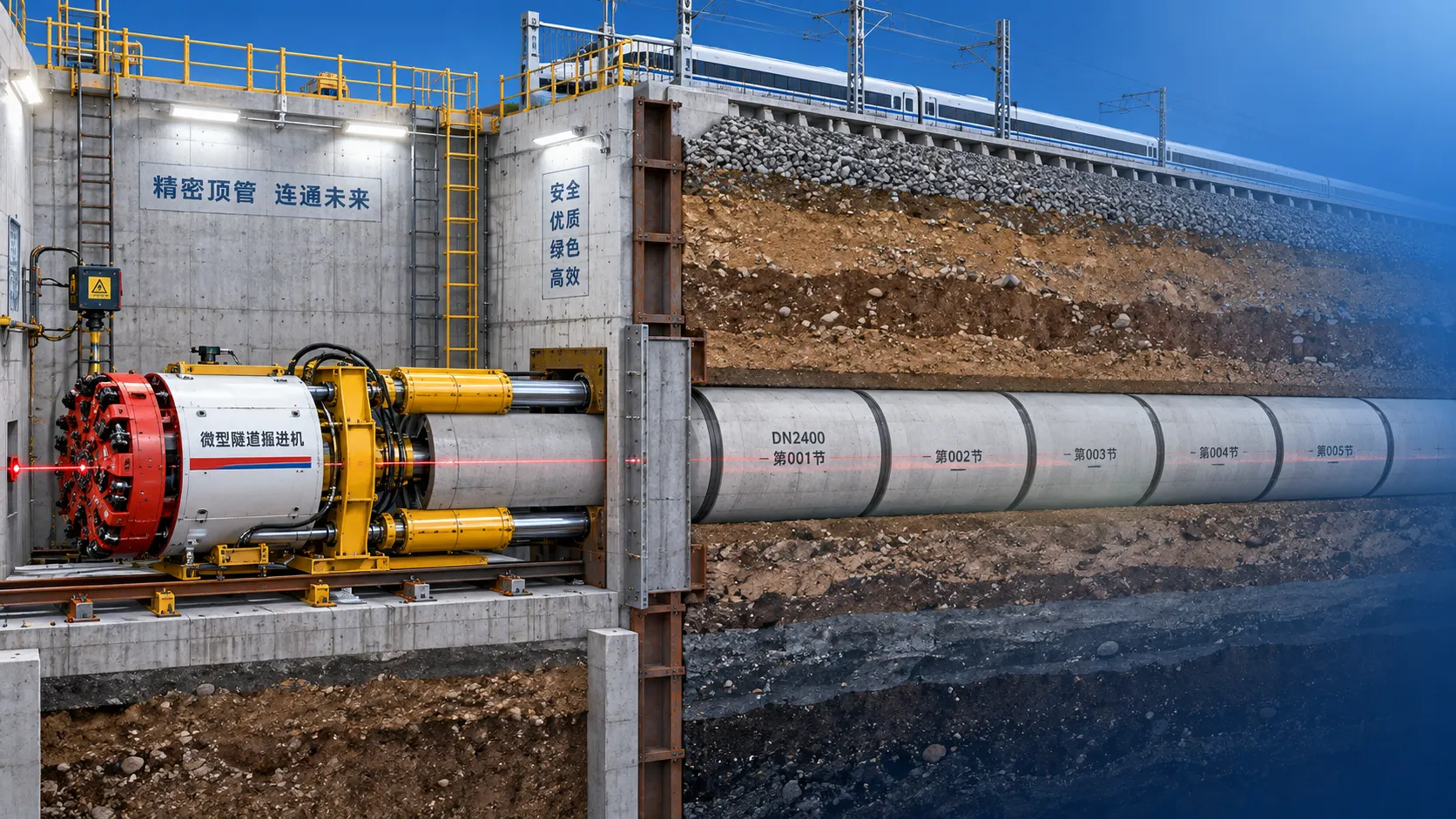
Which Trenchless Construction Technique Fits Your Utility Crossing Conditions?
Trenchless construction techniques compared for utility crossings: choose HDD, microtunnelling, pipe jacking, or auger boring based on ground, accuracy, access, and risk.

What Is Driving Metro Tunnelling Demand Across Southeast Asia’s Major Cities?
Metro tunnelling Southeast Asia is accelerating as major cities tackle congestion, flooding, and connectivity. Explore the market forces, technical risks, and opportunities shaping demand.
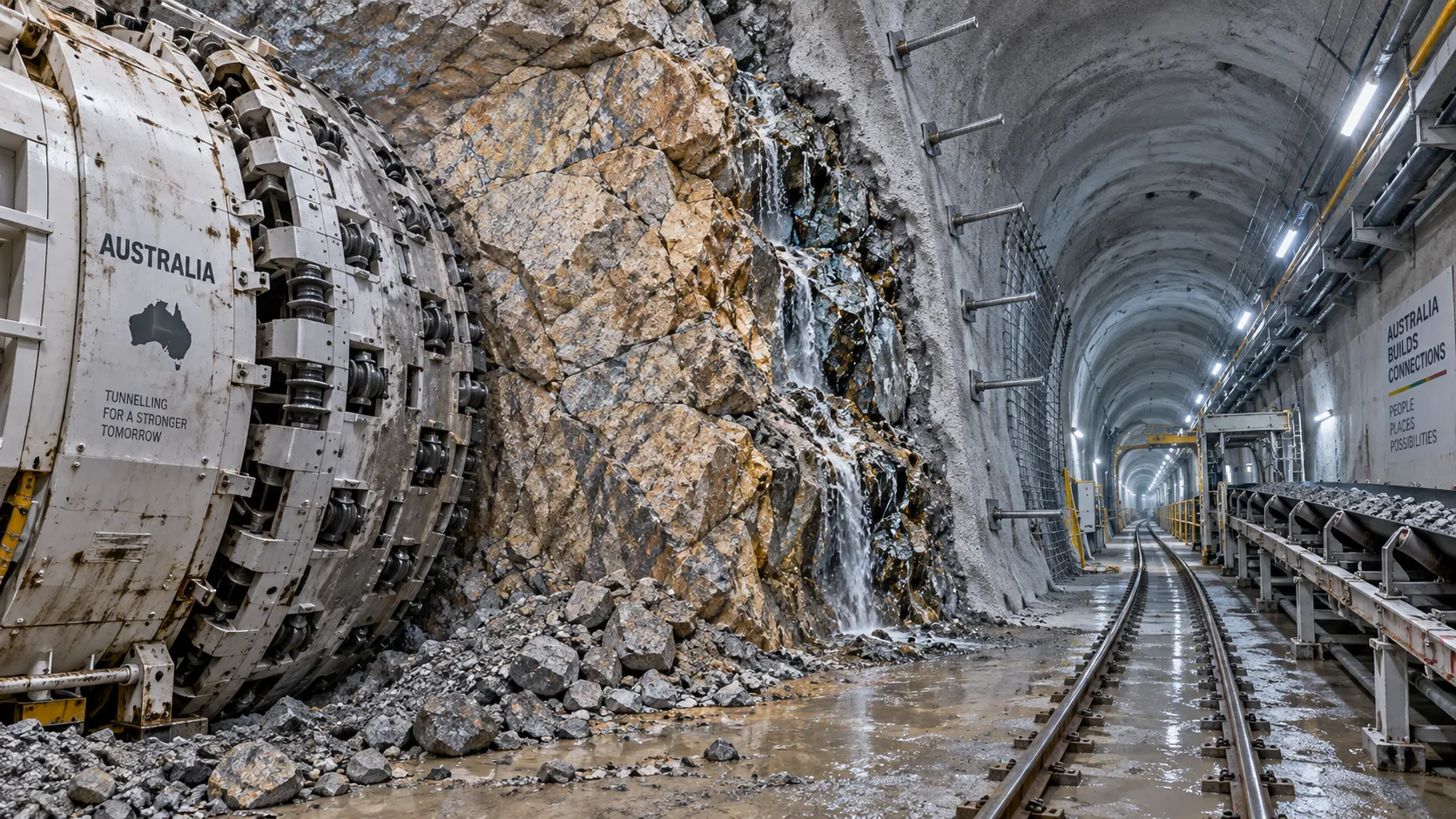
Hard Rock Tunnelling in Australia: Selecting Methods for Variable Ground Conditions
Hard rock tunnelling in Australia: compare TBM, drill-and-blast and hybrid methods to manage variable ground, reduce risk and protect project costs.
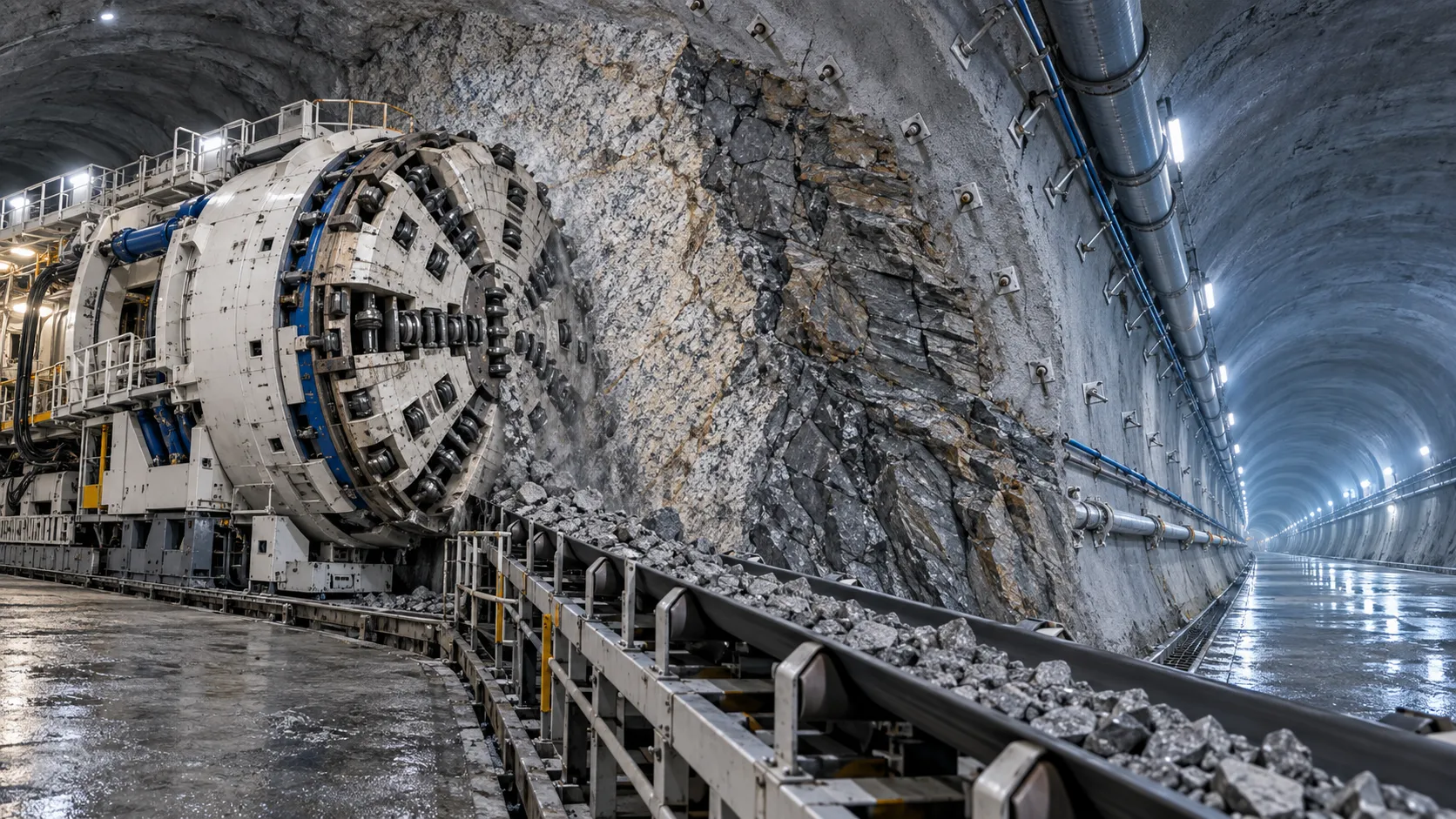
Hydropower Tunnel Excavation: Selecting Methods for Variable Rock Conditions
Hydropower tunnel excavation methods for variable rock conditions: compare TBM, drill-and-blast, and hybrid strategies to improve safety, progress, and project control.
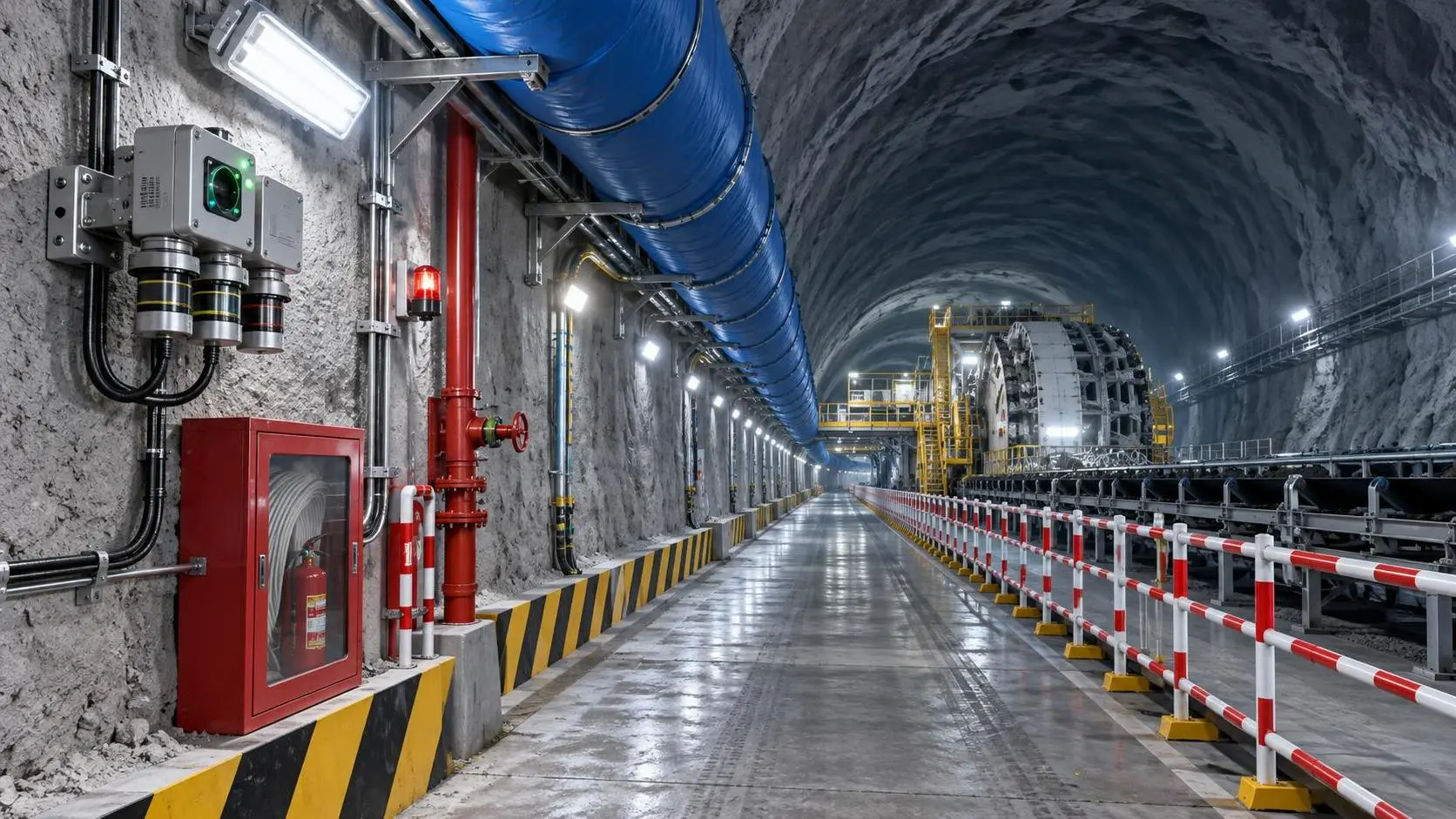
How to Select Underground Safety Equipment for Tunnelling by Hazard and Work Zone
Underground Safety Equipment for tunnelling: match protection to hazards, work zones, compliance, and emergency needs with this practical selection guide.

EPB or Slurry Shield? Selecting Soft-Ground Tunnelling Equipment by Soil Conditions
Tunnel Excavation Equipment for soft ground: compare EPB and slurry shields by soil, groundwater, settlement risk, and project logistics to choose confidently.

How to Specify TBM Backup System Parts for Reliable Long-Distance Tunnelling
TBM backup system parts: learn how to specify reliable spares for long-distance tunnelling, reduce downtime, ensure compatibility, and speed underground recovery.

How to Size Open Pit Mining Trucks for Haul Distance, Grade, and Payload?
Open Pit Mining Trucks: learn how to match payload, haul distance, grade, road resistance, and loading capacity for safer, lower-cost mine operations.
Related News
- 00
0000-00
How to Evaluate European Drill-and-Blast Tunnelling Contractors for Complex Projects - 00
0000-00
Which Trenchless Construction Technique Fits Your Utility Crossing Conditions? - 00
0000-00
What Is Driving Metro Tunnelling Demand Across Southeast Asia’s Major Cities? - 00
0000-00
Hard Rock Tunnelling in Australia: Selecting Methods for Variable Ground Conditions - 00
0000-00
Hydropower Tunnel Excavation: Selecting Methods for Variable Rock Conditions
Weekly Insights
Stay ahead with our curated technology reports delivered every Monday.