
Trenchless Pipeline Installation for Water: Best Methods for Urban Road Crossings





Trenchless Pipeline Installation for Water: Best Methods for Urban Road Crossings
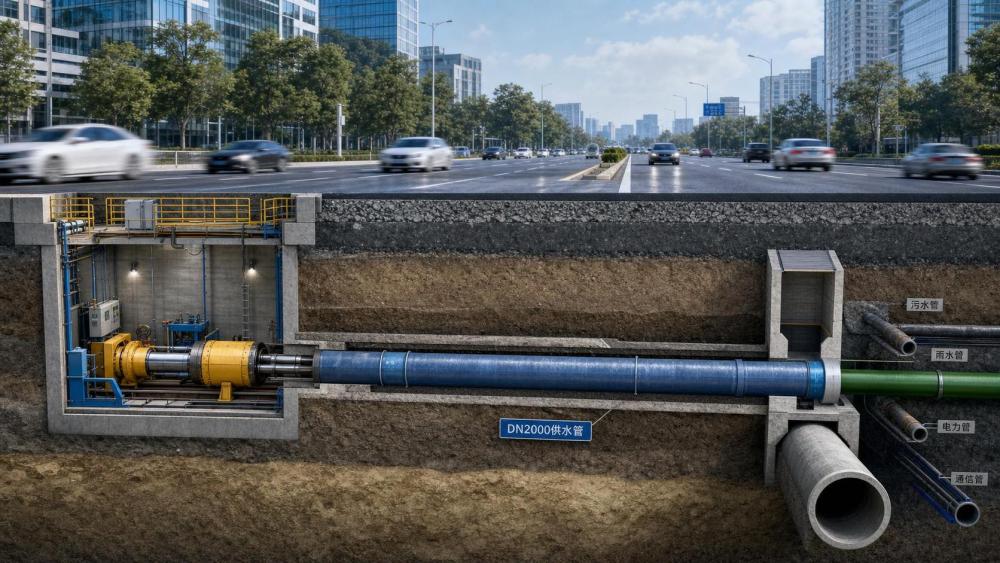
For urban water projects, road crossings are often the point where schedules slip and public pressure rises.
That is why trenchless pipeline installation for water has moved from a specialist option to a practical delivery strategy.
Instead of cutting open busy streets, teams install pipelines below traffic, utilities, and sensitive surfaces.
The result is usually less disruption, lower reinstatement cost, and better control over stakeholder risk.
In dense corridors, that advantage can decide whether a water upgrade finishes quietly or becomes a citywide headache.
Still, trenchless pipeline installation for water is not one single method.
The best choice depends on pipe diameter, ground conditions, crossing length, utility congestion, groundwater, and tolerance for settlement.
From a delivery perspective, method selection is less about popularity and more about fit.
Why Urban Road Crossings Need a Different Approach
A normal open-cut crossing may look simple on paper, but city roads rarely behave like empty work zones.
There are bus routes, emergency access lanes, buried telecom lines, aging sewers, and businesses that cannot absorb long closures.
That also means surface excavation can trigger secondary impacts far beyond the trench itself.
Noise complaints, utility strikes, pavement restoration disputes, and traffic management costs often grow faster than expected.
Trenchless pipeline installation for water helps limit those risks by shifting the work underground.
More importantly, it improves predictability when road authorities impose tight windows and strict settlement limits.
In practice, the method pays off most when disruption carries a high financial or political cost.
Best Trenchless Methods for Water Pipeline Crossings
Several methods can support trenchless pipeline installation for water, but they do not solve the same problem equally well.
1. Horizontal Directional Drilling for Flexible Crossings
HDD is often the first option considered for water mains under roads, rail lines, and developed corridors.
It works well when the pipe can tolerate curvature and when launch and exit areas are available.
For PE and some steel installations, HDD offers strong productivity with minimal surface footprint.
Its main strengths include:
- Fast installation over moderate to long crossing distances.
- Good suitability for roads with limited closure tolerance.
- Relatively small work zones compared with open trench construction.
- Useful alignment flexibility around known utility conflicts.
However, HDD is not risk-free in dense city work.
Drilling fluid returns, poor steering in variable ground, and tight clearance to existing services can complicate delivery.
Where the corridor is crowded and line-and-grade control is critical, another method may be safer.
2. Pipe Jacking for Precision and Control
Pipe jacking is one of the strongest choices for trenchless pipeline installation for water beneath major urban roads.
It pushes prefabricated pipes from a launch shaft while excavation occurs at the face.
This method is especially useful when exact alignment matters and settlement must stay tightly controlled.
In busy city settings, pipe jacking stands out for several reasons:
- High line-and-grade accuracy for gravity-sensitive or tightly toleranced assets.
- Strong performance in congested utility environments.
- Better control in mixed or unstable soils when paired with the right machine.
- Good fit for larger diameters and permanent carrier pipes.
The tradeoff is shaft construction, which adds planning, temporary works, and interface management.
Even so, for premium roads and utility-dense corridors, pipe jacking often delivers the best balance of control and certainty.
3. Microtunneling for Challenging Ground
When groundwater is high or soils are unstable, microtunneling can outperform simpler trenchless methods.
This remote-controlled system combines jacking with a closed-face machine for precise excavation.
For trenchless pipeline installation for water, it is a strong option where risk tolerance is low and surface assets are sensitive.
Microtunneling is often preferred when teams face:
- High groundwater pressure under major roads.
- Soft ground with settlement sensitivity.
- Longer drives requiring exact steering performance.
- Strict safety requirements in confined urban construction zones.
The method usually costs more upfront, but it can reduce the chance of expensive failures later.
That cost-risk trade is often worth it on strategic crossings.
4. Auger Boring for Straight, Short Road Crossings
Auger boring remains useful for simple, straight crossings where ground conditions are favorable.
It is commonly selected for casing installation beneath roads, then followed by carrier pipe insertion.
Compared with microtunneling, it is less complex and often more budget-friendly.
Still, steering capability is limited, so it works best for short, predictable alignments.
If utility conflicts or variable soils are likely, the margin for error can narrow quickly.
How to Choose the Right Method
Method selection should start with risk, not equipment preference.
A useful review framework includes the following decision factors:
- Ground model quality, including fill, cobbles, rock transition, and groundwater behavior.
- Required pipe material, diameter, pressure class, and allowable curvature.
- Road classification, traffic importance, and reinstatement restrictions.
- Existing utility density and confidence level in mapping data.
- Settlement tolerance for pavements, structures, and buried assets.
- Available launch and reception space in constrained urban sites.
- Environmental controls for slurry, drilling fluid, spoil, and noise.
From recent project patterns, the bigger issue is rarely drilling alone.
It is usually the interface between geology, utilities, and traffic management that drives final cost.
That is why trenchless pipeline installation for water should be evaluated as a whole delivery system, not just a construction activity.
Common Risks and How to Manage Them
Even the best method can struggle if early controls are weak.
For trenchless pipeline installation for water, the most common risks are well known and manageable.
- Incomplete utility data leading to alignment changes during execution.
- Unexpected ground transitions causing steering loss or production delays.
- Groundwater inflow affecting shafts, face pressure, or spoil handling.
- Settlement above the crossing due to poor control or unsuitable method choice.
- Material selection errors that reduce long-term performance after installation.
The practical response is straightforward.
Invest early in utility verification, geotechnical investigation, and method-specific constructability reviews.
Use clear hold points for alignment checks, slurry management, shaft safety, and as-built confirmation.
Where conditions are uncertain, a pilot section or risk allowance can protect the wider program.
Quick Method Comparison for Urban Water Crossings
A Practical Delivery Checklist
If the goal is reliable trenchless pipeline installation for water, a disciplined front-end process matters more than optimistic assumptions.
- Confirm utility records with field verification before freezing alignment.
- Match pipe material to method, pressure duty, and pull or jacking loads.
- Review settlement thresholds with road and asset owners early.
- Check shaft, launch, and laydown requirements against real site constraints.
- Plan spoil, slurry, and traffic interfaces as core design items.
- Use specialist trenchless input during design, not only during procurement.
This is also where intelligence-led engineering adds value.
For teams tracking trenchless equipment, pipe jacking advances, and underground construction strategy, UTMD supports better technical judgment with focused sector insight.
When urban crossings are politically sensitive and technically unforgiving, better information often becomes a direct project advantage.
Final Takeaway
The best trenchless pipeline installation for water is the method that fits the road, the ground, the pipe, and the risk profile together.
HDD suits many flexible crossings.
Pipe jacking and microtunneling offer stronger control in crowded or sensitive urban conditions.
Auger boring remains useful for short, straight installations with manageable uncertainty.
Before selecting any approach, test it against real site constraints, not just budget targets.
That is usually the difference between a clean crossing and a costly recovery plan.
Related News
How to Evaluate European Drill-and-Blast Tunnelling Contractors for Complex Projects
Drill and blast tunnelling contractors Europe: learn how to assess geology expertise, blast control, equipment reliability, safety, and programme resilience for complex projects.
Which Trenchless Construction Technique Fits Your Utility Crossing Conditions?
Trenchless construction techniques compared for utility crossings: choose HDD, microtunnelling, pipe jacking, or auger boring based on ground, accuracy, access, and risk.
What Is Driving Metro Tunnelling Demand Across Southeast Asia’s Major Cities?
Metro tunnelling Southeast Asia is accelerating as major cities tackle congestion, flooding, and connectivity. Explore the market forces, technical risks, and opportunities shaping demand.
Hard Rock Tunnelling in Australia: Selecting Methods for Variable Ground Conditions
Hard rock tunnelling in Australia: compare TBM, drill-and-blast and hybrid methods to manage variable ground, reduce risk and protect project costs.
Hydropower Tunnel Excavation: Selecting Methods for Variable Rock Conditions
Hydropower tunnel excavation methods for variable rock conditions: compare TBM, drill-and-blast, and hybrid strategies to improve safety, progress, and project control.
How to Select Underground Safety Equipment for Tunnelling by Hazard and Work Zone
Underground Safety Equipment for tunnelling: match protection to hazards, work zones, compliance, and emergency needs with this practical selection guide.
EPB or Slurry Shield? Selecting Soft-Ground Tunnelling Equipment by Soil Conditions
Tunnel Excavation Equipment for soft ground: compare EPB and slurry shields by soil, groundwater, settlement risk, and project logistics to choose confidently.
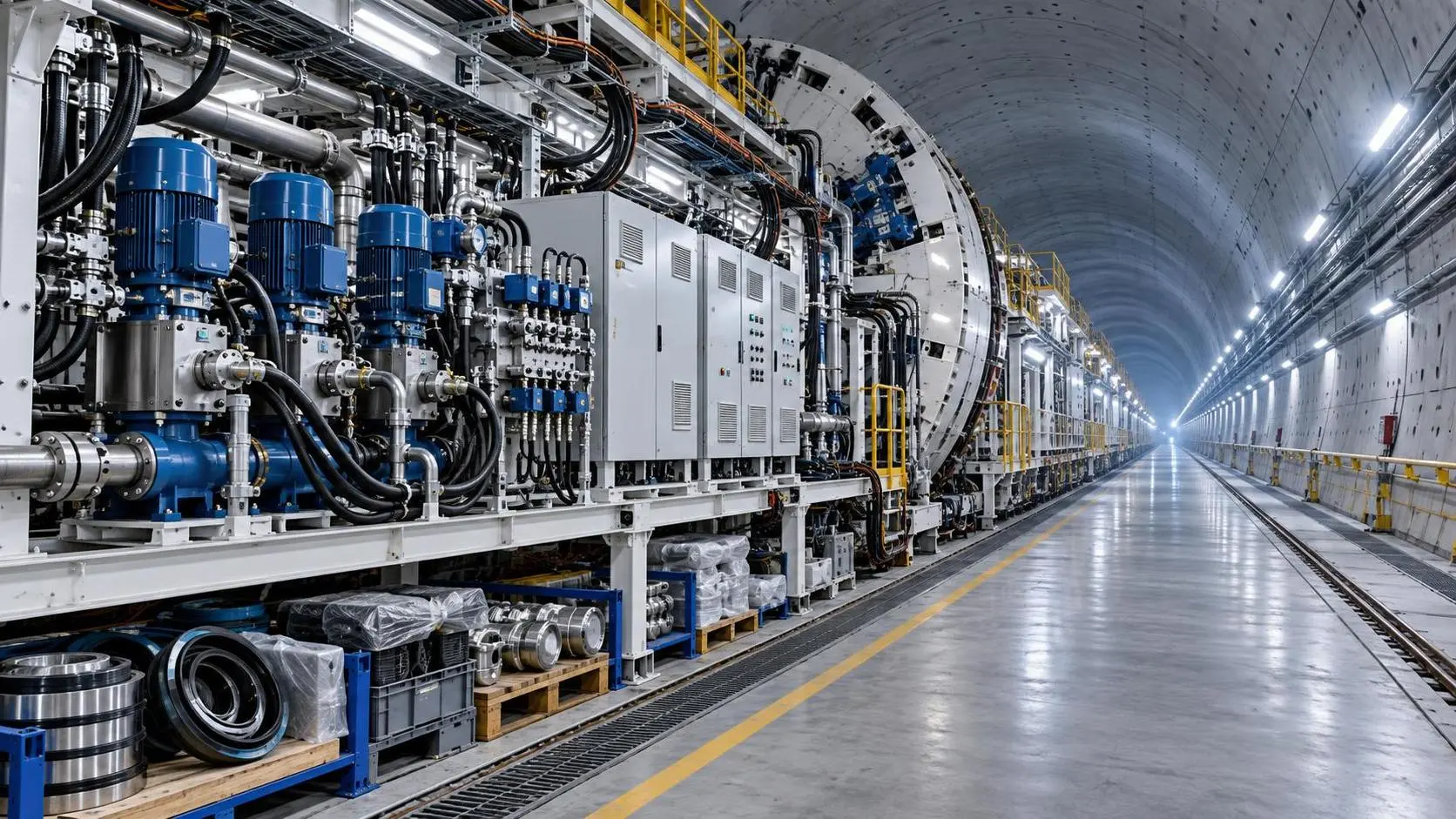
How to Specify TBM Backup System Parts for Reliable Long-Distance Tunnelling
TBM backup system parts: learn how to specify reliable spares for long-distance tunnelling, reduce downtime, ensure compatibility, and speed underground recovery.
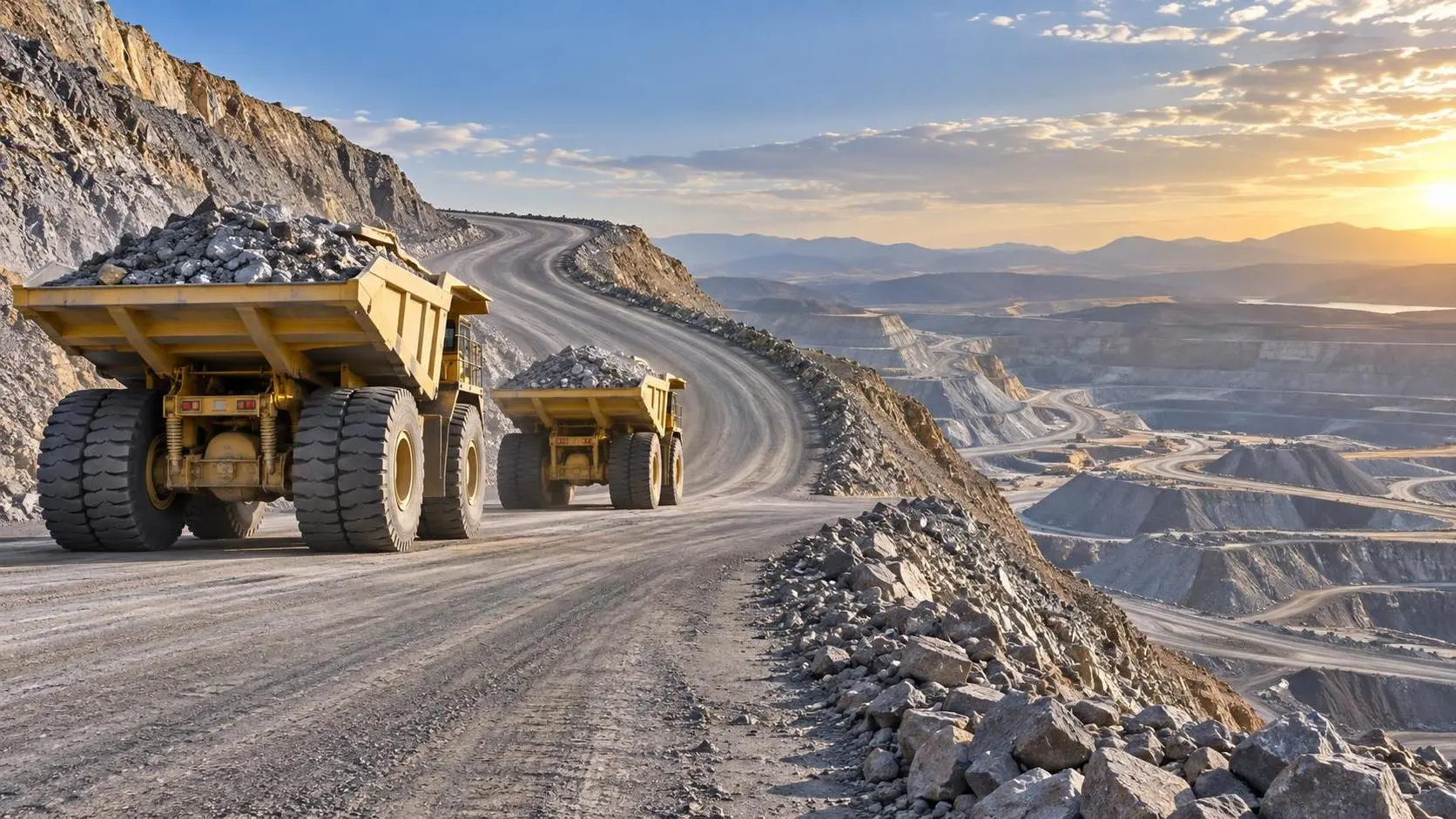
How to Size Open Pit Mining Trucks for Haul Distance, Grade, and Payload?
Open Pit Mining Trucks: learn how to match payload, haul distance, grade, road resistance, and loading capacity for safer, lower-cost mine operations.
Related News
- 00
0000-00
How to Evaluate European Drill-and-Blast Tunnelling Contractors for Complex Projects - 00
0000-00
Which Trenchless Construction Technique Fits Your Utility Crossing Conditions? - 00
0000-00
What Is Driving Metro Tunnelling Demand Across Southeast Asia’s Major Cities? - 00
0000-00
Hard Rock Tunnelling in Australia: Selecting Methods for Variable Ground Conditions - 00
0000-00
Hydropower Tunnel Excavation: Selecting Methods for Variable Rock Conditions
Weekly Insights
Stay ahead with our curated technology reports delivered every Monday.