
How to Evaluate Mine Communication System Suppliers for Safety and Site Reliability





What should procurement teams look at first when comparing mine communication system suppliers?
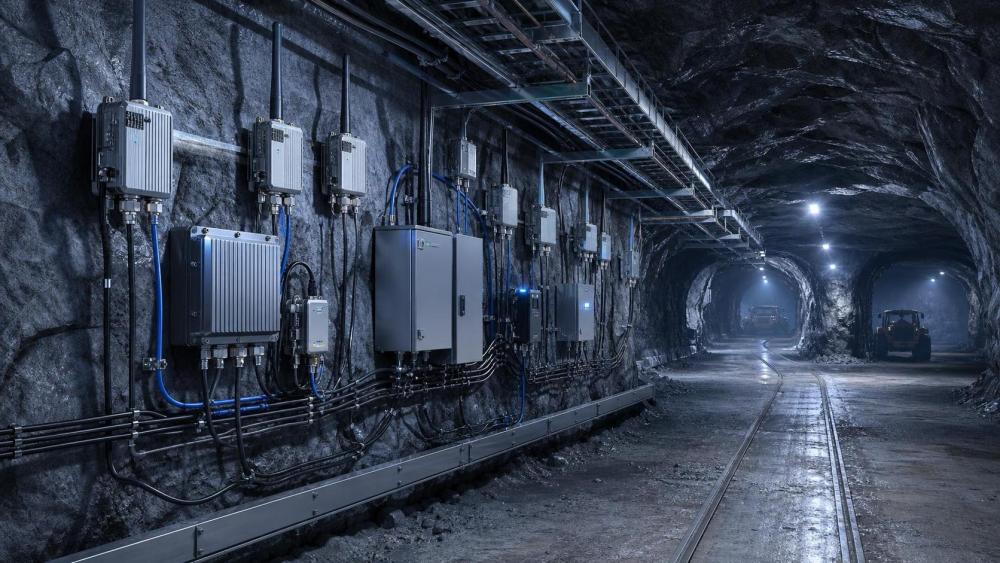
Start with the operating environment, not the brochure. A supplier may look strong on paper, but underground mining is unforgiving. Signal behavior in declines, crosscuts, blind headings, wet zones, and blasting areas matters more than a long feature list.
For buyers, the first screen is simple: can the supplier explain how its system performs in your mine layout, your workforce density, and your risk profile? A serious vendor should be able to discuss voice, data, tracking, and emergency communications in relation to specific mine conditions such as depth, rock interference, diesel or battery fleets, and the need for remote equipment control.
If that conversation stays too generic, move on. Mine communication system suppliers worth shortlisting usually ask for site drawings, production areas, refuge chamber locations, mobile equipment routes, and existing infrastructure before they talk pricing.
Which system capabilities are actually critical for safety?
In procurement reviews, safety-critical capability is less about having every possible function and more about whether the core functions still work when conditions get messy. The essentials usually include dependable voice communication, worker tracking or location awareness, alarm broadcasting, communication to refuge or evacuation points, and enough network resilience to keep operating during partial failures.
Ask suppliers to show how the system handles:
- loss of a node, cable segment, or power source
- communication at the face and in remote development headings
- handover between fixed and mobile coverage areas
- emergency messaging to all personnel or selected zones
- communication during maintenance shutdowns or blasting windows
A common buying mistake is to focus on normal-operation audio quality and ignore degraded-mode performance. In a mine, the system earns its value when something has already gone wrong.
How do you judge site reliability instead of just vendor claims?
Ask for proof in forms that can be checked. Reliability claims should connect to architecture, maintenance strategy, and fault recovery. You are not looking for marketing phrases like “rugged” or “mission critical.” You are looking for evidence that the design reduces single points of failure and that failures can be found and fixed quickly.
Useful procurement questions include:
If a supplier cannot walk through failure scenarios in plain language, that is a procurement warning sign.
Do certifications and compliance documents matter that much?
Yes, but only if you treat them as screening tools, not the whole decision. Communication equipment used in mining may need to align with local electrical safety rules, hazardous area requirements, radio approvals, or mining authority expectations depending on where the site is located and how the system is used.
The practical approach is to ask for the exact document set tied to the offered configuration, not a general company compliance pack. Procurement teams should check model numbers, intended installation zones, certificate scope, and expiry status where relevant. A document for one device family does not automatically cover every field assembly or every accessory in the quotation.
This is where many tenders go sideways: the approved device exists, but the quoted antennas, power modules, enclosures, or integration parts are not covered in the same way. That gap becomes your problem later.
How can buyers compare suppliers on total cost, not just purchase price?
The cheapest quote can become the most expensive system if it needs extra infrastructure, frequent service visits, or early replacement in expansion zones. For mine communication system suppliers, total cost should include design, installation support, integration work, software licensing, training, spares, maintenance tools, and future coverage extension.
A clean comparison usually includes these cost buckets:
- Initial hardware and software
- Site survey and engineering design
- Installation and commissioning support
- Integration with existing control, tracking, or fleet systems
- Operator and maintenance training
- Annual support, updates, and license renewals
- Expansion costs for new headings or production levels
- Critical spare holdings and replacement lead times
Also ask which costs are likely to increase after contract award. Some suppliers quote a competitive base system but leave important functions as optional modules. Others depend heavily on proprietary service, which limits your leverage later.
What technical questions separate a capable supplier from a polished sales team?
Ask questions that force the supplier to connect design choices to mine reality. For example: how does the network scale as the mine advances? What happens when headings move weekly? How are dead zones identified and corrected? What installation method is recommended in high-vibration or water-prone sections? How does the system coexist with other wireless or control technologies already underground?
A capable supplier usually gives conditional answers, because real mines are not identical. A weak one often gives absolute answers. That sounds confident in a meeting and becomes painful during commissioning.
How important is integration with tracking, automation, and remote operations?
Very important if your site is running, or planning to run, connected mobile fleets, remote LHDs, automated haulage workflows, or centralized control rooms. Communication systems are no longer stand-alone utilities. In many mines, they sit underneath dispatch, personnel tracking, equipment telemetry, and incident response.
For procurement, this means you should ask less about isolated device features and more about interfaces. Which systems can it exchange data with? What information can be exported? How are alarms passed to supervisory platforms? Can the network support both today’s communication needs and tomorrow’s digital workflows without a complete rebuild?
A supplier that fits your mine for the next two years but blocks future automation is not the low-cost option it first appears to be.
What should be included in a supplier evaluation checklist?
Keep it tight and decision-oriented. Too many checklists collect information without helping selection. A practical scorecard should cover safety fit, technical fit, service capability, commercial structure, and expansion readiness.
- Fit for mine layout and operating method
- Coverage approach for active and planned areas
- Redundancy and fault recovery design
- Compliance document match to quoted equipment
- Installation support and commissioning scope
- Training for operators and maintainers
- Local or regional service response capability
- Spares strategy and lead times
- Software, licensing, and upgrade terms
- Expansion cost over the next development stages
Score each item against site needs, not generic preference. A highly advanced system can still lose if it is hard to maintain with your labor structure or impossible to support in your region.
Should you insist on a site trial or demonstration?
If the project is material to production continuity or emergency readiness, yes. A trial does not need to be huge, but it should test the actual problem areas: blind corners, moving equipment, long declines, fresh development headings, and communications during routine disruption.
The key is to define acceptance criteria before the test begins. That may include voice clarity in specific zones, reconnection speed after interruption, alarm delivery, ease of troubleshooting, or the time required to extend coverage to a new heading. Without pre-agreed test points, demonstrations tend to favor whatever the supplier is strongest at showing.
What service and support questions matter after commissioning?
Plenty, because a mine communication system is not a one-time purchase. Underground networks evolve with the mine, and support quality often decides whether the system stays reliable. Procurement should ask who handles troubleshooting, whether remote diagnostics are available, what response windows apply, and what training is provided to site technicians.
Look closely at the support model. Some suppliers have strong products but limited field capacity. Others rely on third parties for commissioning and service, which can blur responsibility when faults appear. Make sure the contract states who owns software updates, configuration backups, documentation revisions, and change management for future expansions.
What are the most common procurement mistakes with mine communication system suppliers?
Three errors show up again and again.
Buying for the current footprint only. Mines move. If the design works only for today’s active areas, extension costs arrive sooner than expected.
Confusing feature count with operational value. A system with fewer functions but stronger uptime, simpler maintenance, and better underground fit can be the better decision.
Leaving acceptance terms vague. If performance, support obligations, and document deliverables are not clearly written into the purchase package, arguments begin when the site starts using the system under pressure.
So what is the smartest way to make the final selection?
Choose the supplier that can explain, document, test, and support performance in your actual mine conditions at a cost structure you can live with over the life of the system. That usually means balancing five things: safety function, reliability under failure, maintainability, expansion path, and commercial transparency.
When two bids are close, the better one is often the supplier that gives clearer engineering assumptions, sharper documentation, and fewer hidden dependencies. In this category, clarity is not a soft advantage. It is often the best predictor of whether the system will still be working when the mine is under stress.
Related News
How to Evaluate European Drill-and-Blast Tunnelling Contractors for Complex Projects
Drill and blast tunnelling contractors Europe: learn how to assess geology expertise, blast control, equipment reliability, safety, and programme resilience for complex projects.
Which Trenchless Construction Technique Fits Your Utility Crossing Conditions?
Trenchless construction techniques compared for utility crossings: choose HDD, microtunnelling, pipe jacking, or auger boring based on ground, accuracy, access, and risk.
What Is Driving Metro Tunnelling Demand Across Southeast Asia’s Major Cities?
Metro tunnelling Southeast Asia is accelerating as major cities tackle congestion, flooding, and connectivity. Explore the market forces, technical risks, and opportunities shaping demand.
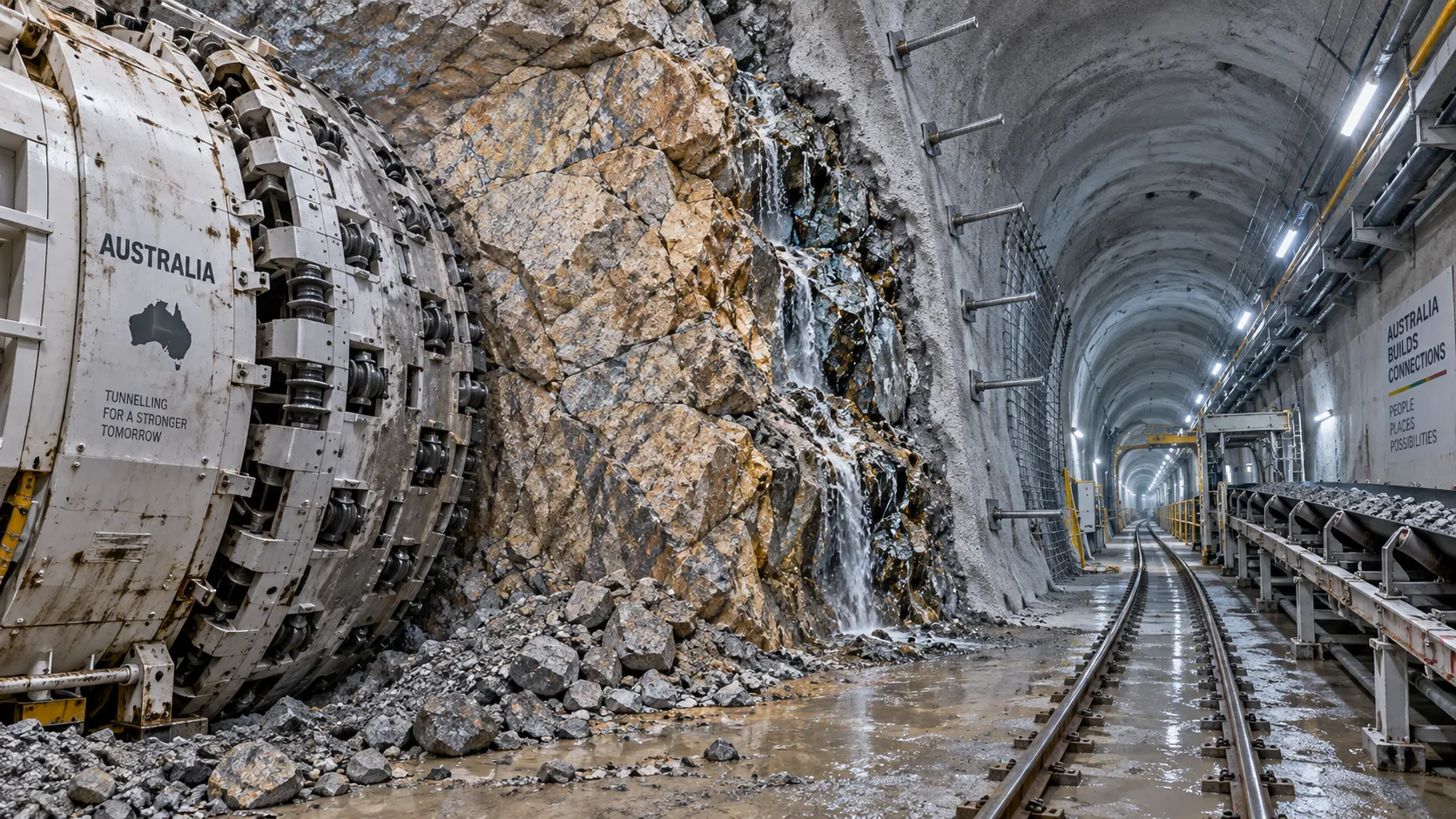
Hard Rock Tunnelling in Australia: Selecting Methods for Variable Ground Conditions
Hard rock tunnelling in Australia: compare TBM, drill-and-blast and hybrid methods to manage variable ground, reduce risk and protect project costs.
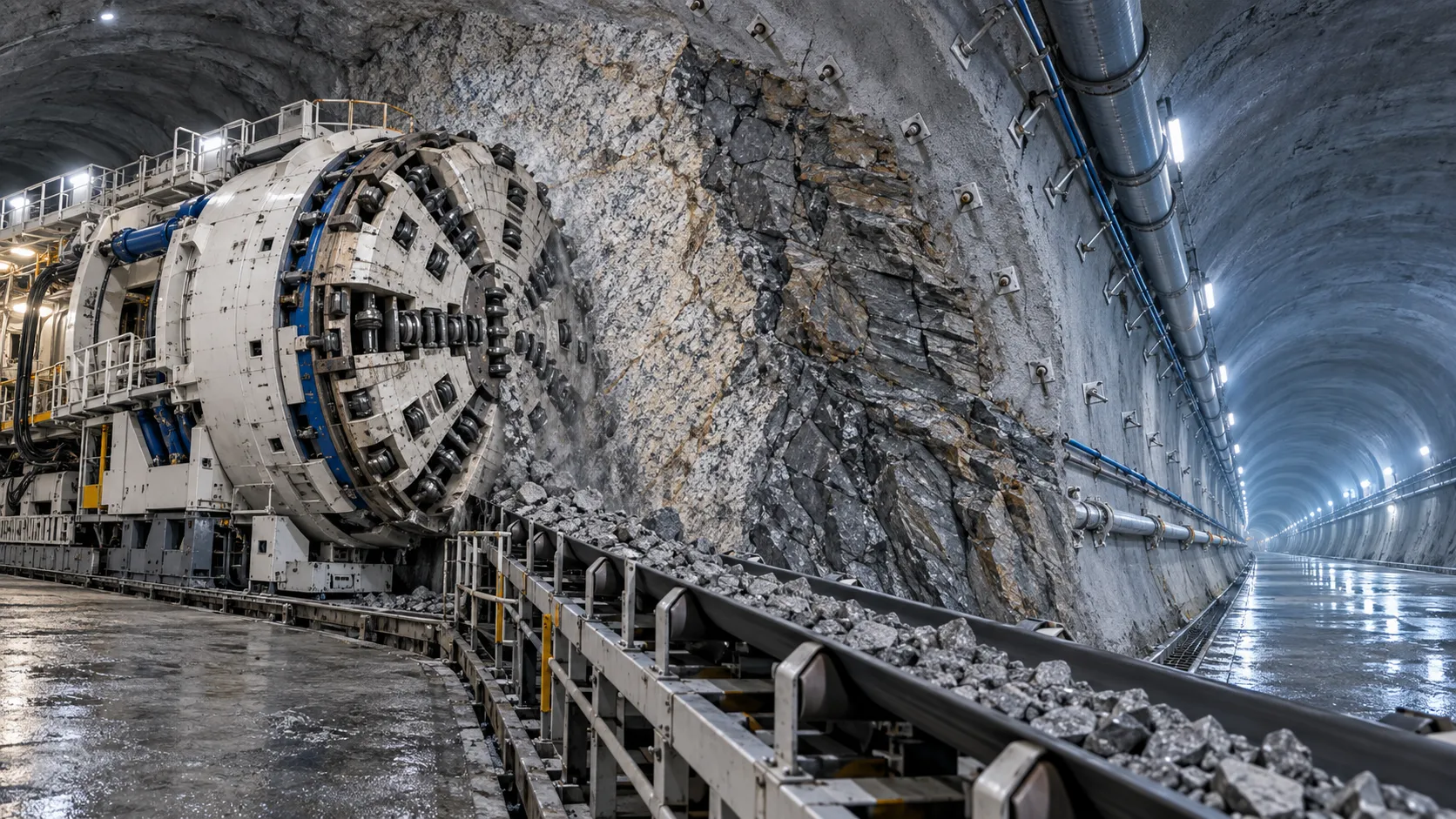
Hydropower Tunnel Excavation: Selecting Methods for Variable Rock Conditions
Hydropower tunnel excavation methods for variable rock conditions: compare TBM, drill-and-blast, and hybrid strategies to improve safety, progress, and project control.
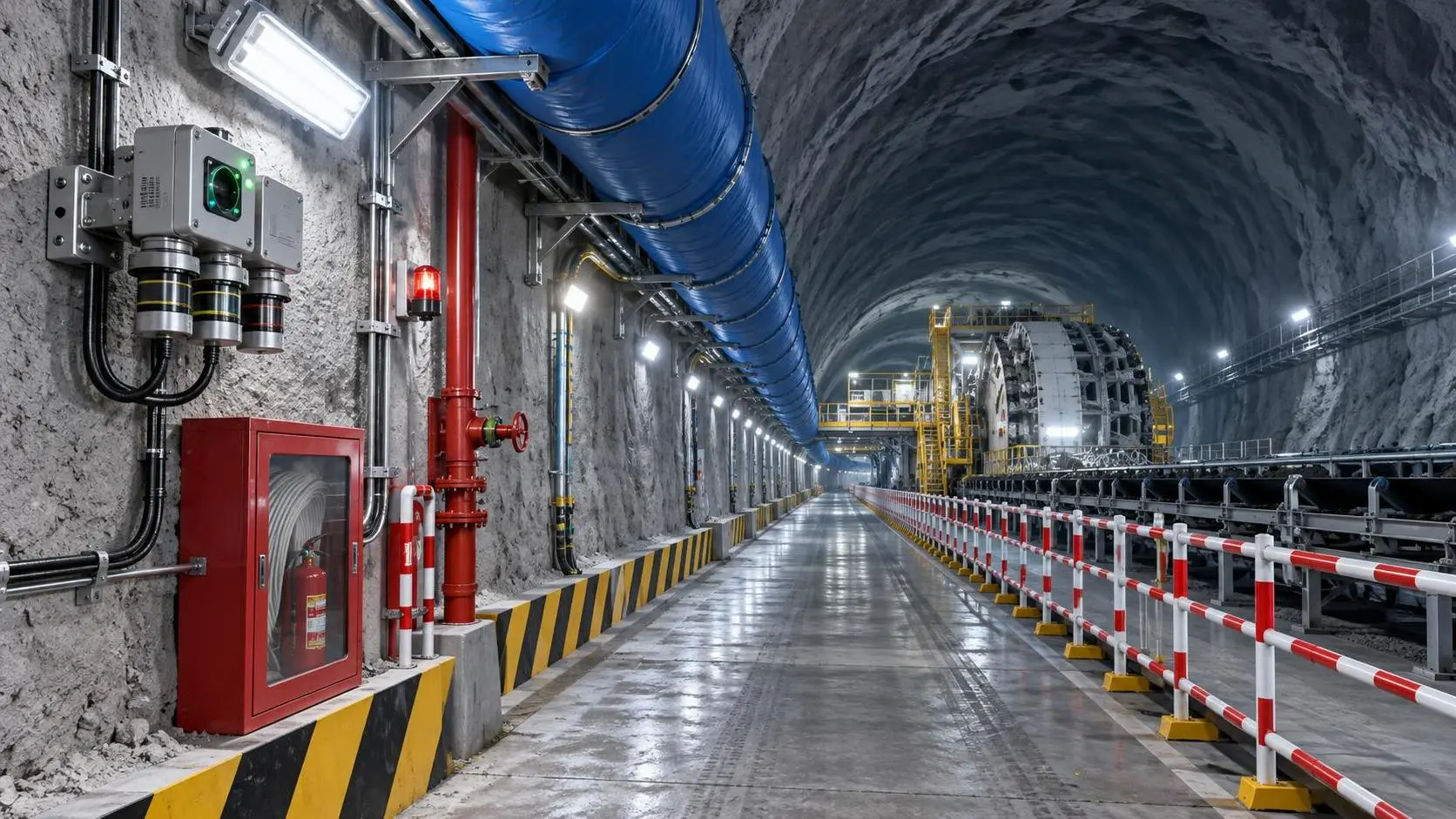
How to Select Underground Safety Equipment for Tunnelling by Hazard and Work Zone
Underground Safety Equipment for tunnelling: match protection to hazards, work zones, compliance, and emergency needs with this practical selection guide.
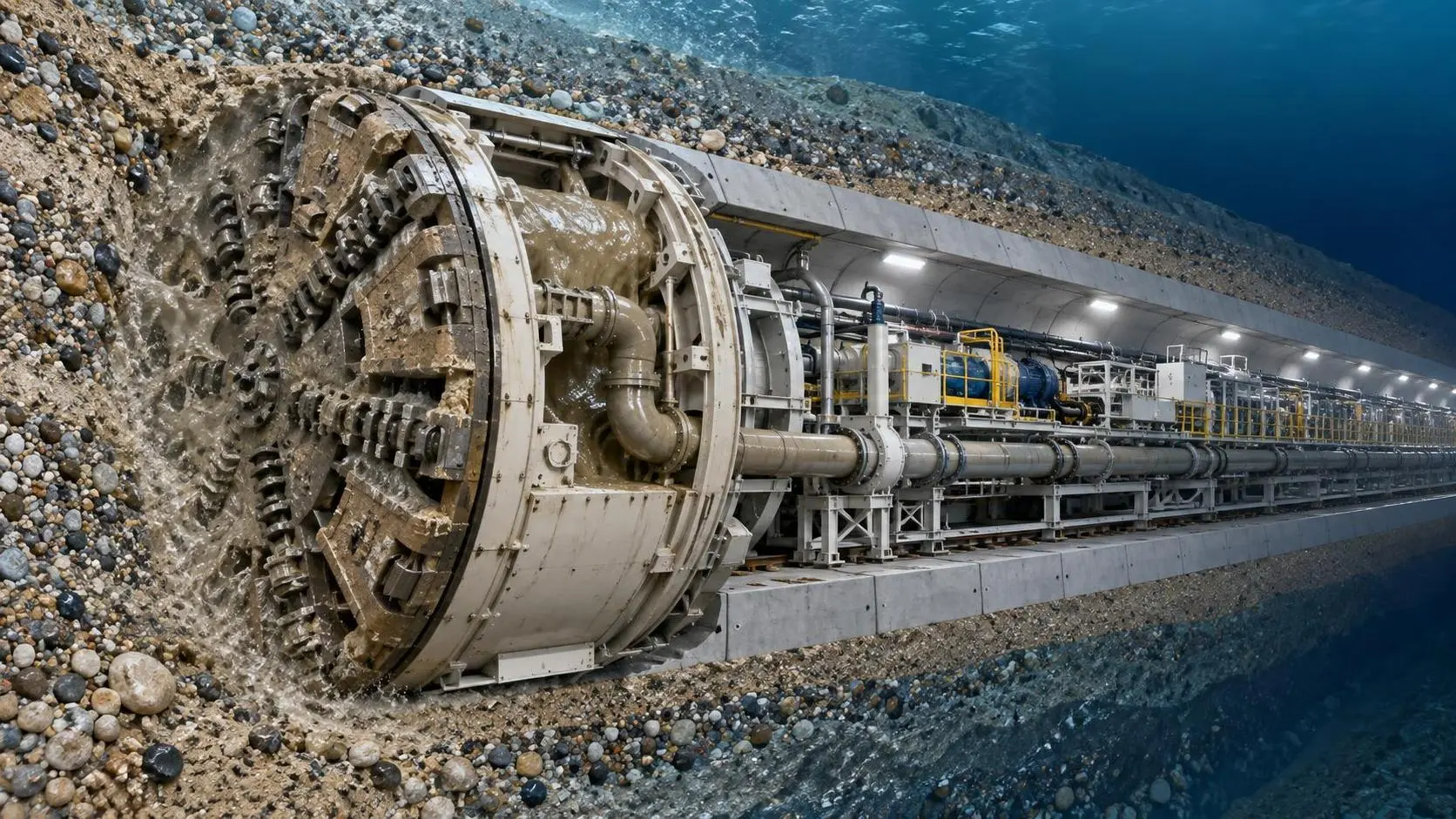
EPB or Slurry Shield? Selecting Soft-Ground Tunnelling Equipment by Soil Conditions
Tunnel Excavation Equipment for soft ground: compare EPB and slurry shields by soil, groundwater, settlement risk, and project logistics to choose confidently.
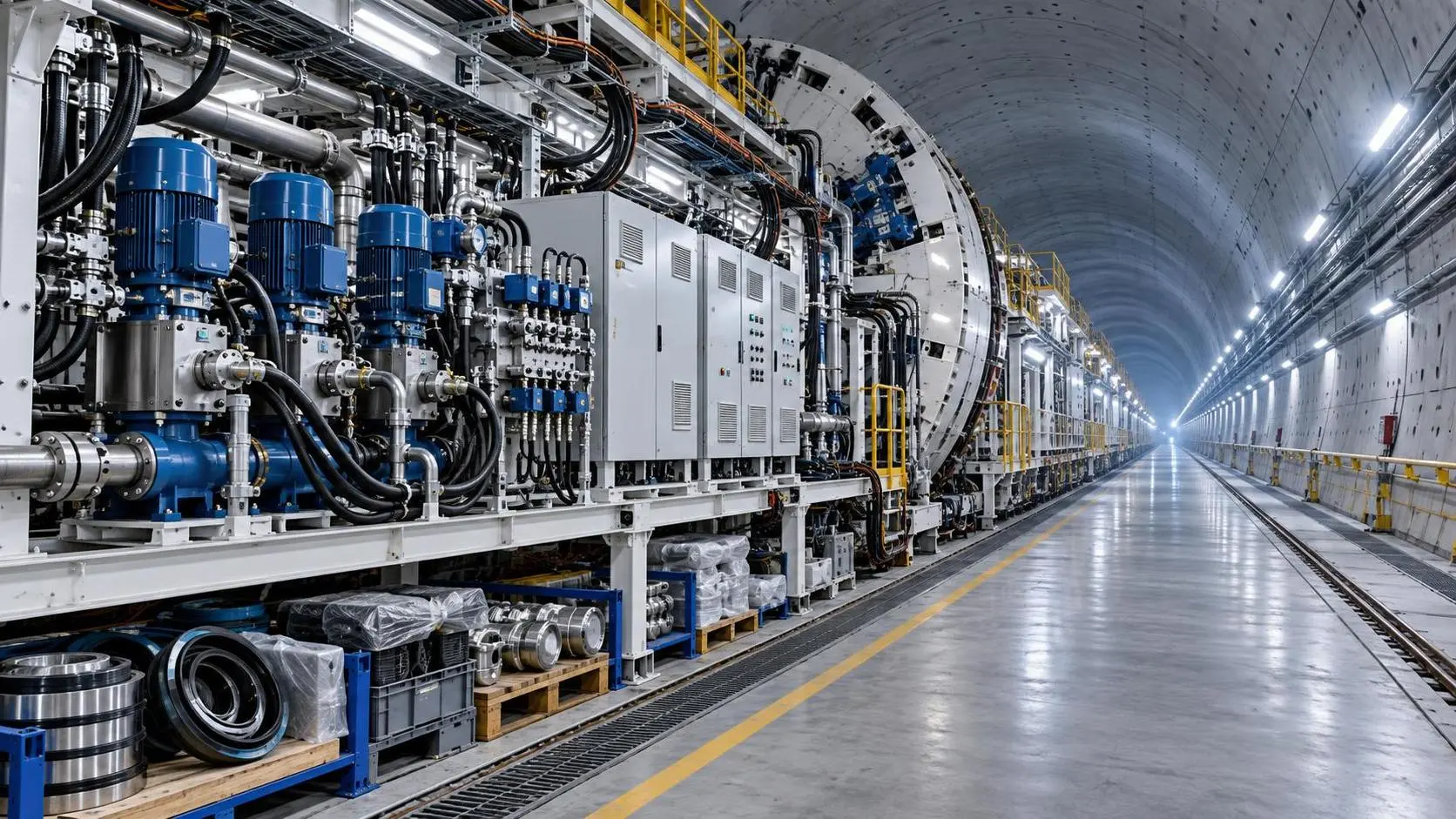
How to Specify TBM Backup System Parts for Reliable Long-Distance Tunnelling
TBM backup system parts: learn how to specify reliable spares for long-distance tunnelling, reduce downtime, ensure compatibility, and speed underground recovery.

How to Size Open Pit Mining Trucks for Haul Distance, Grade, and Payload?
Open Pit Mining Trucks: learn how to match payload, haul distance, grade, road resistance, and loading capacity for safer, lower-cost mine operations.
Related News
- 00
0000-00
How to Evaluate European Drill-and-Blast Tunnelling Contractors for Complex Projects - 00
0000-00
Which Trenchless Construction Technique Fits Your Utility Crossing Conditions? - 00
0000-00
What Is Driving Metro Tunnelling Demand Across Southeast Asia’s Major Cities? - 00
0000-00
Hard Rock Tunnelling in Australia: Selecting Methods for Variable Ground Conditions - 00
0000-00
Hydropower Tunnel Excavation: Selecting Methods for Variable Rock Conditions
Weekly Insights
Stay ahead with our curated technology reports delivered every Monday.