
Canada Tightens Battery LHD Import Rules





On July 30, 2026, Canada introduced an urgent update to its mandatory technical direction for underground mining equipment, setting a new compliance threshold for imported battery-powered LHDs. From October 1, 2026, these machines must include a real-time battery thermal runaway monitoring and automatic isolation module that complies with ISO 19453-3:2025 Annex D. This is worth close attention for exporters, equipment manufacturers, certification-facing teams, and supply chain planners because the change reaches beyond product specification and directly affects certification readiness, delivery timing, and cost structure.
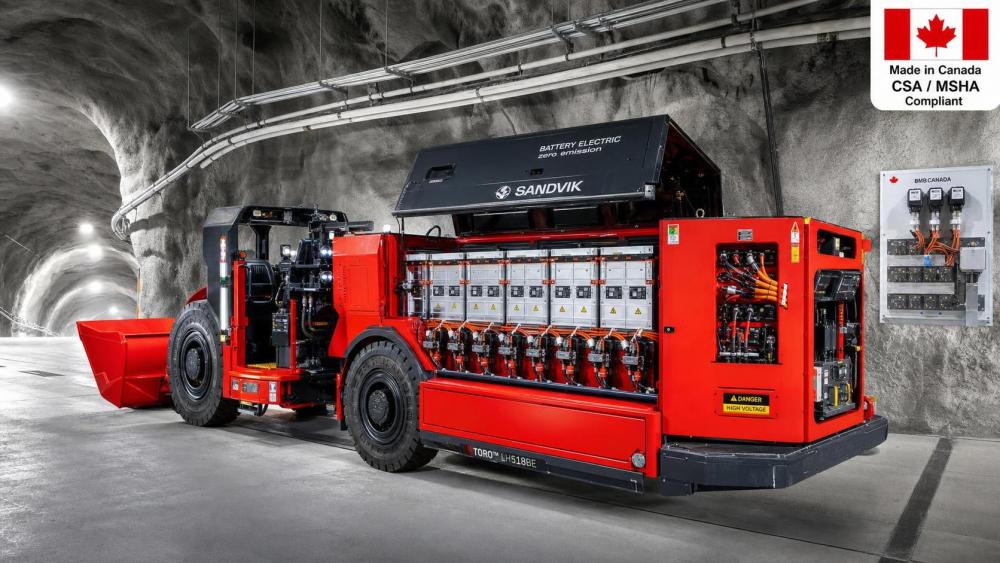
A Clear Compliance Change With a Near-Term Deadline
According to the provided information, Natural Resources Canada (NRCan) urgently updated the underground mining equipment safety mandatory technical directive, identified as CAN/CSA-M421:2026 Rev.2, on July 30, 2026. The updated requirement takes effect on October 1, 2026.
The rule applies to all Battery LHDs imported into Canada. Under the new requirement, imported units must integrate a real-time battery thermal runaway monitoring and automatic isolation module that meets ISO 19453-3:2025 Annex D.
The provided information also states that this requirement directly affects export compliance design, bill of materials cost, and delivery schedules for Chinese manufacturers. Orders that are not pre-installed with the required system will not pass on-site CSA certification inspection in Canada.
Where the Immediate Pressure Falls
Export-facing equipment design moves to the front line
From an industry perspective, manufacturers shipping Battery LHDs to Canada are likely to feel the most direct impact because the requirement is tied to import eligibility and certification inspection. The main pressure points are product configuration, system integration, and whether Canada-bound units are designed with the required module from the outset rather than treated as a later adjustment.
Procurement and BOM control become more sensitive
Analysis shows that procurement and supply planning teams may be affected because the update explicitly reaches BOM cost. What deserves closer attention is whether existing sourcing plans, approved component lists, and cost assumptions for Canada-bound machines still match the new requirement and timeline.
Delivery and certification coordination face tighter timing risk
Observably, delivery planning and certification preparation are now more closely linked. If a unit arrives without the required pre-installed system, the provided information indicates it will not pass CSA on-site inspection. That makes schedule coordination, pre-shipment configuration checks, and documentation readiness more critical for orders already in pipeline for the Canadian market.
Buyers and channel-side participants may need earlier confirmation
For buyers, distributors, and other commercial participants handling Canada-bound equipment, the practical issue is no longer limited to machine availability. The more immediate concern is whether the ordered specification is aligned with the updated compliance condition and whether the delivery commitment still reflects certification reality after October 1, 2026.
What Companies Should Track Now
Separate confirmed rule text from internal interpretation
What deserves closer attention is the distinction between the confirmed requirement and any internal assumptions built around it. The confirmed facts are the updated directive, the October 1, 2026 effective date, the ISO 19453-3:2025 Annex D reference, and the CSA inspection consequence for non-preinstalled systems. Companies should keep commercial and technical communication anchored to those confirmed points.
Review Canada-bound orders against installation status
Analysis shows that one immediate operational task is to identify which orders intended for Canada already include the required monitoring and automatic isolation module and which do not. This matters because the issue is framed as a pass-or-fail condition at the certification inspection stage rather than a minor documentation gap.
Recheck lead times where design and sourcing are already fixed
Where equipment configurations have already been frozen, companies should pay close attention to whether the new requirement changes lead time, especially if redesign, component substitution, or additional integration work is required. The provided information directly links the rule change to delivery timing, so this is a practical business issue rather than a theoretical one.
Prepare customer-facing explanations with compliance detail
For sales, project coordination, and after-sales communication teams, it is more appropriate to prepare a clear explanation of how the new Canadian requirement affects configuration, certification readiness, cost, and shipment timing. This is particularly relevant where contracts, quotations, or delivery discussions were initiated before the July 30, 2026 update.
Why This Looks Like More Than a Routine Revision
As an editorial observation, this update is better understood as an immediate compliance trigger rather than a distant policy signal. The effective date is close, the technical requirement is specific, and the stated certification consequence is direct. At the same time, it should not yet be overstated into broader conclusions beyond the provided facts.
Analysis shows that the market significance lies in how regulatory requirements are being tied more tightly to embedded safety functions in imported battery-powered underground equipment. Based on the information provided, the clearest current implication is not a broad market forecast, but a concrete change in export preparation and certification readiness for Canada-bound Battery LHDs.
How the Industry Should Read This Moment
At this stage, it is more appropriate to understand the development as a near-term operational and compliance change with broader strategic implications still worth watching. The confirmed impact is already clear for product design, BOM control, certification preparation, and shipment planning tied to the Canadian market. Whether it later signals a wider regulatory direction requires continued observation, but the immediate business effect described in the provided information is already actionable.
Basis of This Article and What Still Needs Verification
This article is based on the user-provided news title, event date, and event summary. For this type of industry update, commonly relevant source categories may include official notices, corporate statements, industry association releases, authoritative media coverage, and standards organization documents.
No specific official source link was provided in the input, so the underlying publication path and any later clarifications still require ongoing verification. Follow-up attention should remain on whether there are further official interpretations, implementation details, or additional certification-related clarifications connected to the updated CAN/CSA-M421:2026 Rev.2 requirement.
Related News
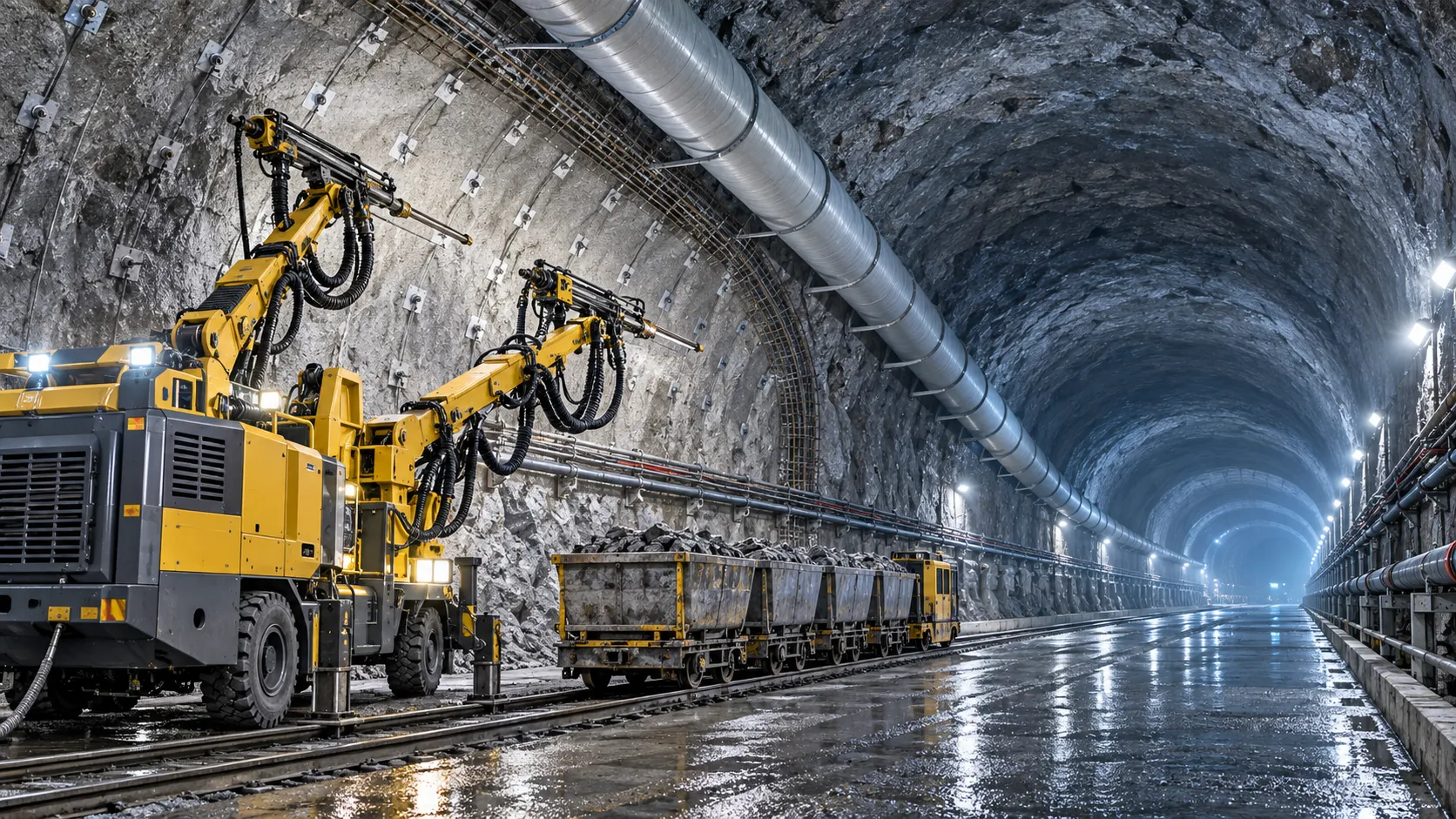
How to Evaluate European Drill-and-Blast Tunnelling Contractors for Complex Projects
Drill and blast tunnelling contractors Europe: learn how to assess geology expertise, blast control, equipment reliability, safety, and programme resilience for complex projects.
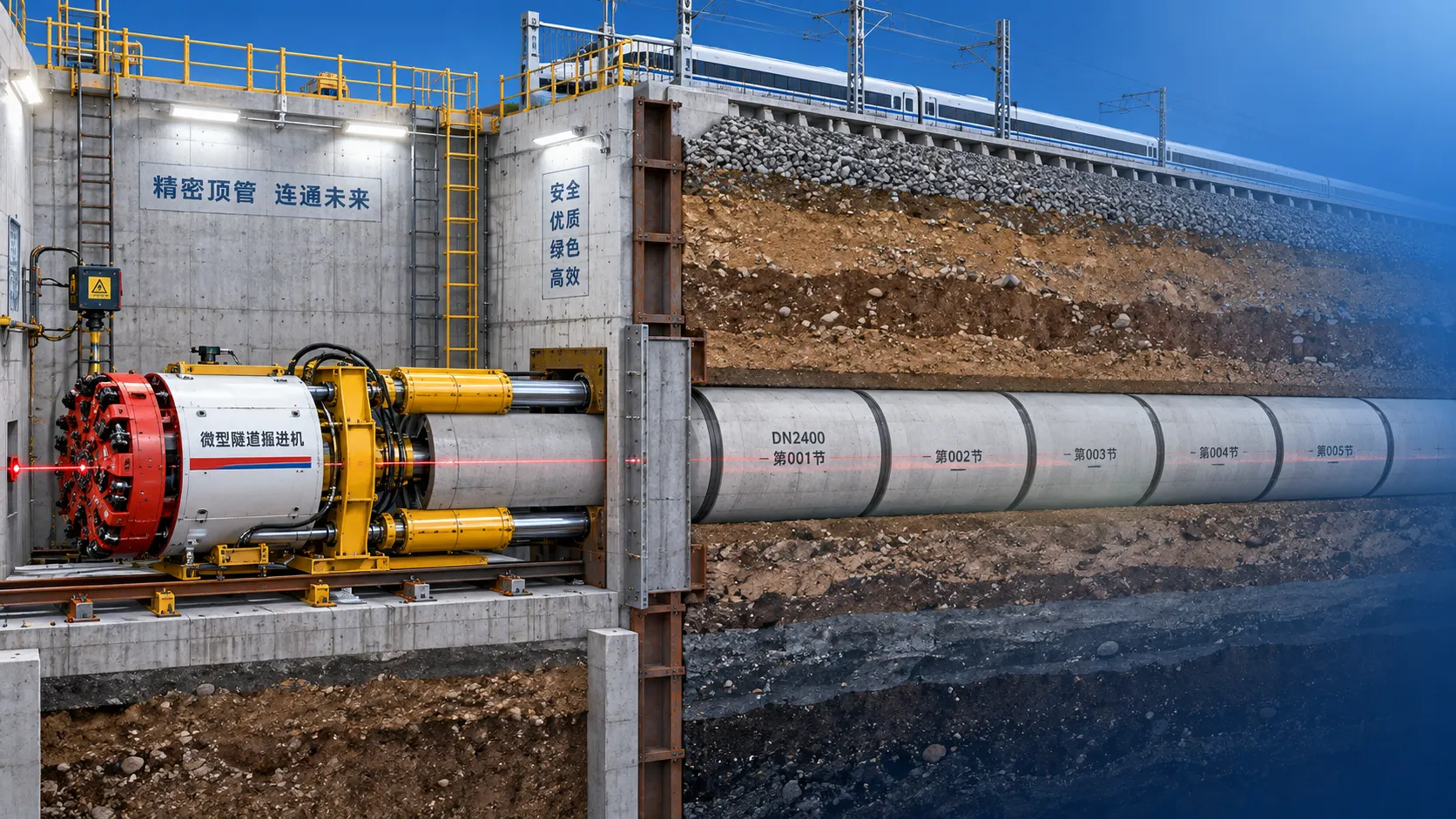
Which Trenchless Construction Technique Fits Your Utility Crossing Conditions?
Trenchless construction techniques compared for utility crossings: choose HDD, microtunnelling, pipe jacking, or auger boring based on ground, accuracy, access, and risk.
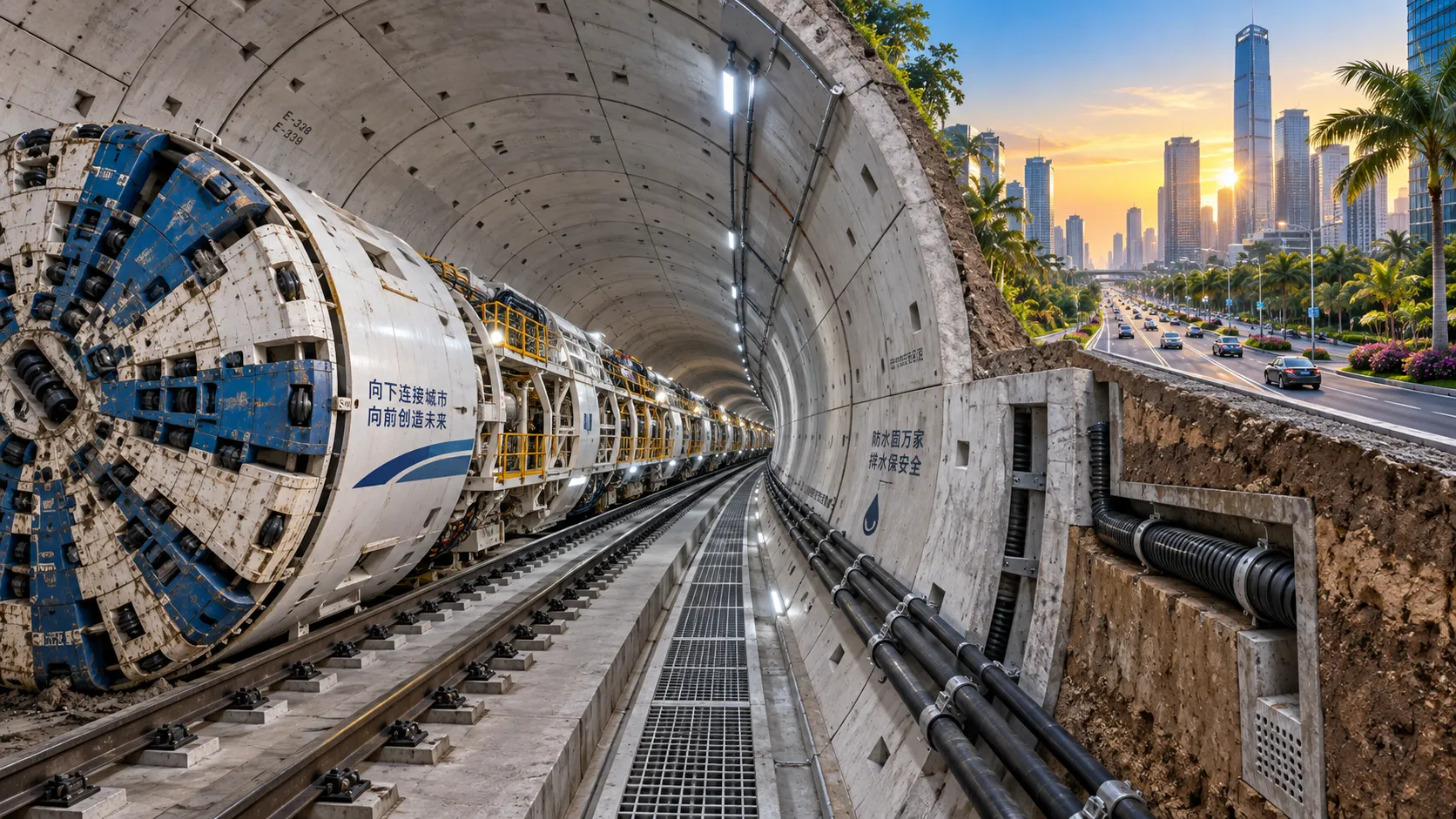
What Is Driving Metro Tunnelling Demand Across Southeast Asia’s Major Cities?
Metro tunnelling Southeast Asia is accelerating as major cities tackle congestion, flooding, and connectivity. Explore the market forces, technical risks, and opportunities shaping demand.
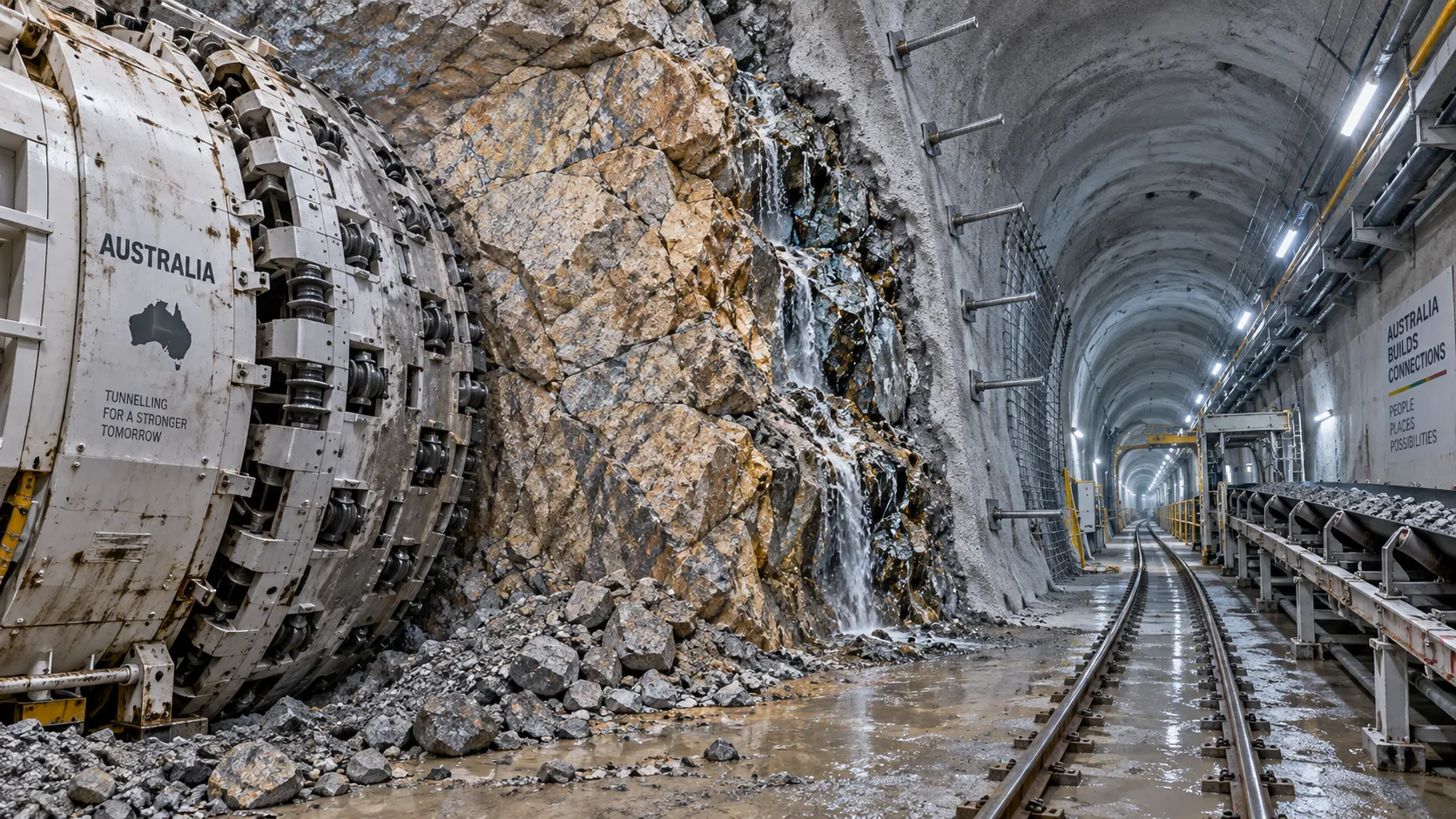
Hard Rock Tunnelling in Australia: Selecting Methods for Variable Ground Conditions
Hard rock tunnelling in Australia: compare TBM, drill-and-blast and hybrid methods to manage variable ground, reduce risk and protect project costs.
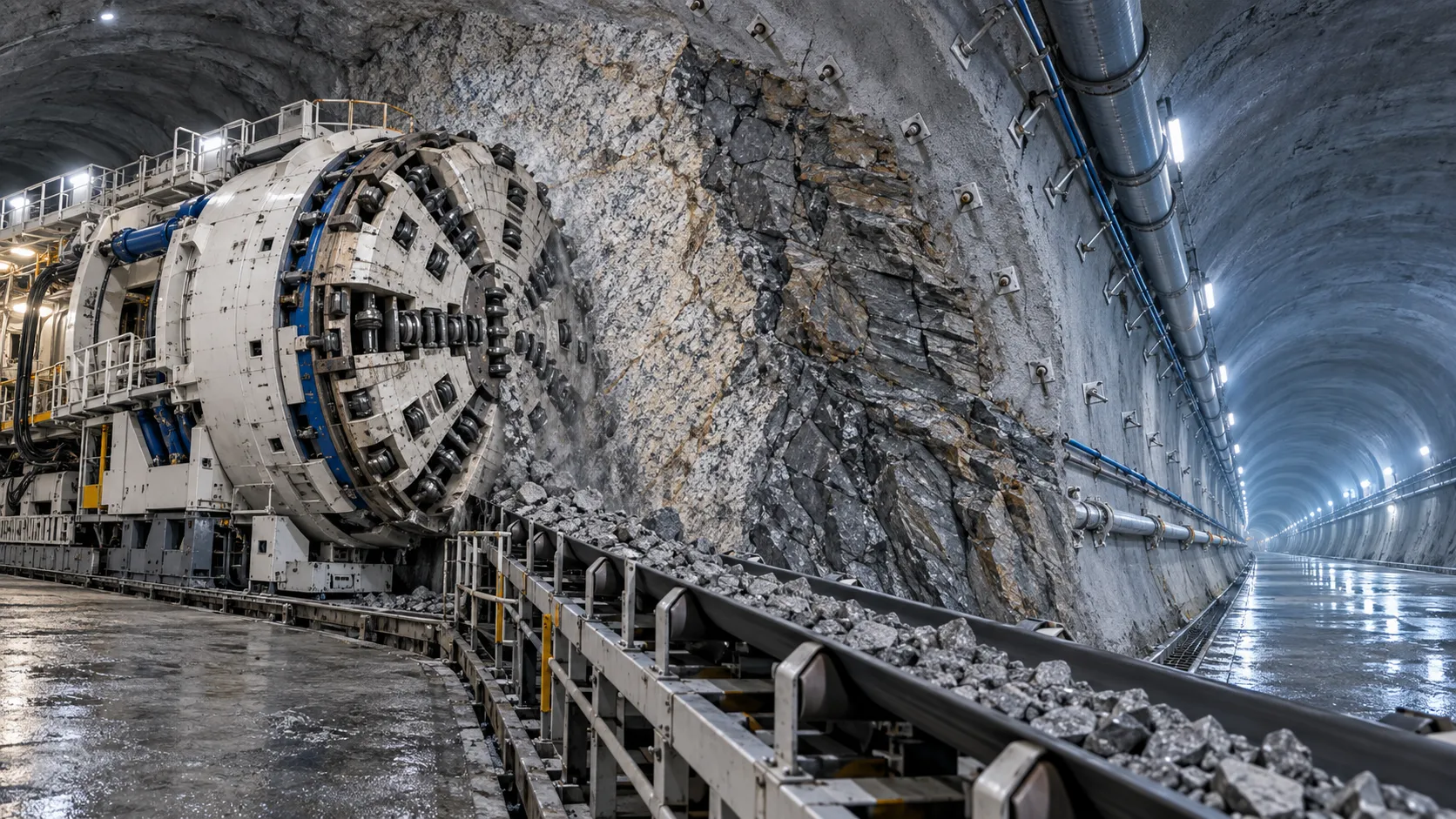
Hydropower Tunnel Excavation: Selecting Methods for Variable Rock Conditions
Hydropower tunnel excavation methods for variable rock conditions: compare TBM, drill-and-blast, and hybrid strategies to improve safety, progress, and project control.
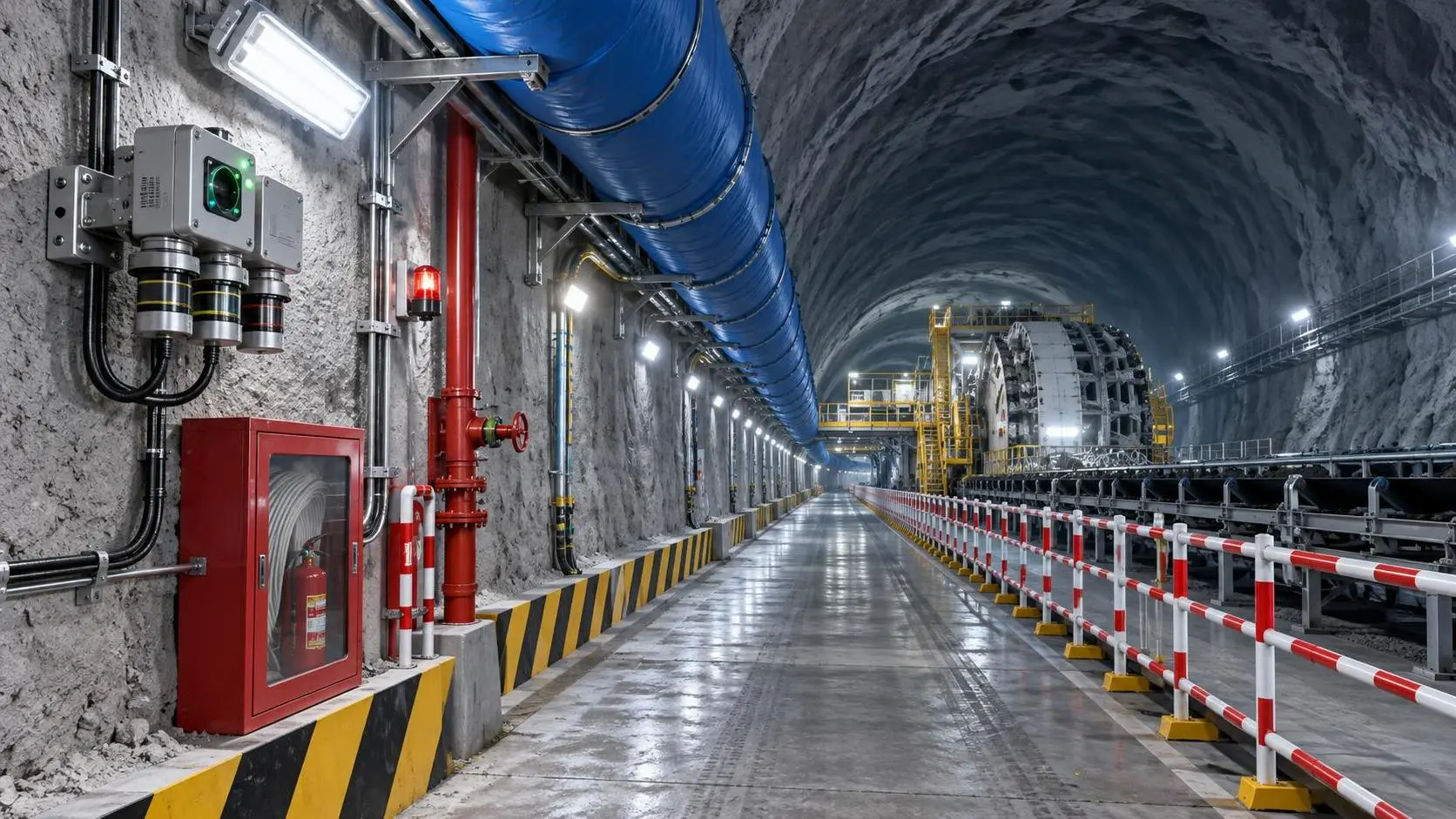
How to Select Underground Safety Equipment for Tunnelling by Hazard and Work Zone
Underground Safety Equipment for tunnelling: match protection to hazards, work zones, compliance, and emergency needs with this practical selection guide.
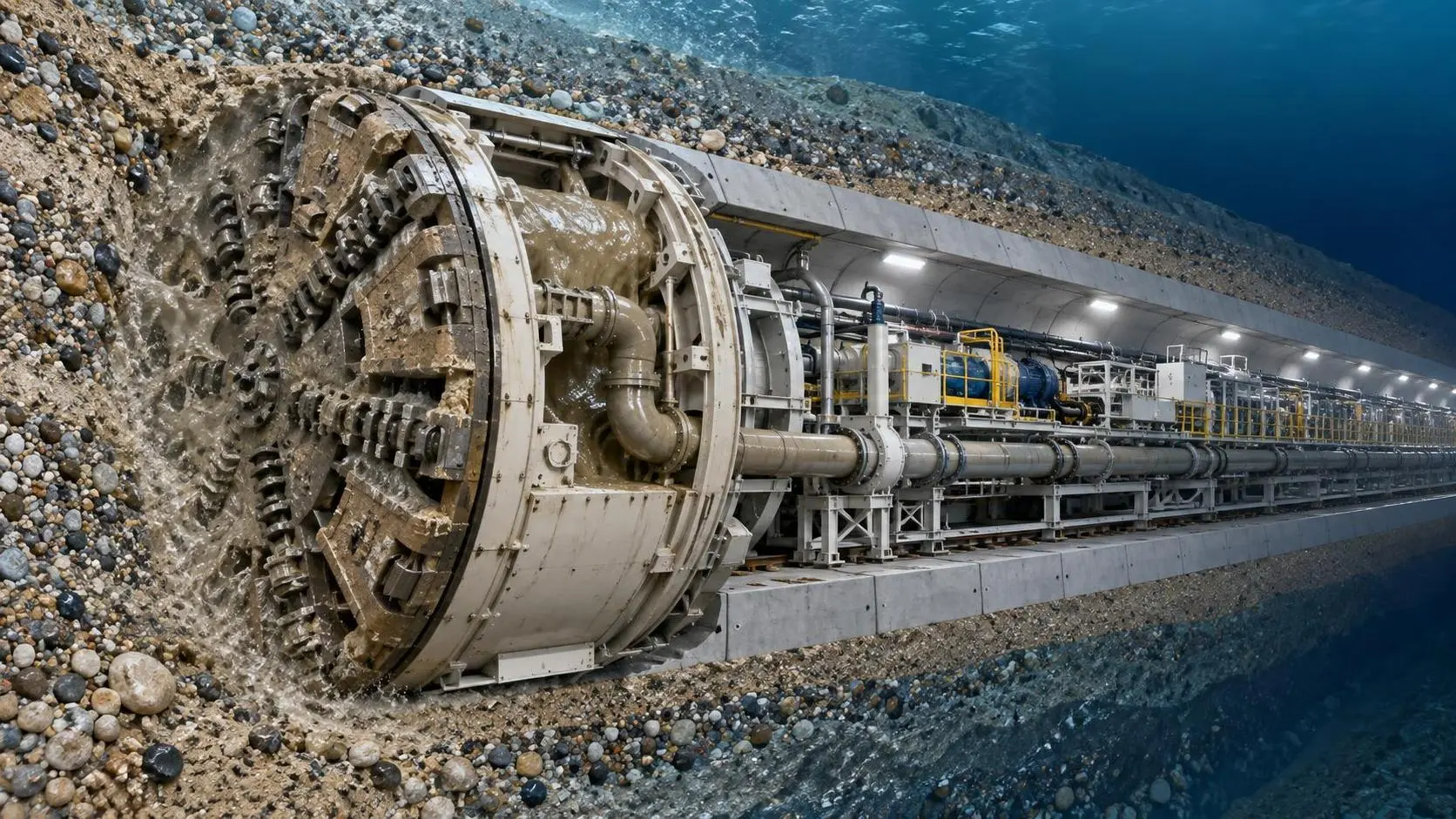
EPB or Slurry Shield? Selecting Soft-Ground Tunnelling Equipment by Soil Conditions
Tunnel Excavation Equipment for soft ground: compare EPB and slurry shields by soil, groundwater, settlement risk, and project logistics to choose confidently.
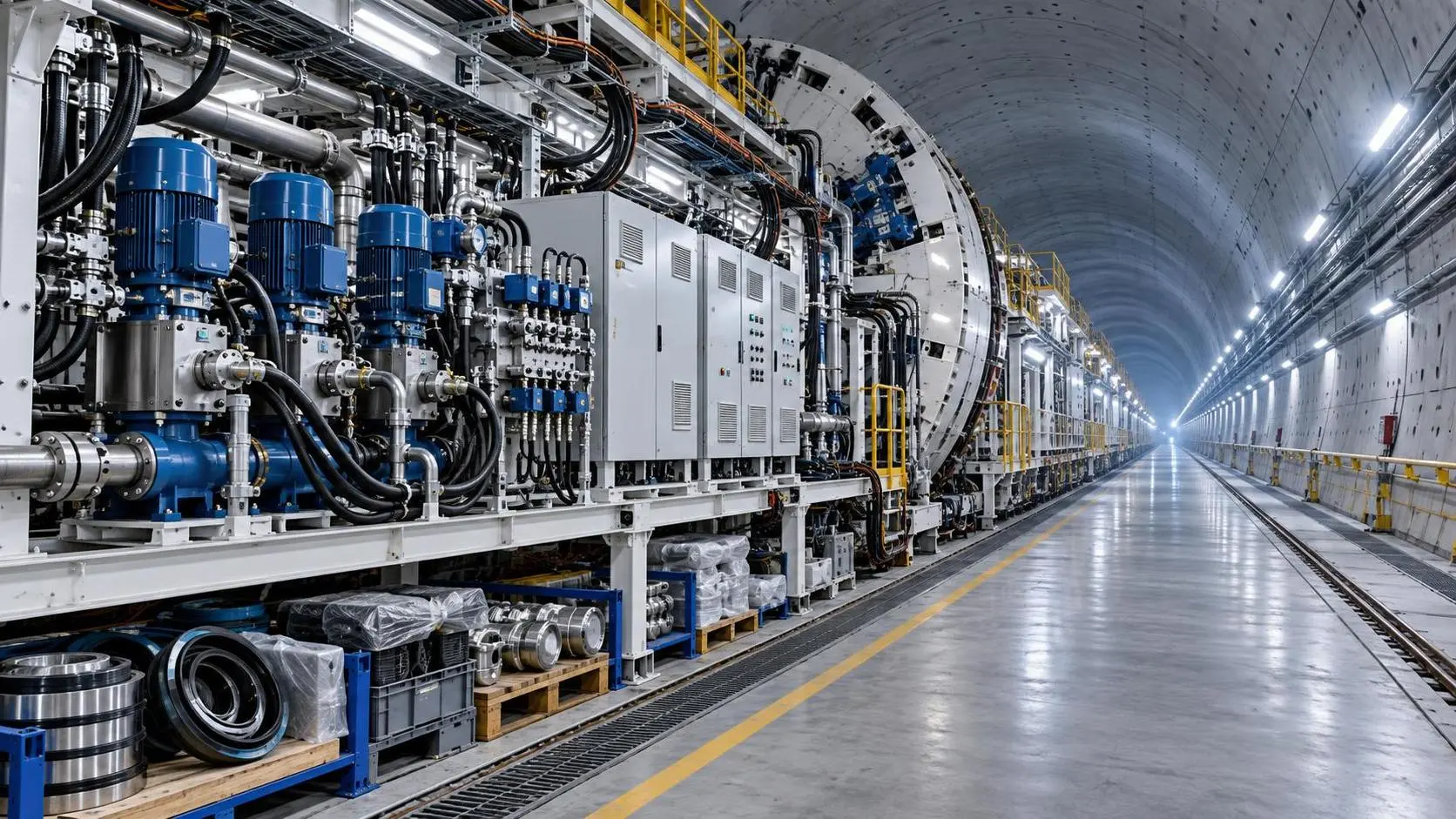
How to Specify TBM Backup System Parts for Reliable Long-Distance Tunnelling
TBM backup system parts: learn how to specify reliable spares for long-distance tunnelling, reduce downtime, ensure compatibility, and speed underground recovery.
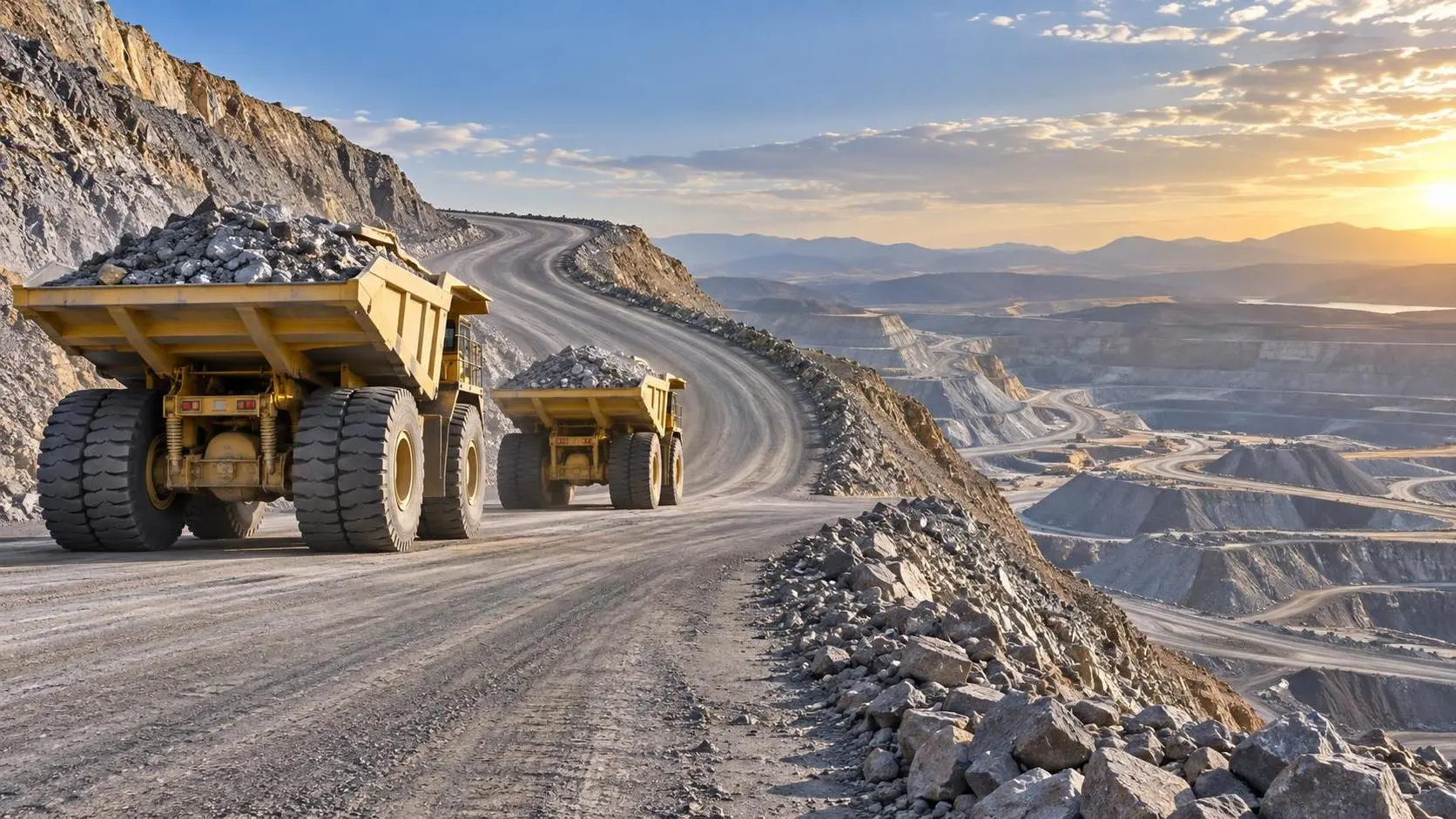
How to Size Open Pit Mining Trucks for Haul Distance, Grade, and Payload?
Open Pit Mining Trucks: learn how to match payload, haul distance, grade, road resistance, and loading capacity for safer, lower-cost mine operations.
Related News
- 00
0000-00
How to Evaluate European Drill-and-Blast Tunnelling Contractors for Complex Projects - 00
0000-00
Which Trenchless Construction Technique Fits Your Utility Crossing Conditions? - 00
0000-00
What Is Driving Metro Tunnelling Demand Across Southeast Asia’s Major Cities? - 00
0000-00
Hard Rock Tunnelling in Australia: Selecting Methods for Variable Ground Conditions - 00
0000-00
Hydropower Tunnel Excavation: Selecting Methods for Variable Rock Conditions
Weekly Insights
Stay ahead with our curated technology reports delivered every Monday.