
When Is Trenchless Tunnelling the Right Choice for Pipeline Crossings?





Start with the crossing, not the method
If you are deciding whether trenchless tunnelling for pipeline crossings belongs in your project, the useful question is not “Is trenchless better than open cut?” It is “What happens if we disturb the surface here, and what happens if we go under it instead?” That framing usually clears up the noise fast.
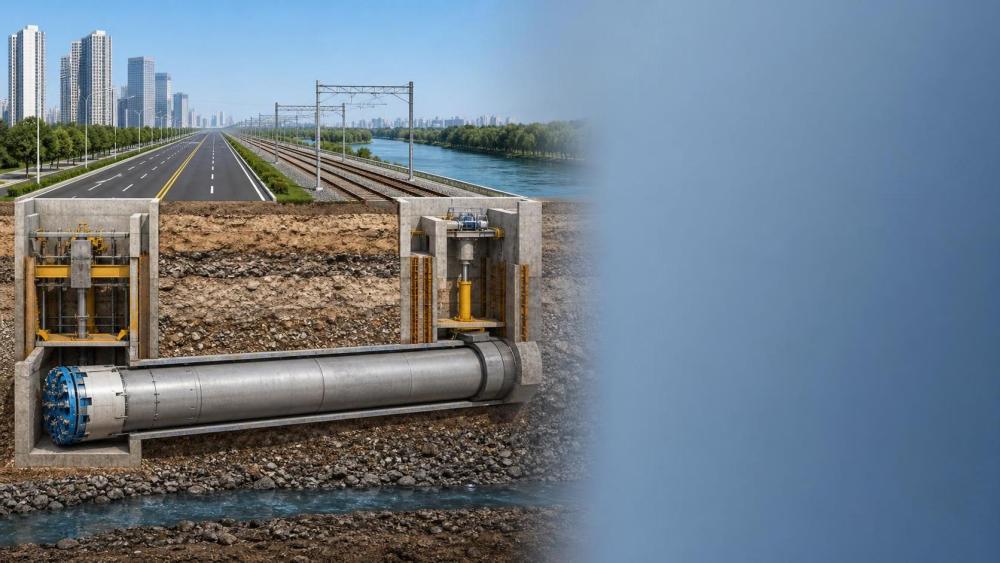
For project managers, trenchless methods earn their place when the crossing sits under something you cannot casually shut down, excavate, or reinstate: a live highway, rail corridor, river, flood embankment, dense utility strip, industrial plant access road, or a built-up urban street where traffic management alone starts to dominate the risk register. In those situations, the decision is rarely about novelty. It is about controlling disruption, third-party exposure, and the number of ways a crossing can go wrong.
That said, trenchless tunnelling is not a default upgrade. It can solve the wrong problem expensively if the alignment is short, shallow, easy to excavate, and the surface can be managed with limited social or operational cost. The checklist below is the one many teams wish they had used earlier, before design assumptions hardened and procurement locked them into a poor crossing strategy.
Check whether surface disruption is the real cost driver
Open cut often looks cheaper on the first estimate because the excavation method is familiar and direct. But for a pipeline crossing, the excavation itself may be the smallest part of the problem.
Look at the full surface burden:
- traffic diversions and staging constraints,
- night work requirements,
- temporary works for roads, tracks, or structures,
- reinstatement of pavement, drainage, and landscaping,
- business interruption claims or access restrictions,
- permit windows that shrink construction time.
When those items become the dominant cost and schedule drivers, trenchless tunnelling for pipeline crossings usually deserves serious consideration. A common mistake is pricing trenchless against excavation quantities only, while leaving the real open-cut pain outside the comparison.
Know what the crossing cannot tolerate
Some crossings are technically possible with several methods, but only one approach fits the tolerance of the asset above. That is where the decision usually turns.
Ask the owner or operator for the documents that define those tolerances, not just a general approval path. For roads and rail, that may include settlement limits, monitoring triggers, minimum cover expectations, and restrictions on working near foundations or drainage structures. For waterways or levees, the concern may be scour, environmental disturbance, and long-term integrity of the embankment. For process plants, it is often access continuity and protection of buried services with incomplete records.
If the asset owner has little appetite for settlement, long closures, or repeated excavation, trenchless moves from optional to likely. If the operator allows a short possession or planned shutdown and the reinstatement obligation is simple, open cut may still be the cleaner answer.
Do not choose trenchless before you understand the ground
This is where many crossing decisions get distorted. Teams like the idea of minimal surface disruption, then discover too late that the subsurface risk is carrying the whole job.
For pipeline crossings, the ground investigation needs to answer more than broad corridor geology. You need to know what sits at the crossing horizon itself: soft ground, mixed face conditions, cobbles, boulders, weathered rock, groundwater pressure, contaminated material, or void risk. A trenchless drive through predictable ground can be extremely efficient. A short crossing through mixed and unstable material can turn into the most difficult section of the project.
The practical test is simple: can the geotechnical data support a credible excavation method, spoil management plan, face support strategy, and settlement control approach? If not, you do not yet have a method decision. You have a data gap.
Another frequent error is using borehole data taken for the wider route and assuming it is enough for the crossing. Crossings are where local anomalies matter most.
Match the method to the length, diameter, and tolerance of the pipeline
Not every trenchless method suits every pipeline crossing. The right answer depends on what you are installing, how far you need to go, how accurately line and grade must be held, and how much construction footprint you can accept at launch and reception.
For gravity pipelines, line and grade control usually matter more than teams expect, which tends to favor methods with reliable steering and controlled excavation. Pressure lines may allow more flexibility, but that does not remove the need to protect the product pipe during installation and service. Larger diameters, longer drives, and tighter tolerances tend to strengthen the case for engineered trenchless solutions rather than improvised short-crossing tactics.
Be careful with language like “it is only one crossing.” One difficult crossing can control the whole route if it dictates program logic, permits, specialist procurement, or temporary land access.
Check whether you have room to build the crossing, not just room to pass under it
Trenchless installations reduce disturbance at the crossing point, but they still need space for shafts, pits, crane access, pipe stringing, slurry or spoil handling, dewatering equipment, power, and safe traffic movement inside the work zone.
This is where early desktop decisions often fall apart. The alignment may look perfect on plan, but the launch area may sit inside someone else’s easement, a tight utility corridor, or ground with poor bearing capacity for temporary works. If the site cannot physically support the trenchless setup, the crossing is not constructible just because the subsurface alignment works on paper.
A quick internal test helps: can your civil, geotechnical, utility, and construction teams all sketch the same launch and reception arrangement without hand-waving around access, spoil, and temporary support? If they cannot, keep the method open.
Put permit and stakeholder complexity into the method decision
Crossings live in somebody else’s operational world. Rail authorities, highway agencies, water regulators, port operators, municipal traffic teams, environmental reviewers, adjacent landowners, and utility owners may all have a say in what you can do and when.
The key is not simply counting approvals. It is understanding which method creates the fewest critical dependencies. Open cut may require short but hard-to-secure closures. Trenchless may reduce the disturbance burden enough to simplify consent, especially where the surface asset must remain fully functional. In other cases, trenchless brings its own documentation load: shaft design reviews, settlement monitoring plans, groundwater management details, and specialist method statements.
The better choice is the one your team can actually permit and execute within the project schedule, not the one that looks best in a concept drawing.
Compare schedule risk, not just construction duration
Project teams often compare trenchless and open cut on direct installation time. That is too narrow. A crossing decision should compare schedule risk across the whole delivery chain.
When the route is politically visible or tied to immovable operations, the lower-risk schedule is often worth more than the lower nominal duration.
Run the cost comparison the way the project will actually pay for it
A proper crossing decision needs a whole-cost view. Direct construction cost matters, but so do temporary works, risk allowances, stakeholder constraints, surface reinstatement, traffic management, environmental controls, and the cost of failure or delay.
This is where trenchless tunnelling for pipeline crossings often becomes more attractive than it first appears. It can remove expensive surface interfaces that do not show up in a simple unit-rate comparison. On the other hand, if the trenchless option depends on complex shafts, difficult dewatering, or a specialist setup for a very short crossing, the premium can be hard to defend.
A useful discipline is to separate costs into three buckets: base construction, interface management, and downside exposure. Teams that skip the third bucket tend to underestimate the value of avoiding disruption.
Look hard at failure consequences before you commit
Every method carries risk. The decision turns on which failure mode the project can live with.
With open cut, the obvious exposures are surface collapse, traffic impacts, utility strikes, public disruption, and reinstatement defects. With trenchless, the concern shifts toward settlement, deviation, obstructions, groundwater behavior, shaft issues, or an installation that becomes difficult to retrieve or complete. Neither set of risks is abstract. They affect program, reputation, access, and claims.
If the crossing sits beneath a high-consequence asset, ask this blunt question: which failure mode is easier to detect early, contain quickly, and explain to the owner? The answer often points more clearly than any generic method matrix.
Do not separate design from contractor capability
Some crossings are theoretically suitable for trenchless methods but commercially weak because the local market cannot price or deliver them with confidence. That is not a technical footnote. It is part of the selection decision.
Check whether likely bidders have experience with the relevant ground conditions, required accuracy, and crossing environment. Also check whether your packaging strategy allows specialist input early enough. A trenchless crossing designed in isolation, then handed to the market with little flexibility, can attract defensive pricing or method substitutions that undermine the original risk logic.
When contractor engagement is limited, keep the design basis explicit: expected geology, settlement assumptions, shaft constraints, allowable workspace, and monitoring obligations. Vague trenchless intent usually produces expensive clarification rounds later.
A practical decision sequence for project managers
If you need a working order, use this:
- Define what the surface asset cannot tolerate: closure, excavation, settlement, noise, access loss, environmental disturbance.
- Test whether open cut is genuinely manageable once traffic, permits, reinstatement, and third-party interfaces are included.
- Confirm whether the ground data at the crossing horizon is sufficient for a trenchless method decision.
- Check launch and reception constructability, not just the underground alignment.
- Compare whole-project schedule risk and failure consequences.
- Only then lock in the preferred crossing method and procurement path.
That sequence keeps teams from selecting trenchless too early for image reasons, or rejecting it too early because the first cost looks higher.
Where trenchless usually makes the most sense
In practice, trenchless tunnelling for pipeline crossings is usually the right choice when the surface above is operationally sensitive, the cost of disturbance is high, the asset owner imposes strict tolerance limits, and the subsurface conditions are understood well enough to manage the excavation risk. It becomes even stronger when open cut would trigger major traffic management, difficult environmental controls, or a long chain of third-party approvals.
It is usually the wrong choice when teams are using it to avoid solving basic geotechnical uncertainty, when there is no workable shaft or pit footprint, or when the crossing is simple enough that open cut can be executed with limited disruption and clear reinstatement obligations.
The best decisions come from treating the crossing as a risk allocation problem, not a method preference. Start with the consequences of disturbing the surface, test the ground honestly, and compare the options using the costs and delays the project will actually feel. That is normally where the right answer shows itself.
Related News
How to Evaluate European Drill-and-Blast Tunnelling Contractors for Complex Projects
Drill and blast tunnelling contractors Europe: learn how to assess geology expertise, blast control, equipment reliability, safety, and programme resilience for complex projects.
Which Trenchless Construction Technique Fits Your Utility Crossing Conditions?
Trenchless construction techniques compared for utility crossings: choose HDD, microtunnelling, pipe jacking, or auger boring based on ground, accuracy, access, and risk.
What Is Driving Metro Tunnelling Demand Across Southeast Asia’s Major Cities?
Metro tunnelling Southeast Asia is accelerating as major cities tackle congestion, flooding, and connectivity. Explore the market forces, technical risks, and opportunities shaping demand.
Hard Rock Tunnelling in Australia: Selecting Methods for Variable Ground Conditions
Hard rock tunnelling in Australia: compare TBM, drill-and-blast and hybrid methods to manage variable ground, reduce risk and protect project costs.
Hydropower Tunnel Excavation: Selecting Methods for Variable Rock Conditions
Hydropower tunnel excavation methods for variable rock conditions: compare TBM, drill-and-blast, and hybrid strategies to improve safety, progress, and project control.
How to Select Underground Safety Equipment for Tunnelling by Hazard and Work Zone
Underground Safety Equipment for tunnelling: match protection to hazards, work zones, compliance, and emergency needs with this practical selection guide.
EPB or Slurry Shield? Selecting Soft-Ground Tunnelling Equipment by Soil Conditions
Tunnel Excavation Equipment for soft ground: compare EPB and slurry shields by soil, groundwater, settlement risk, and project logistics to choose confidently.
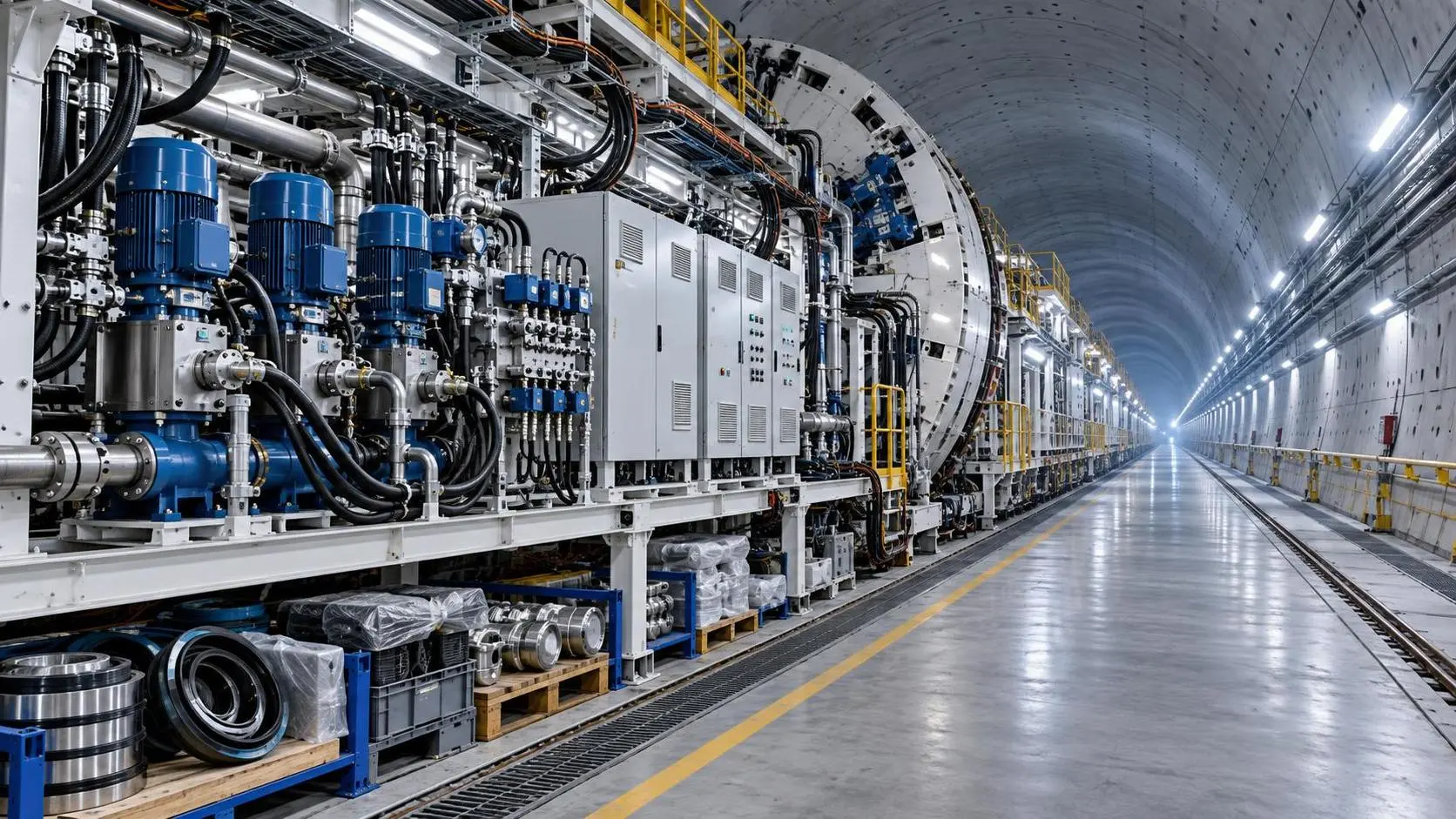
How to Specify TBM Backup System Parts for Reliable Long-Distance Tunnelling
TBM backup system parts: learn how to specify reliable spares for long-distance tunnelling, reduce downtime, ensure compatibility, and speed underground recovery.
How to Size Open Pit Mining Trucks for Haul Distance, Grade, and Payload?
Open Pit Mining Trucks: learn how to match payload, haul distance, grade, road resistance, and loading capacity for safer, lower-cost mine operations.
Related News
- 00
0000-00
How to Evaluate European Drill-and-Blast Tunnelling Contractors for Complex Projects - 00
0000-00
Which Trenchless Construction Technique Fits Your Utility Crossing Conditions? - 00
0000-00
What Is Driving Metro Tunnelling Demand Across Southeast Asia’s Major Cities? - 00
0000-00
Hard Rock Tunnelling in Australia: Selecting Methods for Variable Ground Conditions - 00
0000-00
Hydropower Tunnel Excavation: Selecting Methods for Variable Rock Conditions
Weekly Insights
Stay ahead with our curated technology reports delivered every Monday.