
China-Built Mining TBM Starts in Zambia





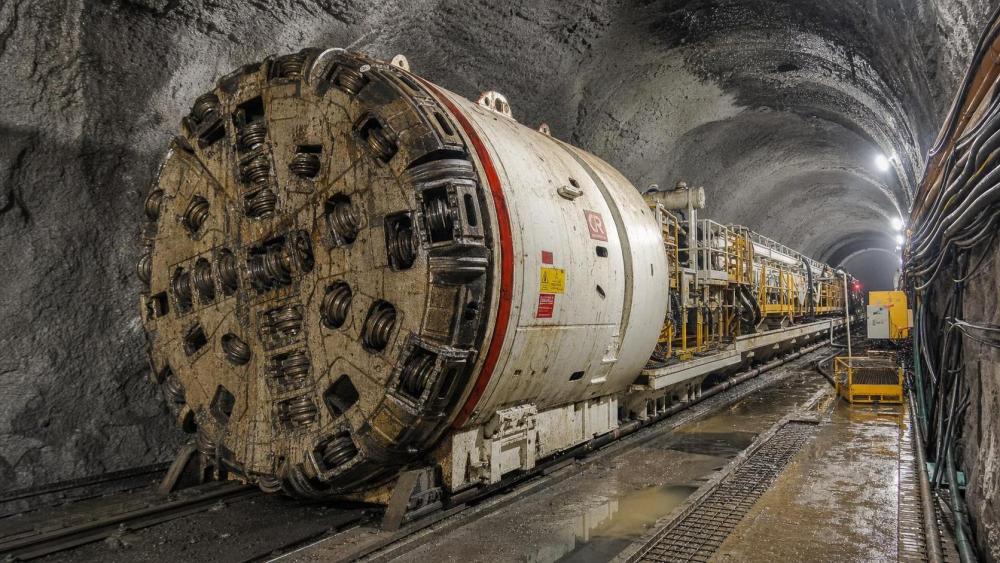
On June 20, 2026, a 5.83-meter hard-rock mining TBM developed by China Railway Industry began operation at the Chambishi copper mine in Zambia, marking the commercial launch of what was described as the first China-built mining TBM exported to Africa for this use case. For mining contractors, equipment buyers, component suppliers, and aftermarket service providers, the development is worth tracking because it combines site-specific adaptation for hot, humid, highly abrasive rock conditions with full domestic substitution of several key subsystems and a shorter stated delivery cycle.
What the Zambia Launch Confirms
The machine, named “China-Africa,” is a Φ5.83m hard-rock TBM built by China Railway Industry and started from the Chambishi copper mine in Zambia on June 20, 2026. According to the provided information, it is China’s first mining TBM exported to Africa and customized for local operating conditions including high temperature, high humidity, and strongly abrasive surrounding rock.
The same project states that several critical subsystems were fully localized, including the main bearing, cutterhead drive system, and advanced geological forecasting module. The provided summary also states that the delivery cycle was 35% shorter than comparable international alternatives, and that the project includes a localized spare-parts warehouse and remote diagnostics service.
Where the Industry Impact May Appear First
Underground mining project owners and buyers
From an industry perspective, mine operators and project buyers may pay close attention to whether a customized mining TBM can lower procurement and operating friction in difficult geological and climate conditions. The most relevant business links are equipment selection, delivery planning, spare-parts support, and service response arrangements.
Component and subsystem suppliers
Analysis shows that suppliers tied to core TBM systems may read this event as a practical signal about substitution capability in export-oriented mining equipment. What deserves closer attention is not only the completed localization of the main bearing, cutterhead drive system, and geological forecasting module, but also whether buyers begin to place greater weight on integrated subsystem readiness and serviceability.
Aftermarket and technical service providers
Observably, the inclusion of localized spare-parts support and remote diagnostics shifts attention beyond the initial machine sale. For service providers, the likely impact lies in maintenance response, parts availability, fault diagnosis workflows, and the ability to support overseas mine sites without relying entirely on long cross-border replacement cycles.
Supply chain and delivery coordinators
The stated 35% reduction in delivery time compared with similar international equipment may matter most to teams managing schedules, handover, and site readiness. What deserves closer attention is whether procurement decisions increasingly consider total delivery coordination rather than equipment specifications alone.
What Companies Should Watch Next
How performance claims are framed in follow-up disclosures
Companies should distinguish between confirmed launch facts and any later statements about sustained operating results. In this case, the confirmed information covers commercial start-up, localization of key subsystems, delivery-cycle comparison, and support arrangements; later operational indicators would still require separate verification.
Whether service capability becomes part of bid expectations
For equipment vendors and service teams, the practical issue is not only machine configuration but also whether localized spares and remote diagnostics become expected elements in customer discussions. This is especially relevant in business stages involving tenders, technical clarification, and after-sales commitments.
Which procurement criteria gain weight
Procurement teams may need to pay closer attention to subsystem origin, replacement logistics, documentation readiness, and lead-time credibility. Analysis shows that the event is as much about delivery and support structure as it is about the tunneling machine itself.
How to prepare customer communication and execution plans
Contractors, distributors, and service partners should watch for changes in how customers ask about qualification, spare-parts assurance, diagnostic support, and delivery schedules. The business impact, if any, is likely to emerge first in proposal requirements and execution planning rather than in broad market conclusions.
Why This Looks Like a Signal, Not a Final Outcome
Analysis shows that this development is best understood as an early commercial and supply-chain signal rather than a completed market verdict. The confirmed facts point to a machine already put into operation, to full domestic substitution in several key subsystems, and to an effort to pair equipment export with local service capability.
At the same time, it is more appropriate to understand this as a development that still requires observation. The current information does not establish wider adoption trends, long-term operating results, or broader changes in procurement behavior across African mining projects. Those questions remain open and should be tracked through subsequent disclosures and project execution updates.
How to Read the Development at This Stage
At this stage, the most grounded interpretation is that the Zambia launch highlights a more integrated export approach for mining TBM projects: equipment adaptation, key subsystem localization, delivery timing, and service support are being presented together rather than separately. For industry participants, the relevance lies less in headline symbolism and more in whether this model influences future equipment evaluation, contracting, and support expectations.
In other words, this is better read as a meaningful operating signal with potential downstream implications, not as proof of a settled market shift. The next round of verified project information will matter in determining how durable that signal becomes.
Basis of This Article
This article is based on the user-provided news title, event date, and event summary. Typical source types for this kind of industry update may include official company announcements, corporate project releases, industry association information, authoritative media coverage, and relevant technical or standards documentation.
No specific official source link was provided in the input, so the underlying details still require ongoing verification against future public disclosures. If the industry continues to follow this case, the main areas to watch are subsequent official wording, project execution updates, and any further information on delivery, service support, and operating performance.
Related News
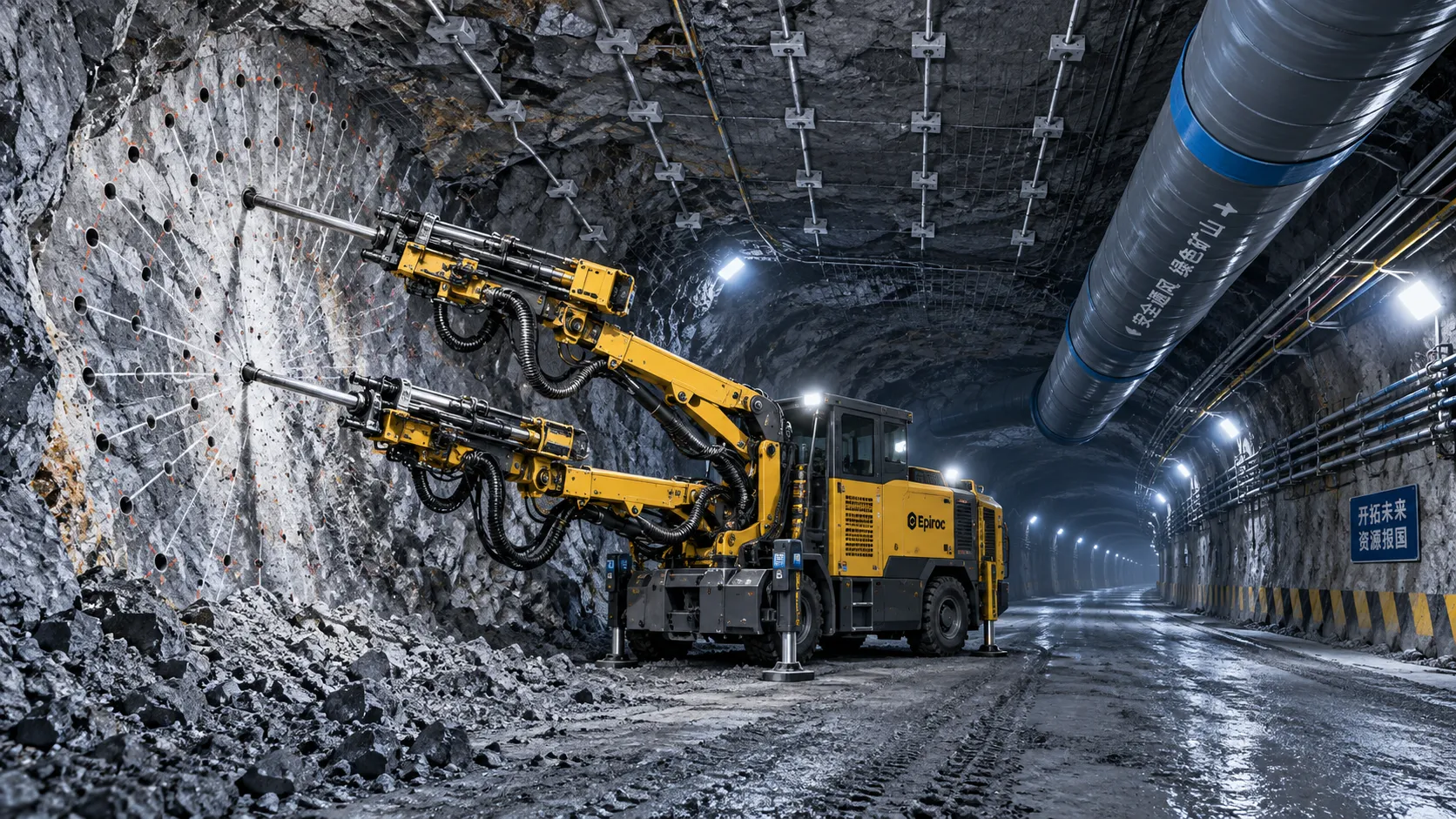
Underground Drilling for Mining: Selecting Methods for Rock Conditions and Mine Layout
Underground drilling for mining: learn how to match drilling methods to rock conditions, mine layout, accuracy needs, ground support, and cycle efficiency.
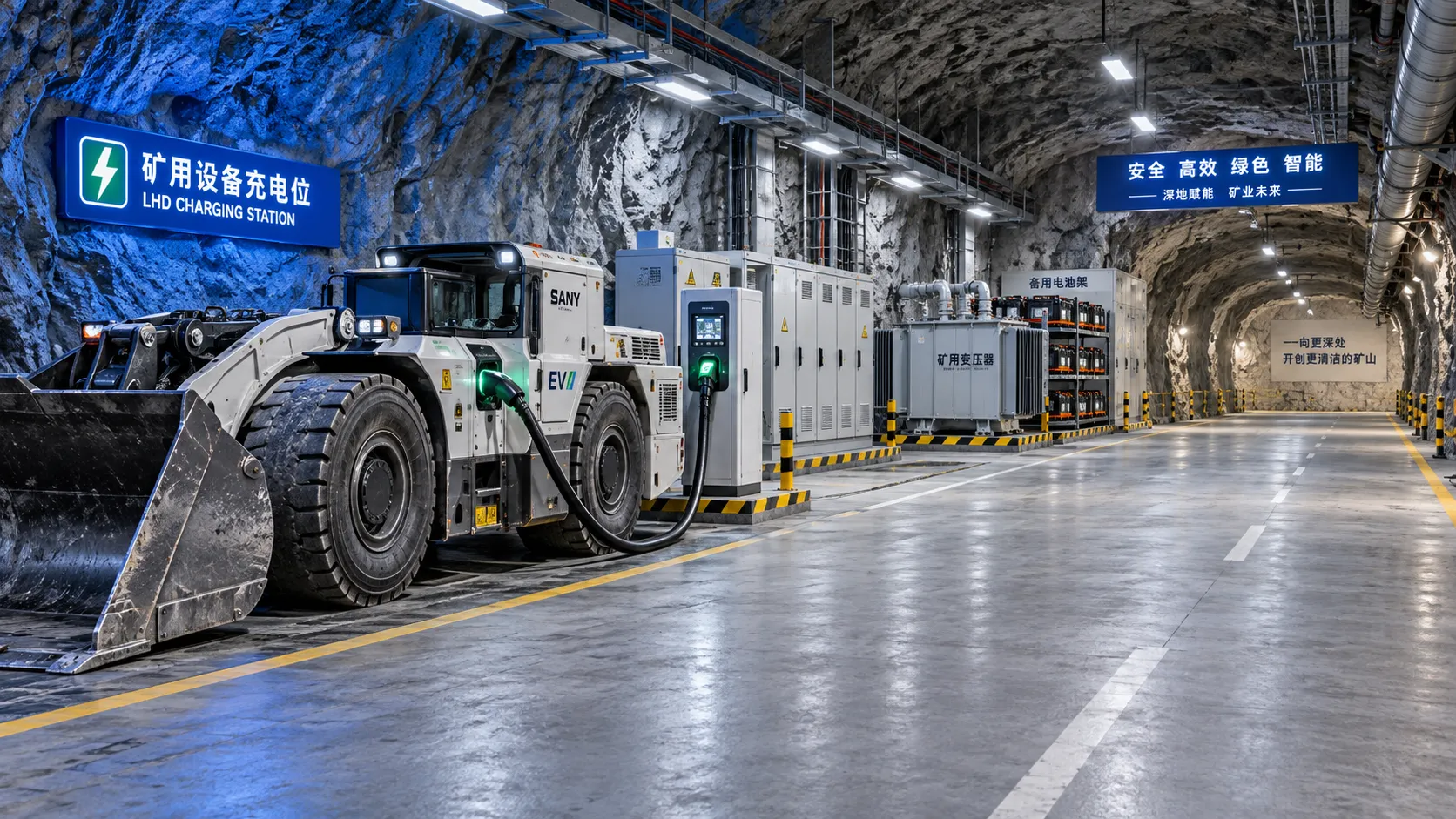
Underground Mine Electrification: How to Size Battery Fleets and Charging Capacity
Mining electrification for underground mines: learn how to size battery fleets, chargers, and power capacity to prevent queues, peak-load issues, and production downtime.

How to Evaluate European Drill-and-Blast Tunnelling Contractors for Complex Projects
Drill and blast tunnelling contractors Europe: learn how to assess geology expertise, blast control, equipment reliability, safety, and programme resilience for complex projects.

Which Trenchless Construction Technique Fits Your Utility Crossing Conditions?
Trenchless construction techniques compared for utility crossings: choose HDD, microtunnelling, pipe jacking, or auger boring based on ground, accuracy, access, and risk.

What Is Driving Metro Tunnelling Demand Across Southeast Asia’s Major Cities?
Metro tunnelling Southeast Asia is accelerating as major cities tackle congestion, flooding, and connectivity. Explore the market forces, technical risks, and opportunities shaping demand.

Hard Rock Tunnelling in Australia: Selecting Methods for Variable Ground Conditions
Hard rock tunnelling in Australia: compare TBM, drill-and-blast and hybrid methods to manage variable ground, reduce risk and protect project costs.

Hydropower Tunnel Excavation: Selecting Methods for Variable Rock Conditions
Hydropower tunnel excavation methods for variable rock conditions: compare TBM, drill-and-blast, and hybrid strategies to improve safety, progress, and project control.

How to Select Underground Safety Equipment for Tunnelling by Hazard and Work Zone
Underground Safety Equipment for tunnelling: match protection to hazards, work zones, compliance, and emergency needs with this practical selection guide.

EPB or Slurry Shield? Selecting Soft-Ground Tunnelling Equipment by Soil Conditions
Tunnel Excavation Equipment for soft ground: compare EPB and slurry shields by soil, groundwater, settlement risk, and project logistics to choose confidently.
Related News
- 00
0000-00
Underground Drilling for Mining: Selecting Methods for Rock Conditions and Mine Layout - 00
0000-00
Underground Mine Electrification: How to Size Battery Fleets and Charging Capacity - 00
0000-00
How to Evaluate European Drill-and-Blast Tunnelling Contractors for Complex Projects - 00
0000-00
Which Trenchless Construction Technique Fits Your Utility Crossing Conditions? - 00
0000-00
What Is Driving Metro Tunnelling Demand Across Southeast Asia’s Major Cities?
Weekly Insights
Stay ahead with our curated technology reports delivered every Monday.