
China’s First Mining TBM Exported to Africa Starts in Zambia





In May 2026, a mining TBM jointly developed by CRCHI and China 15th Metallurgical Construction Group began excavation at the Chambishi copper mine in Zambia, marking the first Chinese mining TBM exported to Africa. Beyond the project milestone itself, the more relevant industry signal is the use of a domestically produced main bearing in a super-large-diameter tunneling system with a 100% localization rate for core components. For equipment exporters, overseas mine buyers, supply-chain service providers, and after-sales teams, this development is worth watching because it may influence procurement review standards, delivery expectations, technical documentation focus, and long-term service assessments in cross-border mining equipment transactions.
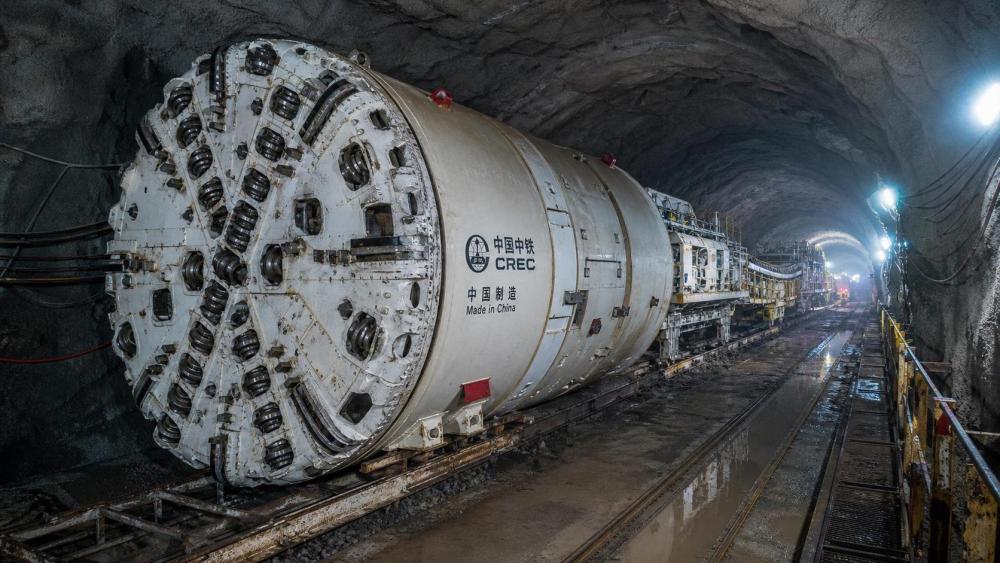
A verified project signal from an overseas mining site
The confirmed facts are limited but clear. The event date is 2026-05-25, and the project entered active excavation in May 2026 at the Chambishi copper mine in Zambia. The machine, named China Nonferrous No. 2, was jointly built by CRCHI and China 15th Metallurgical Construction Group. It is identified as the first Chinese mining TBM exported to Africa.
The equipment is also described as the first super-large-diameter tunneling system to apply a domestically produced main bearing, with the localization rate of core components reaching 100%. The event summary states that this represents a substantive breakthrough in China’s ability to independently control key components for hard-rock tunneling, and that it offers direct reference value for overseas mining customers evaluating equipment reliability, procurement cycle, and long-term maintenance cost.
Where procurement and trade attention may shift
Technical review may place more weight on localized core parts
From an industry perspective, overseas buyers and procurement teams may pay closer attention to how localized core components are presented in technical bids, equipment specifications, and supplier qualification materials. The reason is straightforward: once a core part such as the main bearing is identified as fully localized and already applied in an overseas mining project, it can become a practical reference point in procurement discussions about reliability, replacement planning, and lifecycle support. What deserves closer attention is not a formal rule change already confirmed in the input, but a possible shift in review emphasis during technical evaluation and supplier comparison.
Export delivery discussions may increasingly focus on lead time and service continuity
For exporters and supply-chain service providers, the event may affect how delivery commitments are discussed with overseas mining customers. The summary explicitly links the project to customer assessment of procurement cycle and long-term maintenance cost. Analysis shows that this can matter in contract negotiation, spare-parts planning, and service response design, especially where buyers want clearer documentation on parts origin, replacement arrangements, and downstream maintenance support. Companies involved in export fulfillment should therefore watch for changes in required documents, technical attachments, and service commitments in project-level procurement files.
After-sales and traceability expectations may become more specific
For after-sales service providers and quality-traceability teams, a project built around 100% localized core components may lead customers to request clearer records on component identity, testing basis, maintenance compatibility, and fault response procedures. Observably, this is less about a published new regulation in the provided facts and more about a likely tightening of commercial and compliance expectations in actual execution. In practice, service providers may need to prepare for more detailed document review around spare parts, maintenance records, and technical support responsibilities.
What companies should watch next in actual execution
Certification and compliance language in project documents
Analysis shows that companies should closely monitor whether future tender files, buyer questionnaires, or technical clarification requests place more explicit emphasis on component origin, system validation, and supporting compliance materials. The input does not provide detailed certification requirements, so it is more appropriate to treat this as a watch point rather than an established execution rule.
Procurement files and technical dossiers
Exporters, manufacturers, and bidding teams should pay attention to the completeness of technical dossiers tied to core components, especially where buyers may compare reliability claims, delivery schedules, and maintenance assumptions. What deserves closer attention is whether project documentation begins to require more detailed evidence on key-part application history, supporting reports, or traceability records.
Supplier qualification and delivery planning
For companies involved in manufacturing and cross-border delivery, this event suggests that supplier qualification discussions may increasingly connect product capability with delivery predictability. The input specifically points to procurement cycle as a customer concern, so businesses should watch whether buyers begin to evaluate suppliers more closely on component sourcing stability, replacement readiness, and service coordination during the delivery stage.
Overseas service readiness after equipment handover
From an execution perspective, after-sales preparation remains a practical area to watch. The event summary highlights long-term maintenance cost as a reference point for overseas customers. That means firms participating in export projects should be prepared for closer review of maintenance documentation, spare-parts support arrangements, and quality-traceability procedures, even though the input does not confirm any new mandatory service rule.
Why this looks more like an execution signal than a settled rule change
Observably, this development should not be read as a standalone new regulation or a completed policy framework on its own. Instead, it is more appropriate to understand it as an execution-level signal: a real overseas deployment that may influence how procurement, technical review, and service assurance are judged in later projects. Analysis shows that the strongest immediate relevance lies in market behavior rather than in a confirmed new law, regulation number, or formal standard text contained in the input.
That is why the next phase of observation matters. Industry participants should continue watching whether similar projects lead to clearer buyer requirements, tighter certification wording, more detailed tender documentation, or more explicit after-sales obligations. Until such details appear in formal documents or official notices, the current event is best treated as a strong reference case rather than a complete rule outcome.
How the market may reasonably read this milestone
In summary, the start of excavation by China’s first mining TBM exported to Africa carries significance beyond a single project because it combines overseas delivery with full localization of core components, including the main bearing. The confirmed facts support the view that the project has direct reference value for customer judgments on reliability, procurement timing, and long-term maintenance cost.
At the same time, a neutral reading is still necessary. It is more appropriate to understand this event as a market and execution signal that may shape future procurement, trade, compliance, and service expectations, rather than as proof that a new unified rule has already been fully established. Continued observation should focus on how these signals appear in actual bidding documents, compliance reviews, and post-delivery service requirements.
Basis of this article and what still needs verification
This article is generated on the basis of the user-provided news title, event date, and event summary. For this type of development, commonly relevant source categories may include official company announcements, releases from regulatory authorities, customs or trade administration information, industry association updates, standard-setting documents, and reporting by authoritative media. No specific official source link was provided in the input, so further verification is still necessary.
What still requires continued observation includes any later policy detail, certification interpretation, procurement document change, tender wording adjustment, market feedback, and actual company implementation related to similar overseas mining equipment projects.
Related News
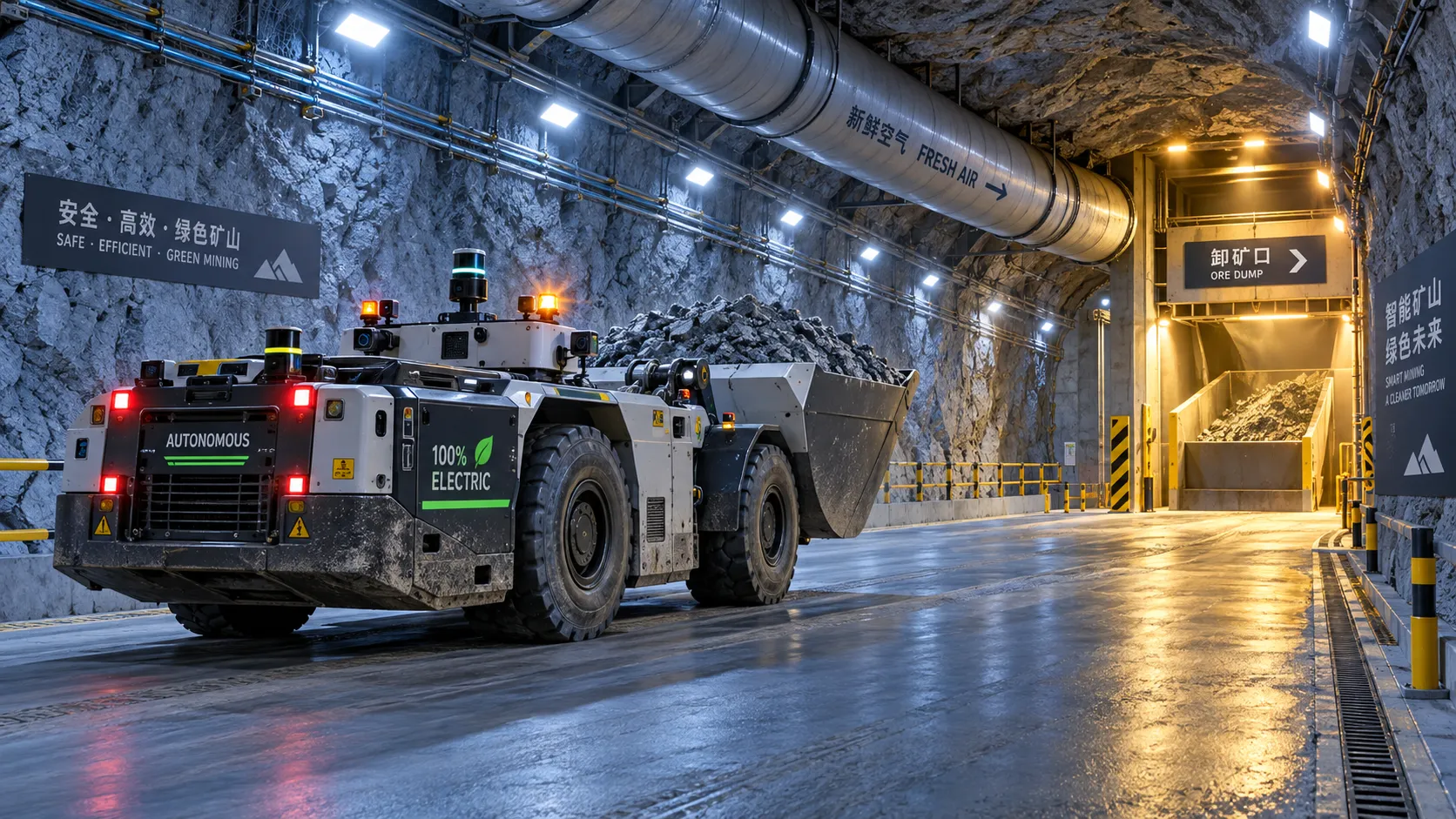
Where Autonomous Mining Loaders Deliver the Most Value in Underground Operations
Autonomous Mining Loaders deliver greater underground value through safer blast-zone work, repeatable haul cycles, and improved ventilation efficiency. Discover the best deployment zones.
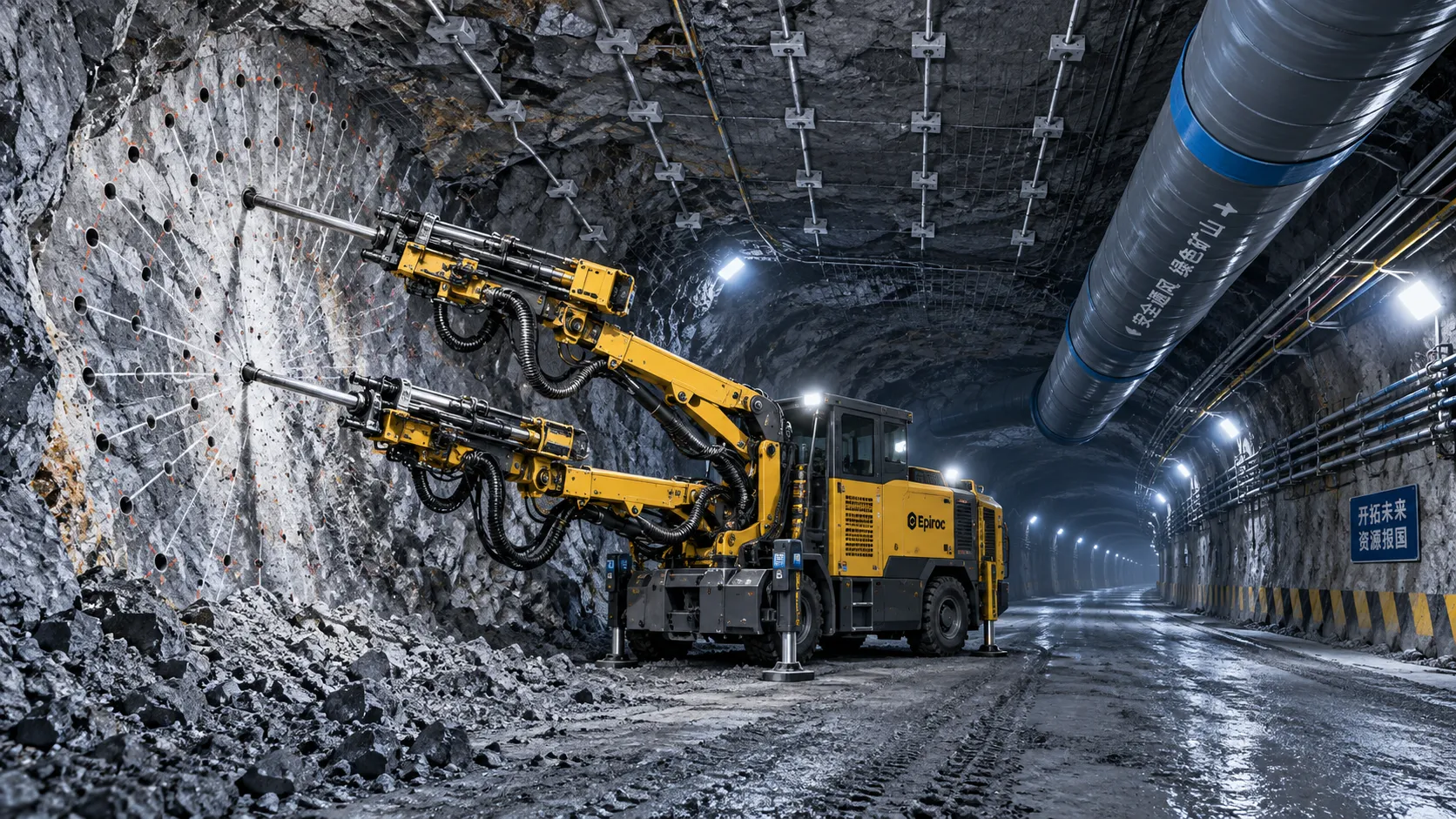
Underground Drilling for Mining: Selecting Methods for Rock Conditions and Mine Layout
Underground drilling for mining: learn how to match drilling methods to rock conditions, mine layout, accuracy needs, ground support, and cycle efficiency.
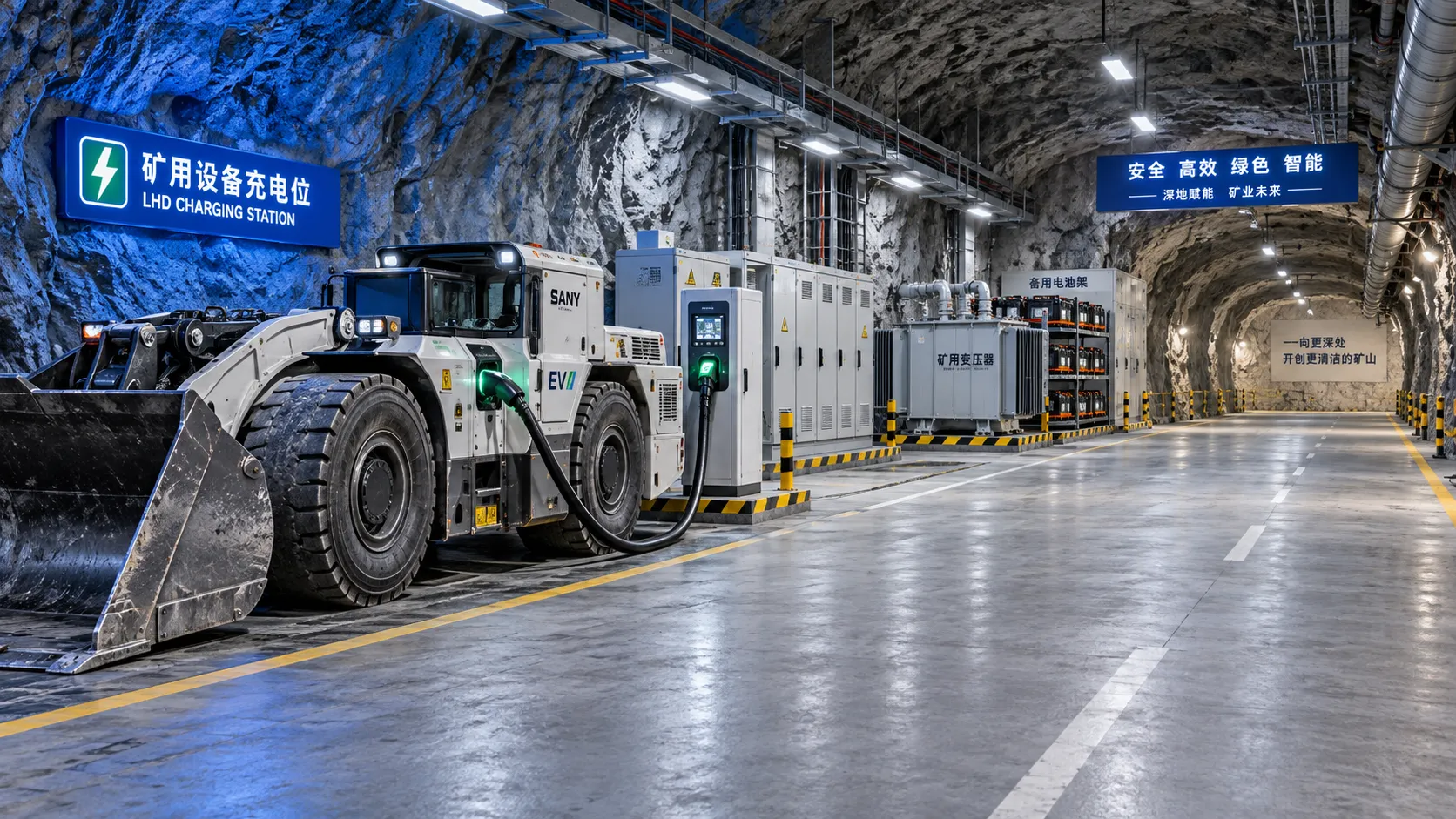
Underground Mine Electrification: How to Size Battery Fleets and Charging Capacity
Mining electrification for underground mines: learn how to size battery fleets, chargers, and power capacity to prevent queues, peak-load issues, and production downtime.
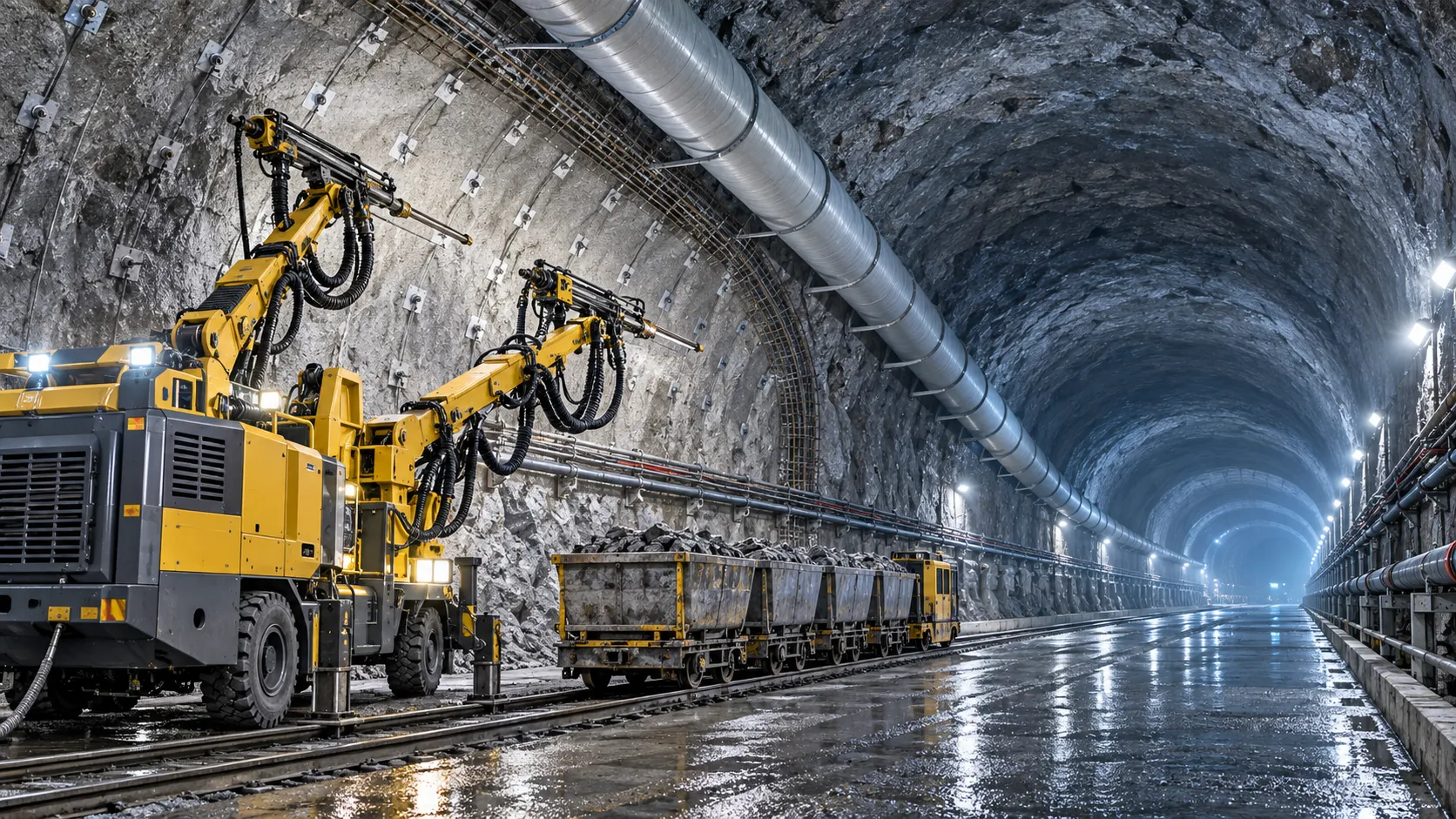
How to Evaluate European Drill-and-Blast Tunnelling Contractors for Complex Projects
Drill and blast tunnelling contractors Europe: learn how to assess geology expertise, blast control, equipment reliability, safety, and programme resilience for complex projects.
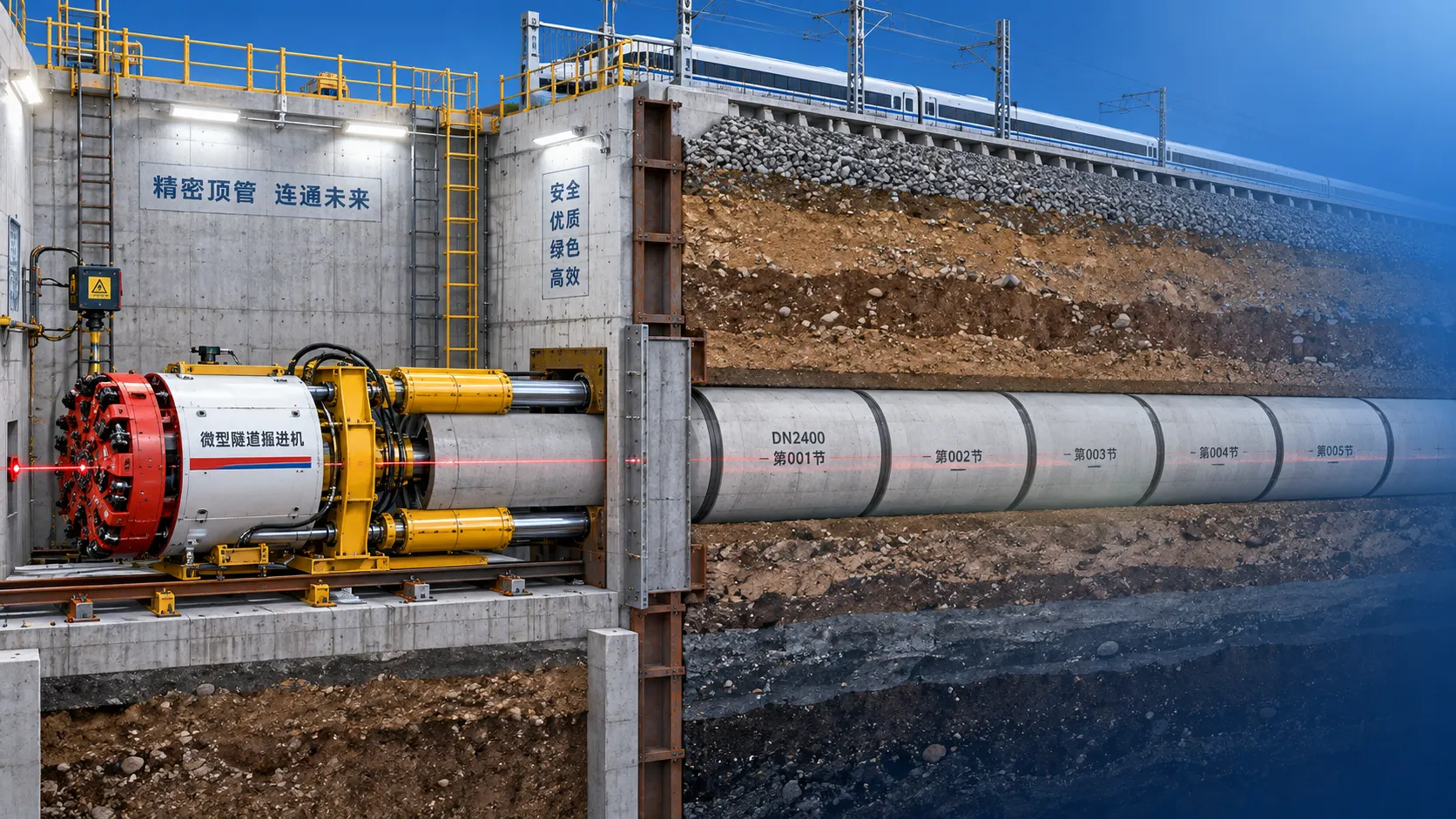
Which Trenchless Construction Technique Fits Your Utility Crossing Conditions?
Trenchless construction techniques compared for utility crossings: choose HDD, microtunnelling, pipe jacking, or auger boring based on ground, accuracy, access, and risk.
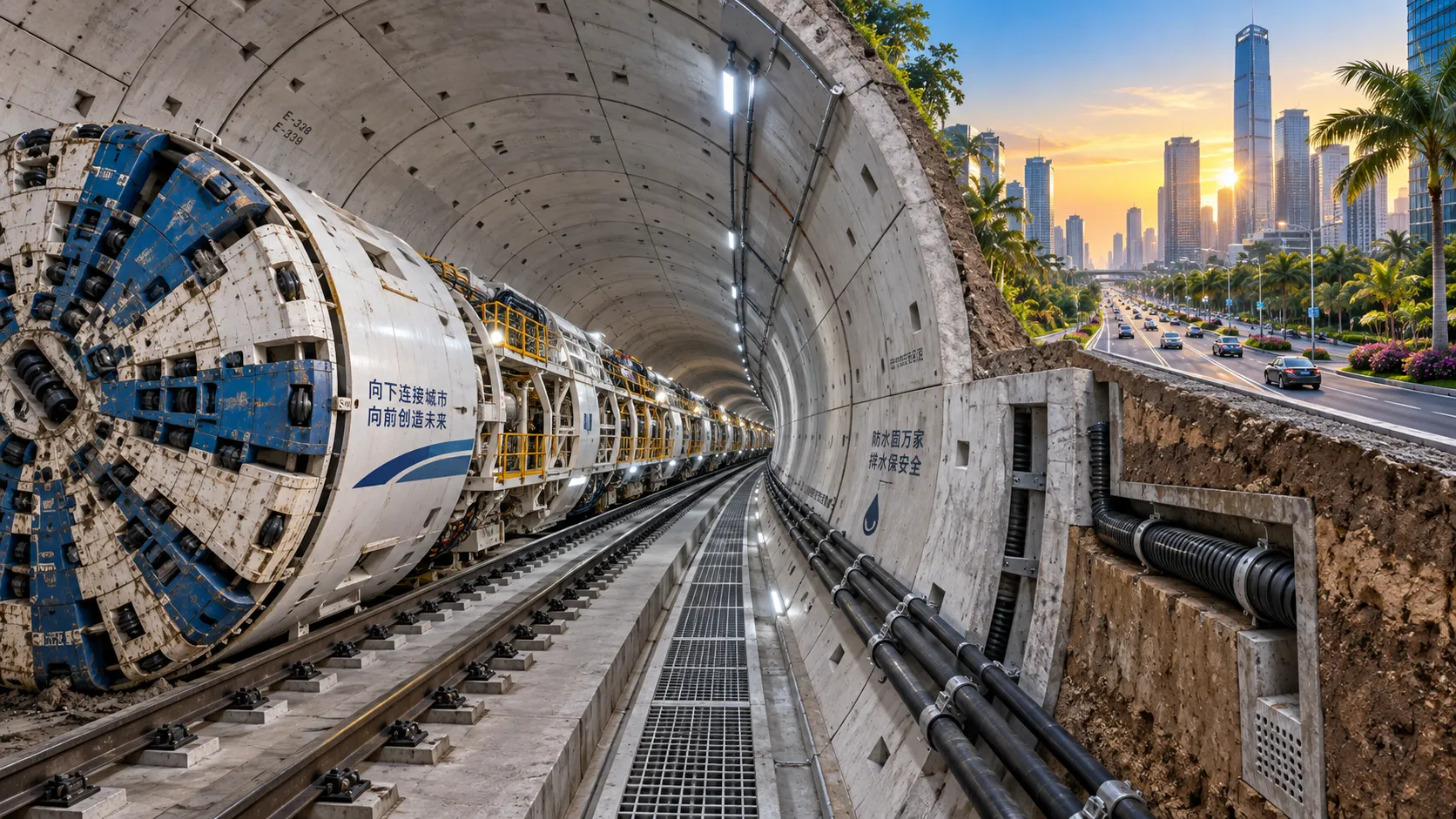
What Is Driving Metro Tunnelling Demand Across Southeast Asia’s Major Cities?
Metro tunnelling Southeast Asia is accelerating as major cities tackle congestion, flooding, and connectivity. Explore the market forces, technical risks, and opportunities shaping demand.
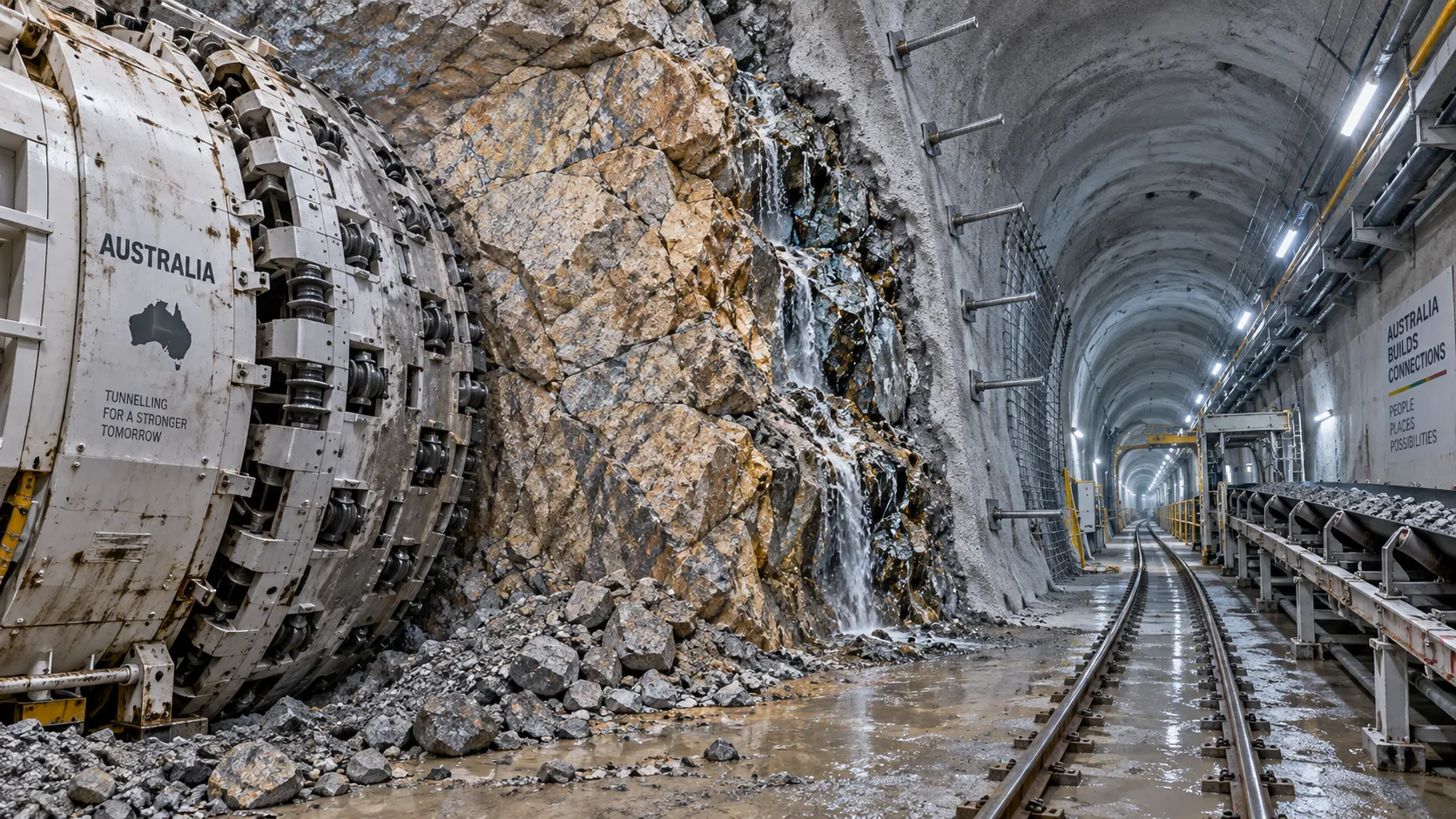
Hard Rock Tunnelling in Australia: Selecting Methods for Variable Ground Conditions
Hard rock tunnelling in Australia: compare TBM, drill-and-blast and hybrid methods to manage variable ground, reduce risk and protect project costs.
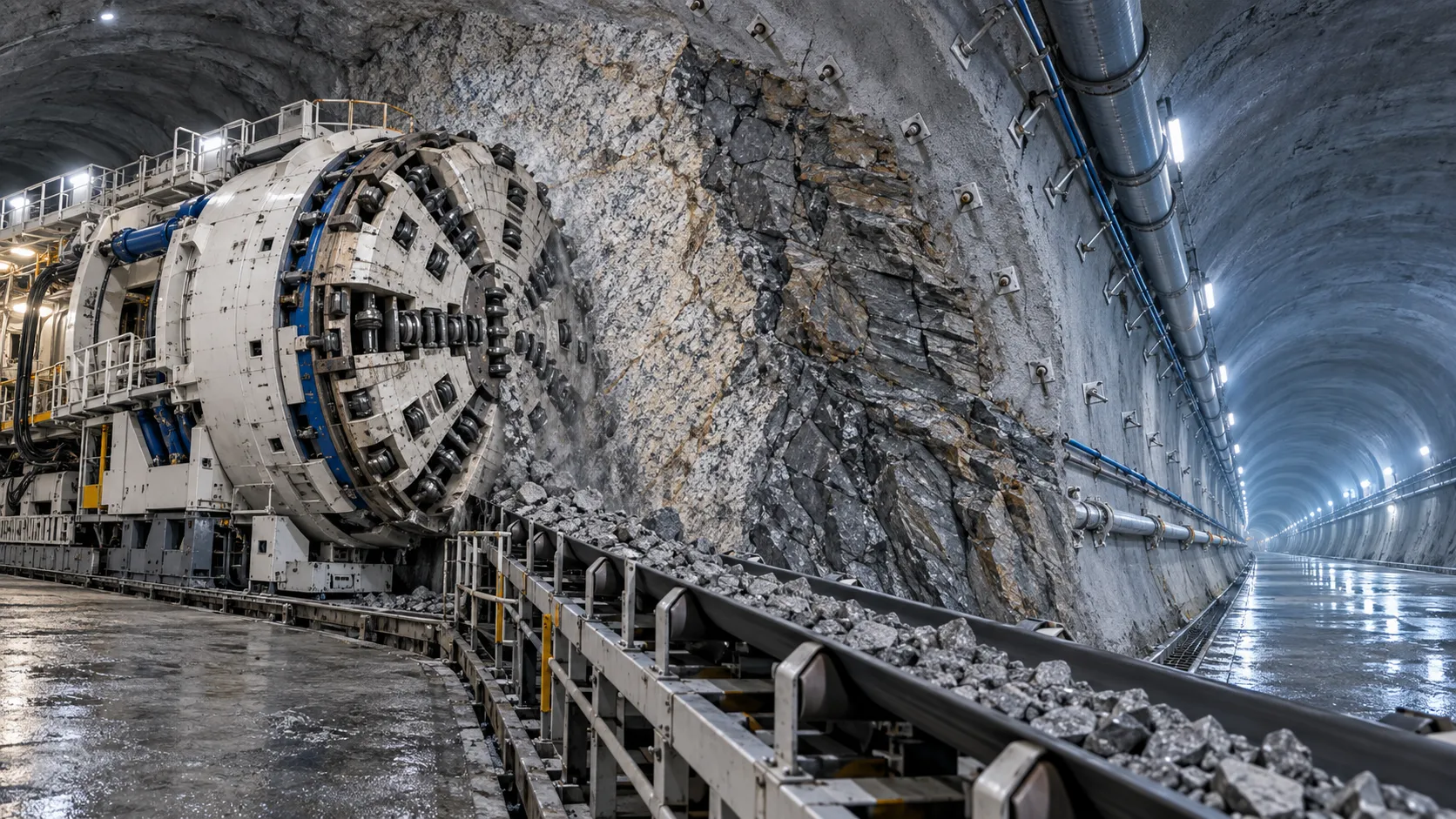
Hydropower Tunnel Excavation: Selecting Methods for Variable Rock Conditions
Hydropower tunnel excavation methods for variable rock conditions: compare TBM, drill-and-blast, and hybrid strategies to improve safety, progress, and project control.
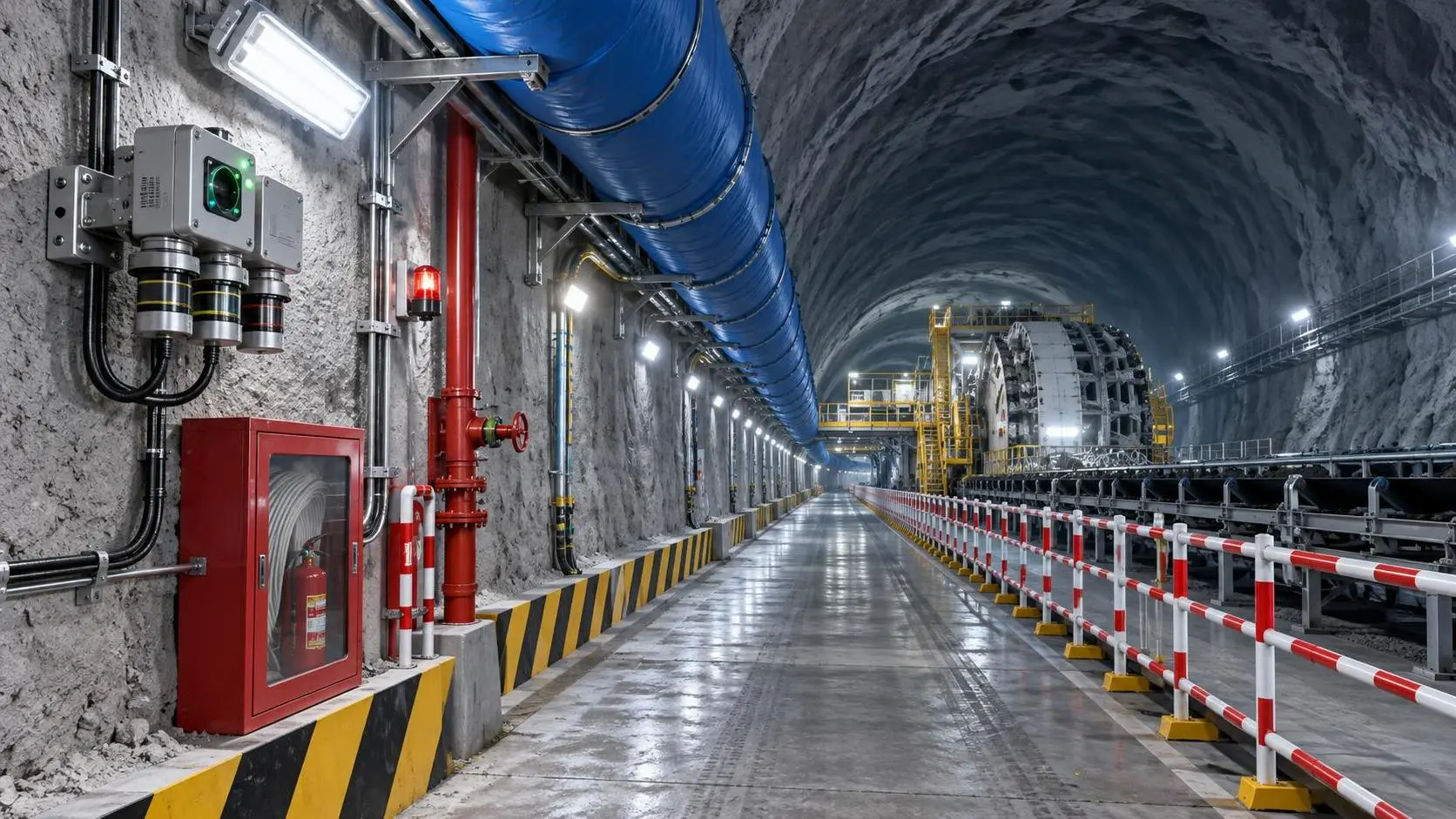
How to Select Underground Safety Equipment for Tunnelling by Hazard and Work Zone
Underground Safety Equipment for tunnelling: match protection to hazards, work zones, compliance, and emergency needs with this practical selection guide.
Related News
- 00
0000-00
Where Autonomous Mining Loaders Deliver the Most Value in Underground Operations - 00
0000-00
Underground Drilling for Mining: Selecting Methods for Rock Conditions and Mine Layout - 00
0000-00
Underground Mine Electrification: How to Size Battery Fleets and Charging Capacity - 00
0000-00
How to Evaluate European Drill-and-Blast Tunnelling Contractors for Complex Projects - 00
0000-00
Which Trenchless Construction Technique Fits Your Utility Crossing Conditions?
Weekly Insights
Stay ahead with our curated technology reports delivered every Monday.