
TBM Export Fast-Track Debuts at Bay Area Expo





On June 24, 2026, the Greater Bay Area International Bridge and Tunnel Expo opened in Guangzhou with a new compliance-focused development: the launch of a China TBM export certification green channel. Based on the event summary provided, the mechanism combines export compliance pre-review, faster CE and EN 14488 mutual recognition, and coordinated AEO advanced certification support for equipment including Hard Rock TBMs and Slurry/EPB Shields. This matters not only for equipment exporters, but also for overseas buyers, certification participants, customs-facing service providers, and project delivery teams because it points to a more structured path for reducing clearance delays and import compliance risk in cross-border equipment transactions.
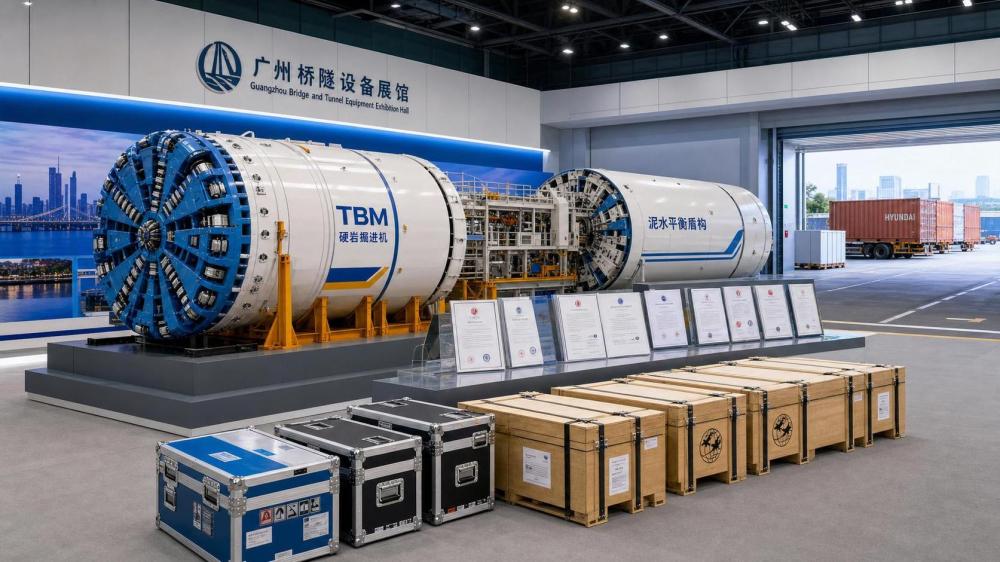
A new compliance route introduced at the Guangzhou event
According to the provided information, the 2026 Greater Bay Area International Bridge and Tunnel Expo opened in Guangzhou on June 24, 2026 under the guidance of the Guangdong Provincial Department of Transportation.
The event introduced, for the first time, a China TBM export certification green channel. The mechanism is described as being jointly supported by the Guangzhou Sub-Administration of the General Administration of Customs, the Tunnelling Machinery Branch of the China Construction Machinery Industry Association, and TÜV Rheinland.
The green channel is intended for equipment including Hard Rock TBMs and Slurry/EPB Shields. The services mentioned in the event summary include export compliance pre-review, faster mutual recognition connected to CE and EN 14488, and coordinated support linked to AEO advanced certification.
The summary also states that the channel is expected to shorten export customs clearance cycles by more than 40% and significantly reduce import compliance risk and customs delay costs for overseas buyers.
Where the practical impact may emerge first
For equipment exporters, pre-shipment compliance moves closer to the front of the process
Analysis shows that exporters of TBMs and shield-related equipment may be among the first groups affected because the new channel places visible emphasis on compliance pre-review before overseas delivery friction appears. In practical terms, what deserves closer attention is whether product files, technical descriptions, certification materials, and export-facing documentation are organized early enough to fit a pre-review workflow rather than being assembled only at the shipment stage.
For overseas buyers, import risk management becomes a procurement issue
From an industry perspective, the stated reduction in import compliance risk and customs delay costs suggests that overseas purchasers may increasingly treat certification alignment and customs-readiness as part of supplier evaluation, not only as a logistics issue after contract award. This could affect procurement review, delivery planning, and acceptance conditions for projects involving Hard Rock TBMs or Slurry/EPB Shields.
For certification and testing participants, coordination may become more time-sensitive
Observably, the inclusion of CE and EN 14488 fast mutual recognition and AEO advanced certification coordination points to a closer link between certification timing and export execution. For certification-related firms and testing service participants, the key issue is less about a new standard being announced and more about whether existing conformity materials, reports, and review paths can be synchronized with export schedules.
For customs-facing supply chain services, documentation quality may matter more than speed alone
For logistics, customs, and trade service providers, the development may shift attention from reactive clearance support to earlier document readiness and procedural coordination. Analysis shows that shipment planning, declaration preparation, and handoff between exporter, certification body, and customs-related service teams may become more closely connected when a formal green channel is available.
What companies should watch before treating it as routine practice
Track how pre-review is defined in actual execution
The event summary confirms that export compliance pre-review is part of the channel, but it does not provide detailed operating criteria, document lists, or case-handling procedures. It is therefore more appropriate to understand this as an important execution signal while companies continue to watch for clearer official wording on scope, submission standards, and applicable workflows.
Review certification files and technical documentation early
Companies involved in manufacturing, exporting, or sourcing relevant equipment should closely examine whether existing technical files, test records, product descriptions, and conformity materials are complete enough for faster review and mutual recognition pathways. This is especially relevant where delivery schedules depend on customs timing and overseas buyer compliance checks.
Reassess procurement and delivery timelines
Analysis shows that if the green channel works as described, procurement teams and exporters may need to adjust planning assumptions around lead time, customs preparation, and handover milestones. That does not mean the process is already uniform in all cases; rather, firms should be careful not to rely on faster treatment without confirming how the channel applies to their equipment category and documentation status.
Pay attention to qualification and traceability expectations
Because the mechanism links export review, mutual recognition, and AEO-related coordination, companies should also watch whether buyers, service partners, or bid-related documents begin to place greater emphasis on qualification status, document consistency, and traceable compliance records across the export chain.
Why this looks like an execution signal more than a fully settled rule set
From an editorial observation standpoint, this development is best read as a concrete implementation signal in the export compliance and certification interface for TBM-related equipment, rather than as a complete and fully transparent rule framework already fixed in every operational detail. The event summary provides a clear direction: trade facilitation is being linked more directly with certification readiness and customs coordination. At the same time, the absence of detailed public execution criteria in the provided material means the industry still needs to watch how this channel is applied in practice, how consistently mutual recognition is handled, and whether procurement and tender documents begin reflecting the new pathway.
How the market may need to read this development for now
At this stage, the launch of the TBM export certification green channel is most reasonably understood as a practical move toward earlier compliance screening and more coordinated export processing for certain tunnelling equipment categories. Its significance lies less in headline visibility and more in the possibility that certification, customs preparation, and buyer-side risk control may become more tightly linked. The market should therefore treat this as a meaningful operational development, while remaining cautious about assuming uniform execution outcomes before further detail, market feedback, and implementation experience emerge.
Basis of this article and what still needs verification
This article is generated from the user-provided news title, event date, and event summary. For developments of this kind, relevant source types typically include official announcements, regulator releases, customs or trade authority information, industry association notices, standard-related documents, and reporting by authoritative media. No specific official source link was provided in the input, so the precise official reference path still requires follow-up verification.
Further monitoring is still needed on detailed implementation language, certification interpretation in practice, possible changes in tender or procurement documents, market feedback from exporters and buyers, and how participating firms apply the channel in actual delivery scenarios.
Related News
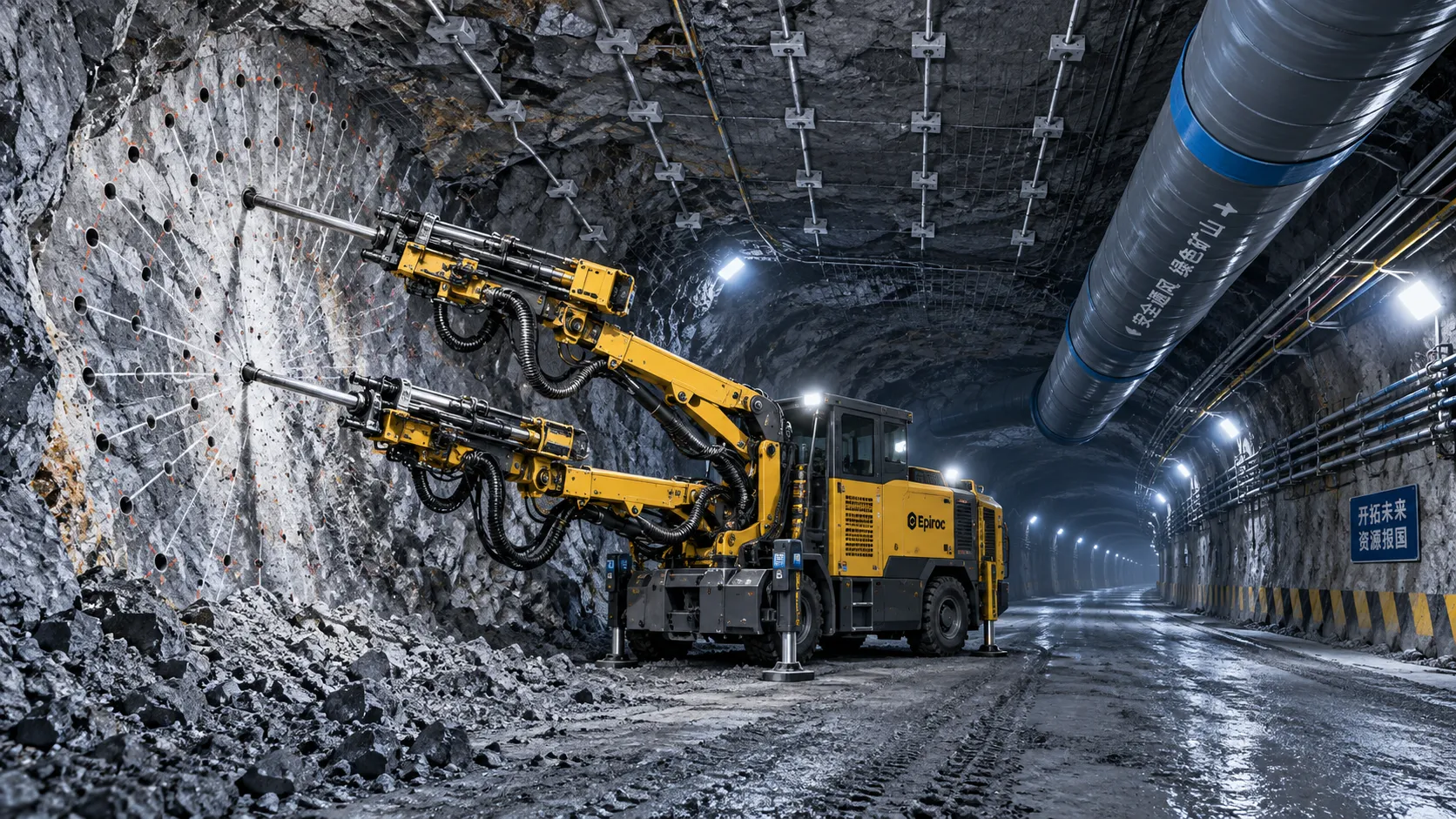
Underground Drilling for Mining: Selecting Methods for Rock Conditions and Mine Layout
Underground drilling for mining: learn how to match drilling methods to rock conditions, mine layout, accuracy needs, ground support, and cycle efficiency.
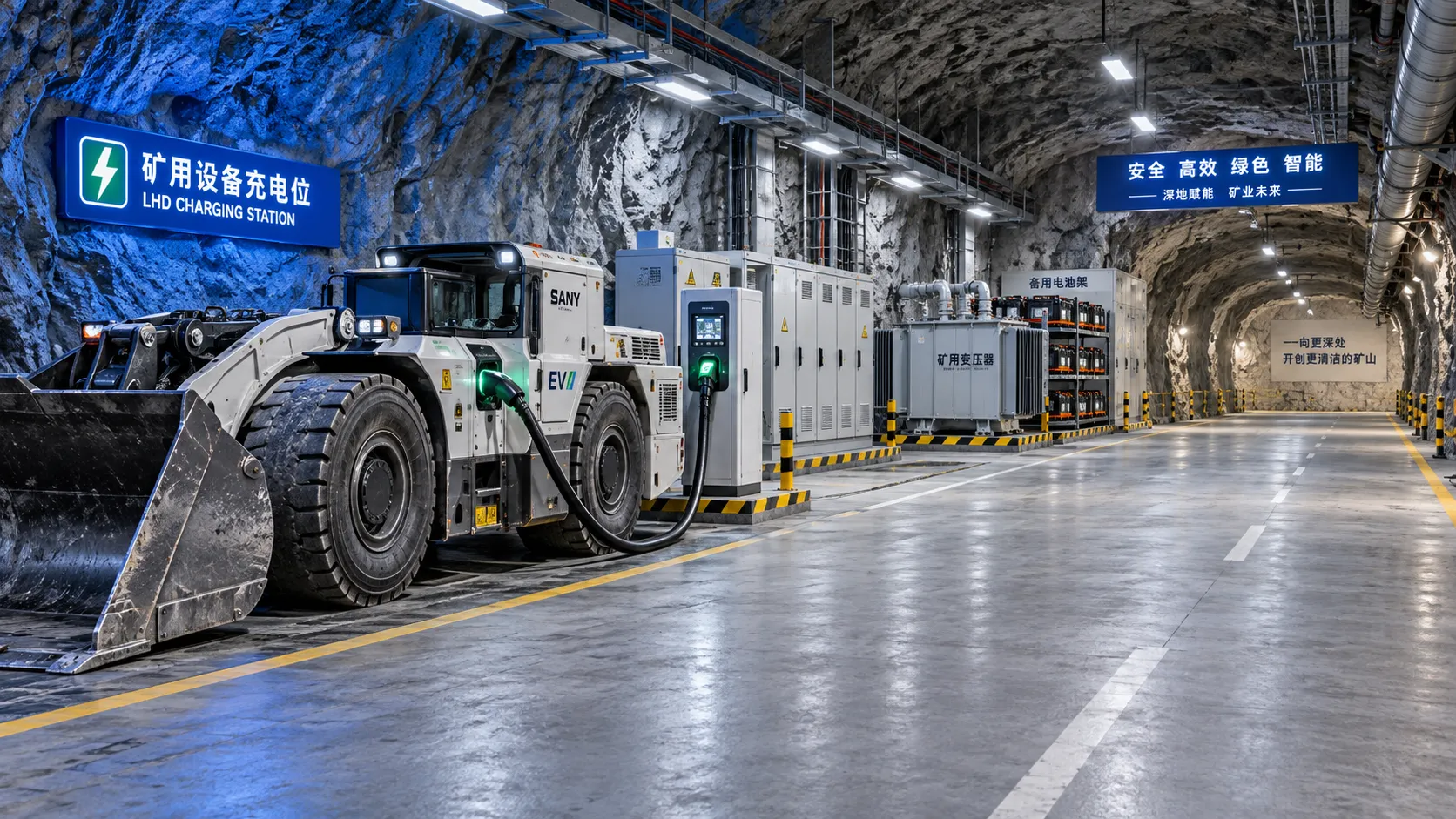
Underground Mine Electrification: How to Size Battery Fleets and Charging Capacity
Mining electrification for underground mines: learn how to size battery fleets, chargers, and power capacity to prevent queues, peak-load issues, and production downtime.

How to Evaluate European Drill-and-Blast Tunnelling Contractors for Complex Projects
Drill and blast tunnelling contractors Europe: learn how to assess geology expertise, blast control, equipment reliability, safety, and programme resilience for complex projects.

Which Trenchless Construction Technique Fits Your Utility Crossing Conditions?
Trenchless construction techniques compared for utility crossings: choose HDD, microtunnelling, pipe jacking, or auger boring based on ground, accuracy, access, and risk.

What Is Driving Metro Tunnelling Demand Across Southeast Asia’s Major Cities?
Metro tunnelling Southeast Asia is accelerating as major cities tackle congestion, flooding, and connectivity. Explore the market forces, technical risks, and opportunities shaping demand.

Hard Rock Tunnelling in Australia: Selecting Methods for Variable Ground Conditions
Hard rock tunnelling in Australia: compare TBM, drill-and-blast and hybrid methods to manage variable ground, reduce risk and protect project costs.

Hydropower Tunnel Excavation: Selecting Methods for Variable Rock Conditions
Hydropower tunnel excavation methods for variable rock conditions: compare TBM, drill-and-blast, and hybrid strategies to improve safety, progress, and project control.

How to Select Underground Safety Equipment for Tunnelling by Hazard and Work Zone
Underground Safety Equipment for tunnelling: match protection to hazards, work zones, compliance, and emergency needs with this practical selection guide.

EPB or Slurry Shield? Selecting Soft-Ground Tunnelling Equipment by Soil Conditions
Tunnel Excavation Equipment for soft ground: compare EPB and slurry shields by soil, groundwater, settlement risk, and project logistics to choose confidently.
Related News
- 00
0000-00
Underground Drilling for Mining: Selecting Methods for Rock Conditions and Mine Layout - 00
0000-00
Underground Mine Electrification: How to Size Battery Fleets and Charging Capacity - 00
0000-00
How to Evaluate European Drill-and-Blast Tunnelling Contractors for Complex Projects - 00
0000-00
Which Trenchless Construction Technique Fits Your Utility Crossing Conditions? - 00
0000-00
What Is Driving Metro Tunnelling Demand Across Southeast Asia’s Major Cities?
Weekly Insights
Stay ahead with our curated technology reports delivered every Monday.