
How to Evaluate a Pipe Jacking Machine in Malaysia for Urban Utility Projects





Selecting the right Pipe Jacking Machine Malaysia solution can determine whether an urban utility project stays on schedule, controls ground disturbance, and meets strict municipal requirements. For project managers and engineering leaders, a reliable evaluation goes beyond equipment size or thrust force—it also involves geological suitability, automation, maintenance support, and long-term operating efficiency in dense city environments.
That is especially true in Malaysia’s urban utility environment, where projects often run beneath live roads, dense mixed-use districts, existing water and sewer lines, telecom assets, and highly variable ground conditions. A pipe jacking machine that looks competitive on paper may still underperform if it is not matched to local geology, shaft constraints, spoil handling conditions, or the client’s tolerance for settlement risk and construction disruption.
For project leaders, the real task is not to find the “best” machine in abstract terms. It is to determine which machine configuration gives the project the highest probability of successful completion under Malaysian urban constraints: limited work windows, public sensitivity to traffic interference, wet ground, utility congestion, and strict coordination with authorities and consultants.
Start with project conditions, not with machine specifications
A common procurement mistake is to compare machines primarily by diameter range, installed power, or maximum jacking force. Those figures matter, but they are not the starting point. Urban utility projects succeed or fail on ground response, face control, alignment accuracy, shaft logistics, and support reliability.
Before shortlisting any machine, project teams should define five baseline conditions:
- Ground profile along the full drive: soft clay, silty soil, weathered formation, mixed face, sand lenses, groundwater level, cobbles, or obstructions.
- Pipeline function and design constraints: gravity sewer, stormwater, water transfer, cable duct, or utility tunnel, each with different line-and-grade tolerances.
- Drive length and shaft spacing: longer drives change lubrication demand, intermediate jacking station needs, and cutterhead wear exposure.
- Surface sensitivity: road crossings, buildings, rail interfaces, buried utilities, and settlement limits.
- Execution model: contractor capability, operator skill, availability of separation systems, slurry management, and maintenance support.
If those fundamentals are not pinned down, machine comparison becomes misleading. A unit optimized for predictable soft ground may become a risk in mixed geology. A robust slurry system may be essential on one alignment and unnecessary cost on another.
Malaysia-specific evaluation: geology and groundwater often decide the machine class
In Malaysia, pipe jacking assessments should pay special attention to variable alluvial soils, soft cohesive layers, high groundwater conditions, and localized mixed ground. In some urban corridors, the challenge is not hard rock but instability at the face, water ingress, or settlement caused by insufficient pressure balance. In others, weathered rock or man-made obstructions can create abrupt changes in torque demand and cutter wear.
This is why the first decision is usually not brand-related. It is about selecting the right tunnelling principle:
- Open-face systems may still suit short drives in stable ground with low groundwater risk, but they are often too exposed for sensitive urban alignments.
- Slurry pipe jacking machines are typically favored where groundwater control, face stability, and settlement management are critical.
- Earth pressure balance-type concepts may be considered in suitable soils, though project specifics determine whether they are practical in the given diameter and spoil conditions.
- Mixed-ground or adaptable cutterhead designs become important where the alignment transitions between soft soil and weathered or harder inclusions.
The most important question for a project manager is simple: How forgiving is this machine when actual ground conditions differ from the desk study? In many Malaysian city projects, incomplete utility records and geotechnical uncertainty remain part of the execution reality. Machines with poor adaptability can turn minor surprises into major delay events.
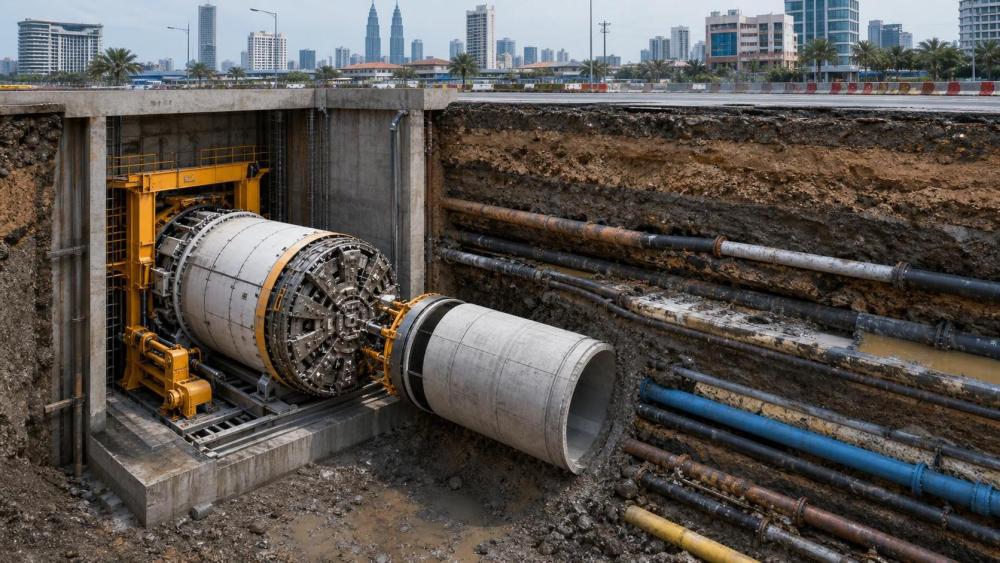
Face control and settlement performance matter more than headline thrust
Municipal stakeholders rarely care how powerful the jacking system looks in a tender brochure. They care whether the contractor can cross under roads and adjacent structures without settlement claims, sinkholes, or service interruption.
For that reason, machine evaluation should focus heavily on face pressure control, excavation balance, and guidance accuracy. In dense urban work, the ability to maintain a stable face is often more valuable than extra installed thrust. Excessive thrust can even mask poor lubrication practice, bad spoil management, or unsuitable cutting conditions.
Useful evaluation questions include:
- How precisely can face pressure be monitored and adjusted?
- What instrumentation is included for slurry flow, density, pressure, and spoil condition?
- How stable is machine performance in variable groundwater?
- What is the machine’s record in controlling settlement on shallow urban drives?
- How accurate is the guidance system over longer distances and curved alignments, if applicable?
On gravity sewer projects, line and grade control becomes even more critical. A machine with weak steering response or limited correction capability may create downstream installation problems that no amount of site improvisation can fully solve.
Do not separate the machine from the full jacking system
Another frequent mistake is to evaluate only the boring unit while underestimating the rest of the operating chain. A pipe jacking machine performs as part of a system, not as a standalone asset.
That system includes:
- jacking frame and hydraulic package,
- slurry circulation or spoil transport setup,
- separation plant,
- lubrication system,
- intermediate jacking stations where needed,
- guidance and survey equipment,
- power supply and control architecture,
- shaft interface and lifting arrangements.
For Malaysian urban projects, shaft footprint and site logistics can be decisive. A machine may be technically suitable underground but difficult to deploy if launch shafts are compact, access roads are constrained, or spoil handling creates traffic conflicts. Projects in built-up districts often reward equipment layouts that reduce on-site congestion and simplify setup, maintenance, and cleaning.
In other words, the question is not just whether the machine can cut the ground. It is whether the project site can realistically support the machine’s operating method.
Assess maintainability under local operating realities
Project managers tend to focus heavily on procurement price during early selection, then discover too late that maintenance response is the real cost driver. In Malaysian utility work, where urban work windows can be tight and public interfaces sensitive, downtime has disproportionate consequences. Delays affect traffic management, shaft occupation, subcontractor sequencing, and local authority coordination.
Maintenance evaluation should therefore include more than standard warranty terms. Look closely at:
- Local or regional parts availability: critical seals, sensors, hydraulic components, cutter tools, slurry pumps, and electrical modules.
- Service response capability: whether OEM technicians or qualified partners can mobilize quickly.
- Operator interface quality: diagnostics, alarms, fault history, and troubleshooting transparency.
- Ease of cutterhead intervention: especially relevant where obstruction risk is significant.
- Training support: not just commissioning, but practical operator and maintenance crew training.
This area is often underestimated in cross-border equipment sourcing. A lower acquisition cost may not remain competitive if spare parts are slow to clear customs, technical support depends on long-distance mobilization, or the machine requires a skills level the contractor team does not yet possess.
Automation is valuable, but only when it reduces operational variability
Automation features are increasingly present in trenchless equipment discussions, and some are genuinely useful. Real-time monitoring, automated pressure control, digital logging, and remote diagnostics can improve consistency and reduce operator dependence. But not every automated feature creates field value.
For project evaluation, the practical standard should be: does the technology reduce execution risk?
The best automation functions in a pipe jacking context usually do one of three things:
- improve face stability and steering consistency,
- provide earlier warning of abnormal operating conditions,
- shorten fault diagnosis and recovery time.
A highly digitized system is not automatically the right choice if the project team cannot support its calibration, interpretation, or repair. On the other hand, basic machines with weak monitoring can leave managers operating blindly in complex urban ground. The right balance depends on contractor maturity and project criticality.
For higher-risk Malaysian urban drives, especially beneath sensitive infrastructure, stronger data visibility is usually a benefit. It supports consultant reporting, dispute prevention, and faster decision-making when ground behavior shifts.
Evaluate supplier credibility through project fit, not global branding alone
A well-known manufacturer deserves attention, but global reputation should not replace project-specific due diligence. A supplier with strong experience in large-diameter intercity drives may still be less suitable for compact municipal work if local support, shaft design integration, or slurry treatment adaptation is weak.
Project managers should test suppliers on evidence, not presentation quality. Ask for:
- reference projects in comparable soil and groundwater conditions,
- similar diameter and drive length history,
- performance in congested urban utility corridors,
- documented support structure in Southeast Asia or Malaysia,
- typical wear part consumption and intervention frequency,
- lessons learned from mixed-ground or obstruction-heavy jobs.
References are most useful when they reveal how the machine performed under stress, not just that it was delivered. A project manager should want to know where the supplier faced trouble, how quickly the issue was resolved, and what engineering support was actually provided on site.
Compliance and municipal acceptance should be checked early
Urban utility projects are not governed by machine capability alone. They also depend on approvals, site management plans, environmental controls, and stakeholder confidence. Requirements may vary by project owner, local authority, utility agency, and consultant specifications, so teams should avoid assuming that a previously accepted setup will automatically pass on a new job.
Items that often affect acceptance include:
- noise and vibration management,
- slurry and spoil disposal arrangements,
- settlement monitoring plans,
- shaft safety systems,
- electrical and lifting compliance documentation,
- traffic interface and worksite containment.
Relevant standards and local requirements should be confirmed project by project, especially where public roads, rail reserve areas, or sensitive utility owners are involved. Specific Malaysian regulatory pathways and acceptance criteria may differ by jurisdiction and contracting authority, so details should be treated as [to be verified] at tender and pre-construction stage.
Total project cost is usually driven by risk exposure, not machine price
In selection meetings, commercial pressure often narrows the conversation to initial equipment cost. That is understandable, but in practice the biggest cost differences on urban jacking projects usually come from delay, intervention, settlement remediation, and low daily advance rates.
A more useful cost comparison includes:
- expected advance rate in actual ground conditions,
- consumable and wear-part demand,
- lubrication consumption,
- power and slurry treatment operating cost,
- maintenance downtime risk,
- crew skill requirements,
- probability of face intervention or obstruction recovery,
- impact of underperformance on overall project schedule.
This is where some “cheaper” machine packages become expensive. If a low-cost setup struggles to maintain alignment, requires frequent stoppages, or triggers conservative operating speeds because the team lacks confidence in face conditions, the project pays for it many times over.
What a good evaluation process looks like in practice
For a project manager, a sound assessment process is usually iterative rather than linear. It starts with ground and alignment risk, then tests which machine type can control those risks within the project’s shaft, program, and contractor capability limits.
A practical review sequence often looks like this:
- Map the alignment into risk zones rather than treating the full drive as uniform.
- Define the non-negotiables: settlement limits, line and grade tolerance, groundwater behavior, shaft constraints, and authority requirements.
- Shortlist machine concepts that match the worst sections of the alignment, not just the easiest ones.
- Review the full support system, including slurry treatment, lubrication, and logistics.
- Stress-test supplier support assumptions: parts, service, operator training, and commissioning depth.
- Compare expected production and interruption risk, not only purchase or rental price.
- Validate with references from projects that resemble the actual Malaysian urban scenario.
This approach usually leads to better decisions than spec-sheet comparison. It also helps explain the selection logic to clients, consultants, and procurement teams when the recommended option is not the lowest upfront cost.
For urban utility projects in Malaysia, the right pipe jacking machine is rarely the one with the most aggressive marketing claims. It is the one that matches local ground uncertainty, protects the surface environment, fits the shaft and logistics reality, and can be supported reliably when the drive moves from theory into execution.
That is the standard worth applying whenever a Pipe Jacking Machine Malaysia decision will influence schedule certainty, public disruption risk, and long-term project delivery confidence.
Related News
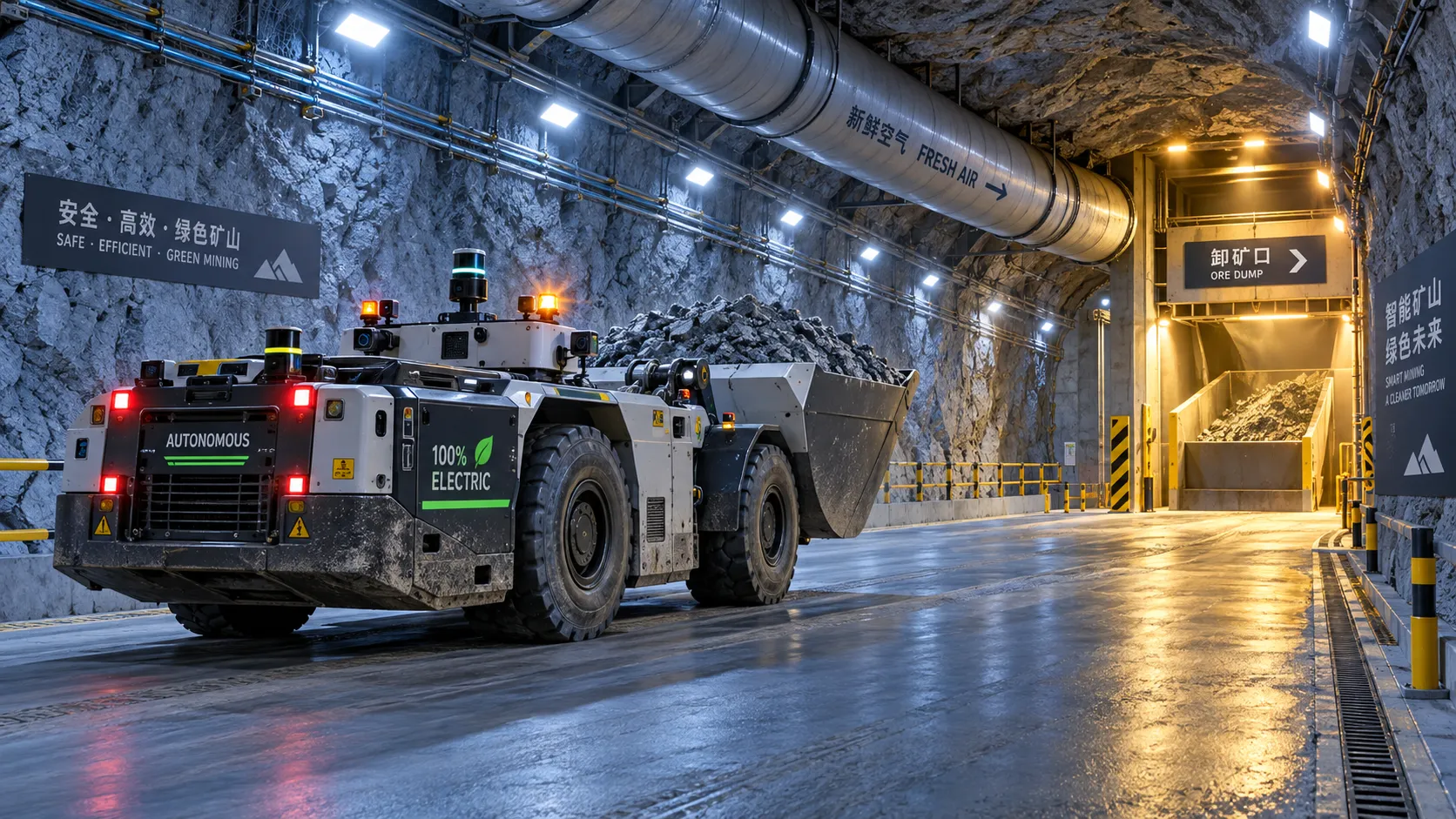
Where Autonomous Mining Loaders Deliver the Most Value in Underground Operations
Autonomous Mining Loaders deliver greater underground value through safer blast-zone work, repeatable haul cycles, and improved ventilation efficiency. Discover the best deployment zones.
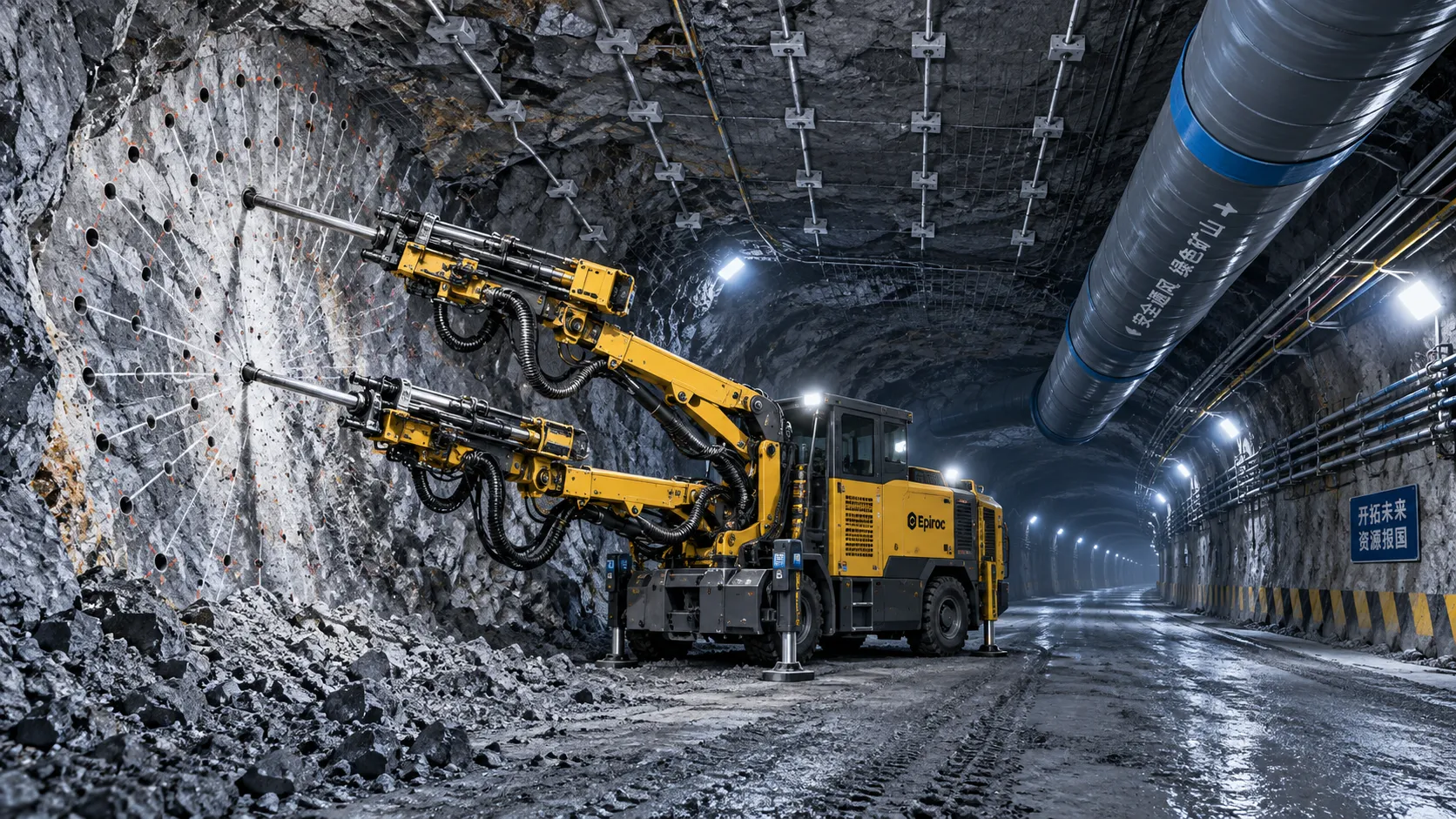
Underground Drilling for Mining: Selecting Methods for Rock Conditions and Mine Layout
Underground drilling for mining: learn how to match drilling methods to rock conditions, mine layout, accuracy needs, ground support, and cycle efficiency.
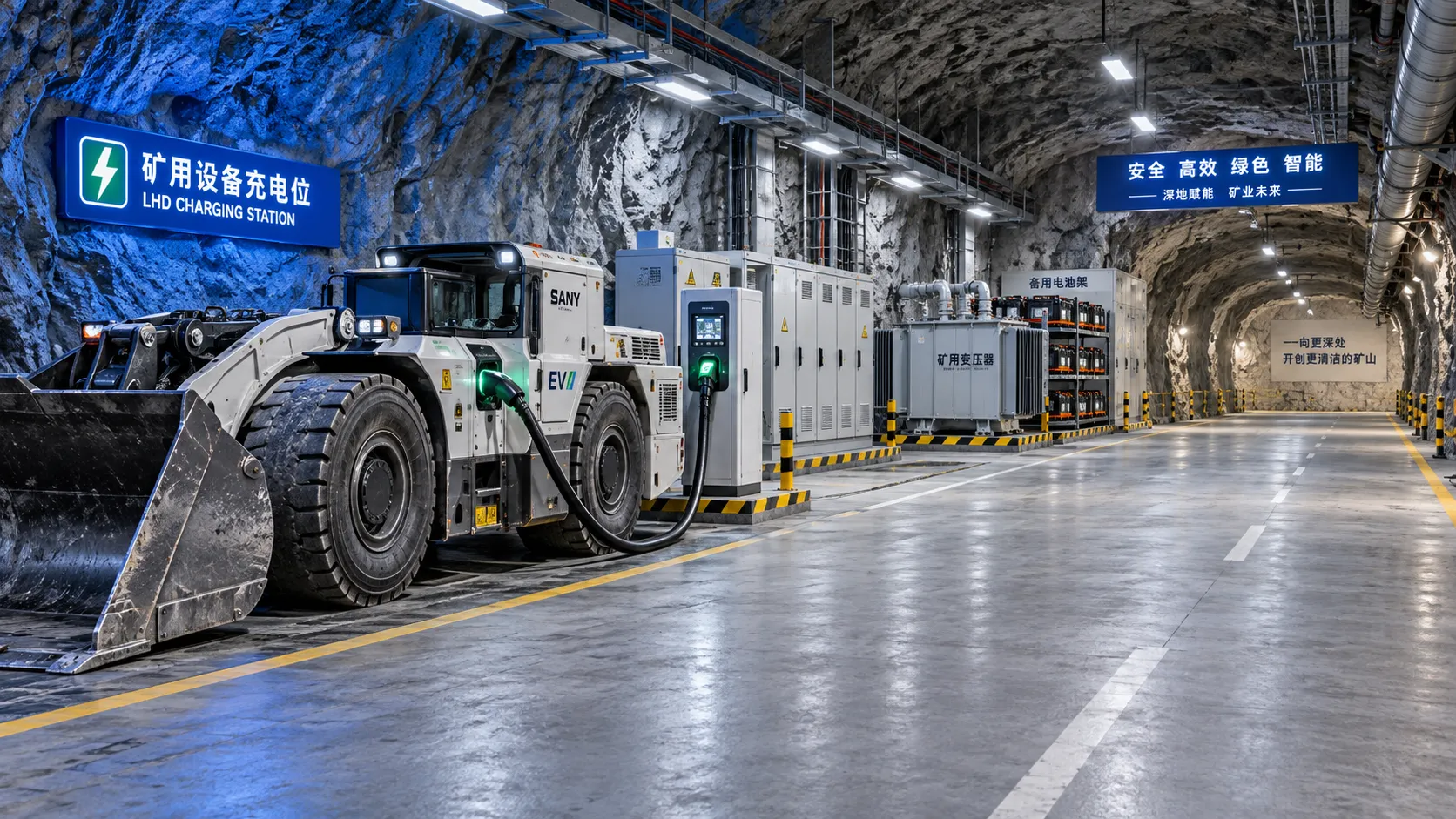
Underground Mine Electrification: How to Size Battery Fleets and Charging Capacity
Mining electrification for underground mines: learn how to size battery fleets, chargers, and power capacity to prevent queues, peak-load issues, and production downtime.
How to Evaluate European Drill-and-Blast Tunnelling Contractors for Complex Projects
Drill and blast tunnelling contractors Europe: learn how to assess geology expertise, blast control, equipment reliability, safety, and programme resilience for complex projects.
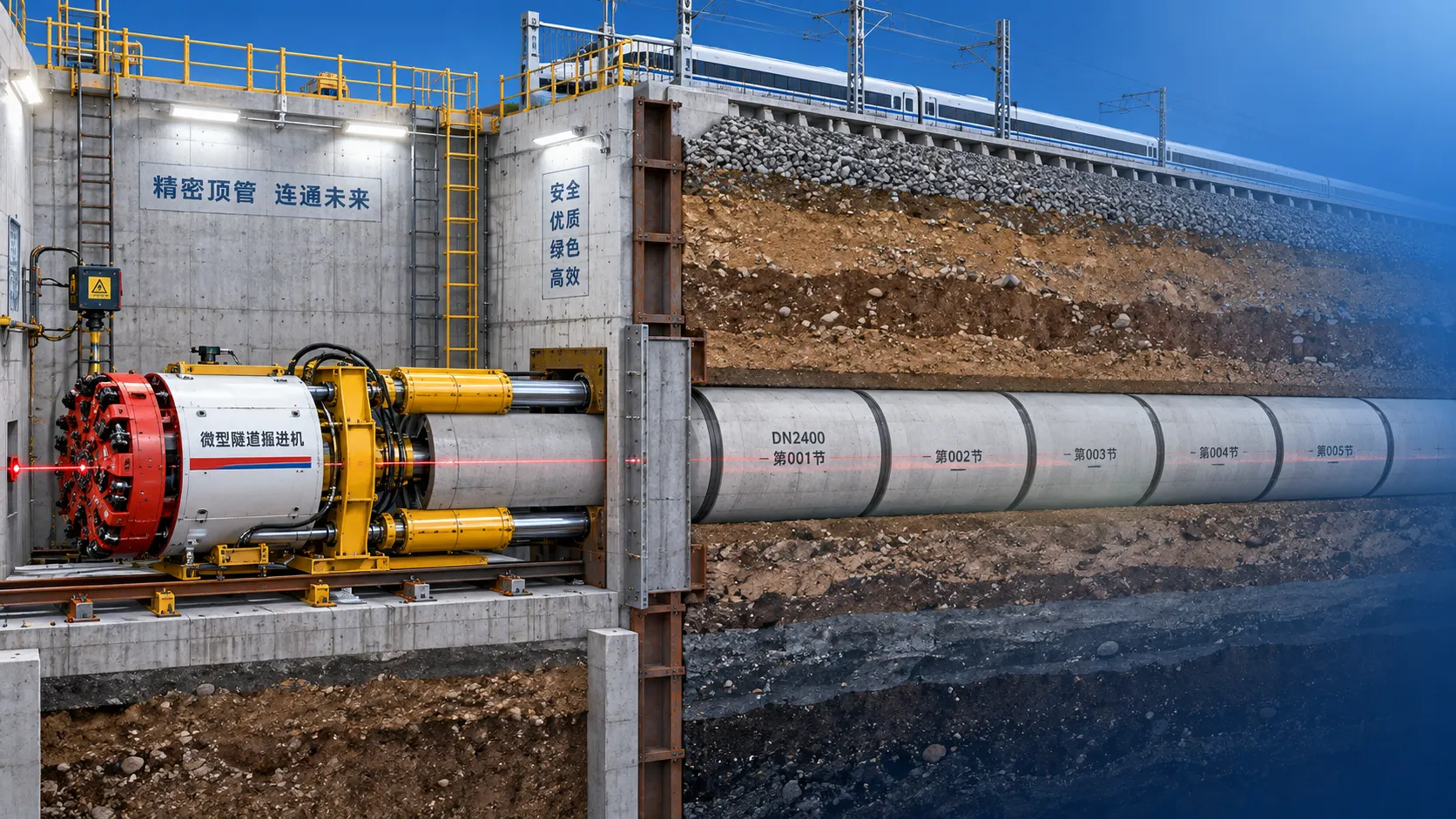
Which Trenchless Construction Technique Fits Your Utility Crossing Conditions?
Trenchless construction techniques compared for utility crossings: choose HDD, microtunnelling, pipe jacking, or auger boring based on ground, accuracy, access, and risk.
What Is Driving Metro Tunnelling Demand Across Southeast Asia’s Major Cities?
Metro tunnelling Southeast Asia is accelerating as major cities tackle congestion, flooding, and connectivity. Explore the market forces, technical risks, and opportunities shaping demand.
Hard Rock Tunnelling in Australia: Selecting Methods for Variable Ground Conditions
Hard rock tunnelling in Australia: compare TBM, drill-and-blast and hybrid methods to manage variable ground, reduce risk and protect project costs.
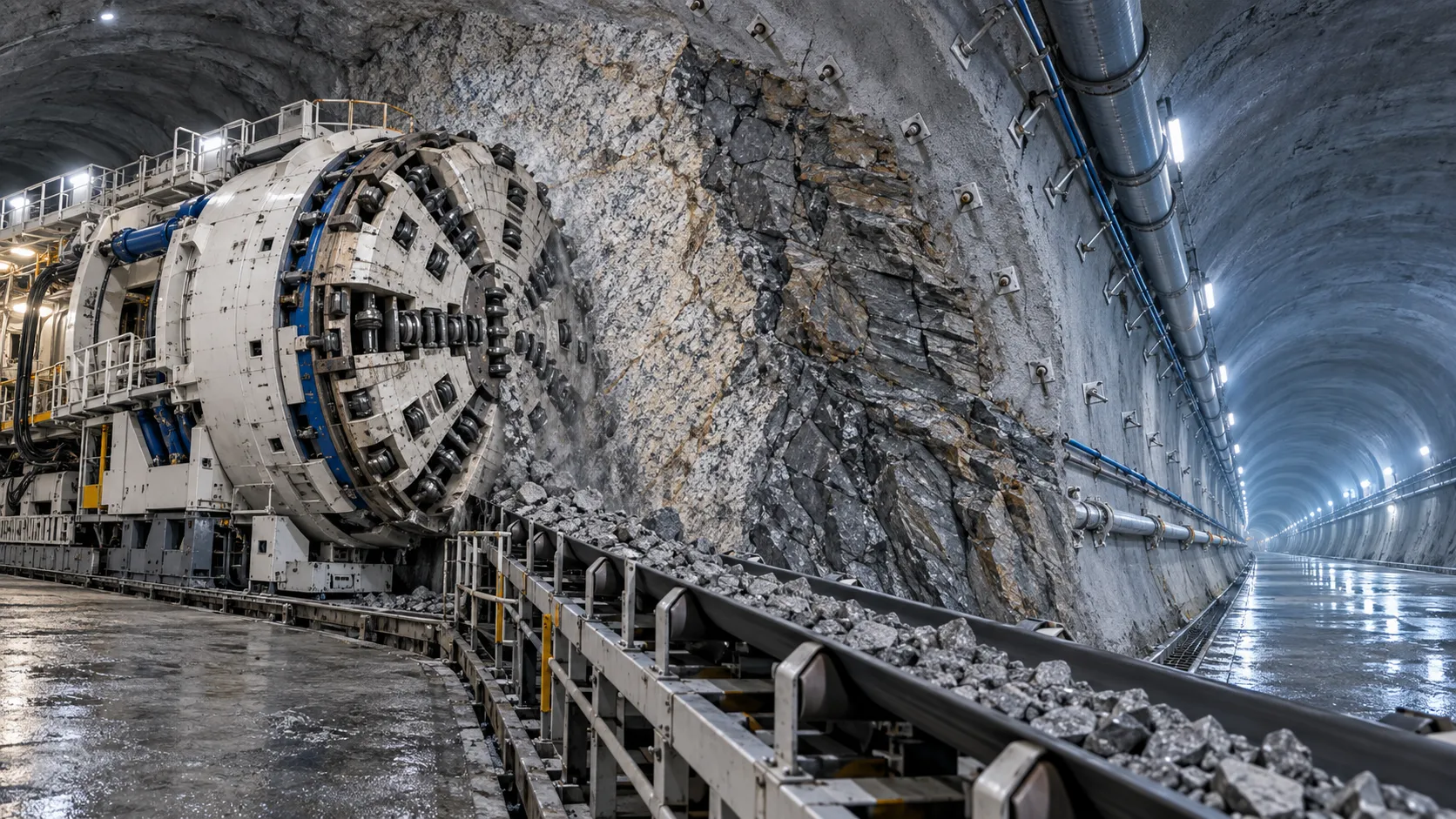
Hydropower Tunnel Excavation: Selecting Methods for Variable Rock Conditions
Hydropower tunnel excavation methods for variable rock conditions: compare TBM, drill-and-blast, and hybrid strategies to improve safety, progress, and project control.
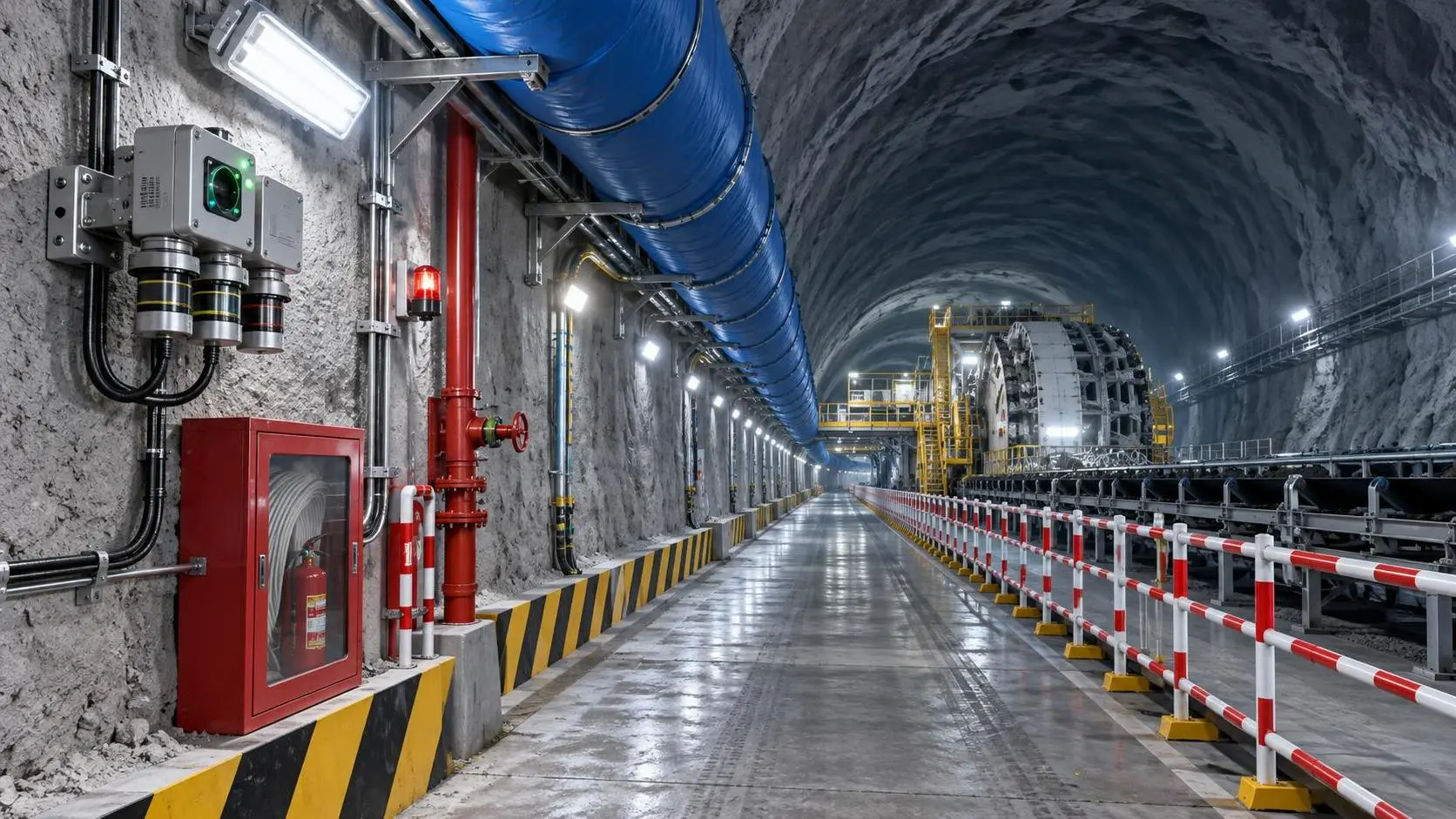
How to Select Underground Safety Equipment for Tunnelling by Hazard and Work Zone
Underground Safety Equipment for tunnelling: match protection to hazards, work zones, compliance, and emergency needs with this practical selection guide.
Related News
- 00
0000-00
Where Autonomous Mining Loaders Deliver the Most Value in Underground Operations - 00
0000-00
Underground Drilling for Mining: Selecting Methods for Rock Conditions and Mine Layout - 00
0000-00
Underground Mine Electrification: How to Size Battery Fleets and Charging Capacity - 00
0000-00
How to Evaluate European Drill-and-Blast Tunnelling Contractors for Complex Projects - 00
0000-00
Which Trenchless Construction Technique Fits Your Utility Crossing Conditions?
Weekly Insights
Stay ahead with our curated technology reports delivered every Monday.