
EU Requires R100-03 Rev.3 for Imported Battery LHDs





From 00:00 on August 9, 2026, the European Commission Official Journal (OJ L 204/2026) put revised type-approval requirements into force for imported battery-powered underground load-haul-dump machines (Battery LHDs). The change makes compliance with UN ECE R100-03 Rev.3 mandatory and replaces R100-02, putting immediate attention on manufacturers, exporters, certification teams, procurement functions, and cross-border delivery planning tied to the EU, the UK, and other UNECE-aligned markets.
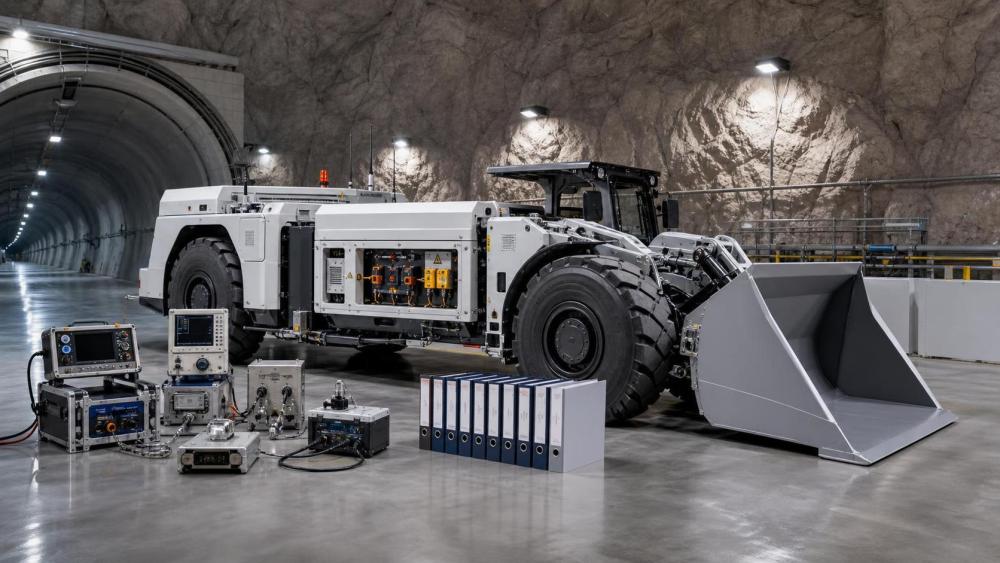
What the rule change formally introduces
According to the provided information, the revised approval requirement took effect on August 9, 2026. It applies to imported Battery LHDs and requires compliance with UN ECE R100-03 Rev.3.
The mandatory scope cited in the input includes battery thermal runaway protection, IP68-rated explosion-proof enclosure requirements, 5G remote-control signal redundancy, and EMC immunity testing under underground operating conditions.
The input also states that this requirement replaces the previous R100-02 framework. The change directly affects the export path of Chinese manufacturers supplying the EU, the UK, and 37 countries in the Middle East and Latin America that adopt UNECE regulations.
Where the pressure will likely appear first
Export-facing manufacturers will feel the compliance shift at the product approval stage
From an industry perspective, manufacturers shipping Battery LHDs into affected markets may be influenced first through model approval, technical file preparation, and export readiness. The reason is straightforward: the applicable certification basis has changed from R100-02 to R100-03 Rev.3, so the point of impact is not only production, but whether a machine can proceed through the required approval path for the destination market.
Supply chain and component coordination may be drawn into validation work
Analysis shows that the listed technical areas, including thermal runaway protection, IP68 explosion-proof enclosures, signal redundancy, and underground EMC immunity, can bring suppliers and integrators into the compliance process. The likely impact is less about routine purchasing in the abstract and more about whether supporting components, system interfaces, and technical documents align with the revised approval basis.
Distributors, importers, and project delivery teams may need closer document control
Observably, companies involved in market access, customs preparation, distribution, or mine project delivery may need to pay closer attention to certification status and document completeness. Where deliveries are tied to regulated import routes, the change matters not only at the manufacturing side, but also in shipment scheduling, customer confirmation, and acceptance planning.
Buyers and end users may place more weight on certification timing and market scope
For procurement teams and end users sourcing Battery LHDs for underground operations, the immediate issue may be whether a product is aligned with the required approval standard for the target jurisdiction. What deserves closer attention is not only technical specification on paper, but whether certification status matches the intended market and delivery timeline.
What companies should watch now
Check which products and destinations fall under the revised route
Companies should first identify which Battery LHD models are intended for the EU, the UK, or other UNECE-adopting markets referenced in the input. This is a practical distinction, because the business impact depends on whether a given shipment, model, or customer program actually depends on the revised type-approval path.
Separate formal rule text from internal commercial assumptions
Analysis shows that teams should distinguish between the confirmed regulatory trigger and their own sales or delivery assumptions. The confirmed point is that R100-03 Rev.3 is now mandatory for the covered import pathway and replaces R100-02. Any assumption about transition smoothness, approval timing, or customer acceptance still needs case-by-case verification.
Review technical files and supplier communication around the named test areas
Given the technical items explicitly cited in the input, companies may need to review how battery protection, enclosure performance, remote-control signal redundancy, and underground EMC immunity are documented and communicated. This is especially relevant where multiple suppliers or engineering parties contribute to one exportable machine configuration.
Prepare for contract and delivery discussions with overseas customers
What deserves closer attention is how the rule change may affect promised delivery windows, certification representations, and supporting documents in cross-border transactions. For companies already selling into the named markets, customer communication and document alignment may become as important as the hardware changes themselves.
Why this looks like more than a routine standards update
This section is analysis. It is more appropriate to understand this development as an active market-access change rather than a minor technical footnote. The reason is that the update does not simply add background guidance; it replaces the prior certification basis for imported Battery LHDs in the relevant route.
Observably, the signal extends beyond one region because the input links the effect not only to the EU, but also to the UK and 37 UNECE-adopting countries in the Middle East and Latin America. That does not by itself prove identical commercial outcomes in every market, but it does indicate that companies should read the update as a cross-market compliance issue, not only an EU filing matter.
At the same time, this remains a development that still requires continued observation at the operational level. The confirmed facts establish the new rule basis and its scope areas, while the real business effect for each company will depend on product configuration, certification progress, destination market, and delivery commitments.
How to read the current signal
The industry significance of this update lies in its direct connection to export eligibility for Battery LHDs entering regulated markets under the stated route. It is not best understood as general commentary on electrification or underground equipment demand. More precisely, it is a compliance trigger with implications for approval work, supply coordination, documentation, and customer-facing delivery management.
For now, it is more appropriate to understand this as a confirmed regulatory change with broader strategic implications still unfolding. The rule itself is in force, but the scale and speed of business impact will need to be assessed against actual product programs and market exposure.
Basis of this article and points still requiring verification
This article is based on the user-provided news title, event date, and event summary concerning the August 9, 2026 implementation of revised EU type-approval requirements for imported Battery LHDs. The analysis has been limited to those provided facts and to clearly marked observations derived from them.
Source types commonly relevant to this kind of industry update include official notices, company announcements, industry association materials, authoritative media coverage, and standard-setting or regulatory documents. A specific official source link was not provided in the input, so the exact document access path still requires ongoing verification.
Further monitoring should focus on any later official wording, market-specific implementation interpretations, and practical certification or delivery implications for exports into the EU, the UK, and other UNECE-adopting jurisdictions referenced in the provided information.
Related News
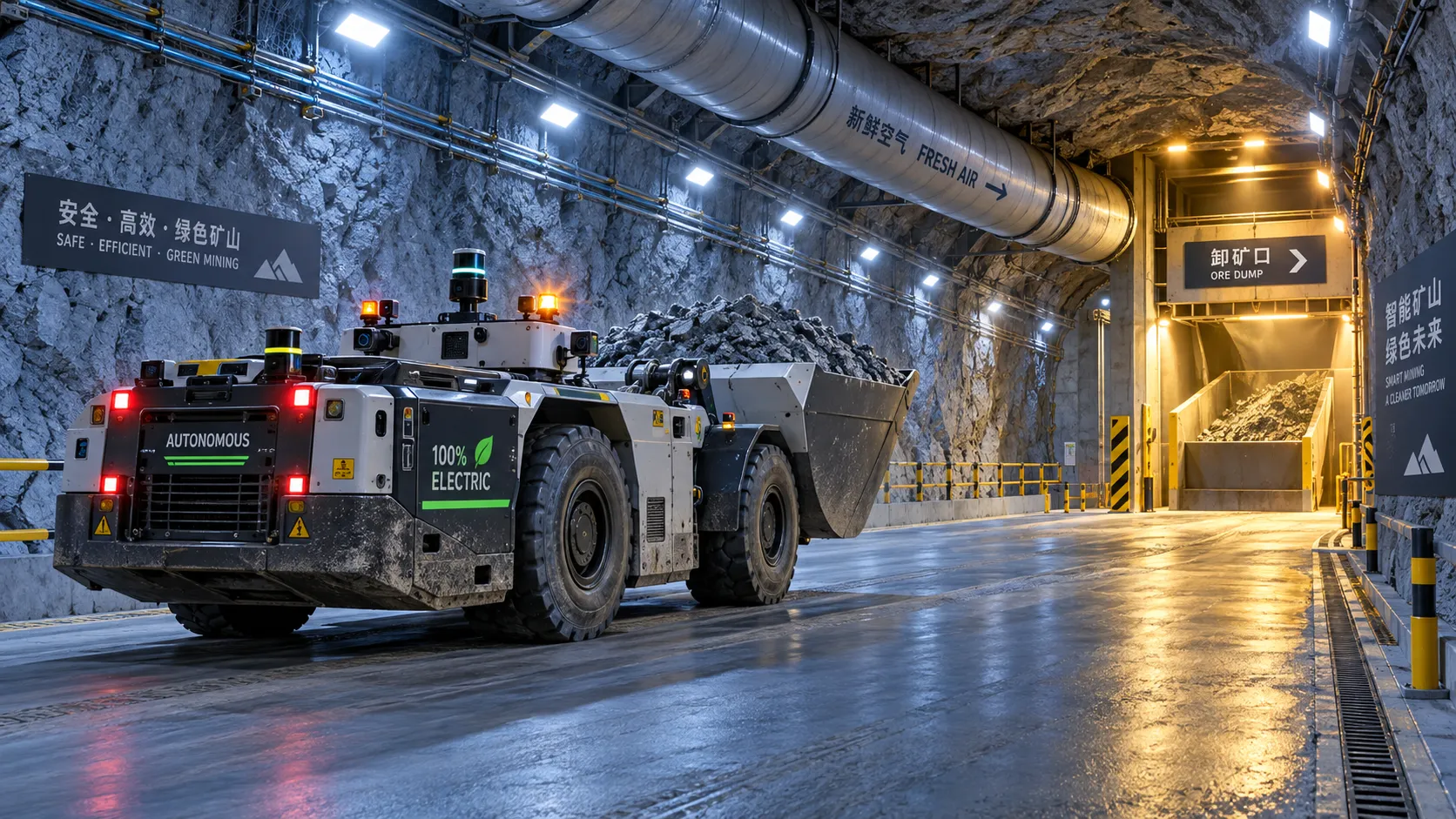
Where Autonomous Mining Loaders Deliver the Most Value in Underground Operations
Autonomous Mining Loaders deliver greater underground value through safer blast-zone work, repeatable haul cycles, and improved ventilation efficiency. Discover the best deployment zones.
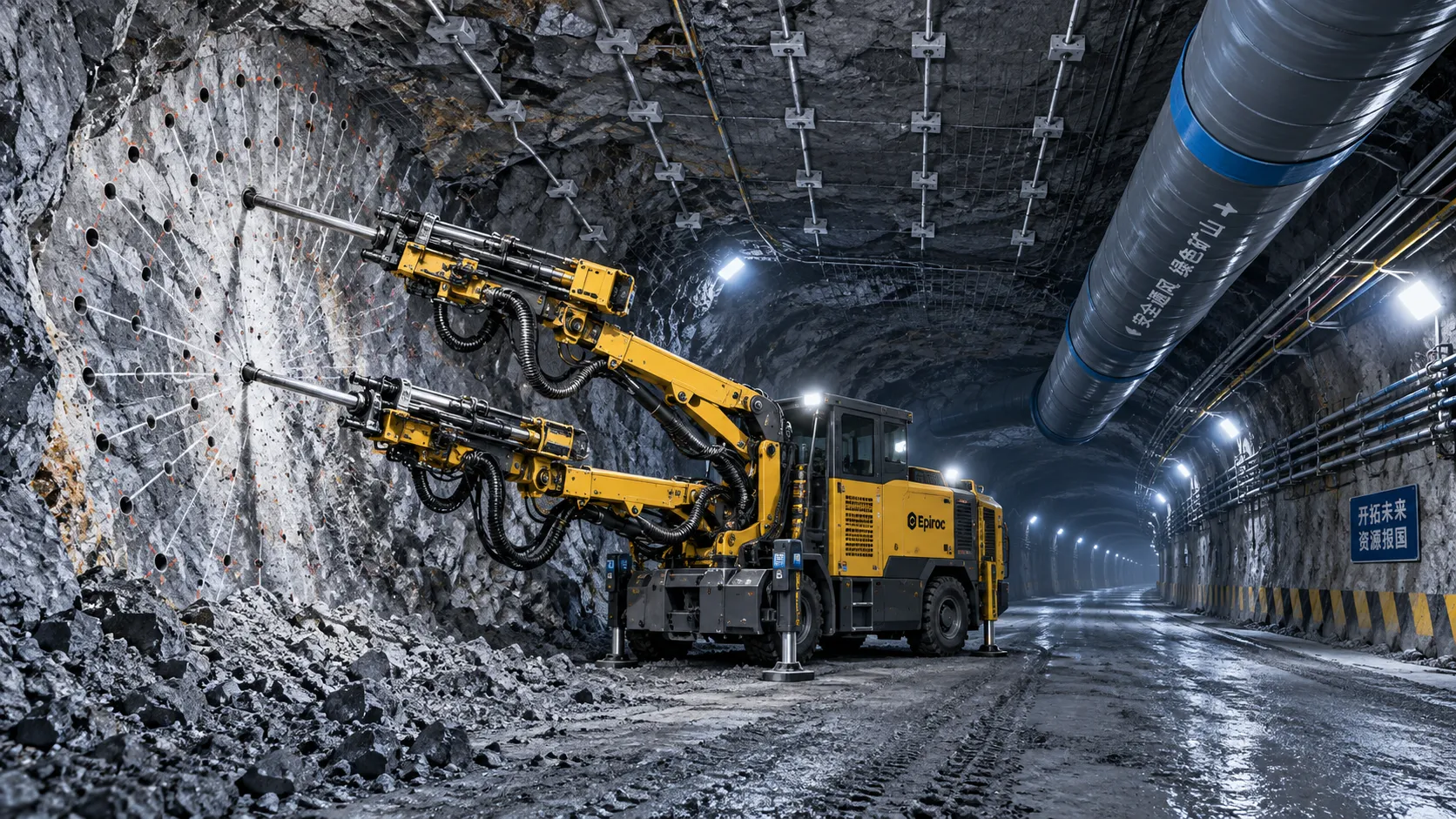
Underground Drilling for Mining: Selecting Methods for Rock Conditions and Mine Layout
Underground drilling for mining: learn how to match drilling methods to rock conditions, mine layout, accuracy needs, ground support, and cycle efficiency.
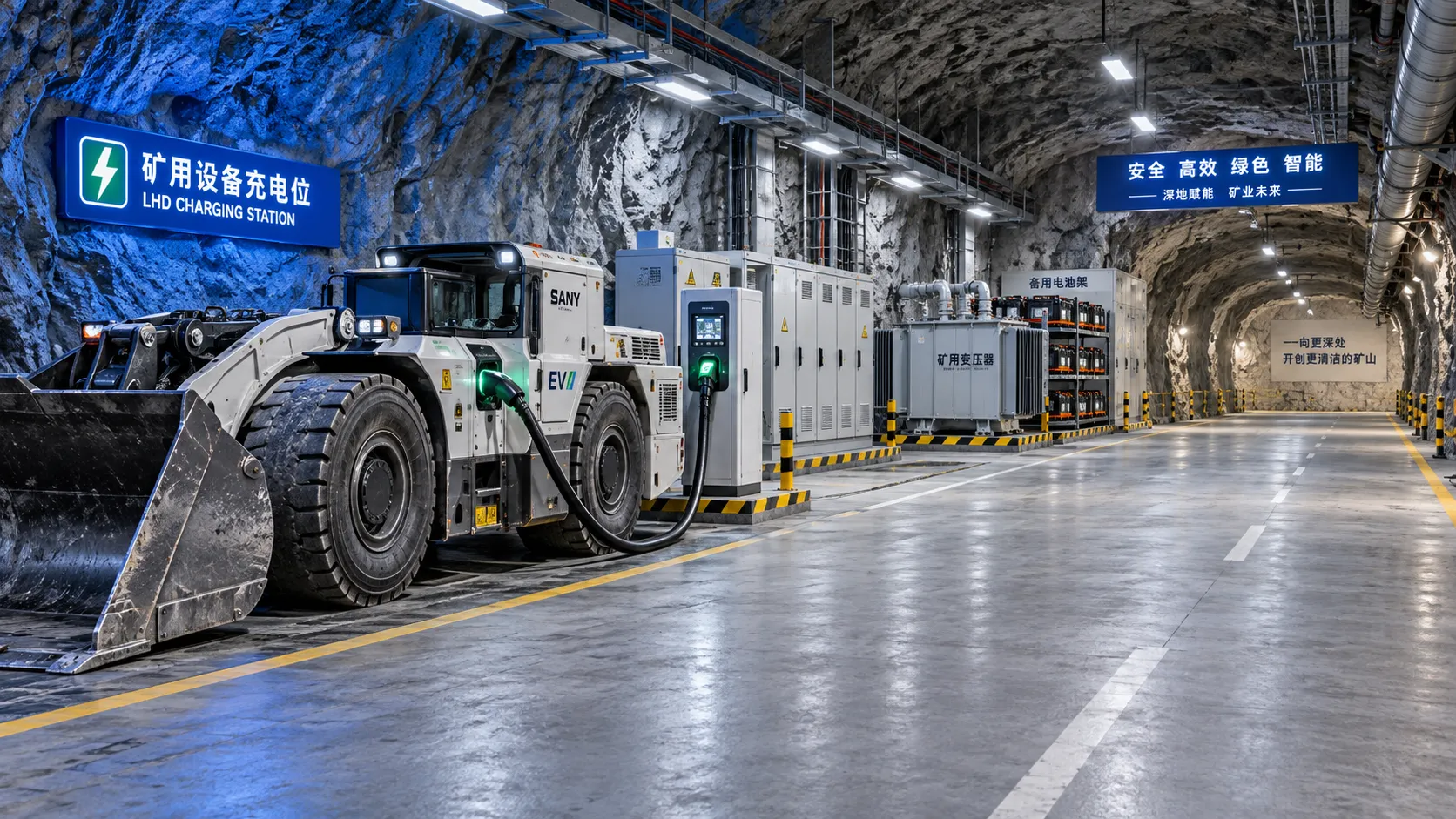
Underground Mine Electrification: How to Size Battery Fleets and Charging Capacity
Mining electrification for underground mines: learn how to size battery fleets, chargers, and power capacity to prevent queues, peak-load issues, and production downtime.
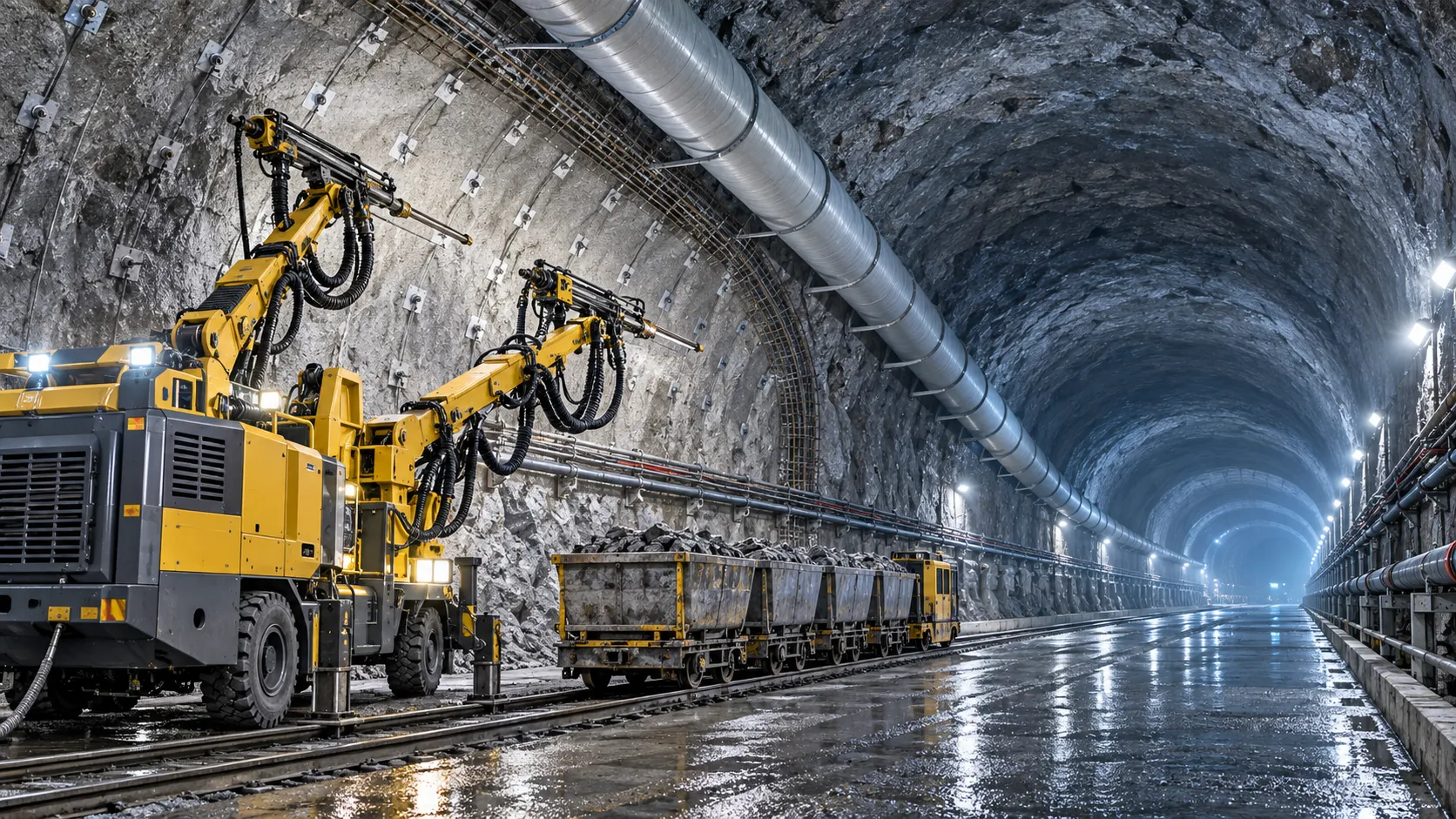
How to Evaluate European Drill-and-Blast Tunnelling Contractors for Complex Projects
Drill and blast tunnelling contractors Europe: learn how to assess geology expertise, blast control, equipment reliability, safety, and programme resilience for complex projects.
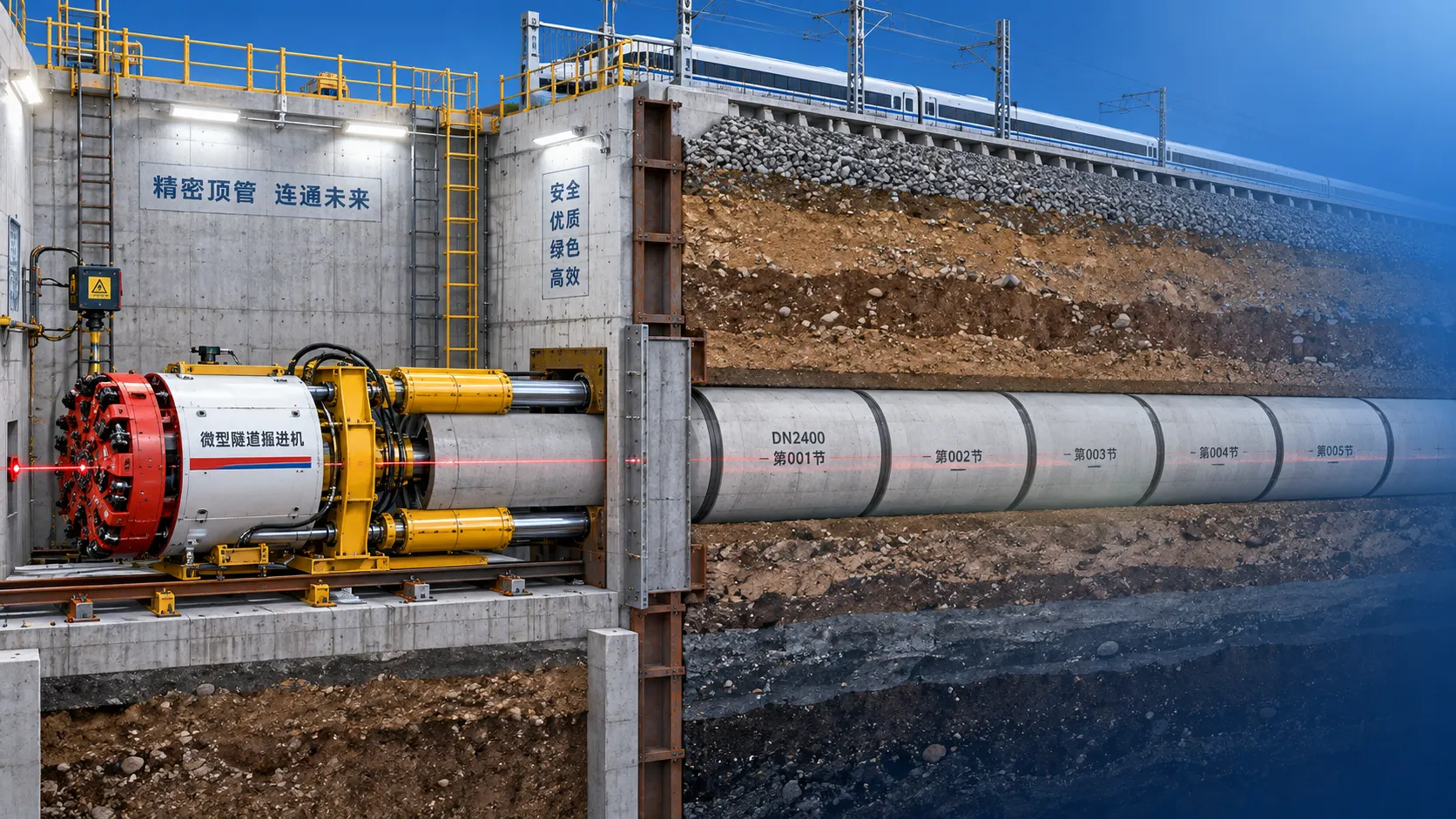
Which Trenchless Construction Technique Fits Your Utility Crossing Conditions?
Trenchless construction techniques compared for utility crossings: choose HDD, microtunnelling, pipe jacking, or auger boring based on ground, accuracy, access, and risk.
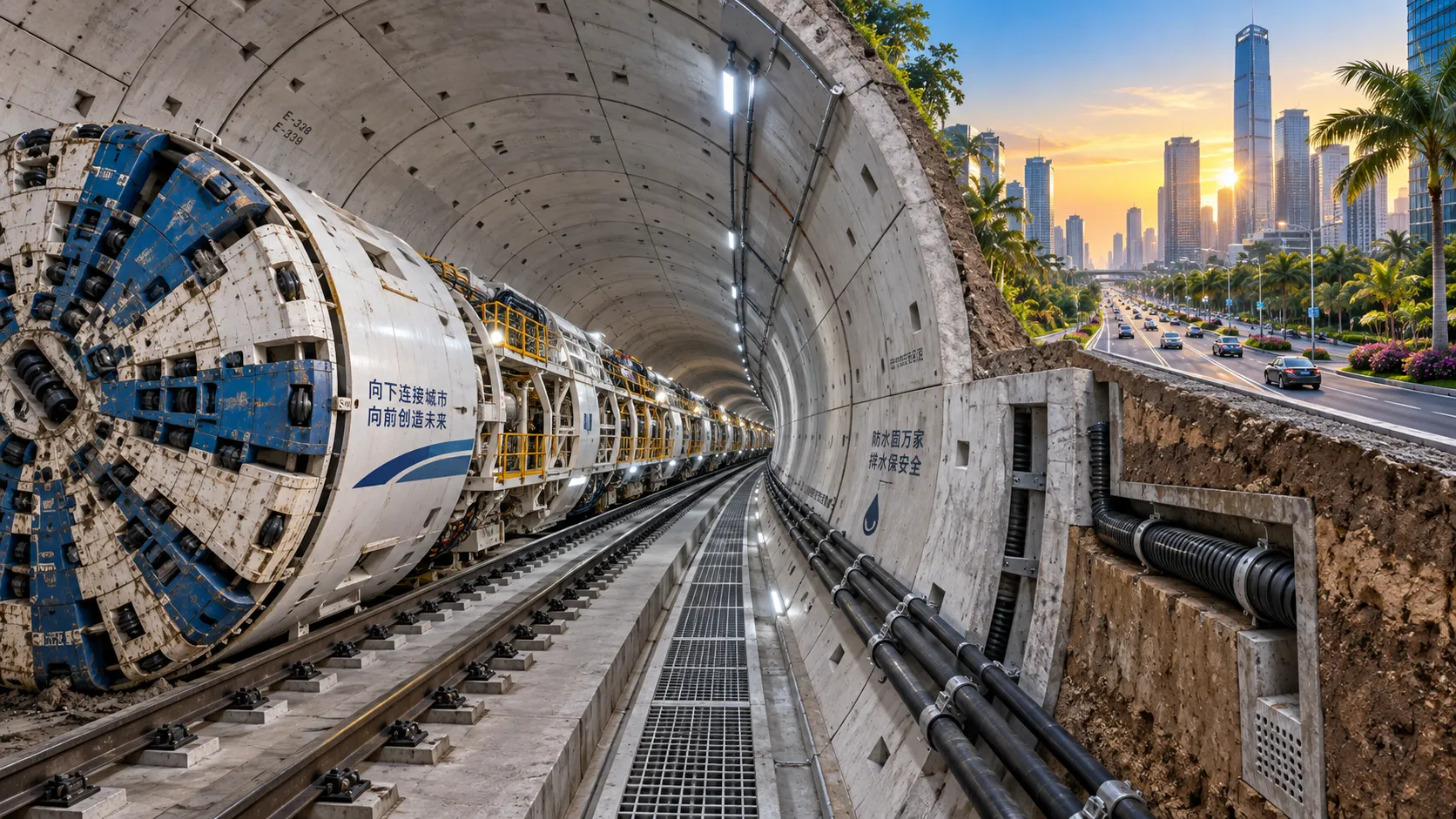
What Is Driving Metro Tunnelling Demand Across Southeast Asia’s Major Cities?
Metro tunnelling Southeast Asia is accelerating as major cities tackle congestion, flooding, and connectivity. Explore the market forces, technical risks, and opportunities shaping demand.
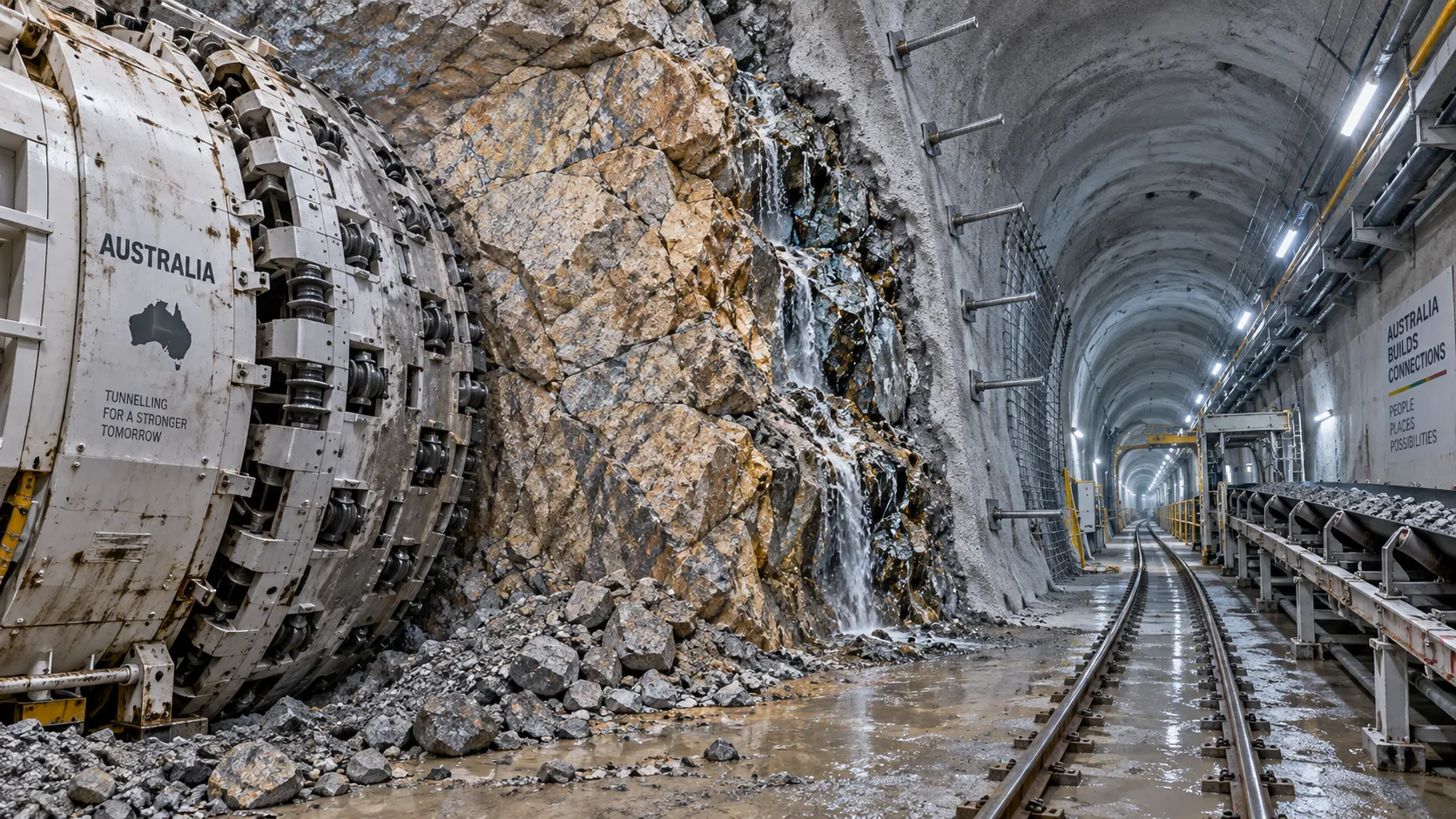
Hard Rock Tunnelling in Australia: Selecting Methods for Variable Ground Conditions
Hard rock tunnelling in Australia: compare TBM, drill-and-blast and hybrid methods to manage variable ground, reduce risk and protect project costs.
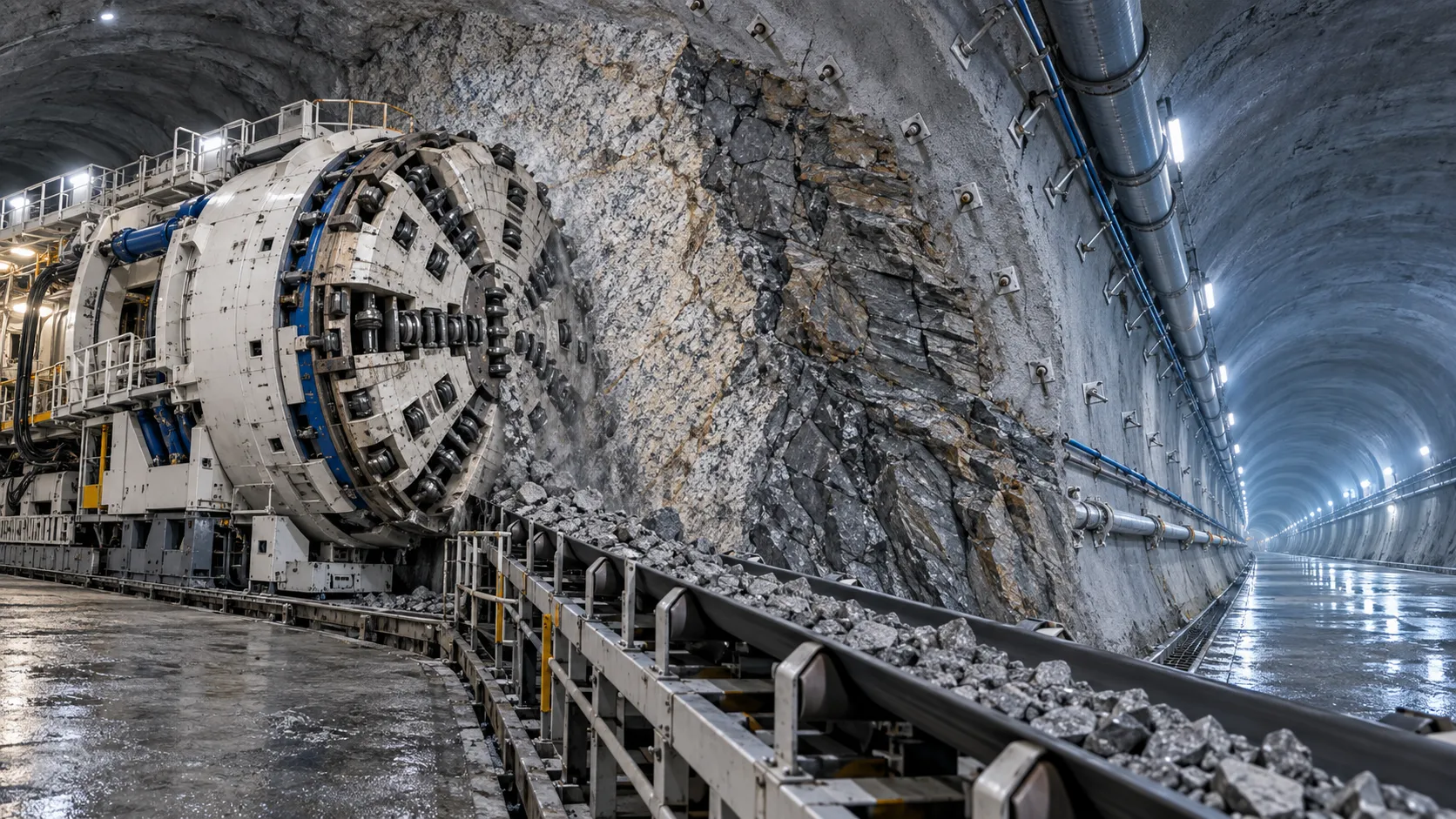
Hydropower Tunnel Excavation: Selecting Methods for Variable Rock Conditions
Hydropower tunnel excavation methods for variable rock conditions: compare TBM, drill-and-blast, and hybrid strategies to improve safety, progress, and project control.
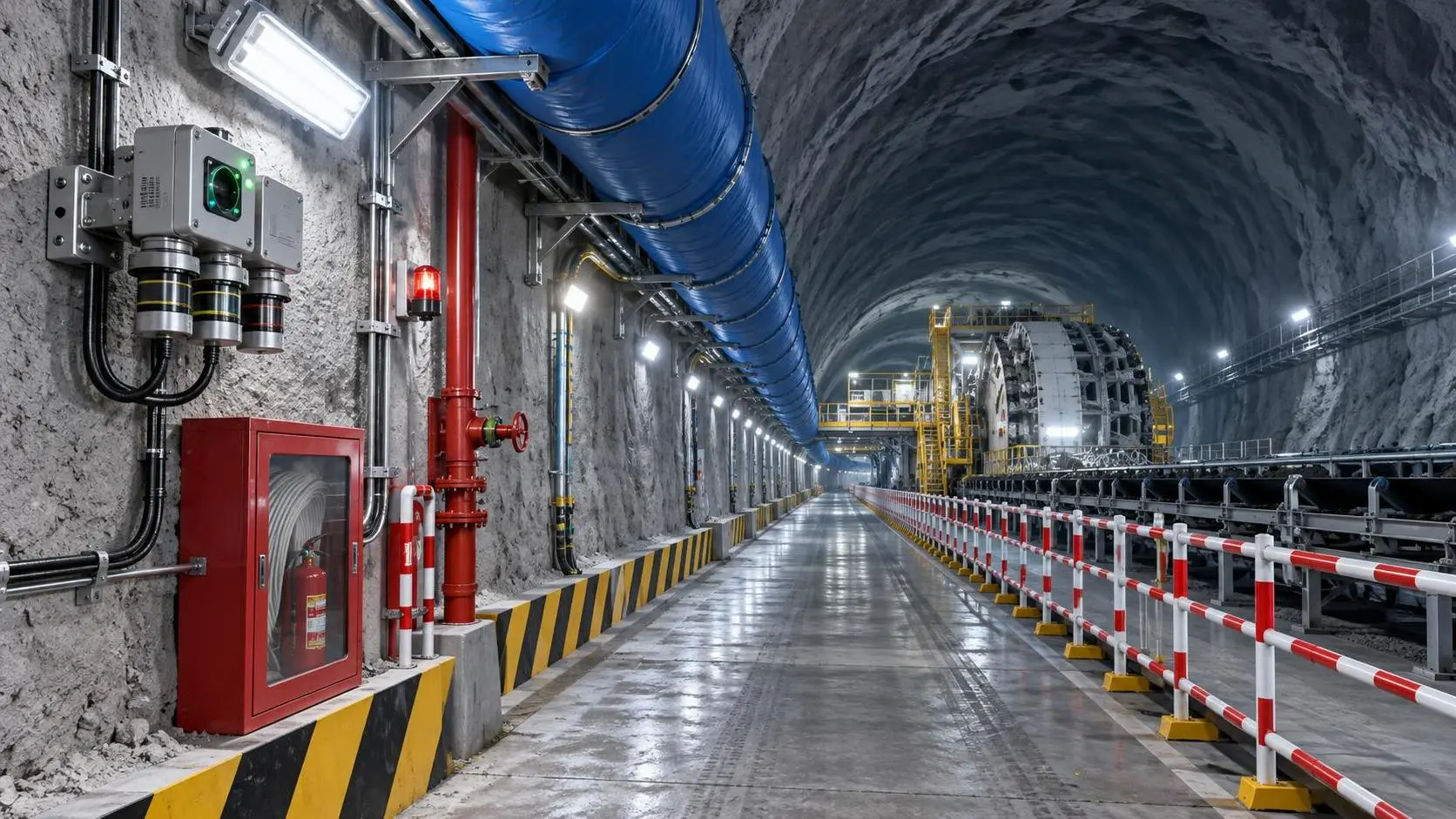
How to Select Underground Safety Equipment for Tunnelling by Hazard and Work Zone
Underground Safety Equipment for tunnelling: match protection to hazards, work zones, compliance, and emergency needs with this practical selection guide.
Related News
- 00
0000-00
Where Autonomous Mining Loaders Deliver the Most Value in Underground Operations - 00
0000-00
Underground Drilling for Mining: Selecting Methods for Rock Conditions and Mine Layout - 00
0000-00
Underground Mine Electrification: How to Size Battery Fleets and Charging Capacity - 00
0000-00
How to Evaluate European Drill-and-Blast Tunnelling Contractors for Complex Projects - 00
0000-00
Which Trenchless Construction Technique Fits Your Utility Crossing Conditions?
Weekly Insights
Stay ahead with our curated technology reports delivered every Monday.