
Hard Rock TBM Excavation: Which Ground Conditions Favor Fast and Stable Advance?





Hard rock TBM excavation is often judged by installed power, thrust, and cutterhead diameter, yet fast and stable advance depends more on geological fit than on headline machine size. When the rock mass, discontinuity pattern, groundwater regime, and support sequence align with the cutterhead and backup system, penetration remains steady, wear stays predictable, and downtime falls sharply. That is why this topic matters across transport tunnels, hydropower works, utility drives, and deep mining access, where project risk is increasingly measured not only in meters per day, but in lifecycle reliability, safety, and energy efficiency.
What favorable ground really means in hard rock TBM excavation
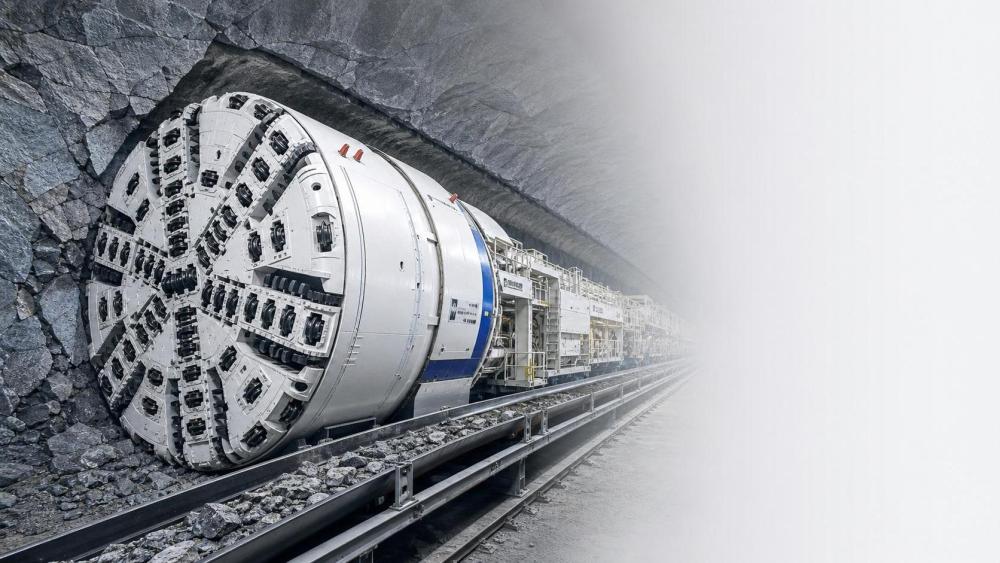
The most favorable ground is not simply the hardest rock or the softest rock.
In hard rock TBM excavation, favorable ground means conditions that allow consistent cutter penetration, limited overbreak, manageable support demand, and low interruption frequency.
A competent, moderately jointed rock mass is usually the best balance.
It gives the discs enough reaction force to crush the face efficiently.
At the same time, it still breaks in a controlled way.
That reduces extreme vibration, unstable wedges, and excessive support delays behind the cutterhead.
From UTMD’s perspective, this is where machine mechanics and underground intelligence meet.
The practical question is not whether rock is “good” or “bad.”
The real question is whether geology supports continuous boring with acceptable cutter consumption, stable muck flow, and predictable intervention intervals.
The geology traits that usually support faster advance
Several ground traits tend to favor hard rock TBM excavation.
None acts alone, so evaluation should focus on the combined response of the rock mass.
Moderate to high intact rock strength
High strength rock can still be favorable if brittleness is adequate.
Brittle failure encourages chip formation under disc cutters.
That usually improves penetration compared with highly ductile or abrasive formations of similar strength.
Limited but useful fracturing
Very massive rock may resist breakage and raise specific energy demand.
Very broken ground may collapse, ravel, or jam the excavation cycle.
A moderate joint frequency often helps chips release without destroying face stability.
Low groundwater inflow at the face
Hard rock TBM excavation becomes less stable when water pressures interact with faults, shear zones, or open joints.
Low inflow supports traction, visibility, muck handling, and safer maintenance windows.
Low quartz-driven abrasivity
Abrasivity often hurts performance more than strength alone.
Rocks with high quartz content can sharply increase cutter wear, gauge ring damage, and inspection frequency.
Where hard rock TBM excavation slows down or becomes unstable
Some conditions repeatedly push projects away from fast and stable advance.
These do not automatically rule out a TBM, but they demand stronger risk controls.
- Highly abrasive igneous or metamorphic rock that consumes cutters faster than planned.
- Fault gouge, crushed zones, or mixed faces that change machine response within a single stroke.
- High in situ stress that triggers squeezing, slabbing, or rockburst behavior.
- Steeply oriented discontinuities that form unstable wedges around the crown or sidewalls.
- Pressurized groundwater that turns localized weakness into operational shutdowns.
In practice, unstable advance often comes from variability rather than from one extreme property.
A tunnel with alternating granite, faulted contact zones, and water-bearing joints can defeat average rock strength assumptions.
That is why hard rock TBM excavation should be assessed through geological domains, not only through corridor-wide averages.
Why this matters across tunnels, utilities, and mining access
The value of favorable ground conditions extends beyond excavation speed.
In rail and highway tunnels, stable advance helps protect schedule certainty and segment installation rhythm.
In hydropower and water transfer works, it supports predictable machine utilization over long drives.
In deep mining development, it influences ventilation planning, logistics, and the integration of electrified underground fleets.
This broader systems view is increasingly important.
UTMD tracks the interaction between rock-cutting mechanics, smart equipment, and zero-emission underground operations.
When hard rock TBM excavation runs smoothly, downstream systems also run better.
Muck transport becomes more regular, maintenance windows are easier to forecast, and digital monitoring delivers cleaner performance data.
That improves procurement logic as much as engineering logic.
How to judge ground suitability before machine selection
A useful evaluation framework links geology to machine behavior, not just to classification labels.
The following questions usually reveal whether hard rock TBM excavation is likely to remain fast and stable.
Does the rock mass support continuous chipping?
Look at UCS, brittleness, fracture toughness, and spacing of natural discontinuities together.
A high-strength rock can still be efficient if chips form cleanly.
Is the support demand compatible with desired advance?
Ground that needs heavy immediate support can erase good penetration performance.
Cycle time matters more than cutterhead thrust alone.
How severe is cutter wear exposure?
Cerchar abrasivity, quartz content, and expected contact stress should be tied to intervention strategy.
Frequent cutter changes can dominate project economics.
How variable is the alignment?
Short unstable zones are manageable if predicted early.
Unexpected transitions are far more expensive than difficult but well-mapped ground.
- Map geological domains instead of relying on one average rock class.
- Compare expected penetration rate with total advance rate after support and maintenance.
- Model cutter consumption under peak abrasivity, not just median abrasivity.
- Review water and stress hazards at contacts, faults, and portal transitions.
A practical reading of favorable conditions
The best ground for hard rock TBM excavation is usually competent, brittle, moderately jointed, and relatively dry.
It is not excessively abrasive, and it does not shift abruptly into faulted or squeezing zones.
Just as important, the support method and logistics chain must match that geology.
This is where many early assumptions fail.
A machine may bore well at the face, yet overall performance still drops if cutter access, spare strategy, drainage, or backup transport are undersized.
For a grounded next step, review the alignment by geological domain, stress regime, and abrasivity exposure, then compare those findings against cutterhead design, support philosophy, and maintenance windows. That approach gives hard rock TBM excavation a more realistic basis for selection, budgeting, and performance forecasting.
Related News
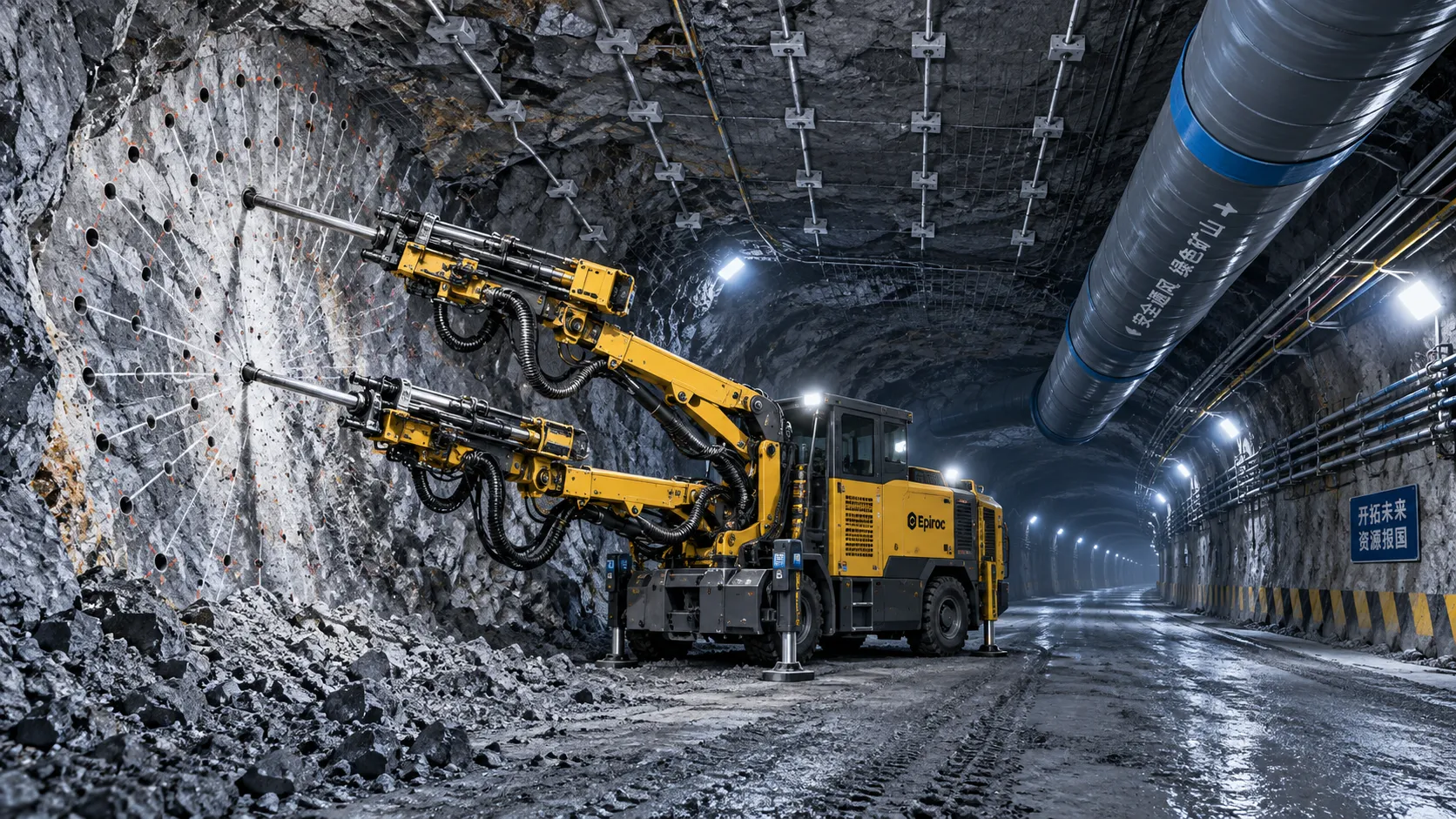
Underground Drilling for Mining: Selecting Methods for Rock Conditions and Mine Layout
Underground drilling for mining: learn how to match drilling methods to rock conditions, mine layout, accuracy needs, ground support, and cycle efficiency.
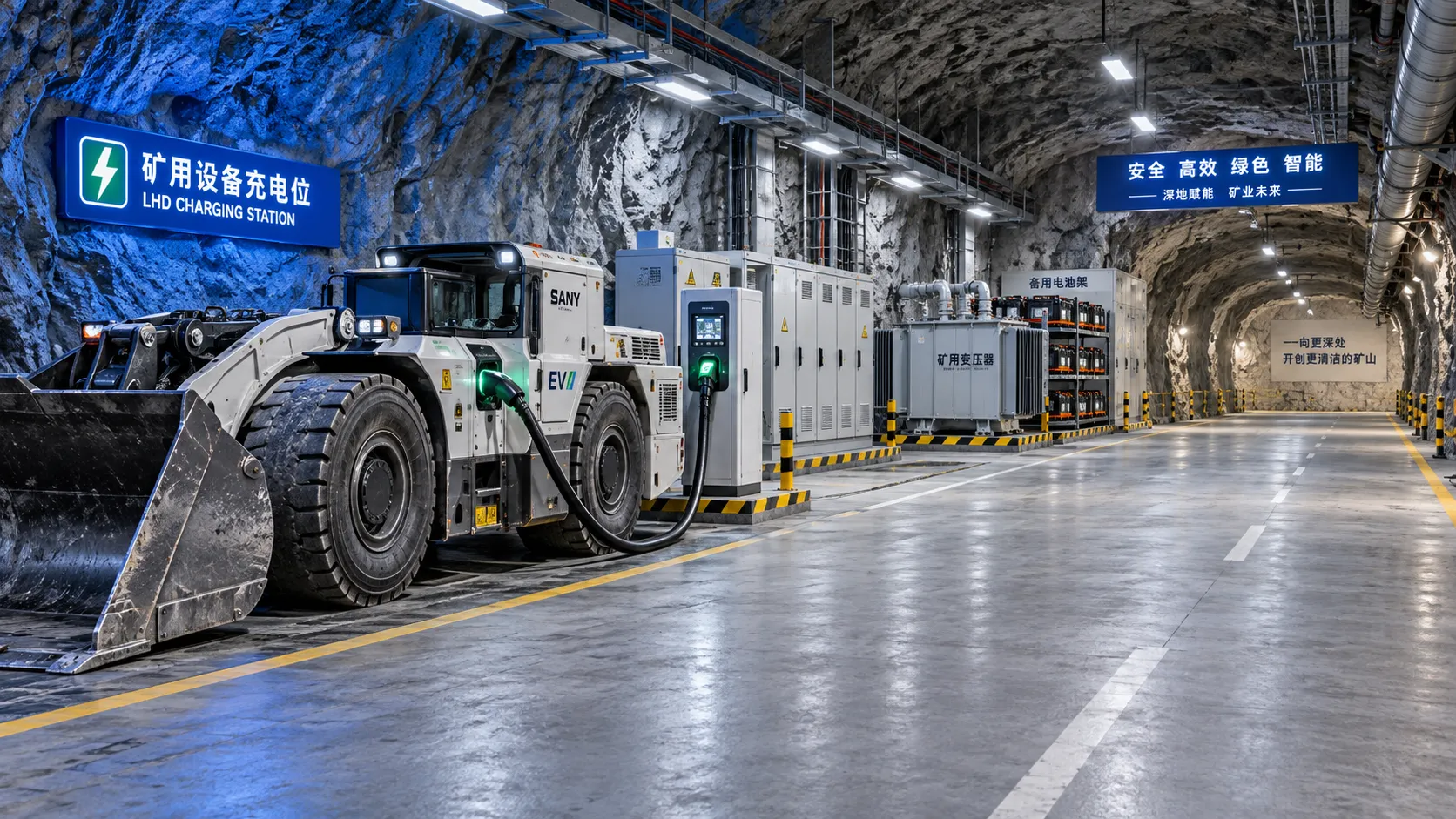
Underground Mine Electrification: How to Size Battery Fleets and Charging Capacity
Mining electrification for underground mines: learn how to size battery fleets, chargers, and power capacity to prevent queues, peak-load issues, and production downtime.
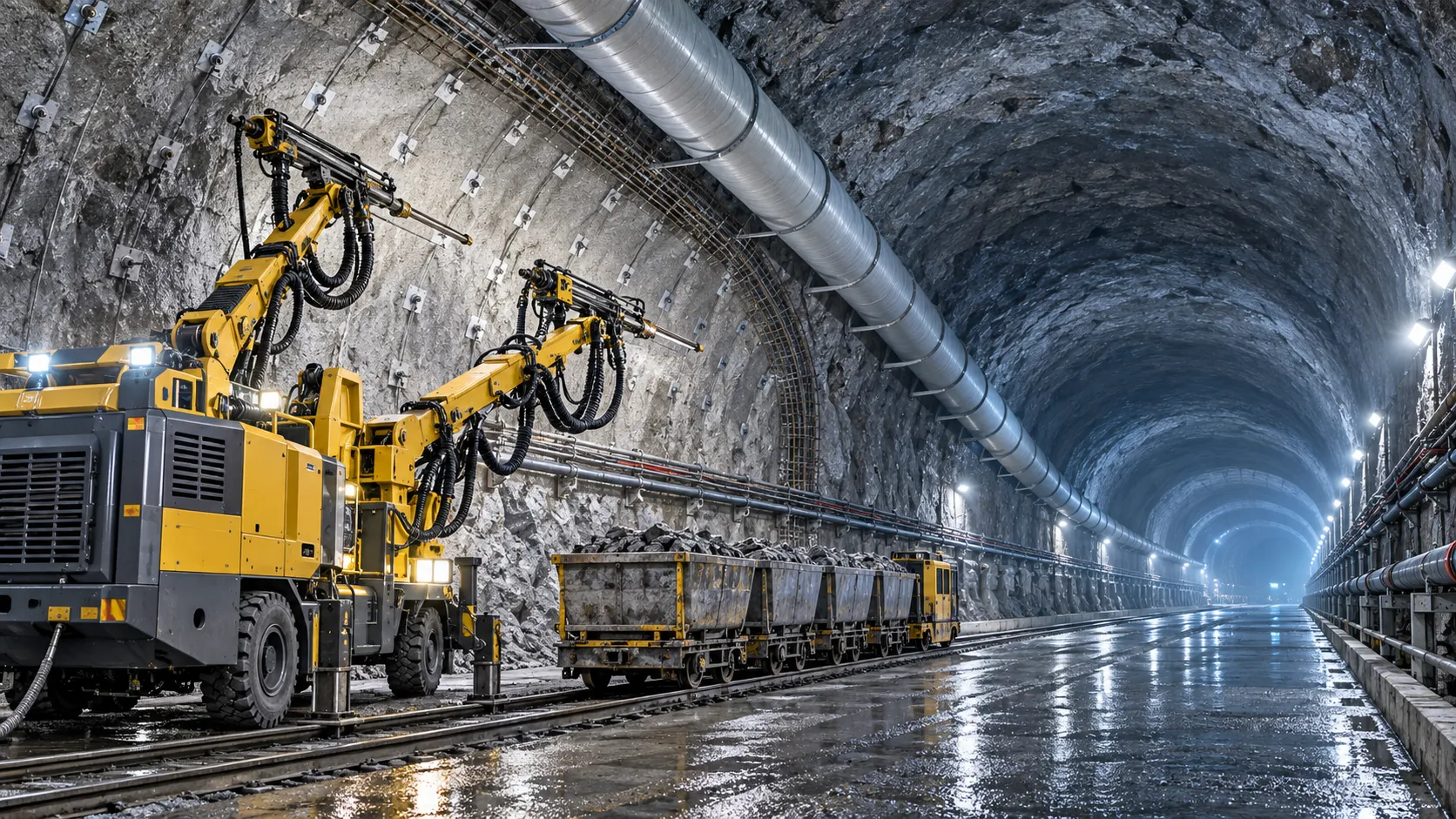
How to Evaluate European Drill-and-Blast Tunnelling Contractors for Complex Projects
Drill and blast tunnelling contractors Europe: learn how to assess geology expertise, blast control, equipment reliability, safety, and programme resilience for complex projects.
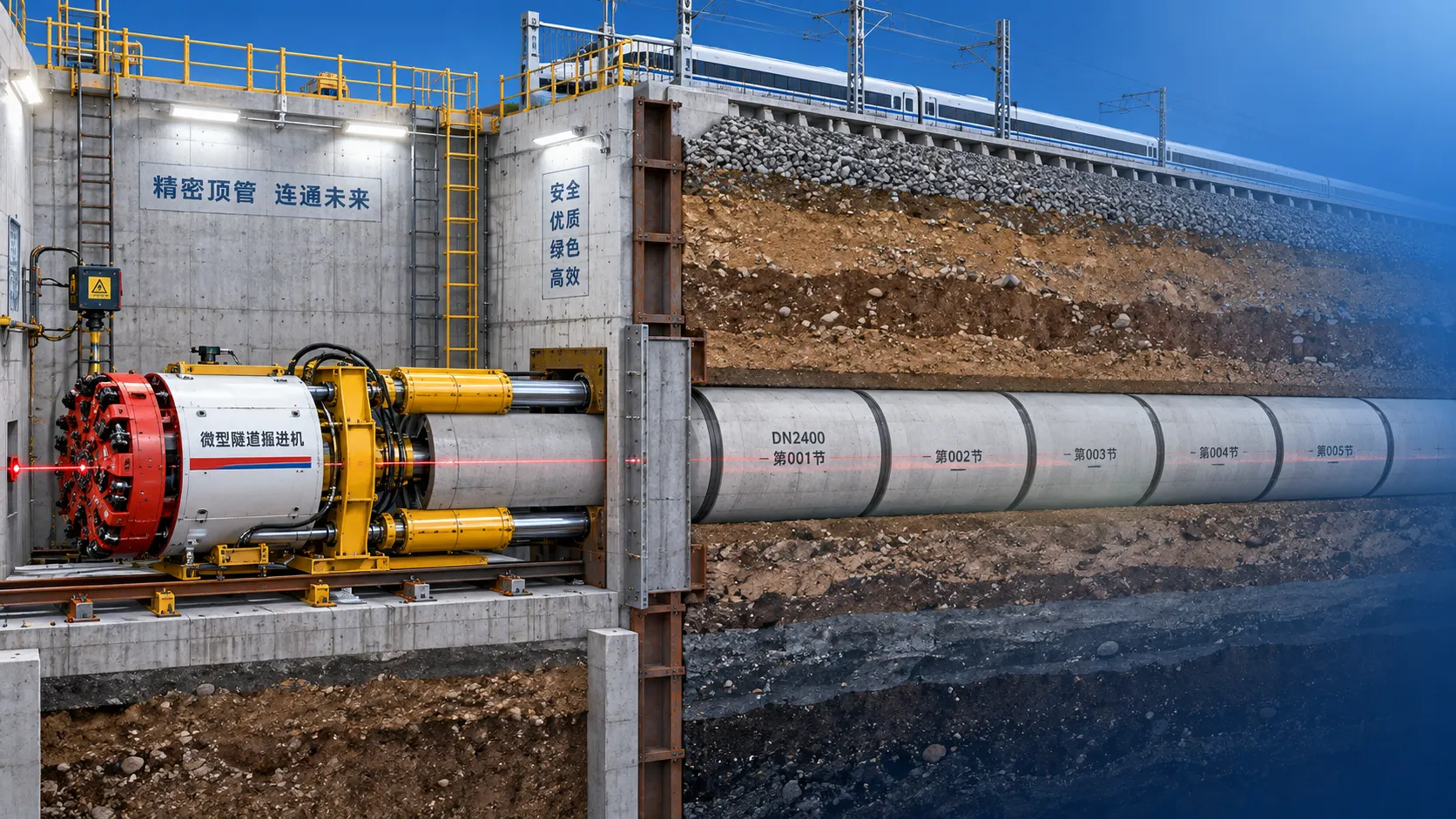
Which Trenchless Construction Technique Fits Your Utility Crossing Conditions?
Trenchless construction techniques compared for utility crossings: choose HDD, microtunnelling, pipe jacking, or auger boring based on ground, accuracy, access, and risk.
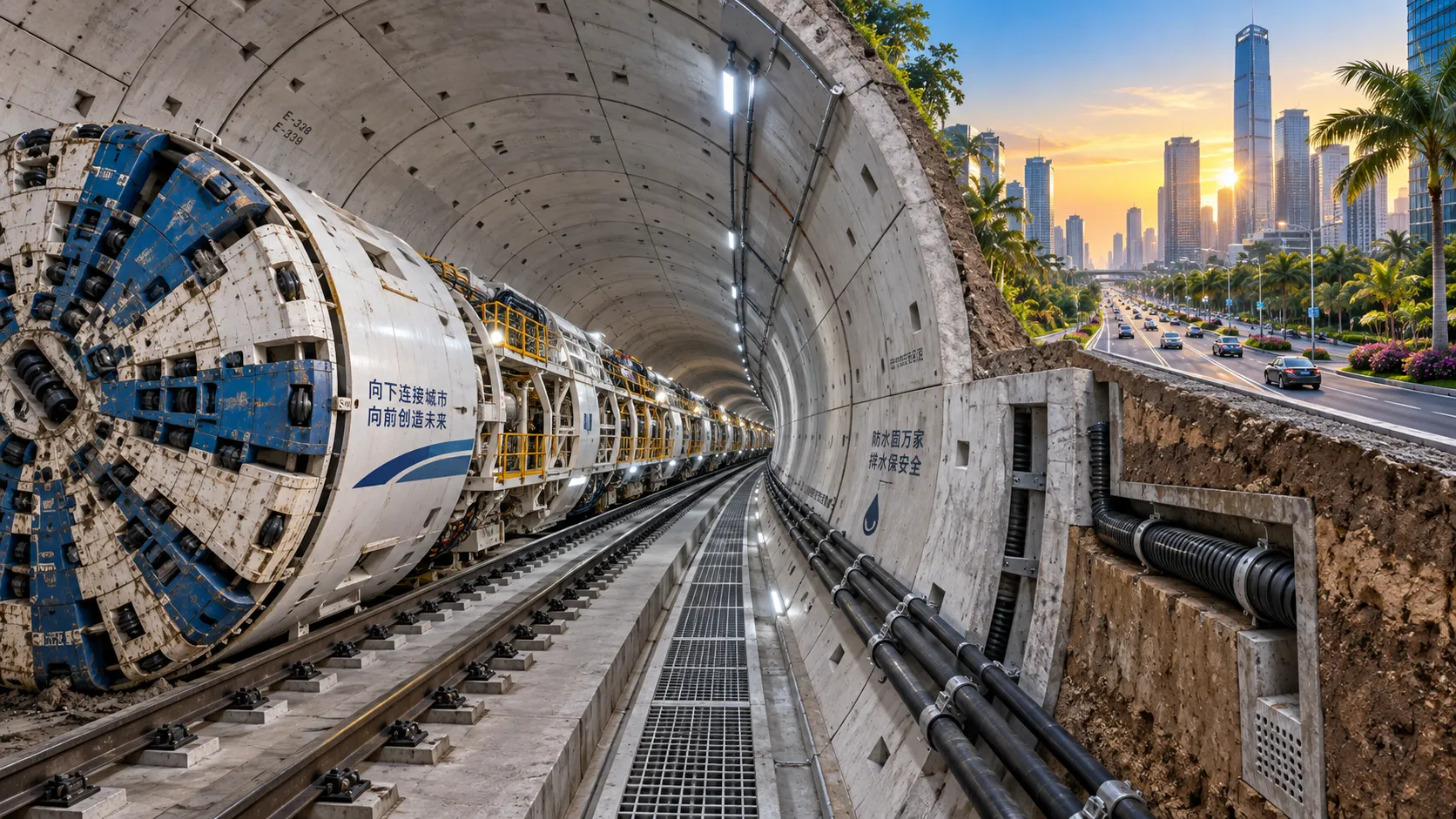
What Is Driving Metro Tunnelling Demand Across Southeast Asia’s Major Cities?
Metro tunnelling Southeast Asia is accelerating as major cities tackle congestion, flooding, and connectivity. Explore the market forces, technical risks, and opportunities shaping demand.
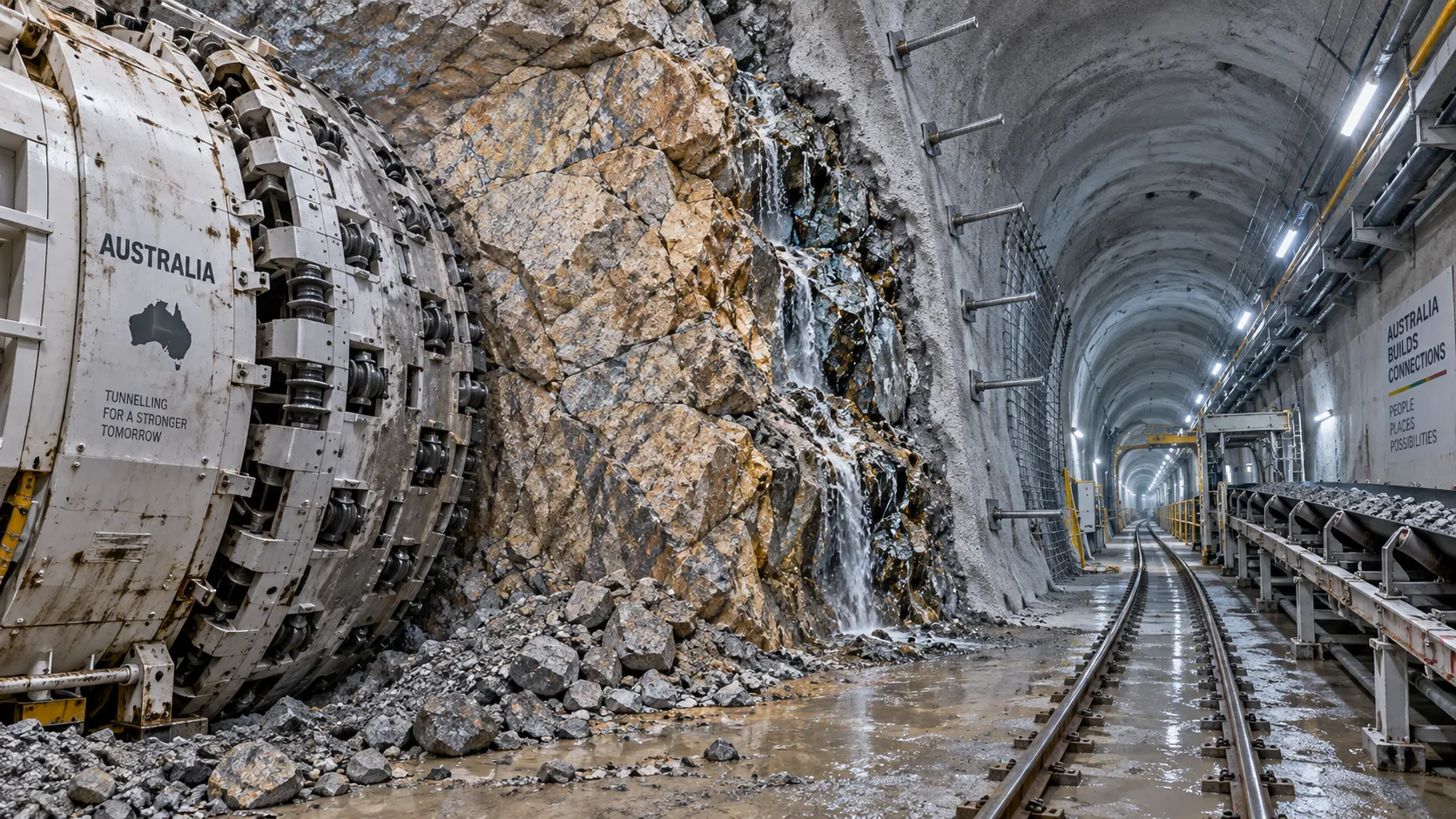
Hard Rock Tunnelling in Australia: Selecting Methods for Variable Ground Conditions
Hard rock tunnelling in Australia: compare TBM, drill-and-blast and hybrid methods to manage variable ground, reduce risk and protect project costs.
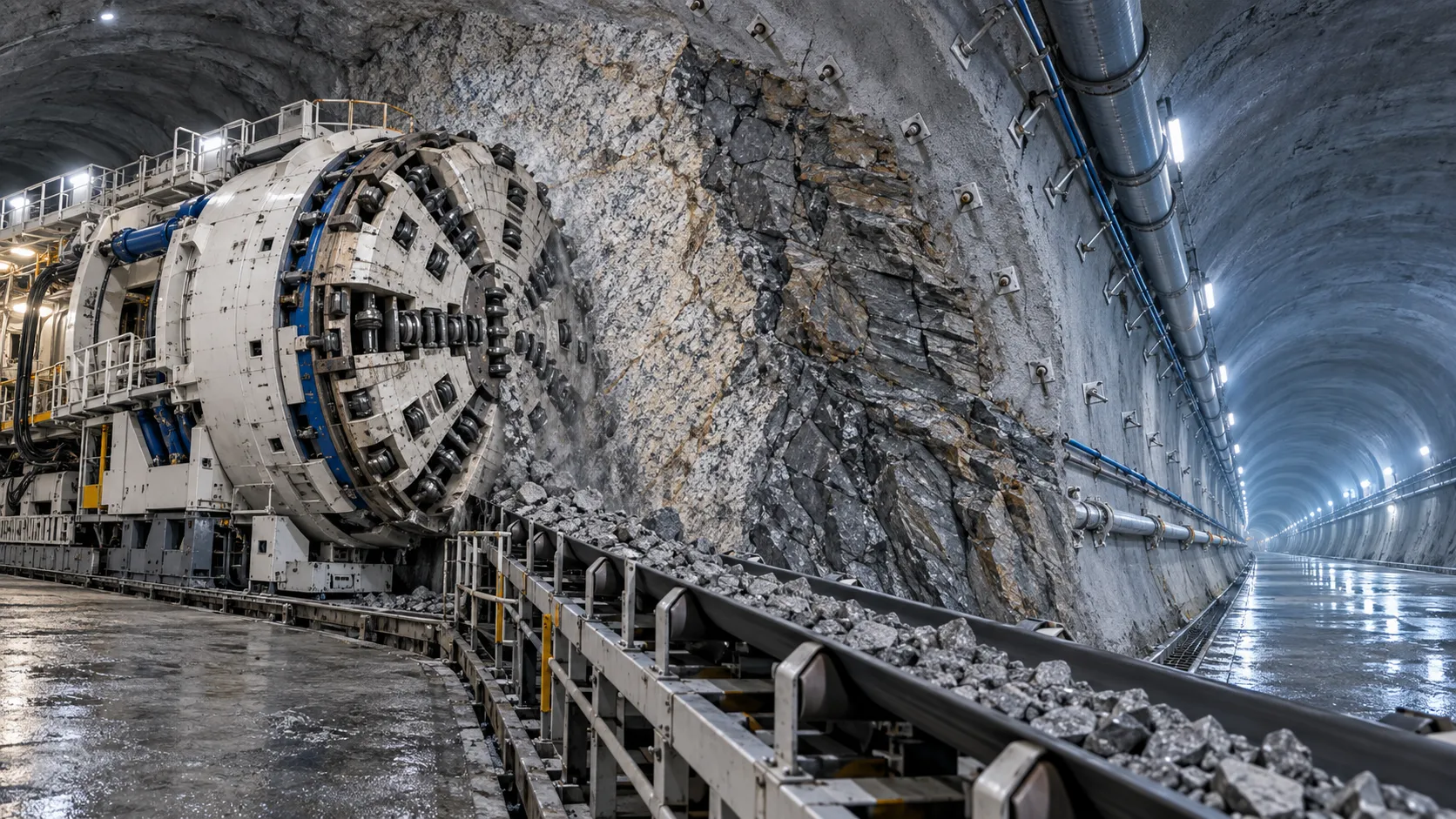
Hydropower Tunnel Excavation: Selecting Methods for Variable Rock Conditions
Hydropower tunnel excavation methods for variable rock conditions: compare TBM, drill-and-blast, and hybrid strategies to improve safety, progress, and project control.
How to Select Underground Safety Equipment for Tunnelling by Hazard and Work Zone
Underground Safety Equipment for tunnelling: match protection to hazards, work zones, compliance, and emergency needs with this practical selection guide.
EPB or Slurry Shield? Selecting Soft-Ground Tunnelling Equipment by Soil Conditions
Tunnel Excavation Equipment for soft ground: compare EPB and slurry shields by soil, groundwater, settlement risk, and project logistics to choose confidently.
Related News
- 00
0000-00
Underground Drilling for Mining: Selecting Methods for Rock Conditions and Mine Layout - 00
0000-00
Underground Mine Electrification: How to Size Battery Fleets and Charging Capacity - 00
0000-00
How to Evaluate European Drill-and-Blast Tunnelling Contractors for Complex Projects - 00
0000-00
Which Trenchless Construction Technique Fits Your Utility Crossing Conditions? - 00
0000-00
What Is Driving Metro Tunnelling Demand Across Southeast Asia’s Major Cities?
Weekly Insights
Stay ahead with our curated technology reports delivered every Monday.