
TBM Export Fast-Track Debuts at Bay Area Tunnel Expo





At the Greater Bay Area International Bridge and Tunnel Expo held in Guangzhou from June 24 to 26, 2026, a new compliance-related service signal emerged for the tunneling equipment trade: a dedicated TBM export certification fast-track. Built around one-stop pre-review, expedited testing, and localized technical document translation for 12 mainstream certifications including CE, UL, and ASME, the initiative matters not only to exhibitors but also to manufacturers, export teams, certification service providers, procurement functions, and delivery planning teams that depend on certification timing to move equipment into overseas markets.
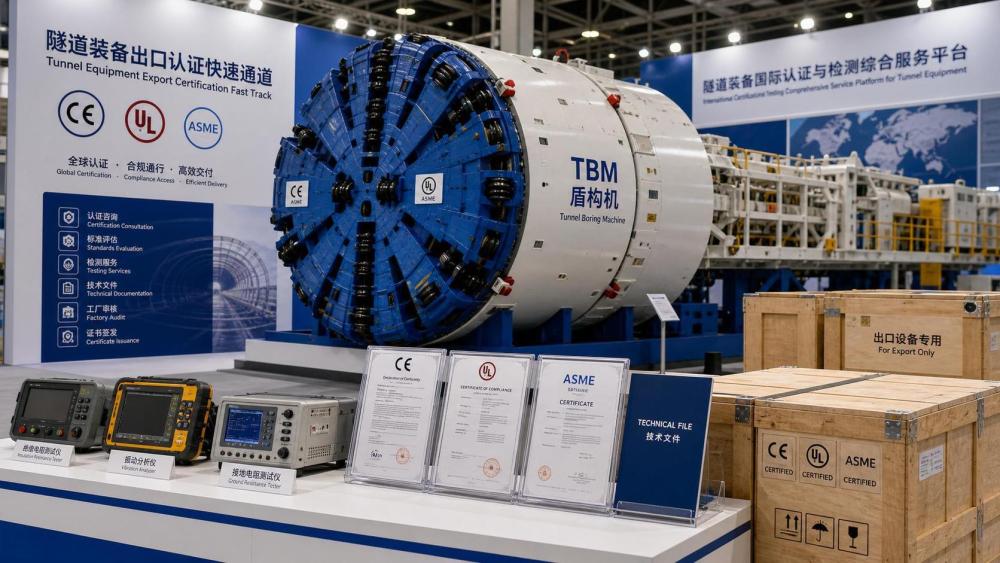
A certification channel tied directly to export readiness
During the exhibition period, the China Construction Machinery Industry Association worked with six international certification bodies, including TÜV Rheinland and SGS, to launch a TBM export certification green channel. According to the event summary, the service covers one-stop pre-assessment, accelerated testing, and localized translation of technical documentation for 12 mainstream certifications such as CE, UL, and ASME. The stated result is an average 40% reduction in certification cycle time for participating enterprises.
Where the operational effect may appear first
Export-facing equipment makers may see earlier movement in compliance preparation
From an industry perspective, TBM manufacturers and other export-oriented equipment suppliers are the most direct group affected because certification timing often sits between product completion and overseas shipment. The practical effect may appear in pre-shipment review, test scheduling, technical file preparation, and handover planning. What deserves closer attention is whether internal engineering records, product specifications, and certification documentation are already organized in a way that can support faster pre-review without creating follow-up correction work.
Procurement and project delivery teams may need to reset timelines
For procurement and delivery functions, a shorter certification cycle can influence how equipment readiness is judged in sourcing, contracting, and shipment preparation. Analysis shows that if certification support moves earlier and faster, buyers and project teams may need to pay closer attention to the status of certificates, testing arrangements, translated technical files, and submission completeness before locking delivery promises or procurement milestones. The change is less about a new product rule itself and more about how compliance timing may affect commercial execution.
Certification and testing service participants may face tighter coordination demands
Certification-related firms and testing service institutions may also be affected because a fast-track model compresses the interface between pre-assessment, testing, and document handling. Observably, this can increase the importance of document consistency, version control, and technical translation accuracy. Even when the cycle is shortened, businesses still need to watch whether the underlying certification scope, required test materials, and technical file standards remain fully aligned with the target certification route.
What companies should watch next
Check whether technical files are fast-track ready
Companies should review whether product descriptions, drawings, technical dossiers, and supporting test materials can withstand earlier screening. The event summary confirms translation and pre-review support, but it does not provide detailed execution standards, so firms should avoid assuming that faster handling reduces the need for complete and accurate submissions.
Track how certification timing affects bids and shipment commitments
Where export projects involve tender documents, delivery promises, or purchaser qualification checks, businesses should watch how certification status is presented in bid packages and commercial negotiations. Analysis shows that a shorter average cycle can influence how firms plan quotations and delivery windows, but it should not be treated as a guaranteed outcome for every product or submission case.
Watch for practical differences across certification routes
The fast-track covers 12 mainstream certifications including CE, UL, and ASME, which means companies should pay attention to route-specific document needs and testing expectations rather than treating all certifications as interchangeable. What deserves closer attention is the possibility that internal compliance workflows may need to be segmented by certification path, especially where testing, document translation, and review sequencing differ.
Keep after-sales and traceability records aligned with export compliance
Even though the announcement centers on pre-export certification support, companies should also consider the downstream use of technical documents in after-sales service, quality traceability, and customer communications. Observably, faster front-end certification handling can increase the need for disciplined records management so that delivered equipment remains matched to the approved documentation set.
Why this looks more like an execution signal than a rule rewrite
Analysis shows that this development is better understood as an execution-side compliance signal rather than a newly published regulation or formal change in certification law. The available facts point to process acceleration and service integration around existing certification needs, not to a confirmed revision of certification standards themselves. That is why market participants should continue watching for follow-up language on implementation scope, operating procedures, documentation expectations, and how buyers or tender issuers respond in practice.
How the market is likely to read this development for now
At this stage, the more reasonable interpretation is that the industry is seeing a stronger institutional push to shorten export compliance lead times for TBM-related business. That may help participating firms improve coordination across certification, translation, testing, and delivery preparation. Still, it remains too early to treat the initiative as a fully settled market-wide rule change. The practical significance will depend on how consistently the channel is used, how certification bodies apply the process in execution, and whether procurement and project documents begin to reflect the faster compliance rhythm.
Basis of this article and points still requiring verification
This article is generated from the user-provided news title, event date, and event summary. For developments of this kind, relevant source categories typically include official announcements, releases from regulatory or trade authorities, industry association communications, standard-setting documents, certification body notices, and reporting by authoritative media. A specific official source link was not provided in the input, so it still needs to be verified on an ongoing basis. What also requires continued observation includes any later implementation details, certification interpretation in practice, changes in tender documentation, market feedback, and how enterprises actually apply the fast-track in export operations.
Related News

Underground Drilling for Mining: Selecting Methods for Rock Conditions and Mine Layout
Underground drilling for mining: learn how to match drilling methods to rock conditions, mine layout, accuracy needs, ground support, and cycle efficiency.
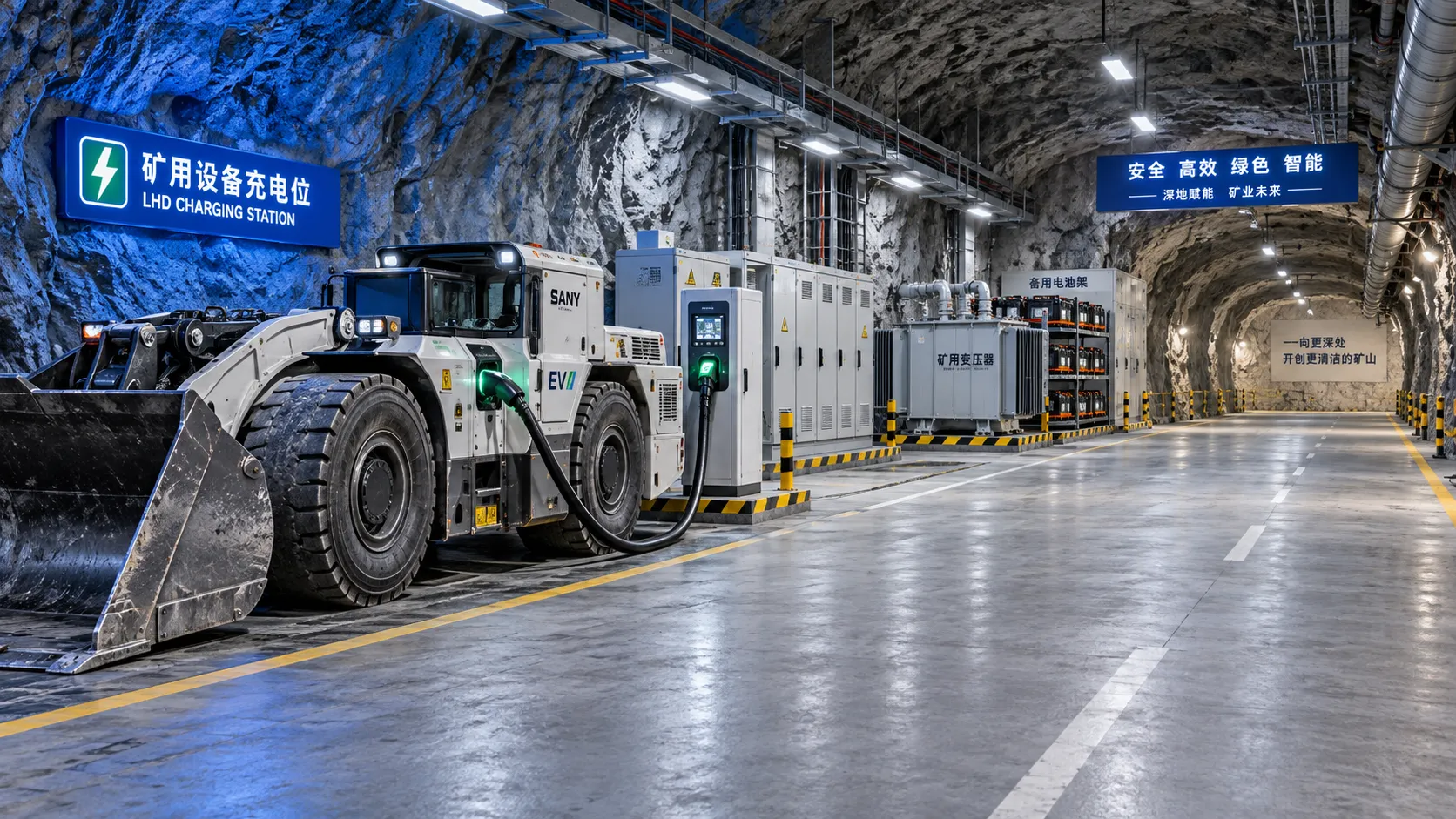
Underground Mine Electrification: How to Size Battery Fleets and Charging Capacity
Mining electrification for underground mines: learn how to size battery fleets, chargers, and power capacity to prevent queues, peak-load issues, and production downtime.
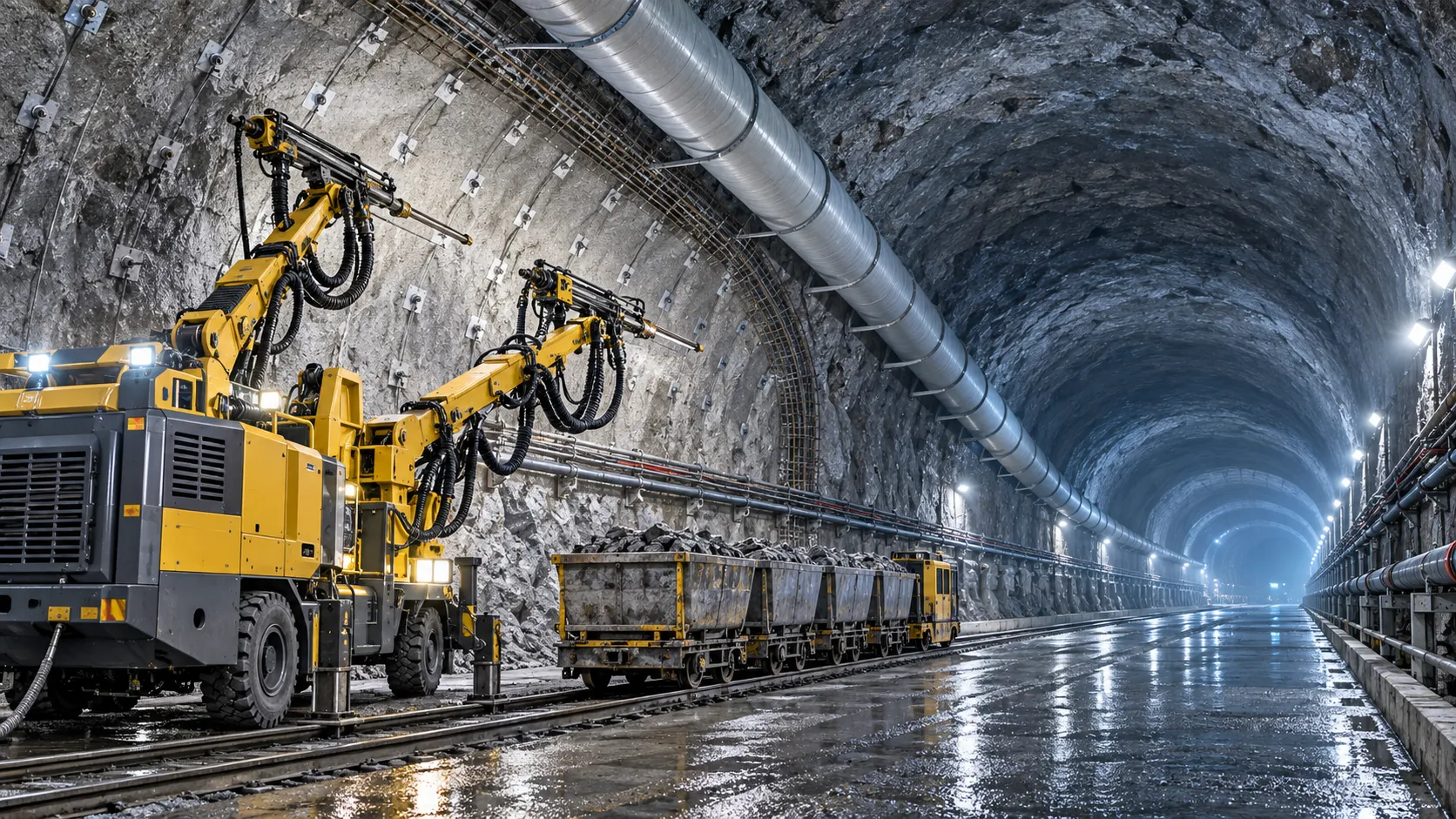
How to Evaluate European Drill-and-Blast Tunnelling Contractors for Complex Projects
Drill and blast tunnelling contractors Europe: learn how to assess geology expertise, blast control, equipment reliability, safety, and programme resilience for complex projects.
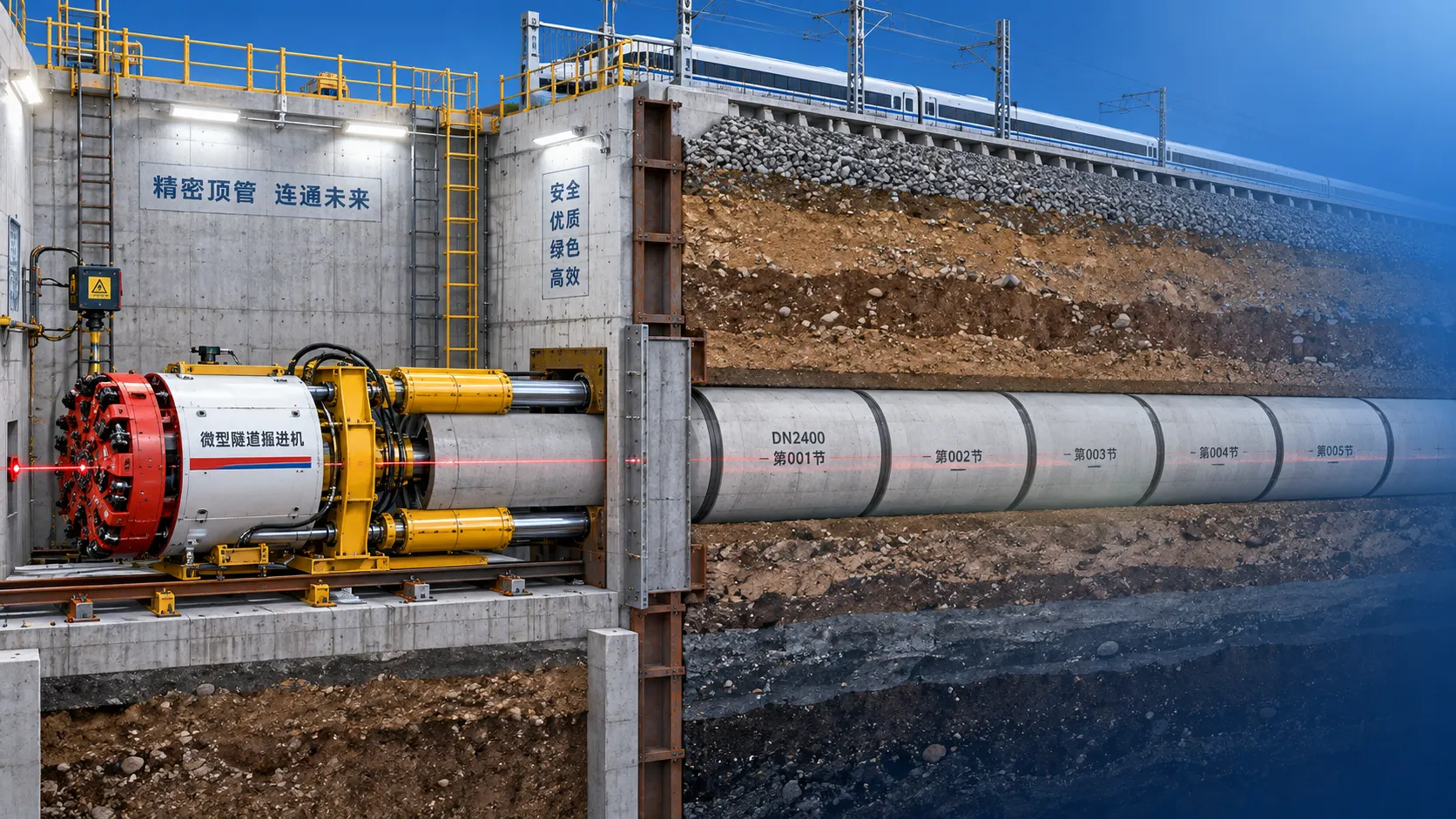
Which Trenchless Construction Technique Fits Your Utility Crossing Conditions?
Trenchless construction techniques compared for utility crossings: choose HDD, microtunnelling, pipe jacking, or auger boring based on ground, accuracy, access, and risk.

What Is Driving Metro Tunnelling Demand Across Southeast Asia’s Major Cities?
Metro tunnelling Southeast Asia is accelerating as major cities tackle congestion, flooding, and connectivity. Explore the market forces, technical risks, and opportunities shaping demand.
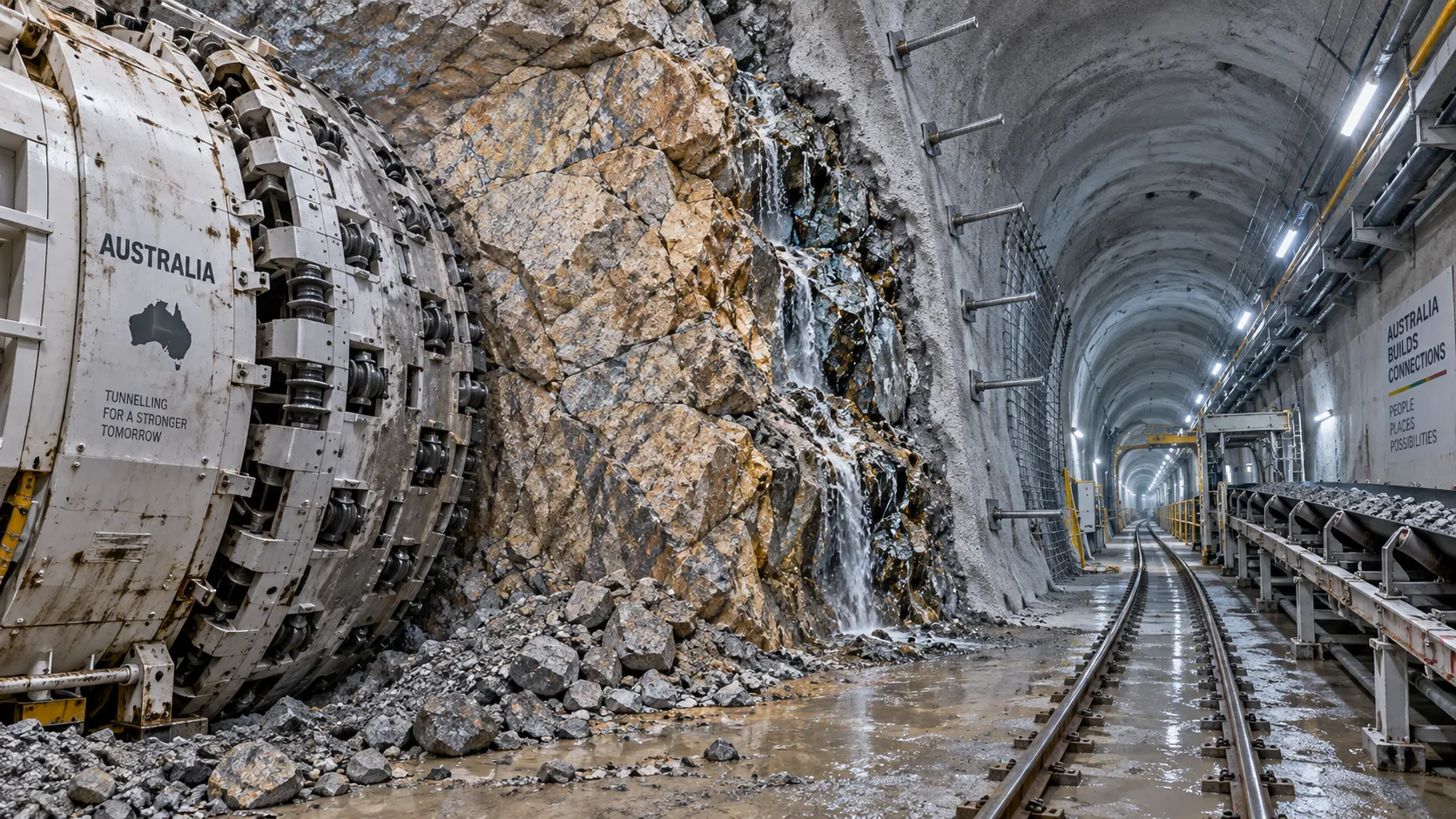
Hard Rock Tunnelling in Australia: Selecting Methods for Variable Ground Conditions
Hard rock tunnelling in Australia: compare TBM, drill-and-blast and hybrid methods to manage variable ground, reduce risk and protect project costs.
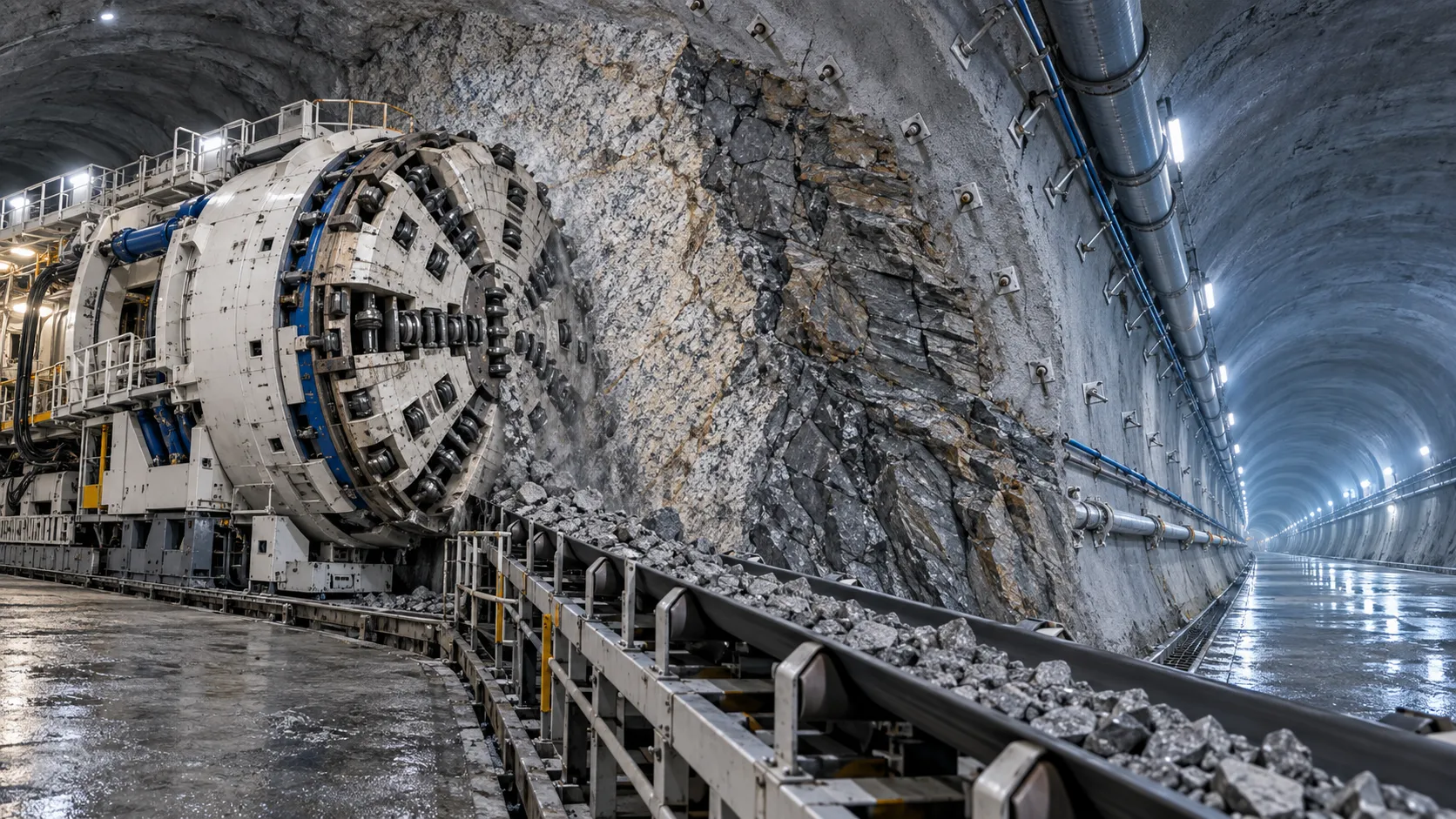
Hydropower Tunnel Excavation: Selecting Methods for Variable Rock Conditions
Hydropower tunnel excavation methods for variable rock conditions: compare TBM, drill-and-blast, and hybrid strategies to improve safety, progress, and project control.
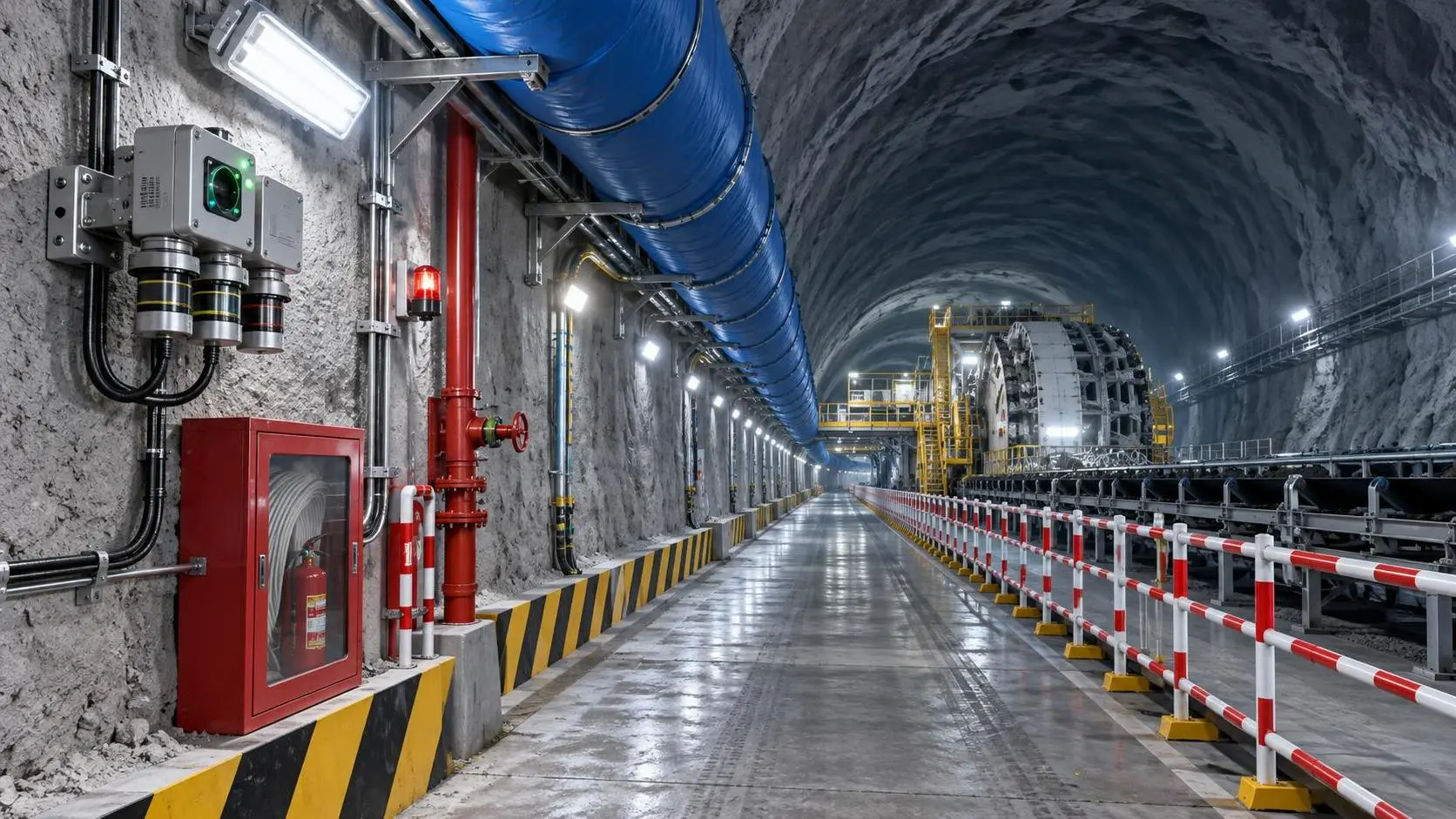
How to Select Underground Safety Equipment for Tunnelling by Hazard and Work Zone
Underground Safety Equipment for tunnelling: match protection to hazards, work zones, compliance, and emergency needs with this practical selection guide.

EPB or Slurry Shield? Selecting Soft-Ground Tunnelling Equipment by Soil Conditions
Tunnel Excavation Equipment for soft ground: compare EPB and slurry shields by soil, groundwater, settlement risk, and project logistics to choose confidently.
Related News
- 00
0000-00
Underground Drilling for Mining: Selecting Methods for Rock Conditions and Mine Layout - 00
0000-00
Underground Mine Electrification: How to Size Battery Fleets and Charging Capacity - 00
0000-00
How to Evaluate European Drill-and-Blast Tunnelling Contractors for Complex Projects - 00
0000-00
Which Trenchless Construction Technique Fits Your Utility Crossing Conditions? - 00
0000-00
What Is Driving Metro Tunnelling Demand Across Southeast Asia’s Major Cities?
Weekly Insights
Stay ahead with our curated technology reports delivered every Monday.