
Mumbai Port Receives Two Guangzhou-Built TBMs





On June 23, 2026, two extra-large tunnel boring machines reached Mumbai Port for the restart of work on the most difficult undersea section of India’s first high-speed rail project. Beyond the delivery itself, the case draws industry attention because it touches practical compliance and execution issues that now matter more in cross-border heavy equipment projects: schedule control, CE and ISO documentation conversion into project-facing certification materials, full-machine ocean transport, and on-site commissioning support. For TBM manufacturers, exporters, buyers, logistics providers, and certification-related service firms, this is less a routine shipment update than a signal about how overseas customers may assess delivery reliability and international project readiness.
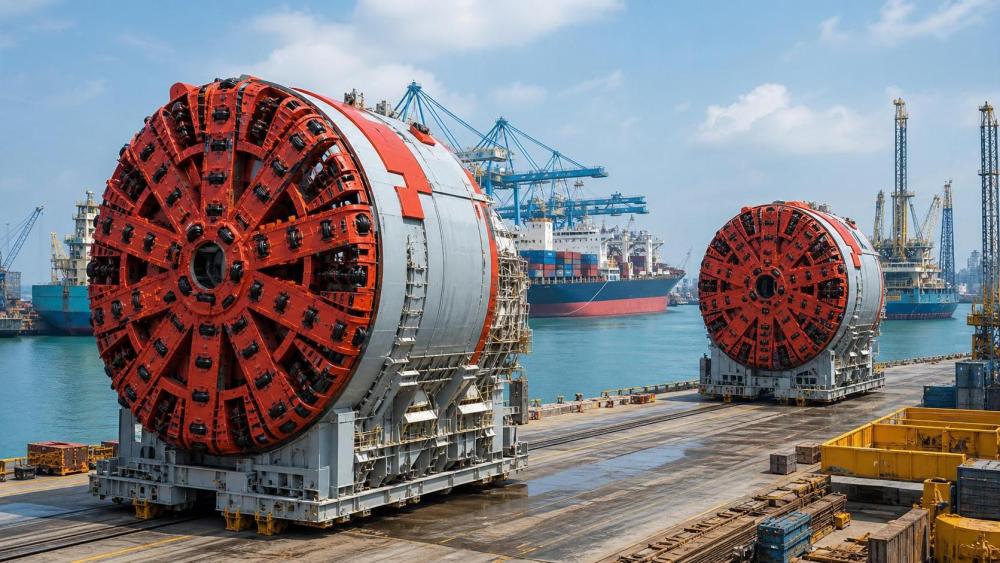
The delivery milestone behind the tunnel restart
The confirmed facts are limited but clear. The event took place on June 23, 2026, when two extra-large diameter TBMs arrived at Mumbai Port. The machines were nominally under the German Herrenknecht brand, while the equipment was actually manufactured in Guangzhou. They are intended for excavation of the most difficult undersea tunnel section of India’s first high-speed rail project.
The provided information also states that the equipment had remained at Guangzhou Port for half a year before shipment. That delay, together with the eventual arrival, highlights the maturity of China’s high-end TBM export delivery chain and its ability to adapt equipment for international projects. The same information directly links the event to overseas customer evaluation of Chinese TBM suppliers in four areas: lead-time control, CE/ISO compliance-to-certification handling, full-machine marine transport, and field commissioning support.
Where the compliance and trade signal is landing first
Bid-stage and procurement scrutiny are likely to tighten
From an industry perspective, buyers and project procurement teams are likely to treat this event as a practical reference point when reviewing future supplier qualifications. The reason is straightforward: the shipment does not only involve manufacturing capacity, but also whether a supplier can convert technical and quality documentation into forms accepted in an overseas project environment. What deserves closer attention is not only whether CE or ISO credentials exist, but how those materials are organized, presented, and matched to tender and delivery requirements.
Export manufacturers face a broader delivery test
For equipment manufacturers and export-facing assemblers, the impact is likely to extend beyond factory output. Analysis shows that overseas customers may increasingly evaluate delivery performance as a combined package that includes production scheduling, port release coordination, shipping readiness, document consistency, and post-arrival technical support. In that sense, the commercial threshold is no longer only product capability; it also includes the ability to maintain compliance continuity from manufacturing through transport and site handover.
Logistics and service providers become part of the compliance chain
Supply-chain service providers, marine transport coordinators, and after-sales support teams may also feel the effect. Observably, for oversized and technically sensitive equipment, shipping and commissioning are not separate from compliance risk. Damage control, packing standards, shipping documentation, interface records, and installation support can all influence whether the delivered machine is accepted smoothly on site. This makes logistics execution and field service documentation more visible in customer audits and project reviews.
Certification and testing support may move closer to project execution
For certification-related firms and technical documentation service providers, the event suggests that formal certificates alone may be insufficient if they are not aligned with project-specific review needs. Analysis shows that document translation, traceability files, technical dossiers, inspection records, and consistency between factory standards and project submission materials may become more important in export transactions involving high-value machinery.
What companies should monitor in the next round of execution
Watch how compliance documents are accepted in practice
What deserves closer attention is whether future overseas customers place greater emphasis on the conversion of CE and ISO materials into project-level acceptance packages. The current information does not confirm any new formal rule, so this should be treated as a watchpoint rather than an established regulatory change. Even so, companies involved in exports should review whether their technical files, quality records, and certification materials are ready for external review without contradiction.
Recheck lead-time commitments against shipping realities
The half-year stay at Guangzhou Port makes delivery timing a practical issue rather than a contractual formality. Observably, exporters and buyers may need to revisit procurement schedules, shipment milestones, and contingency assumptions for oversized equipment. This is especially relevant where tender commitments, vessel arrangements, and site restart plans depend on narrow delivery windows.
Prepare traceable handover records for transport and commissioning
For companies involved in export execution, it is more appropriate to focus on whether handover records can remain complete from factory release to marine transport and final on-site commissioning. The current event directly raises attention around full-machine shipping and field support capacity, so document control, inspection records, packing confirmation, and commissioning interfaces deserve closer internal review.
Track whether customer requirements shift in tender language
Analysis shows that one of the earliest signs of changing market expectations may appear not in law or regulation, but in tender documents, technical specifications, and supplier qualification wording. Companies should therefore monitor whether future project documents ask for more explicit proof on delivery control, certification mapping, transport readiness, or local support capability.
Why this matters more as an execution signal than a policy announcement
Observably, this development is better understood as an execution signal than as proof of a newly published regulation. No specific new law, policy number, or formal regulatory notice is provided in the input. However, the event still matters because it shows which operational capabilities are likely to influence customer confidence in cross-border TBM projects. From an industry perspective, the practical test is shifting toward integrated deliverability: not just making the machine, but proving that certification, shipment, and site support can hold together under international project conditions.
It is therefore more appropriate to understand this as a market-facing indicator of how rules, standards, and acceptance expectations may be applied in practice. Continued observation is still necessary, especially around tender language, project acceptance criteria, and customer review habits.
How the market is likely to read this event for now
At this stage, the shipment to Mumbai does not by itself confirm a fully settled rule change. Instead, it suggests that for high-end TBM exports, delivery credibility is increasingly judged through a combined lens of compliance, documentation readiness, transport execution, and commissioning support. The neutral takeaway is that the event points to a higher practical threshold in overseas project delivery, while the exact form of future requirements still needs to be watched through project documents and market feedback.
Basis of this report and what still needs verification
This article is generated on the basis of the user-provided news title, event date, and event summary. For events of this type, commonly relevant source categories may include official announcements, regulator releases, customs or trade authority information, industry association updates, standard-setting documents, and reporting by established professional media. A specific official source link was not provided in the input, so further verification remains necessary.
What still needs continued monitoring includes any later policy detail, certification interpretation, tender-document adjustments, market feedback, and actual company-side execution practices related to export delivery, shipping documentation, and on-site support.
Related News
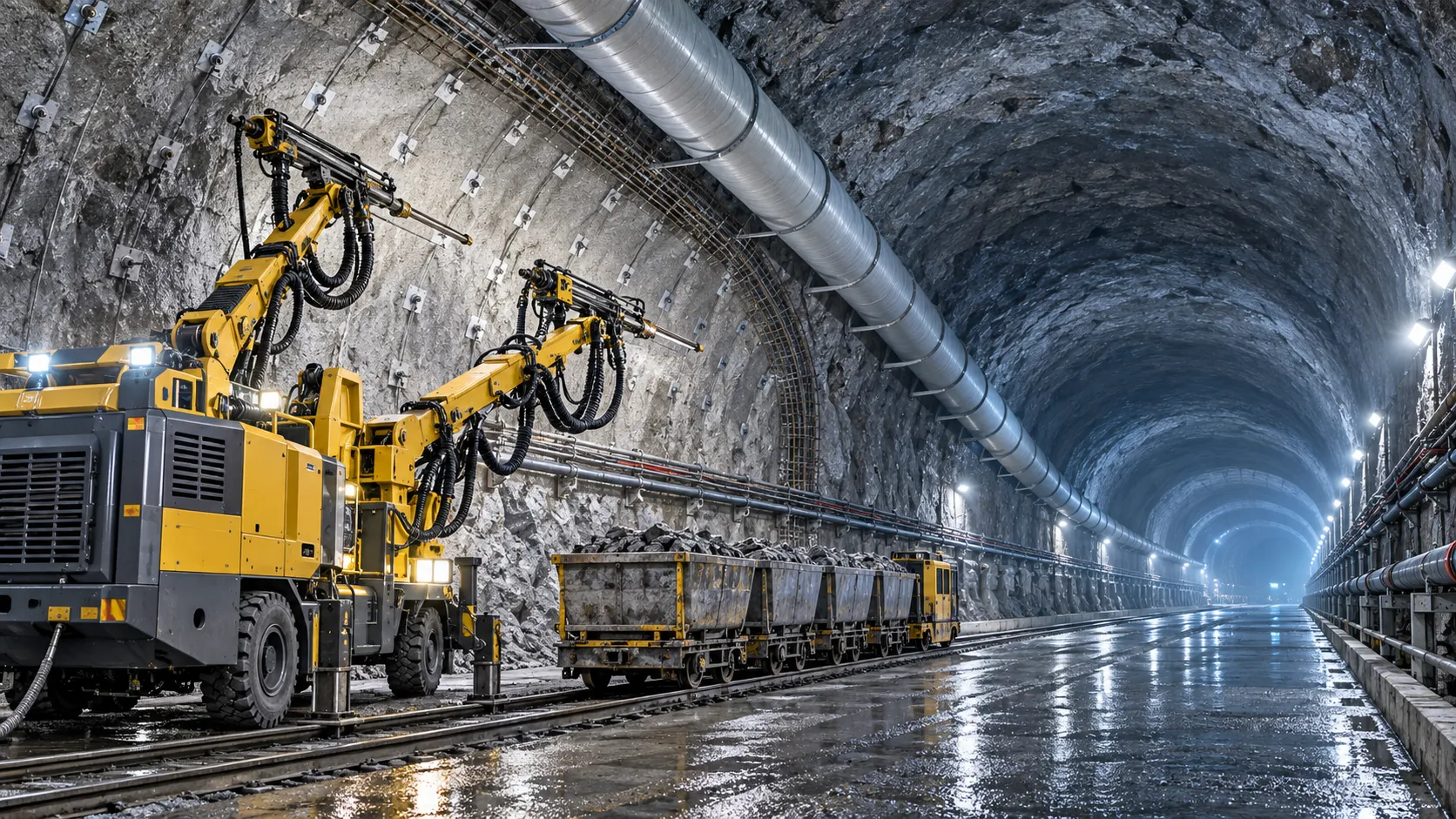
How to Evaluate European Drill-and-Blast Tunnelling Contractors for Complex Projects
Drill and blast tunnelling contractors Europe: learn how to assess geology expertise, blast control, equipment reliability, safety, and programme resilience for complex projects.
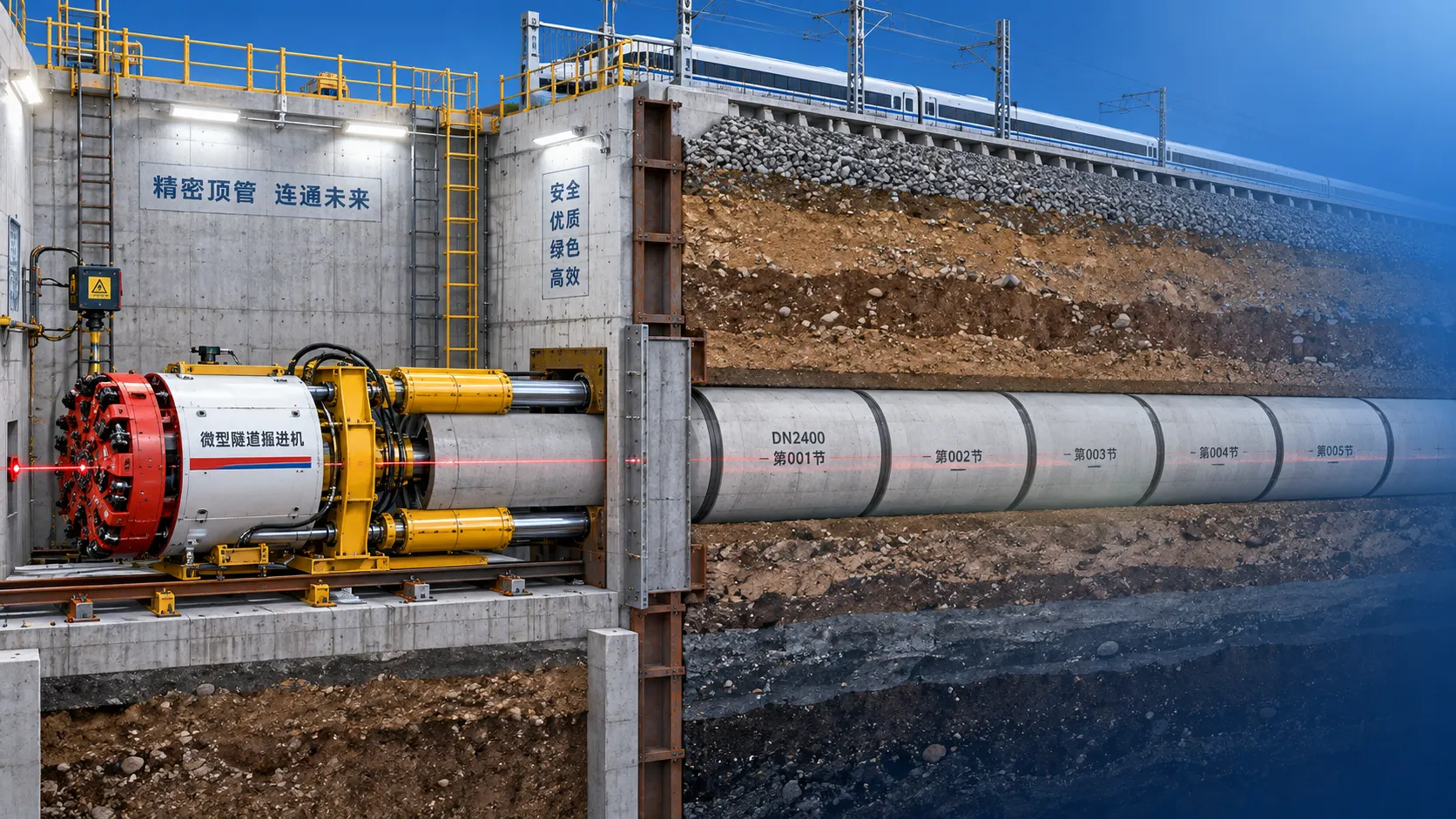
Which Trenchless Construction Technique Fits Your Utility Crossing Conditions?
Trenchless construction techniques compared for utility crossings: choose HDD, microtunnelling, pipe jacking, or auger boring based on ground, accuracy, access, and risk.

What Is Driving Metro Tunnelling Demand Across Southeast Asia’s Major Cities?
Metro tunnelling Southeast Asia is accelerating as major cities tackle congestion, flooding, and connectivity. Explore the market forces, technical risks, and opportunities shaping demand.
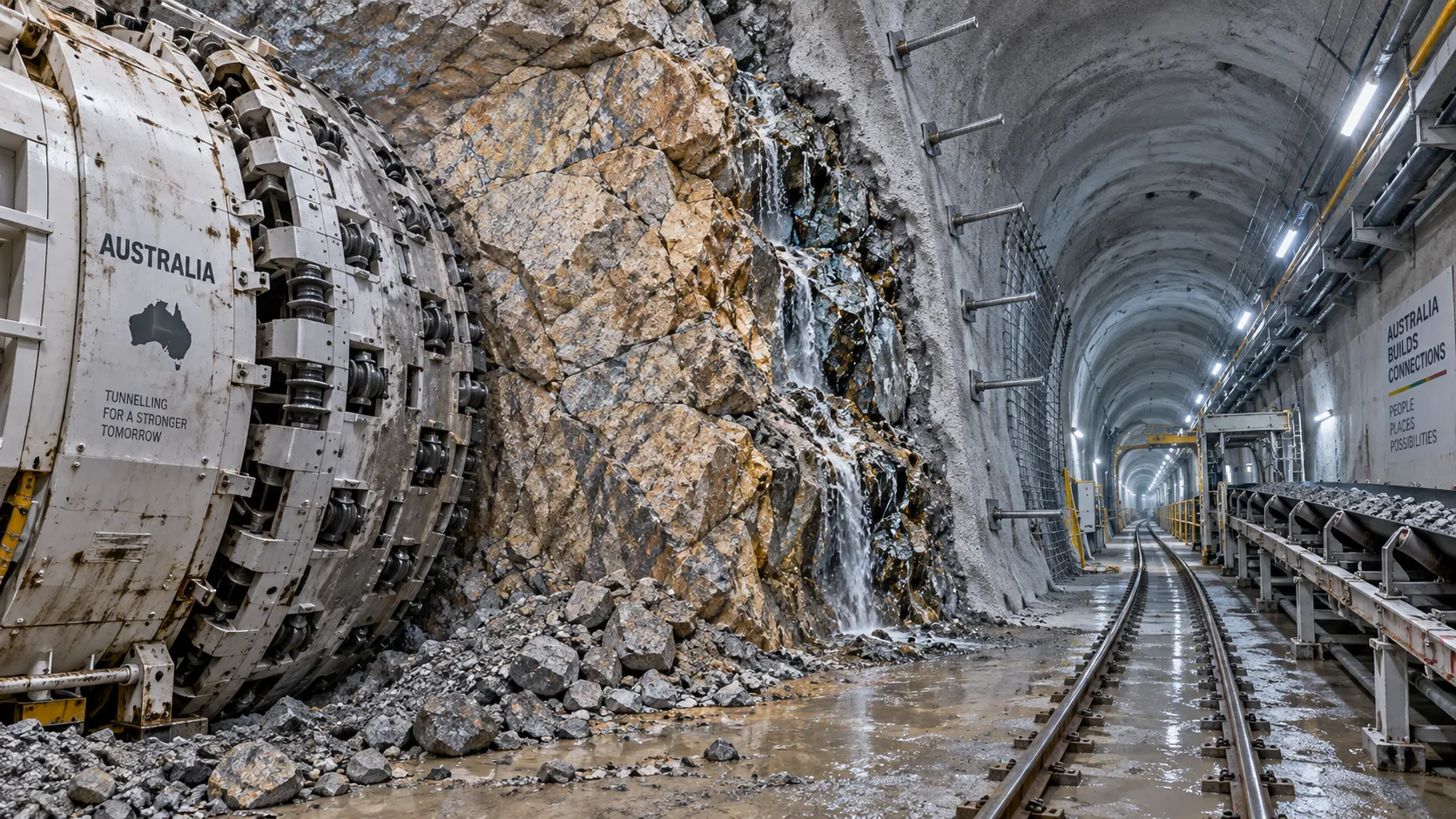
Hard Rock Tunnelling in Australia: Selecting Methods for Variable Ground Conditions
Hard rock tunnelling in Australia: compare TBM, drill-and-blast and hybrid methods to manage variable ground, reduce risk and protect project costs.
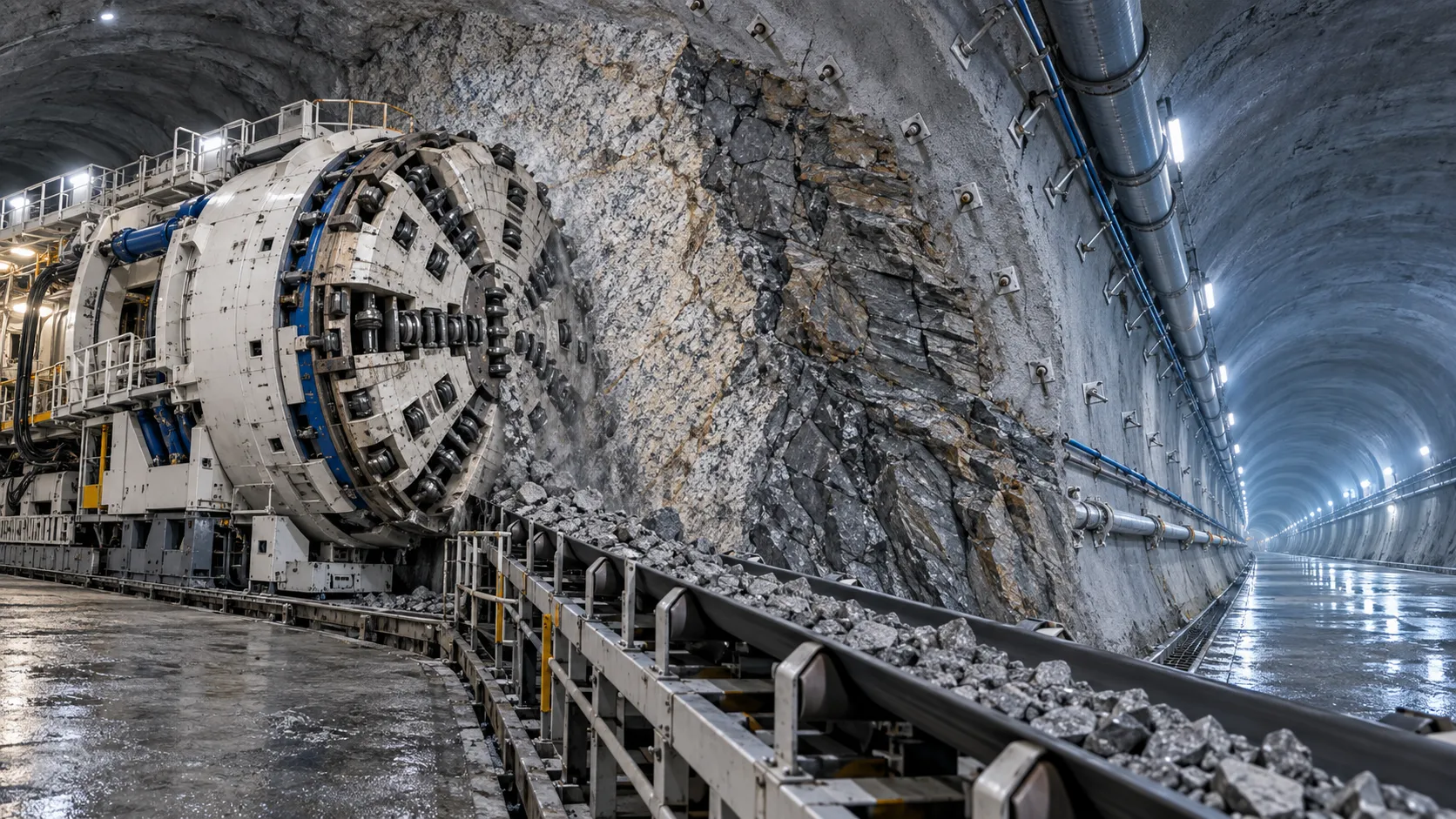
Hydropower Tunnel Excavation: Selecting Methods for Variable Rock Conditions
Hydropower tunnel excavation methods for variable rock conditions: compare TBM, drill-and-blast, and hybrid strategies to improve safety, progress, and project control.
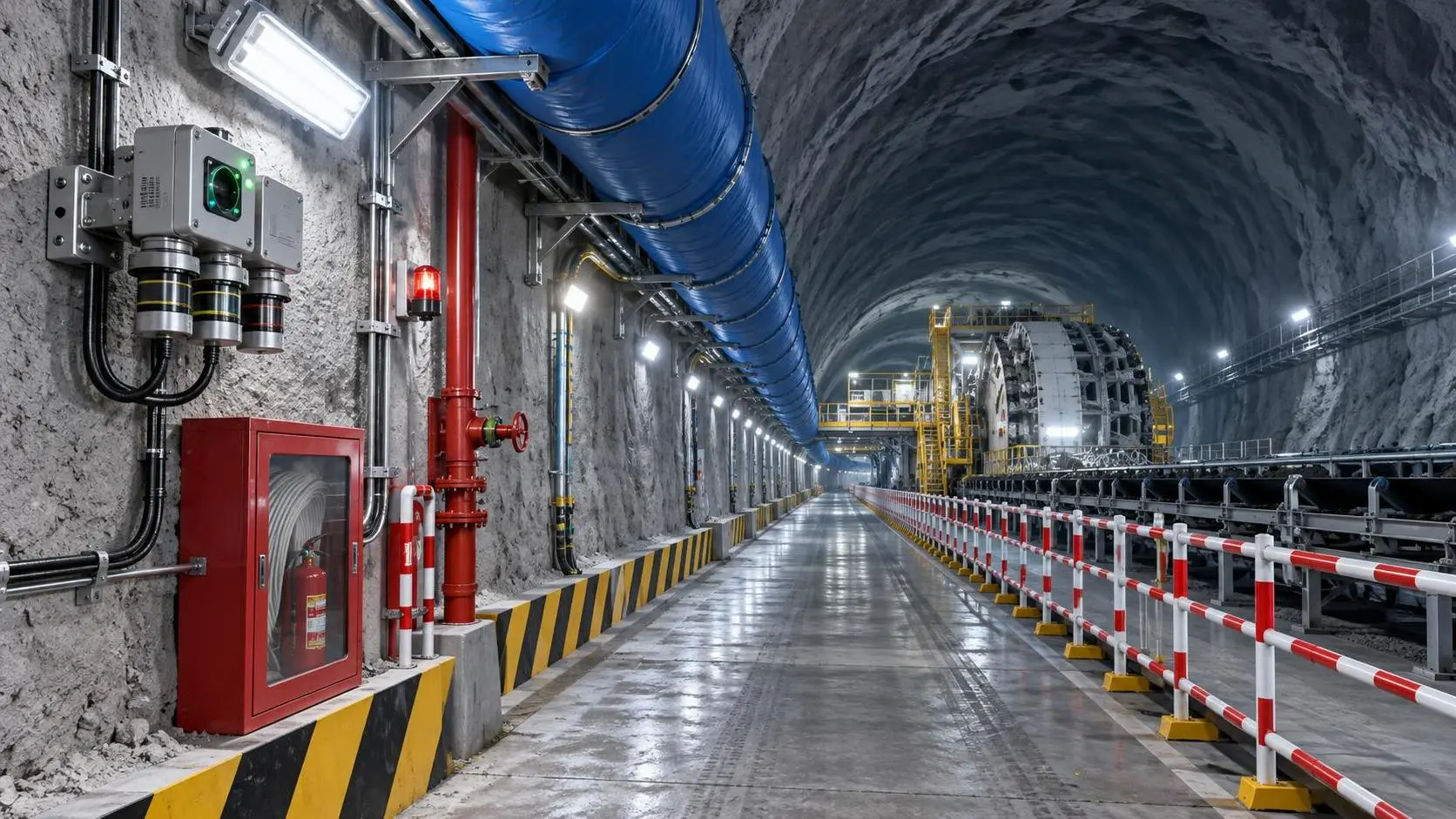
How to Select Underground Safety Equipment for Tunnelling by Hazard and Work Zone
Underground Safety Equipment for tunnelling: match protection to hazards, work zones, compliance, and emergency needs with this practical selection guide.

EPB or Slurry Shield? Selecting Soft-Ground Tunnelling Equipment by Soil Conditions
Tunnel Excavation Equipment for soft ground: compare EPB and slurry shields by soil, groundwater, settlement risk, and project logistics to choose confidently.

How to Specify TBM Backup System Parts for Reliable Long-Distance Tunnelling
TBM backup system parts: learn how to specify reliable spares for long-distance tunnelling, reduce downtime, ensure compatibility, and speed underground recovery.

How to Size Open Pit Mining Trucks for Haul Distance, Grade, and Payload?
Open Pit Mining Trucks: learn how to match payload, haul distance, grade, road resistance, and loading capacity for safer, lower-cost mine operations.
Related News
- 00
0000-00
How to Evaluate European Drill-and-Blast Tunnelling Contractors for Complex Projects - 00
0000-00
Which Trenchless Construction Technique Fits Your Utility Crossing Conditions? - 00
0000-00
What Is Driving Metro Tunnelling Demand Across Southeast Asia’s Major Cities? - 00
0000-00
Hard Rock Tunnelling in Australia: Selecting Methods for Variable Ground Conditions - 00
0000-00
Hydropower Tunnel Excavation: Selecting Methods for Variable Rock Conditions
Weekly Insights
Stay ahead with our curated technology reports delivered every Monday.