
Poland Begins TBM Excavation of Nearly 4 km Railway Tunnel





Poland’s Podłęże–Piekiełko railway project has reached a new construction stage, with the TBM “Kinga” beginning excavation of an approximately 3.9 km emergency evacuation tunnel on the Szczyrzyc–Tymbark section. The event date has not been specified in the supplied information. Although no specific new policy, regulation, certification rule or trade measure is identified, the development provides an execution signal for railway contractors, equipment suppliers, procurement teams and cross-border manufacturers involved in major infrastructure delivery.
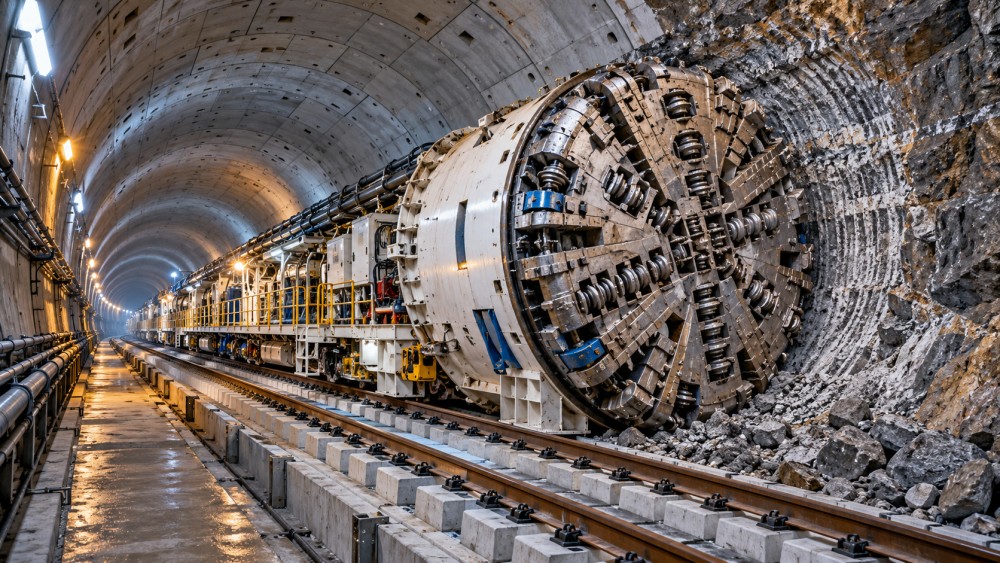
A second tunnelling operation advances the project
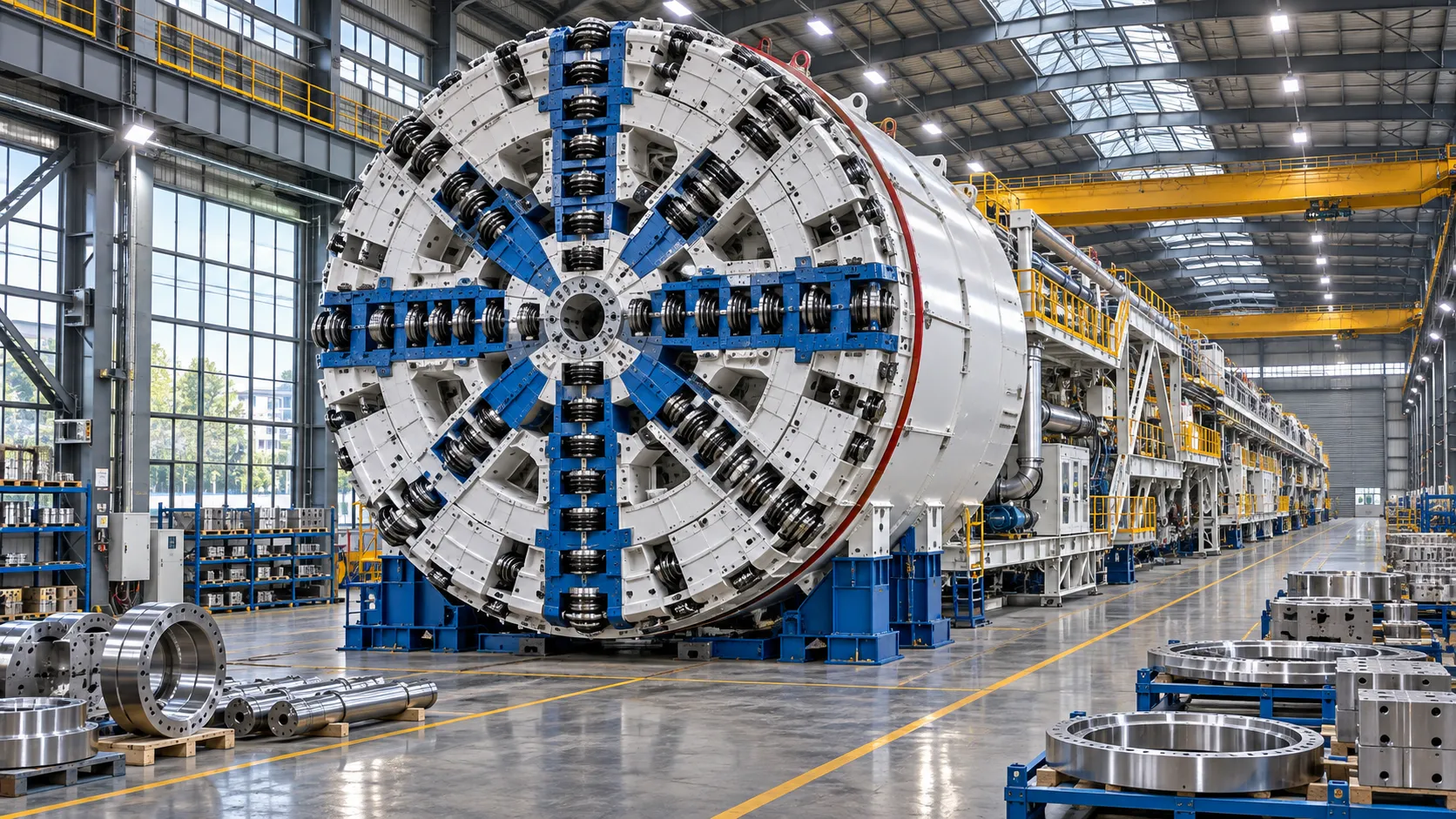
According to the supplied information, the Podłęże–Piekiełko railway project has an estimated total investment of approximately EUR 4 billion and is described as Poland’s largest railway infrastructure investment. The 4.8-metre-diameter TBM “Kinga”, manufactured in Changsha, China, has formally started excavation of the emergency evacuation tunnel on the Szczyrzyc–Tymbark section.
“Kinga” had previously completed excavation of another tunnel section before being dismantled, transported and reassembled. At the same section, the larger-diameter TBM “Jadwiga” is also advancing construction of the main railway tunnel. The project is expected to create Poland’s longest single transport tunnel.
What the construction milestone may mean for the supply chain
Equipment manufacturers and cross-border suppliers
From an industry perspective, the relocation and reassembly of “Kinga” show that TBM supply arrangements may involve more than the initial equipment sale. Manufacturers and suppliers may need to pay closer attention to equipment documentation, transport coordination, reassembly records, commissioning support and the handover of technical information. These are analytical implications of the described construction process rather than confirmed new regulatory requirements.
Contractors and equipment integrators
For engineering contractors and equipment integrators, the parallel progress of the emergency evacuation tunnel and the main railway tunnel may increase the importance of specification alignment, interface management and delivery sequencing. Analysis suggests that procurement documents, equipment performance records and site acceptance materials could become particularly relevant when different tunnelling systems and work packages are coordinated. The supplied information does not confirm any specific tender condition or certification requirement.
Procurement teams and project owners
Procurement teams may need to assess whether supplier qualifications, spare parts availability, technical support and reassembly capability are sufficiently documented for long-duration tunnelling work. The cross-border origin of “Kinga” also means that companies involved in similar projects may wish to review trade documents, logistics arrangements and customs-related records in advance. These points should be treated as practical areas for review, rather than as evidence that a new trade rule has already entered into force.
Practical checks before the next delivery stage
Keep technical and compliance records aligned
Companies participating in comparable infrastructure projects could verify that equipment specifications, inspection records, testing documents, maintenance files and handover materials match the procurement and construction documents. Where certification or conformity evidence is requested by the project, suppliers should confirm the applicable requirements directly from the relevant tender or contract documents, since no specific standard or certification scheme is identified in the supplied information.
Review transport, reassembly and commissioning plans
The previous dismantling, transfer and reassembly of “Kinga” suggests that transport and site reinstallation can form a material part of the delivery process. Businesses may therefore wish to review responsibility allocation, lifting and transport documentation, reassembly procedures, commissioning records and technical support arrangements before similar equipment is moved between work sites.
Monitor procurement documents and execution signals
At this stage, companies should monitor subsequent project statements, tender documents, contract amendments and site execution information for any changes affecting equipment qualification, documentation, delivery schedules or supplier responsibilities. If new requirements appear, technical and commercial teams can then assess whether existing suppliers, substitute equipment or alternative delivery plans remain suitable.
Why this milestone matters beyond the excavation site
Analysis suggests that the reported progress is best understood as an infrastructure execution signal rather than confirmation of a newly issued industry rule. It demonstrates the practical importance of coordinating large-scale rail construction, emergency infrastructure, specialist machinery and cross-border equipment delivery within one project framework.
The future market impact will depend on information that has not been provided, including the wording of later procurement documents, the treatment of technical and certification records, the implementation of delivery requirements and feedback from companies involved in the work. These factors may determine whether the project produces broader changes in supplier qualification or equipment procurement practices.
How to interpret the development for now
The start of “Kinga”’s excavation strengthens the project’s implementation profile and highlights the need for disciplined coordination across tunnelling equipment, logistics, procurement and contract delivery. For industry participants, the most appropriate response is to treat the development as a confirmed construction milestone and a reason to monitor related execution requirements, rather than to assume that a new policy or mandatory certification rule has already been established.
Information basis and matters still requiring verification
This article was prepared solely from the supplied information, including the news title, the statement that the event date was not specified, and the event summary. No specific official source link was provided. Further verification should refer, where available, to official project announcements, regulatory publications, customs or trade authority information, industry association materials, standards organization documents and authoritative media reports.
Subsequent review should focus on any policy details, certification interpretation, changes to tender documents, trade execution, industry feedback and company-level implementation practices connected with the project. No such additional details are confirmed in the supplied information.
Related News
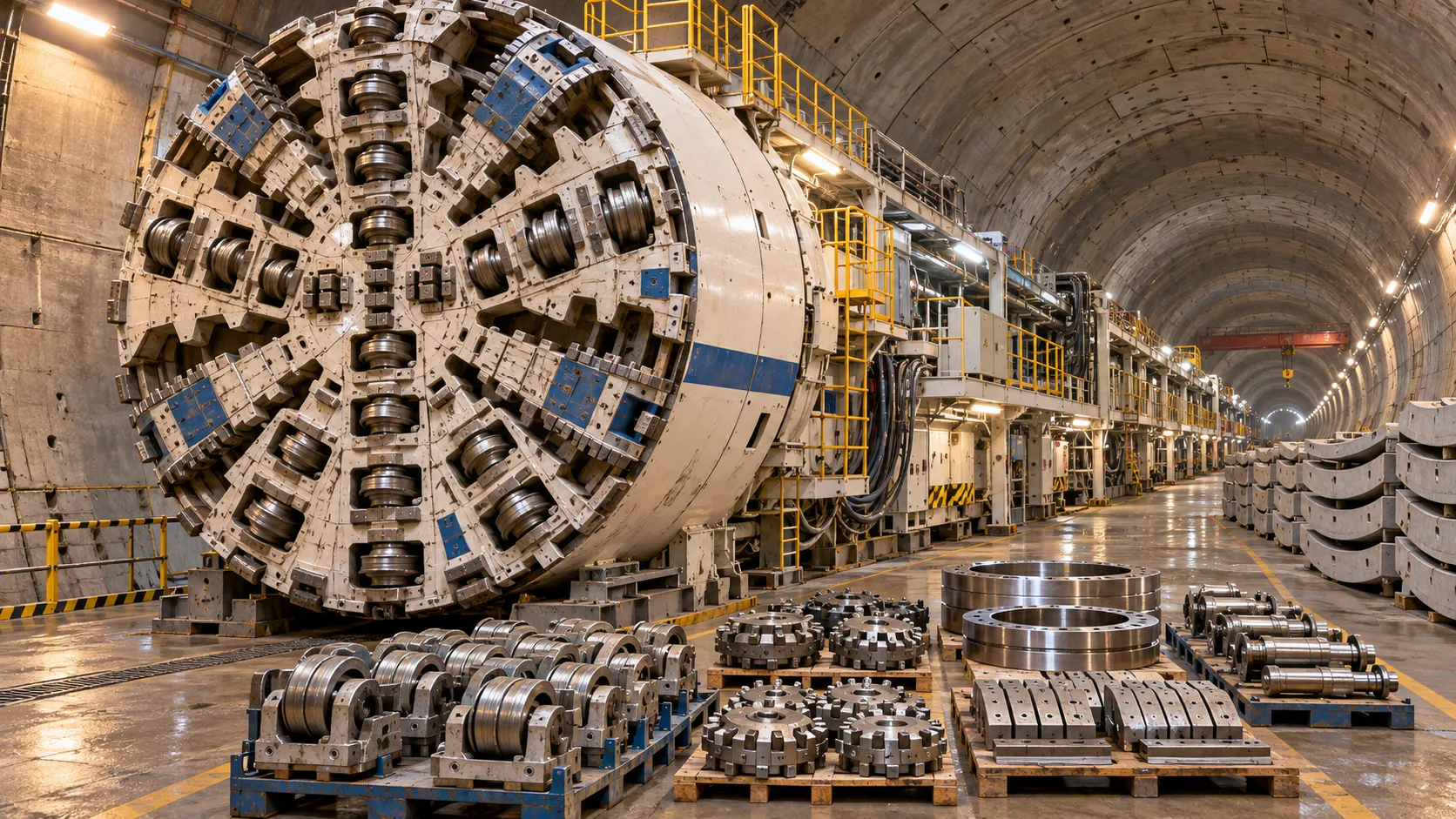
China's TBM Export Controls Prompt Infrastructure Concerns in India
China's TBM export controls could affect infrastructure projects in India. Explore potential supply risks and practical procurement steps.
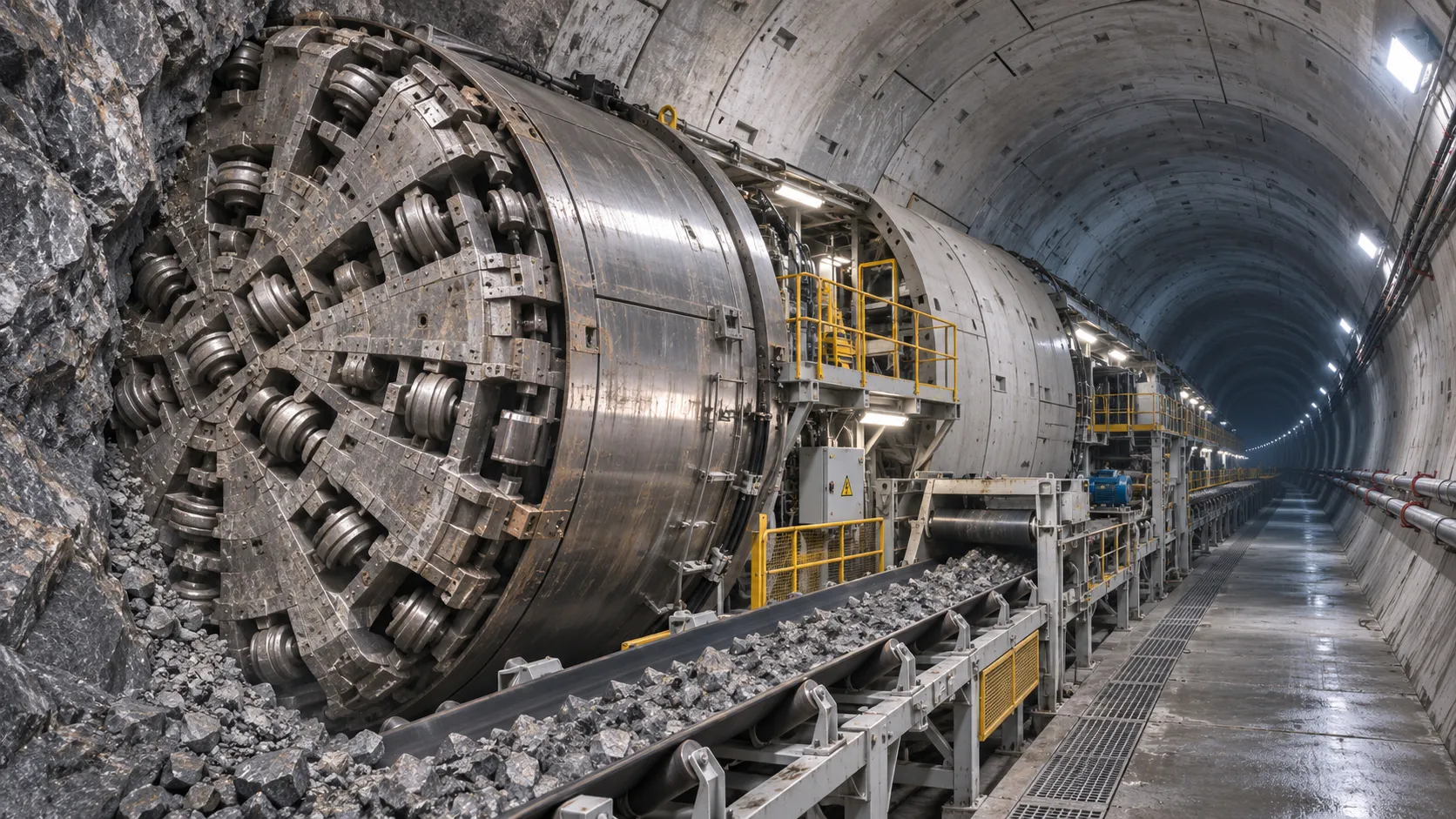
How TBM Excavation Works in Rock and Soft Ground: A Practical Guide
TBM Excavation in rock and soft ground explained: compare machine types, ground support, spoil removal, and the factors that guide smarter project planning.
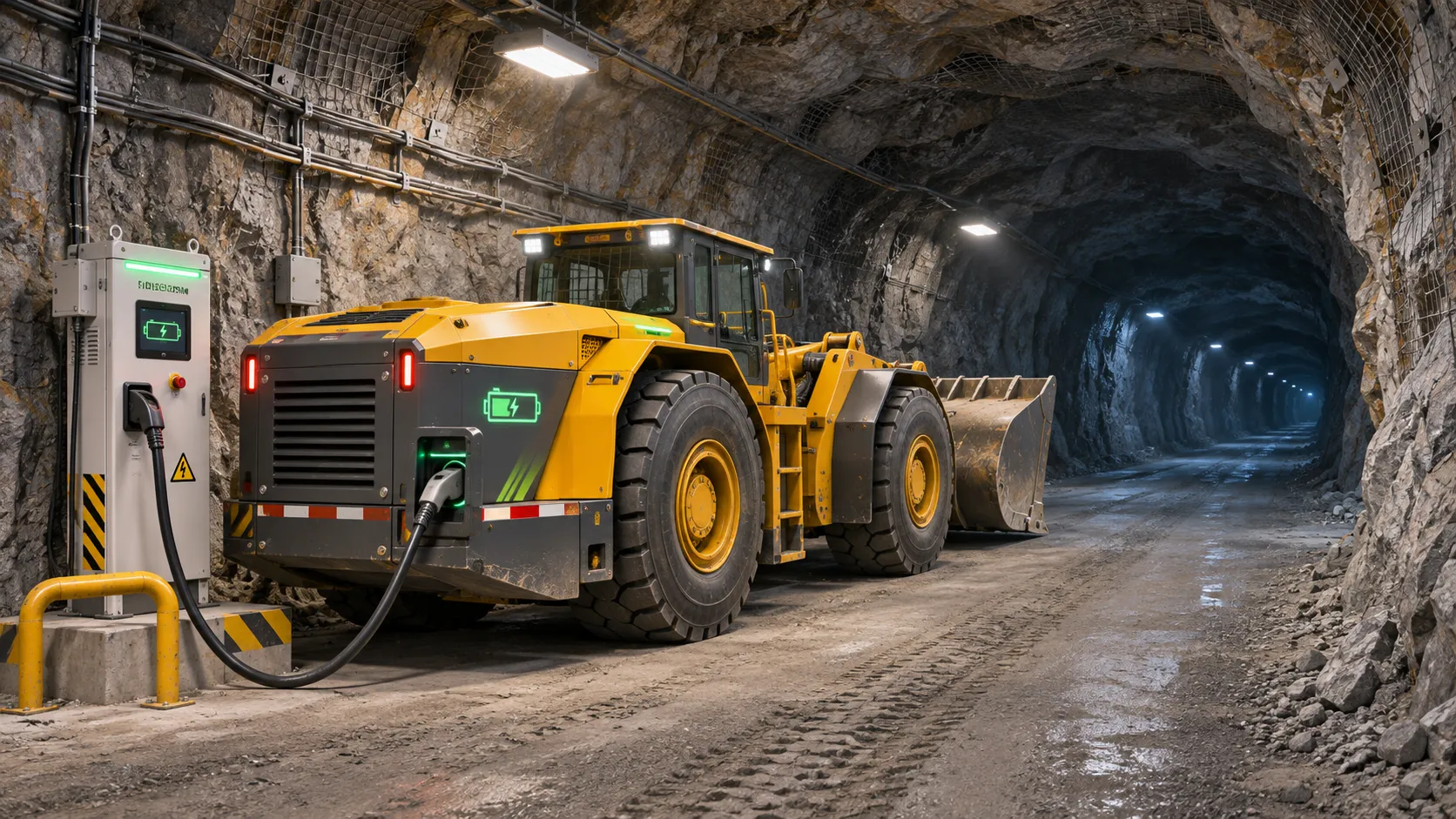
Choosing a Zero-Emission Underground Equipment Supplier: What to Check
Choosing a zero emission underground equipment supplier? Compare duty-cycle performance, charging, safety, total costs and support before you commit.
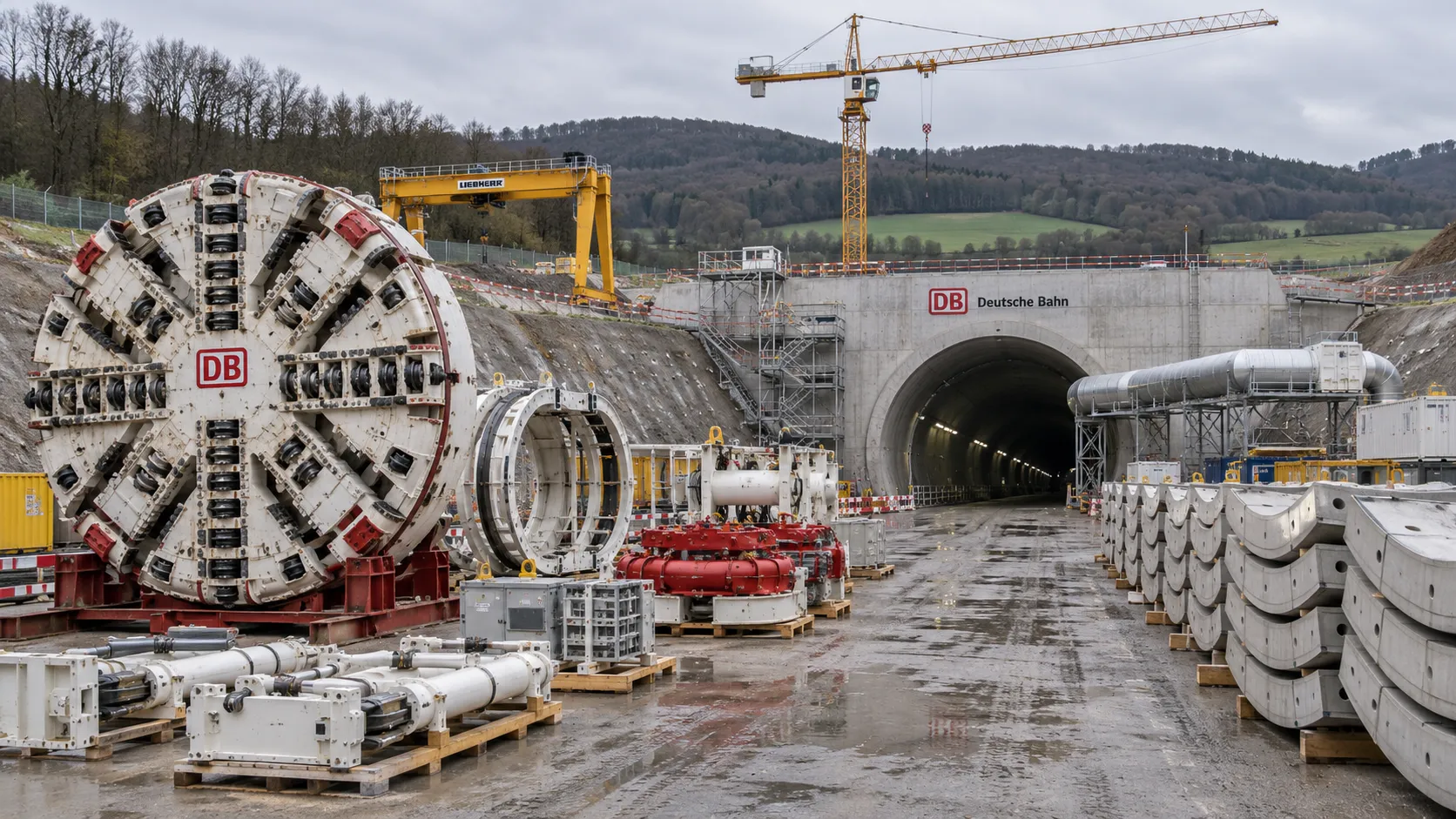
Construction Starts on Germany's Pfaffensteig Rail Tunnel, With Two TBMs Planned
Pfaffensteig rail tunnel construction is underway in Germany. Discover how two planned TBMs will support the 11-kilometre project near Stuttgart.
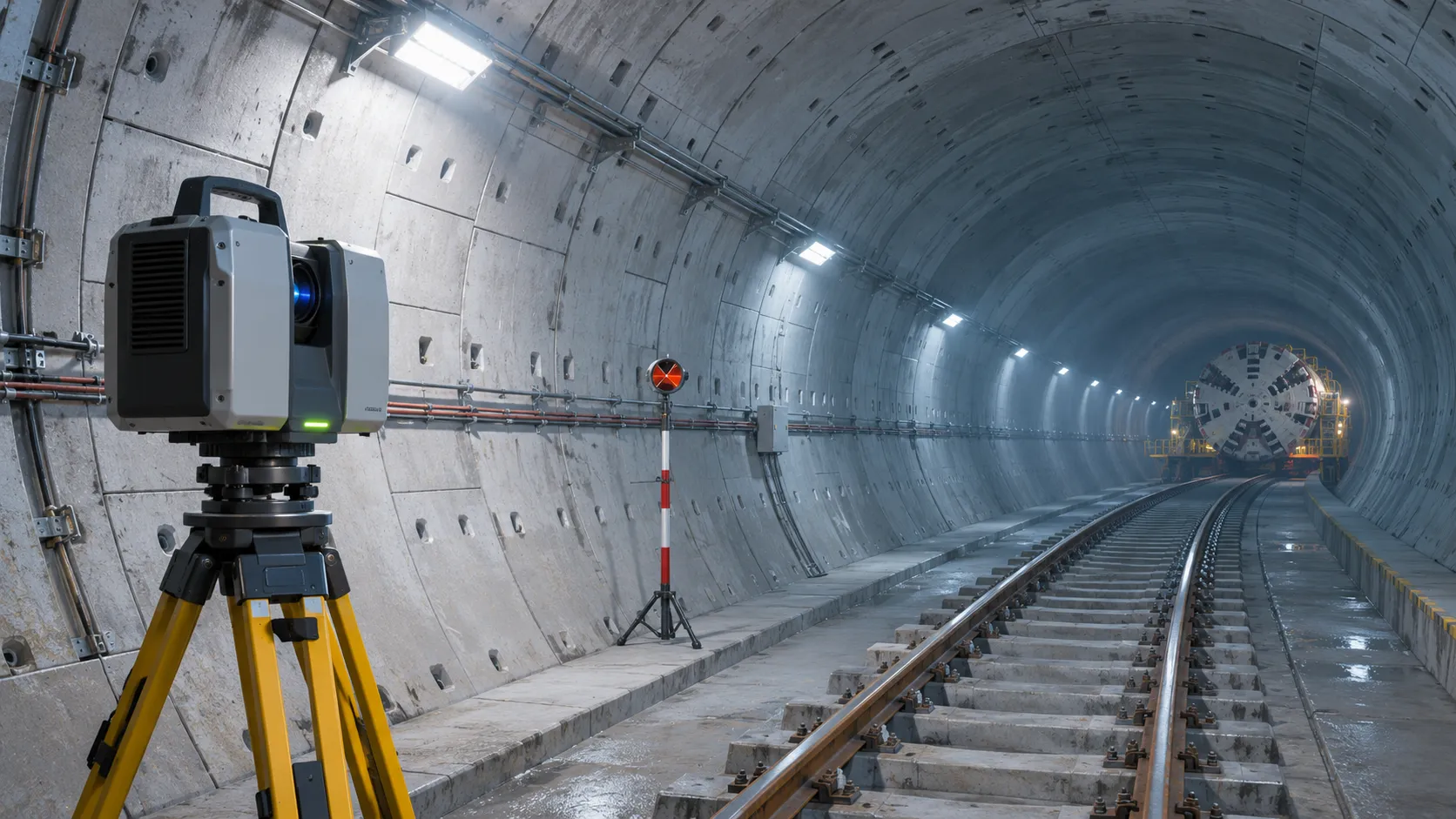
How Real-Time Underground Mapping Systems Work in Tunneling
Discover how real-time underground mapping systems guide tunneling teams, integrate sensor data, and support confident decisions with verified accuracy.
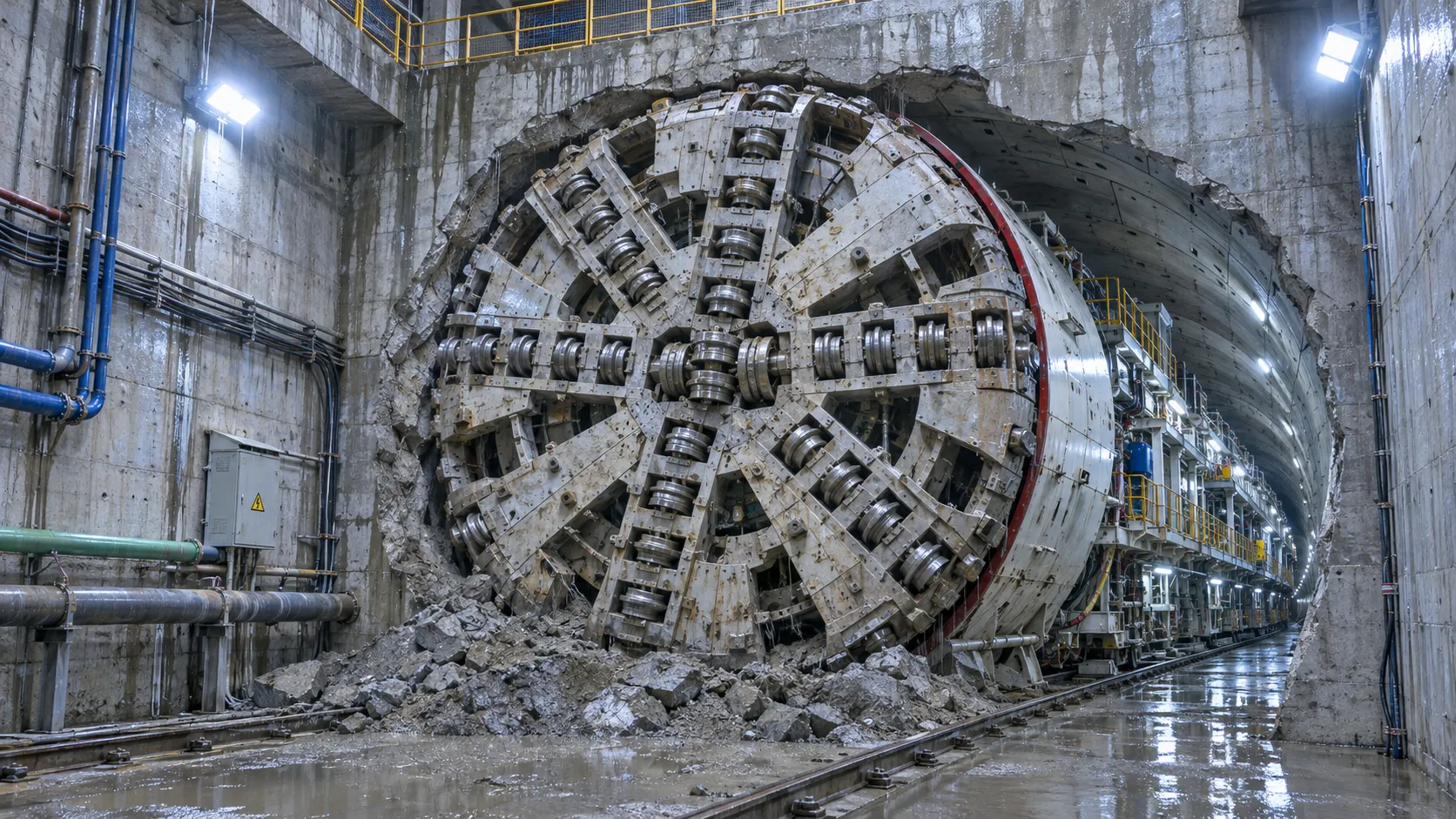
First Mechanized Tunnel Crossing Beneath the Panama Canal Completed
Panama Canal tunnel crossing: Explore the reported Metro Line 3 milestone and what it could mean for future underwater tunneling projects.
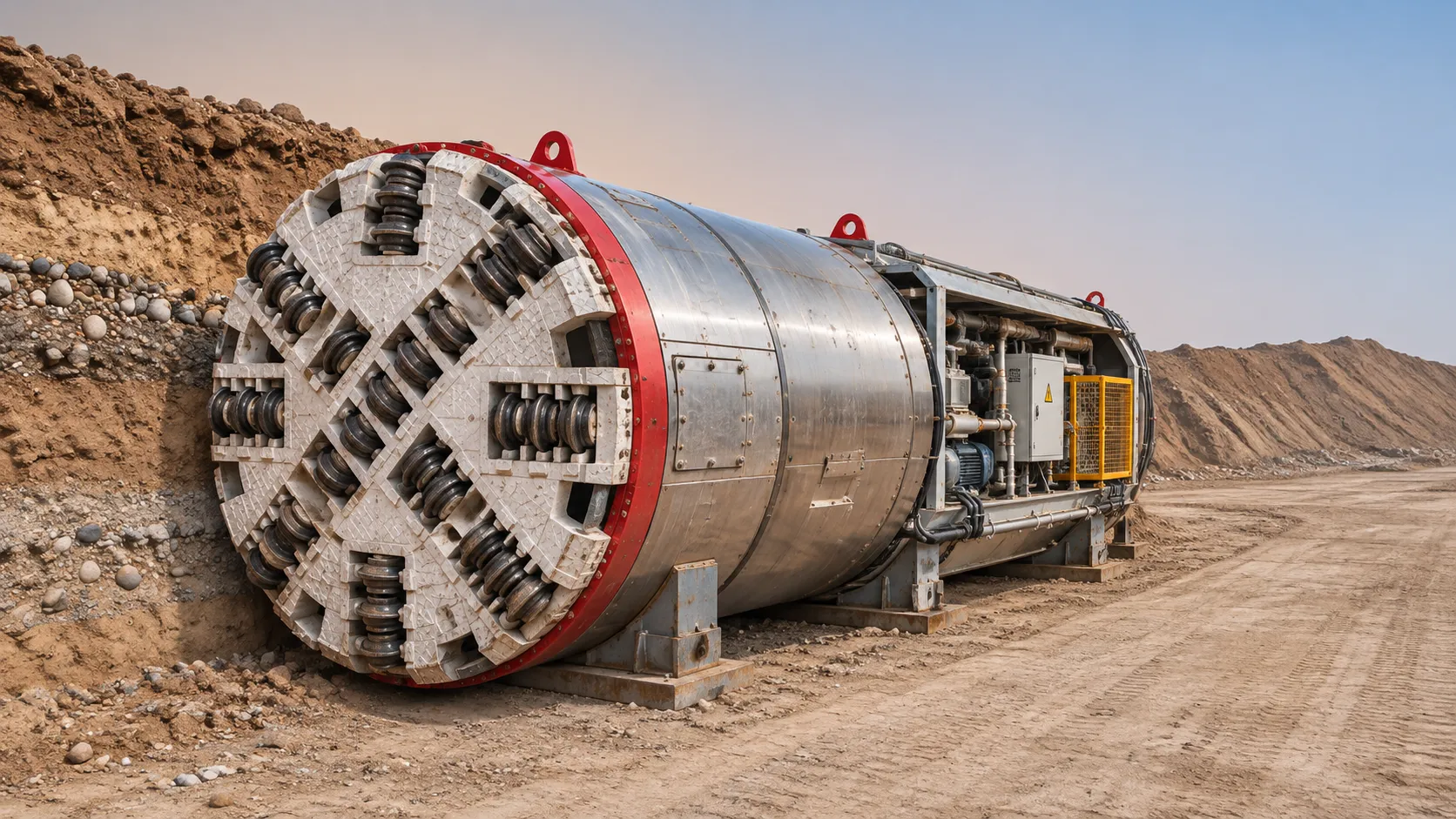
Underground Utility Construction Equipment: Choosing by Ground Conditions
Choose underground utility construction equipment with confidence. Compare trenching, HDD, microtunnelling and TBMs by ground conditions, risk and cost.
China Sets Tunnel Boring Machine Export Controls as India Pushes Local Production
China tunnel boring machine export controls could reshape procurement as India pushes local production. Explore potential supply and project impacts.
Choosing a Trenchless Pipeline Installation Contractor: Key Qualifications
Choose a trenchless pipeline installation contractor with confidence. Learn how to assess experience, equipment, safety, costs, and project risks before you hire.
Related News
- 00
0000-00
China's TBM Export Controls Prompt Infrastructure Concerns in India - 00
0000-00
How TBM Excavation Works in Rock and Soft Ground: A Practical Guide - 00
0000-00
Choosing a Zero-Emission Underground Equipment Supplier: What to Check - 00
0000-00
Construction Starts on Germany's Pfaffensteig Rail Tunnel, With Two TBMs Planned - 00
0000-00
How Real-Time Underground Mapping Systems Work in Tunneling
Weekly Insights
Stay ahead with our curated technology reports delivered every Monday.