
Underground Utility Construction Equipment: Choosing by Ground Conditions





Choosing underground utility construction equipment starts with understanding the ground beneath the project. Soil stability, rock strength, groundwater pressure, and abrasive materials can influence machine selection, excavation performance, and installation risk.
For technical evaluators, the challenge is to match these conditions with the right trenchless or tunnelling method while accounting for utility alignment, site constraints, and lifecycle costs.
This guide examines how ground conditions affect equipment suitability, helping project teams assess options with greater confidence. No single machine is best across every ground profile.
Which Equipment Fits the Ground Conditions?
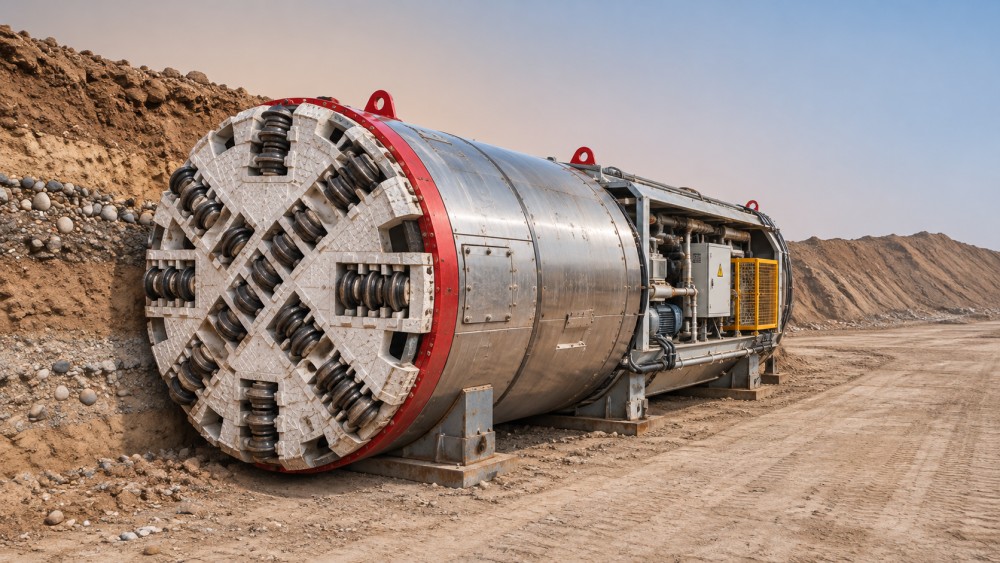
For preliminary screening, match the excavation method to the least manageable condition along the alignment, not simply the material encountered most often. Confirm feasibility through investigation and engineering design.
Stable cohesive soil: Conventional pipe jacking or horizontal directional drilling can be viable where the bore remains stable and the selected method suits the required diameter and alignment.
Loose, water-bearing sand or gravel: Consider closed-face microtunnelling with appropriate pressure control and separation equipment. Evaluate settlement risk, permeability, and the ability to manage groundwater before selecting a machine.
Strong rock: Rock-capable microtunnelling machines, pipe jacking systems, or tunnel boring machines may be appropriate. Cutter selection depends on rock strength, abrasivity, fractures, and required drive diameter.
Mixed ground: Machines must manage changes in cutting resistance and face stability. Assess whether tooling, pressure control, and intervention arrangements can handle the full transition.
Shallow installations with accessible surface space: Trenching may offer a straightforward option, but traffic disruption, excavation support, dewatering, and reinstatement can change the comparison.
These are starting points, not automatic selections. Required pipe grade, crossing length, launch access, environmental restrictions, and contractor capability can rule out an otherwise suitable method.
What Ground Information Is Needed Before Equipment Selection?
A defensible equipment assessment begins with a ground model that follows the proposed alignment and extends beyond the planned excavation zone where construction effects may occur.
Boreholes and sampling should address shaft locations, crossings, and suspected transitions. Their spacing and depth depend on ground variability, project consequence, and the proposed method.
For soils, review particle-size distribution, plasticity, density or consistency, permeability, and the presence of cobbles or boulders. Laboratory results should be interpreted alongside field observations.
For rock, assess unconfined compressive strength, abrasivity, fracture spacing, weathering, and groundwater inflows. Strength alone does not describe how a rock mass will break or behave.
Groundwater data should include measured levels, likely seasonal variation, and pressure at excavation depth. Artesian conditions and connections to surface water warrant particular attention.
Identify contamination, buried obstructions, existing utilities, and historical foundations. These may affect spoil handling, drilling-fluid disposal, tool selection, and the feasibility of shafts or recovery excavations.
Finally, distinguish measured conditions from assumptions. A geotechnical baseline or equivalent contractual allocation can clarify which conditions the contractor should price and how unforeseen conditions are addressed.
When Is Open-Cut Trenching a Better Choice?
Trenching can be competitive for shallow utility runs where surface access is available, construction can be staged, and excavation support and reinstatement are manageable.
Equipment may include excavators, trenchers, trench boxes, pumps, and compaction machinery. Selection depends on trench depth, ground stability, pipe dimensions, and available working width.
In cohesive soils, excavators can often remove material efficiently, but temporary support remains a project-specific safety requirement. Wet weather and soft formation levels may affect productivity.
Dense gravel, cobbles, or rock can slow conventional excavation and increase wear. Rippers, breakers, or rock trenchers may be needed, subject to vibration and noise constraints.
Include road closures, pavement restoration, utility protection, groundwater treatment, and impacts on nearby businesses in the comparison. A low excavation rate per metre does not capture these costs.
Trenching becomes less attractive beneath major roads, railways, waterways, or sensitive structures, where surface disruption and exposure risks may outweigh its apparent equipment simplicity.
When Should You Consider Horizontal Directional Drilling?
Horizontal directional drilling, or HDD, installs utilities along a drilled alignment using a pilot bore, subsequent enlargement where needed, and pipe pullback.
It is often considered for pressure pipes, conduits, and long crossings where surface disturbance must be limited. Feasibility depends on alignment, pipe flexibility, and ground response.
HDD can work in many soils and in some rock formations when drilling assemblies and tooling are designed for the material. Ground transitions require particular attention.
Loose granular ground and groundwater can complicate bore stability and fluid control. Assess potential inadvertent returns, drilling-fluid containment, and the consequences of a lost bore.
In rock, compare anticipated bit life, steering performance, and the availability of suitable downhole equipment. Cobbles and boulders can cause deflection or obstruct enlargement.
For gravity sewers, verify that the proposed HDD system can meet the specified grade, tolerances, and acceptance criteria throughout the installation. Do not assume directional control guarantees them.
Review entry and exit space, pullback loads, minimum bend radius, fluid supply, and disposal capacity before treating HDD as the preferred option.
When Does Microtunnelling or Pipe Jacking Make Sense?
Pipe jacking advances pipe from a launch shaft as excavation proceeds at the face. Microtunnelling generally adds remote operation and guided control for relatively small tunnel drives.
These methods are attractive where a utility requires controlled line and grade, limited surface disruption, or installation beneath infrastructure that cannot readily be opened.
In unstable or water-bearing ground, a closed-face machine with suitable pressure control can help manage face stability. Its suitability depends on pressure range, ground response, and operating procedures.
Slurry systems transport excavated material through a circuit and require surface separation equipment. Assess available shaft space, water management, spoil characteristics, and treatment capacity.
Other machine configurations may use different spoil transport and face-support arrangements. Specify the operating capabilities required for the ground rather than relying on a broad machine label.
In abrasive soils or rock, examine cutter access, expected wear, and the consequences of intervention. A machine that can cut the material must also remain maintainable.
Check jacking loads against pipe strength, alignment, drive length, lubrication strategy, and intermediate jacking arrangements where required. Shaft design and ground reactions are part of the system.
Long drives, difficult ground, or constrained shafts can increase setup and contingency costs. Compare the entire installation sequence, including reception and reinstatement, with alternative methods.
When Is a Utility Tunnel Boring Machine Justified?
A tunnel boring machine may be appropriate for larger utility tunnels, long drives, or corridors carrying multiple services, provided the project scale supports its mobilisation costs.
Hard-rock machines and pressurised shield machines address different ground challenges. Selection should reflect the full alignment, groundwater regime, support requirements, and planned tunnel diameter.
For hard rock, evaluate cutter forces, disc-cutter wear, rock mass behavior, and potential water ingress. Fractured zones can require support or treatment despite strong intact rock.
For soft ground, compare earth pressure balance and slurry shield capabilities against soil grading, permeability, groundwater pressure, and available spoil treatment. Neither is universally suitable.
Mixed-face conditions may require adaptable cutting tools and operating procedures. Confirm how the machine will transition between materials and what happens if its intended operating envelope is exceeded.
Include launch and reception structures, segment or lining logistics, power supply, ventilation, and maintenance access. These requirements can dominate feasibility on an otherwise favorable alignment.
How Do Abrasivity, Boulders, and Groundwater Change the Decision?
Abrasive ground affects more than the purchase price of cutters. It can increase power demand, reduce penetration, damage conveyance components, and create additional maintenance interventions.
Request wear predictions tied to representative test results and comparable experience. Express uncertainty as a range, then calculate the schedule and cost impact of higher consumption.
Boulders introduce both cutting and handling risks. Determine their expected size and frequency, whether the machine can break or pass them, and how blockages will be cleared.
Groundwater can affect face stability, settlement, shaft construction, and spoil handling. The relevant pressure is the anticipated pressure at the excavation, including credible variations during construction.
For pressurised excavation, evaluate pressure-control limits, monitoring, backup systems, and intervention procedures. Dewatering or ground treatment may help, but their environmental and settlement effects require assessment.
Where data are sparse, consider additional investigation, a trial, or a contingency design before accepting a narrow equipment operating envelope. Assign a cost and owner to each uncertainty.
How Should Evaluators Compare Equipment Proposals?
Use a common project basis so suppliers are responding to the same alignment, ground profile, groundwater assumptions, utility specifications, and site constraints.
Ask each bidder to identify the conditions within its proposed machine’s operating range, along with exclusions, assumptions, and evidence from comparable installations.
Compare anticipated advance rates by ground zone rather than using a single average. Separate productive excavation from setup, planned maintenance, interventions, and demobilisation.
Evaluate steering and survey systems against required line and grade tolerances. Include how deviations are detected, corrected, documented, and accepted by the project owner.
Check the complete logistics chain: shaft dimensions, lifting capacity, spoil removal, drilling-fluid treatment, pipe delivery, electrical supply, and access for maintenance personnel.
For confined sites, assess noise, ventilation, emissions, and worker exposure. Electric equipment can reduce local exhaust, but power availability and upstream electricity emissions still matter.
Calculate expected lifecycle or project costs using consistent assumptions for mobilisation, consumables, energy, labor, downtime, reinstatement, and residual asset value where equipment is purchased.
Run sensitivity cases for low advance rates, increased cutter wear, groundwater variation, and recovery work. A higher initial price may be justified when it reduces consequential risk.
Finally, review contractor experience, spare parts, service response, and contingency procedures. Technical capability on paper has limited value without a credible plan to execute and support it.
Make the Final Selection Against the Full Alignment
The strongest equipment choice is the one that meets the utility specification while managing the most demanding credible ground and site conditions across the complete installation.
Use ground investigation to screen methods, then test shortlisted systems against tolerances, groundwater, access, wear, and intervention requirements. Document assumptions before comparing cost and schedule.
Where uncertainty remains material, price it explicitly and establish a response. That approach gives technical evaluators a clearer basis for selecting underground utility construction equipment with confidence.
Related News
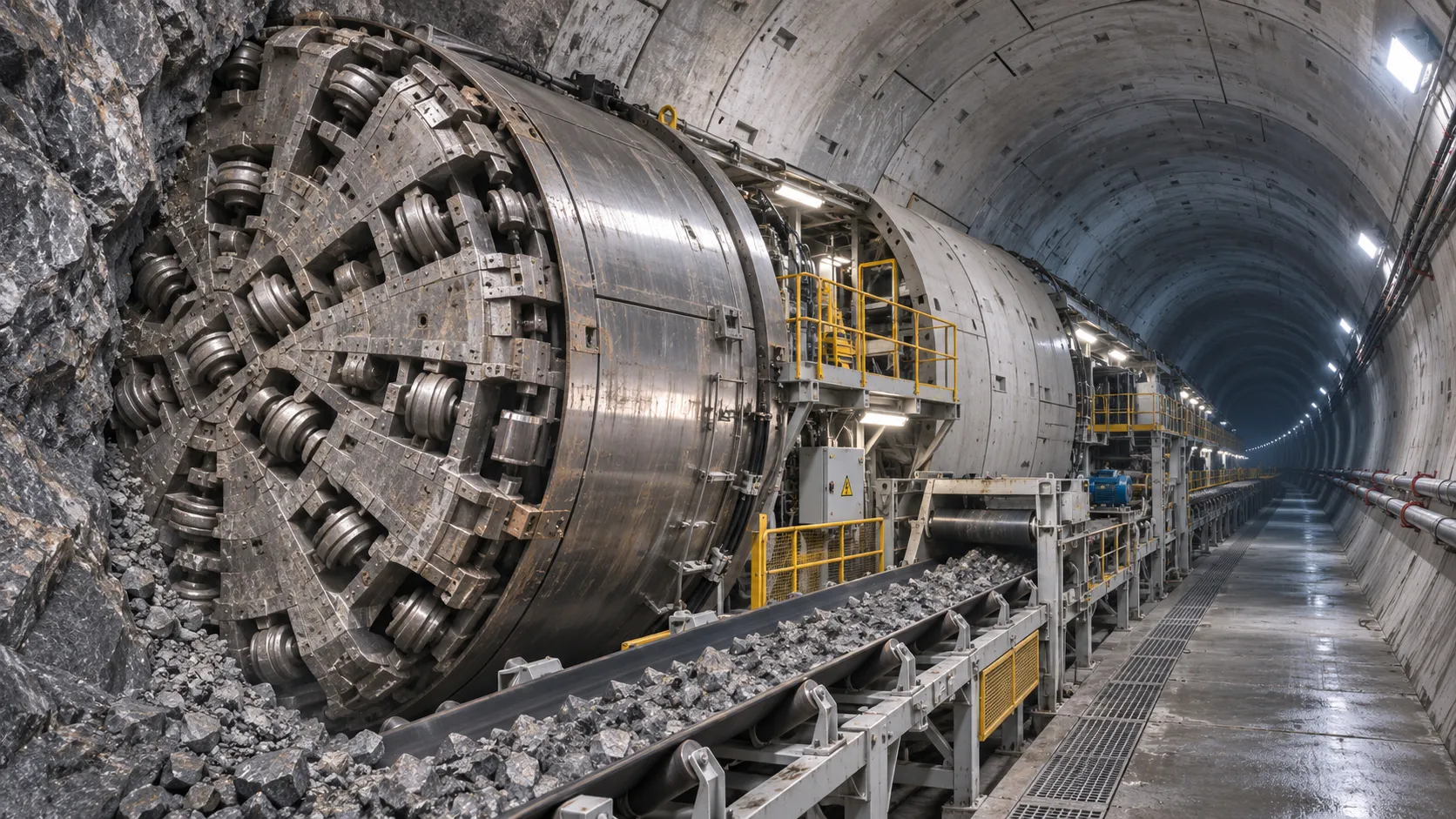
How TBM Excavation Works in Rock and Soft Ground: A Practical Guide
TBM Excavation in rock and soft ground explained: compare machine types, ground support, spoil removal, and the factors that guide smarter project planning.
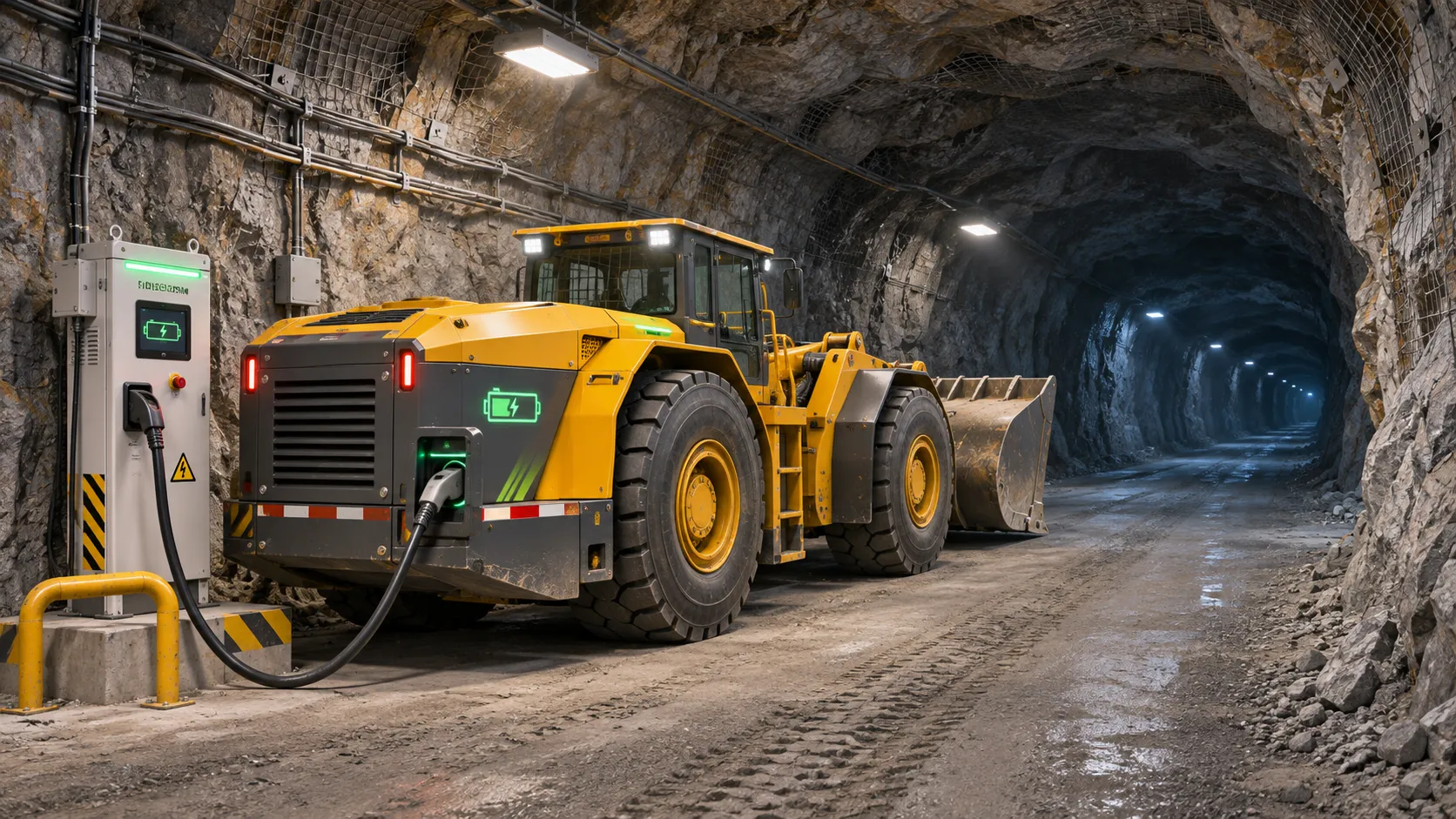
Choosing a Zero-Emission Underground Equipment Supplier: What to Check
Choosing a zero emission underground equipment supplier? Compare duty-cycle performance, charging, safety, total costs and support before you commit.
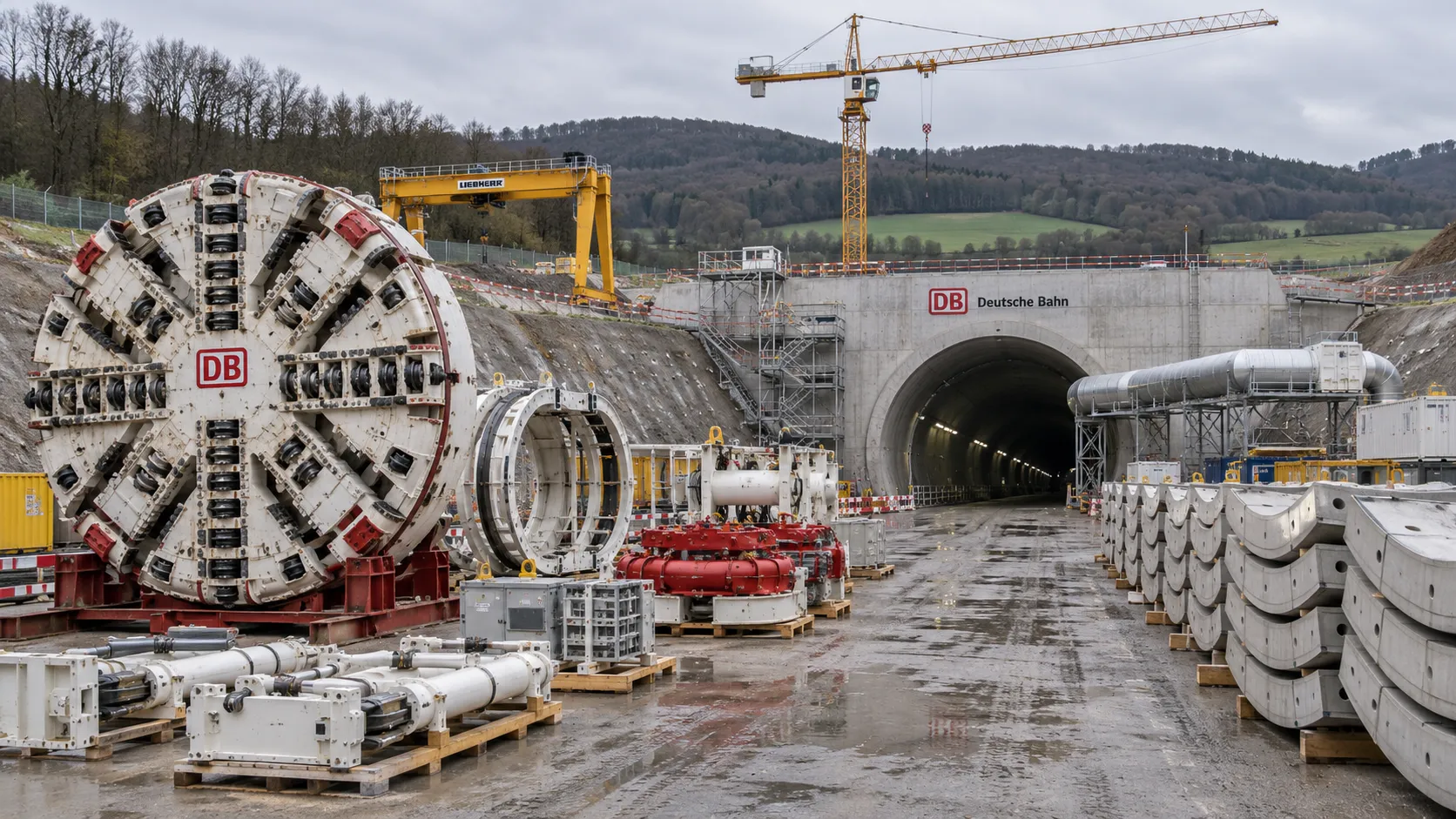
Construction Starts on Germany's Pfaffensteig Rail Tunnel, With Two TBMs Planned
Pfaffensteig rail tunnel construction is underway in Germany. Discover how two planned TBMs will support the 11-kilometre project near Stuttgart.
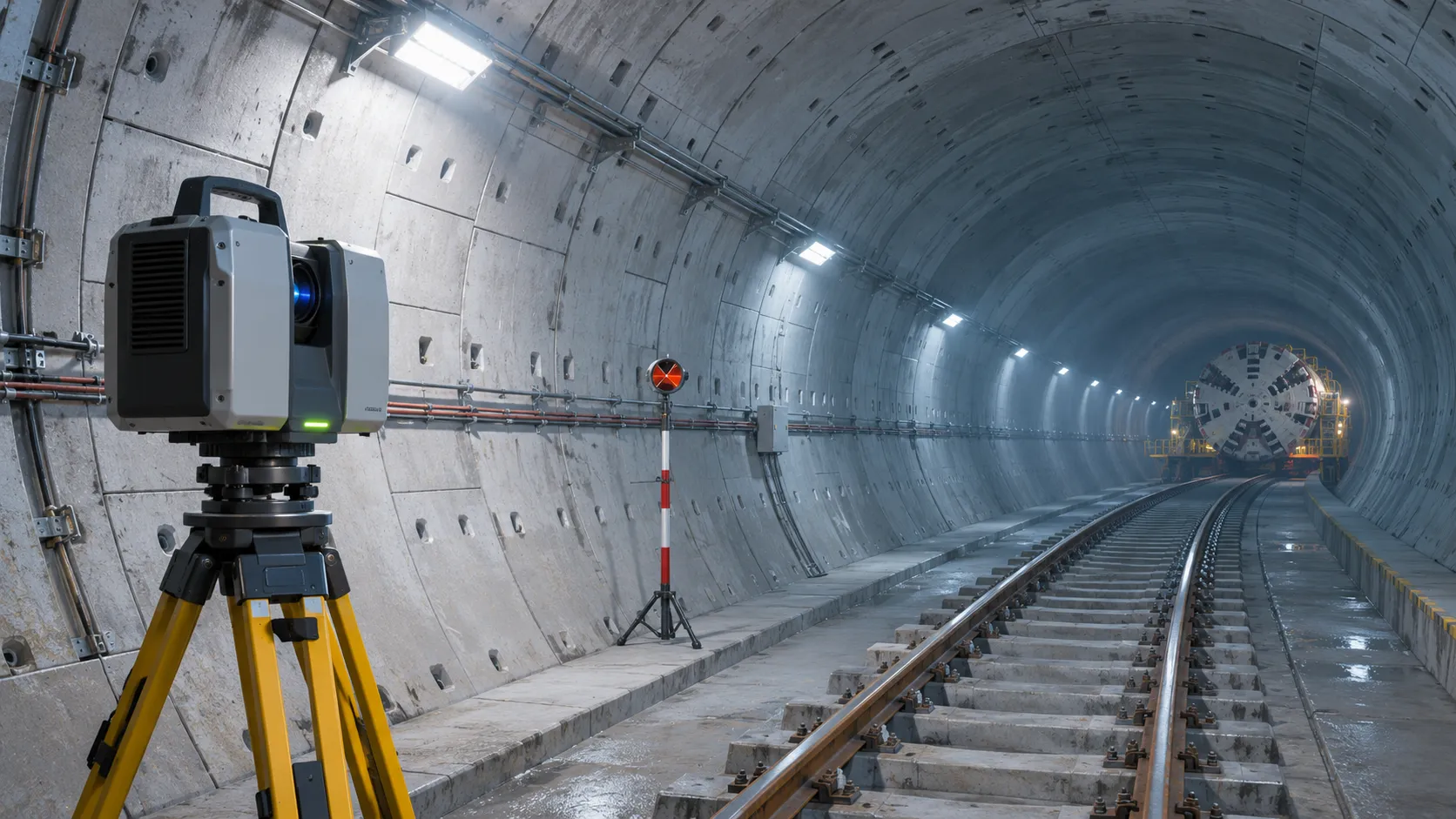
How Real-Time Underground Mapping Systems Work in Tunneling
Discover how real-time underground mapping systems guide tunneling teams, integrate sensor data, and support confident decisions with verified accuracy.
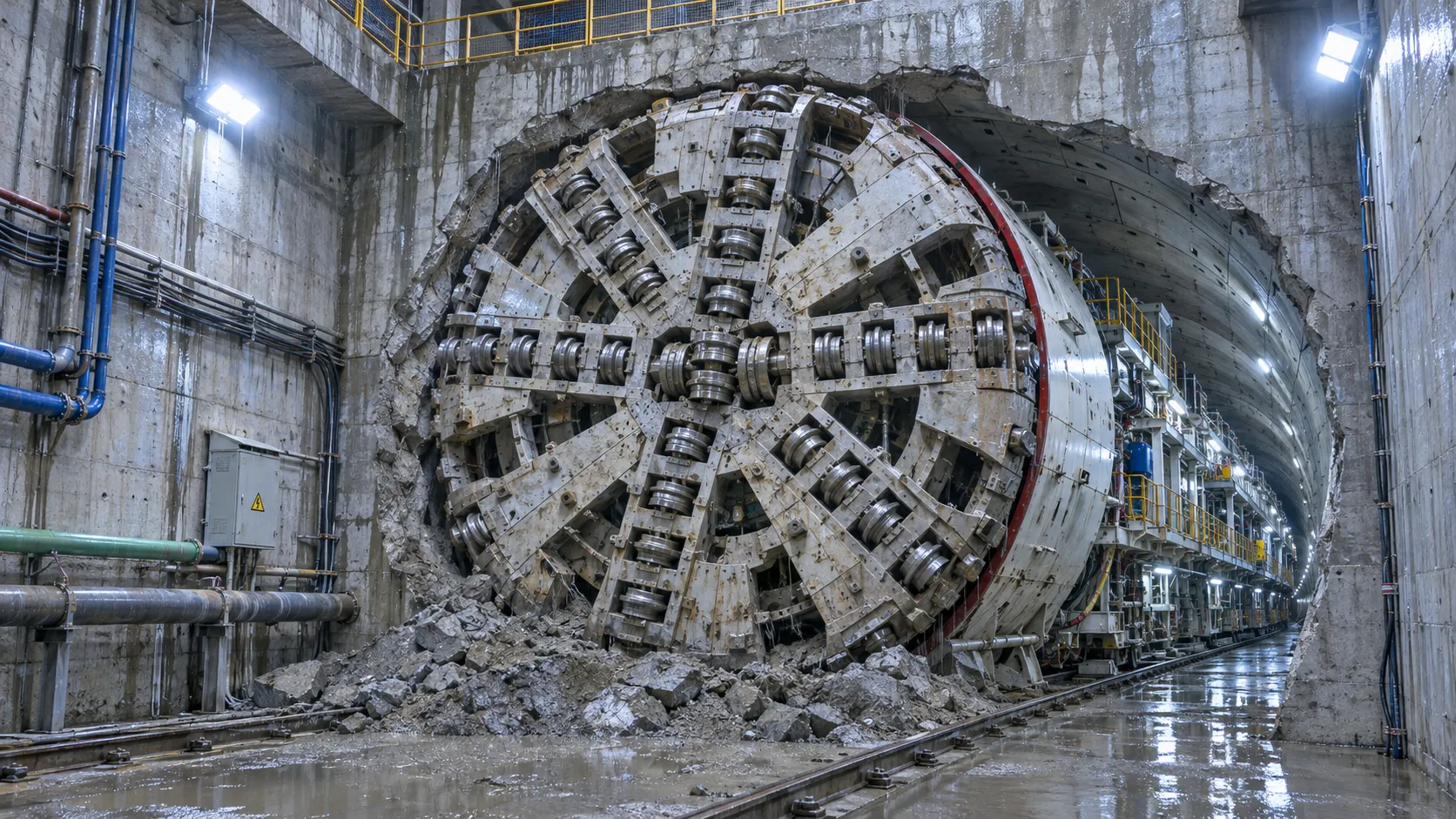
First Mechanized Tunnel Crossing Beneath the Panama Canal Completed
Panama Canal tunnel crossing: Explore the reported Metro Line 3 milestone and what it could mean for future underwater tunneling projects.
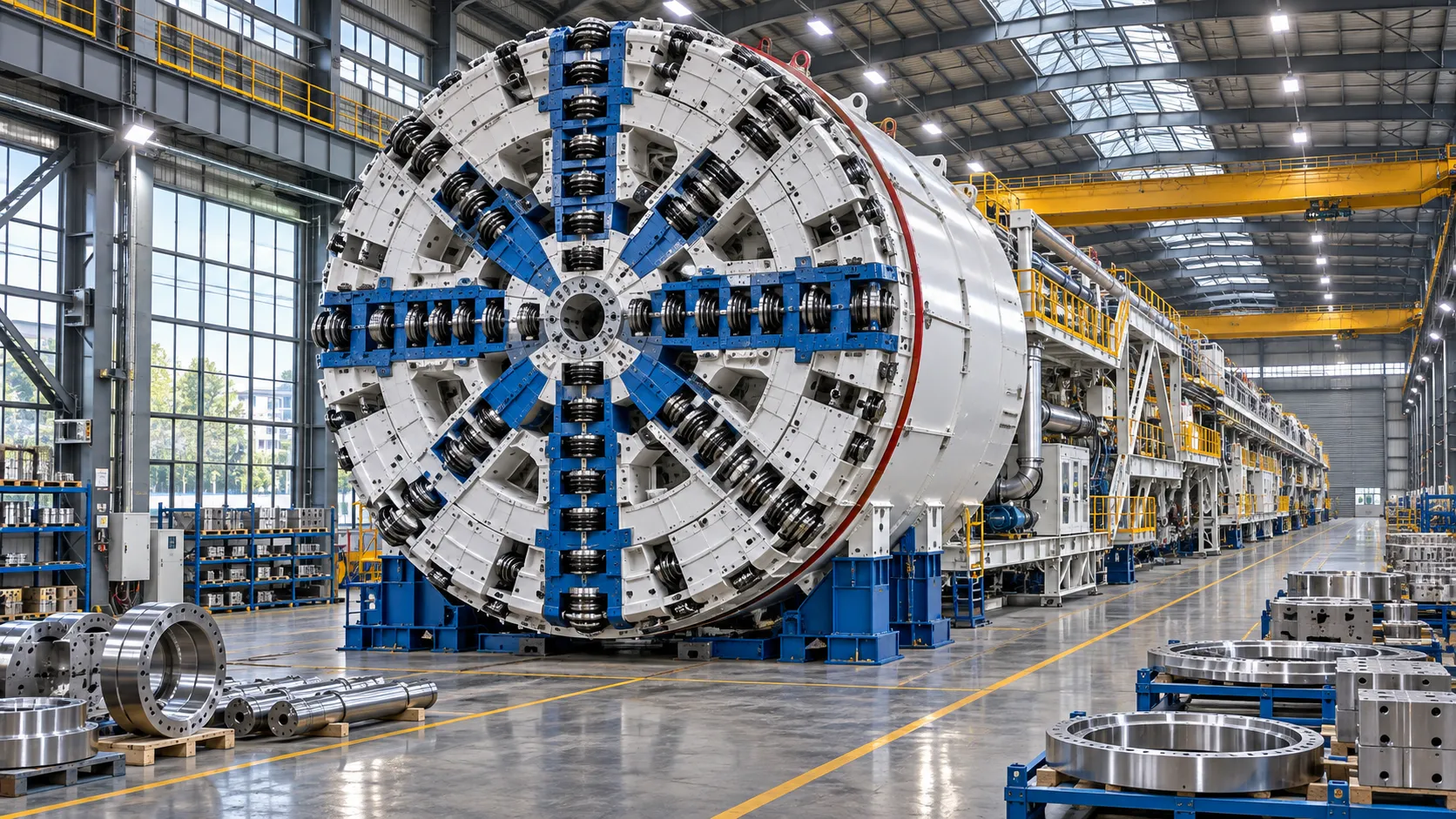
China Sets Tunnel Boring Machine Export Controls as India Pushes Local Production
China tunnel boring machine export controls could reshape procurement as India pushes local production. Explore potential supply and project impacts.
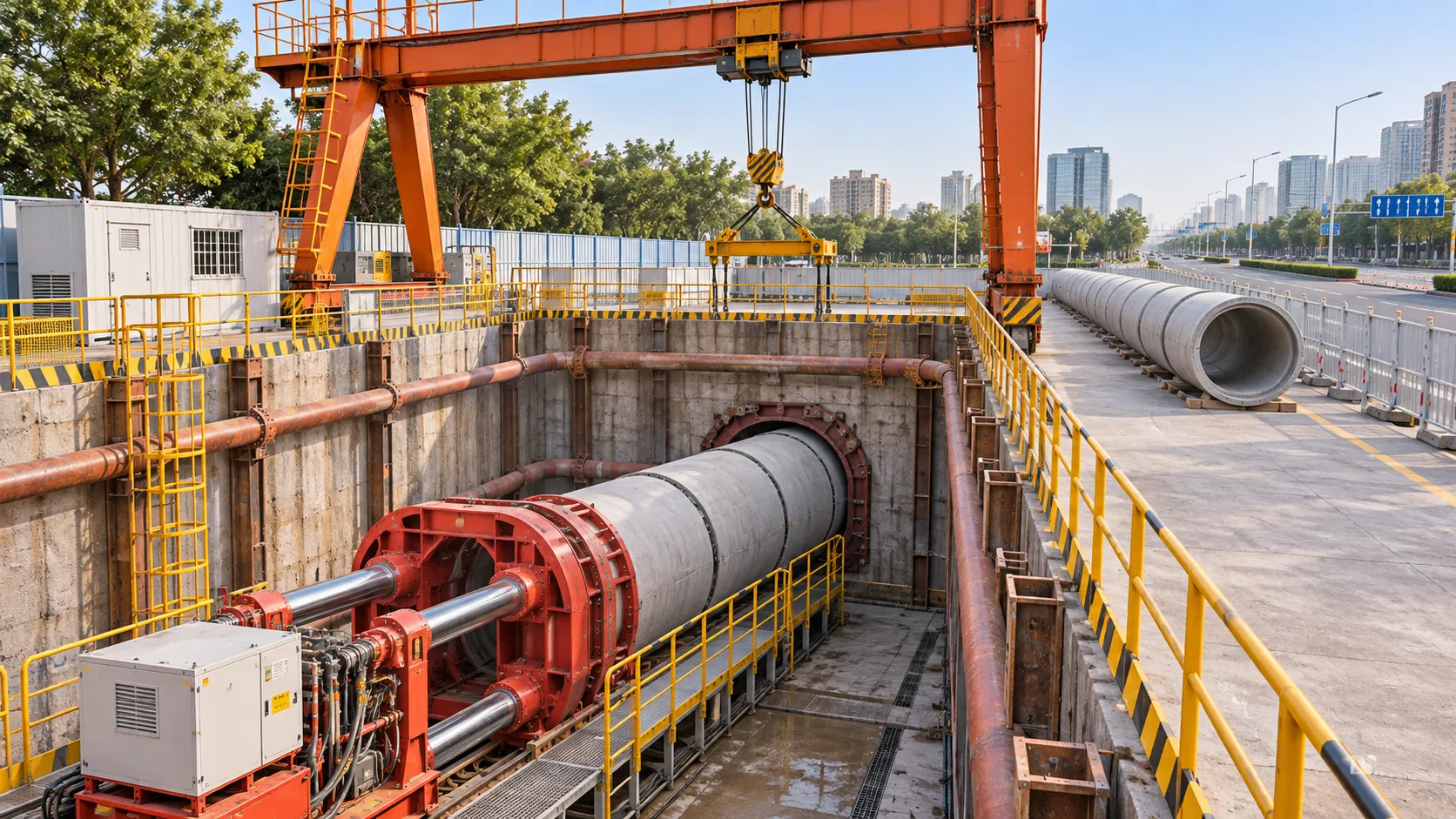
Choosing a Trenchless Pipeline Installation Contractor: Key Qualifications
Choose a trenchless pipeline installation contractor with confidence. Learn how to assess experience, equipment, safety, costs, and project risks before you hire.
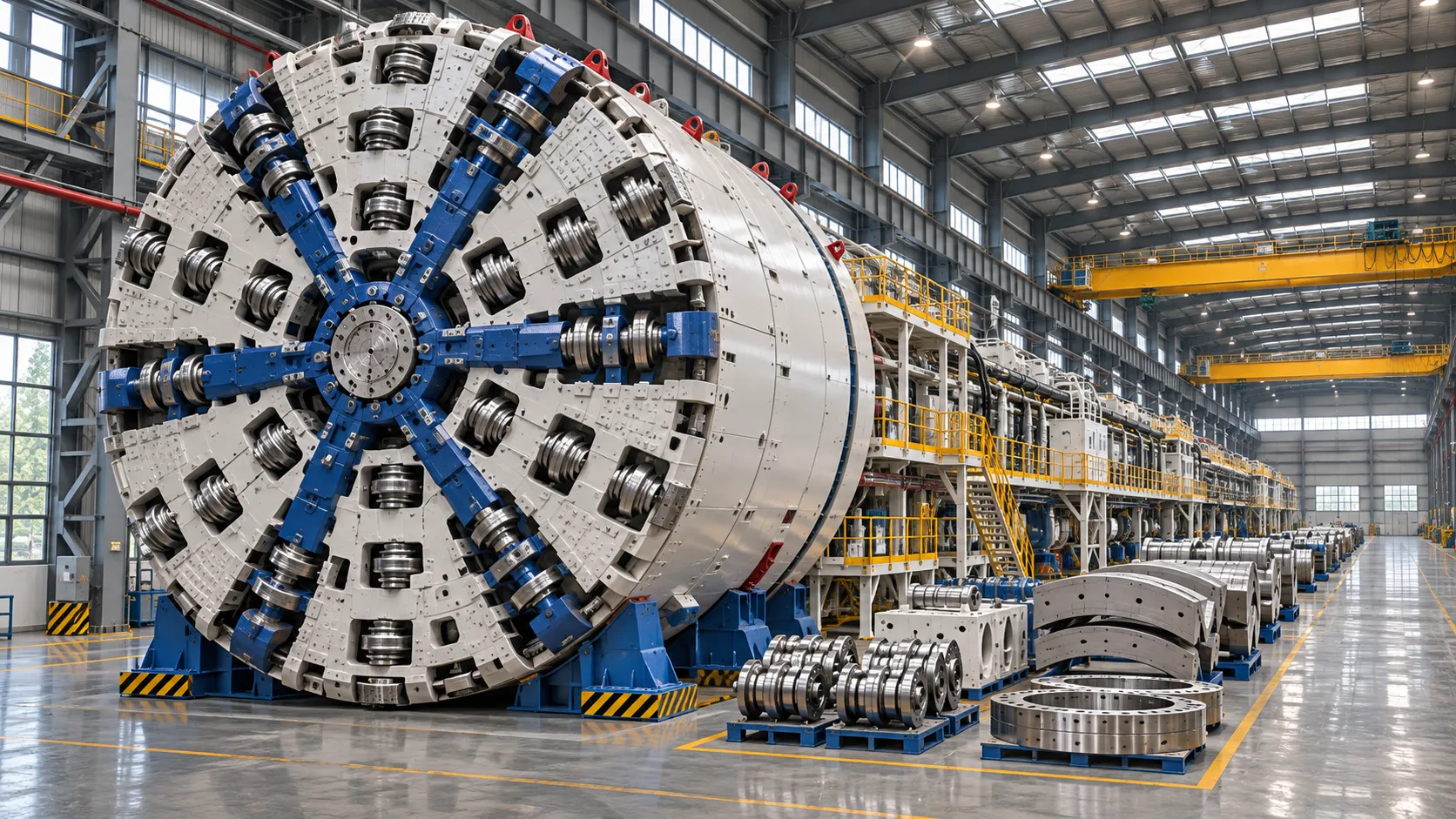
China's 70% TBM Share and Export Controls Challenge India's Local Production
China's TBM export controls could challenge India's local production and infrastructure sourcing. Explore the potential risks and procurement options.
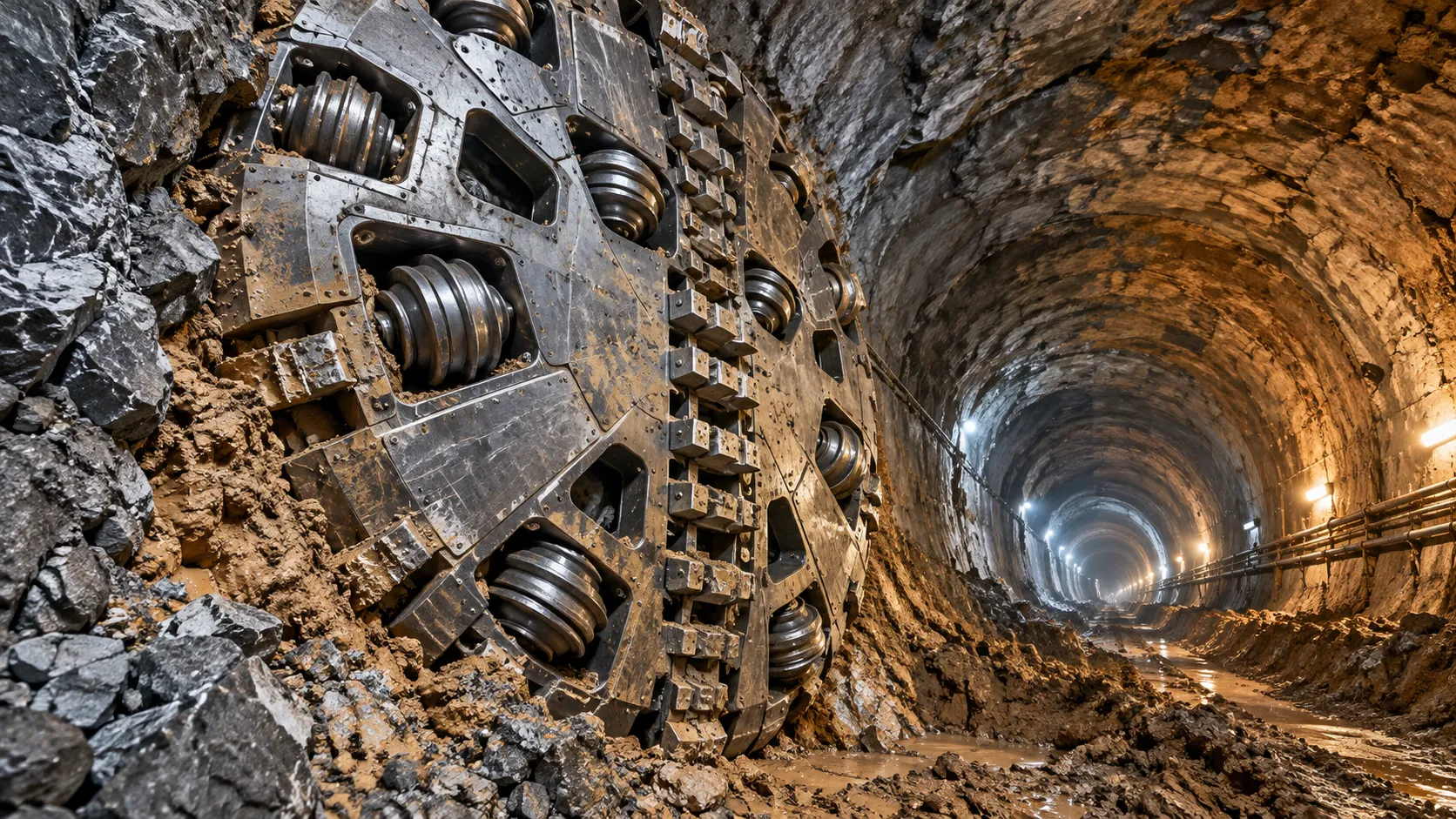
TBM Cutterheads for Mixed Ground: Selecting Cutters for Rock and Soil
Explore TBM cutterheads for mixed ground and learn how to select cutters, manage rock–soil transitions, and reduce wear, downtime, and intervention risk.
Related News
- 00
0000-00
How TBM Excavation Works in Rock and Soft Ground: A Practical Guide - 00
0000-00
Choosing a Zero-Emission Underground Equipment Supplier: What to Check - 00
0000-00
Construction Starts on Germany's Pfaffensteig Rail Tunnel, With Two TBMs Planned - 00
0000-00
How Real-Time Underground Mapping Systems Work in Tunneling - 00
0000-00
First Mechanized Tunnel Crossing Beneath the Panama Canal Completed
Weekly Insights
Stay ahead with our curated technology reports delivered every Monday.