
Choosing a Zero-Emission Underground Equipment Supplier: What to Check





A suitable zero emission underground equipment supplier should be able to demonstrate that its machines, energy system and support arrangements can meet the duty cycle of a specific operation. A competitive purchase price matters, but it has limited value if charging interrupts production, the machine cannot complete a full shift, or a battery fault leaves the fleet waiting for specialist support.
Start with the work the equipment must perform, then compare suppliers on a common operating scenario and a common cost boundary. Give particular weight to energy availability, underground safety, service response and the evidence behind performance claims. A supplier with a higher initial quotation may still offer the lower-cost option, but only if its assumptions and commitments hold up under scrutiny.
Define the duty before comparing equipment
Underground equipment covers very different jobs. A battery-electric LHD repeatedly loading and hauling ore faces a different energy profile from a drilling jumbo operating at a face with access to a site power supply. A tunnelling project may have a fixed route and defined construction period, while a mine may need equipment to move between levels as production advances. Suppliers should price and size their offers against the same operational brief.
For a mobile machine, provide the expected payload, haul distance, gradients, road conditions, loading and dumping times, shift pattern and utilisation target. Include constraints such as ramp dimensions, turning space, ground clearance and transport through shafts or declines. For drilling or tunnelling equipment, describe the power demand, location of the work face, cable management constraints and planned sequence of operations.
Ask each supplier to show how its proposed machine performs across the full cycle, including travel, auxiliary loads, waiting time and any battery cooling or conditioning. Rated battery capacity alone does not establish usable shift time. Similarly, a quoted payload may depend on material density, bucket selection and the geometry of the loading area.
Regenerative braking can recover energy on suitable downhill routes, but its contribution depends on the route, load direction, battery condition and operating controls. Treat it as an input to the supplier’s duty-cycle calculation, not as a guaranteed saving. Where the production plan includes unusually steep ramps, long queues or extended tramming, request a separate assessment for those conditions.
Also define what “zero emission” means in the procurement. A battery-electric machine has no diesel exhaust at the point of use, but electricity generation, backup power, battery production and other project activities can still produce emissions. If the purchasing objective includes broader emissions accounting, specify the boundary and the evidence suppliers must provide.
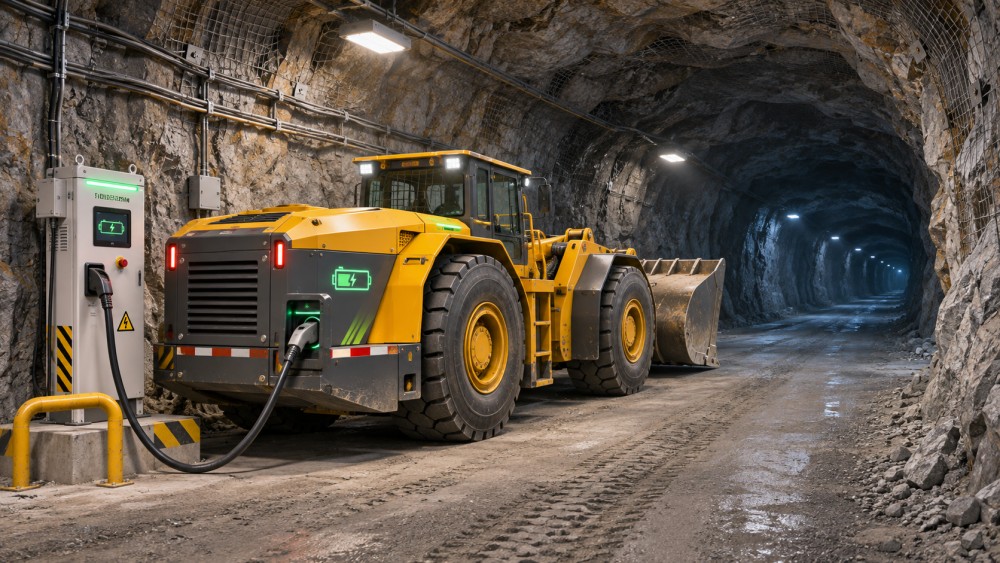
Check whether the energy system can support production
A supplier’s equipment offer is incomplete until the charging or battery-swapping arrangement has been matched to the mine or tunnel schedule. Request a layout and operating sequence showing where energy is supplied, how vehicles reach the location, how long they occupy it and what happens when several machines need service at the same time.
For charging, establish the available electrical capacity at the proposed connection point, the work needed to deliver it underground, and responsibility for switchgear, protection, cabling, ventilation and installation. A charger’s rated output does not by itself establish the charging time a vehicle will achieve throughout a session. Ask for the expected charging profile under the proposed operating and environmental conditions.
For battery swapping, assess the whole process: the number of batteries required, the handling equipment, space around the machine, inspection procedures, storage arrangements and charging capacity for spare packs. A quick exchange at the vehicle does not eliminate the time and infrastructure needed to recharge and maintain the removed battery. Clarify who owns the spare packs and how pack availability will be maintained.
Site power interruptions deserve a separate discussion. Ask which functions remain available during an outage, how machines can be recovered, and whether the production plan relies on backup generation. If backup equipment uses fuel, account for its emissions and operating costs within the project’s stated boundary.
The ventilation assessment should be site-specific. Removing diesel exhaust from a machine can change contaminant and heat loads, but it does not remove the need to manage dust, blasting gases, heat, oxygen and other hazards. Any proposed ventilation saving should be assessed against the mine’s full ventilation plan and applicable requirements, rather than accepted as a standard benefit of electrification.
Test safety claims against the operating environment
Ask suppliers to explain how electrical and battery hazards are controlled through normal operation, maintenance, damage, transport and emergency response. The review should cover battery isolation, electrical protection, fault detection, thermal management and the procedures for a damaged or overheating battery. Request documentation that site safety and emergency teams can use, not just a statement that the machine meets a standard.
The appropriate approvals depend on the jurisdiction, equipment and operating environment. Where a mine has hazardous or potentially explosive atmospheres, confirm early whether the proposed machine and its charging or swapping arrangements are permitted for the relevant areas. A general industrial certification should not be assumed to cover every underground use.
Environmental limits matter as well. Water ingress, dust, corrosion, vibration and restricted access can affect connectors, enclosures and maintenance tasks. Have the supplier identify the conditions for which the equipment is designed and any operating restrictions. Review how crews will isolate energy and reach components safely in a confined heading.
Remote operation or automation can alter the risk profile, but it does not remove the need for a site-specific assessment. Establish the communications coverage required, the machine’s response to a lost connection, and the responsibilities of the supplier and operator for access control, monitoring and updates. Do not base a production commitment on a feature that depends on connectivity or integration work outside the quoted scope.
Compare total cost on the same assumptions
Request a total cost of ownership calculation for the intended contract period or equipment life. Suppliers may use different utilisation rates, electricity prices, maintenance intervals or battery replacement assumptions; those differences can make two estimates look comparable when they are not. The procurement team should set common inputs and ask each bidder to identify its own deviations.
Separate supplier commitments from modelling assumptions. A forecast battery life is not the same as a warranty, and a projected residual value is not necessarily a buyback offer. Check how the warranty defines capacity loss, eligible operating conditions, remedies, exclusions and responsibility for diagnosis and transport. The same care applies to availability figures: establish whether they are targets, contractual guarantees or estimates, and how planned maintenance, infrastructure failures and operator delays are counted.
Run at least one sensitivity analysis around the inputs most likely to change the ranking. For a high-utilisation LHD, this might be battery replacement timing and productive hours per shift. For a short tunnelling contract, the cost and lead time of electrical infrastructure may matter more than a small difference in energy consumption. The aim is to identify which supplier remains viable when the operation departs from the base case.
Make service capability part of the award decision
Underground support is a practical constraint, particularly when equipment relies on high-voltage components or proprietary diagnostics. Ask where qualified technicians and critical parts are located, what work site personnel may perform, and which faults require remote or on-site supplier intervention. A regional service address is less useful than a defined response process, an escalation contact and a list of parts available for the proposed fleet.
Review access to diagnostic tools, software updates and operational data. Establish whether subscriptions are required, who can view and export machine data, and what happens to support if connectivity is unavailable. For a mixed fleet, identify any interfaces or integration work needed before assuming that machines, chargers and site systems will exchange information.
The contract should align delivery and commissioning with infrastructure readiness. Allocate responsibility for installation, electrical testing, operator training, acceptance testing and correction of defects. Agree how the machine will be tested against the specified duty, what evidence will be recorded, and what happens if it fails to meet an acceptance criterion. Avoid relying on a single headline production rate without defining the conditions under which it will be measured.
Before selecting a supplier, bring operations, maintenance, electrical engineering, safety and finance into the final comparison. The preferred bid should have a credible duty-cycle calculation, an executable energy plan and support commitments that match the site’s production requirements. Where a material assumption remains unresolved, price the exposure or make its resolution a condition of award.
Related News
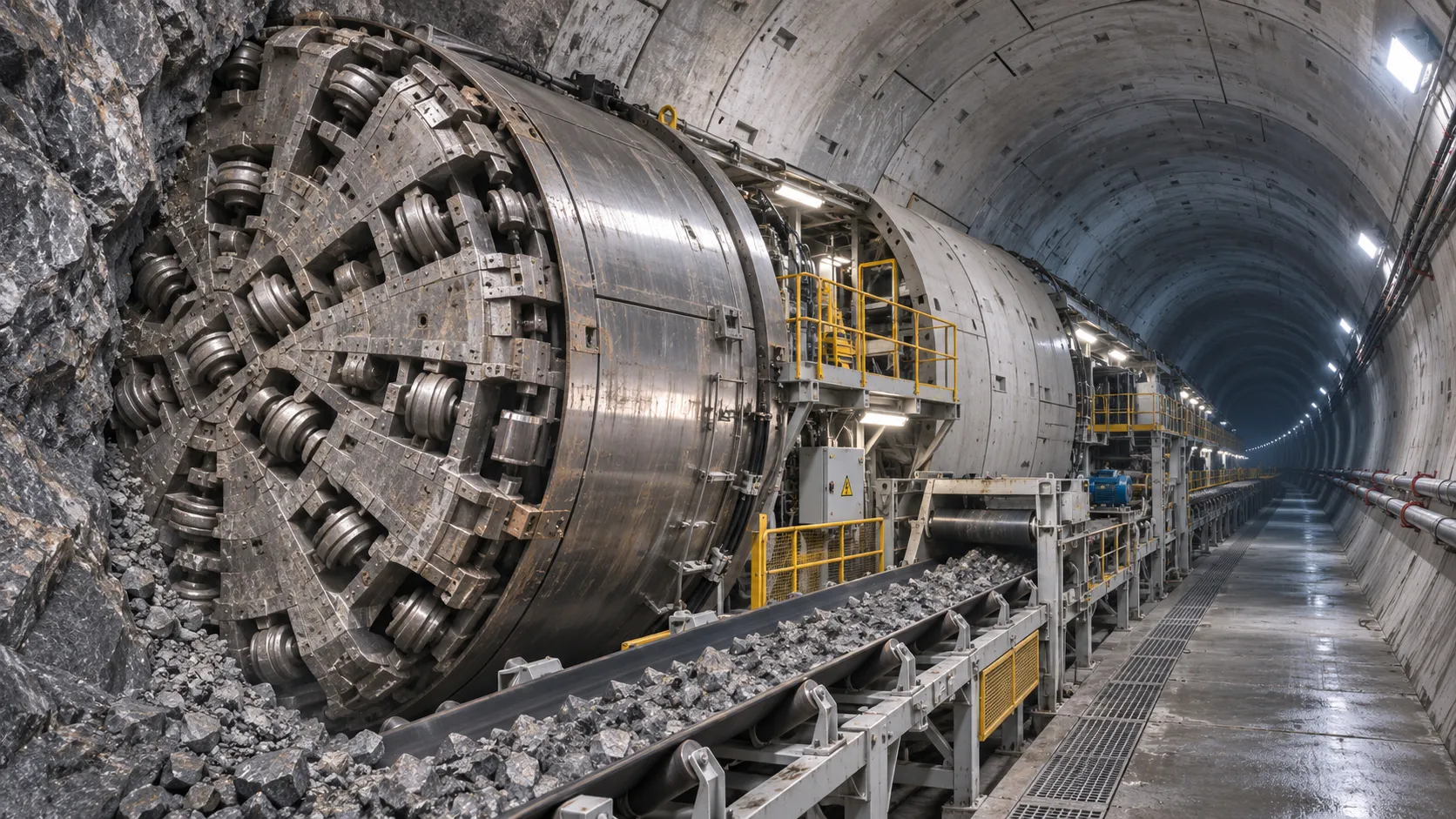
How TBM Excavation Works in Rock and Soft Ground: A Practical Guide
TBM Excavation in rock and soft ground explained: compare machine types, ground support, spoil removal, and the factors that guide smarter project planning.
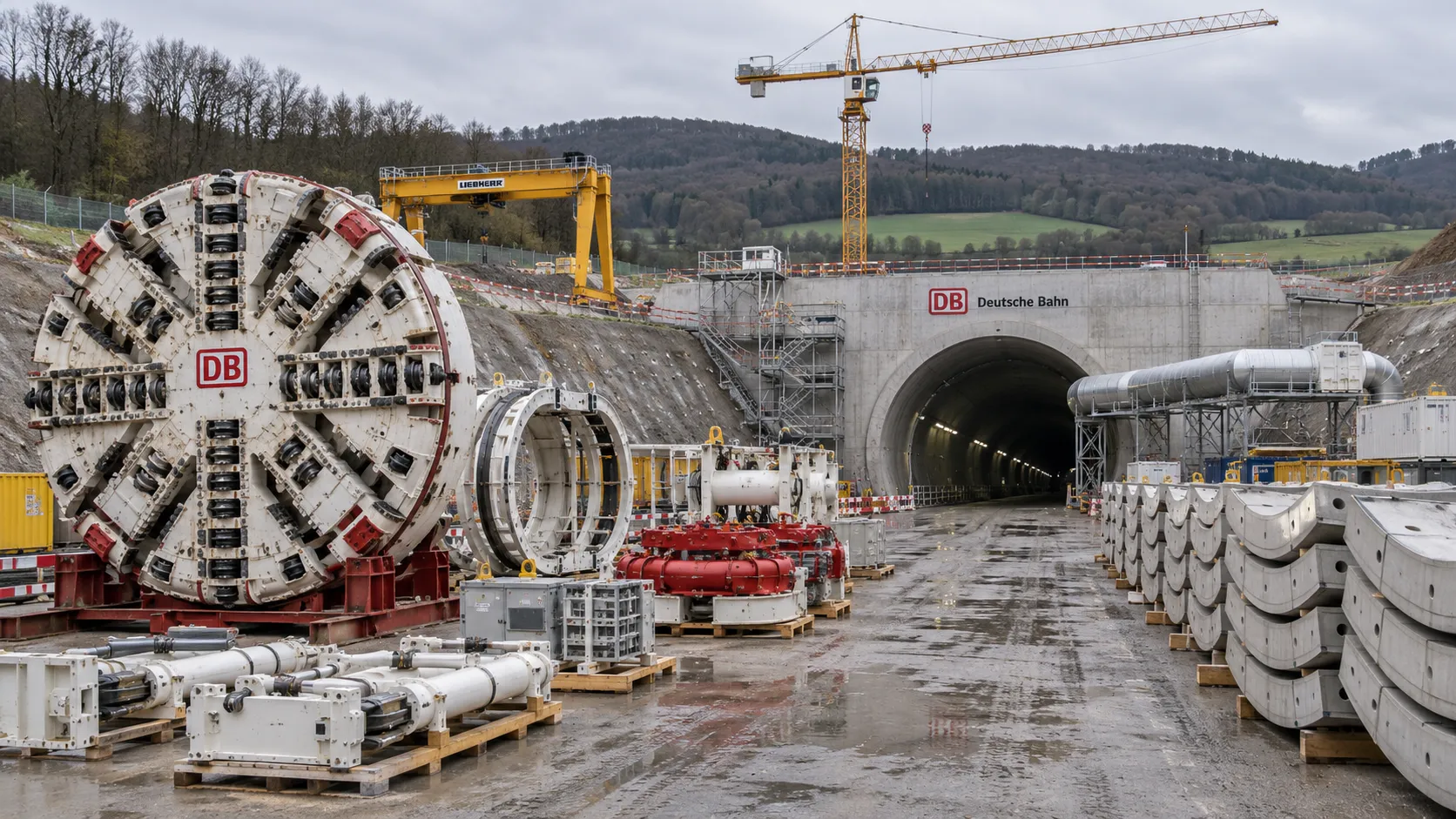
Construction Starts on Germany's Pfaffensteig Rail Tunnel, With Two TBMs Planned
Pfaffensteig rail tunnel construction is underway in Germany. Discover how two planned TBMs will support the 11-kilometre project near Stuttgart.
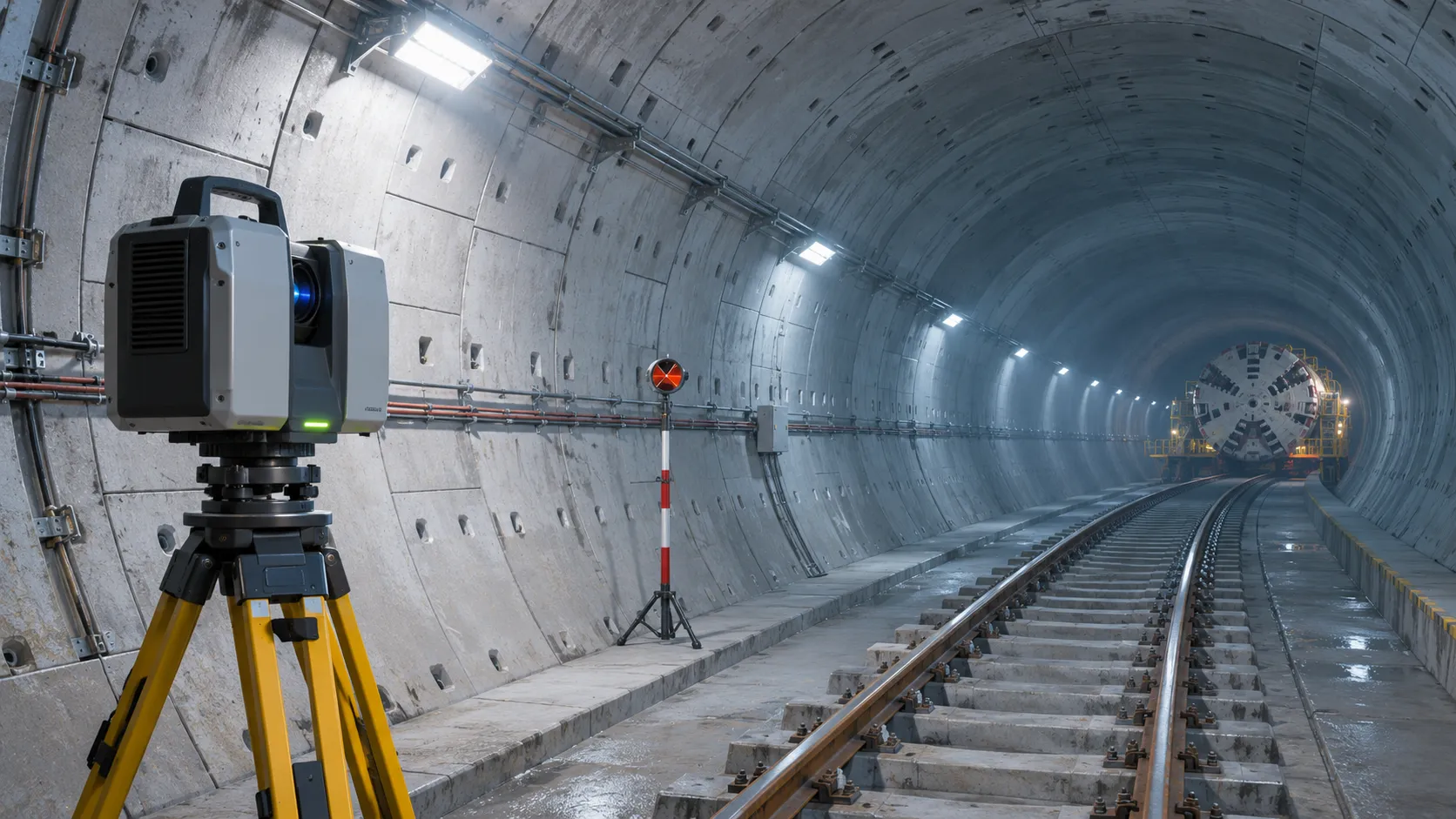
How Real-Time Underground Mapping Systems Work in Tunneling
Discover how real-time underground mapping systems guide tunneling teams, integrate sensor data, and support confident decisions with verified accuracy.
First Mechanized Tunnel Crossing Beneath the Panama Canal Completed
Panama Canal tunnel crossing: Explore the reported Metro Line 3 milestone and what it could mean for future underwater tunneling projects.
Underground Utility Construction Equipment: Choosing by Ground Conditions
Choose underground utility construction equipment with confidence. Compare trenching, HDD, microtunnelling and TBMs by ground conditions, risk and cost.
China Sets Tunnel Boring Machine Export Controls as India Pushes Local Production
China tunnel boring machine export controls could reshape procurement as India pushes local production. Explore potential supply and project impacts.
Choosing a Trenchless Pipeline Installation Contractor: Key Qualifications
Choose a trenchless pipeline installation contractor with confidence. Learn how to assess experience, equipment, safety, costs, and project risks before you hire.
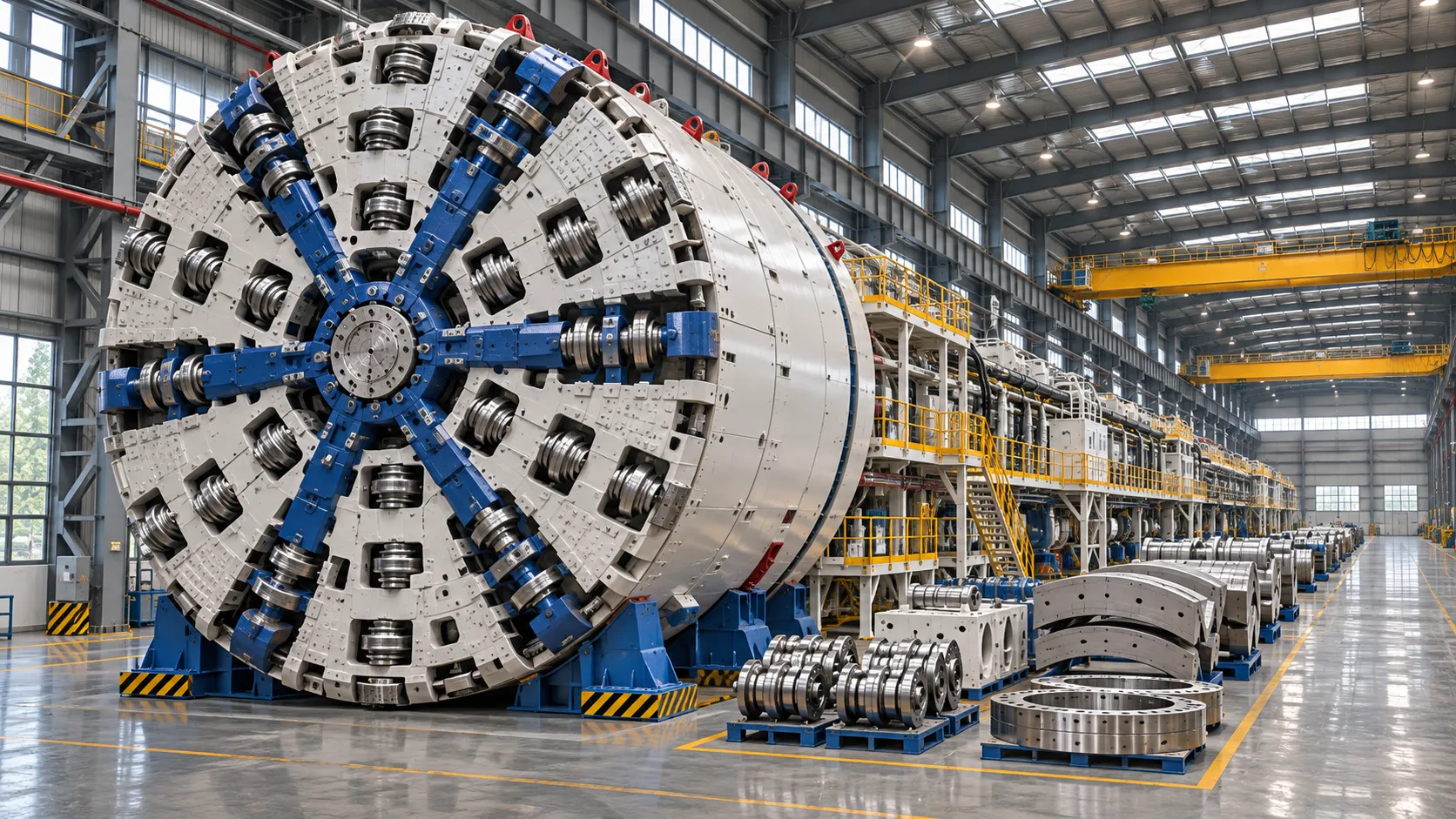
China's 70% TBM Share and Export Controls Challenge India's Local Production
China's TBM export controls could challenge India's local production and infrastructure sourcing. Explore the potential risks and procurement options.
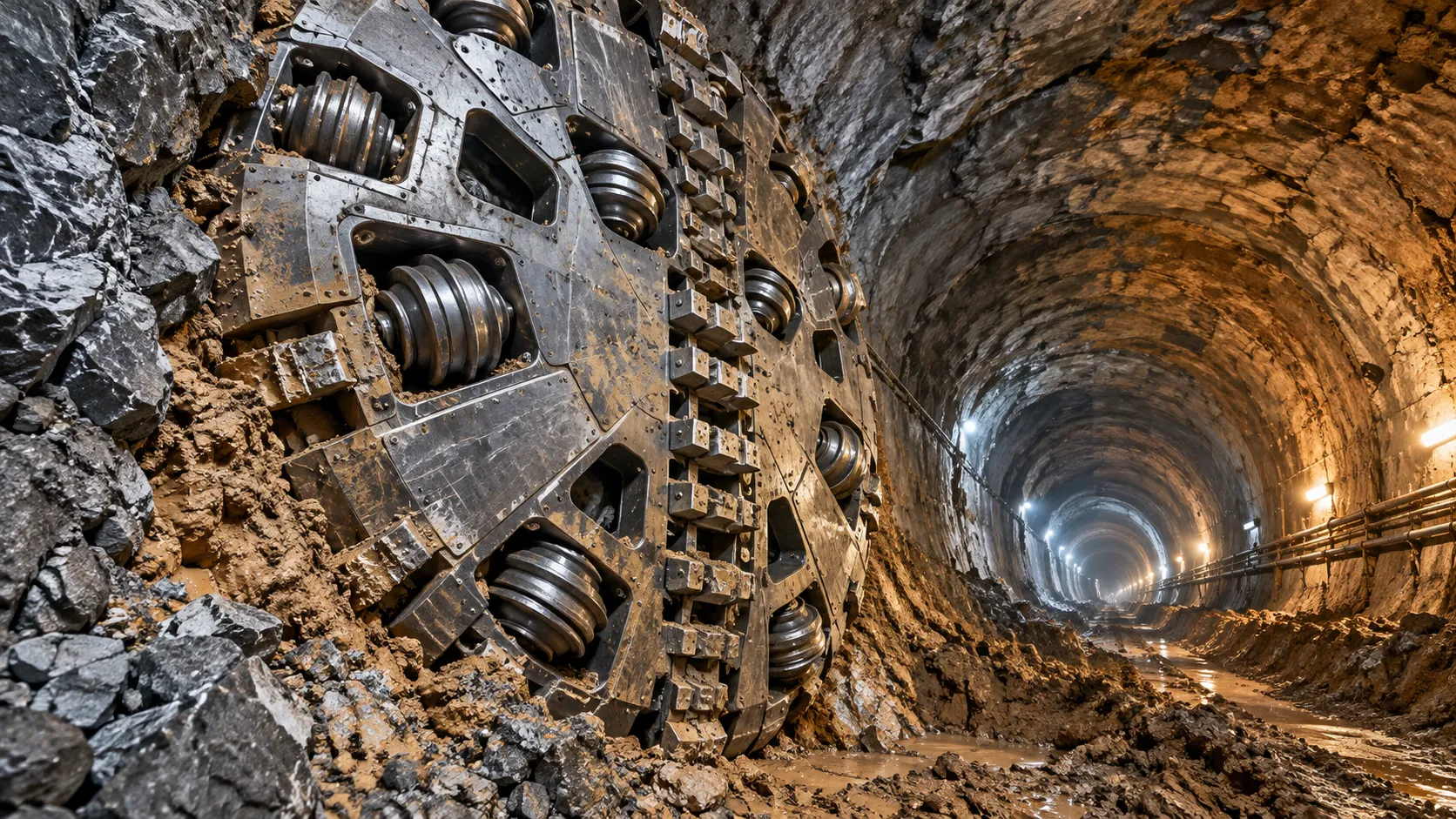
TBM Cutterheads for Mixed Ground: Selecting Cutters for Rock and Soil
Explore TBM cutterheads for mixed ground and learn how to select cutters, manage rock–soil transitions, and reduce wear, downtime, and intervention risk.
Related News
- 00
0000-00
How TBM Excavation Works in Rock and Soft Ground: A Practical Guide - 00
0000-00
Choosing a Zero-Emission Underground Equipment Supplier: What to Check - 00
0000-00
Construction Starts on Germany's Pfaffensteig Rail Tunnel, With Two TBMs Planned - 00
0000-00
How Real-Time Underground Mapping Systems Work in Tunneling - 00
0000-00
First Mechanized Tunnel Crossing Beneath the Panama Canal Completed
Weekly Insights
Stay ahead with our curated technology reports delivered every Monday.