
First Mechanized Tunnel Crossing Beneath the Panama Canal Completed





On October 26, 2026, the Panama Metro Line 3 project completed the first mechanized tunnel crossing beneath the Panama Canal. The supplied account identifies no associated change in regulation, standards or certification requirements. For contractors, equipment suppliers and buyers, the milestone is nevertheless relevant to how technical specifications and evidence of performance might be considered in future underwater tunneling projects.
Panama Shield Completes the Canal Crossing
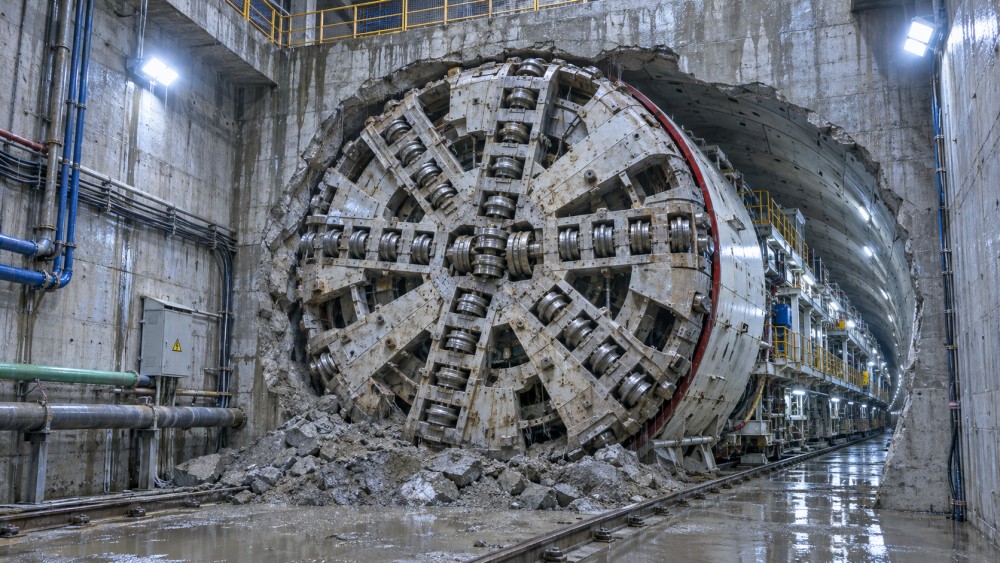
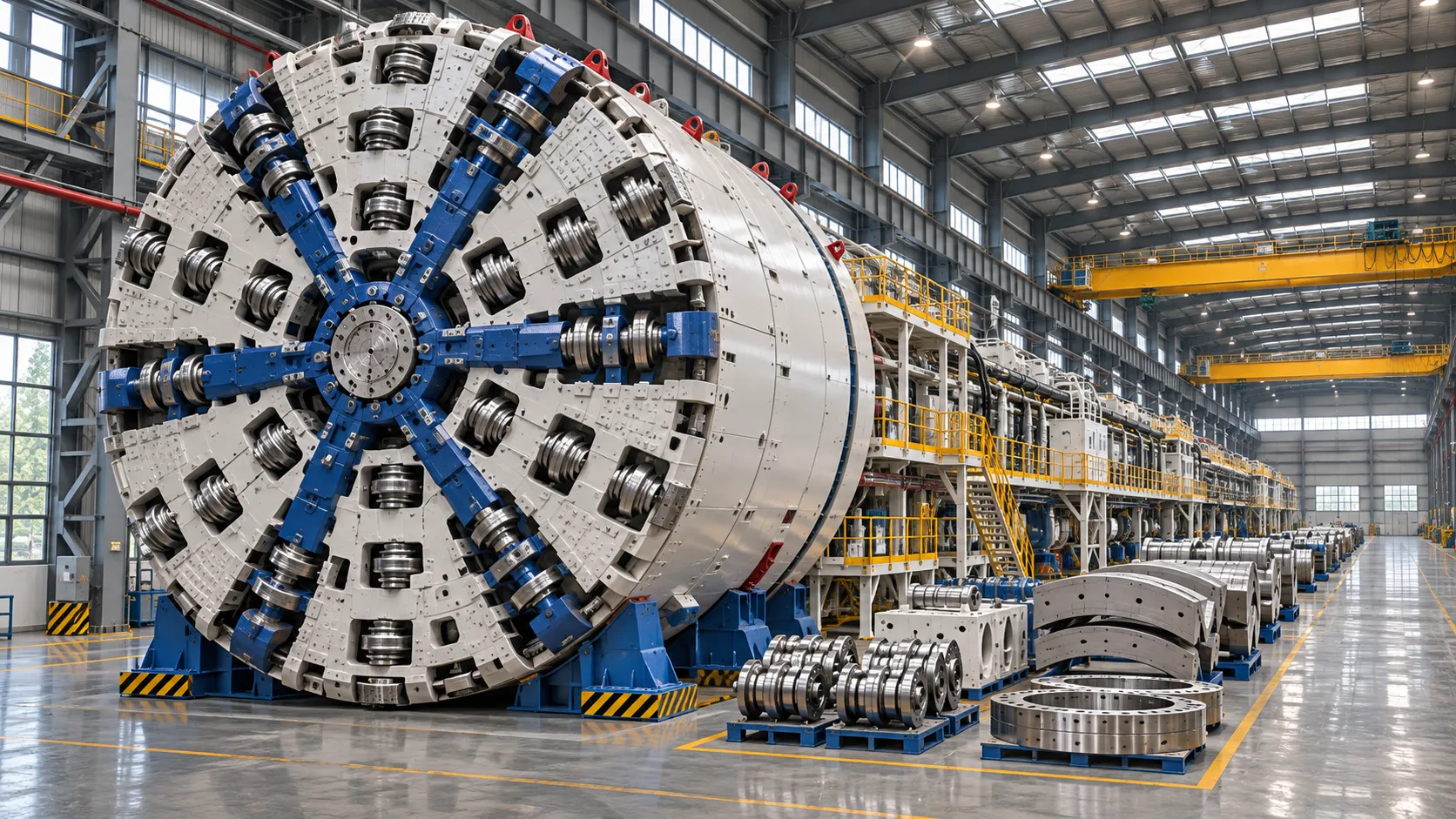
The Herrenknecht Mixshield machine named Panama, with a diameter of 13.5 meters, achieved its final breakthrough on the Panama Metro Line 3 project. The 4.5-kilometer tunnel passes more than 60 meters beneath the canal. The crossing marks the first use of mechanized tunneling beneath the waterway and an engineering milestone for large-diameter slurry shield technology under extreme water pressure and complex underwater geological conditions.
Where the Milestone May Influence Project Decisions
Contractors and Technical Bids
From an industry perspective, contractors may encounter closer scrutiny of how proposed tunneling equipment and methods address high water pressure and complex underwater geology. In future bids, the relevance of a previous project would depend on the conditions and evidence specified by the buyer. The crossing itself does not establish a new qualification requirement.
Equipment Suppliers and Integrators
Analysis suggests that suppliers and integrators may need to explain how equipment configurations suit the pressure and geological conditions described in a particular tender. Technical documentation and alignment between equipment capabilities and project specifications could become points of discussion during procurement; no change to certification rules is established by the supplied information.
Buyers and Project Delivery Teams
Buyers may use the milestone as a reason to examine how performance claims are supported when assessing proposals for comparable crossings. Any effect on procurement criteria, acceptance documentation or delivery planning remains speculative until reflected in the relevant project documents.
What to Check Before the Next Tender
Compare Site Conditions
Contractors and suppliers can assess whether a proposed crossing presents pressure and geological conditions comparable to those described for the canal tunnel. A completed crossing should not by itself be treated as proof that the same equipment configuration is suitable elsewhere.
Review the Evidence Requested
When tender documents are available, bidders can check which technical records, testing evidence and supplier qualifications are requested, and whether any stated certification requirements apply. The supplied account does not identify specific documents or certifications required for this project.
Track Specification Changes
Procurement and delivery teams can monitor future tender documents and any relevant official or standards-related publications for changes affecting equipment selection, verification or acceptance. Any proposed change should be checked against the applicable project documents before it is treated as a requirement.
A Technical Precedent, Not a New Rule
At this stage, the event is more appropriately understood as an engineering milestone with potential relevance to future procurement, not as a confirmed regulatory change or execution signal. Whether buyers incorporate lessons from the crossing into specifications, qualification criteria or acceptance procedures remains an open question. Subsequent tender language and industry feedback would help establish whether practices have changed.
Implications for Future Crossings
The reported breakthrough provides a reference point for discussions of large-diameter slurry shield tunneling beneath a waterway under demanding conditions. Businesses can monitor how comparable projects define their technical and documentary requirements while continuing to assess each crossing on its own conditions. The available information does not support a conclusion that market access, certification or delivery obligations have changed.
Basis for This Report and Further Verification
This article is based on the title, event date and summary supplied by the user. No specific official source link was provided in the input, and the account requires continued verification. Relevant material to monitor may include official announcements, standards organization documents, future tender documents and industry feedback, particularly for any subsequent changes in technical specifications or certification practice.
Related News
How TBM Excavation Works in Rock and Soft Ground: A Practical Guide
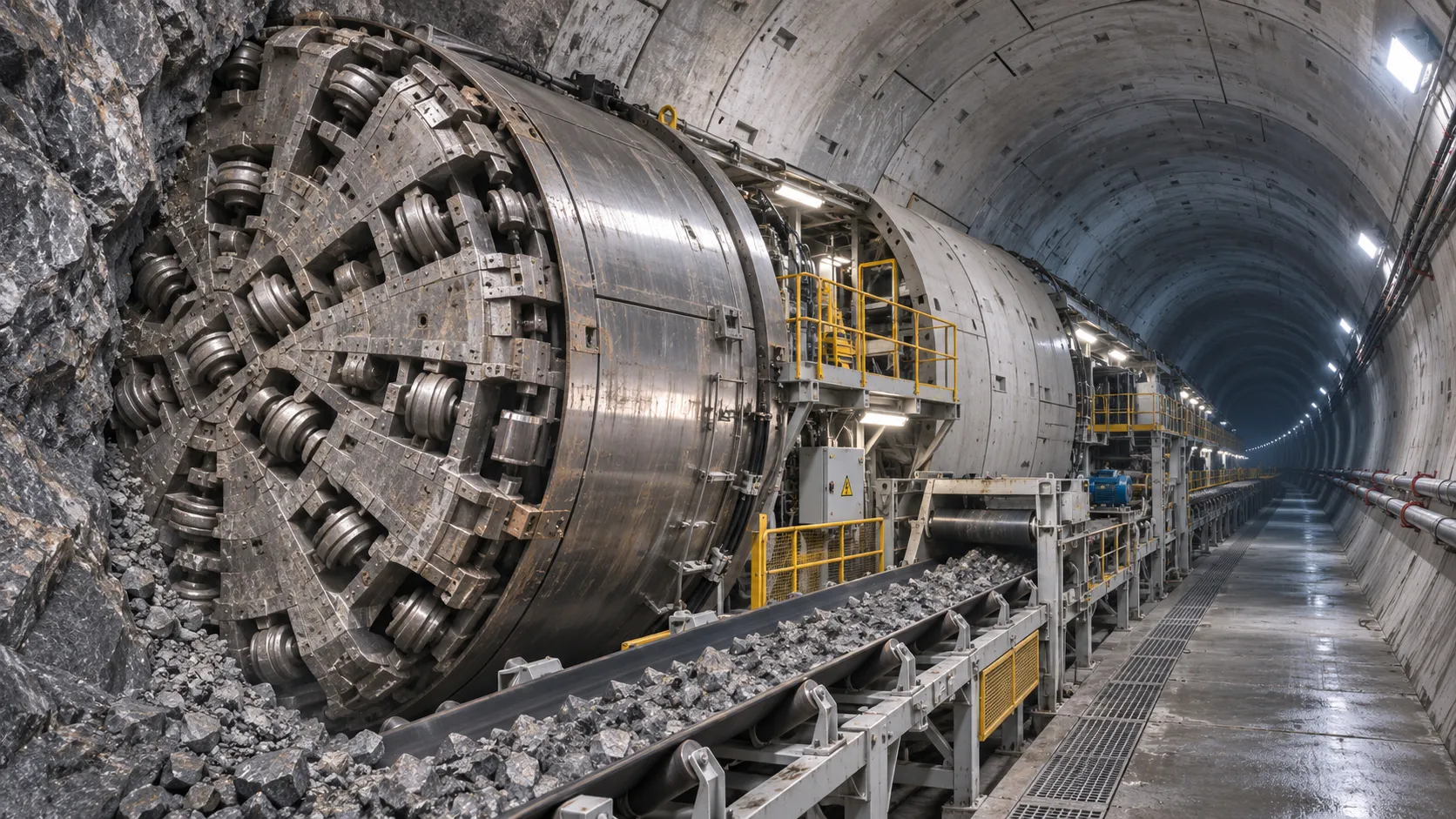
TBM Excavation in rock and soft ground explained: compare machine types, ground support, spoil removal, and the factors that guide smarter project planning.
Choosing a Zero-Emission Underground Equipment Supplier: What to Check
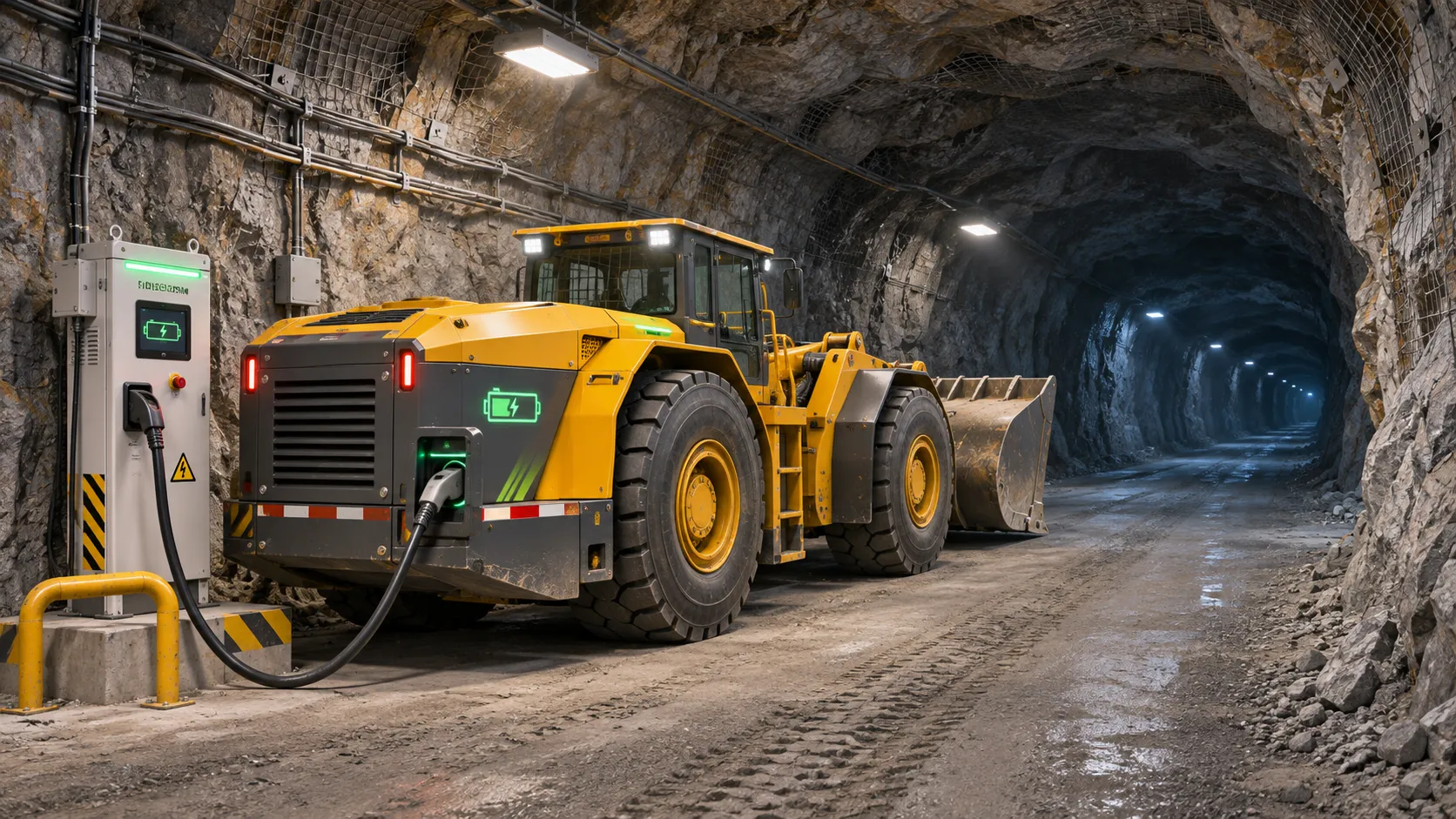
Choosing a zero emission underground equipment supplier? Compare duty-cycle performance, charging, safety, total costs and support before you commit.
Construction Starts on Germany's Pfaffensteig Rail Tunnel, With Two TBMs Planned
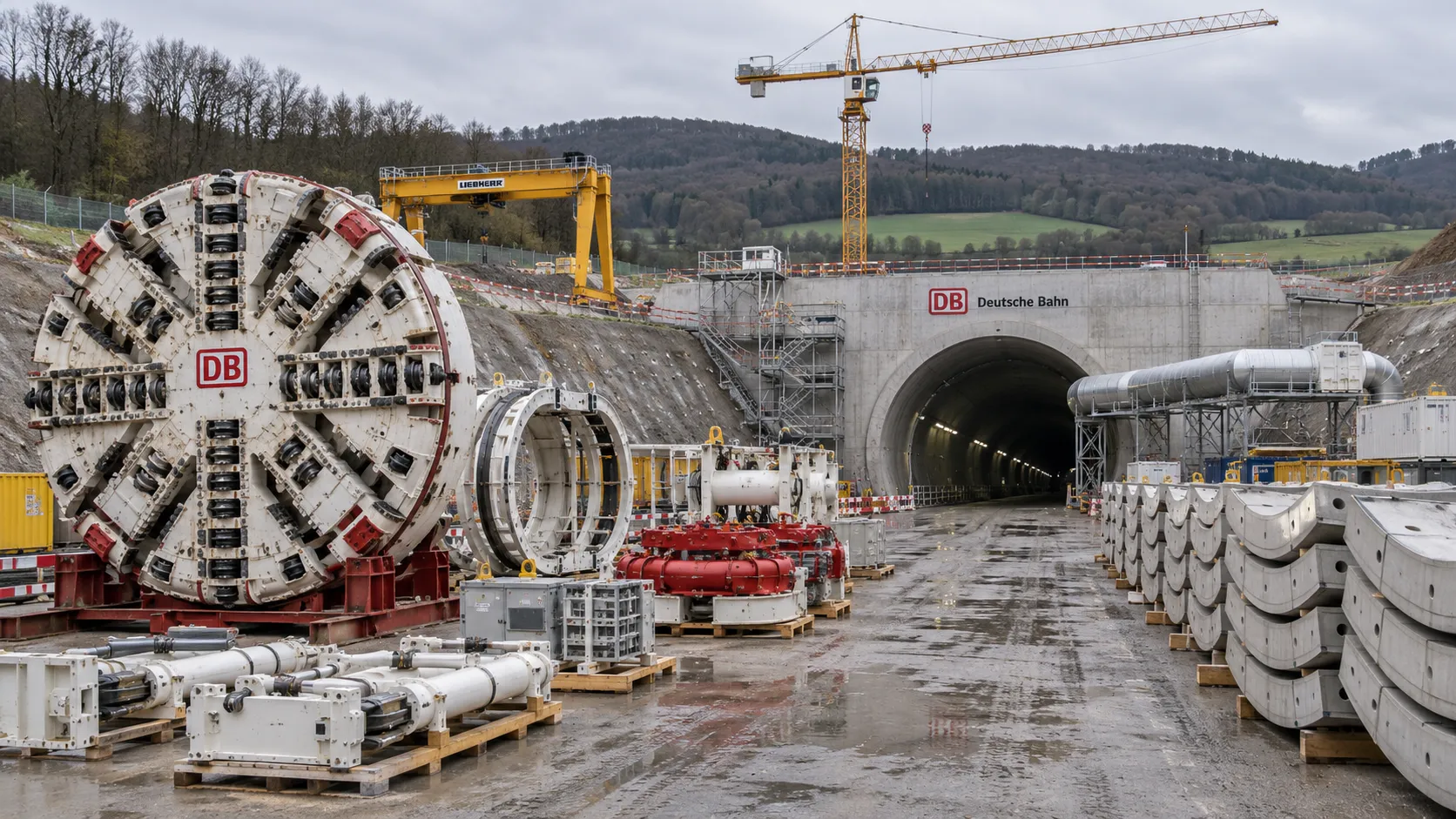
Pfaffensteig rail tunnel construction is underway in Germany. Discover how two planned TBMs will support the 11-kilometre project near Stuttgart.
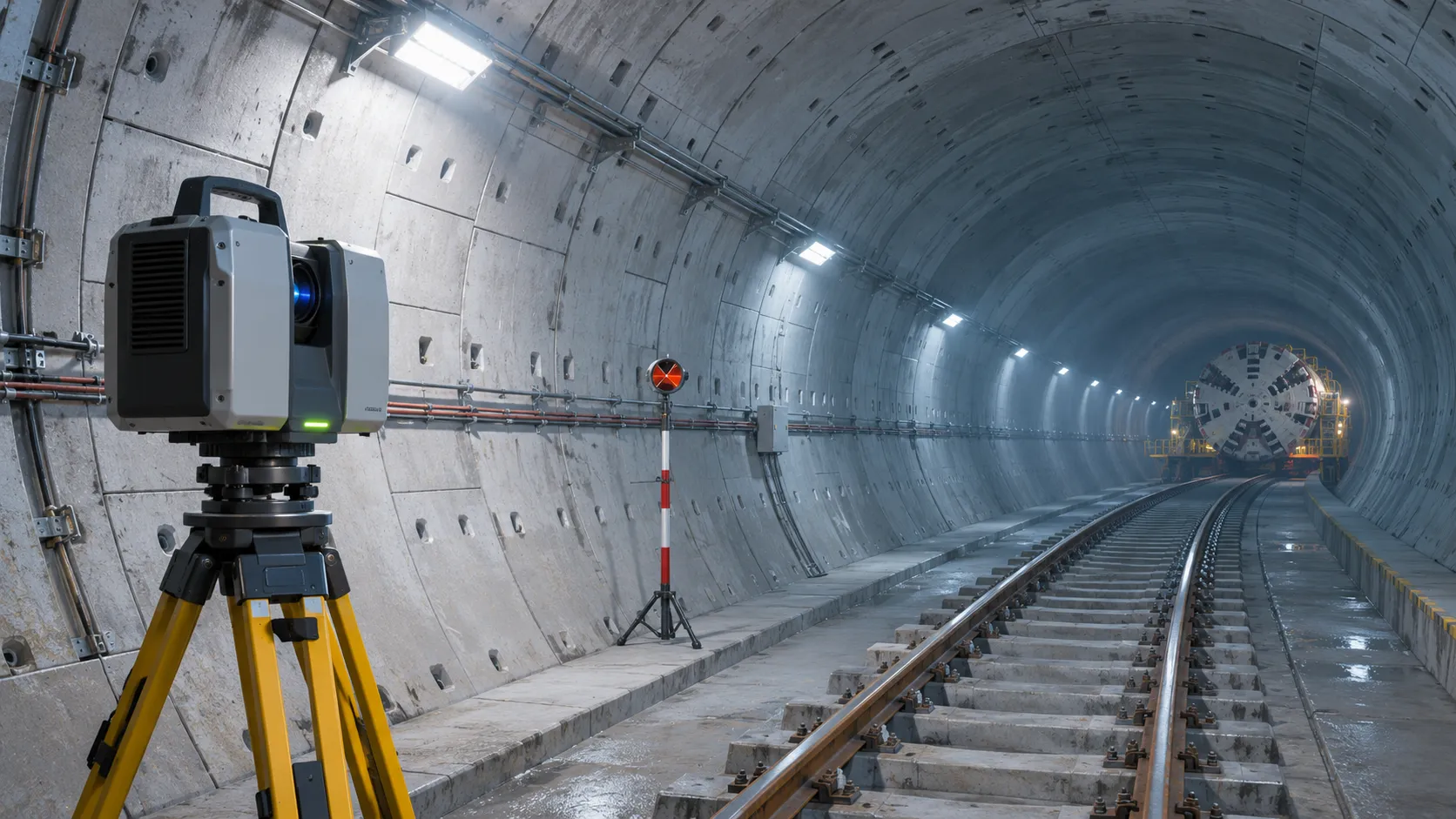
How Real-Time Underground Mapping Systems Work in Tunneling
Discover how real-time underground mapping systems guide tunneling teams, integrate sensor data, and support confident decisions with verified accuracy.
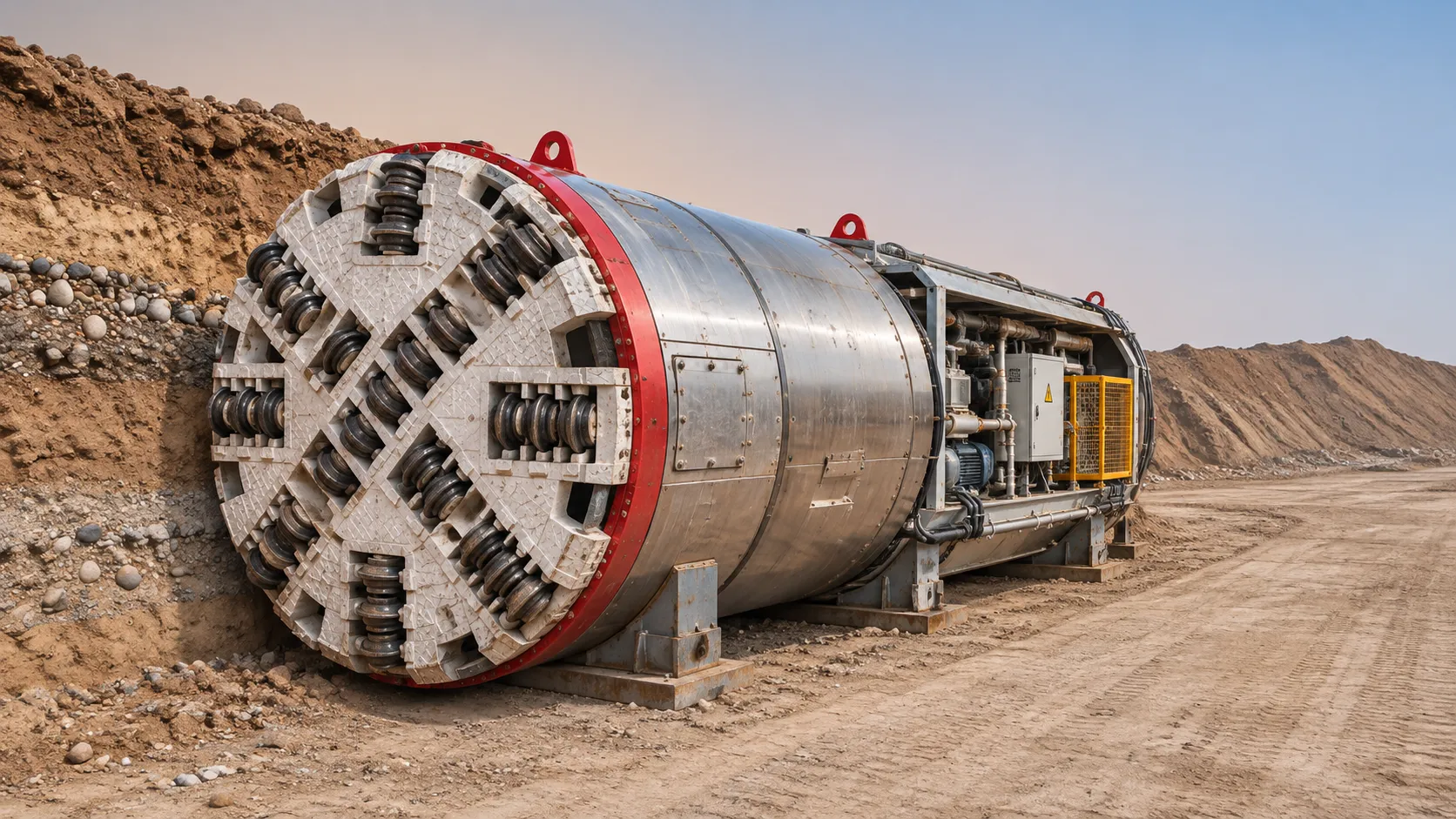
Underground Utility Construction Equipment: Choosing by Ground Conditions
Choose underground utility construction equipment with confidence. Compare trenching, HDD, microtunnelling and TBMs by ground conditions, risk and cost.
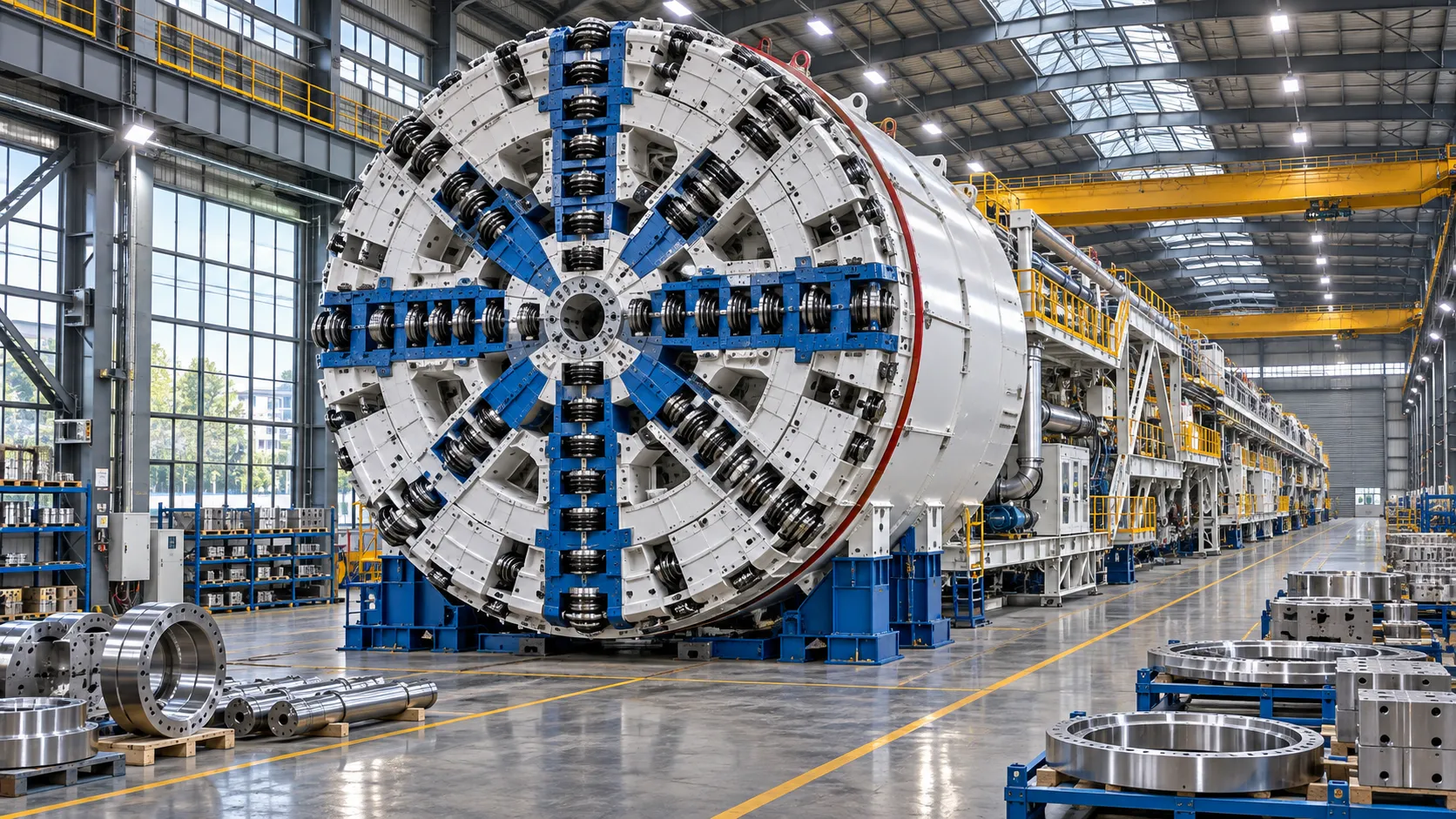
China Sets Tunnel Boring Machine Export Controls as India Pushes Local Production
China tunnel boring machine export controls could reshape procurement as India pushes local production. Explore potential supply and project impacts.
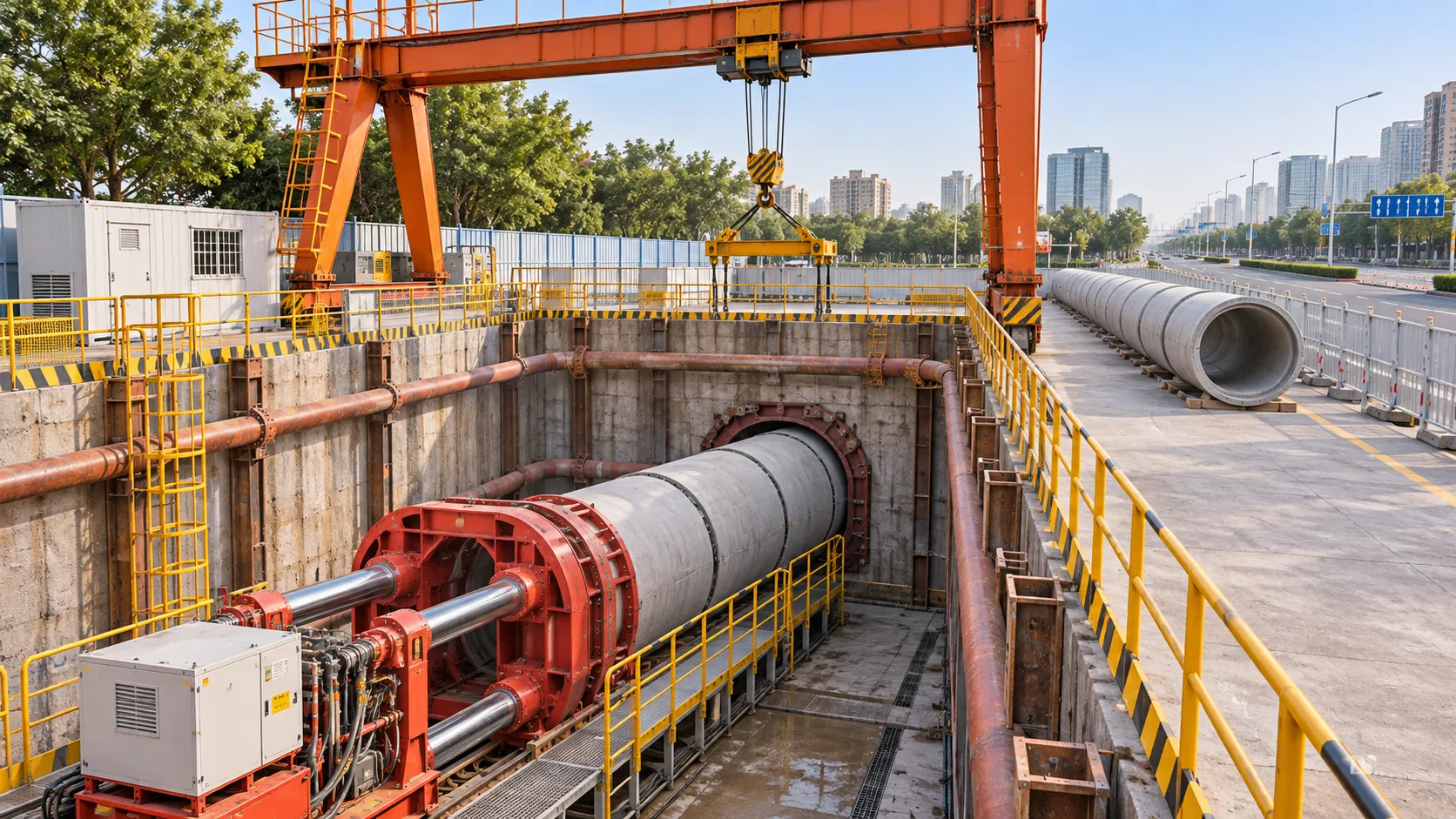
Choosing a Trenchless Pipeline Installation Contractor: Key Qualifications
Choose a trenchless pipeline installation contractor with confidence. Learn how to assess experience, equipment, safety, costs, and project risks before you hire.
China's 70% TBM Share and Export Controls Challenge India's Local Production
China's TBM export controls could challenge India's local production and infrastructure sourcing. Explore the potential risks and procurement options.
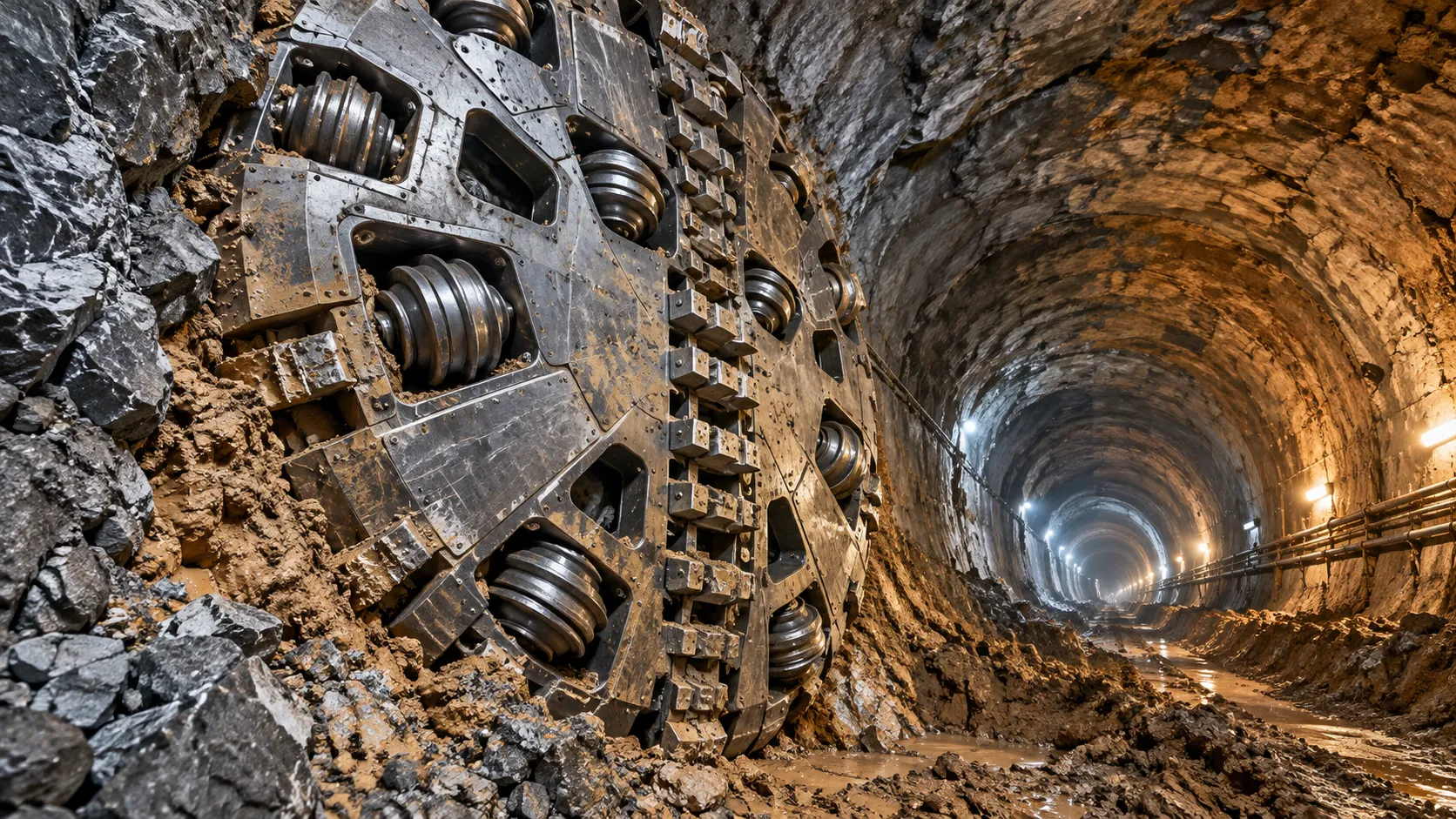
TBM Cutterheads for Mixed Ground: Selecting Cutters for Rock and Soil
Explore TBM cutterheads for mixed ground and learn how to select cutters, manage rock–soil transitions, and reduce wear, downtime, and intervention risk.
Related News
- 00
0000-00
How TBM Excavation Works in Rock and Soft Ground: A Practical Guide - 00
0000-00
Choosing a Zero-Emission Underground Equipment Supplier: What to Check - 00
0000-00
Construction Starts on Germany's Pfaffensteig Rail Tunnel, With Two TBMs Planned - 00
0000-00
How Real-Time Underground Mapping Systems Work in Tunneling - 00
0000-00
First Mechanized Tunnel Crossing Beneath the Panama Canal Completed
Weekly Insights
Stay ahead with our curated technology reports delivered every Monday.