
Choosing a Trenchless Pipeline Installation Contractor: Key Qualifications





Choosing the right trenchless pipeline installation contractor can determine whether a project stays on schedule, controls costs, and protects surrounding infrastructure. For project managers, the decision goes beyond comparing bids: ground conditions, equipment capabilities, safety practices, and experience with comparable installations all matter. This guide examines the key qualifications to look for, helping engineering leaders assess contractor competence, reduce delivery risks, and make informed decisions before work begins.
Start With the Crossing, Not the Contractor’s Equipment List
A contractor may own an impressive fleet and still be a poor fit for a particular crossing. A gravity sewer under a congested road, a pressure main beneath a river, and a utility installation through fractured rock present different problems. The selection process should begin with the constraints that cannot easily be changed: alignment, pipe diameter and material, required grade, available working space, ground conditions, groundwater, and the assets that must remain in service.
Give bidders the same baseline information, including geotechnical reports, utility records, preliminary drawings, access restrictions, and known permit conditions. Then ask each one to identify what is missing and how that uncertainty affects its proposal. A credible bidder will not simply say that difficult ground is manageable; it will explain which assumptions make the proposed method viable and what would trigger a change in approach.
Pay particular attention to the difference between information that has been verified and information inferred from old records. A borehole near a shaft may not describe conditions along the entire drive. An existing utility shown on a drawing may be deeper, shallower, or on a different alignment than expected. The contractor’s response to those gaps is often more revealing than its response to the conditions already known.
Ask Whether the Proposed Method Fits the Ground and the Pipe
Trenchless methods are not interchangeable. Horizontal directional drilling, pipe jacking, microtunnelling, auger boring, and other approaches have different requirements for access, ground control, steering, pipe installation, and spoil or drilling-fluid management. The right choice depends on the whole crossing, not just the diameter or length.
For example, a gravity pipeline with tight grade tolerances demands a convincing explanation of how line and level will be maintained and checked. A directional drill for a pressure pipeline raises different questions: How will the contractor manage the bore profile, drilling fluid, pullback loads, and the possibility of an inadvertent fluid release? For a pipe-jacked installation, ask how jacking forces, lubrication, shaft design, and reception will be managed together.
Mixed ground deserves special scrutiny. A drive that passes from soft soil into rock, or encounters isolated obstructions, may challenge a machine selected for only one material. Ask what the contractor expects at the face, what evidence supports that expectation, and whether the proposed cutting tools and intervention plan suit the range of conditions. “We have worked in rock” is less useful than an explanation of how the machine will handle the rock described in the project records.
Equipment intelligence sources such as Global Underground Tunnelling & Mining Dynamics (UTMD) can help teams understand developments in pipe jacking and full-face excavation. They are a starting point for technical questions, not a substitute for checking the proposed machine against the actual ground and installation requirements.
Verify Comparable Experience at the Level of the Crew
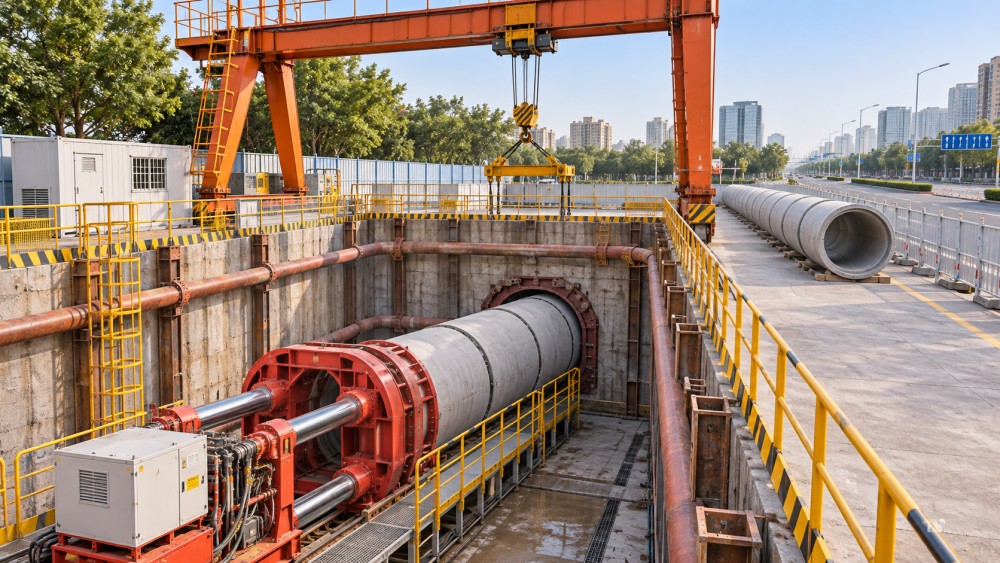
A list of completed projects is useful only if you know what the contractor actually did on them. Ask for references involving similar ground, installation method, pipe type, tolerances, and surrounding constraints. A shorter drive beneath sensitive utilities may be more relevant than a longer drive across open land.
Clarify whether the company was the principal contractor, a specialist subcontractor, or an equipment supplier. Find out which proposed personnel worked on the referenced projects and whether the superintendent, machine operator, survey lead, and key subcontractors will be available for your work. Corporate experience does not automatically transfer to a newly assembled crew.
When speaking with references, move beyond “Would you hire them again?” Ask how the team communicated when conditions differed from the investigation, how quickly it escalated problems, and whether records were complete enough to resolve disputes. Also ask what work was excluded from the original scope. Those answers often explain why one bid looks more attractive than another.
Examine the Execution Plan Where Delays Usually Begin
A reliable execution plan connects the underground drive to everything needed to start and finish it. Shaft construction, dewatering, utility protection, traffic arrangements, spoil handling, pipe delivery, survey control, and reinstatement can become critical even when the boring equipment itself is capable.
For a pipe-jacking scheme, review the launch and reception arrangements alongside the machine proposal. Is there enough room for the jacking frame, pipe storage, lifting operations, and spoil removal? Has the bidder accounted for the reaction structure and the loads it must resist? Who designs and installs temporary works, and who approves changes if site conditions differ from the assumptions?
For a directional drilling scheme, check whether entry and exit areas accommodate the rig, pipe stringing or fabrication, and fluid handling. A route that looks feasible on a plan can become difficult when actual access, nearby operations, or property boundaries restrict the work area.
The schedule should show these dependencies rather than a single bar labelled “trenchless installation.” Look for procurement lead times, permit interfaces, survey hold points, expected handovers, and a realistic sequence for testing and reinstatement. Ask what happens if the drive stops: which components can be repaired on site, where critical spares will come from, and when specialist support can reach the project. A backup plan is valuable only if its equipment, people, and access are actually available.
Treat Safety and Surface Protection as Technical Qualifications
Trenchless construction reduces the need for continuous surface excavation; it does not eliminate surface or underground risk. The contractor should present a site-specific approach to utility verification, excavation and shaft safety, lifting, plant movement, groundwater, and emergency response. Where workers enter confined spaces, the plan should address the applicable entry, atmospheric monitoring, ventilation, rescue, and supervision requirements for the jurisdiction and site.
Around buildings, roads, railways, and buried services, ask how the contractor will monitor the effects of construction and who has authority to stop work. Instrument locations, baseline readings, monitoring frequency, and response thresholds should be developed with the designer, asset owners, and other relevant parties. A monitoring plan without an agreed response is merely a record of what happened.
Environmental controls should be equally specific. Depending on the method and location, these may include drilling-fluid containment, spoil classification and disposal, water discharge arrangements, noise controls, and an inadvertent-return response. Confirm who obtains each approval and which conditions are already known. Do not assume that the contractor’s standard procedure covers a particular waterway crossing or contaminated site.
Compare Bids by Risk Allocation, Not Headline Price
Before ranking prices, prepare a scope comparison. One contractor may include shafts, survey, disposal, testing, and reinstatement; another may price only the drive. A low initial figure can also rely on optimistic assumptions about obstruction removal, groundwater control, working hours, or the availability of a clear site.
Ask bidders to state their assumptions and exclusions in a common format. The following distinctions are especially useful during clarification:
- Ground risk: Which conditions are included in the price, and what evidence would support a change request?
- Obstructions and intervention: What investigation, retrieval, repair, or alternate construction work is included?
- Temporary works: Who is responsible for design, installation, inspection, and removal?
- Interfaces: Who supplies pipe, confirms delivery dates, coordinates utility owners, and obtains access?
- Completion: Are testing, inspection records, as-built information, cleanup, and surface reinstatement included?
A risk placed on the contractor is not necessarily a risk removed from the project. If a bidder cannot reasonably assess an unknown condition, transferring it entirely through contract language may simply encourage a larger contingency, a qualification, or a dispute later. Consider whether additional investigation or a defined change mechanism would provide a better basis for pricing. Have commercial and legal advisers review the allocation against the project’s contract and local requirements.
Check How Quality Will Be Demonstrated
The finished pipeline is largely hidden, so quality depends on evidence collected during installation. Request a sample inspection and test plan rather than a generic quality statement. It should identify acceptance criteria, responsible parties, required hold points, and the records the owner will receive.
Depending on the installation, useful records may include survey results, machine position, jacking or pullback loads, relevant fluid data, pipe identification, joint inspections, and any departures from the approved plan. Confirm the proposed final testing and inspection against the pipeline specification and applicable local requirements. For gravity systems, grade and alignment deserve particular attention; for pressure systems, the pipe supplier’s installation limits and specified pressure testing matter.
Ask who reviews data during the drive, not just who files it afterward. If readings suggest a developing deviation or an unexpected increase in resistance, the project needs a person empowered to interpret them and act. Data logging is not the same as construction control.
Make the Final Decision With the Key People in the Room
Before award, hold a technical clarification meeting with the proposed project manager, superintendent, and specialist leads. Walk through the crossing from site handover to acceptance. Present one or two plausible deviations from the ground report and ask how the team would respond, whom it would notify, and what information it would need before restarting. This is not a test of whether anyone can predict the ground; it is a test of whether the team can make controlled decisions under uncertainty.
Then check that the proposal, schedule, exclusions, and contract describe the same job. If the preferred contractor cannot explain a critical assumption, identify the responsible person, or show how a difficult intervention would be managed, resolve that gap before relying on its price. The strongest choice is the team whose method and people fit the crossing—and whose plan remains credible when the ground does not behave exactly as expected.
Related News
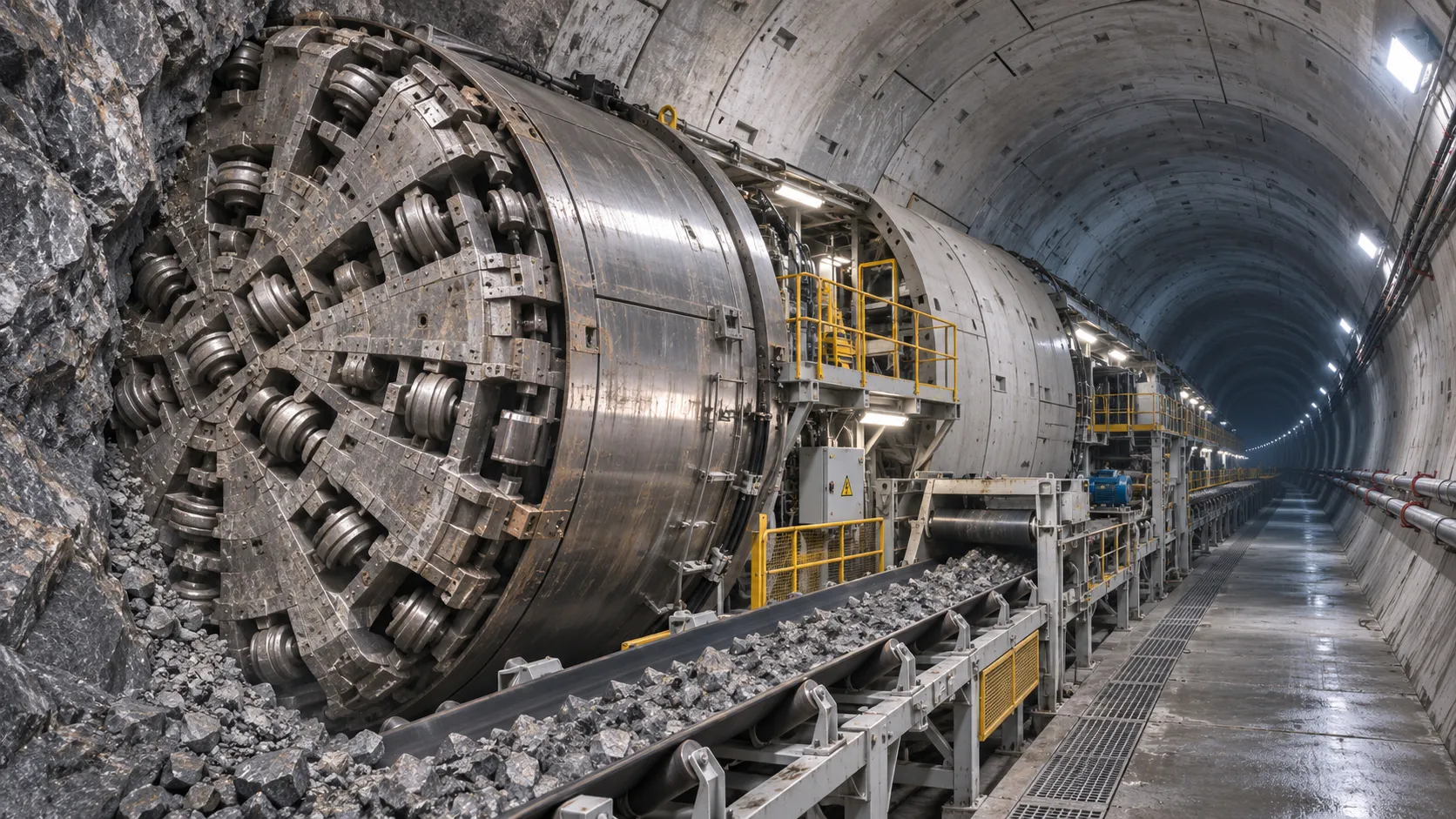
How TBM Excavation Works in Rock and Soft Ground: A Practical Guide
TBM Excavation in rock and soft ground explained: compare machine types, ground support, spoil removal, and the factors that guide smarter project planning.
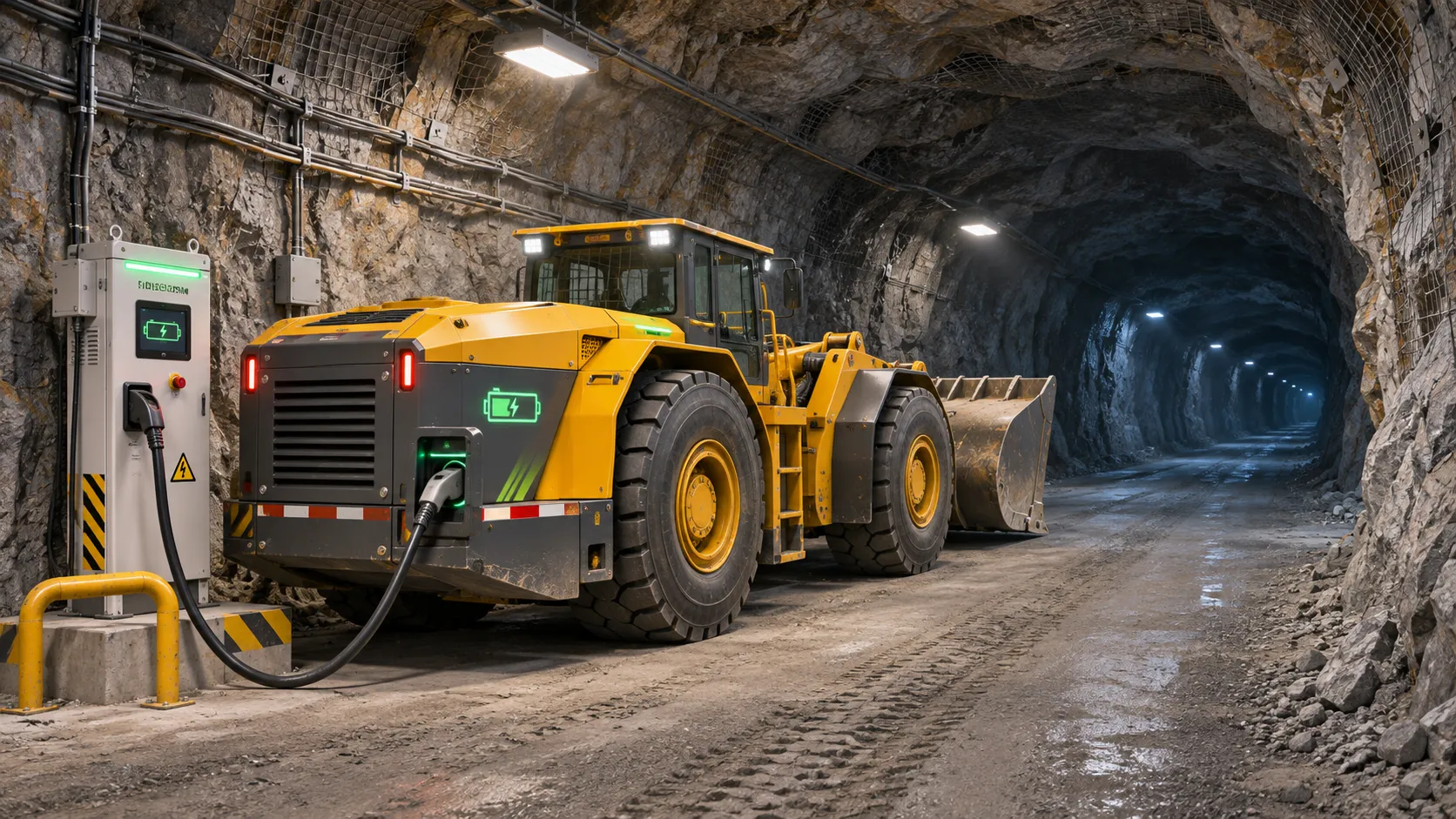
Choosing a Zero-Emission Underground Equipment Supplier: What to Check
Choosing a zero emission underground equipment supplier? Compare duty-cycle performance, charging, safety, total costs and support before you commit.
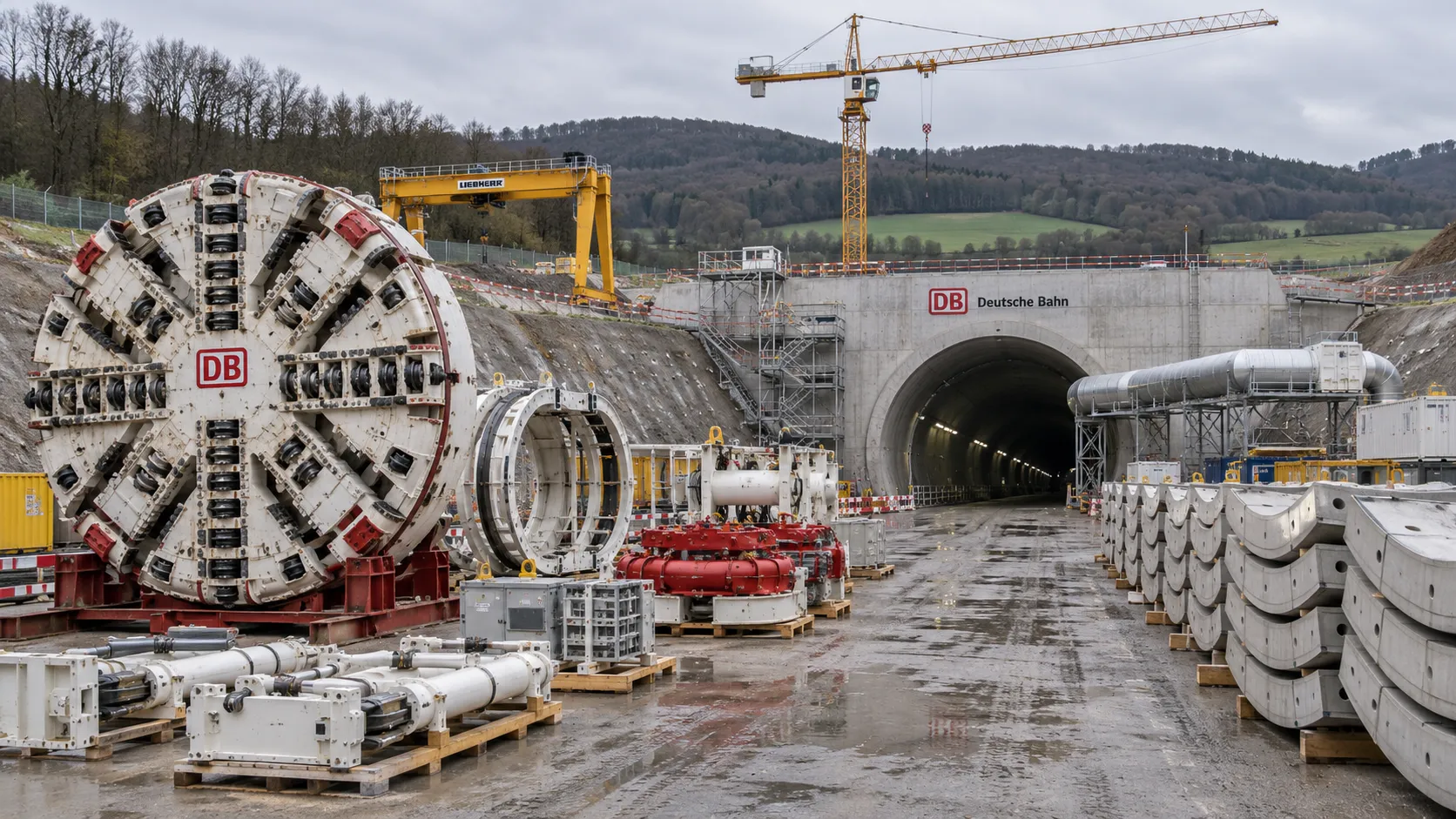
Construction Starts on Germany's Pfaffensteig Rail Tunnel, With Two TBMs Planned
Pfaffensteig rail tunnel construction is underway in Germany. Discover how two planned TBMs will support the 11-kilometre project near Stuttgart.
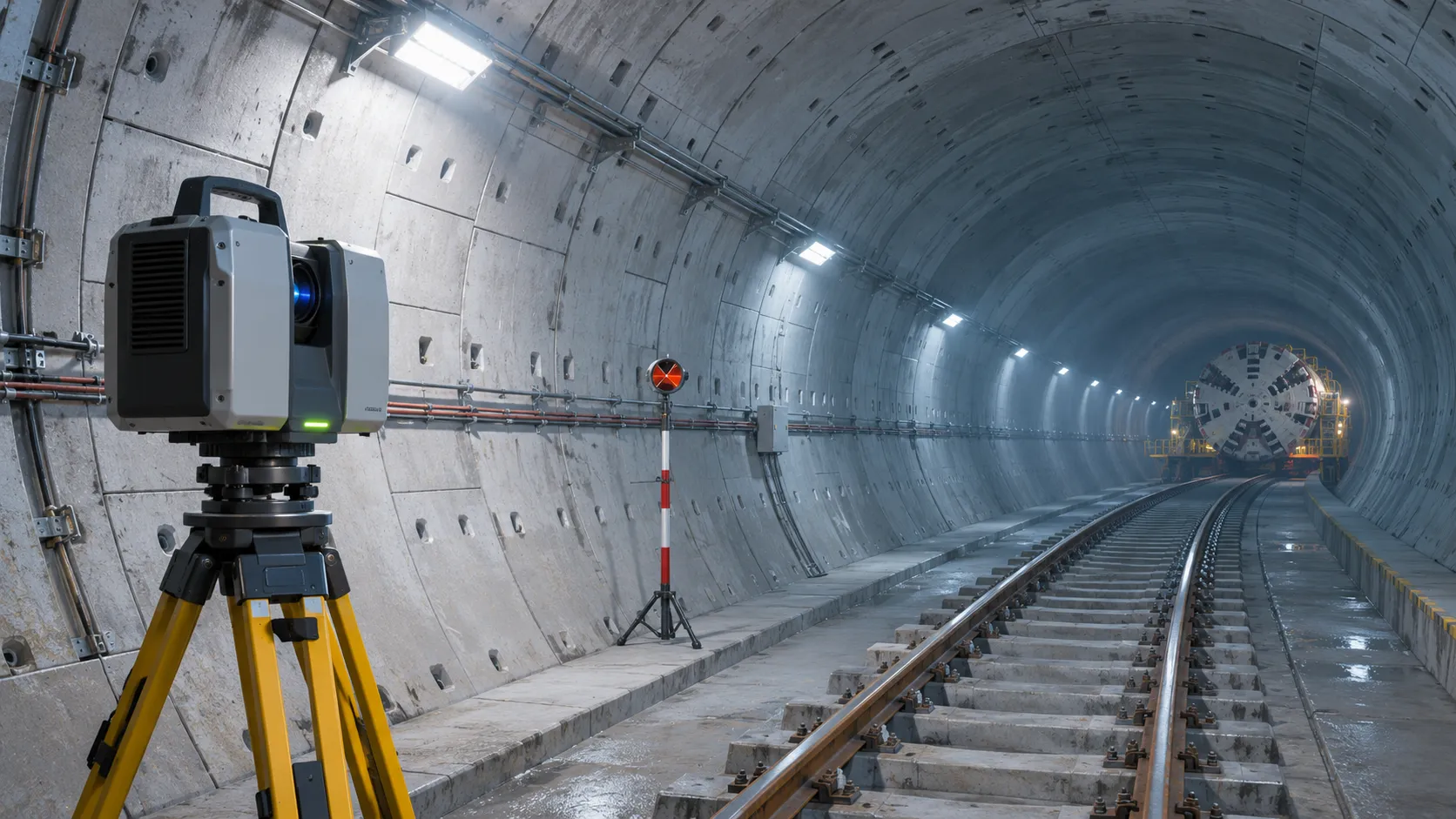
How Real-Time Underground Mapping Systems Work in Tunneling
Discover how real-time underground mapping systems guide tunneling teams, integrate sensor data, and support confident decisions with verified accuracy.
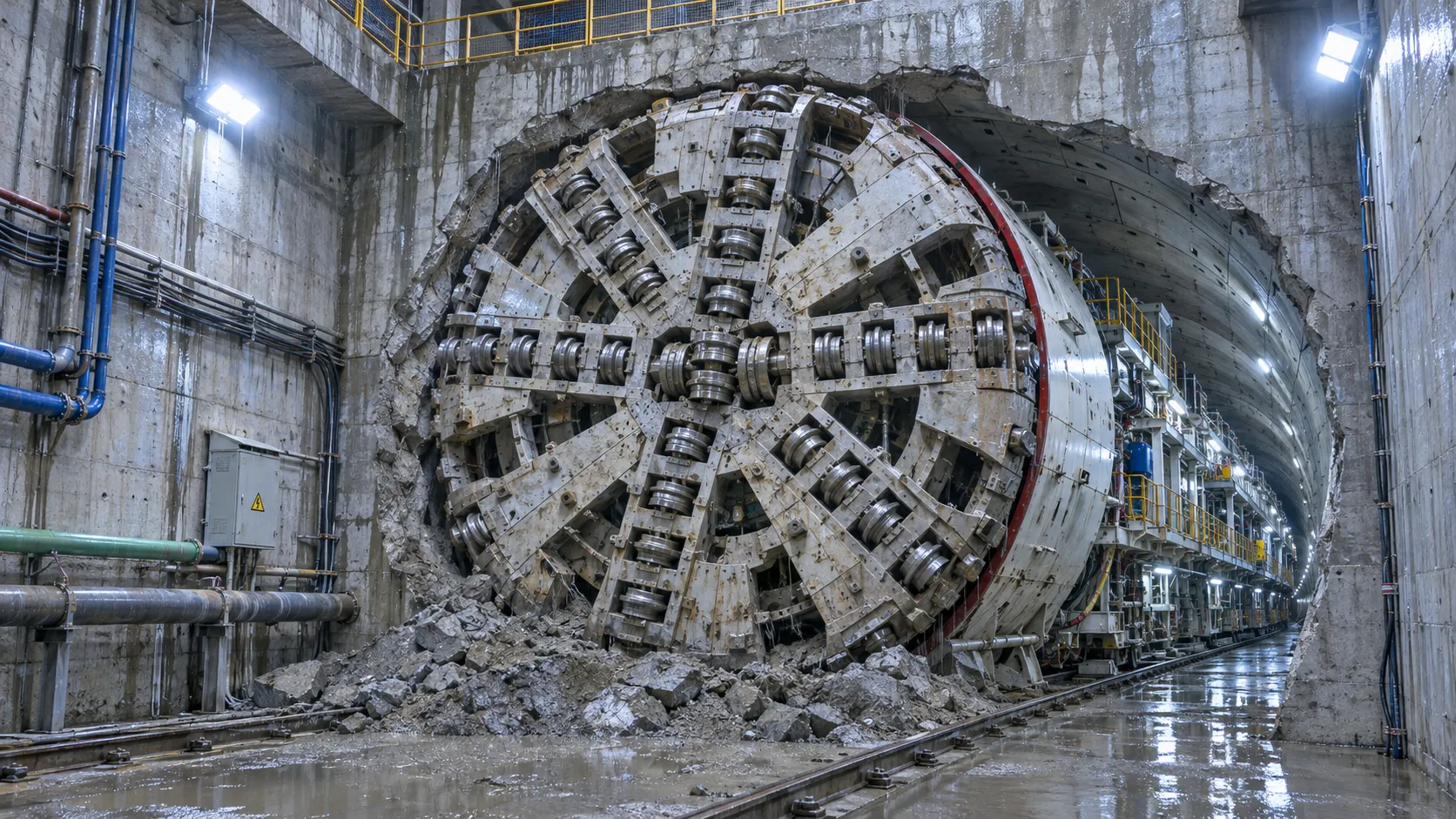
First Mechanized Tunnel Crossing Beneath the Panama Canal Completed
Panama Canal tunnel crossing: Explore the reported Metro Line 3 milestone and what it could mean for future underwater tunneling projects.
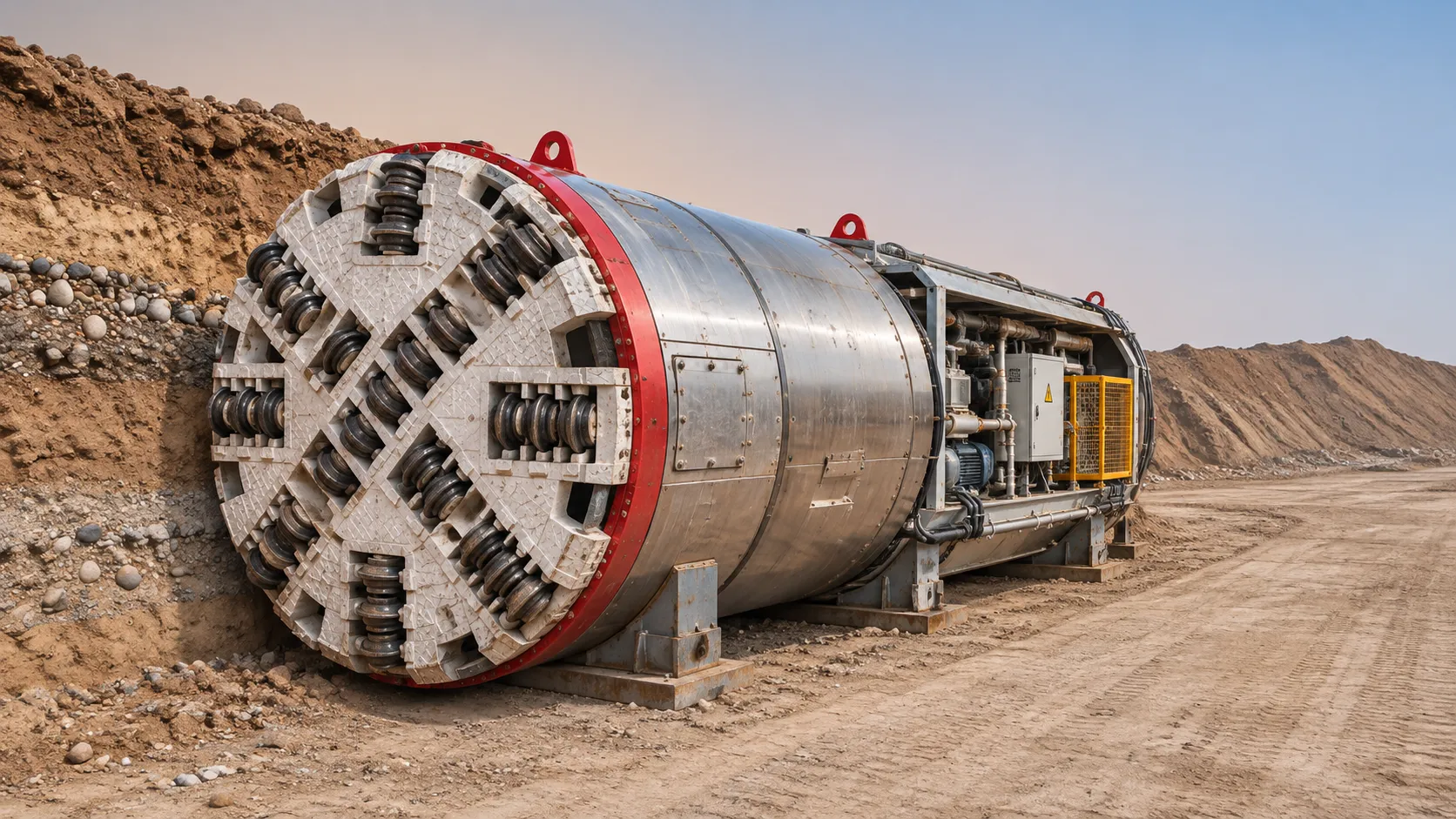
Underground Utility Construction Equipment: Choosing by Ground Conditions
Choose underground utility construction equipment with confidence. Compare trenching, HDD, microtunnelling and TBMs by ground conditions, risk and cost.
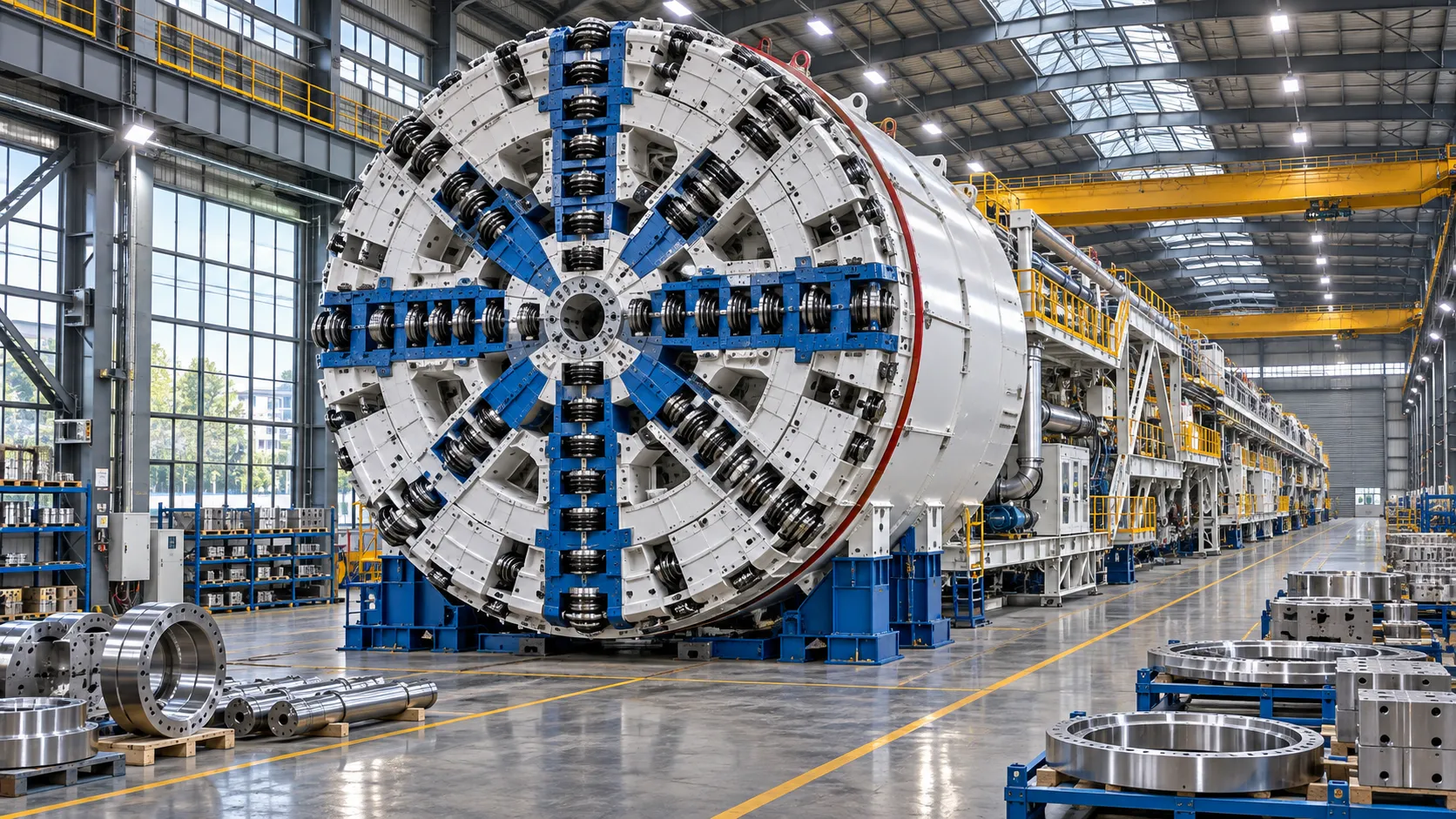
China Sets Tunnel Boring Machine Export Controls as India Pushes Local Production
China tunnel boring machine export controls could reshape procurement as India pushes local production. Explore potential supply and project impacts.
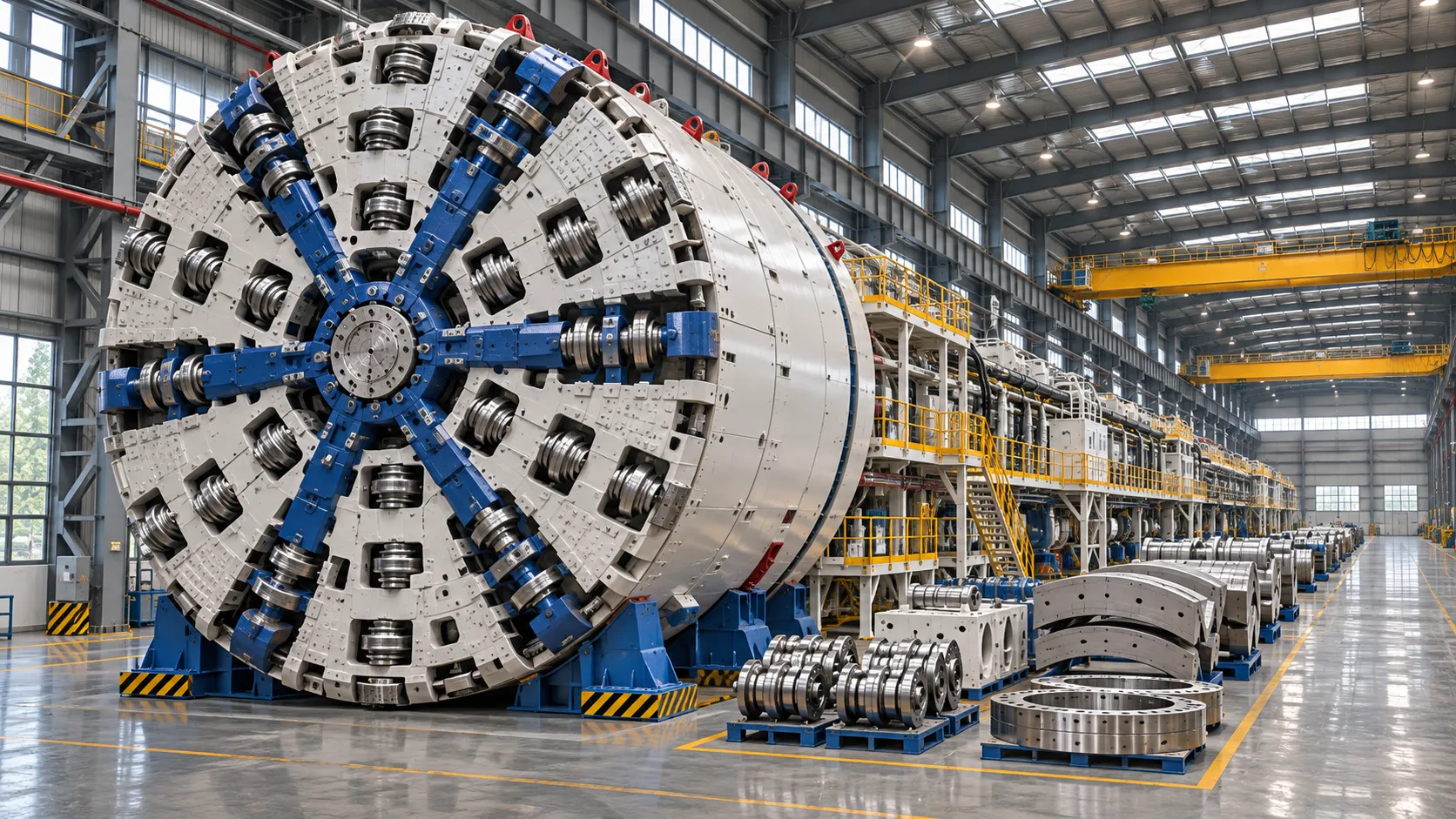
China's 70% TBM Share and Export Controls Challenge India's Local Production
China's TBM export controls could challenge India's local production and infrastructure sourcing. Explore the potential risks and procurement options.
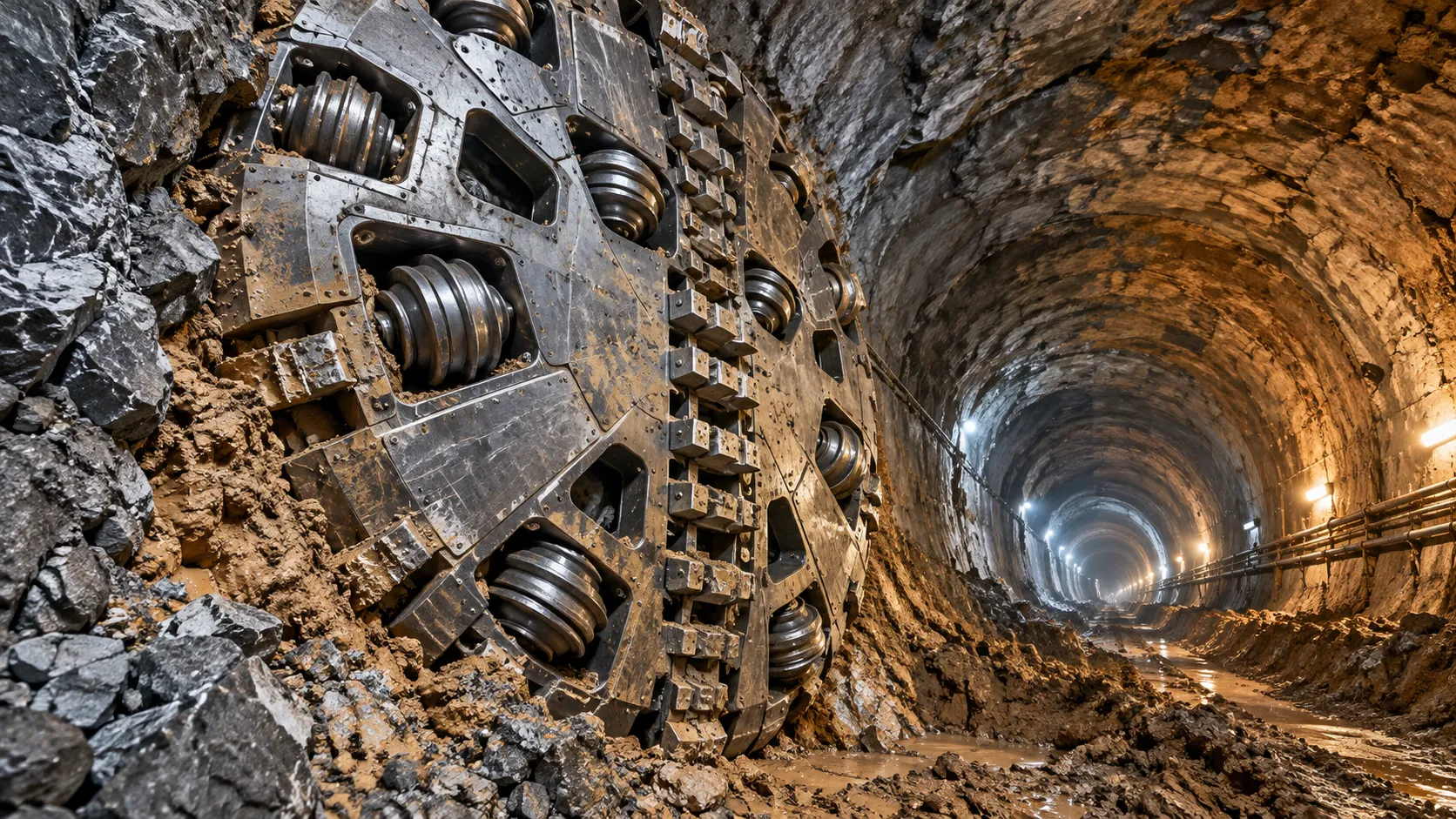
TBM Cutterheads for Mixed Ground: Selecting Cutters for Rock and Soil
Explore TBM cutterheads for mixed ground and learn how to select cutters, manage rock–soil transitions, and reduce wear, downtime, and intervention risk.
Related News
- 00
0000-00
How TBM Excavation Works in Rock and Soft Ground: A Practical Guide - 00
0000-00
Choosing a Zero-Emission Underground Equipment Supplier: What to Check - 00
0000-00
Construction Starts on Germany's Pfaffensteig Rail Tunnel, With Two TBMs Planned - 00
0000-00
How Real-Time Underground Mapping Systems Work in Tunneling - 00
0000-00
First Mechanized Tunnel Crossing Beneath the Panama Canal Completed
Weekly Insights
Stay ahead with our curated technology reports delivered every Monday.