
How TBM Excavation Works in Rock and Soft Ground: A Practical Guide





TBM Excavation uses a rotating cutterhead to break or cut ground while the machine advances and supports the tunnel behind it.
The process differs significantly between hard rock and soft ground, where stability, groundwater pressure, and spoil removal present distinct challenges.
In general, rock TBMs focus on fracturing rock and managing geological hazards, while soft-ground machines often maintain pressure at the face to limit instability.
This guide explains how the excavation cycle works, how common TBM types differ, and which ground conditions influence machine selection and performance.
How Does TBM Excavation Work?
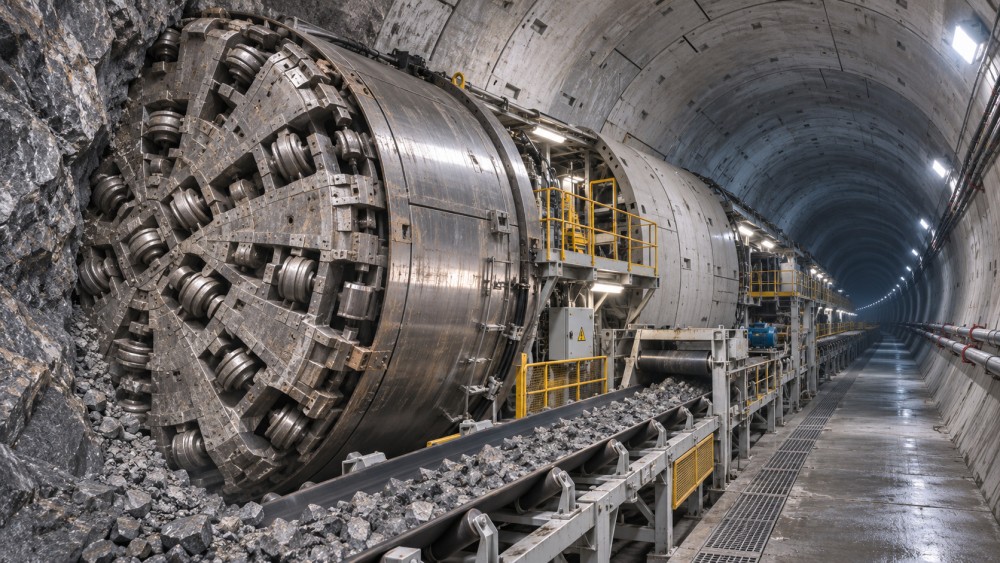
A tunnel boring machine excavates the full tunnel face with a rotating cutterhead. Hydraulic thrust pushes the machine forward as cutting tools penetrate the ground.
The broken material, known as muck or spoil, passes through openings in the cutterhead and is transported away for handling, treatment, or disposal.
Behind the cutterhead, the machine provides space for equipment, services, and workers. Depending on its design, it may also install support as excavation progresses.
Although the basic sequence is similar, the method of applying thrust, controlling the face, removing spoil, and supporting the tunnel varies by machine type.
An open rock TBM may push against the tunnel walls using grippers. A shielded machine commonly pushes against previously installed concrete lining segments.
Excavation therefore involves more than cutting. Successful tunnelling requires coordinated control of ground behaviour, water, machine forces, support installation, and logistics.
How Does a TBM Excavate Hard Rock?
Hard-rock TBMs usually rely on disc cutters mounted on the cutterhead. Each disc rolls under high thrust, concentrating force on a narrow rock surface.
That force creates cracks beneath the cutter. As adjacent cutter tracks interact, rock chips break away and enter the machine through openings in the cutterhead.
The cutterhead geometry, disc spacing, rotational speed, and available thrust influence how efficiently the machine fractures a particular rock mass.
Rock strength matters, but it is not the whole story. Fractures, bedding, abrasivity, groundwater, and stress conditions can all change excavation behaviour.
For example, very abrasive rock may accelerate cutter wear, while highly fractured rock may break readily but require substantial support to prevent instability.
Open, Single-Shield, and Double-Shield Rock TBMs
An open TBM uses grippers to brace against the tunnel walls and generate thrust. It allows access behind the cutterhead for inspection and ground support.
Open machines can work well where rock remains stable long enough to install support. They are less suited to continuously unstable, water-bearing ground.
A single-shield TBM advances within a protective steel shield and commonly reacts against a precast segmental lining as hydraulic cylinders push the machine forward.
A double-shield TBM combines a shielded configuration with grippers. In suitable rock, it can bore using gripper thrust while lining segments are assembled behind it.
When gripper thrust is unavailable, many double-shield machines can advance by pushing against the segmental lining, although simultaneous boring and lining may no longer be possible.
Neither shield type eliminates geological risk. Weak zones, squeezing ground, and high water inflows can still restrict movement or require special interventions.
Rock Support and Muck Removal
Rock support depends on ground conditions and tunnel design. Common measures include rock bolts, steel ribs, mesh, shotcrete, and precast concrete segments.
On an open TBM, crews can install support behind the cutterhead where access permits. A shielded machine generally assembles segments within the shield tail.
Conveyors, rail cars, or other haulage systems carry rock muck away. Their capacity must match the excavation cycle to avoid bottlenecks underground.
How Does TBM Excavation Work in Soft Ground?
Soft ground includes soils and mixed deposits such as clay, silt, sand, gravel, and weathered material. These materials may deform or flow when unsupported.
Groundwater adds another challenge: pressure and water inflow can destabilize the excavation face or carry soil into the machine, potentially causing surface settlement.
For these conditions, many projects use closed-face shield TBMs. They regulate pressure in a chamber behind the cutterhead to help balance ground and water pressures.
The shield supports the surrounding ground temporarily while a segment erector installs the permanent or primary precast concrete lining inside the tail.
As the machine advances, grout is typically injected into the annular gap between the lining and surrounding ground to limit voids and manage settlement.
Face pressure must be appropriate for the local conditions. Too little can allow ground movement; too much can cause ground heave or other problems.
Two widely used closed-face approaches are earth pressure balance and slurry pressure balance. Their main difference is how they support the face and transport spoil.
Earth Pressure Balance TBMs
An earth pressure balance, or EPB, TBM uses excavated material in the cutterhead chamber as part of the face support system.
Machine operators manage chamber pressure through coordinated advance and spoil extraction. A screw conveyor removes material from the pressurized chamber in a controlled manner.
Foam, polymers, water, or other conditioning agents may be added to help the excavated soil form a workable material and move through the machine.
EPB machines are often considered for fine-grained soils, but conditioning and machine design can extend their use across a wider range of ground.
Coarse, highly permeable ground or very high water pressures may make pressure control and conditioning more difficult, depending on the project and machine configuration.
Slurry Shield TBMs
A slurry shield TBM uses pressurized slurry, commonly containing bentonite, to help support the face and transport excavated material through pipelines.
At the surface, a separation plant removes excavated solids from the slurry so that suitable fluid can be treated and reused in the circuit.
Slurry machines are often considered for permeable sands and gravels under significant groundwater pressure, provided the slurry system suits the expected ground conditions.
The trade-off is a more extensive surface operation, including separation equipment, slurry management, space requirements, and disposal routes for treated material.
Hard Rock vs. Soft Ground: What Changes?
The distinction is not simply whether the ground is strong or weak. The critical question is how the exposed face and surrounding ground behave during excavation.
In stable rock, the face may stand without continuous pressure support. The main challenge may be applying enough force to fracture rock economically.
In soft or water-bearing ground, maintaining face pressure and controlling ground movement can be as important as cutting the material itself.
Spoil handling also differs. Rock chips often travel by conveyor, while EPB machines use a screw conveyor and slurry machines use a pumped fluid circuit.
Support choices differ too: some rock tunnels use localized reinforcement, while soft-ground shield drives commonly install a continuous segmental lining during advance.
These are broad patterns, not absolute rules. Weak rock can require pressure support, and some soil conditions may permit open-face excavation after careful assessment.
Which Ground Conditions Determine the Right TBM?
Machine selection starts with a geological and geotechnical model, not a single label such as hard rock or soft ground.
Rock strength and abrasivity: Strength affects the force needed for cutting, while abrasivity influences cutter wear, intervention frequency, and operating cost.
Discontinuities and stability: Joints, faults, bedding, and fractured zones affect how the face and tunnel walls respond after excavation.
Groundwater: Water pressure, permeability, and likely inflow influence whether face pressurization, dewatering, sealing, or special interventions are needed.
Mixed ground: A face containing both rock and soil can load cutting tools unevenly and complicate pressure control, conditioning, and spoil removal.
Overburden and nearby assets: Shallow cover, buildings, utilities, and existing tunnels may make settlement control a primary selection criterion.
Depth and in-situ stress: Deep tunnels can encounter squeezing ground or sudden stress-driven rock failure, affecting support requirements and machine configuration.
Alignment and logistics: Tunnel diameter, length, curves, launch and retrieval arrangements, ventilation, and spoil handling constrain the machines that are practical.
Investigations reduce uncertainty but cannot reveal every condition along an alignment. Boreholes, testing, geophysical surveys, and geological interpretation should be assessed together.
What Happens When Ground Conditions Change?
Long tunnels rarely pass through perfectly uniform ground. A machine selected for the dominant geology may still encounter faults, boulders, water-bearing zones, or mixed faces.
Before excavation, the project team can identify transition zones and define trigger levels, monitoring requirements, contingency measures, and responsibilities for decisions.
During the drive, operators compare machine data and observed spoil with the predicted ground model. Unexpected changes can prompt further investigation or operating adjustments.
Depending on the machine and ground, possible responses include changing thrust or rotation, adjusting conditioning, modifying pressure, probing ahead, or improving ground before excavation.
Some projects specify machines capable of operating in more than one mode. Such flexibility can be valuable, but it adds design, training, and operational complexity.
A multimode machine is not automatically the best choice. The likely frequency and consequences of transitions must justify its additional cost and requirements.
What Affects TBM Performance and Project Cost?
Performance depends on both how quickly the machine cuts and how much time it can spend excavating. These are different measures.
Penetration describes the distance advanced during cutterhead rotation or active boring. Advance rate over a shift or month also includes stops and other delays.
Cutter changes, maintenance, lining assembly, surveying, logistics, and geological interventions all consume time. A high instantaneous cutting rate does not guarantee rapid overall progress.
In rock, cutter life and access for replacement can strongly influence cost. In soft ground, conditioning, pressure control, and spoil treatment can be major factors.
Site constraints matter as well. Limited shaft capacity, insufficient conveyor throughput, or an undersized separation plant can restrict production even when the TBM performs well.
A useful comparison therefore considers total project requirements: investigation, machine procurement, mobilization, operation, maintenance, support, spoil disposal, risk allowances, and schedule.
TBMs can offer repeatable excavation and reduced surface disruption on suitable projects, but procurement and setup costs may be difficult to justify for short drives.
Alternative methods, including drill and blast or sequential excavation, may be more practical for some geometries, access constraints, or variable ground conditions.
How Are Safety and Ground Movement Managed?
Safe excavation depends on a ground-specific design, trained crews, defined operating limits, and monitoring throughout the drive. The machine alone cannot eliminate risk.
Teams monitor relevant indicators such as thrust, torque, penetration, chamber pressure, spoil volume, groundwater conditions, and movement at the surface or nearby structures.
These readings are interpreted together. For example, a pressure reading within its target range does not by itself prove that settlement is under control.
Cutterhead access requires particular care. In pressurized conditions, interventions may require hyperbaric procedures or ground treatment, supported by a project-specific safety plan.
Emergency arrangements should address credible events such as power failure, water ingress, fire, loss of face pressure, and restricted evacuation routes.
Key Takeaway
TBM excavation combines cutting, ground support, spoil removal, and tunnel construction in a coordinated process. The right configuration depends on how the ground behaves.
For rock, focus on cuttability, wear, stability, and support. For soft ground, give particular attention to face pressure, groundwater, settlement, and spoil handling.
The strongest machine selection is based on an investigated ground model, realistic operating assumptions, and a plan for conditions that differ from the forecast.
Related News
Choosing a Zero-Emission Underground Equipment Supplier: What to Check
Choosing a zero emission underground equipment supplier? Compare duty-cycle performance, charging, safety, total costs and support before you commit.
Construction Starts on Germany's Pfaffensteig Rail Tunnel, With Two TBMs Planned
Pfaffensteig rail tunnel construction is underway in Germany. Discover how two planned TBMs will support the 11-kilometre project near Stuttgart.
How Real-Time Underground Mapping Systems Work in Tunneling
Discover how real-time underground mapping systems guide tunneling teams, integrate sensor data, and support confident decisions with verified accuracy.
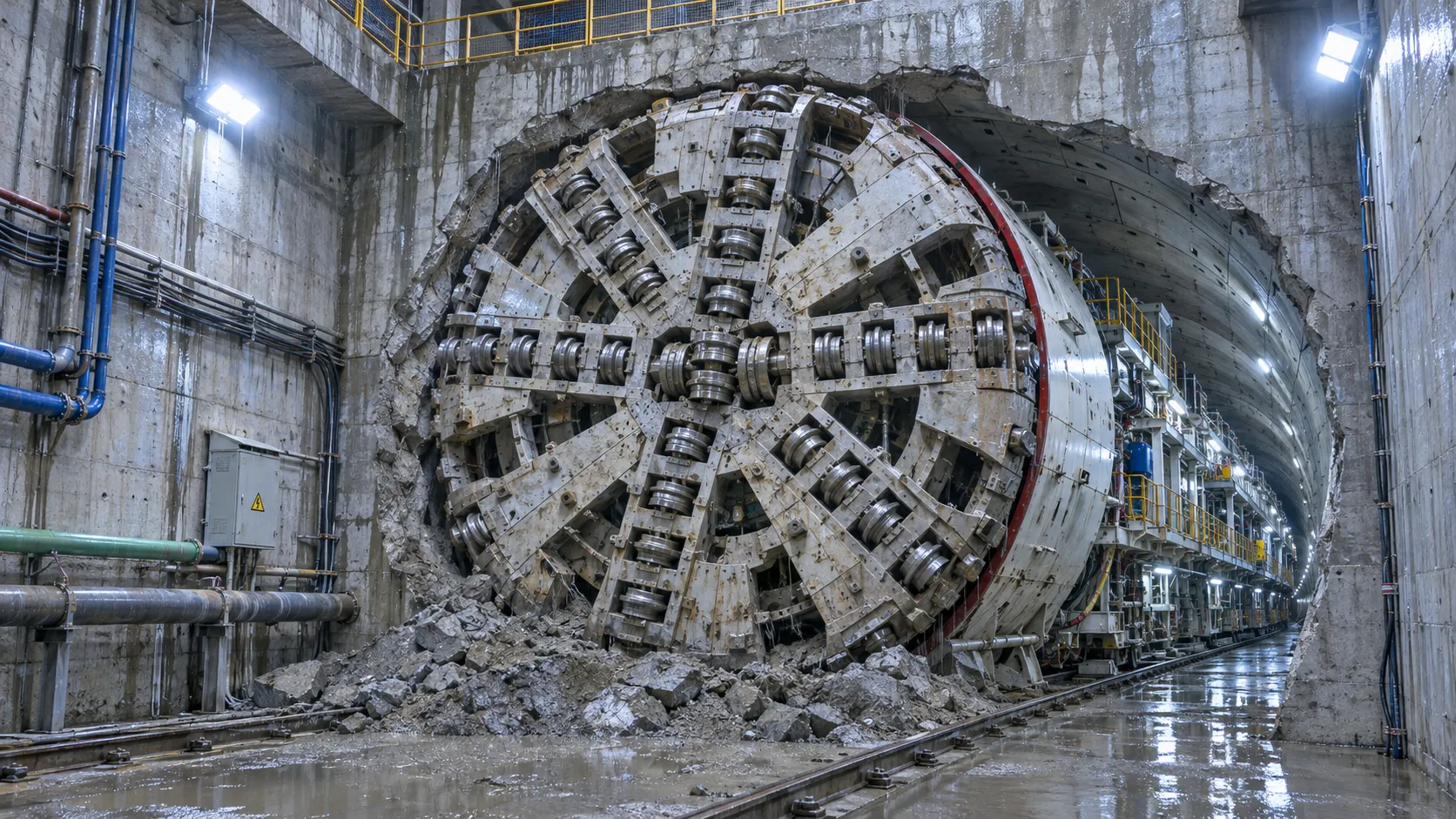
First Mechanized Tunnel Crossing Beneath the Panama Canal Completed
Panama Canal tunnel crossing: Explore the reported Metro Line 3 milestone and what it could mean for future underwater tunneling projects.
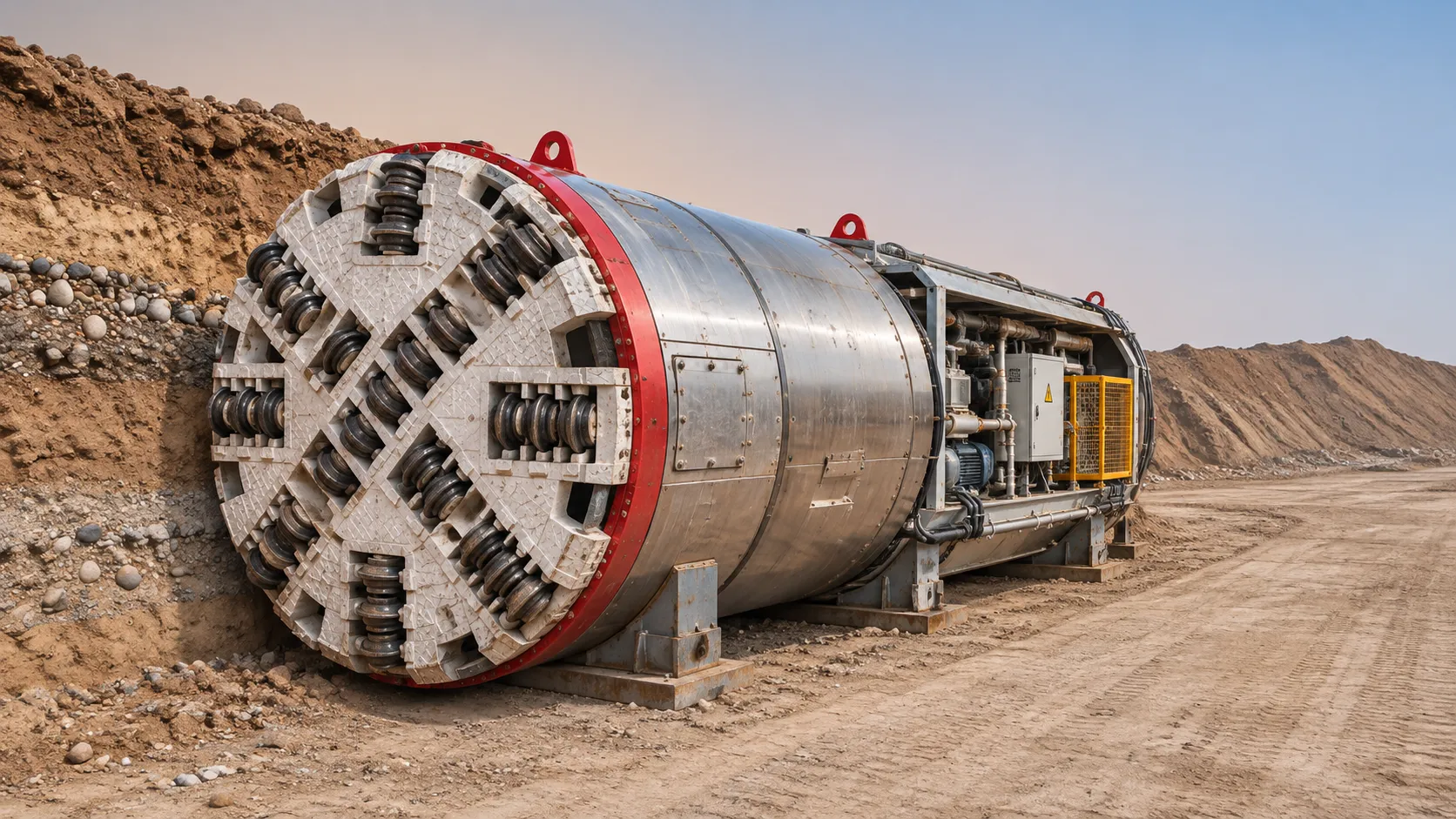
Underground Utility Construction Equipment: Choosing by Ground Conditions
Choose underground utility construction equipment with confidence. Compare trenching, HDD, microtunnelling and TBMs by ground conditions, risk and cost.
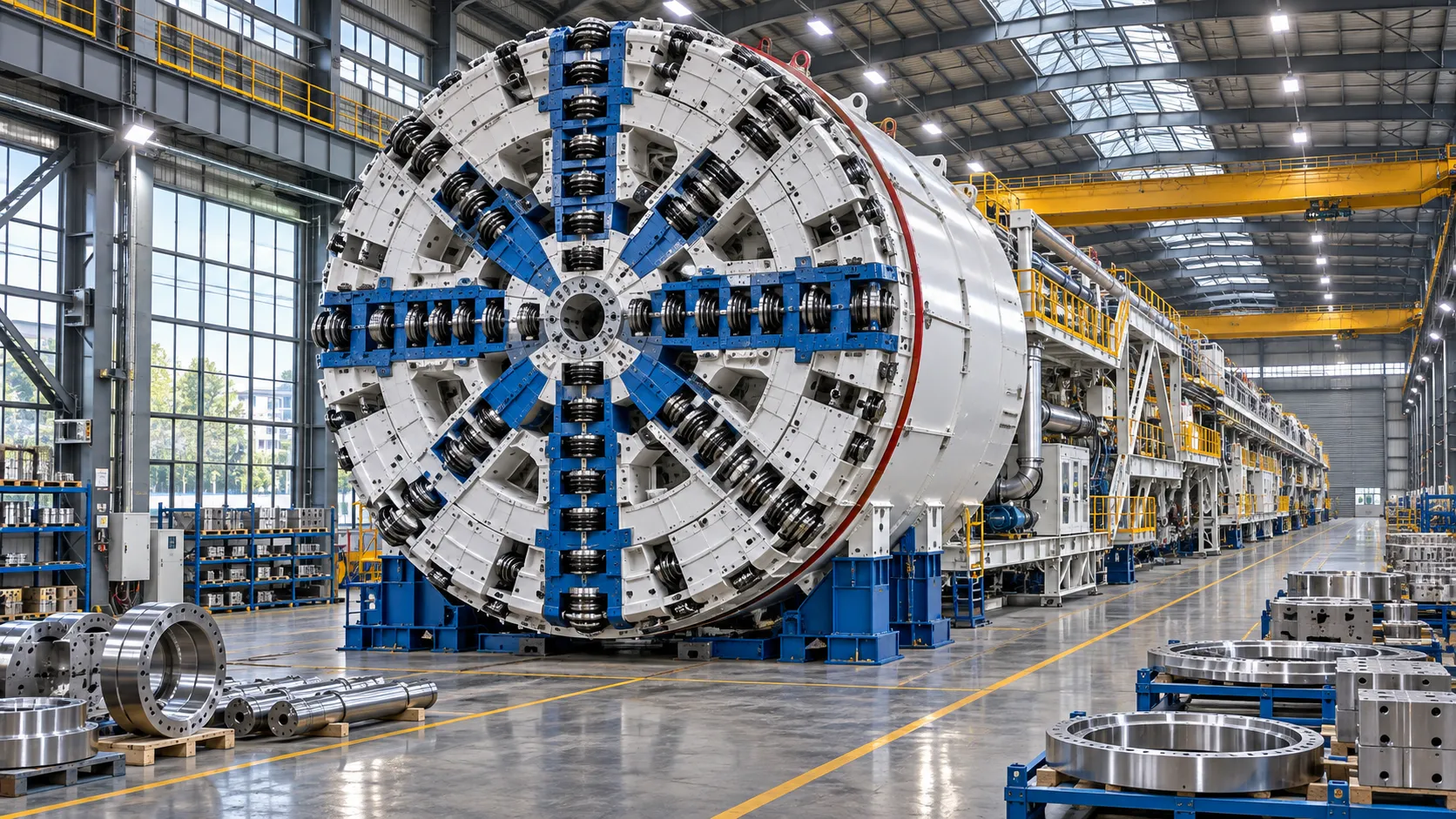
China Sets Tunnel Boring Machine Export Controls as India Pushes Local Production
China tunnel boring machine export controls could reshape procurement as India pushes local production. Explore potential supply and project impacts.
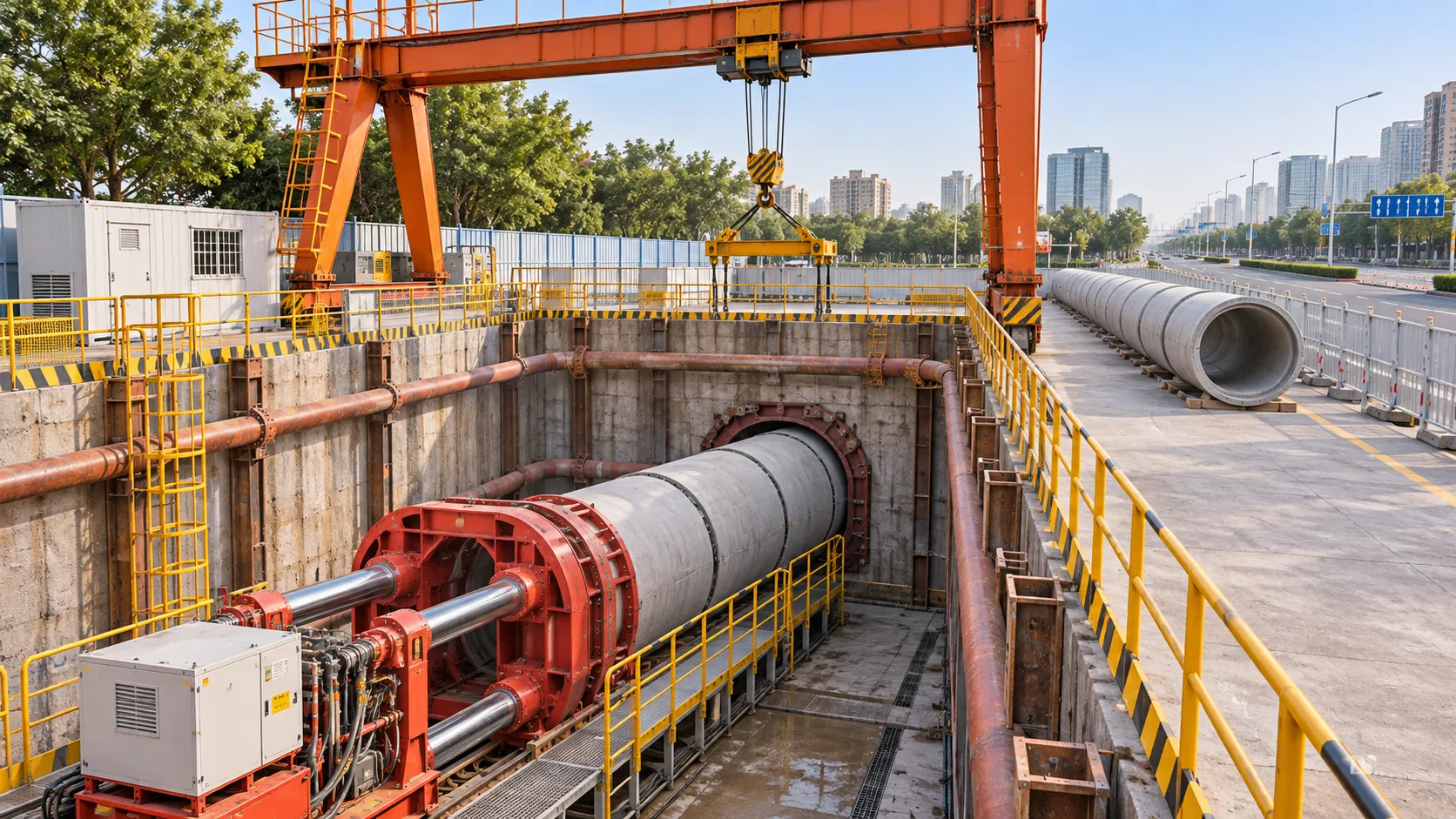
Choosing a Trenchless Pipeline Installation Contractor: Key Qualifications
Choose a trenchless pipeline installation contractor with confidence. Learn how to assess experience, equipment, safety, costs, and project risks before you hire.
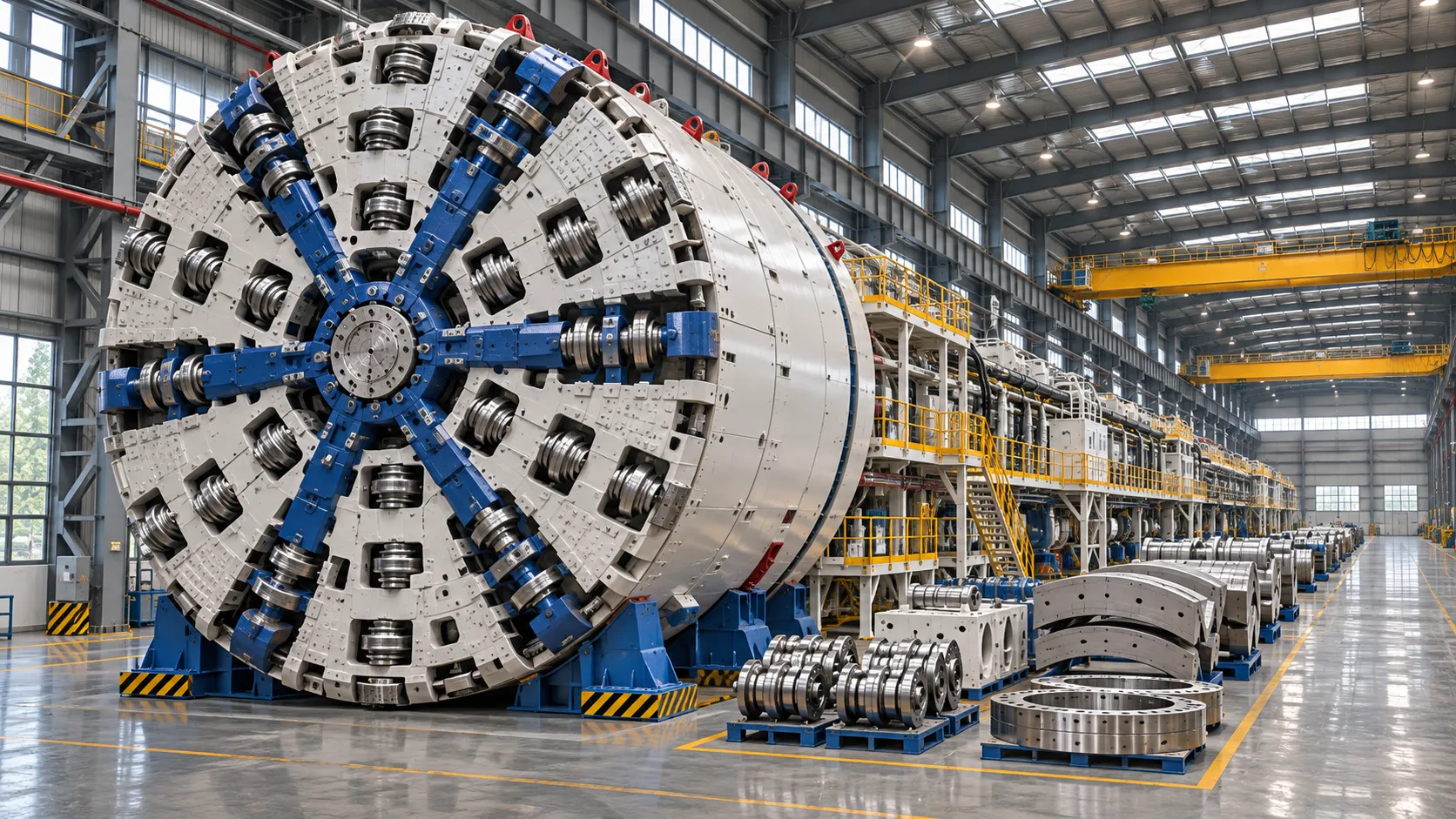
China's 70% TBM Share and Export Controls Challenge India's Local Production
China's TBM export controls could challenge India's local production and infrastructure sourcing. Explore the potential risks and procurement options.
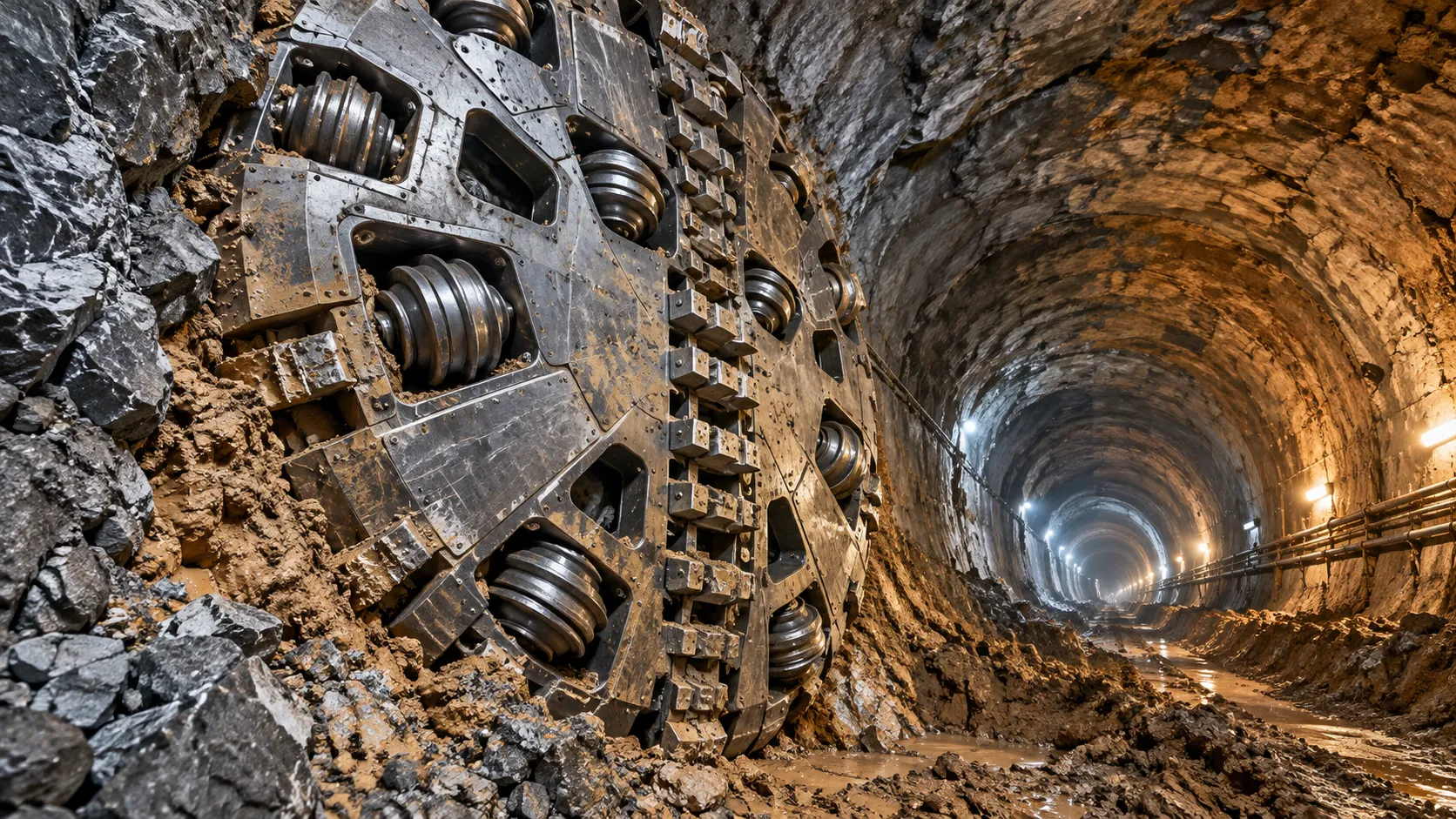
TBM Cutterheads for Mixed Ground: Selecting Cutters for Rock and Soil
Explore TBM cutterheads for mixed ground and learn how to select cutters, manage rock–soil transitions, and reduce wear, downtime, and intervention risk.
Related News
- 00
0000-00
How TBM Excavation Works in Rock and Soft Ground: A Practical Guide - 00
0000-00
Choosing a Zero-Emission Underground Equipment Supplier: What to Check - 00
0000-00
Construction Starts on Germany's Pfaffensteig Rail Tunnel, With Two TBMs Planned - 00
0000-00
How Real-Time Underground Mapping Systems Work in Tunneling - 00
0000-00
First Mechanized Tunnel Crossing Beneath the Panama Canal Completed
Weekly Insights
Stay ahead with our curated technology reports delivered every Monday.