
Xitian Mountains TBM Breakthrough Signals New Compliance Focus





On June 24, 2026, the completion of pilot tunnel excavation at the inlet side of the G219 Xitian Mountains extra-long tunnel by the self-developed “Zhaosu” 8.83-meter full-face hard-rock TBM is more than a construction milestone. From an industry perspective, it serves as an execution signal for how equipment performance evidence, technical validation, and project delivery documentation may carry more weight in future procurement, qualification review, export discussions, and compliance assessment for tunneling projects in extreme geological conditions. That matters not only to TBM manufacturers, but also to suppliers, buyers, testing-related service providers, and delivery teams working around high-altitude, cold-region, and active-fault applications.
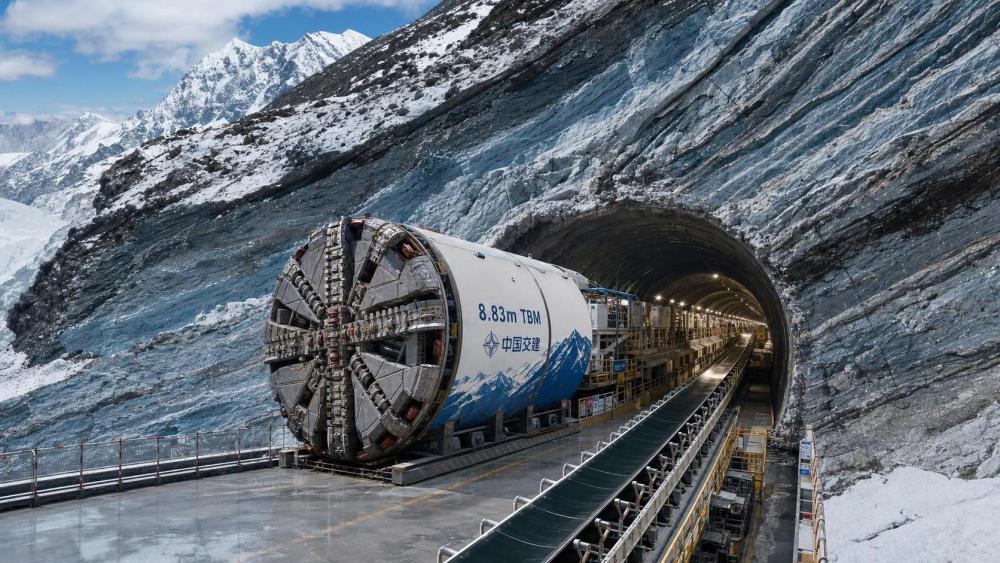
What has been confirmed at the Xitian Mountains project
According to the provided event information, the breakthrough took place on June 24, 2026, when China Communications Construction Tianhe completed excavation of the pilot tunnel at the import-side section of the G219 Xitian Mountains extra-long tunnel using its self-developed “Zhaosu” TBM. The machine is an 8.83-meter full-face hard-rock TBM.
The tunnel’s maximum overburden depth reached 2,365 meters. More than 70% of the route passed through glacial strata, while the works also faced active fault structures and water inflow of up to 130,000 cubic meters in a single day.
The equipment was described as carrying five self-developed technologies, including gradient alloy cutter teeth, CFC advanced water detection, and microseismic rockburst warning. The supplied summary also states that the machine achieved intelligent switching between ultra-hard granite rated at 250 MPa and fractured soft rock.
The event is described as a rare real-world verification under extreme geology and as an authoritative engineering endorsement for the outward market positioning of Chinese TBM products in high-cold, high-altitude, and strongly active tectonic zones.
Why procurement and market access teams are likely to pay closer attention
Technical buyers may face stricter proof-of-performance requests
Analysis shows that project owners and procurement teams may increasingly look for verifiable operating records under extreme service conditions rather than relying only on general equipment specifications. In practice, this could affect technical bid alignment, prequalification submissions, and the depth of supporting documents required during tender review. What deserves closer attention is not a newly published rule in the narrow legal sense, but a possible tightening of de facto market-entry requirements through project documents and evaluation criteria.
Core component suppliers may see higher documentation expectations
For upstream suppliers linked to cutter systems, detection functions, warning systems, and other critical subsystems, the likely impact is on traceability, technical file completeness, and consistency between supplied parts and claimed performance. Observably, where equipment is promoted for extreme geology, procurement and acceptance processes may place more emphasis on materials records, test evidence, and operating-condition matching in delivery documentation.
Export-facing manufacturers may encounter more scrutiny on qualification packages
For manufacturers pursuing overseas opportunities in demanding geological environments, this event may strengthen the commercial value of field-validated engineering references. At the same time, it may also raise expectations around how those references are translated into qualification dossiers, compliance narratives, after-sales commitments, and service-capability statements. The likely effect is not automatic market access, but a higher bar for demonstrating that equipment claims can be supported by project evidence.
Testing, inspection, and service partners may need closer alignment with delivery claims
Enterprises involved in inspection support, condition assessment, maintenance, and post-delivery service may also be affected because downstream buyers could require tighter alignment between claimed capability, actual project conditions, and supporting records. This may influence acceptance files, maintenance planning, fault-response readiness, and quality traceability after delivery.
What companies should monitor from a practical compliance angle
Watch how project specifications describe extreme-condition capability
It is more appropriate to understand this event as a signal to monitor future tender language and specification wording. Companies should pay attention to whether buyers begin to ask more clearly for proof related to high overburden, glacial strata, active faults, heavy inflow conditions, or mixed hard-soft ground switching, because those descriptions can become practical compliance thresholds in bidding and delivery.
Prepare stronger technical and traceability files
Analysis shows that manufacturers and suppliers should review whether their technical documents, test records, materials files, and delivery certificates can support claims made for difficult geological applications. Where a product is marketed for demanding operating conditions, gaps between promotional language and documented evidence may become a procurement or acceptance risk.
Review export and after-sales readiness together, not separately
For export-oriented business, companies should pay attention not only to the equipment itself but also to how service response, spare-parts support, fault diagnosis, and quality tracking are presented in commercial and compliance documents. The event suggests that field validation may increasingly matter across the full delivery chain rather than only at the point of sale.
Track whether market recognition turns into formalized requirements
The provided information does not establish a new formal regulation, certification rule, or standard revision by itself. For that reason, companies should continue to watch whether later procurement notices, qualification reviews, certification interpretations, or contract terms convert this type of engineering validation into more explicit execution requirements.
How this development is best understood today
From an industry perspective, this is best read as an execution signal rather than proof that a new mandatory rule has already been issued. The breakthrough demonstrates that extreme-condition operating evidence can gain regulatory, procurement, and trade significance even before any visible change appears in formal standards language.
Observably, the most important near-term question is whether project owners, buyers, and market gatekeepers begin to reflect such engineering outcomes in technical review, supplier qualification, and delivery documentation requirements. That is why continued attention to bidding documents, compliance wording, and market feedback remains necessary.
A practical reading of the market signal
In summary, the Xitian Mountains pilot tunnel breakthrough does not by itself confirm a new statute, certification regime, or trade restriction. What it does provide is a credible project-based reference that may influence how capability, compliance, and qualification are judged in future TBM-related procurement and market development for extreme geological conditions.
It is more appropriate to understand this development as an important market and execution indicator: already meaningful for commercial positioning and compliance preparation, but still requiring further observation as to whether it becomes embedded in formal specifications, qualification language, or broader industry practice.
Basis of this article and what still needs verification
This article is based on the user-provided news title, event date, and event summary. For events of this type, relevant source categories typically include official project announcements, regulator or supervisory releases, trade or customs authority information, industry association updates, standards documents, and reporting from established professional media.
No specific official source link was provided in the input, so the precise official publication path still needs to be verified on an ongoing basis. Analysis should therefore remain subject to follow-up checks on detailed policy wording, certification interpretations, tender document changes, market feedback, and actual enterprise implementation.
Related News
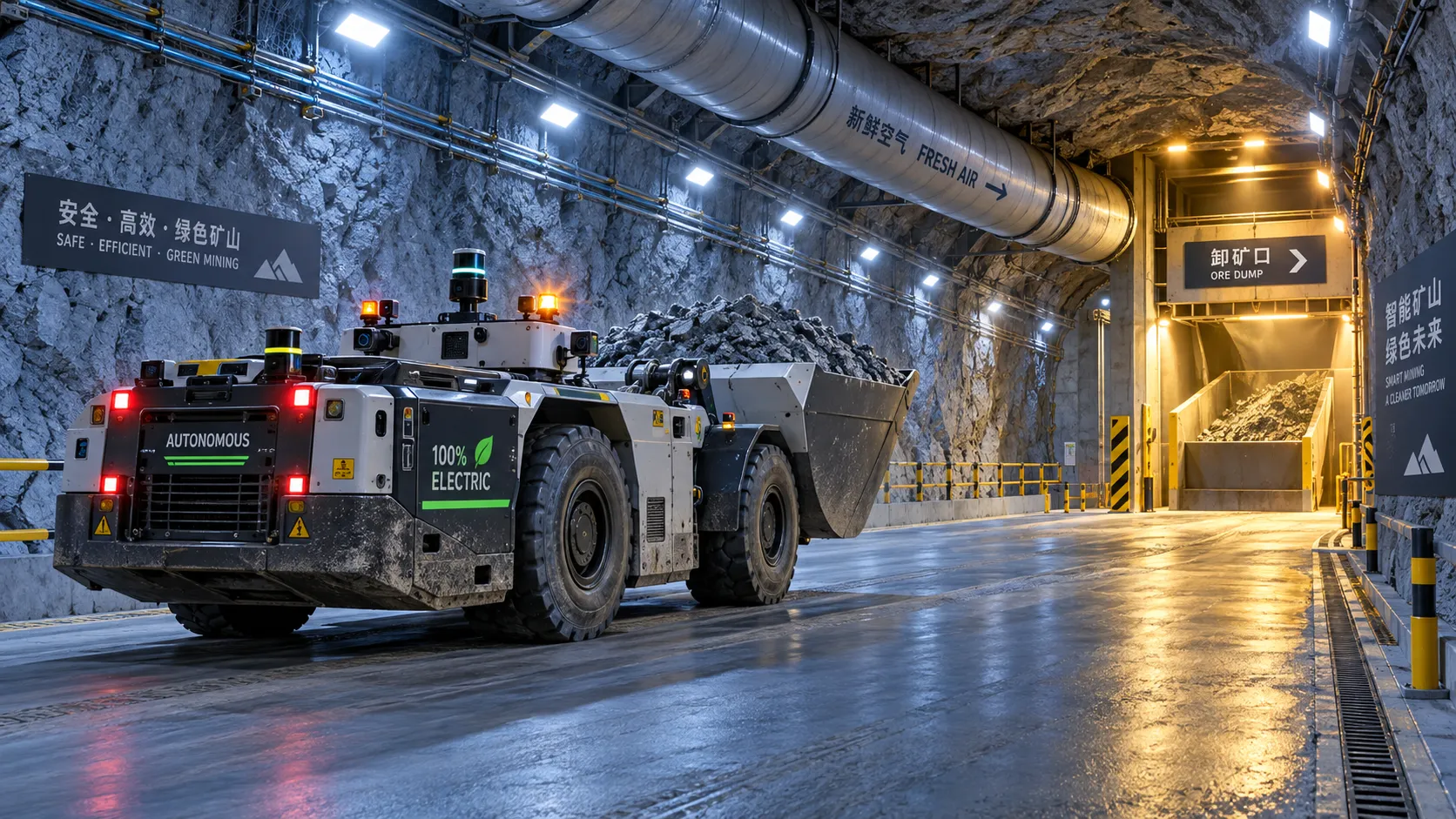
Where Autonomous Mining Loaders Deliver the Most Value in Underground Operations
Autonomous Mining Loaders deliver greater underground value through safer blast-zone work, repeatable haul cycles, and improved ventilation efficiency. Discover the best deployment zones.
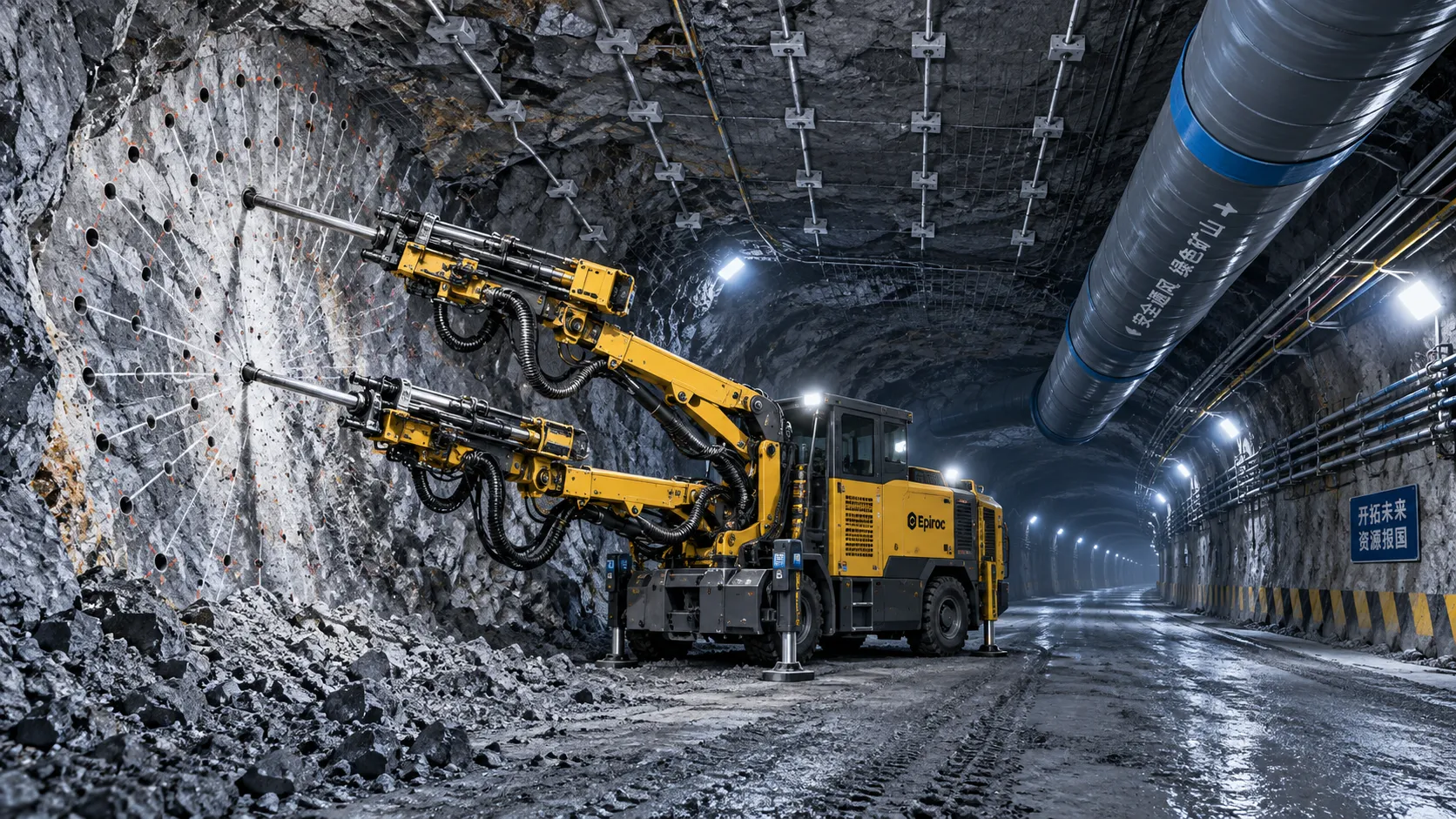
Underground Drilling for Mining: Selecting Methods for Rock Conditions and Mine Layout
Underground drilling for mining: learn how to match drilling methods to rock conditions, mine layout, accuracy needs, ground support, and cycle efficiency.
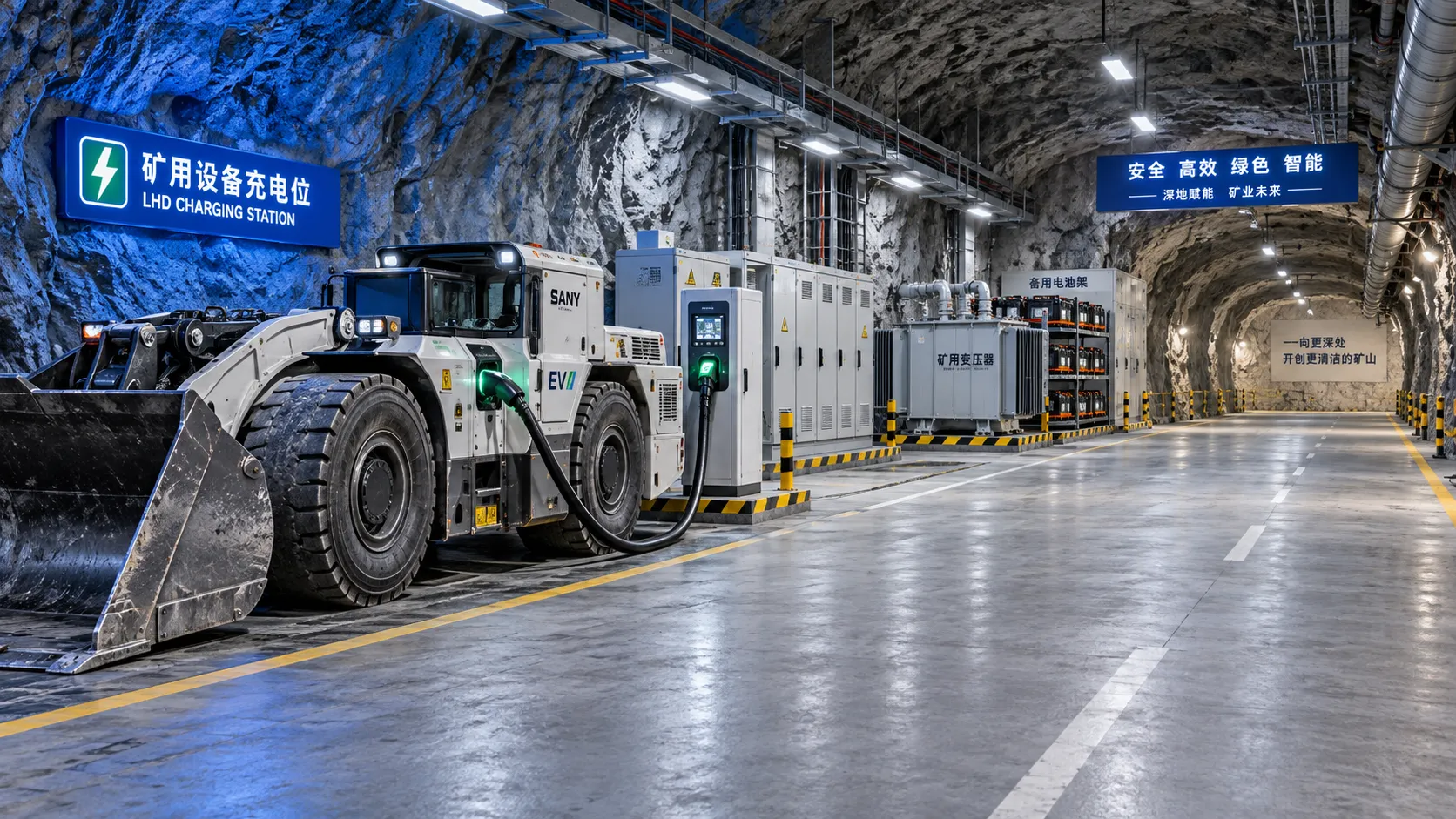
Underground Mine Electrification: How to Size Battery Fleets and Charging Capacity
Mining electrification for underground mines: learn how to size battery fleets, chargers, and power capacity to prevent queues, peak-load issues, and production downtime.
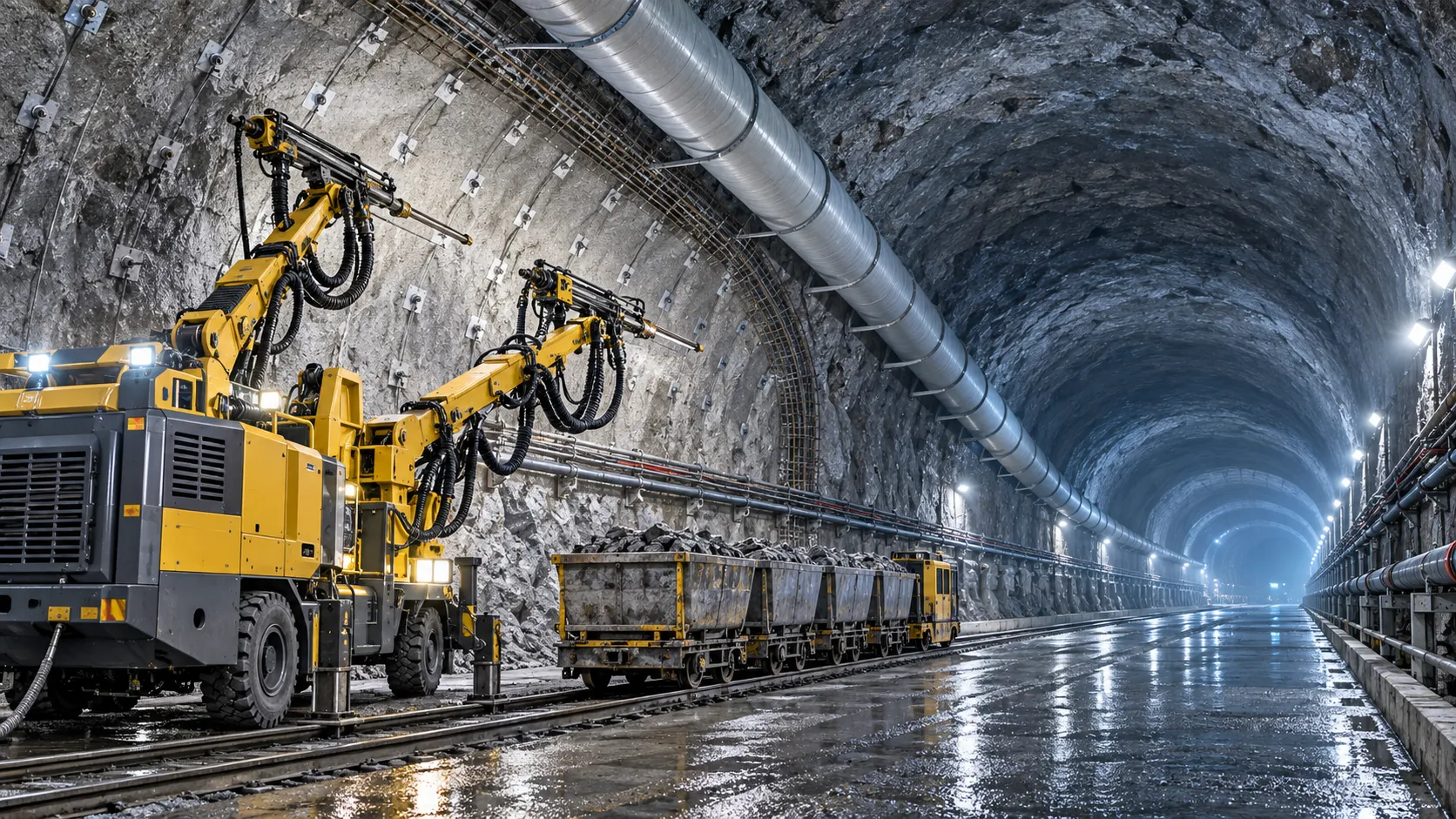
How to Evaluate European Drill-and-Blast Tunnelling Contractors for Complex Projects
Drill and blast tunnelling contractors Europe: learn how to assess geology expertise, blast control, equipment reliability, safety, and programme resilience for complex projects.
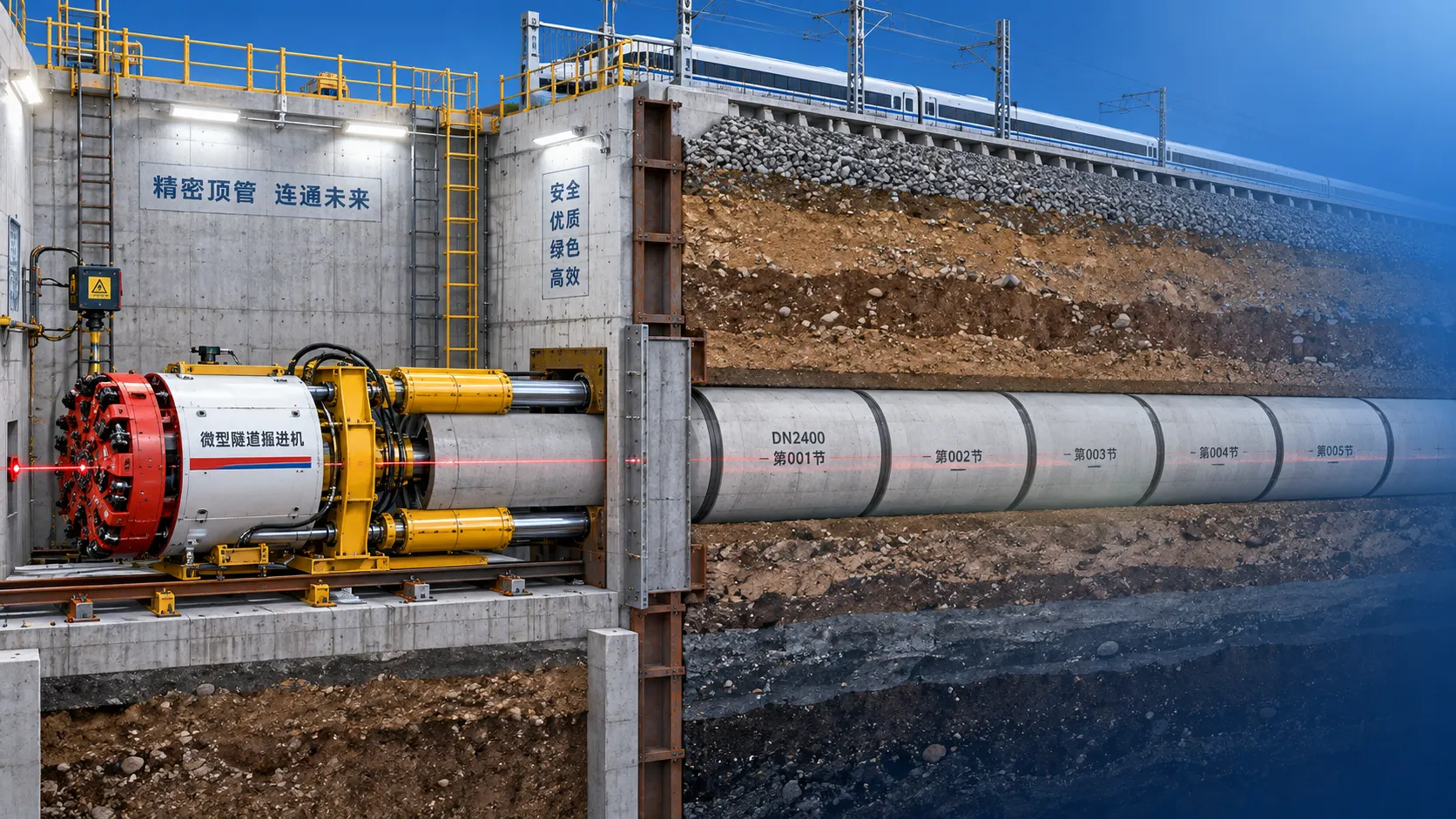
Which Trenchless Construction Technique Fits Your Utility Crossing Conditions?
Trenchless construction techniques compared for utility crossings: choose HDD, microtunnelling, pipe jacking, or auger boring based on ground, accuracy, access, and risk.
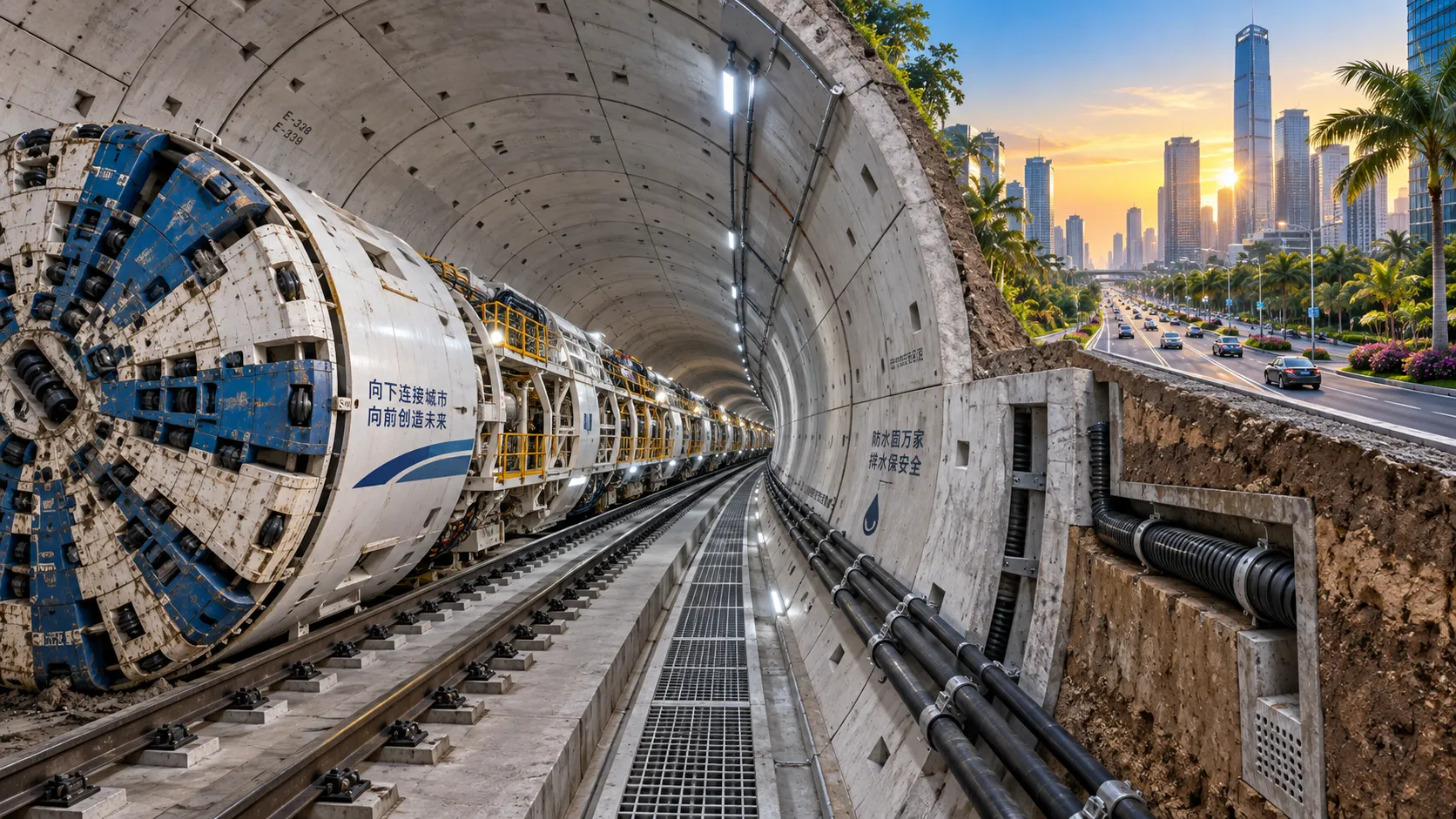
What Is Driving Metro Tunnelling Demand Across Southeast Asia’s Major Cities?
Metro tunnelling Southeast Asia is accelerating as major cities tackle congestion, flooding, and connectivity. Explore the market forces, technical risks, and opportunities shaping demand.
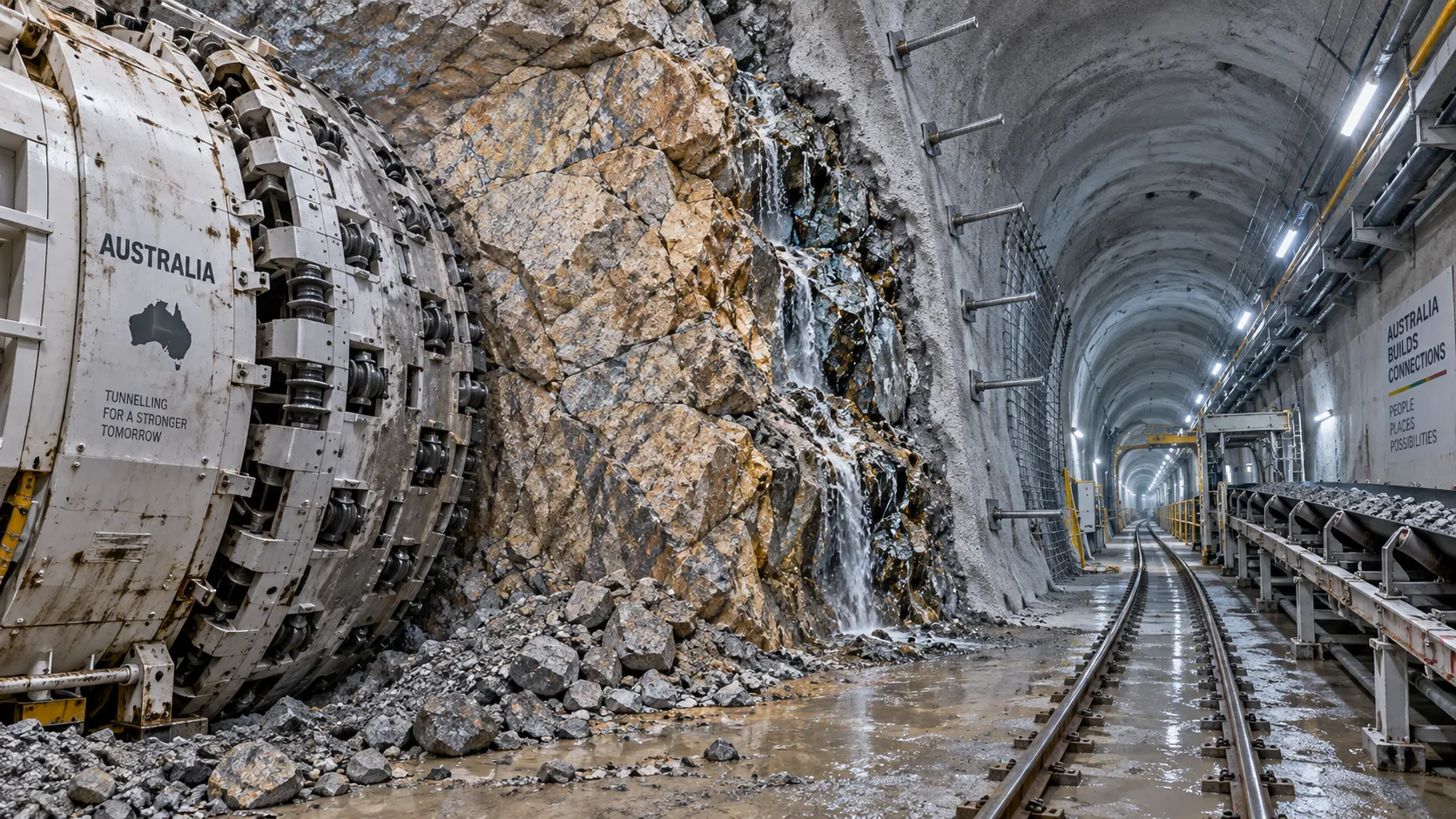
Hard Rock Tunnelling in Australia: Selecting Methods for Variable Ground Conditions
Hard rock tunnelling in Australia: compare TBM, drill-and-blast and hybrid methods to manage variable ground, reduce risk and protect project costs.
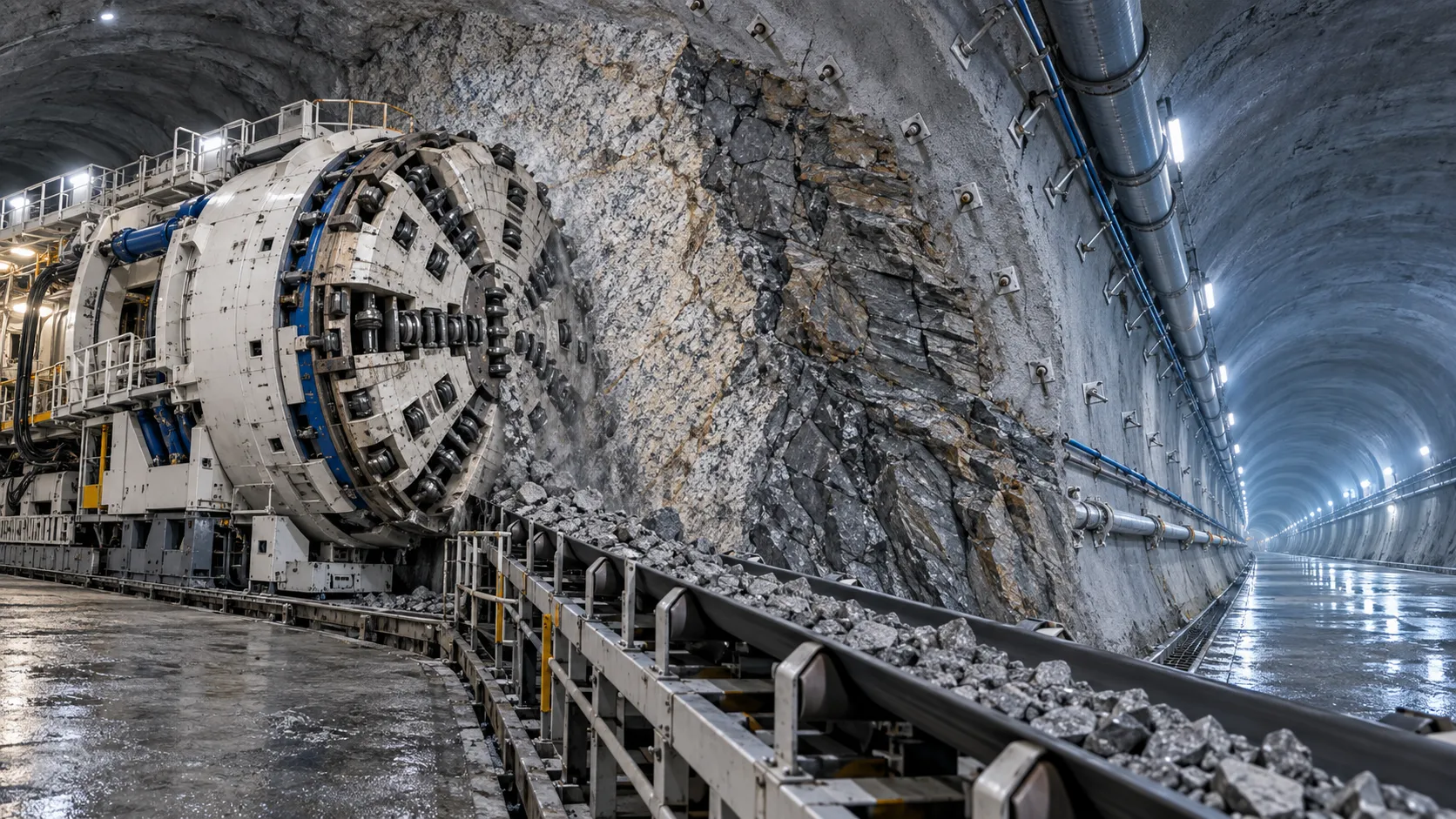
Hydropower Tunnel Excavation: Selecting Methods for Variable Rock Conditions
Hydropower tunnel excavation methods for variable rock conditions: compare TBM, drill-and-blast, and hybrid strategies to improve safety, progress, and project control.
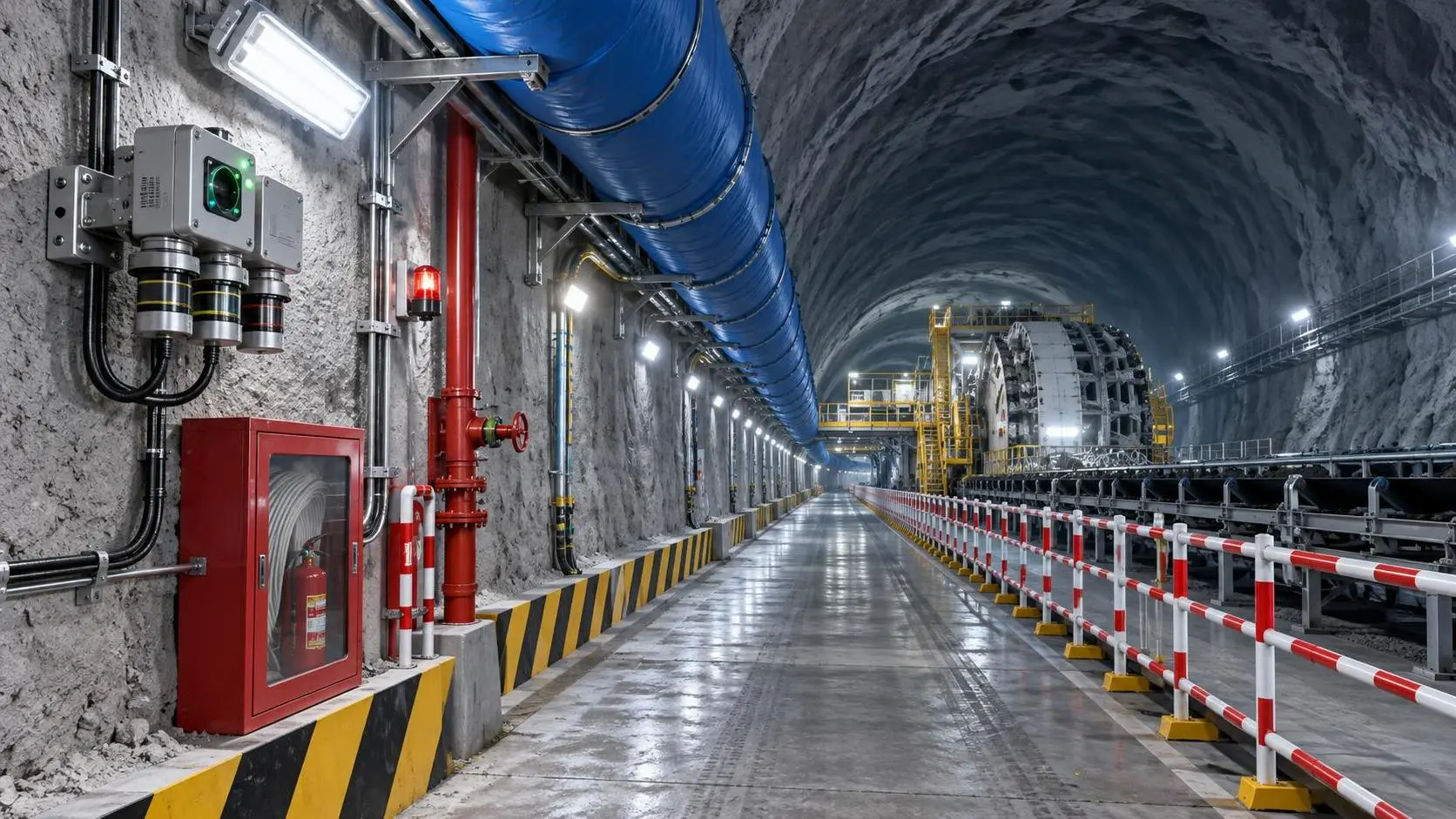
How to Select Underground Safety Equipment for Tunnelling by Hazard and Work Zone
Underground Safety Equipment for tunnelling: match protection to hazards, work zones, compliance, and emergency needs with this practical selection guide.
Related News
- 00
0000-00
Where Autonomous Mining Loaders Deliver the Most Value in Underground Operations - 00
0000-00
Underground Drilling for Mining: Selecting Methods for Rock Conditions and Mine Layout - 00
0000-00
Underground Mine Electrification: How to Size Battery Fleets and Charging Capacity - 00
0000-00
How to Evaluate European Drill-and-Blast Tunnelling Contractors for Complex Projects - 00
0000-00
Which Trenchless Construction Technique Fits Your Utility Crossing Conditions?
Weekly Insights
Stay ahead with our curated technology reports delivered every Monday.