
Drill and Blast Tunnelling for Hard Rock vs TBMs: Which Method Fits Your Geology?





Drill and Blast Tunnelling for Hard Rock vs TBMs: Which Method Fits Your Geology?
When teams compare drill and blast tunnelling for hard rock with TBMs, geology usually decides the outcome before procurement does.
Speed matters, of course. Cost matters too. But rock behavior, groundwater, tunnel length, and alignment stability matter more.
That is why selection should start with ground response, not with equipment preference.
In practical terms, drill and blast tunnelling for hard rock offers flexibility in mixed and uncertain ground.
TBMs perform best when the geology is long, predictable, and suitable for continuous excavation.
The real question is not which method is better in general.
The better question is which method fits your rock mass, project constraints, and risk appetite.
Why Geology Changes the Decision
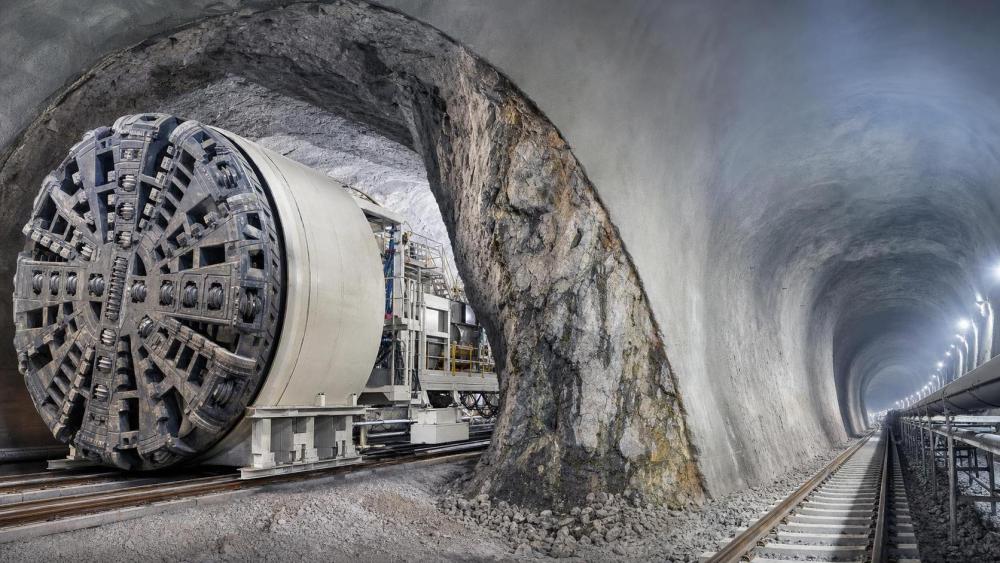
Hard rock is not one condition. It can mean massive granite, interbedded volcanics, faulted quartzite, or highly stressed metamorphic formations.
Each of these reacts differently to cutting tools, blasting energy, support timing, and water inflow.
This is where drill and blast tunnelling for hard rock often gains attention.
It can adapt quickly when face mapping reveals sudden fractures, weak seams, or changing joint sets.
A TBM, by contrast, depends on a more stable operating envelope.
If the rock turns abrasive, blocky, squeezing, or water-bearing, performance may drop sharply.
More importantly, recovery from these conditions can be slow and expensive.
Key geological factors to review
- Rock strength and brittleness
- Joint spacing, orientation, and persistence
- Fault zones and shear bands
- Groundwater pressure and inflow variability
- Abrasivity and cutter wear potential
- In-situ stress and spalling risk
If these variables change often across the alignment, drill and blast tunnelling for hard rock usually becomes easier to manage.
Where Drill and Blast Tunnelling for Hard Rock Works Best
Drill and blast tunnelling for hard rock is especially strong when geology is variable and project teams need frequent tactical adjustments.
That flexibility shows up at the face, in support design, and in how the advance cycle is managed.
For shorter tunnels, branch tunnels, caverns, and underground mines, this method is often the practical choice.
It also handles complex geometries better than a full-face machine.
Typical advantages
- Face support can change quickly after each round
- Cross-sections and tunnel shapes are easier to modify
- Equipment mobilization is usually lighter than TBM assembly
- Faulted or mixed ground can be managed incrementally
- Fragmentation can be optimized for haulage and disposal
In mining and hydro projects, drill and blast tunnelling for hard rock is also favored where multiple headings must be advanced at once.
That can shorten the overall schedule, even if each heading advances more slowly than a TBM.
Operational limits to watch
The method is not automatically cheaper.
Ventilation demand, blasting restrictions, vibration limits, and cycle inefficiencies can reduce its advantage.
Overbreak is another concern, especially near final linings or sensitive surface structures.
So while drill and blast tunnelling for hard rock is flexible, it needs disciplined execution and strong geology control.
When TBMs Gain the Upper Hand
TBMs become compelling when the tunnel is long, the alignment is steady, and the rock mass remains reasonably consistent.
In those conditions, continuous excavation can outperform cyclic drill-blast operations on productivity, logistics, and final profile quality.
This is especially true when repeated blasting would create schedule or environmental friction.
Best-fit conditions for TBMs
- Long drives with limited alignment changes
- Predictable rock classes over significant distances
- Controlled groundwater conditions
- Strict vibration or noise restrictions
- High value in smooth excavation profile and segmental lining integration
However, good TBM geology does not simply mean hard rock.
It means predictable hard rock with manageable wear, limited instability, and acceptable access for backup systems.
If that predictability is missing, downtime can erase the theoretical productivity edge very quickly.
Side-by-Side Decision Factors
At evaluation stage, the most useful comparison is not generic cost per meter.
It is risk-adjusted performance under actual ground conditions.
This kind of matrix helps keep drill and blast tunnelling for hard rock in the right decision context.
The method should be judged by resilience, not only by nominal daily advance.
Questions That Improve Method Selection
From a technical review standpoint, a few questions usually reveal the right direction faster than long debate.
- How consistent is the rock mass over the full alignment?
- How severe are the expected fault, water, or stress-related interruptions?
- Does the project need shape flexibility, cavern interfaces, or staged excavation?
- What are the local limits on blasting, fumes, vibration, and shift timing?
- How exposed is the schedule to major recovery events?
If the answers point to uncertainty and frequent intervention, drill and blast tunnelling for hard rock often becomes the safer strategic option.
If they point to continuity and repeatability, TBM economics may improve significantly.
A Practical Decision Framework
A balanced selection process should combine geology, production modeling, and equipment strategy.
That sounds obvious, but many decisions still lean too heavily on headline speed claims.
A more grounded approach looks like this.
- Map geology by risk zones, not by average rock class
- Model downtime scenarios, not only ideal production cycles
- Compare support needs and consumable wear in each zone
- Review ventilation, mucking, and access logistics early
- Test whether procurement timing matches project start realities
In recent projects, the clearest signal is this: method selection succeeds when it is tied to geological variability from the start.
That also means drill and blast tunnelling for hard rock should not be treated as an older fallback option.
In many hard rock settings, it remains the more adaptable and lower-regret choice.
Conclusion
The choice between drill and blast tunnelling for hard rock and TBMs is really a choice between flexibility and continuity.
Neither method wins on every alignment.
For variable, faulted, or operationally complex ground, drill and blast tunnelling for hard rock usually offers better control.
For long and geologically steady drives, TBMs can unlock stronger productivity and smoother excavation quality.
The smartest next step is simple: build your comparison around geology, interruption risk, and recovery cost.
When that framework is clear, the right tunnelling method usually becomes clear as well.
Related News
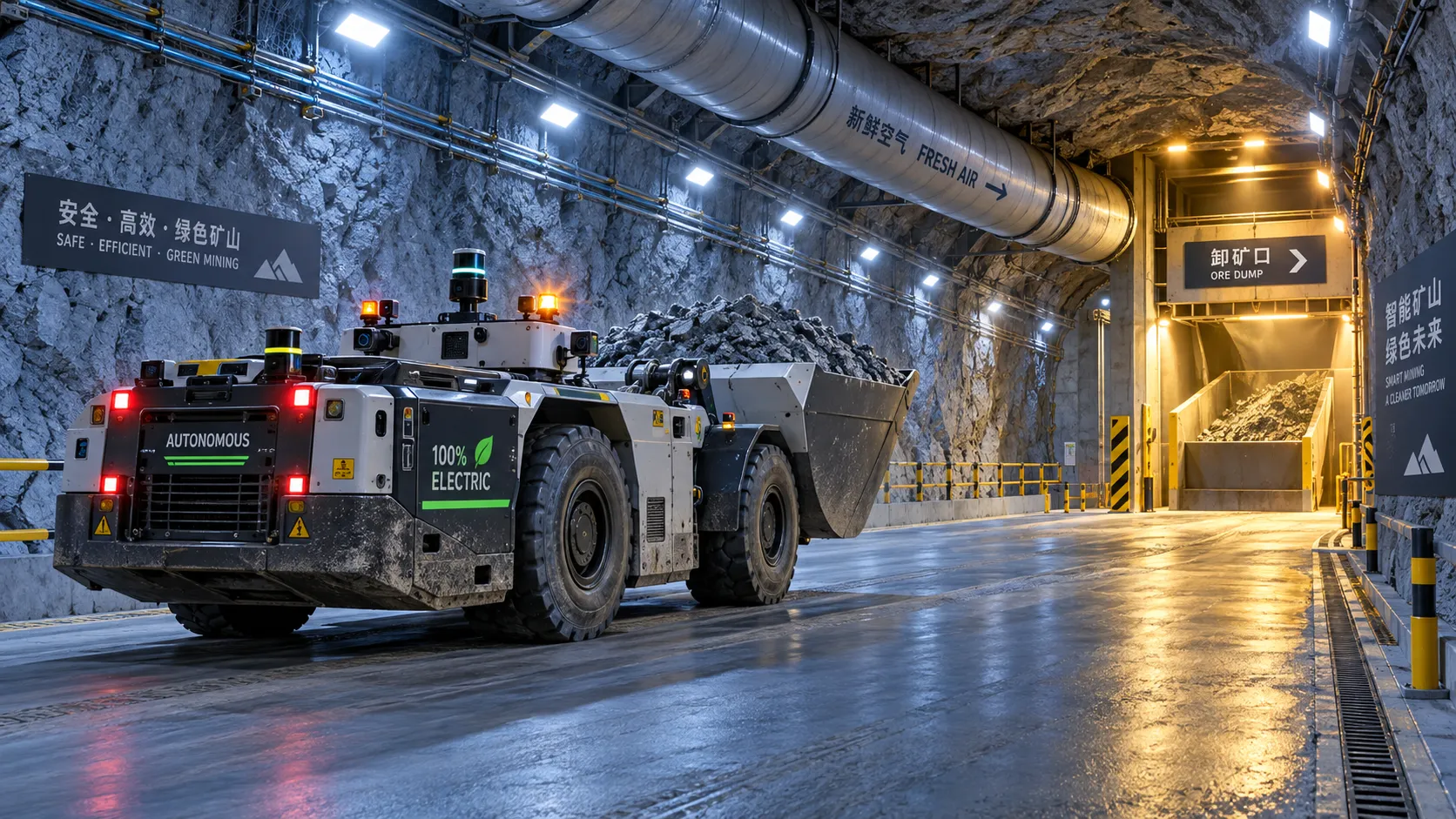
Where Autonomous Mining Loaders Deliver the Most Value in Underground Operations
Autonomous Mining Loaders deliver greater underground value through safer blast-zone work, repeatable haul cycles, and improved ventilation efficiency. Discover the best deployment zones.
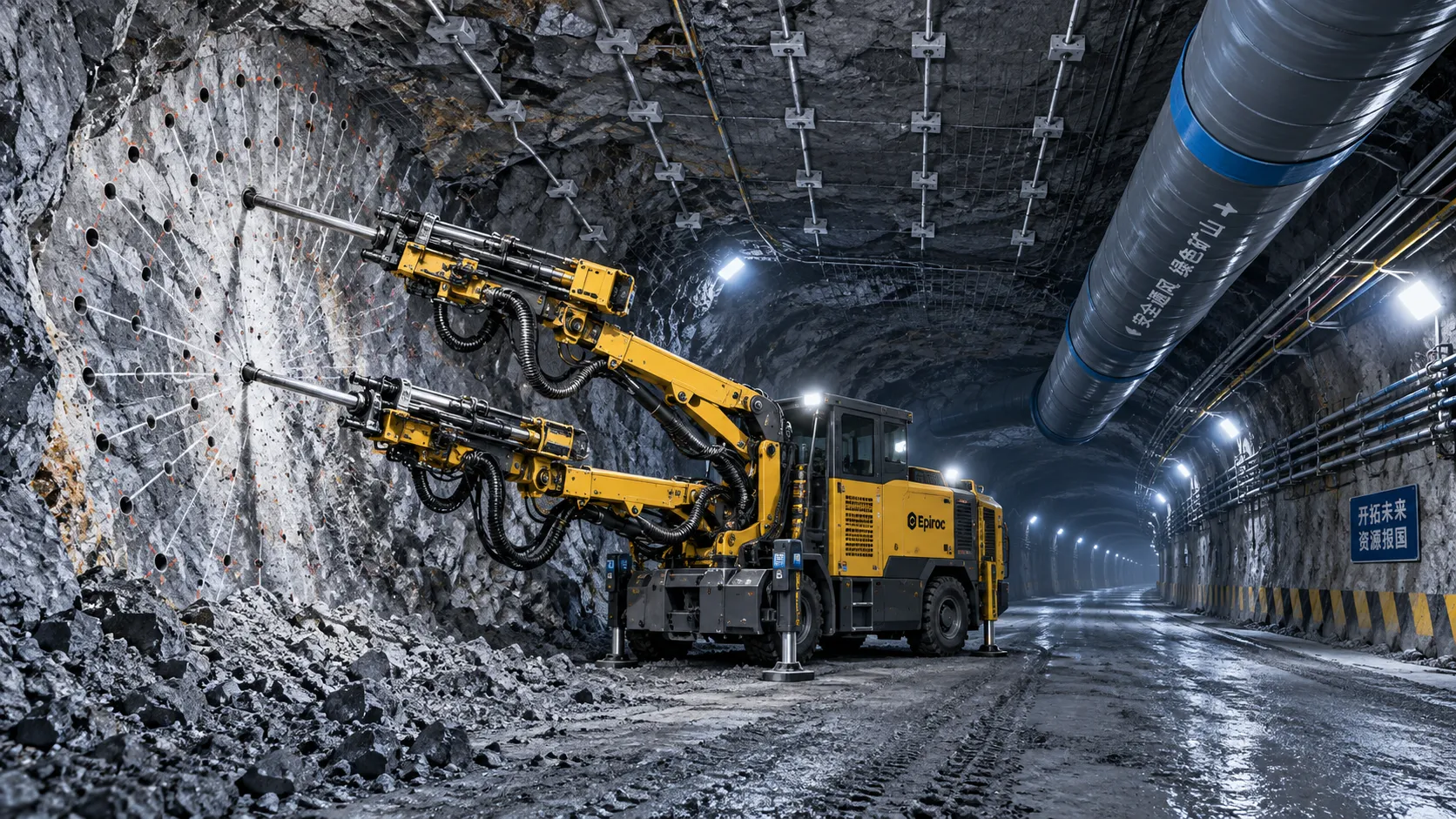
Underground Drilling for Mining: Selecting Methods for Rock Conditions and Mine Layout
Underground drilling for mining: learn how to match drilling methods to rock conditions, mine layout, accuracy needs, ground support, and cycle efficiency.
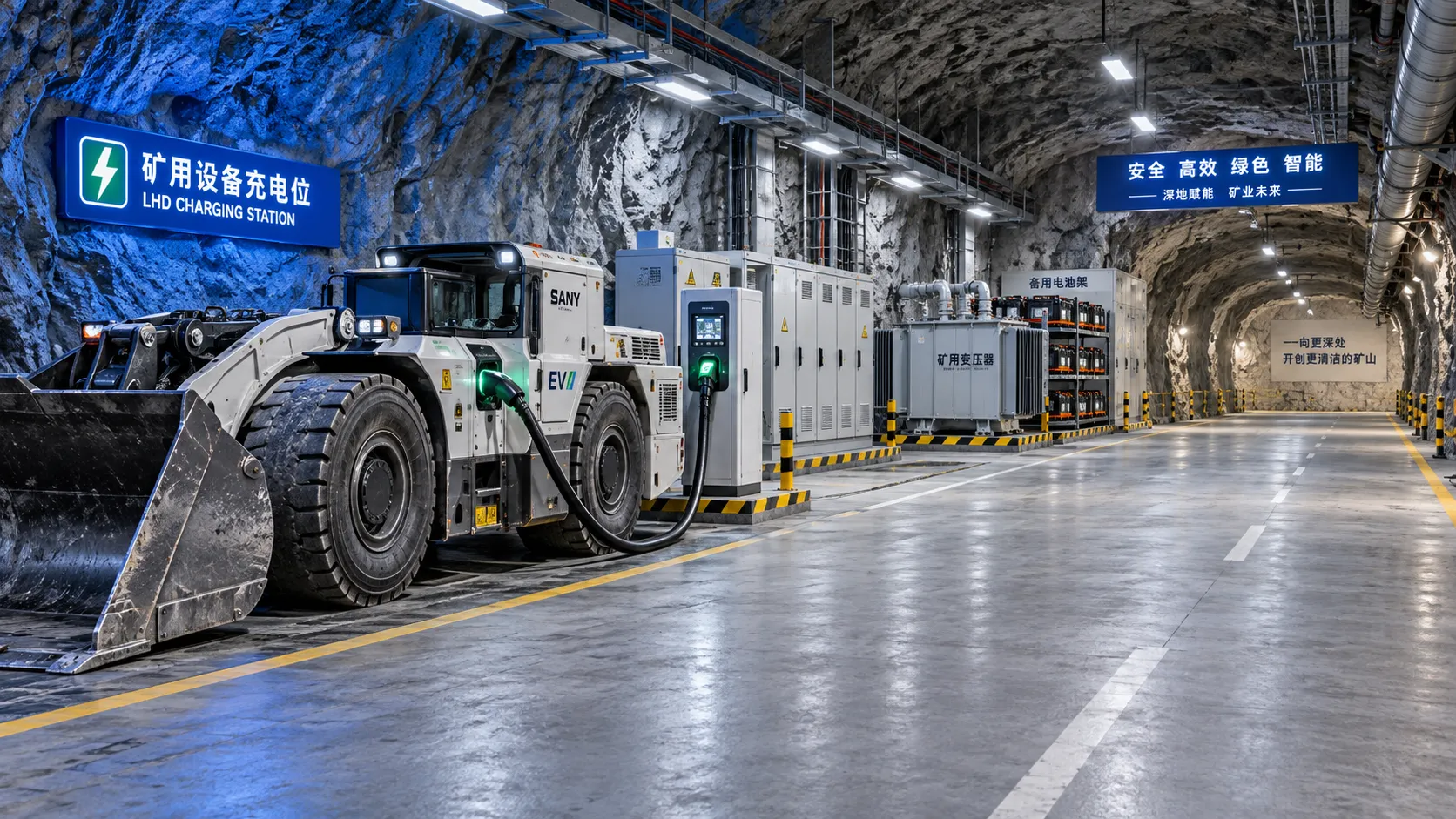
Underground Mine Electrification: How to Size Battery Fleets and Charging Capacity
Mining electrification for underground mines: learn how to size battery fleets, chargers, and power capacity to prevent queues, peak-load issues, and production downtime.
How to Evaluate European Drill-and-Blast Tunnelling Contractors for Complex Projects
Drill and blast tunnelling contractors Europe: learn how to assess geology expertise, blast control, equipment reliability, safety, and programme resilience for complex projects.
Which Trenchless Construction Technique Fits Your Utility Crossing Conditions?
Trenchless construction techniques compared for utility crossings: choose HDD, microtunnelling, pipe jacking, or auger boring based on ground, accuracy, access, and risk.
What Is Driving Metro Tunnelling Demand Across Southeast Asia’s Major Cities?
Metro tunnelling Southeast Asia is accelerating as major cities tackle congestion, flooding, and connectivity. Explore the market forces, technical risks, and opportunities shaping demand.
Hard Rock Tunnelling in Australia: Selecting Methods for Variable Ground Conditions
Hard rock tunnelling in Australia: compare TBM, drill-and-blast and hybrid methods to manage variable ground, reduce risk and protect project costs.
Hydropower Tunnel Excavation: Selecting Methods for Variable Rock Conditions
Hydropower tunnel excavation methods for variable rock conditions: compare TBM, drill-and-blast, and hybrid strategies to improve safety, progress, and project control.
How to Select Underground Safety Equipment for Tunnelling by Hazard and Work Zone
Underground Safety Equipment for tunnelling: match protection to hazards, work zones, compliance, and emergency needs with this practical selection guide.
Related News
- 00
0000-00
Where Autonomous Mining Loaders Deliver the Most Value in Underground Operations - 00
0000-00
Underground Drilling for Mining: Selecting Methods for Rock Conditions and Mine Layout - 00
0000-00
Underground Mine Electrification: How to Size Battery Fleets and Charging Capacity - 00
0000-00
How to Evaluate European Drill-and-Blast Tunnelling Contractors for Complex Projects - 00
0000-00
Which Trenchless Construction Technique Fits Your Utility Crossing Conditions?
Weekly Insights
Stay ahead with our curated technology reports delivered every Monday.