
Bauma 2026 Orders Lift Compliance Focus for Autonomous LHDs





On June 4, 2026, the opening day of Bauma in Munich highlighted more than strong demand for underground mining equipment. The order pattern from Middle Eastern buying groups points to a clearer procurement preference for Autonomous LHDs equipped with 5G remote takeover, SLAM positioning, and explosion-proof battery systems, while a concurrent industry white paper also reported an 11.3% year-on-year rise in 2026 export average prices for this category. For equipment manufacturers, exporters, procurement teams, certification-related service providers, and delivery managers, the development is worth watching because it suggests that technical compliance features are moving closer to a practical purchasing threshold rather than remaining optional product differentiation.
What the first-day signing data confirmed
Bauma opened in Munich on June 4, 2026. First-day exhibition data showed that buying groups from Saudi MAWANI, ADNOC Mining of the UAE, and Qatar RAIL signed orders for 17 Autonomous LHD units.
According to the event summary, those orders accounted for 68% of their same-day underground equipment procurement total. The signed orders were concentrated in models featuring 5G remote takeover, SLAM positioning, and explosion-proof battery systems.
The same summary also stated that delivery priority was higher for these Autonomous LHD models than for Rigid Haul Trucks. During the exhibition, the Global Smart Mining Equipment Procurement White Paper was released and stated that the 2026 export average price of Autonomous LHDs increased by 11.3% year on year.
Why the procurement signal matters across the chain
For equipment exporters, specification compliance is becoming more decisive
Analysis shows that exporters may be affected because buyer attention appears concentrated on specific technical functions rather than on equipment category alone. In practical terms, this can influence quotation structure, technical bid alignment, product documentation, and delivery commitments. What deserves closer attention is whether future tenders, purchase specifications, or acceptance requirements increasingly treat remote takeover capability, positioning systems, and battery safety configuration as baseline compliance items.
For buyers and project procurement teams, supplier screening may tighten
From an industry perspective, procurement teams are likely to focus more closely on whether suppliers can provide complete technical files, testing records, and specification proof related to autonomous operation and battery safety. The impact is not limited to model selection; it may also affect bid review, supplier qualification, and delivery sequencing, especially when Autonomous LHDs are being prioritized ahead of other underground equipment categories.
For certification and testing service providers, document quality may carry more weight
Observably, certification-related firms and testing institutions may face rising demand for clearer technical evidence around control systems, positioning performance, and explosion-proof battery configuration. The immediate issue is not the announcement of a new formal rule in the input information, but the possibility that procurement-side compliance review becomes more detailed. That would make test reports, technical declarations, and consistency between bid documents and delivered configuration more important in commercial execution.
For delivery and after-sales teams, the pressure may shift from volume to readiness
Analysis shows that when buyers prioritize one equipment class over another, supply chain service providers and after-sales teams may need to adjust delivery planning, spare-parts preparation, and technical support sequencing. The reported price increase in export averages also means contract execution risks may become more sensitive if configuration, lead time, or acceptance documents are not aligned early.
What companies should monitor now
Track whether technical features become procurement prerequisites
What deserves closer attention is whether future purchasing documents, bid specifications, or acceptance language start to describe 5G remote takeover, SLAM positioning, and explosion-proof battery systems as mandatory requirements. The current input supports a strong market signal, but not yet a confirmed universal rule change.
Recheck technical files and bid documentation
Manufacturers and exporters should pay attention to whether product brochures, technical datasheets, testing materials, and tender responses clearly and consistently describe the functions that buyers are now favoring. Where documentation is incomplete or inconsistent, the commercial risk may appear during bid review, contract clarification, or delivery acceptance.
Watch delivery planning against shifting product priority
Because the summary states that these Autonomous LHD models received higher delivery priority than Rigid Haul Trucks, companies should monitor whether production scheduling, shipment sequencing, and supplier resource allocation need adjustment. This is especially relevant where multiple underground equipment categories compete for the same manufacturing or logistics capacity.
Prepare for tighter price and traceability discussions
The white paper's note that 2026 export average prices rose by 11.3% year on year suggests that pricing discussions may increasingly be tied to configuration, compliance proof, and delivery certainty. Observably, companies should keep traceable records for specifications, component configuration, and acceptance-related documents in case buyers place greater emphasis on justification of price differences.
How this should be read at this stage
Analysis shows that this development is better understood as an execution signal from the market rather than as a fully defined new regulation. The key point is that procurement behavior at an international industry exhibition is highlighting a more concrete compliance preference around autonomous control, positioning capability, and battery safety configuration.
At the same time, it is still necessary to observe whether this preference is later reflected in formal tender language, qualification rules, technical acceptance criteria, or certification practice. Without those follow-up documents, the current information should not be overstated as a completed regulatory shift.
What the market signal currently tells the sector
From an industry perspective, the event suggests that the commercial center of gravity in underground equipment procurement may be moving toward models that can demonstrate operational control, positioning reliability, and safety-oriented battery design in a clearer way. That matters for manufacturers, exporters, procurement teams, and technical service providers because the issue is no longer only product innovation, but also how those features are translated into procurement language, compliance review, and delivery execution.
It is more appropriate to understand this news as an early but practical signal of rule tightening on the buyer side. The most rational approach is continued observation of tender documents, certification expectations, specification wording, and actual project execution feedback before drawing broader conclusions.
Basis of this article and what still needs verification
This article is generated from the user-provided news title, event date, and event summary. The analysis is based only on the confirmed information that Bauma opened on June 4, 2026, that buying groups from Saudi MAWANI, ADNOC Mining, and Qatar RAIL signed 17 Autonomous LHD orders on the first day, that these orders represented 68% of their same-day underground equipment procurement total, that the selected models focused on 5G remote takeover, SLAM positioning, and explosion-proof battery systems, that delivery priority was higher than for Rigid Haul Trucks, and that the Global Smart Mining Equipment Procurement White Paper reported an 11.3% year-on-year increase in 2026 export average prices.
Specific official source links were not provided in the input and therefore still require follow-up verification. For developments of this type, relevant source categories typically include official event releases, procurement announcements, regulatory publications, trade authority information, industry association materials, standard-setting documents, and reporting from established industry media. What still needs monitoring includes later procurement wording, certification interpretation, tender document changes, market feedback, and how companies implement these requirements in actual delivery and after-sales execution.
Related News
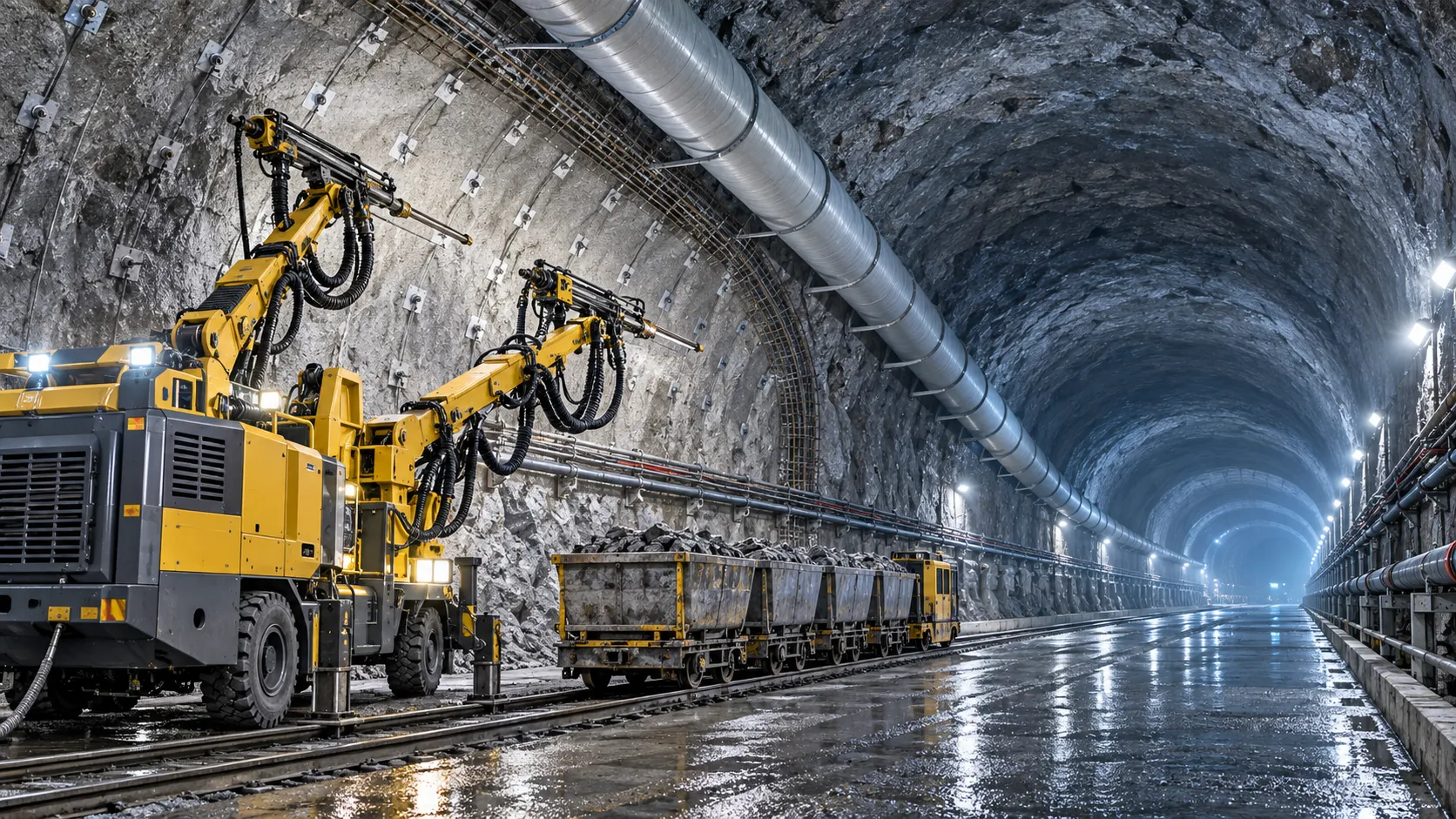
How to Evaluate European Drill-and-Blast Tunnelling Contractors for Complex Projects
Drill and blast tunnelling contractors Europe: learn how to assess geology expertise, blast control, equipment reliability, safety, and programme resilience for complex projects.
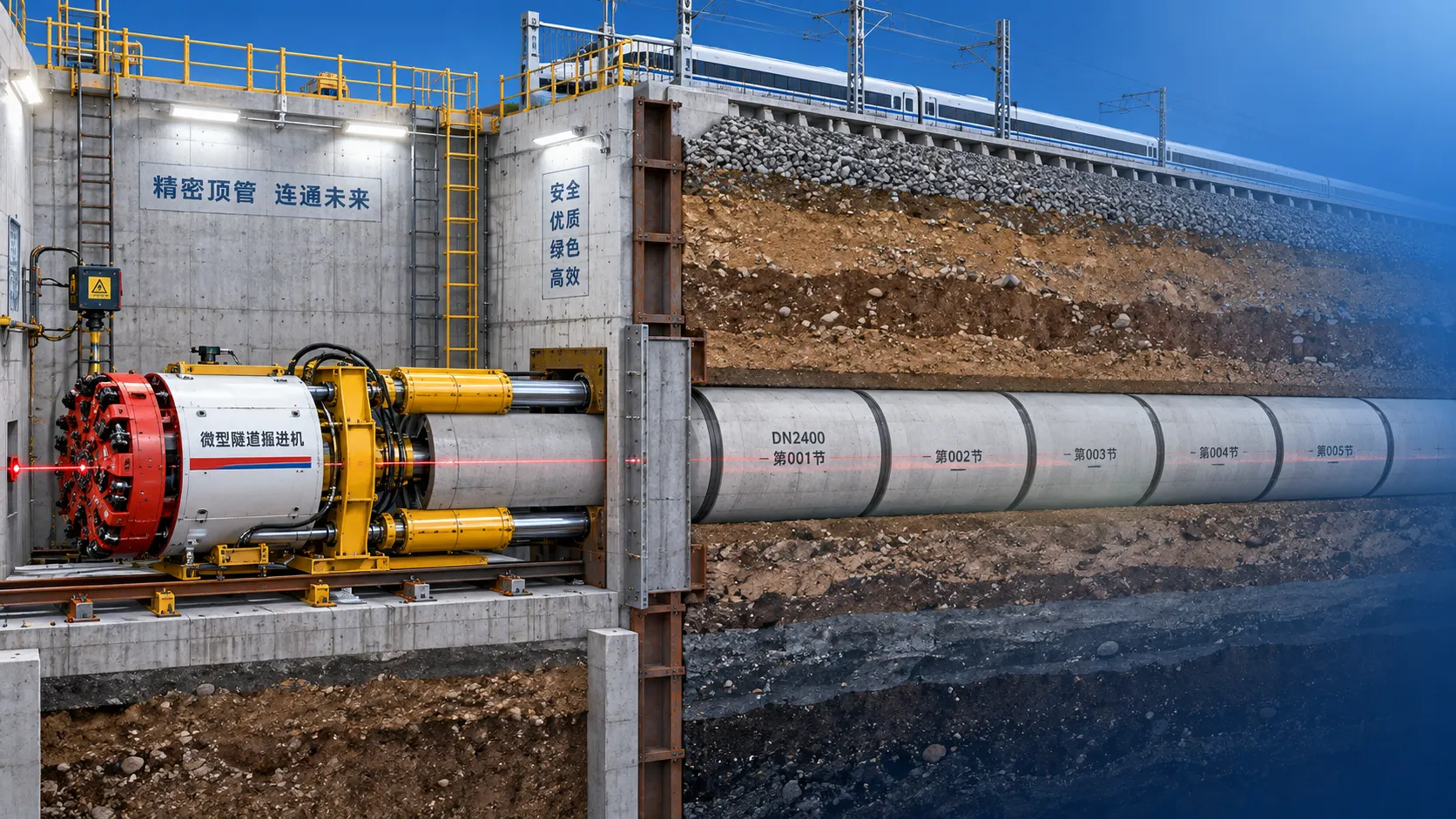
Which Trenchless Construction Technique Fits Your Utility Crossing Conditions?
Trenchless construction techniques compared for utility crossings: choose HDD, microtunnelling, pipe jacking, or auger boring based on ground, accuracy, access, and risk.
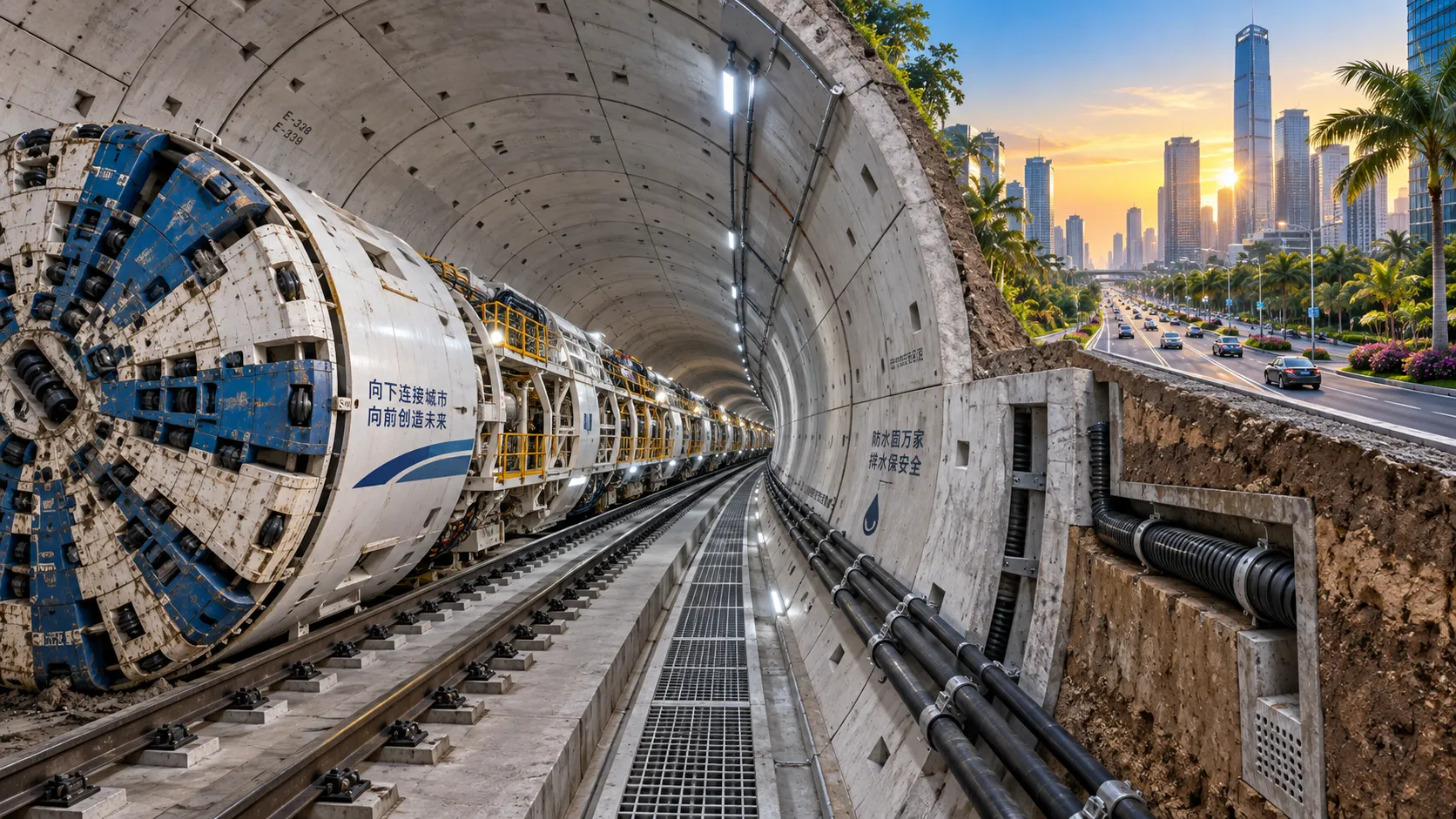
What Is Driving Metro Tunnelling Demand Across Southeast Asia’s Major Cities?
Metro tunnelling Southeast Asia is accelerating as major cities tackle congestion, flooding, and connectivity. Explore the market forces, technical risks, and opportunities shaping demand.
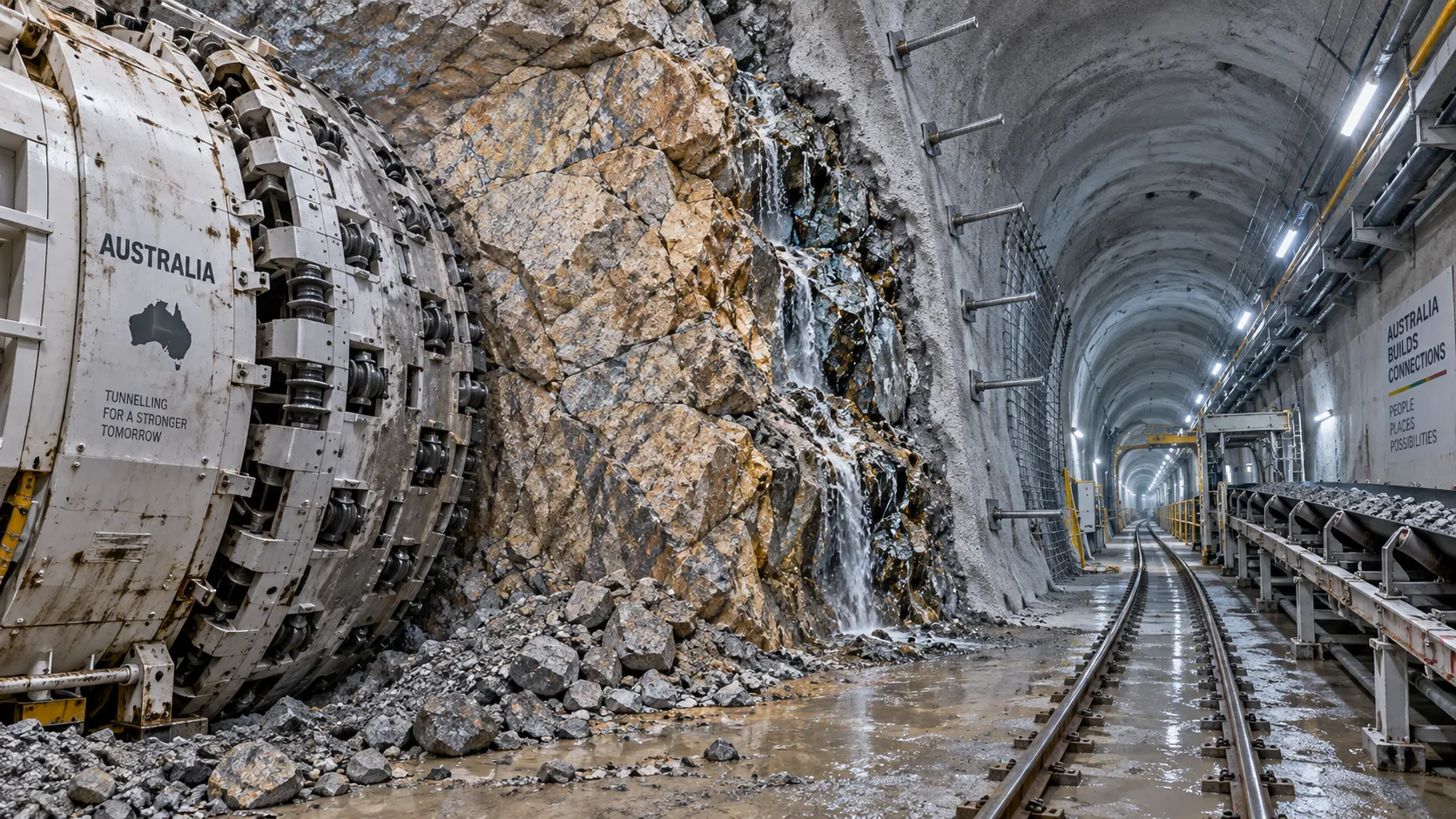
Hard Rock Tunnelling in Australia: Selecting Methods for Variable Ground Conditions
Hard rock tunnelling in Australia: compare TBM, drill-and-blast and hybrid methods to manage variable ground, reduce risk and protect project costs.
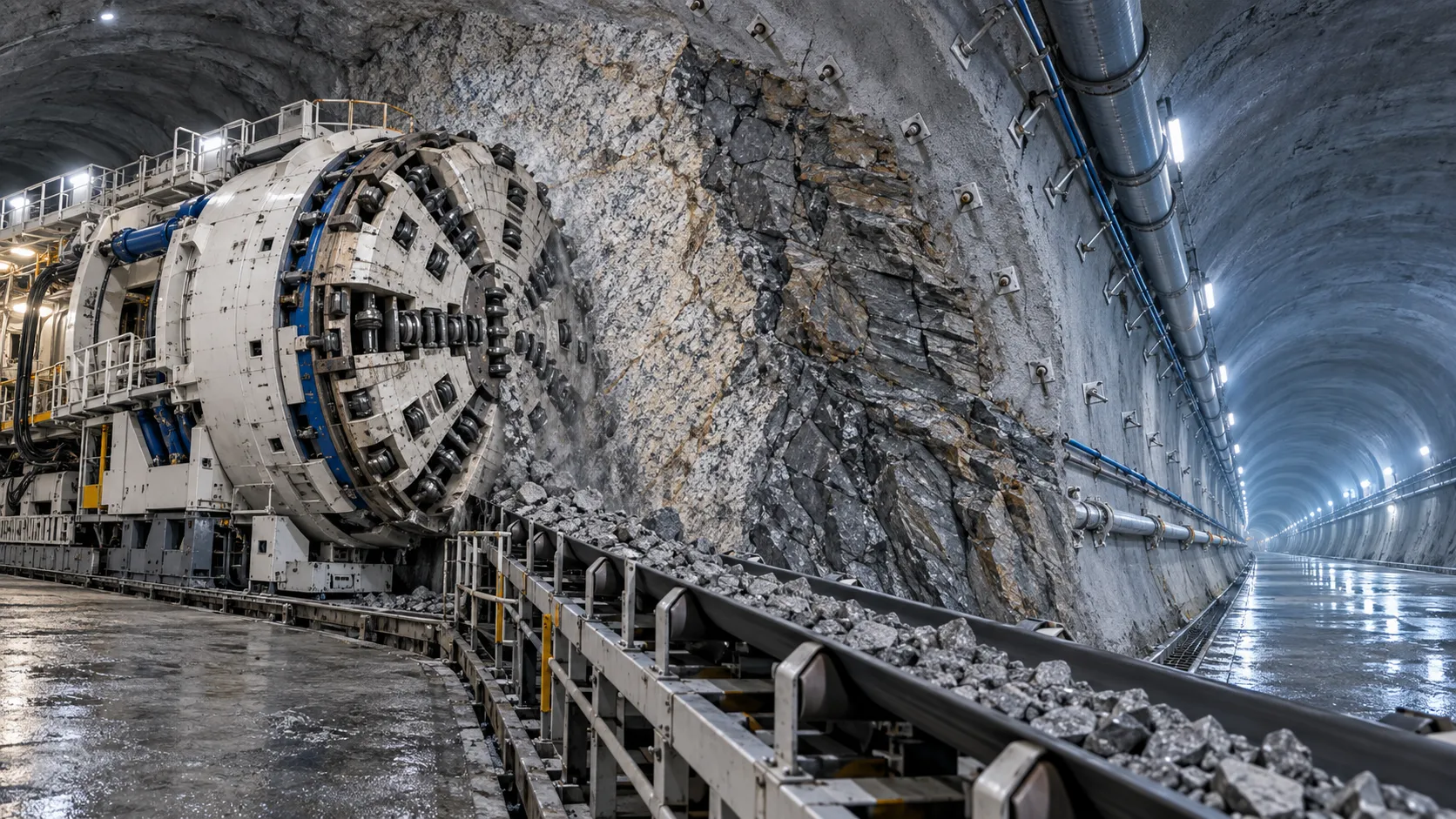
Hydropower Tunnel Excavation: Selecting Methods for Variable Rock Conditions
Hydropower tunnel excavation methods for variable rock conditions: compare TBM, drill-and-blast, and hybrid strategies to improve safety, progress, and project control.
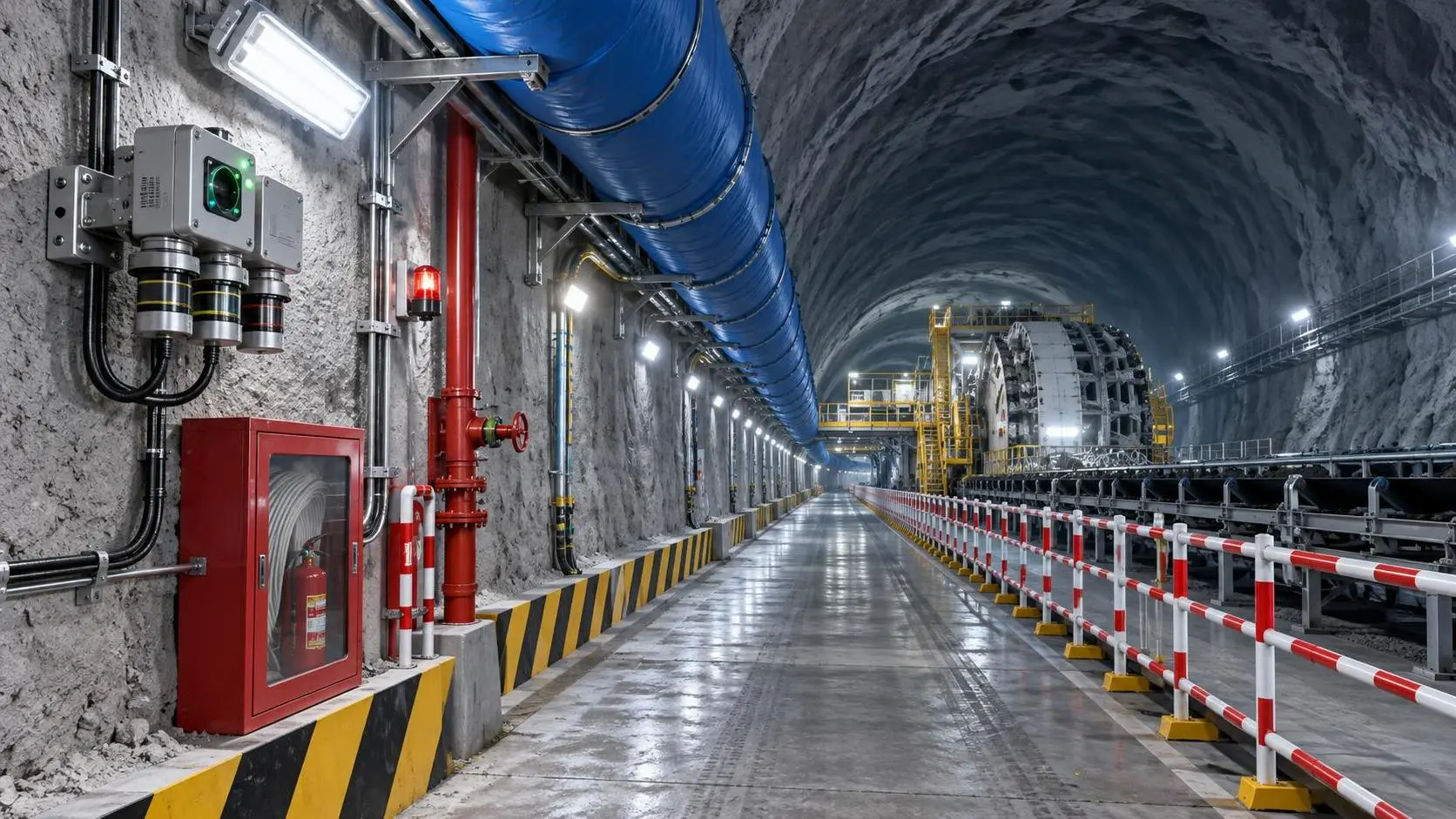
How to Select Underground Safety Equipment for Tunnelling by Hazard and Work Zone
Underground Safety Equipment for tunnelling: match protection to hazards, work zones, compliance, and emergency needs with this practical selection guide.
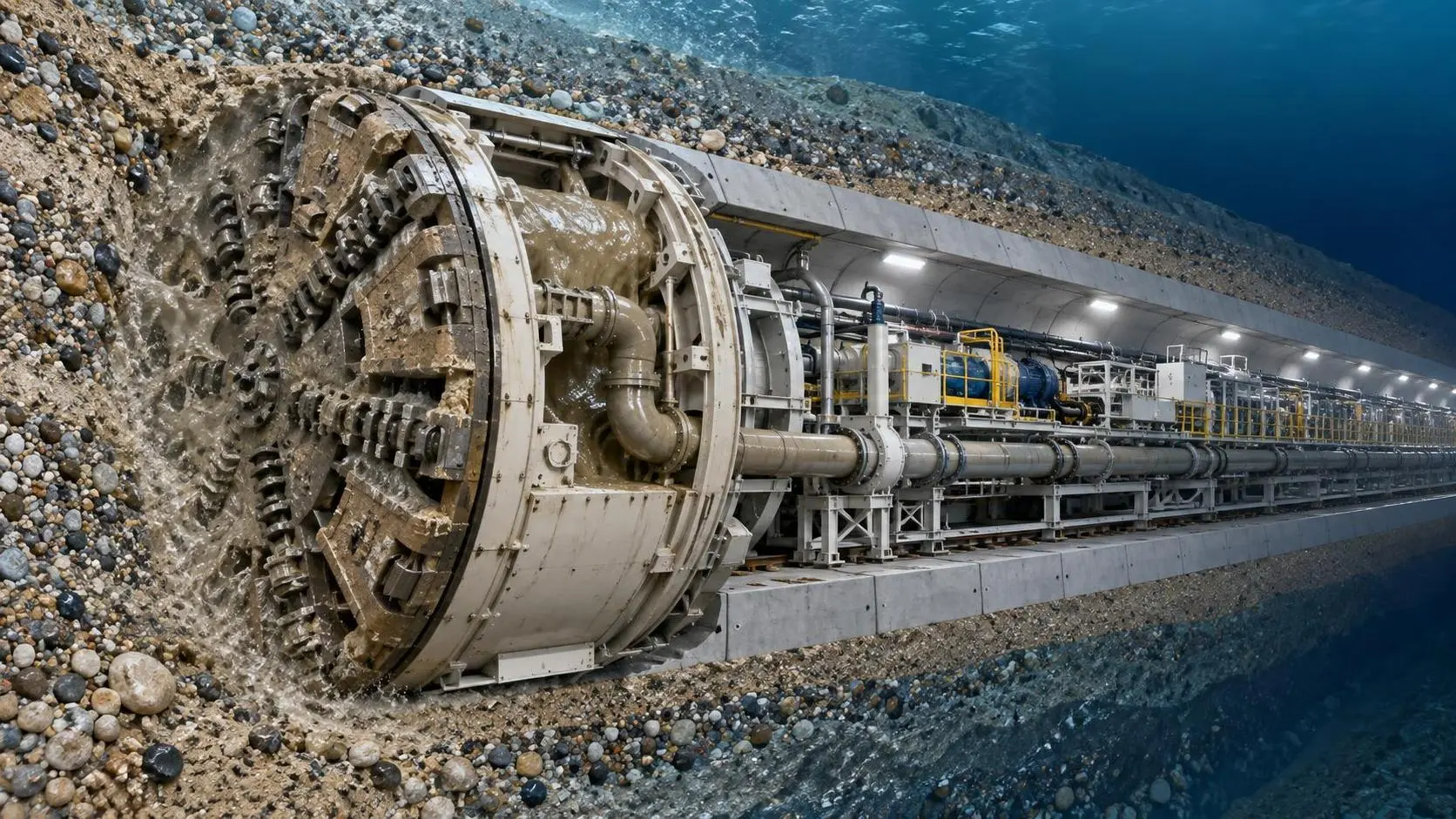
EPB or Slurry Shield? Selecting Soft-Ground Tunnelling Equipment by Soil Conditions
Tunnel Excavation Equipment for soft ground: compare EPB and slurry shields by soil, groundwater, settlement risk, and project logistics to choose confidently.
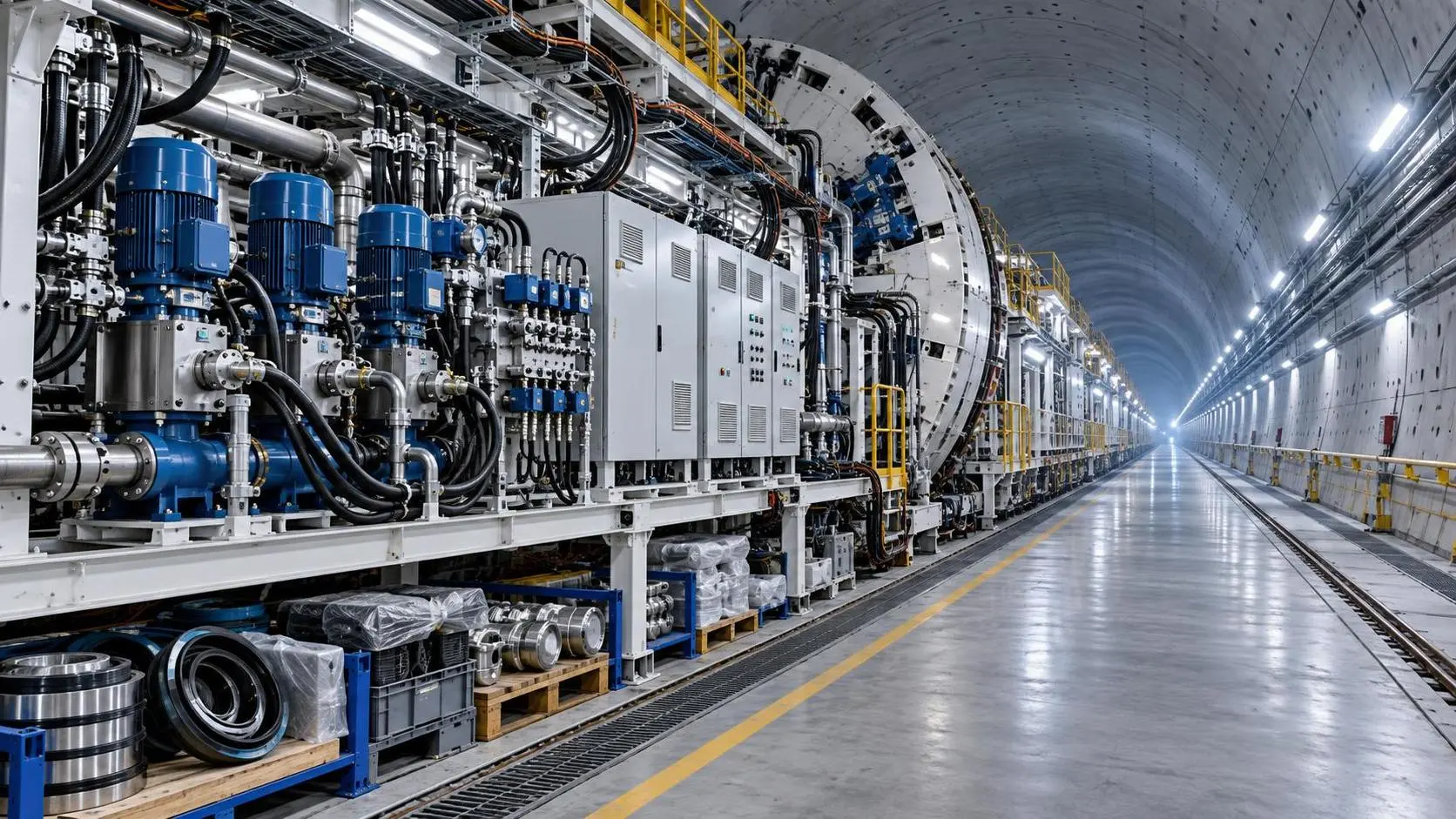
How to Specify TBM Backup System Parts for Reliable Long-Distance Tunnelling
TBM backup system parts: learn how to specify reliable spares for long-distance tunnelling, reduce downtime, ensure compatibility, and speed underground recovery.
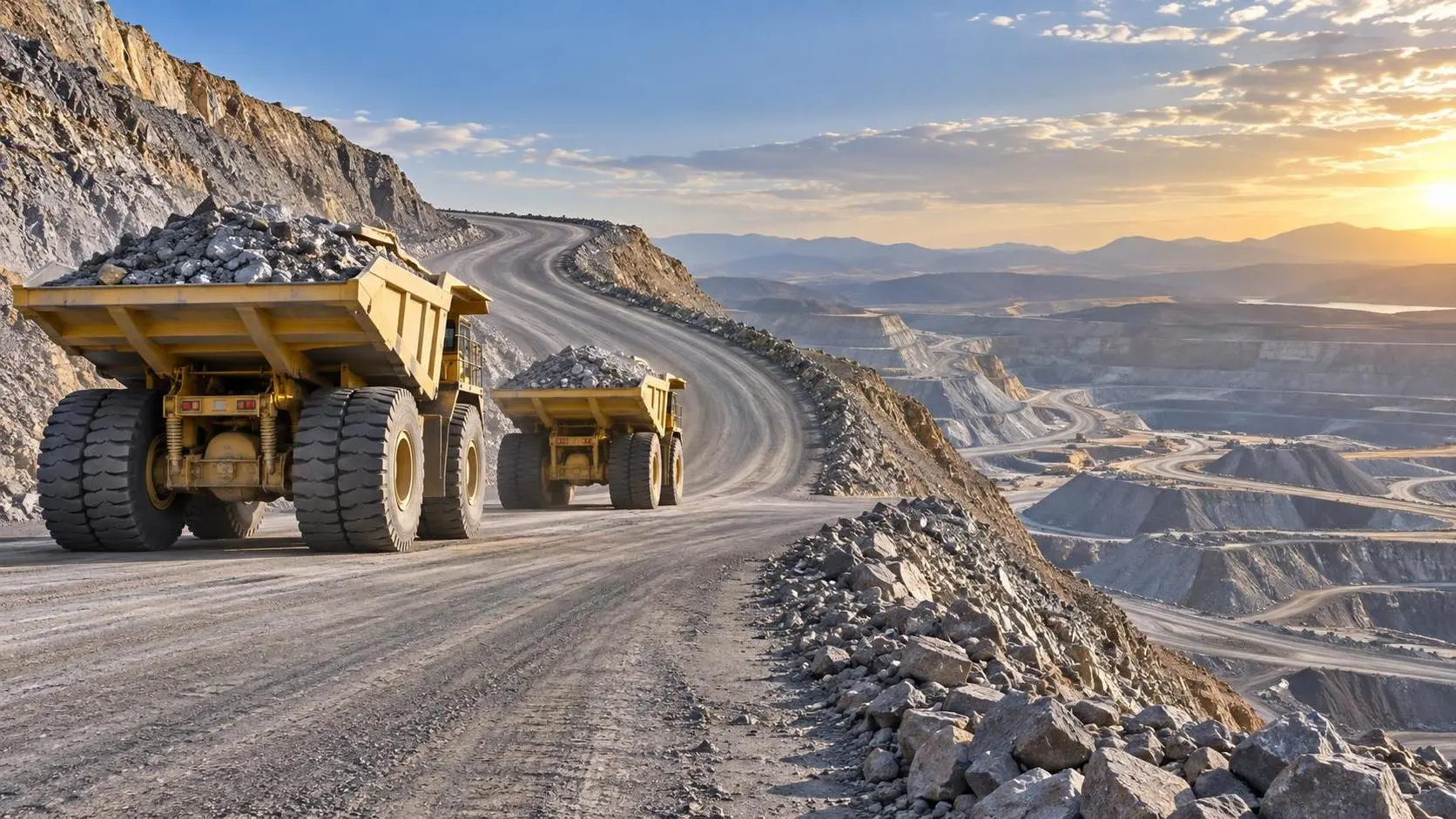
How to Size Open Pit Mining Trucks for Haul Distance, Grade, and Payload?
Open Pit Mining Trucks: learn how to match payload, haul distance, grade, road resistance, and loading capacity for safer, lower-cost mine operations.
Related News
- 00
0000-00
How to Evaluate European Drill-and-Blast Tunnelling Contractors for Complex Projects - 00
0000-00
Which Trenchless Construction Technique Fits Your Utility Crossing Conditions? - 00
0000-00
What Is Driving Metro Tunnelling Demand Across Southeast Asia’s Major Cities? - 00
0000-00
Hard Rock Tunnelling in Australia: Selecting Methods for Variable Ground Conditions - 00
0000-00
Hydropower Tunnel Excavation: Selecting Methods for Variable Rock Conditions
Weekly Insights
Stay ahead with our curated technology reports delivered every Monday.