
Bauma 2026 Orders Signal Faster Entry Rules for EV Mining Trucks





On June 7, 2026, the opening day of Bauma in Munich showed a clear shift in how electric and autonomous mining equipment is being evaluated for Middle East procurement. More than 37 non-binding purchase orders for battery-electric mining trucks were signed by mining groups from Saudi Arabia, the UAE, and Qatar, while several Chinese OEMs disclosed TÜV Rheinland pre-certification for autonomous functional safety under ISO 26262 ASIL-B. For equipment makers, buyers, certification-related service providers, and export delivery teams, the development is worth watching because it points to changing market-entry expectations, especially where procurement decisions are increasingly linked to safety validation and readiness for autonomous operation.
What Was Confirmed on Bauma’s Opening Day
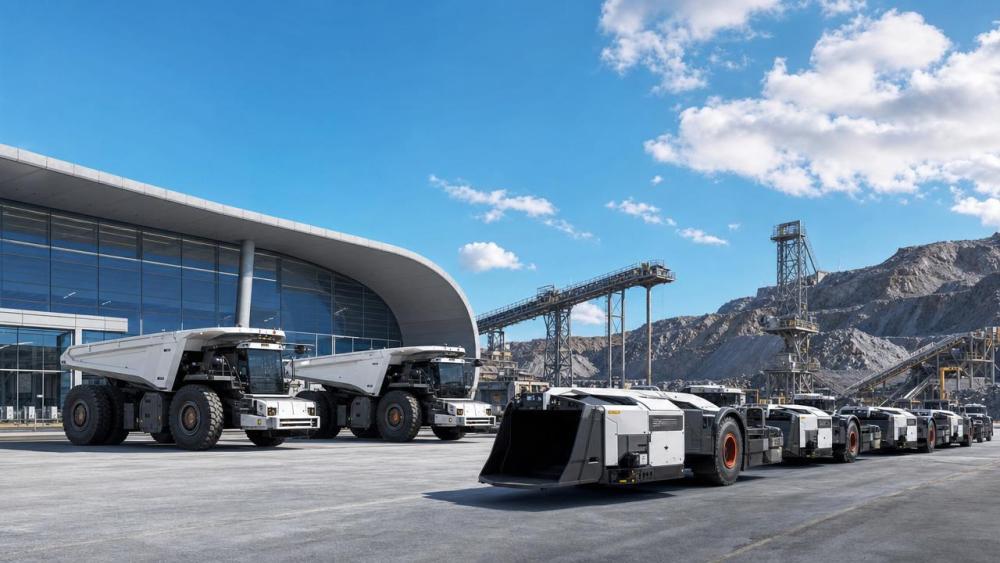
Confirmed information from the event shows that Bauma 2026 opened on June 7 in Munich, and mining groups from Saudi Arabia, the UAE, and Qatar signed letters of intent covering more than 37 pure electric mining trucks on the first day. Among those intended orders, Autonomous LHDs and Rigid Haul Trucks accounted for 68%.
It was also disclosed at the exhibition that multiple Chinese OEMs had obtained TÜV Rheinland pre-certification related to autonomous functional safety under ISO 26262 ASIL-B. According to the provided event summary, this is helping accelerate access to the Middle East market. The same summary indicates that procurement for open-pit mining electrification and unmanned operation is moving from pilot-stage testing toward larger-volume adoption.
Why Procurement and Market Access May Tighten Around Compliance
Buyers are likely to weigh technical readiness earlier
From an industry perspective, mining groups and project procurement teams may be affected first because the event suggests that electric mining truck selection is no longer based only on equipment availability. Where autonomous functions are involved, safety-related pre-certification and supporting technical evidence may become more visible in early procurement screening, bid qualification, and supplier comparison.
OEM export teams may face a higher documentation burden
Analysis shows that manufacturers and export-facing sales teams may need to prepare more complete compliance packages for Middle East opportunities, especially for models positioned as Autonomous LHDs or Rigid Haul Trucks. What deserves closer attention is not only the product itself, but also how certification status, technical files, test materials, and safety-related descriptions are presented during customer review and tender communication.
Certification and testing service providers may move closer to commercial timelines
For certification-related companies and testing institutions, the development suggests that validation work may increasingly sit nearer to the front end of commercial negotiations rather than later in delivery. If buyers start treating functional safety evidence as a practical entry requirement, review timelines, report readiness, and alignment of assessment language with procurement documents may become more important.
After-sales and delivery functions may also feel the impact
Observably, once procurement interest shifts toward electric and autonomous mining equipment, downstream teams such as delivery coordinators and after-sales service providers may need to watch for additional requirements tied to configuration consistency, traceable technical records, and handover materials. The event does not confirm any new formal rule text, but it does indicate that compliance expectations may increasingly affect delivery preparation.
What Companies Should Watch Next
Track how pre-certification is referenced in market entry discussions
Analysis shows that companies should pay close attention to how TÜV Rheinland pre-certification under ISO 26262 ASIL-B is described in customer communication, bid materials, and qualification exchanges. The current information supports the view that such certification-related status can help speed market access, but it does not establish a uniform mandatory rule across all projects.
Review technical files for autonomous equipment categories
Manufacturers and suppliers targeting Autonomous LHDs and Rigid Haul Trucks should closely review whether product specifications, safety descriptions, test reports, and model documentation are ready for external scrutiny. This matters because the concentration of intended orders in these categories suggests buyers are paying special attention to use cases where autonomous operation is more directly tied to procurement decisions.
Watch tender language and supplier qualification thresholds
What deserves closer attention is whether future tender documents, supplier shortlisting criteria, or technical bid alignment start using more explicit wording around functional safety, autonomous capability, or certification readiness. The event itself does not confirm those detailed changes, so this remains a point for ongoing observation rather than a settled requirement.
Prepare for closer coordination between sales, compliance, and delivery teams
For export-oriented OEMs and supply-chain service teams, a practical response is to align commercial commitments with compliance review and delivery readiness earlier in the process. This includes checking supporting documents, certification statements, technical submissions, and post-sale service preparation before procurement moves from intent to execution.
Why This Looks More Like an Execution Signal Than a Standalone Trade Show Headline
Observably, the most important meaning of this development is not simply that orders were signed on the first day of a major exhibition. It is more appropriate to understand this as a market signal that procurement behavior is starting to treat electrification and autonomous readiness as operationally relevant purchasing conditions. The disclosed TÜV Rheinland pre-certification point strengthens that interpretation because it links commercial momentum with a recognized safety-validation pathway.
At the same time, analysis shows that the event should not yet be read as proof of a fully standardized or final rule environment. Further observation is still needed on how certification language is adopted in project documents, how buyers translate safety expectations into purchasing conditions, and how consistently these expectations are applied across markets and projects.
How the Market Should Read This Stage
In practical terms, this event is best read as an early execution-level indicator that electric and autonomous mining truck procurement in the Middle East is becoming more structured around compliance readiness, especially for equipment categories already drawing concentrated buyer interest. The confirmed facts support a view of accelerating commercialization, but not a conclusion that all regulatory, certification, or tender requirements have fully settled.
A rational industry reading is therefore to treat the Bauma 2026 first-day developments as a meaningful signal of implementation direction: procurement is scaling, certification status is becoming more commercially relevant, and companies involved in export, qualification, and delivery should watch the next round of market documentation and buyer feedback closely.
Basis of This Article and What Still Needs Verification
This article is generated from the user-provided news title, event date, and event summary. For developments of this kind, source types typically worth checking include official event disclosures, regulatory announcements, trade or customs authority information, industry association releases, standards organization documents, certification body statements, and reporting by established industry media.
No specific official source link was provided in the input, so the underlying details should continue to be verified against subsequent public disclosures. What still needs observation includes later certification interpretations, procurement document wording, supplier qualification practice, project execution feedback, and how companies convert letters of intent into actual delivery and compliance workflows.
Related News
How to Evaluate European Drill-and-Blast Tunnelling Contractors for Complex Projects
Drill and blast tunnelling contractors Europe: learn how to assess geology expertise, blast control, equipment reliability, safety, and programme resilience for complex projects.
Which Trenchless Construction Technique Fits Your Utility Crossing Conditions?
Trenchless construction techniques compared for utility crossings: choose HDD, microtunnelling, pipe jacking, or auger boring based on ground, accuracy, access, and risk.

What Is Driving Metro Tunnelling Demand Across Southeast Asia’s Major Cities?
Metro tunnelling Southeast Asia is accelerating as major cities tackle congestion, flooding, and connectivity. Explore the market forces, technical risks, and opportunities shaping demand.
Hard Rock Tunnelling in Australia: Selecting Methods for Variable Ground Conditions
Hard rock tunnelling in Australia: compare TBM, drill-and-blast and hybrid methods to manage variable ground, reduce risk and protect project costs.
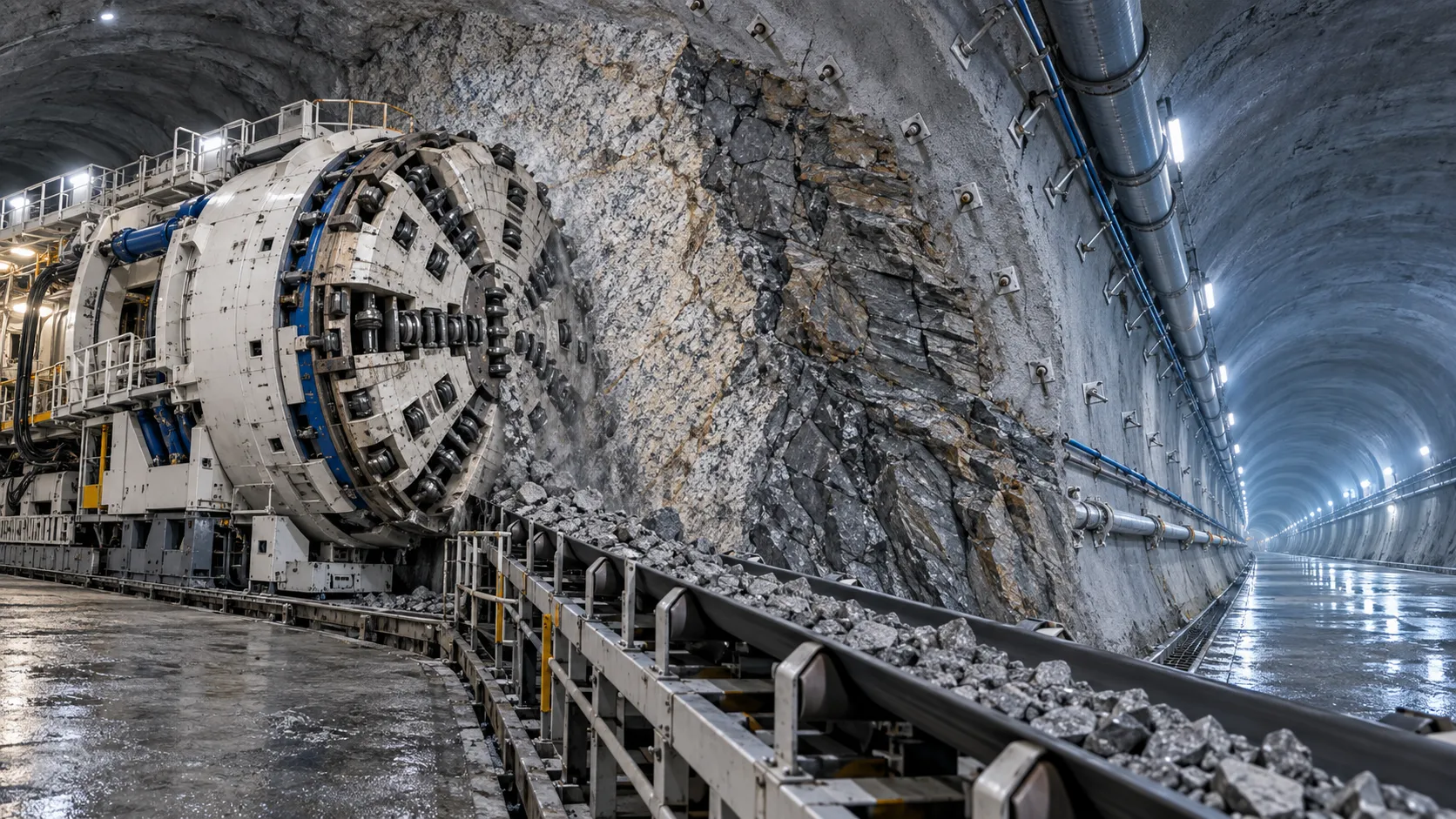
Hydropower Tunnel Excavation: Selecting Methods for Variable Rock Conditions
Hydropower tunnel excavation methods for variable rock conditions: compare TBM, drill-and-blast, and hybrid strategies to improve safety, progress, and project control.
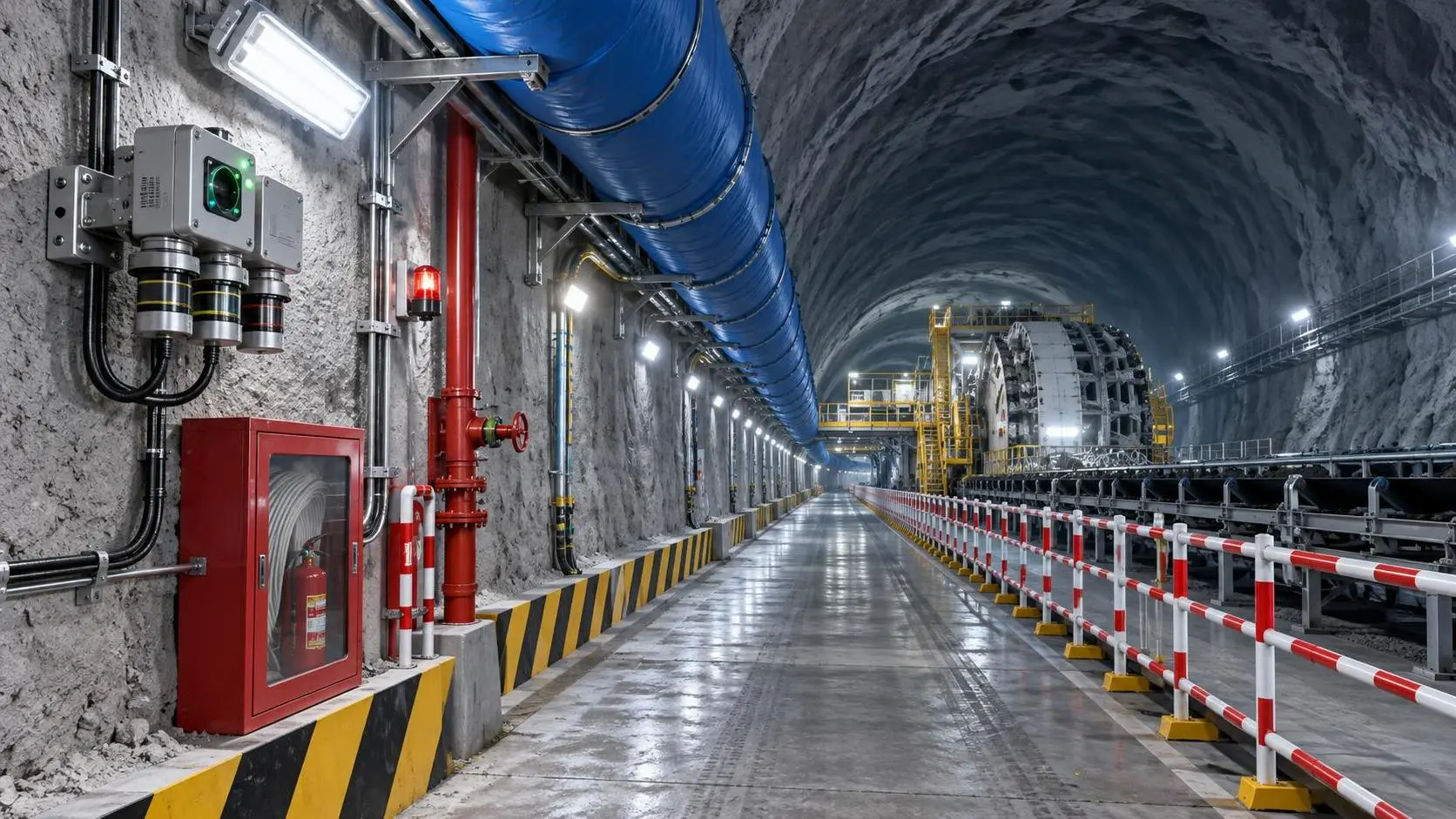
How to Select Underground Safety Equipment for Tunnelling by Hazard and Work Zone
Underground Safety Equipment for tunnelling: match protection to hazards, work zones, compliance, and emergency needs with this practical selection guide.

EPB or Slurry Shield? Selecting Soft-Ground Tunnelling Equipment by Soil Conditions
Tunnel Excavation Equipment for soft ground: compare EPB and slurry shields by soil, groundwater, settlement risk, and project logistics to choose confidently.
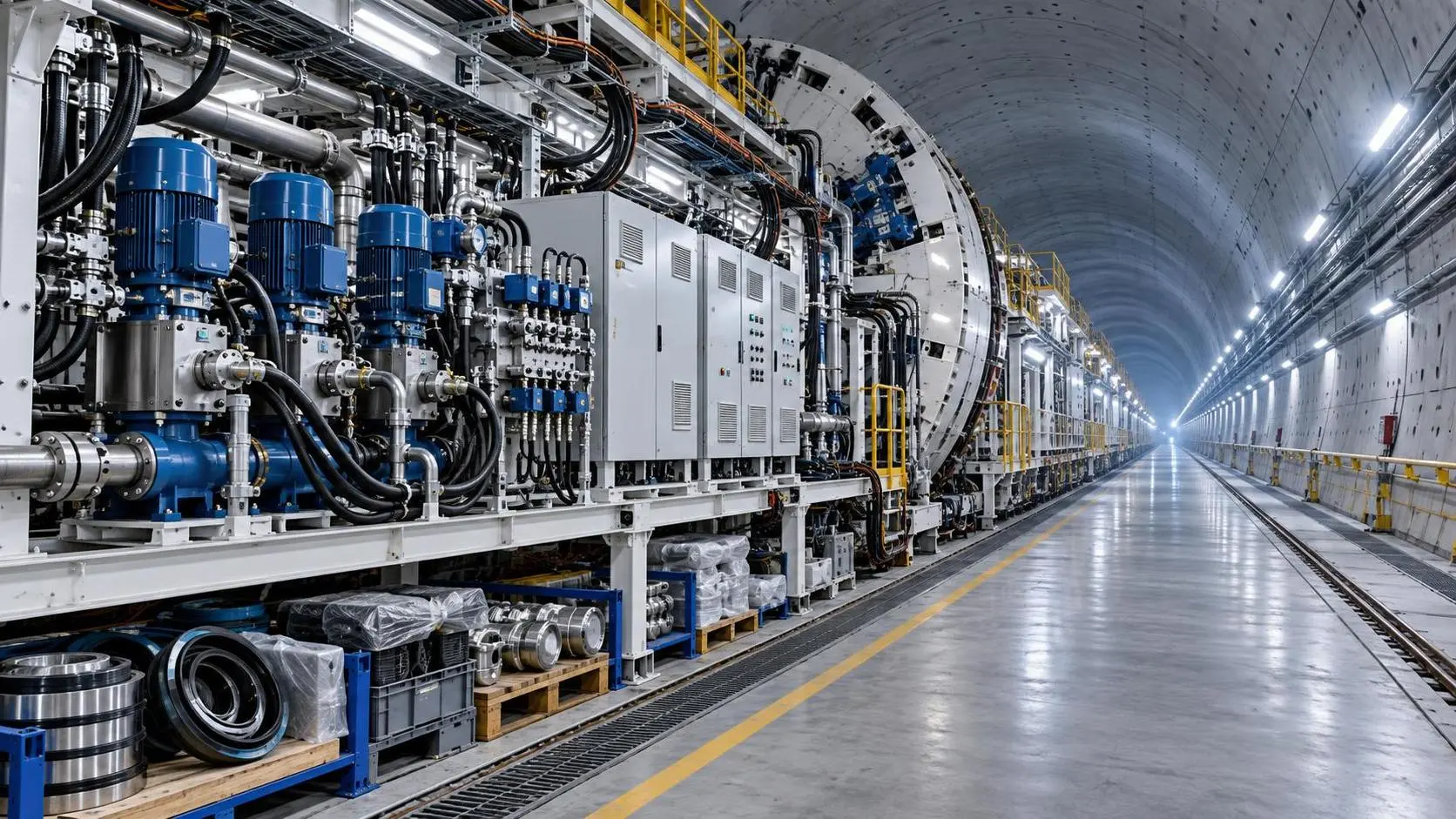
How to Specify TBM Backup System Parts for Reliable Long-Distance Tunnelling
TBM backup system parts: learn how to specify reliable spares for long-distance tunnelling, reduce downtime, ensure compatibility, and speed underground recovery.

How to Size Open Pit Mining Trucks for Haul Distance, Grade, and Payload?
Open Pit Mining Trucks: learn how to match payload, haul distance, grade, road resistance, and loading capacity for safer, lower-cost mine operations.
Related News
- 00
0000-00
How to Evaluate European Drill-and-Blast Tunnelling Contractors for Complex Projects - 00
0000-00
Which Trenchless Construction Technique Fits Your Utility Crossing Conditions? - 00
0000-00
What Is Driving Metro Tunnelling Demand Across Southeast Asia’s Major Cities? - 00
0000-00
Hard Rock Tunnelling in Australia: Selecting Methods for Variable Ground Conditions - 00
0000-00
Hydropower Tunnel Excavation: Selecting Methods for Variable Rock Conditions
Weekly Insights
Stay ahead with our curated technology reports delivered every Monday.