
Australia Tightens Battery LHD Cell Entry Rules





On June 18, 2026, the Australian mining safety regulator MSRA issued a new access notice for underground battery-powered load-haul-dump machines, shifting market access from a general technical review to a named-cell-source requirement. For importers, equipment suppliers, mine procurement teams, maintenance providers, and certification-related service companies, the immediate concern is not only battery configuration, but also whether replacement and new-delivery units can meet the new whitelist and batch-level certification documentation required for underground operating approval.
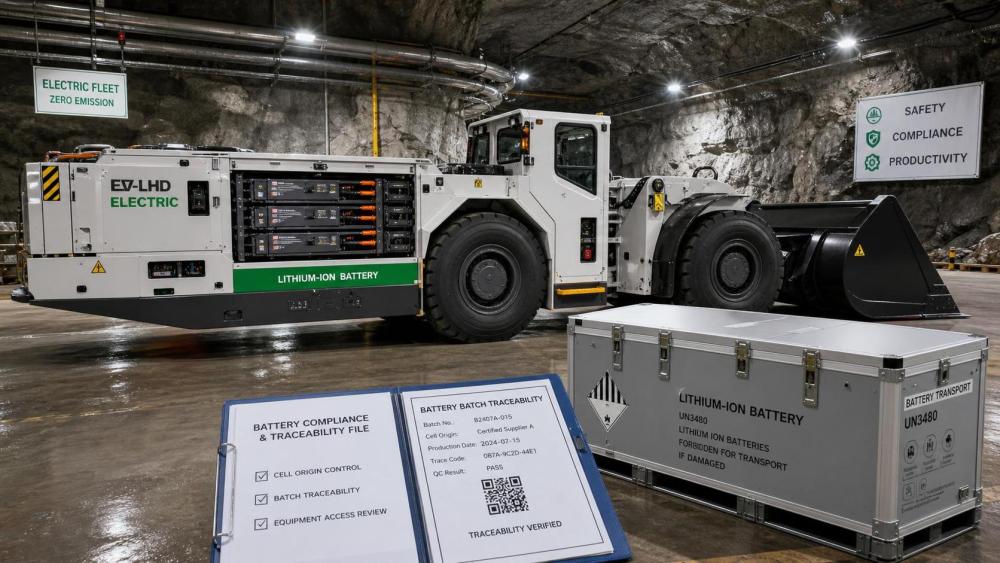
What the new access notice changes
According to the information provided, MSRA released the 2026 Technical Access Notice for Underground Battery LHDs on June 18, 2026.
The notice requires that battery cells used in all newly imported battery LHDs, as well as in-service replacement units, must come from two white-listed suppliers: CATL or BYD.
The same notice also requires traceable batch-level dual certification records covering both UN38.3 and IEC 62619.
The policy takes effect immediately. Equipment using non-whitelisted cells will not be issued an underground operating permit. The change also affects existing maintenance spare-parts imports and the procurement process for new machines.
Where the operational pressure is likely to appear first
Imported equipment and new machine sourcing
For companies bringing battery LHDs into the market, the rule change may directly affect supplier selection, technical specification alignment, and pre-shipment document preparation. The key issue is no longer limited to overall machine performance; it now extends to whether the cell source itself matches the named whitelist and whether the supporting certification can be traced at batch level.
Replacement parts and in-service maintenance workflows
For after-sales providers and operators managing equipment already in service, the notice matters because it explicitly reaches replacement use cases. This means maintenance-related battery replacements may face the same source and documentation checks as new imports. What deserves closer attention is whether spare-parts planning, repair scheduling, and replacement inventory control can still move smoothly under the immediate-effect requirement.
Procurement and compliance review inside mining projects
For mine procurement teams and project compliance staff, the change may shift review priorities in tendering, technical clarification, and acceptance documentation. In practice, cell origin, traceability records, and dual-certification completeness may become front-end review items rather than paperwork checked later in delivery.
Testing, certification, and document service links
For companies involved in certification support, testing coordination, and technical file preparation, the rule increases the importance of document consistency. The practical focus is likely to fall on whether batch-level UN38.3 and IEC 62619 records can be linked clearly to the delivered cells, the machine configuration, and the permit application materials.
What companies should review now
Check cell-source consistency across orders
Analysis shows that companies involved in new orders or replacement programs should first verify whether the battery cells specified in procurement, import, and service documentation are aligned with the CATL or BYD whitelist requirement described in the notice.
Re-examine certification files at batch level
Observably, the wording on traceable batch-level dual certification raises the importance of document granularity. Businesses should pay close attention to whether existing files are organized in a way that can support review against both UN38.3 and IEC 62619 at the batch level, rather than only at a broader product level.
Review contract and delivery documentation
From an industry perspective, tender documents, purchase specifications, import files, and service replacement paperwork may need closer internal screening. The immediate point is not to assume that past documentation practice remains sufficient under a rule that ties underground permit issuance to named cell sources and traceable certification evidence.
Track follow-up wording and execution practice
Because the provided information does not include more detailed implementation language, companies should continue monitoring how the requirement is reflected in official wording, permit review practice, procurement documents, and market-side execution feedback. It is more appropriate to treat this as an active compliance checkpoint rather than assume every operating detail is already fully settled.
Why this reads as an execution signal, not just a policy note
Analysis shows that this update is more than a general safety statement because it links market access directly to a closed supplier list and identifiable certification evidence, and it does so with immediate effect. That combination makes it closer to an execution signal than to a distant policy discussion.
At the same time, observably, the information currently provided does not answer every operational question that companies may face in bidding, replacement approval, or documentation review. For that reason, the market still needs to watch how the notice is applied in procurement practice, maintenance approvals, and permit handling.
How the market may need to interpret this development
The immediate industry meaning of this notice is a tighter entry condition for underground battery LHDs in Australia, centered on cell-source control and traceable dual-certification proof. A neutral reading is that the change should currently be understood as an already effective compliance requirement with practical consequences for imports, replacements, and purchasing workflow, while some execution details still merit continued observation.
Basis of this article
This article is generated from the user-provided title, event date, and event summary. The specific official source link was not provided in the input, so continued verification remains necessary.
For events of this type, relevant source categories usually include official regulator notices, publications by supervisory authorities, customs or trade administration information, industry association updates, standards-related documents, and reporting by authoritative media. Further attention should remain on detailed policy wording, certification enforcement practice, tender-document changes, industry feedback, and company-side implementation.
Related News
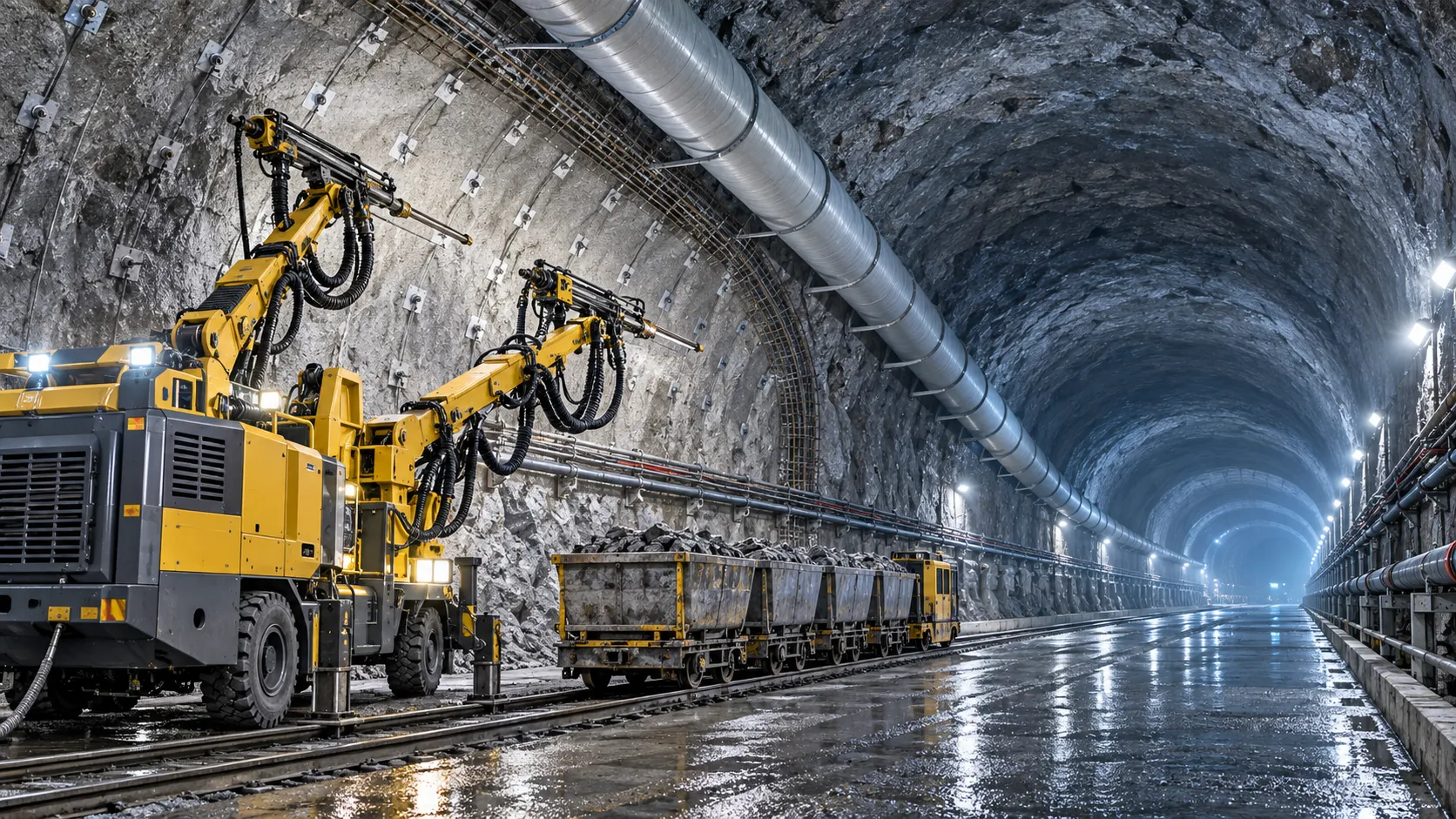
How to Evaluate European Drill-and-Blast Tunnelling Contractors for Complex Projects
Drill and blast tunnelling contractors Europe: learn how to assess geology expertise, blast control, equipment reliability, safety, and programme resilience for complex projects.
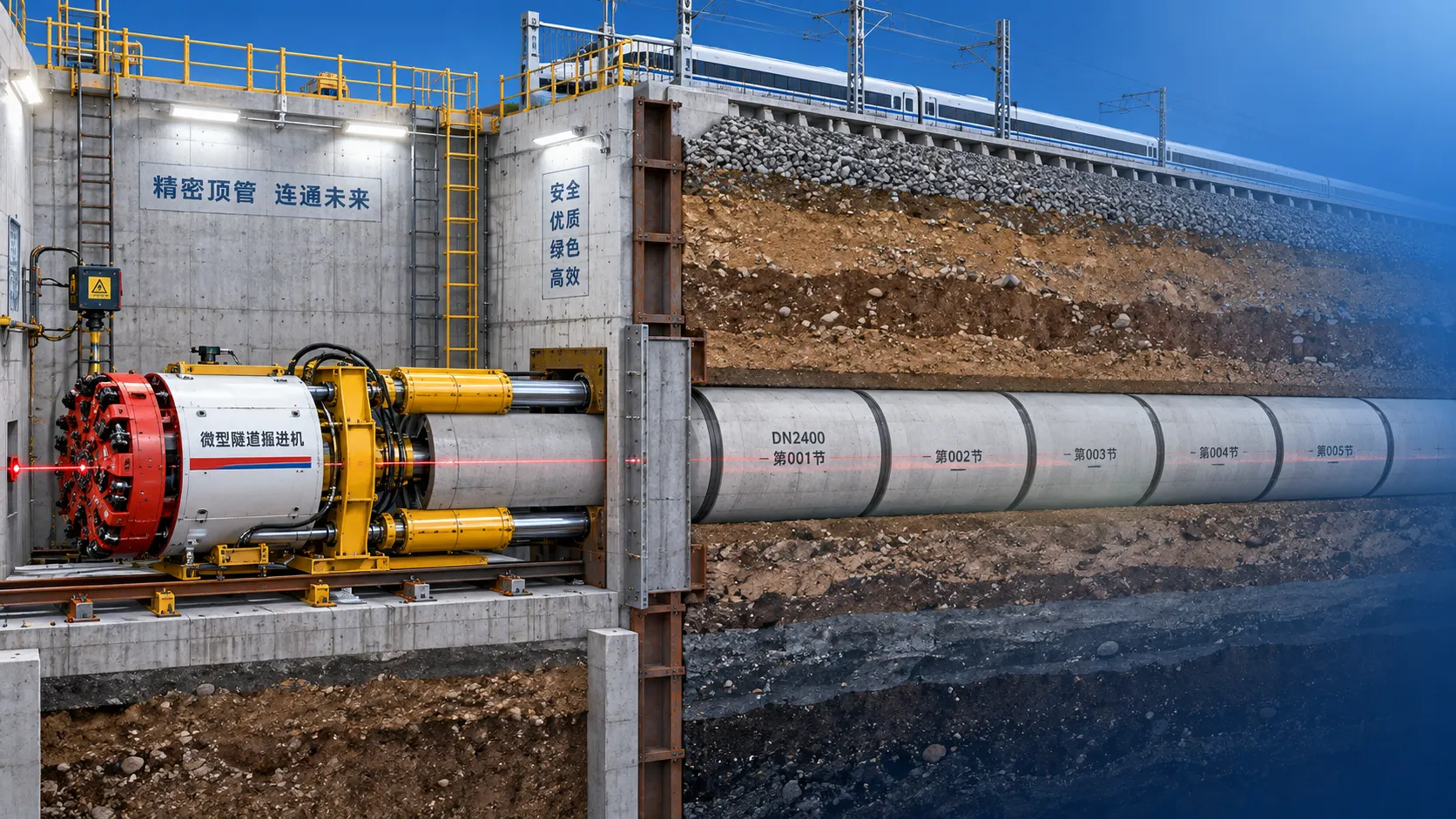
Which Trenchless Construction Technique Fits Your Utility Crossing Conditions?
Trenchless construction techniques compared for utility crossings: choose HDD, microtunnelling, pipe jacking, or auger boring based on ground, accuracy, access, and risk.
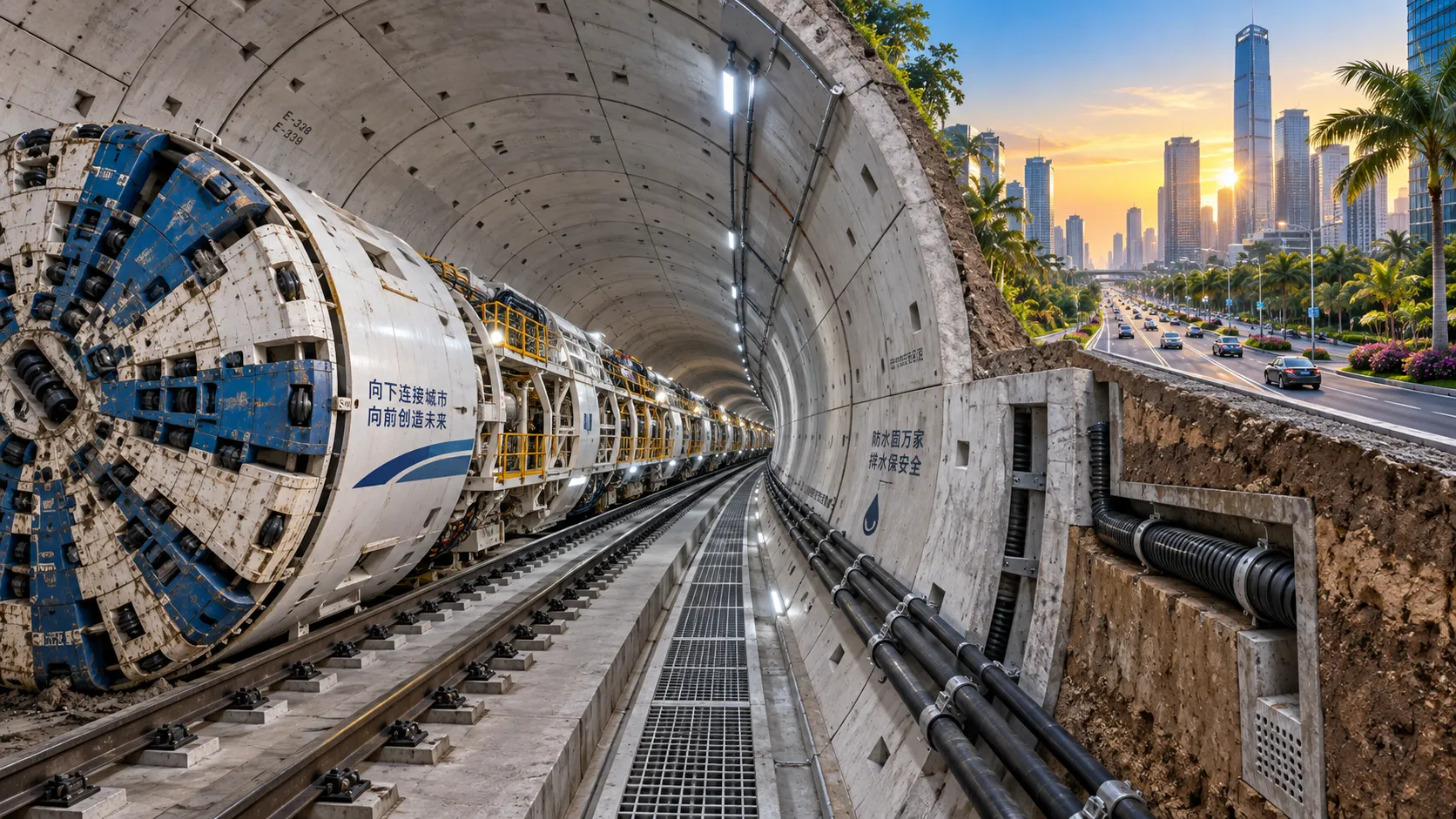
What Is Driving Metro Tunnelling Demand Across Southeast Asia’s Major Cities?
Metro tunnelling Southeast Asia is accelerating as major cities tackle congestion, flooding, and connectivity. Explore the market forces, technical risks, and opportunities shaping demand.
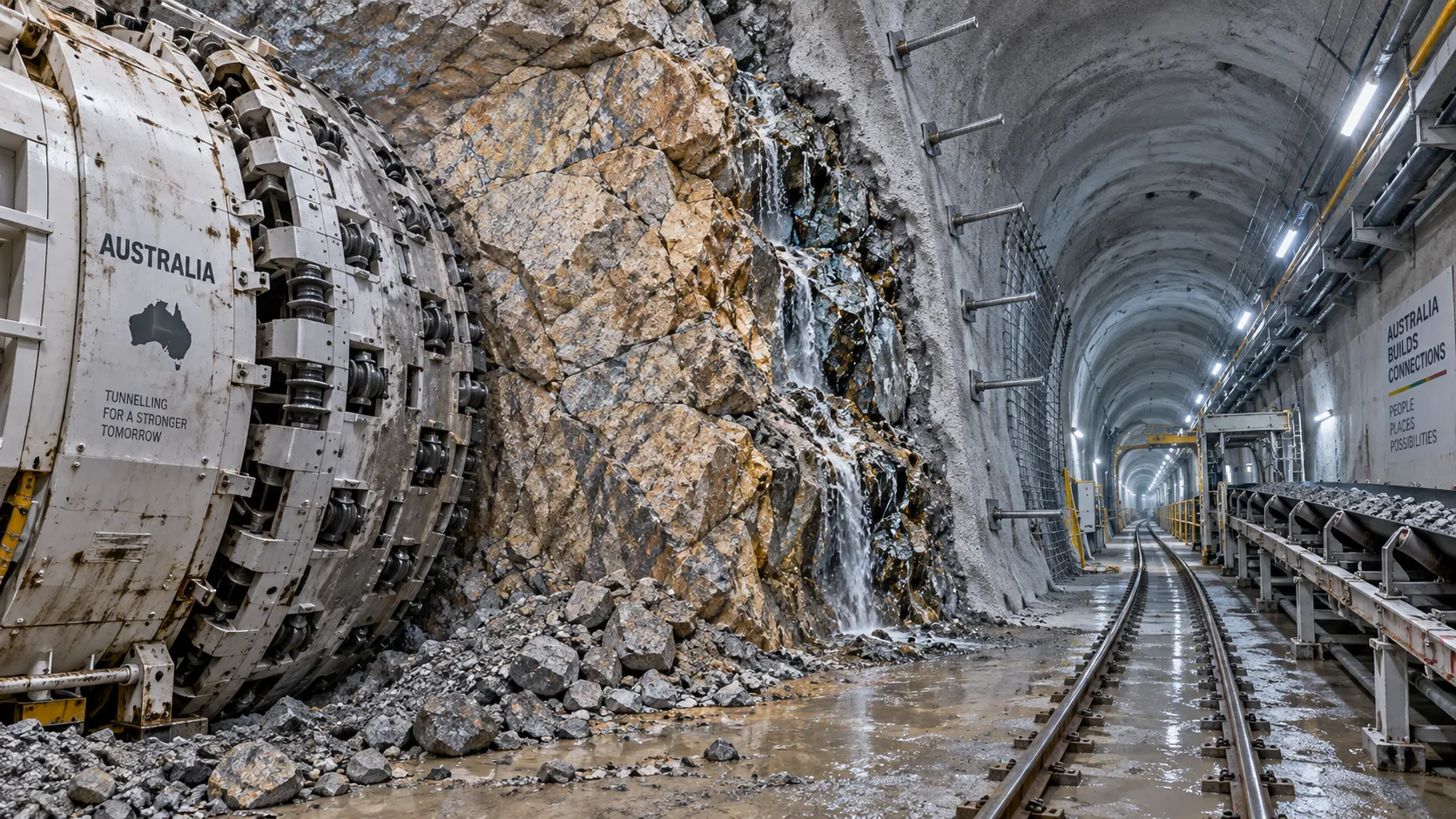
Hard Rock Tunnelling in Australia: Selecting Methods for Variable Ground Conditions
Hard rock tunnelling in Australia: compare TBM, drill-and-blast and hybrid methods to manage variable ground, reduce risk and protect project costs.
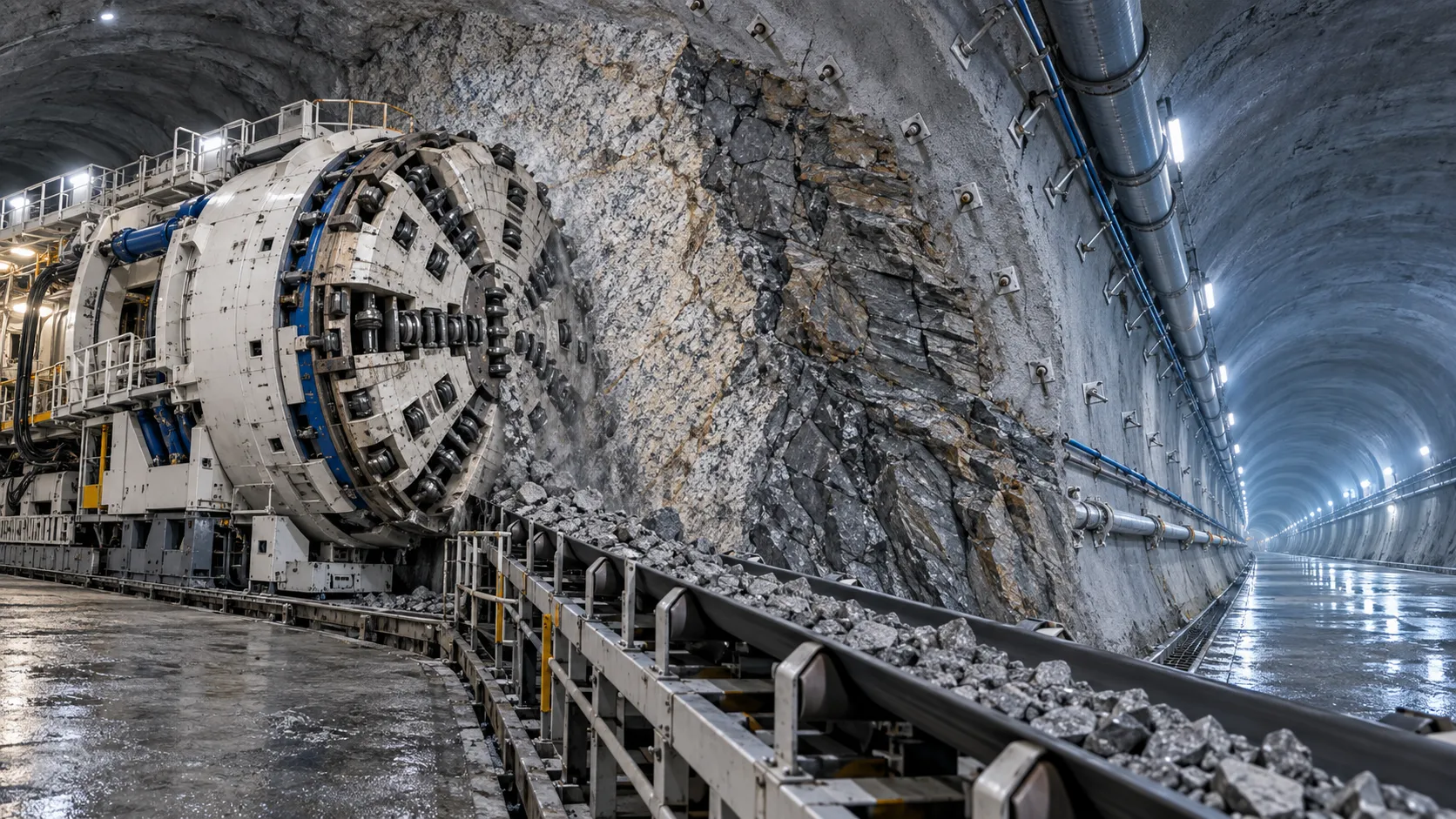
Hydropower Tunnel Excavation: Selecting Methods for Variable Rock Conditions
Hydropower tunnel excavation methods for variable rock conditions: compare TBM, drill-and-blast, and hybrid strategies to improve safety, progress, and project control.
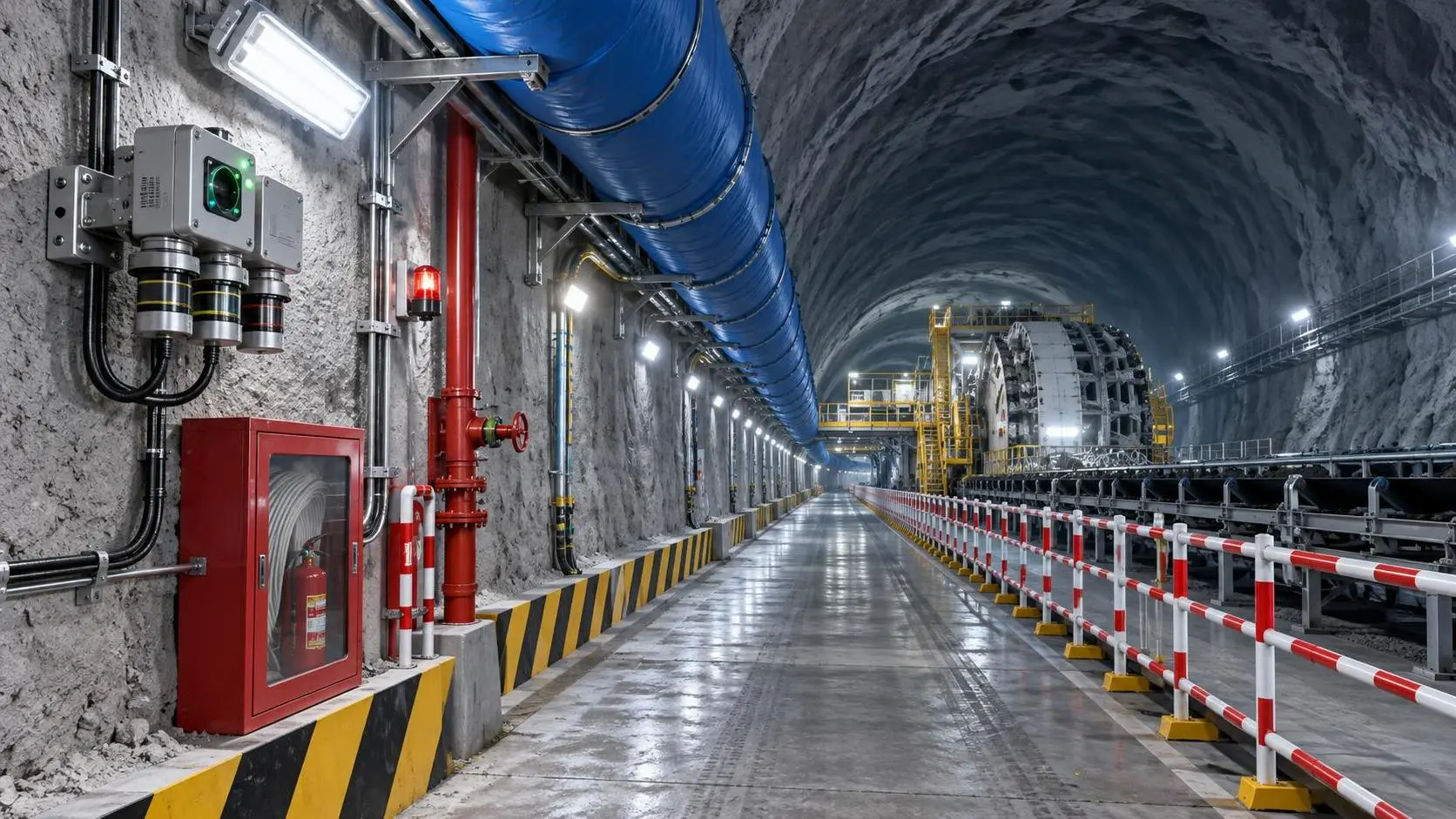
How to Select Underground Safety Equipment for Tunnelling by Hazard and Work Zone
Underground Safety Equipment for tunnelling: match protection to hazards, work zones, compliance, and emergency needs with this practical selection guide.

EPB or Slurry Shield? Selecting Soft-Ground Tunnelling Equipment by Soil Conditions
Tunnel Excavation Equipment for soft ground: compare EPB and slurry shields by soil, groundwater, settlement risk, and project logistics to choose confidently.
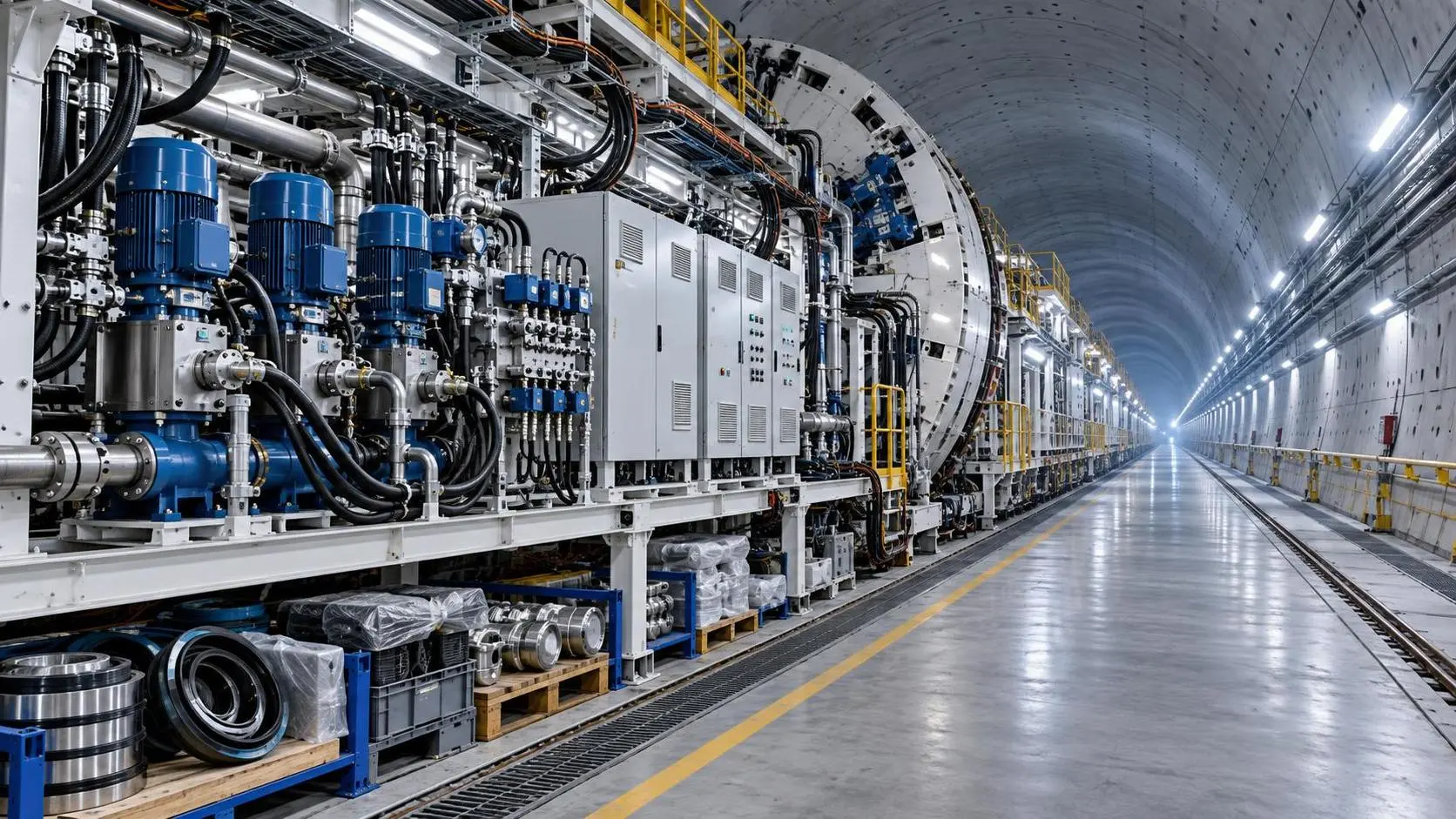
How to Specify TBM Backup System Parts for Reliable Long-Distance Tunnelling
TBM backup system parts: learn how to specify reliable spares for long-distance tunnelling, reduce downtime, ensure compatibility, and speed underground recovery.

How to Size Open Pit Mining Trucks for Haul Distance, Grade, and Payload?
Open Pit Mining Trucks: learn how to match payload, haul distance, grade, road resistance, and loading capacity for safer, lower-cost mine operations.
Related News
- 00
0000-00
How to Evaluate European Drill-and-Blast Tunnelling Contractors for Complex Projects - 00
0000-00
Which Trenchless Construction Technique Fits Your Utility Crossing Conditions? - 00
0000-00
What Is Driving Metro Tunnelling Demand Across Southeast Asia’s Major Cities? - 00
0000-00
Hard Rock Tunnelling in Australia: Selecting Methods for Variable Ground Conditions - 00
0000-00
Hydropower Tunnel Excavation: Selecting Methods for Variable Rock Conditions
Weekly Insights
Stay ahead with our curated technology reports delivered every Monday.