
Australia Limits Battery LHD Cells to CATL and BYD





On June 17, 2026, Australia’s federal resources and energy authority updated its technical white paper for zero-emission underground loading equipment and turned battery cell selection for Battery LHDs into a formal access condition. The change matters because it does not only affect equipment design: it also reaches procurement, mine permitting, technical documentation, compliance review, and delivery planning for OEMs, battery module suppliers, mining buyers, and service providers working on new underground equipment programs.
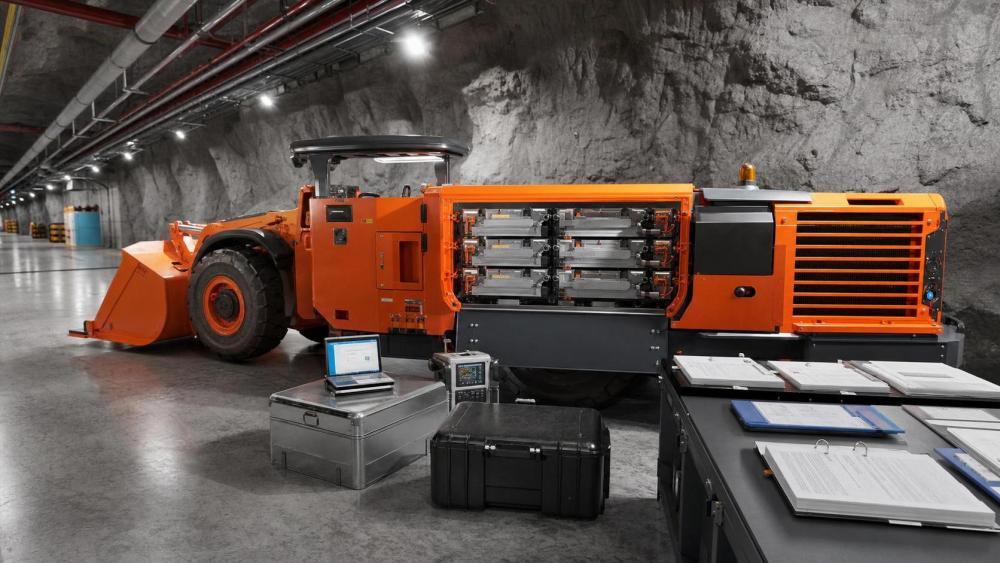
A narrower entry route for new Battery LHD purchases
According to the information provided, the Department of Resources and Energy of the Australian federal government updated the Technical White Paper for Zero-Emission Underground Mining Load Equipment on June 17, 2026.
The update formally lists lithium iron phosphate cells from CATL and BYD as the only recognized power source for Battery LHD applications.
It also requires all newly purchased equipment to use designated cell modules that comply with AS/NZS 5139:2025 and to provide a full-lifecycle thermal runaway data package.
The updated list takes effect immediately and applies to mine permit approvals at the state level.
Where the rule change is likely to be felt first
Equipment bids now face a clearer configuration boundary
From an industry perspective, Battery LHD manufacturers and integrators are likely to feel the impact first because the recognized cell source is now tied directly to access for new equipment purchases. The practical effect is likely to appear in technical specification alignment, bid documentation, platform configuration, and approval-facing compliance files. What deserves closer attention is whether procurement packages, technical offers, and delivery documents clearly demonstrate use of the designated cell modules and alignment with AS/NZS 5139:2025.
Mining buyers must connect procurement with permit readiness
For mine operators and project procurement teams, the update matters because the list is stated to apply immediately to state-level mine permit approvals. Analysis shows that purchase decisions for new Battery LHDs can no longer be treated only as commercial or performance choices; they now also carry a permitting dimension. Buyers should pay close attention to whether supplier submissions include the required thermal runaway lifecycle data package and whether equipment specifications are prepared in a form that can support approval review.
Battery module and compliance support providers move closer to the approval path
Suppliers involved in module integration, testing, certification support, and technical dossier preparation may also see a more direct role in project execution. The reason is that the rule change combines a designated source requirement with a standards-based module requirement and supporting safety data. In practice, the affected business links may include document preparation, technical evidence management, traceability support, and coordination between equipment vendors and end users during submission and delivery.
What companies should review now
Check whether product specifications match the new access condition
Companies involved in new Battery LHD supply should review whether current or planned equipment configurations already align with the recognized CATL or BYD lithium iron phosphate cell route described in the update. If a product plan depends on other cell sources, it is more appropriate to understand this as a potential compliance issue for new purchases rather than a routine engineering variation.
Prepare standards and safety documentation earlier in the sales cycle
Analysis shows that AS/NZS 5139:2025 alignment and the full-lifecycle thermal runaway data package are likely to become key review points in commercial and approval processes. Companies should therefore pay closer attention to how technical files, test-related materials, module documentation, and submission packages are organized before bid close or contract award.
Reassess procurement and delivery sequencing
Because the list takes effect immediately, procurement teams, exporters, and delivery managers should closely monitor whether existing quotation assumptions, sourcing plans, and handover schedules for new equipment still match the updated access condition. The information provided does not specify transition treatment or detailed enforcement steps, so this remains an area that requires ongoing verification rather than assumption.
Watch for changes in approval wording and tender documents
What deserves closer attention is not only the white paper text itself, but also how the requirement appears in subsequent permit-facing reviews, tender clauses, and purchaser compliance checklists. Since the input does not provide detailed implementation guidance, companies should treat this stage as one that requires careful tracking of official wording and downstream execution language.
How this should be read at this stage
Observably, this update is more than a general policy signal because it is described as taking effect immediately and applying to state-level mine permit approvals. At the same time, it should not yet be overstated as a fully mapped implementation regime, because the provided information does not include detailed procedures, transition arrangements, or interpretive guidance. It is more appropriate to understand this as a clear access and compliance signal that has already entered the execution chain, while some practical enforcement details still need to be observed through market application.
Why the market is likely to keep watching
The immediate significance of this development lies in the fact that battery cell selection for new Battery LHDs is no longer merely a technical sourcing issue within the supply chain. It is now connected, based on the provided information, to standards compliance, safety data readiness, and mine approval pathways. A neutral reading is that the change already represents a landed rule direction for new purchases, while the precise market response will still depend on later clarification in approval practice, tender requirements, compliance interpretation, and company execution.
Basis of this article and points still requiring verification
This article is generated based on the user-provided news title, event date, and event summary. For events of this type, relevant source categories usually include official notices, releases from regulatory authorities, trade or mining administration updates, industry association materials, standards organization documents, and reporting by authoritative media.
No specific official source link was provided in the input, so the exact original publication path still requires follow-up verification. Analysis also suggests that the market should continue to watch for any later detail on implementation wording, certification and compliance interpretation, tender document changes, industry feedback, and actual company execution in procurement and delivery.
Related News

How to Evaluate European Drill-and-Blast Tunnelling Contractors for Complex Projects
Drill and blast tunnelling contractors Europe: learn how to assess geology expertise, blast control, equipment reliability, safety, and programme resilience for complex projects.

Which Trenchless Construction Technique Fits Your Utility Crossing Conditions?
Trenchless construction techniques compared for utility crossings: choose HDD, microtunnelling, pipe jacking, or auger boring based on ground, accuracy, access, and risk.

What Is Driving Metro Tunnelling Demand Across Southeast Asia’s Major Cities?
Metro tunnelling Southeast Asia is accelerating as major cities tackle congestion, flooding, and connectivity. Explore the market forces, technical risks, and opportunities shaping demand.

Hard Rock Tunnelling in Australia: Selecting Methods for Variable Ground Conditions
Hard rock tunnelling in Australia: compare TBM, drill-and-blast and hybrid methods to manage variable ground, reduce risk and protect project costs.

Hydropower Tunnel Excavation: Selecting Methods for Variable Rock Conditions
Hydropower tunnel excavation methods for variable rock conditions: compare TBM, drill-and-blast, and hybrid strategies to improve safety, progress, and project control.

How to Select Underground Safety Equipment for Tunnelling by Hazard and Work Zone
Underground Safety Equipment for tunnelling: match protection to hazards, work zones, compliance, and emergency needs with this practical selection guide.

EPB or Slurry Shield? Selecting Soft-Ground Tunnelling Equipment by Soil Conditions
Tunnel Excavation Equipment for soft ground: compare EPB and slurry shields by soil, groundwater, settlement risk, and project logistics to choose confidently.
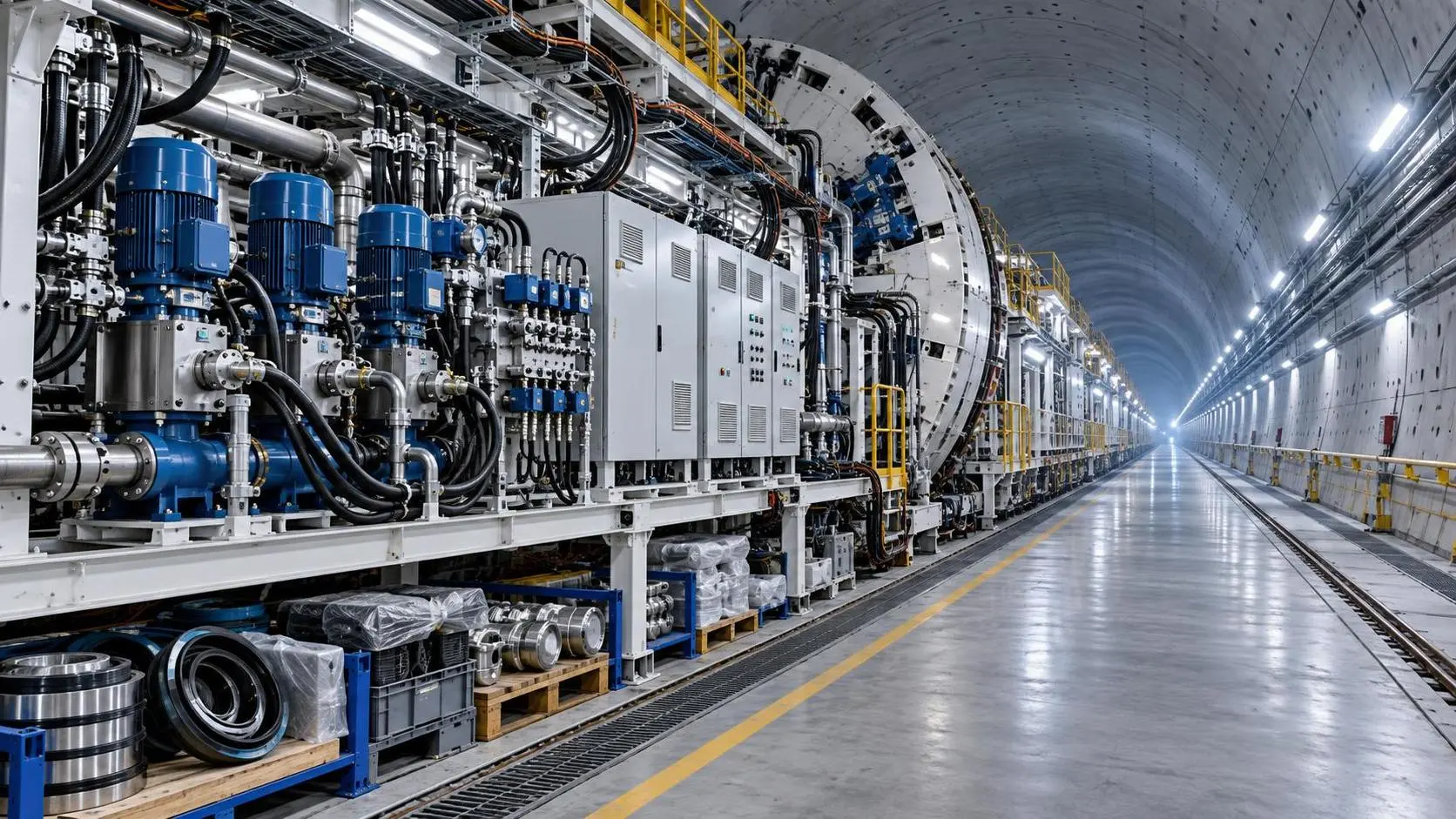
How to Specify TBM Backup System Parts for Reliable Long-Distance Tunnelling
TBM backup system parts: learn how to specify reliable spares for long-distance tunnelling, reduce downtime, ensure compatibility, and speed underground recovery.

How to Size Open Pit Mining Trucks for Haul Distance, Grade, and Payload?
Open Pit Mining Trucks: learn how to match payload, haul distance, grade, road resistance, and loading capacity for safer, lower-cost mine operations.
Related News
- 00
0000-00
How to Evaluate European Drill-and-Blast Tunnelling Contractors for Complex Projects - 00
0000-00
Which Trenchless Construction Technique Fits Your Utility Crossing Conditions? - 00
0000-00
What Is Driving Metro Tunnelling Demand Across Southeast Asia’s Major Cities? - 00
0000-00
Hard Rock Tunnelling in Australia: Selecting Methods for Variable Ground Conditions - 00
0000-00
Hydropower Tunnel Excavation: Selecting Methods for Variable Rock Conditions
Weekly Insights
Stay ahead with our curated technology reports delivered every Monday.