
Codelco 2026 Battery LHD Tender Adds Local Swap Rule





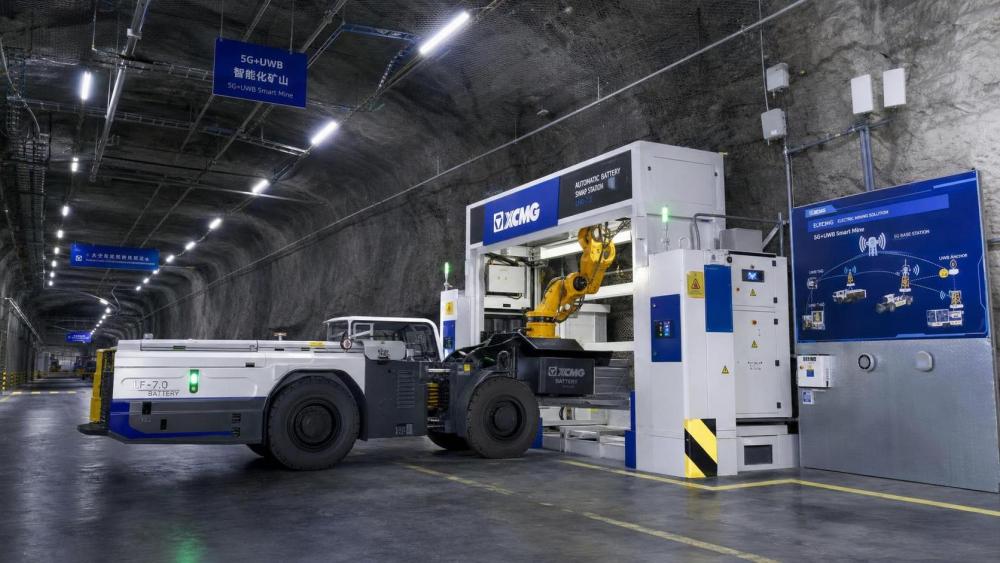
On June 23, 2026, Codelco released its 2026 global tender for Battery LHDs under Ref: CL-BLHD-2026-01, putting localized battery-swapping capability at the center of supplier qualification. The notice matters not only to underground mining equipment vendors, but also to battery service operators, remote operations teams, and procurement functions preparing for electrified fleet deployment in Chile, because the requirements extend beyond vehicle supply into local infrastructure, support readiness, and technical compliance.
What the tender formally requires
According to the information provided, Codelco issued the tender on June 23, 2026 for its 2026 Battery LHD procurement. The project covers major mines including El Teniente and Chuquicamata, with an initial purchase volume of 82 units. The tender explicitly requires bidders to establish at least one fully automated battery swap station within Chile and to provide localized 7×24 remote operations and maintenance support. The technical threshold highlighted in the tender includes explosion-proof certification under IEC 60079-0/11, low-temperature charge and discharge performance at -20°C, and compatibility with 5G+UWB precise positioning.
Why the impact goes beyond equipment delivery
For vehicle manufacturers, hardware is no longer the only entry point
Analysis shows the tender shifts competition from vehicle specification alone toward a combined delivery model that includes local service capacity and battery-handling infrastructure. For OEMs and Battery LHD suppliers, the impact is likely to be felt in bid design, local deployment planning, and compliance preparation rather than in product pricing alone.
For battery service and support teams, localization becomes part of the offer
From an industry perspective, the explicit requirement for at least one automated swap station in Chile and 7×24 localized remote support means service capability is treated as part of the core solution. This may affect operators responsible for battery swapping systems, remote diagnostics, and after-sales response, especially where bid competitiveness depends on proving in-country execution readiness.
For mine procurement and project delivery functions, qualification risk may rise
Observably, the tender combines fleet volume, site coverage, and technical thresholds in a way that can narrow the pool of suppliers able to meet all conditions at once. Procurement and project teams involved in underground electrification may therefore need to pay closer attention to compliance documentation, local operating arrangements, and the practical coordination between equipment supply and service delivery.
What companies should watch now
Track whether the local service requirement is interpreted narrowly or broadly
What deserves closer attention is how the requirement for a fully automated battery swap station and localized remote O&M support is expressed in subsequent official tender materials or clarifications. For bidders, the difference between a minimum compliance requirement and a broader service expectation can affect partnership structure, delivery timelines, and bid cost assumptions.
Prepare compliance materials around the named technical thresholds
Companies considering participation should focus on evidence tied directly to the stated thresholds: IEC 60079-0/11 explosion-proof certification, -20°C charging and discharging performance, and 5G+UWB compatibility. In practical terms, this puts pressure on documentation readiness, technical validation materials, and internal alignment between engineering, sales, and tender teams.
Assess local execution capacity before treating the volume as addressable
The initial scale of 82 units makes the opportunity visible, but analysis shows addressability depends on more than manufacturing capacity. Suppliers and service partners should pay attention to whether they can support in-country battery-swapping deployment and continuous remote operations in line with the tender wording, rather than assuming that fleet volume alone translates into a realistic bid opportunity.
Separate commercial interest from fulfillment readiness
From an operational standpoint, this tender highlights the need to distinguish market interest from delivery capability. Companies active in Battery LHDs, mine electrification support, or related service segments may need to review qualification files, support arrangements, and customer communication plans to ensure that commitments on localization and uptime support can be backed by execution.
How this signal should be read at this stage
Analysis shows this is more than a routine equipment purchase notice because the tender language ties underground electric fleet procurement to local battery-swapping infrastructure and round-the-clock in-country support. At the same time, it is more appropriate to understand this as a concrete procurement signal rather than a completed market outcome: the tender confirms buyer requirements, but it does not by itself establish final supplier selection or broader market adoption beyond the stated project scope.
Observably, the most important takeaway is the procurement logic embedded in the notice. The emphasis on certification, low-temperature performance, and 5G+UWB compatibility suggests that technical interoperability and service reliability are being evaluated together, which is a meaningful point for companies tracking underground mining electrification demand in Chile.
What this update means in practical terms
At this stage, the Codelco tender is best understood as a near-term procurement development with longer-term signaling value. The immediate relevance lies in its clear bid conditions for Battery LHD suppliers and service partners. The broader industry relevance lies in the fact that localization, battery-swapping infrastructure, and remote support are being written directly into buyer requirements. That makes this an update worth monitoring closely, but not one that should yet be overstated as a settled market direction beyond the facts disclosed in the tender summary.
Basis of this article and verification notes
This article is based on the user-provided news title, event date, and event summary concerning Codelco's June 23, 2026 Battery LHD tender announcement. For this type of industry update, commonly relevant source categories may include official tender notices, corporate announcements, industry association information, authoritative media coverage, and standards organization documents such as the cited IEC standard references. A specific official source link was not provided in the input, so the exact source document and any subsequent clarification materials still require ongoing verification. Follow-up attention should focus on any official amendments, clarification notices, or further disclosures related to localization requirements, technical qualification details, and procurement progress.
Related News
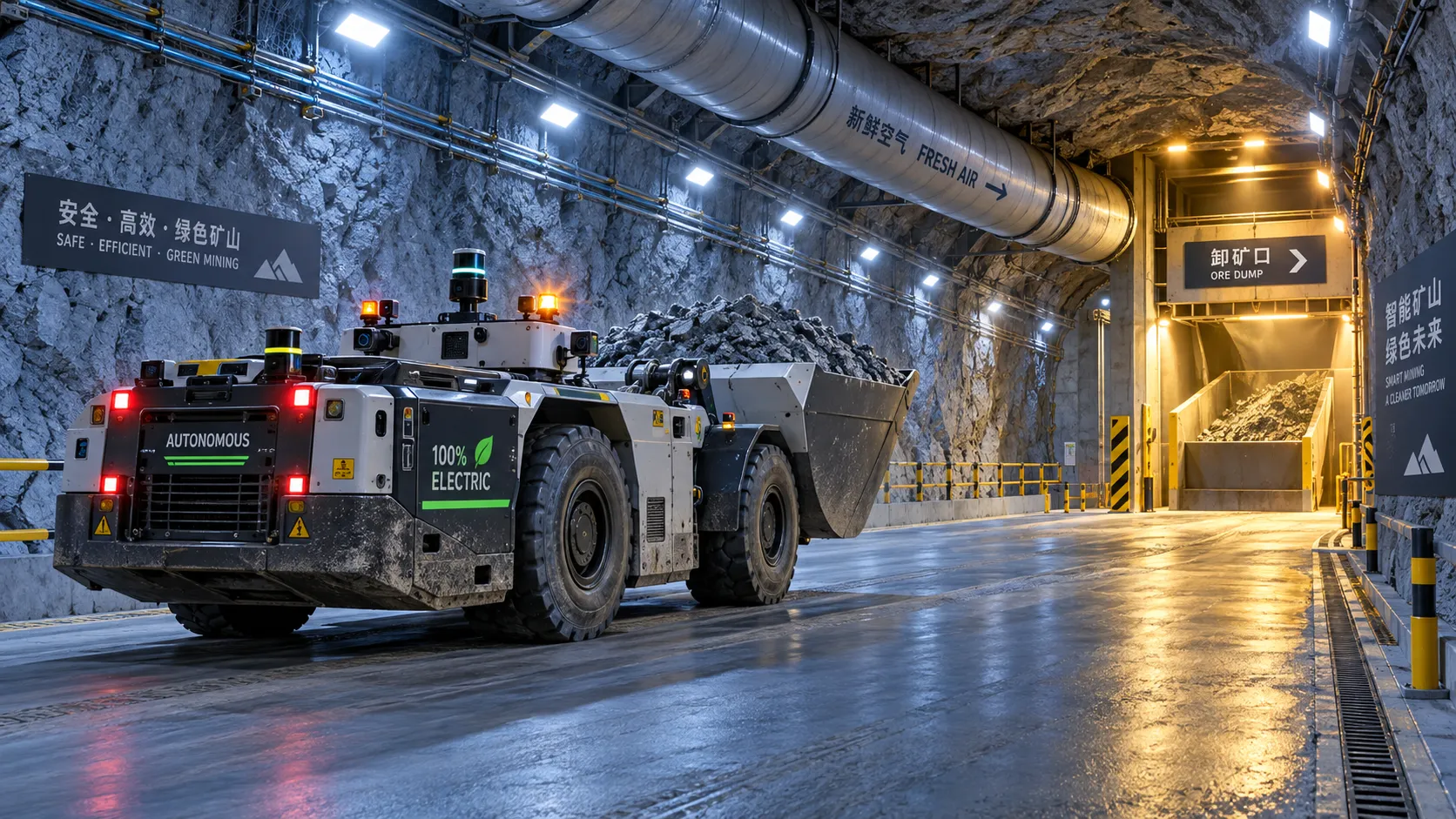
Where Autonomous Mining Loaders Deliver the Most Value in Underground Operations
Autonomous Mining Loaders deliver greater underground value through safer blast-zone work, repeatable haul cycles, and improved ventilation efficiency. Discover the best deployment zones.
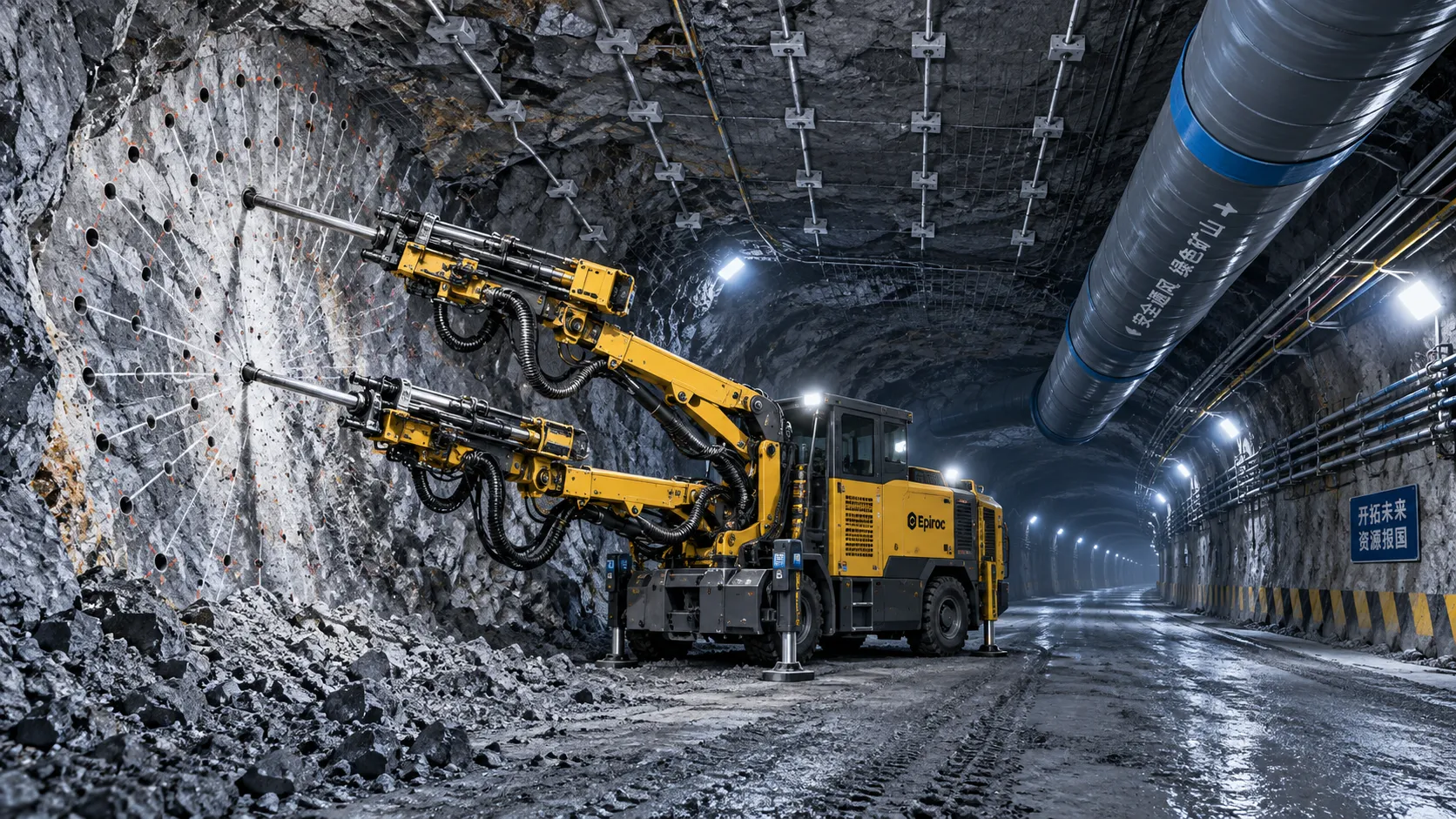
Underground Drilling for Mining: Selecting Methods for Rock Conditions and Mine Layout
Underground drilling for mining: learn how to match drilling methods to rock conditions, mine layout, accuracy needs, ground support, and cycle efficiency.
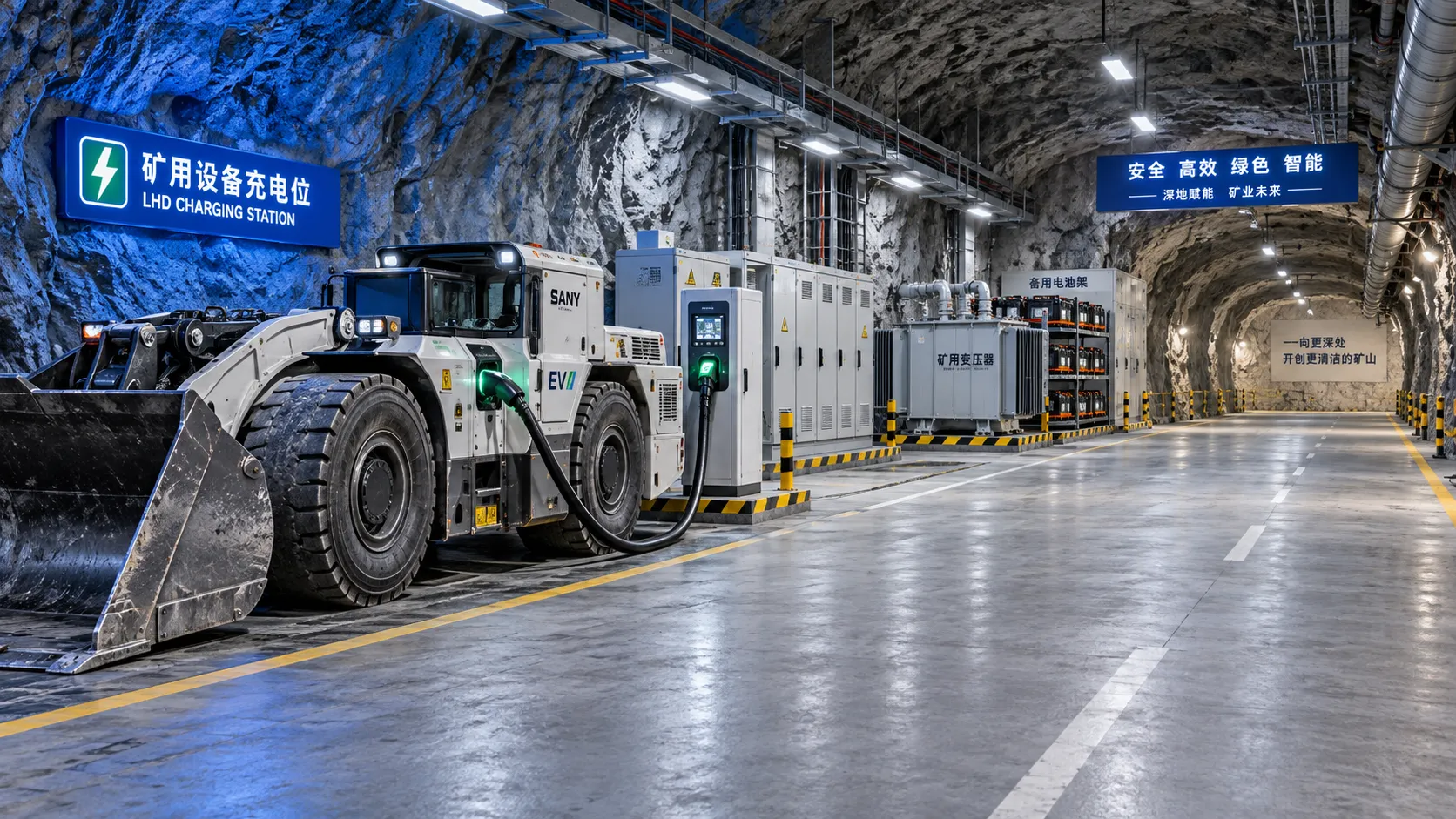
Underground Mine Electrification: How to Size Battery Fleets and Charging Capacity
Mining electrification for underground mines: learn how to size battery fleets, chargers, and power capacity to prevent queues, peak-load issues, and production downtime.

How to Evaluate European Drill-and-Blast Tunnelling Contractors for Complex Projects
Drill and blast tunnelling contractors Europe: learn how to assess geology expertise, blast control, equipment reliability, safety, and programme resilience for complex projects.

Which Trenchless Construction Technique Fits Your Utility Crossing Conditions?
Trenchless construction techniques compared for utility crossings: choose HDD, microtunnelling, pipe jacking, or auger boring based on ground, accuracy, access, and risk.

What Is Driving Metro Tunnelling Demand Across Southeast Asia’s Major Cities?
Metro tunnelling Southeast Asia is accelerating as major cities tackle congestion, flooding, and connectivity. Explore the market forces, technical risks, and opportunities shaping demand.

Hard Rock Tunnelling in Australia: Selecting Methods for Variable Ground Conditions
Hard rock tunnelling in Australia: compare TBM, drill-and-blast and hybrid methods to manage variable ground, reduce risk and protect project costs.

Hydropower Tunnel Excavation: Selecting Methods for Variable Rock Conditions
Hydropower tunnel excavation methods for variable rock conditions: compare TBM, drill-and-blast, and hybrid strategies to improve safety, progress, and project control.

How to Select Underground Safety Equipment for Tunnelling by Hazard and Work Zone
Underground Safety Equipment for tunnelling: match protection to hazards, work zones, compliance, and emergency needs with this practical selection guide.
Related News
- 00
0000-00
Where Autonomous Mining Loaders Deliver the Most Value in Underground Operations - 00
0000-00
Underground Drilling for Mining: Selecting Methods for Rock Conditions and Mine Layout - 00
0000-00
Underground Mine Electrification: How to Size Battery Fleets and Charging Capacity - 00
0000-00
How to Evaluate European Drill-and-Blast Tunnelling Contractors for Complex Projects - 00
0000-00
Which Trenchless Construction Technique Fits Your Utility Crossing Conditions?
Weekly Insights
Stay ahead with our curated technology reports delivered every Monday.