
Codelco Opens 2026 Battery LHD Tender in Chile





On June 22, 2026, Chile’s state-owned copper producer Codelco formally opened its 2026 global tender for underground Battery LHDs under Ref: CODELCO-LHD-2026-01, with a budget exceeding USD 180 million. The requirement for bidders to build a battery swap station network inside Chile, while also providing 7×24 remote diagnostics and modular quick-swap support, makes this development relevant not only to equipment suppliers but also to service operators, local delivery teams, and procurement participants assessing how battery-powered underground equipment will be supported in practice.
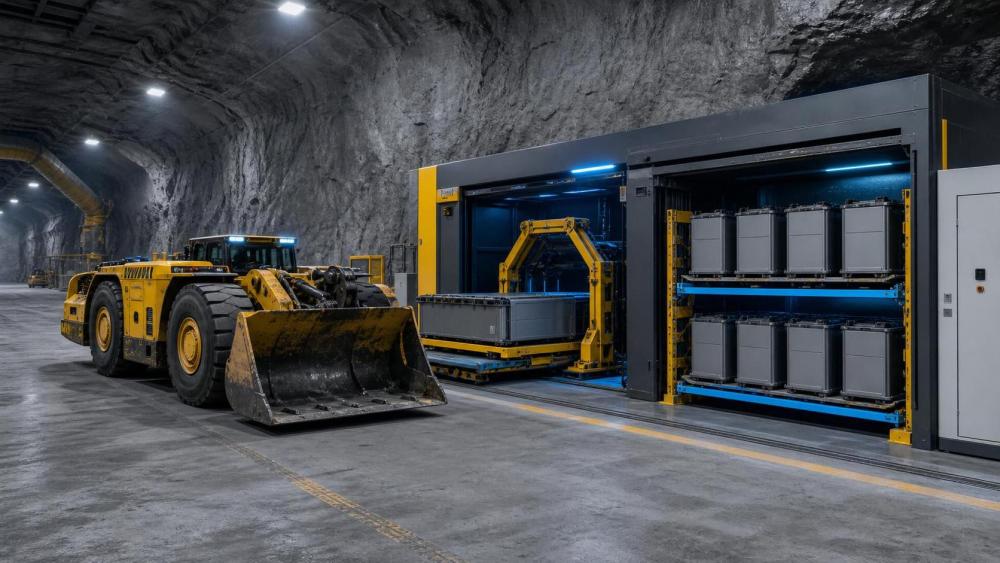
What the tender formally sets out
According to the information provided, Codelco launched the 2026 procurement process for underground Battery LHDs on June 22, 2026. The tender reference is CODELCO-LHD-2026-01, and the stated budget is more than USD 180 million.
The tender documents also specify two service-related requirements: the winning bidder must establish a battery swap station network within Chile, and must provide 7×24 remote diagnostics together with modular quick-swap support. The bid deadline is August 15, 2026.
Why the service requirement matters across the chain
Equipment suppliers face a broader delivery scope
From an industry perspective, this tender is not only about supplying Battery LHD units. Suppliers that want to compete may be affected because the required offer appears tied to local battery swapping capability and continuous technical support. The immediate impact is likely to fall on bid design, delivery planning, and service coverage rather than on equipment specifications alone.
Local service and support operators become more relevant
Analysis shows that companies involved in in-country technical support, remote diagnostics, and swap-related operations may see greater importance in this type of procurement structure. The reason is straightforward: the tender requirement links equipment supply with support readiness inside Chile, which can affect how partnerships, service responsibilities, and operating response models are organized.
Procurement and contract teams need to assess execution risk
For procurement teams and contract managers, the key impact may lie in evaluating whether bidders can turn service commitments into a workable local setup within the tender framework. What deserves closer attention is not only price, but also how bidders address battery swap coverage, response continuity, and modular support obligations in a verifiable way.
What market participants should watch now
Track whether tender language changes or is clarified
Companies following this process should pay close attention to any official clarifications, addenda, or revised wording related to the battery swap network and 7×24 support obligations. In practice, small changes in service definitions can materially affect bid structure and compliance preparation.
Review local service readiness, not just product readiness
For potential bidders, a practical focus is whether they can demonstrate local support capability inside Chile in line with the stated requirements. This is different from simply presenting battery-powered equipment; the tender wording places visible weight on operational service infrastructure.
Prepare bid documentation around support commitments
Suppliers and service partners should closely review how they document service scope, response arrangements, and modular quick-swap capability before the August 15, 2026 deadline. The point to watch is whether support promises can be translated into clear, tender-ready documentation.
Separate market signal from confirmed award outcomes
At this stage, companies should avoid treating the tender launch as a confirmed commercial outcome. The current fact is that the procurement has been opened with defined requirements; the final competitive result, contract allocation, and implementation details still depend on the tender process.
How this development is best understood at this stage
Observably, this news is best read as a procurement signal with operational implications rather than as a completed market result. The notable point is that the tender requirement explicitly connects Battery LHD procurement with localized battery swapping and continuous support capability. Analysis shows that this raises the importance of after-sales structure, in-country execution, and support architecture within underground battery equipment competition.
It is more appropriate to understand this as a near-term and medium-term industry signal that deserves continued monitoring. The launch itself is confirmed, but the broader market meaning will depend on how bidders respond to the localization and service requirements and whether similar procurement language appears again in future tenders.
What this means for the market conversation
At a minimum, this tender indicates that battery-powered underground equipment procurement can be framed around service infrastructure as much as around the machines themselves. For companies active in mining equipment, technical service, and procurement support, the practical question is no longer only whether battery LHD demand exists in a tender, but also how service localization is being written into bid conditions.
For now, the most balanced reading is that this is a concrete procurement event with a clear service requirement and a defined timetable, while its wider market significance still needs to be judged through bidder responses, tender clarifications, and eventual award outcomes.
Basis of this article and follow-up points
This article is based on the user-provided news title, event date, and event summary. For this type of development, commonly relevant source categories may include official tender notices, company announcements, industry association updates, authoritative media coverage, and procurement-related documentation. A specific official source link was not provided in the input, so further verification remains necessary.
What deserves continued attention is whether Codelco issues additional tender clarifications before the August 15, 2026 deadline, and whether any later public information further defines the scope of the battery swap network, remote diagnostics, or modular quick-swap obligations.
Related News
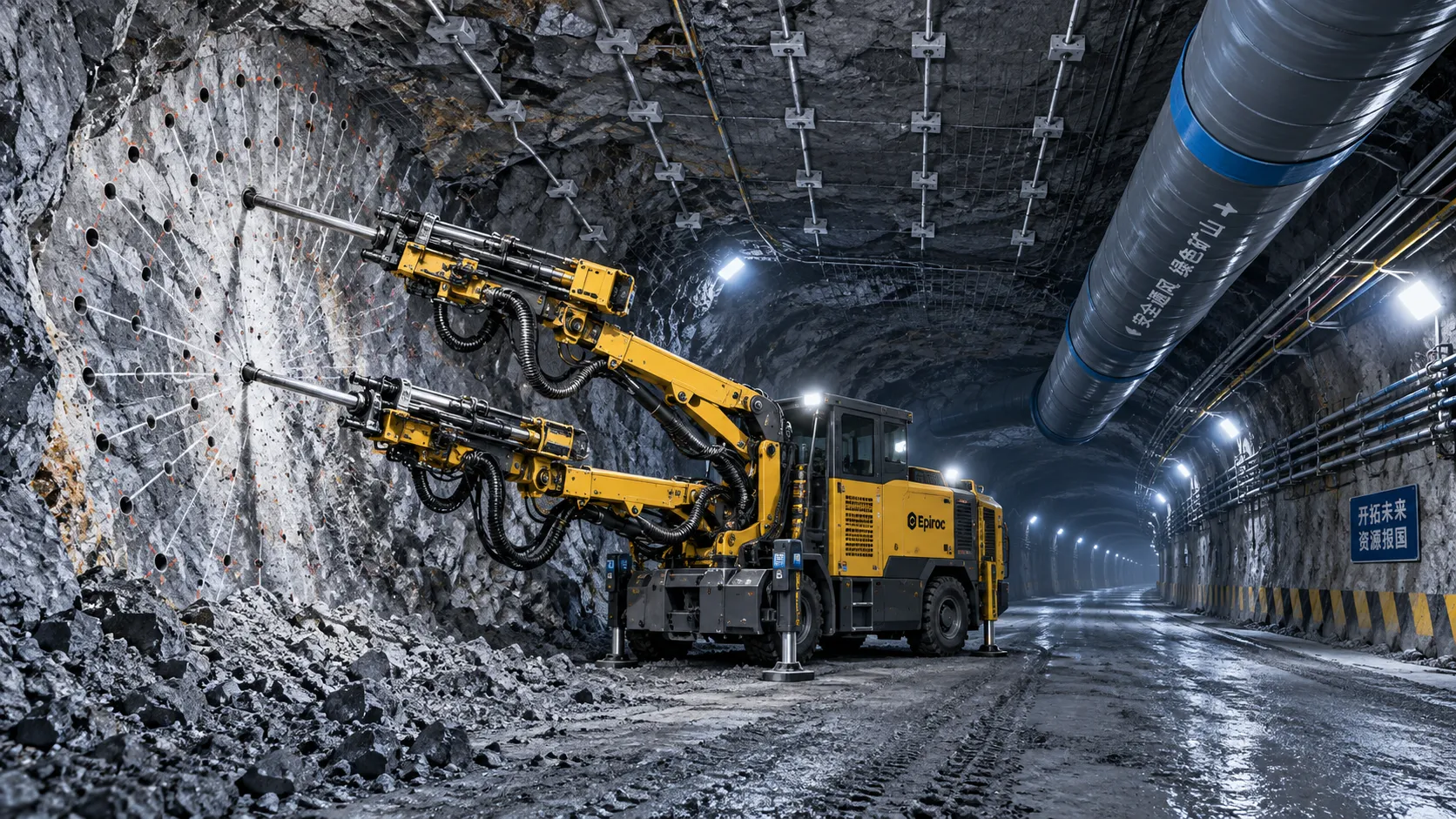
Underground Drilling for Mining: Selecting Methods for Rock Conditions and Mine Layout
Underground drilling for mining: learn how to match drilling methods to rock conditions, mine layout, accuracy needs, ground support, and cycle efficiency.
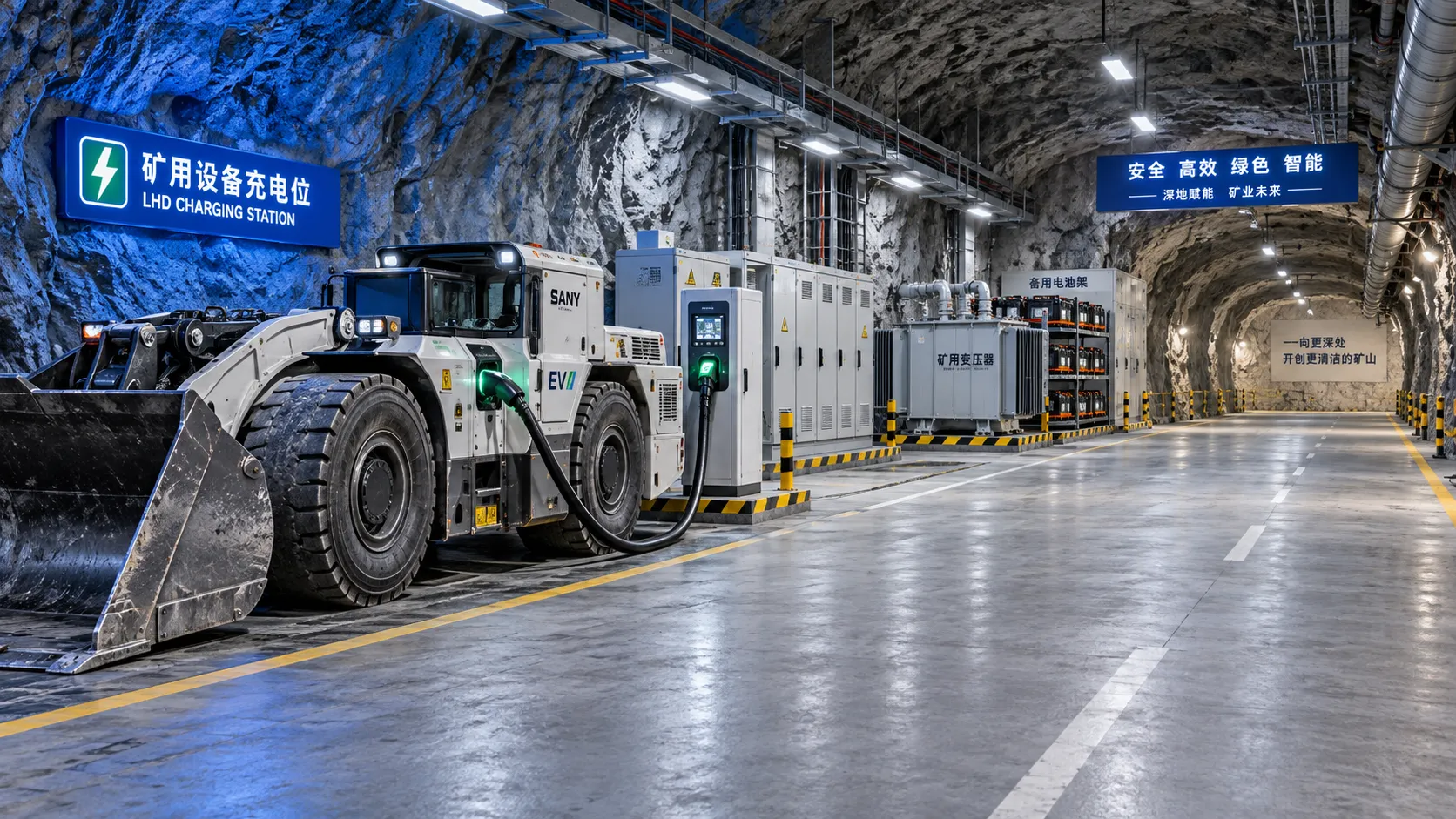
Underground Mine Electrification: How to Size Battery Fleets and Charging Capacity
Mining electrification for underground mines: learn how to size battery fleets, chargers, and power capacity to prevent queues, peak-load issues, and production downtime.
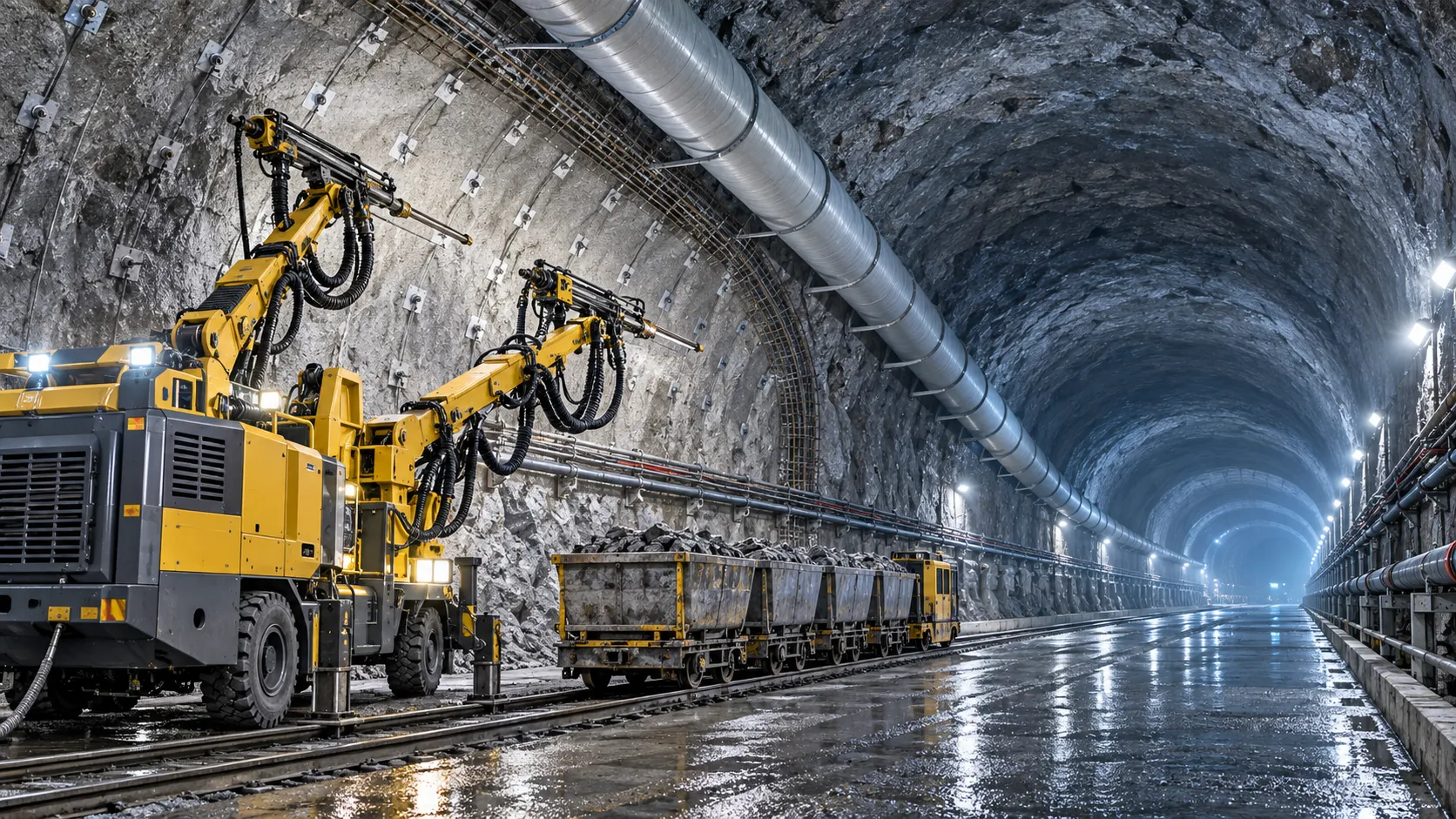
How to Evaluate European Drill-and-Blast Tunnelling Contractors for Complex Projects
Drill and blast tunnelling contractors Europe: learn how to assess geology expertise, blast control, equipment reliability, safety, and programme resilience for complex projects.
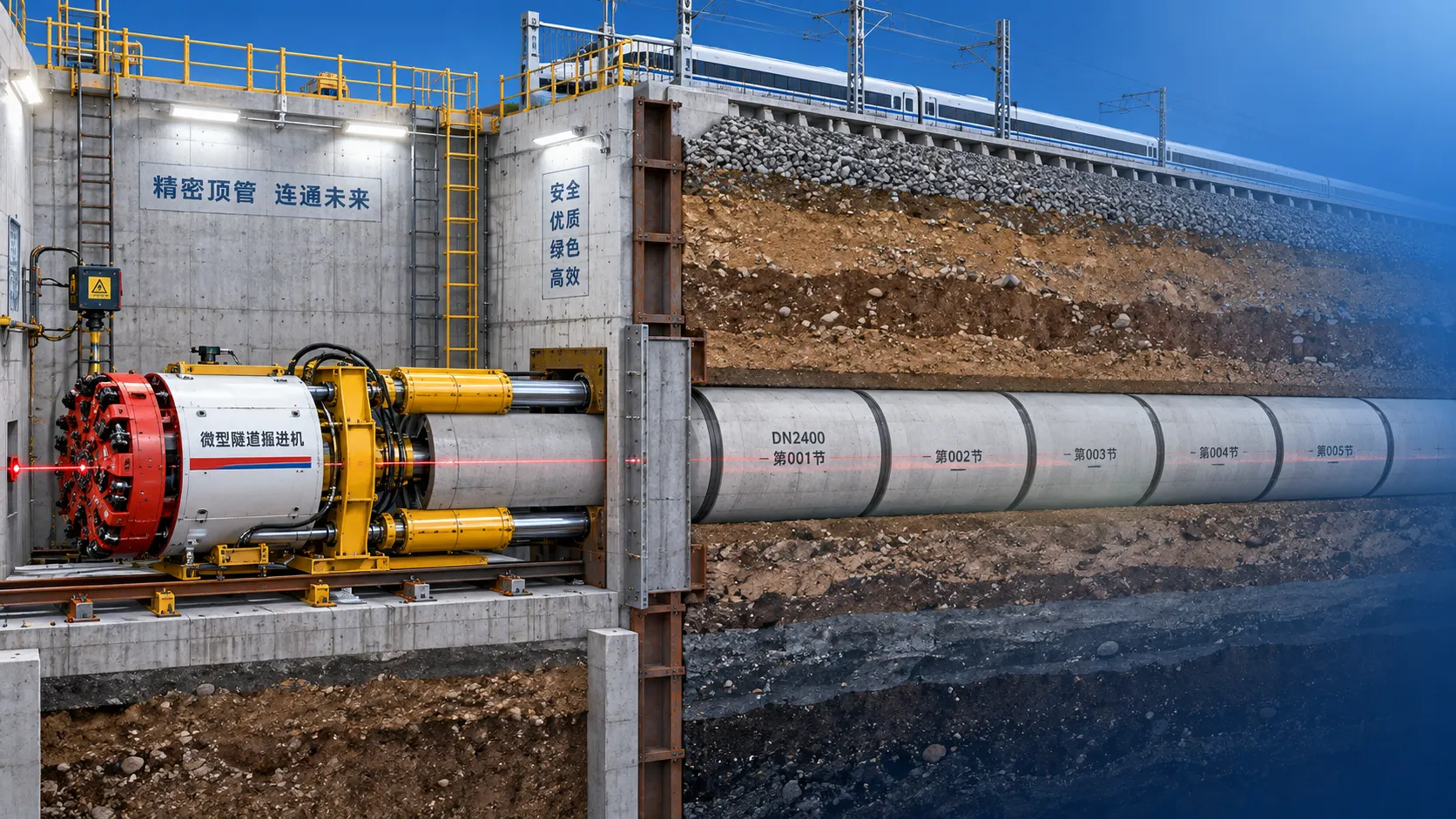
Which Trenchless Construction Technique Fits Your Utility Crossing Conditions?
Trenchless construction techniques compared for utility crossings: choose HDD, microtunnelling, pipe jacking, or auger boring based on ground, accuracy, access, and risk.
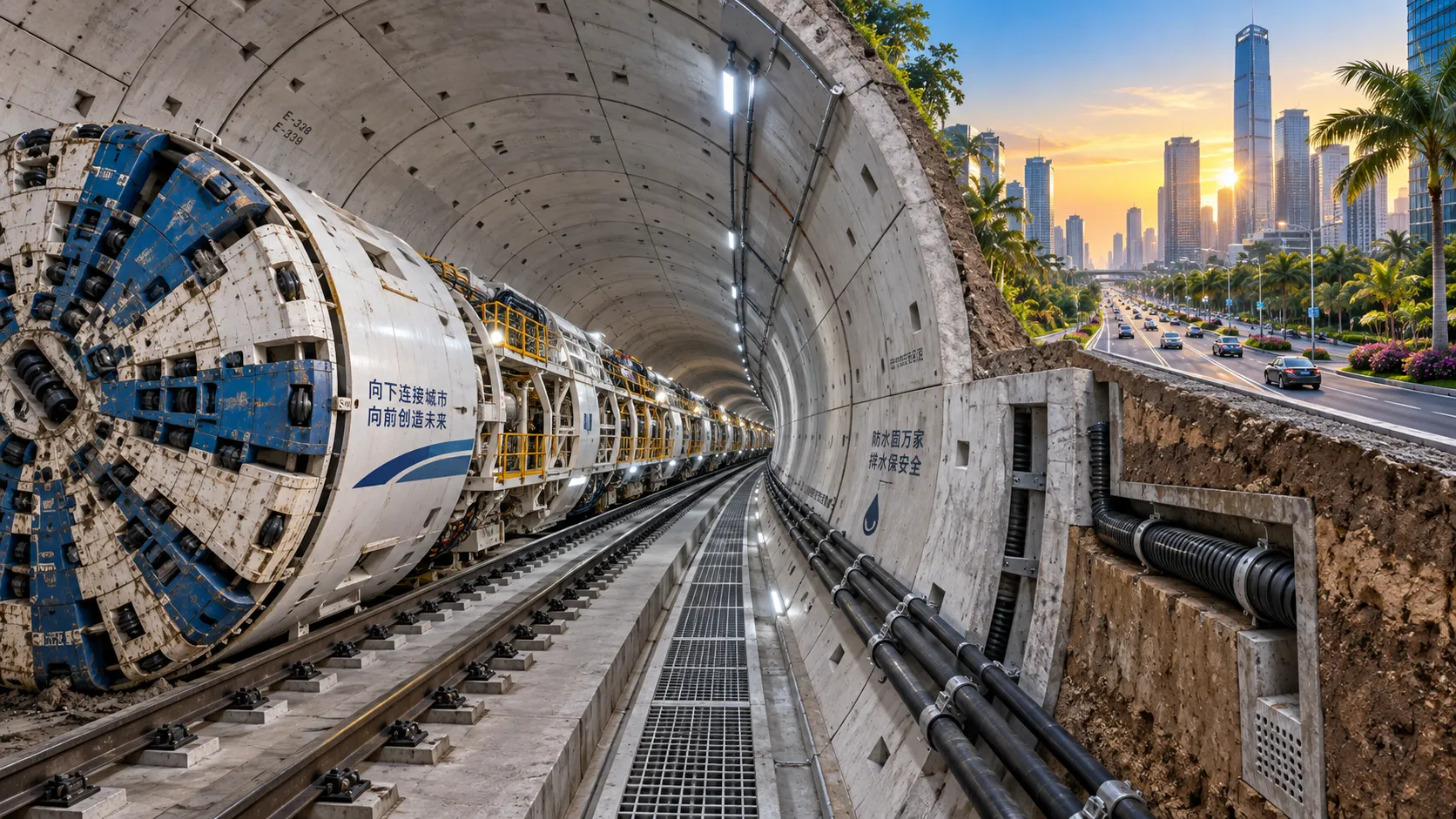
What Is Driving Metro Tunnelling Demand Across Southeast Asia’s Major Cities?
Metro tunnelling Southeast Asia is accelerating as major cities tackle congestion, flooding, and connectivity. Explore the market forces, technical risks, and opportunities shaping demand.
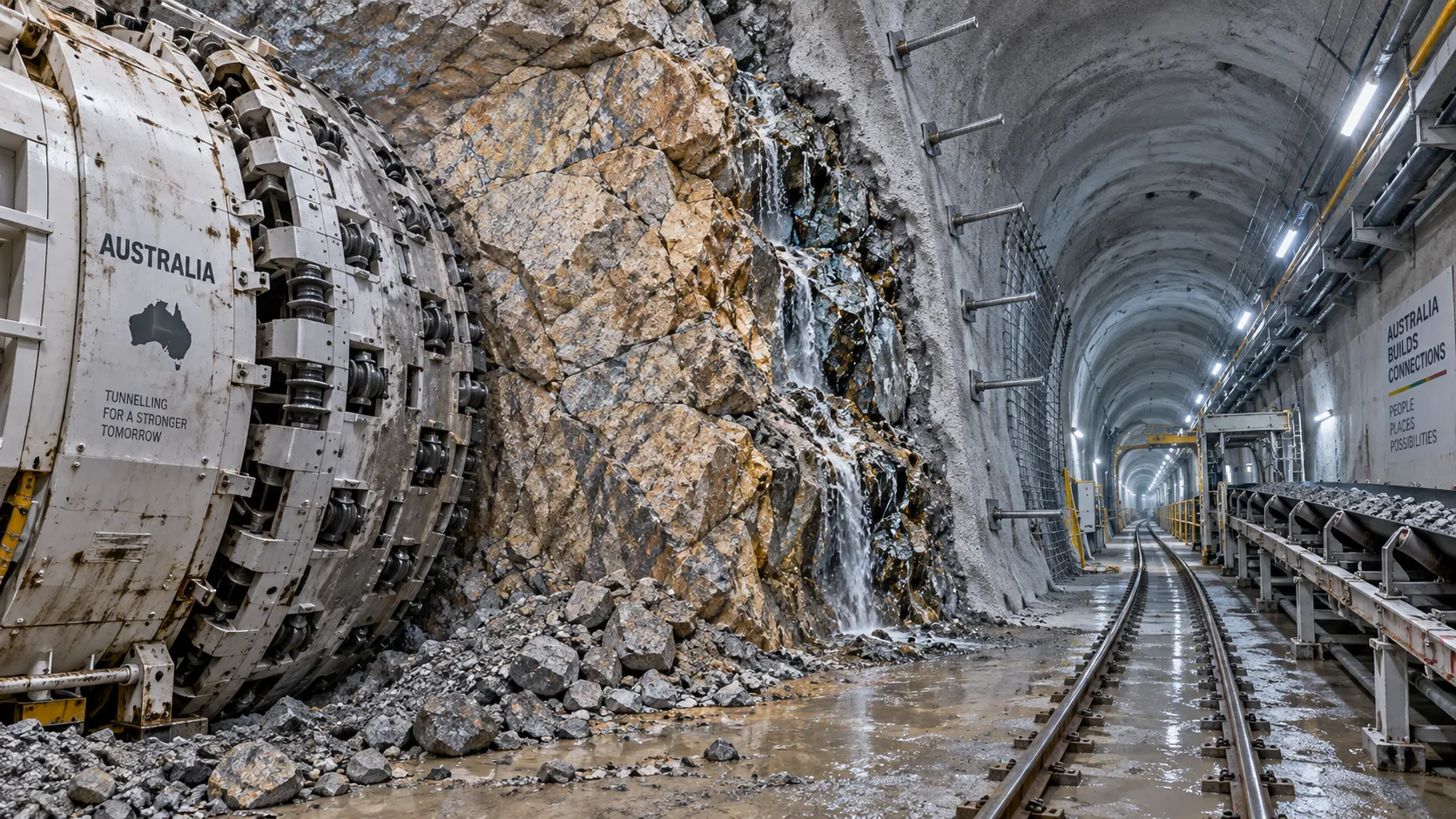
Hard Rock Tunnelling in Australia: Selecting Methods for Variable Ground Conditions
Hard rock tunnelling in Australia: compare TBM, drill-and-blast and hybrid methods to manage variable ground, reduce risk and protect project costs.
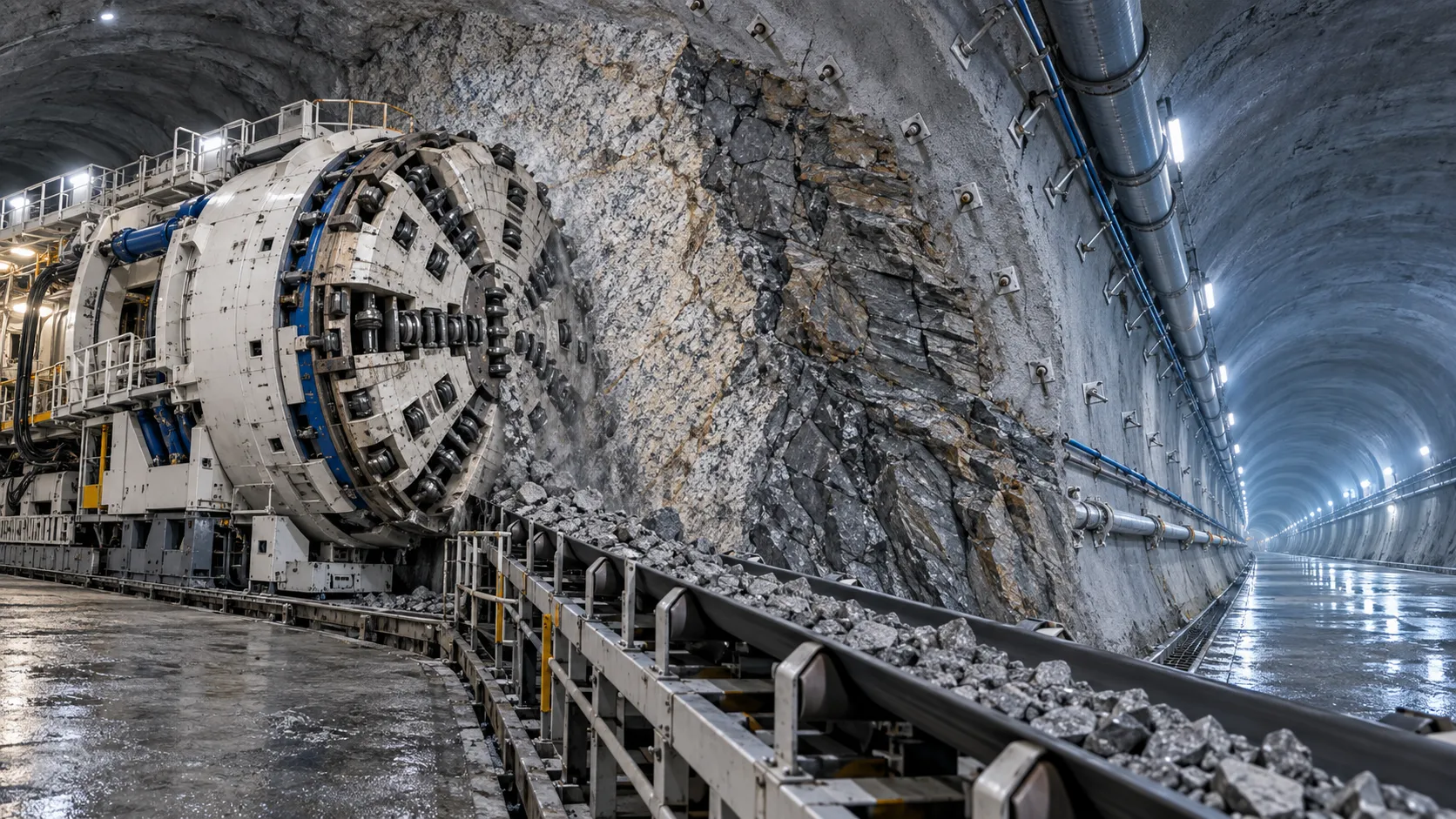
Hydropower Tunnel Excavation: Selecting Methods for Variable Rock Conditions
Hydropower tunnel excavation methods for variable rock conditions: compare TBM, drill-and-blast, and hybrid strategies to improve safety, progress, and project control.
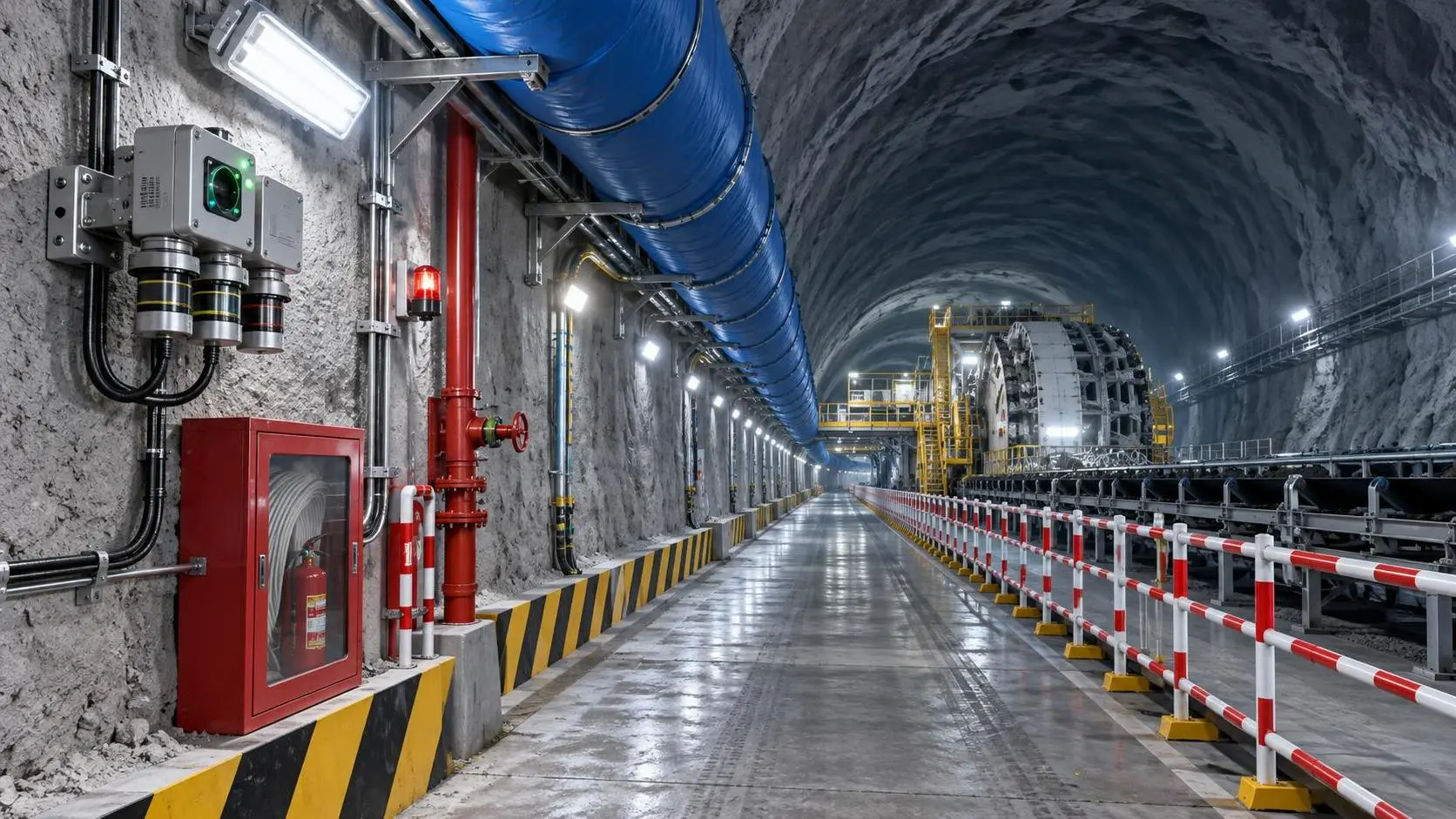
How to Select Underground Safety Equipment for Tunnelling by Hazard and Work Zone
Underground Safety Equipment for tunnelling: match protection to hazards, work zones, compliance, and emergency needs with this practical selection guide.
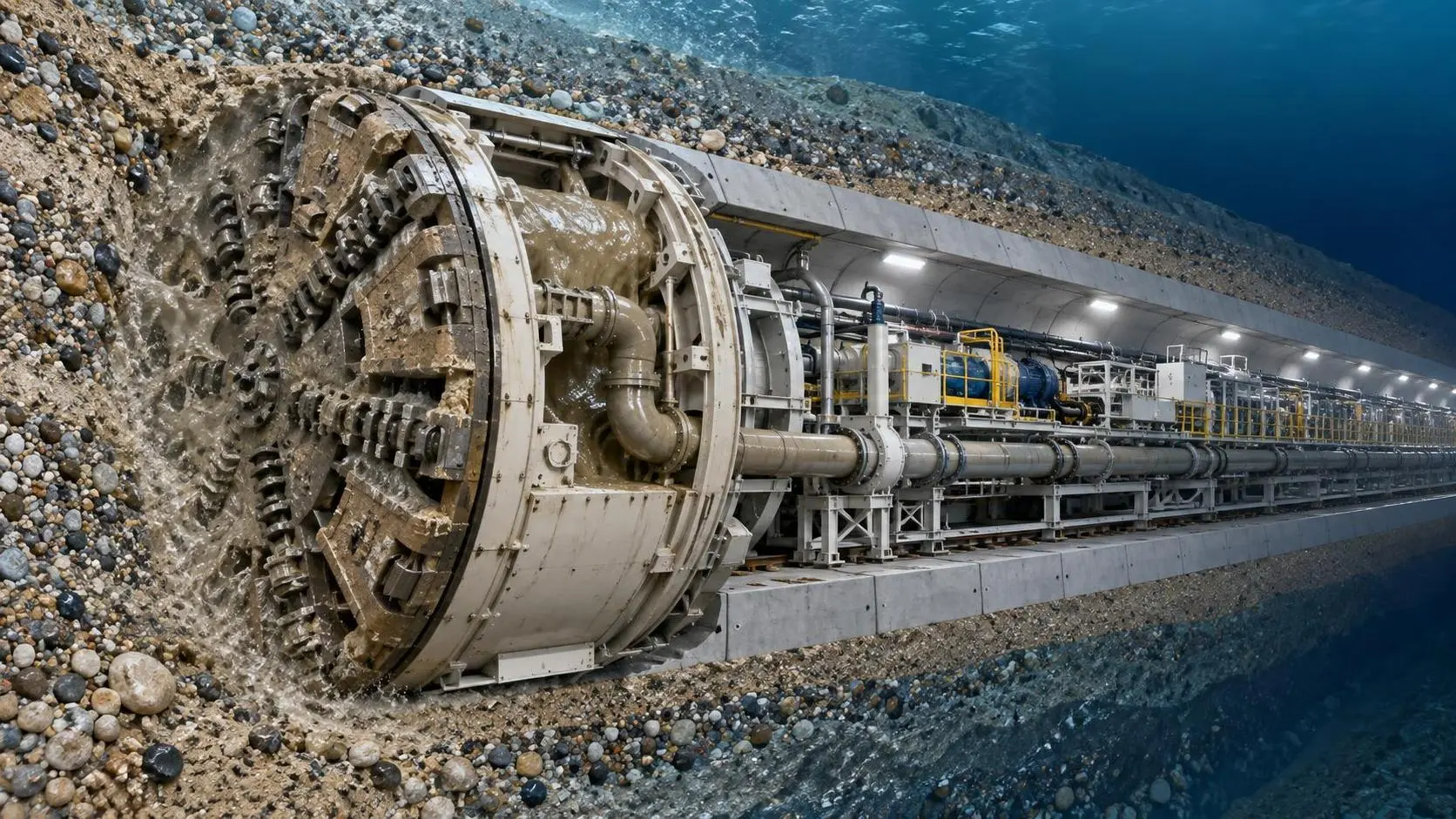
EPB or Slurry Shield? Selecting Soft-Ground Tunnelling Equipment by Soil Conditions
Tunnel Excavation Equipment for soft ground: compare EPB and slurry shields by soil, groundwater, settlement risk, and project logistics to choose confidently.
Related News
- 00
0000-00
Underground Drilling for Mining: Selecting Methods for Rock Conditions and Mine Layout - 00
0000-00
Underground Mine Electrification: How to Size Battery Fleets and Charging Capacity - 00
0000-00
How to Evaluate European Drill-and-Blast Tunnelling Contractors for Complex Projects - 00
0000-00
Which Trenchless Construction Technique Fits Your Utility Crossing Conditions? - 00
0000-00
What Is Driving Metro Tunnelling Demand Across Southeast Asia’s Major Cities?
Weekly Insights
Stay ahead with our curated technology reports delivered every Monday.