
Is Mining Truck Electrification Worth It? TCO, Charging, and Fleet Fit Explained





Mining Truck Electrification is worth it for some mines, but not for every fleet and not at any price. The real question is not whether electric haulage looks better on a sustainability report. It is whether your site can turn lower energy and maintenance costs into a better total cost of ownership without creating new bottlenecks in charging, uptime, or haulage flexibility. If you are evaluating replacement cycles, capital planning, or a pilot program, that is the decision frame that matters.
Many teams get stuck because they compare an electric truck with a diesel truck on purchase price alone. That is usually the wrong starting point. In practice, the economics of Mining Truck Electrification are shaped by five things working together: duty cycle, elevation profile, power availability, maintenance model, and how tightly the truck class fits the mine plan.
Why the answer is rarely a simple yes or no
Battery-electric mining trucks can reduce ventilation demand in confined environments, lower diesel exposure, cut some maintenance events, and recover energy through regenerative braking in downhill haul cycles. Those are real advantages. They are also highly site-dependent.
A truck that performs well on a short, repeatable route with stable charging windows may struggle on a site with long hauls, unpredictable queuing, weak grid access, or seasonal power instability. This is why procurement teams that ask “Is electrification cheaper?” often get poor answers. The better question is: “Under our haul profile, what has to be true for electrification to beat diesel on lifecycle cost and production reliability?”
A short answer, if you need one: electrification tends to make the most sense where energy costs are favorable, haul routes are predictable, charging can be designed into the operation, and ventilation or emissions constraints already carry real cost. It is far less compelling when the site lacks power infrastructure, equipment utilization is highly variable, or production risk from charging delays would outweigh fuel savings.
TCO is where Mining Truck Electrification wins or loses
Total cost of ownership is the only useful lens here. A mine can overpay for a diesel fleet by ignoring future energy and maintenance exposure, and it can also overpay for an electric fleet by underestimating infrastructure and operational disruption.
At minimum, a serious TCO model should include:
- Truck acquisition cost
- Charging or energy delivery infrastructure
- Grid connection, substations, distribution upgrades, or on-site generation support
- Energy cost per operating hour or per tonne moved
- Maintenance labor, parts, and planned downtime
- Battery replacement or mid-life battery performance risk
- Operator training and technician capability upgrades
- Impact on productivity during charging, swapping, or route redesign
- Residual value uncertainty
The common mistake is to treat “lower fuel cost” as the whole story. In reality, the energy side can look excellent while the capital side becomes heavy enough to delay payback beyond an acceptable window. That is especially true if the charging layout forces extra trucks into the fleet just to maintain production continuity.
Another mistake is assuming maintenance savings are automatic. Electric drivetrains remove some components that drive diesel maintenance, but the savings depend on your service organization, parts access, thermal management, battery handling procedures, and OEM support quality. If your site is remote and the technical support ecosystem is still immature, a theoretical maintenance advantage can be slower to realize than the spreadsheet suggests.
[图片占位符1:对比矿山运输车队在装载区、下坡运输段与充电区的运营场景示意,alt="Mining Truck Electrification fleet TCO and charging layout in a mine site"]
Charging is not a side issue. It is part of the production system.
Procurement teams sometimes treat charging as an engineering package to be solved after vehicle selection. That is backwards. Charging architecture shapes truck availability, traffic flow, dispatch logic, and sometimes even pit design assumptions.
There are a few practical questions that should be answered early:
- Can the site support fast charging without destabilizing the power system?
- Will trucks charge during planned idle windows, or will charging create new queues?
- How many chargers are needed at peak flow, not average flow?
- What happens to production if one charger is offline?
- Will charging be centralized, opportunity-based, trolley-assisted, or paired with battery swapping in smaller underground applications?
For open-pit operations, route length and grade matter a great deal. Mines with long downhill loaded hauls may benefit more from regenerative braking than many early-stage models assume. That said, recovered energy is not a magic offset. It helps most when haul routes are repeatable and operating conditions allow that energy advantage to show up consistently in dispatch reality.
For underground operations, the logic can be different. Reduced exhaust and heat load may create meaningful ventilation savings, and those savings can become a major part of the business case. UTMD has followed this closely across smart underground mining transport systems, where zero-emission performance in confined spaces is tied not just to ESG positioning, but to actual operating constraints. Even there, the fleet fit still has to work. A clean machine that interrupts cycle time is still a bad procurement decision.
Fleet fit matters more than headline technology
Some operations are naturally better candidates for Mining Truck Electrification than others. The strongest candidates usually share a few traits: repeatable duty cycles, disciplined dispatch, solid electrical planning, and a willingness to redesign the operating model rather than simply replacing diesel units one-for-one.
That last point matters. A direct swap is often where projects go wrong. Electric fleets may need a different mix of charger locations, spare ratio assumptions, maintenance scheduling, and operator behavior. If the business case only works when the electric truck behaves exactly like the old diesel truck in every condition, the project is probably being framed too narrowly.
Good fit often looks like this:
- Short to medium hauls with controlled variability
- Sites where diesel logistics are expensive or operationally painful
- Underground environments where ventilation carries large cost and compliance pressure
- Operations already investing in automation, digital dispatch, or energy management
Poor fit often looks different:
- Highly variable haul routes that change faster than infrastructure can adapt
- Weak grid access or expensive temporary power solutions
- Sites where uptime risk from charging interruptions cannot be buffered
- Procurement decisions driven mainly by emissions targets without operational redesign
If you are still early in evaluation, this is the most useful filter: do not ask whether electric trucks are advanced enough. Ask whether your mine is operationally ready enough.
Where decision-makers usually misread the business case
One common misunderstanding is assuming electrification is mainly a carbon decision. In reality, many successful projects are justified on productivity stability, ventilation cost reduction, energy strategy, or future permitting positioning, with carbon reduction acting as a supporting benefit rather than the sole driver.
Another is overconfidence in vendor performance estimates. OEM models are useful, but they are still models. They should be stress-tested against your actual shift structure, queuing behavior, idle time, weather effects, road conditions, and maintenance discipline. The more irregular the mine, the less comfortable you should be with average-case assumptions.
There is also a timing issue. A mine may be technically suitable for electrification but financially poorly timed for it if the remaining diesel fleet life is long, the power upgrade would arrive late, or commodity price volatility makes upfront capital hard to defend. That does not mean “do nothing.” It may mean starting with a pilot zone, a mixed fleet strategy, or a phased replacement tied to major infrastructure milestones.
What a sensible procurement process looks like
A good procurement process for Mining Truck Electrification usually starts with site reality, not brochure comparisons.
First, build a route-level operating map. Look at distance, grade, stop-start patterns, queue points, and seasonal variability. Then test how an electric truck would actually move through that system, including charging windows and failure scenarios.
Second, separate truck economics from infrastructure economics, then bring them back together. This helps leadership see whether the project is being carried by vehicle efficiency, by ventilation savings, by fuel displacement, or by a broader mine redesign.
Third, model at least three cases: conservative, expected, and stressed. If the project only works in the best-case scenario, it is not ready for fleet-wide commitment.
Fourth, pressure-test the service model. Who supports the battery system? What is the expected parts lead time? What training burden falls on the site? What data access will the mine receive for battery health, charging behavior, and performance diagnostics?
Finally, define success before the pilot starts. Too many pilots run long and produce ambiguous conclusions because nobody agreed up front whether success meant lower cost per tonne, lower ventilation demand, fewer maintenance hours, or simply proof that the charging system could hold production.
For teams that need better market context before moving, a specialist intelligence source such as UTMD can be useful as a reference point for underground transport electrification trends, regenerative braking discussions, and replacement demand patterns tied to mine decarbonization. The value is less about headlines and more about understanding where technical promise is already translating into operational adoption.
So, is Mining Truck Electrification worth it?
It is worth it when the mine can convert electrification into measurable operating advantage, not just cleaner branding. That usually means the fleet has the right haul profile, the site can support the charging strategy, and leadership is prepared to evaluate cost over the asset life rather than at purchase order stage.
It is not worth forcing onto a fleet that lacks power readiness, has unstable duty cycles, or cannot tolerate charging-related production risk. In those cases, a rushed transition can become a very expensive lesson.
The strongest decisions come from a narrow question: under what site conditions does Mining Truck Electrification reduce cost per tonne without compromising throughput? Once that is answered honestly, the procurement path becomes much clearer.
FAQ
How long does it usually take for an electric mining truck project to pay back?
There is no reliable universal number. Payback depends on energy price, diesel displacement, infrastructure cost, utilization rate, and whether the operation captures secondary savings such as reduced ventilation demand. A site-specific TCO model is necessary.
Is charging infrastructure usually more expensive than buyers expect?
Yes, often. The visible charger cost is only part of it. Grid upgrades, distribution equipment, redundancy, civil works, and operational redesign can materially change the project budget.
Are electric mining trucks better suited to underground or open-pit mines?
They can work in both, but the business case is different. Underground operations may benefit more from ventilation and emissions gains. Open-pit value often depends more on haul profile, regenerative braking potential, and power system design.
Should a mine replace the whole fleet at once?
Usually not. A phased rollout or pilot on a well-defined route is often the better way to validate charging behavior, maintenance needs, and production impact before making a larger capital commitment.
图片占位符清单
- 图片占位符1:建议放在TCO与充电基础设施讨论之后;内容为矿山运输车在装载区、运输坡道和充电区的协同运营示意;alt="Mining Truck Electrification fleet TCO and charging layout in a mine site"
内链锚文本建议
- Mining truck TCO analysis: 建议链接到成本测算或采购评估页面
- underground haulage electrification: 建议链接到地下矿山运输电动化专题页
- regenerative braking in mining trucks: 建议链接到技术原理或趋势分析页
- mine charging infrastructure planning: 建议链接到充电系统规划或能源配套页面
- battery-electric LHD vs diesel: 建议链接到设备对比或选型指南页面
外部权威来源建议
- 主流矿山设备制造商的官方技术白皮书与应用说明
- 矿业行业协会或采矿工程学会发布的电动化研究报告
- 政府能源监管机构或矿山安全监管机构关于电力接入、排放与安全要求的公开资料
Related News
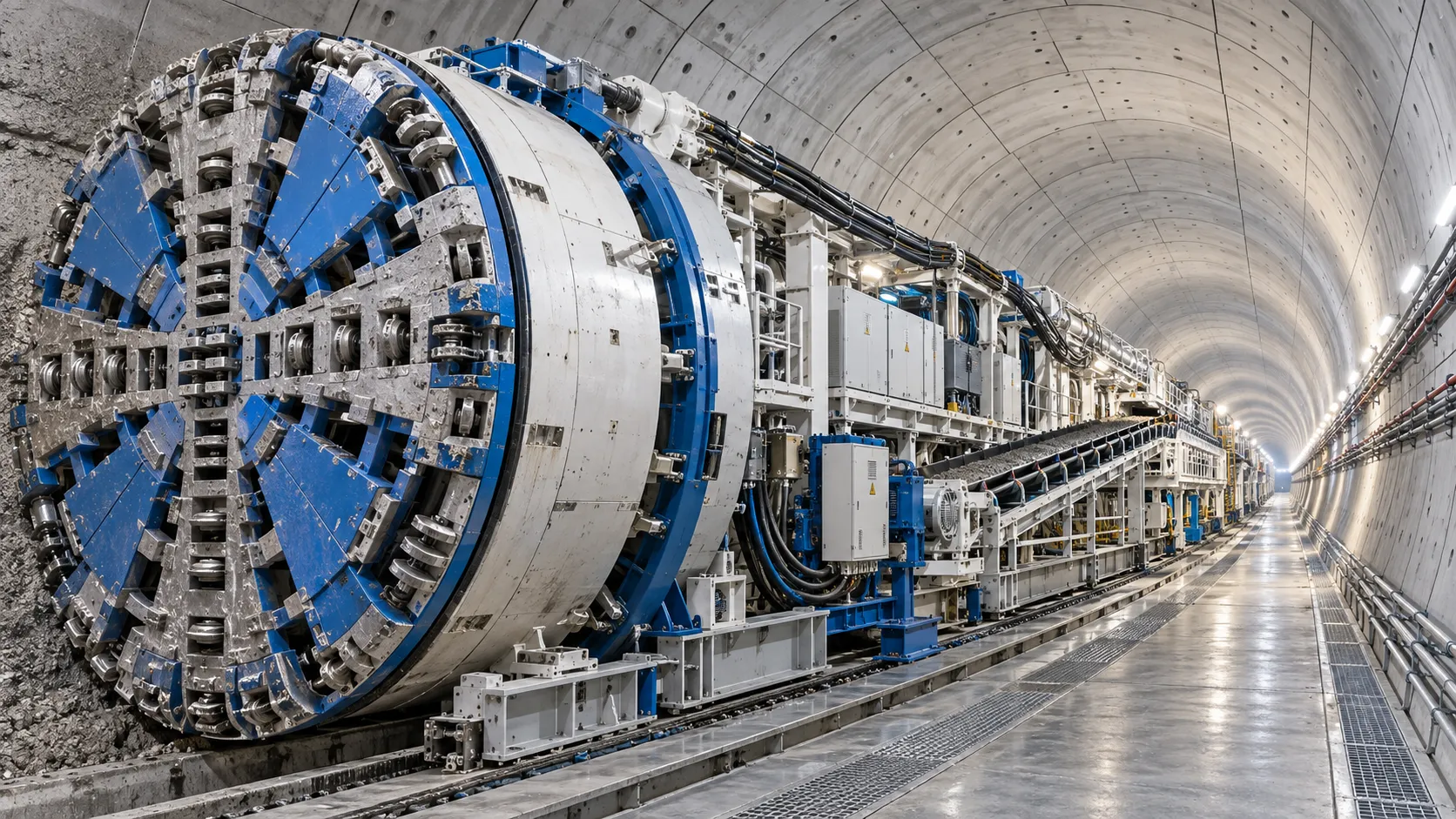
Tunnel Boring Machine Costs: Budgeting for Purchase, Operation, and Project Risk
Tunnel Boring Machines cost more than purchase price. Learn how to budget lifecycle costs, downtime, logistics, wear, and project risk for smarter TBM decisions.
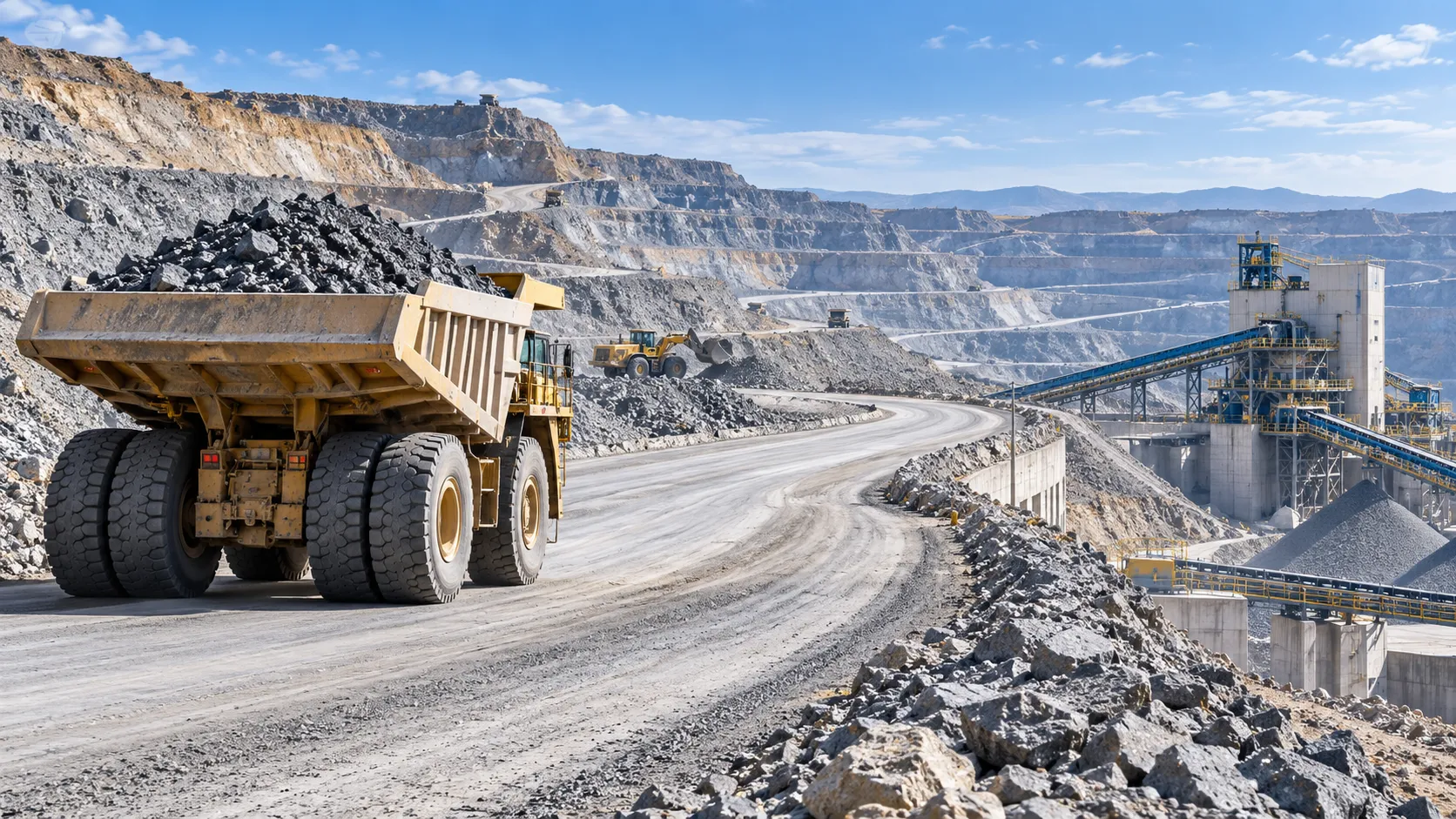
Open-Pit Haulage Cost Analysis: How Mine Managers Can Cut Cost per Tonne
Open pit haulage cost analysis: discover practical ways to reduce cost per tonne through payload control, cycle-time optimization, road performance, and smarter fleet decisions.
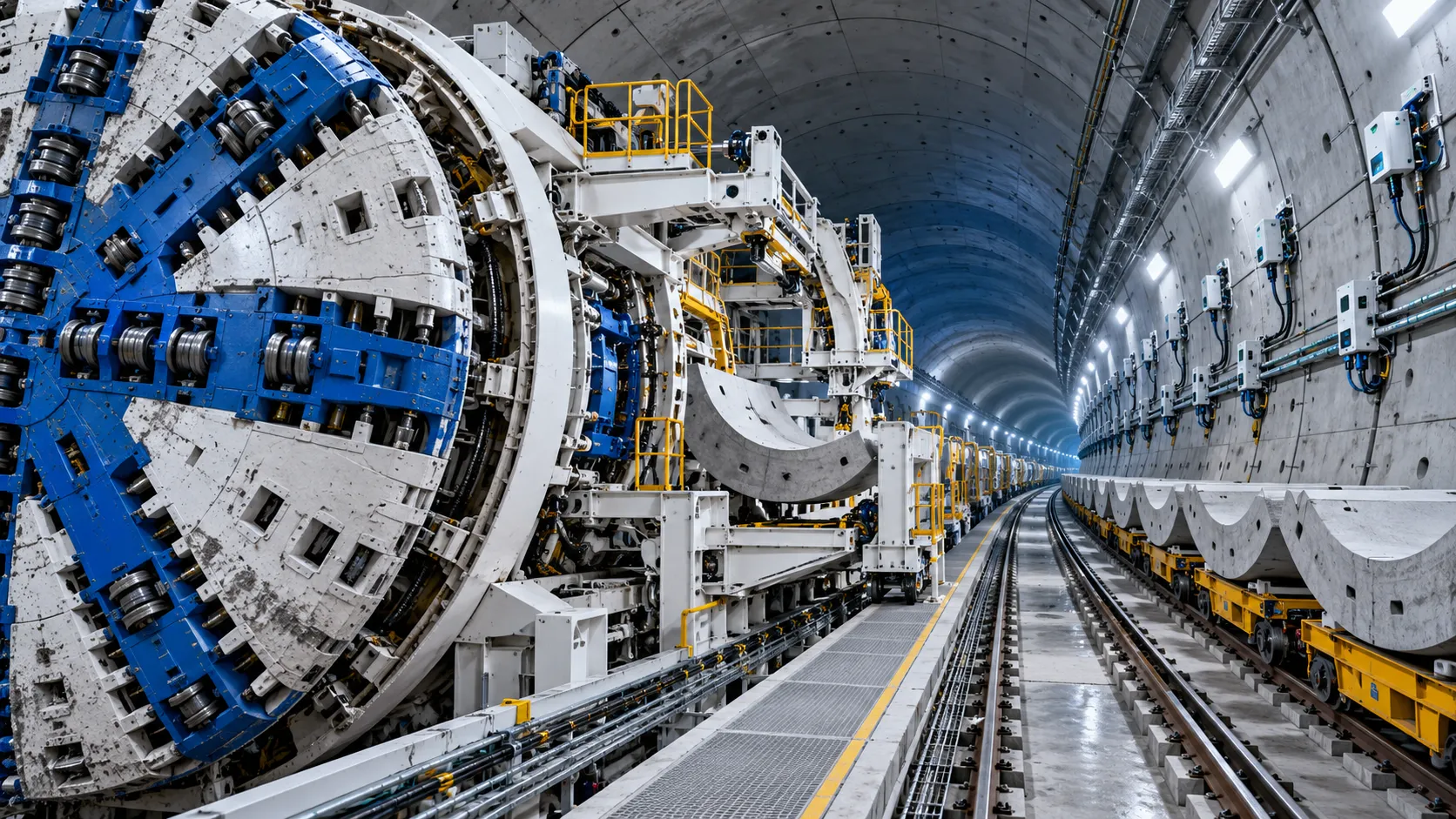
Tunnel Construction Innovations That Reduce Risk and Schedule Delays on Urban Projects
Tunnel construction innovation for urban projects: discover smarter TBMs, real-time monitoring, trenchless methods, and automation that reduce risk and protect schedules.
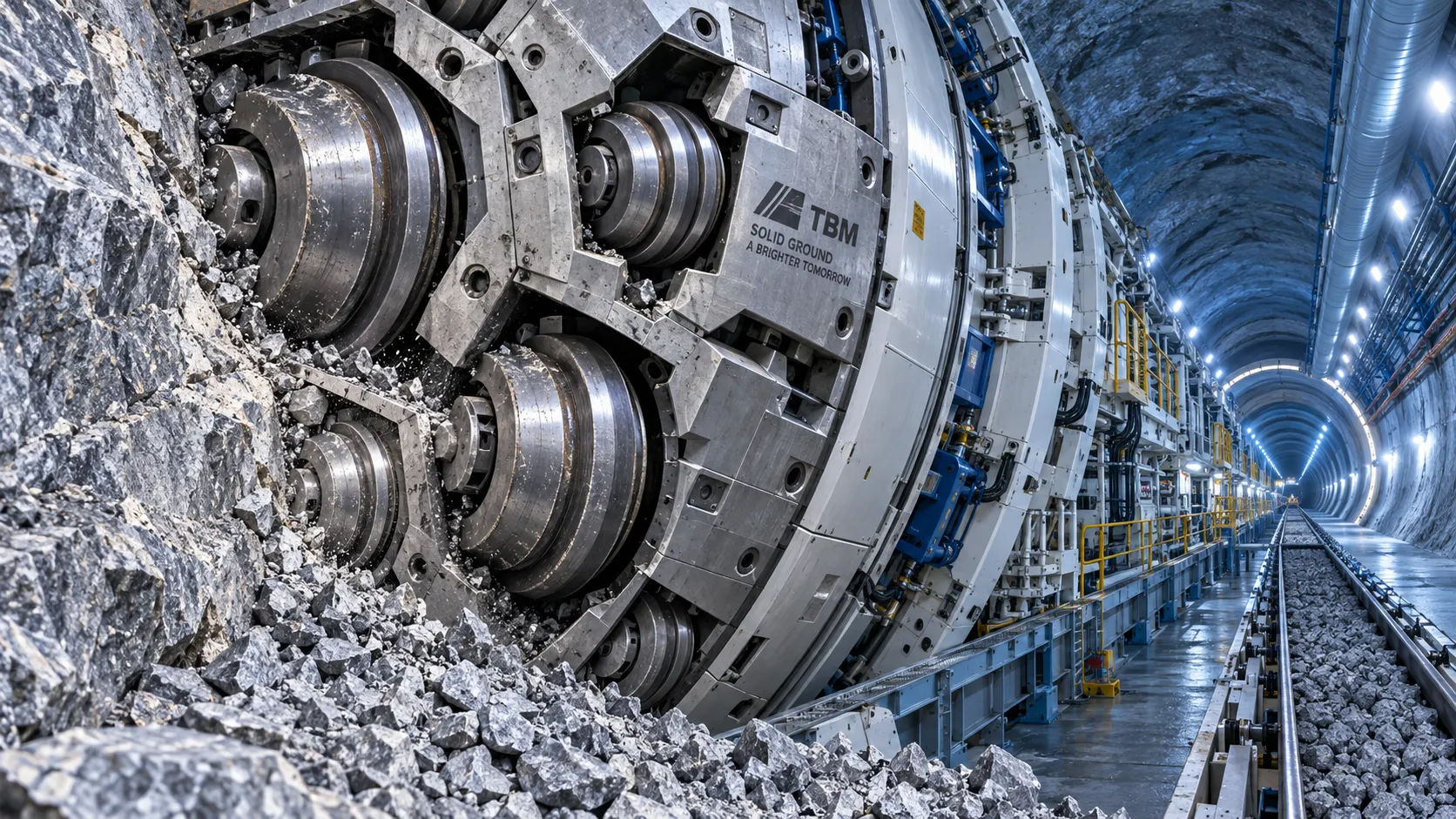
TBM Disc Cutter Design: Key Geometry and Load Factors for Hard Rock Tunnelling
TBM disc cutter design explained: explore geometry, spacing, load distribution and maintenance factors for reliable, efficient hard-rock tunnelling performance.
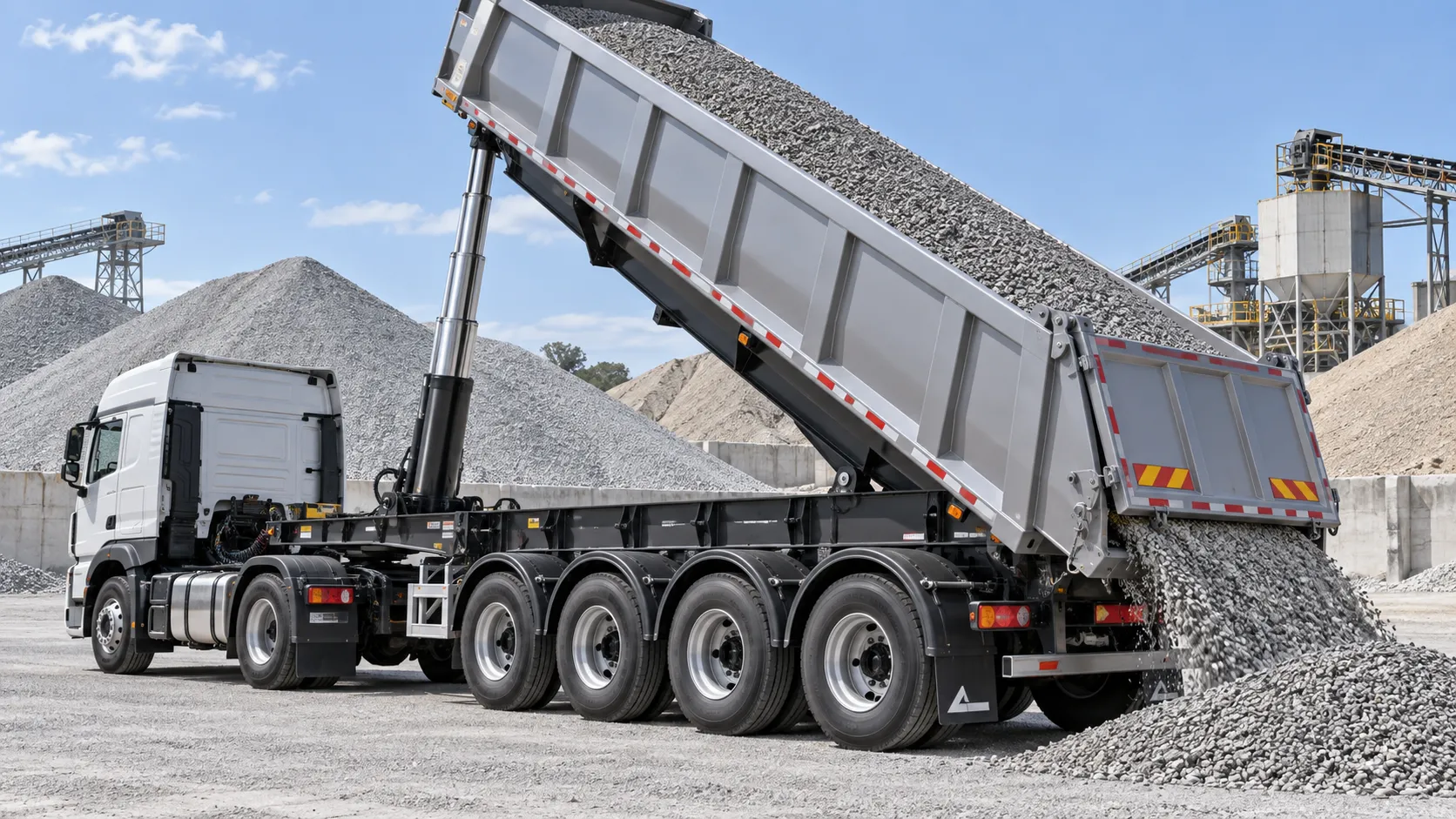
Hydraulic Tipping Stability Risks in Multi-Axle Dump Special Trailers
Dump special trailers: discover key hydraulic tipping stability risks, multi-axle load dynamics, and practical safety controls for safer, smarter bulk hauling.
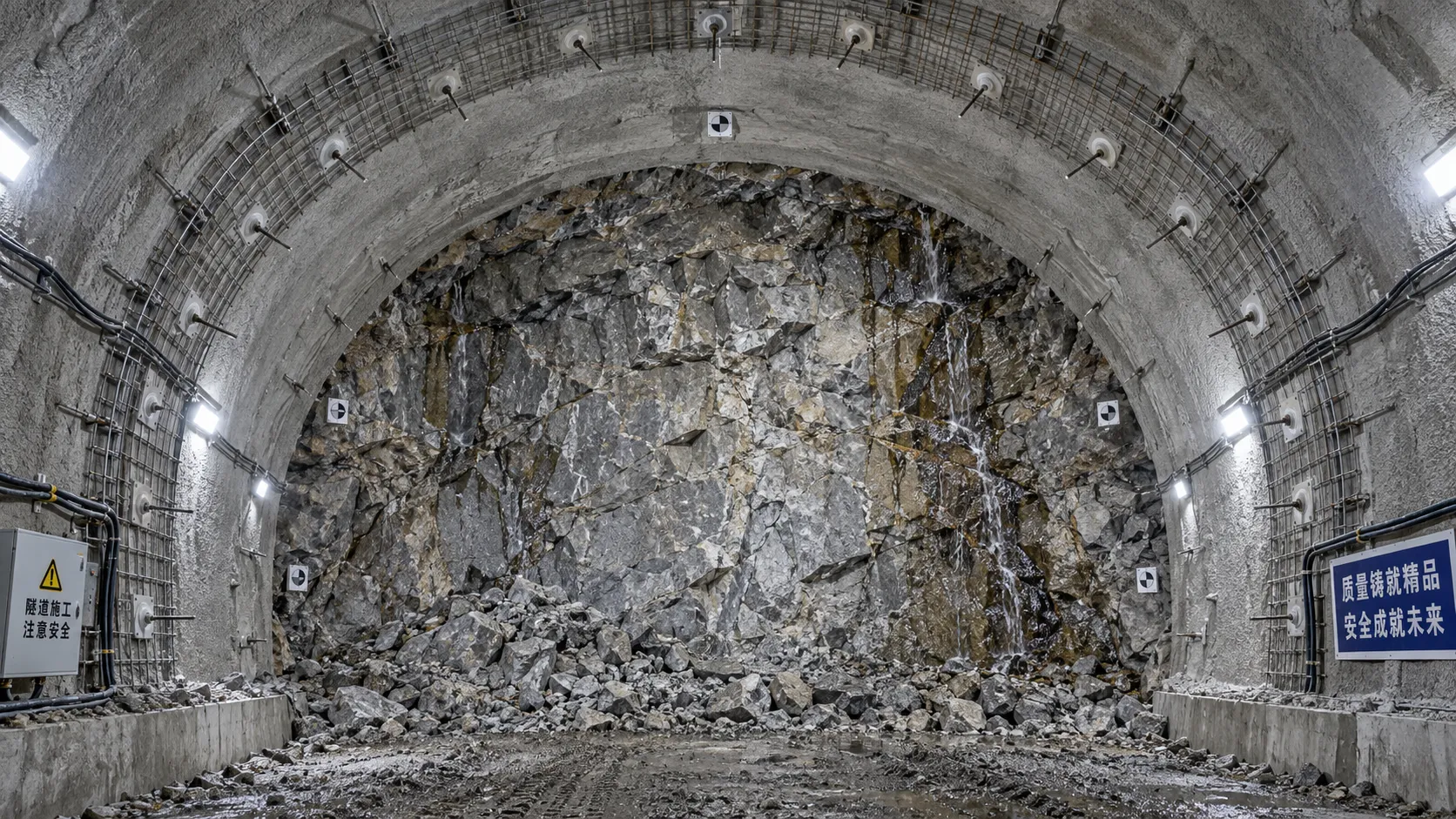
When rock reinforcement in tunnel construction must change after blasting
Rock reinforcement in tunnel construction must change when blasting reveals overbreak, weak joints, water inflow, or deformation. Discover key post-blast support decisions.
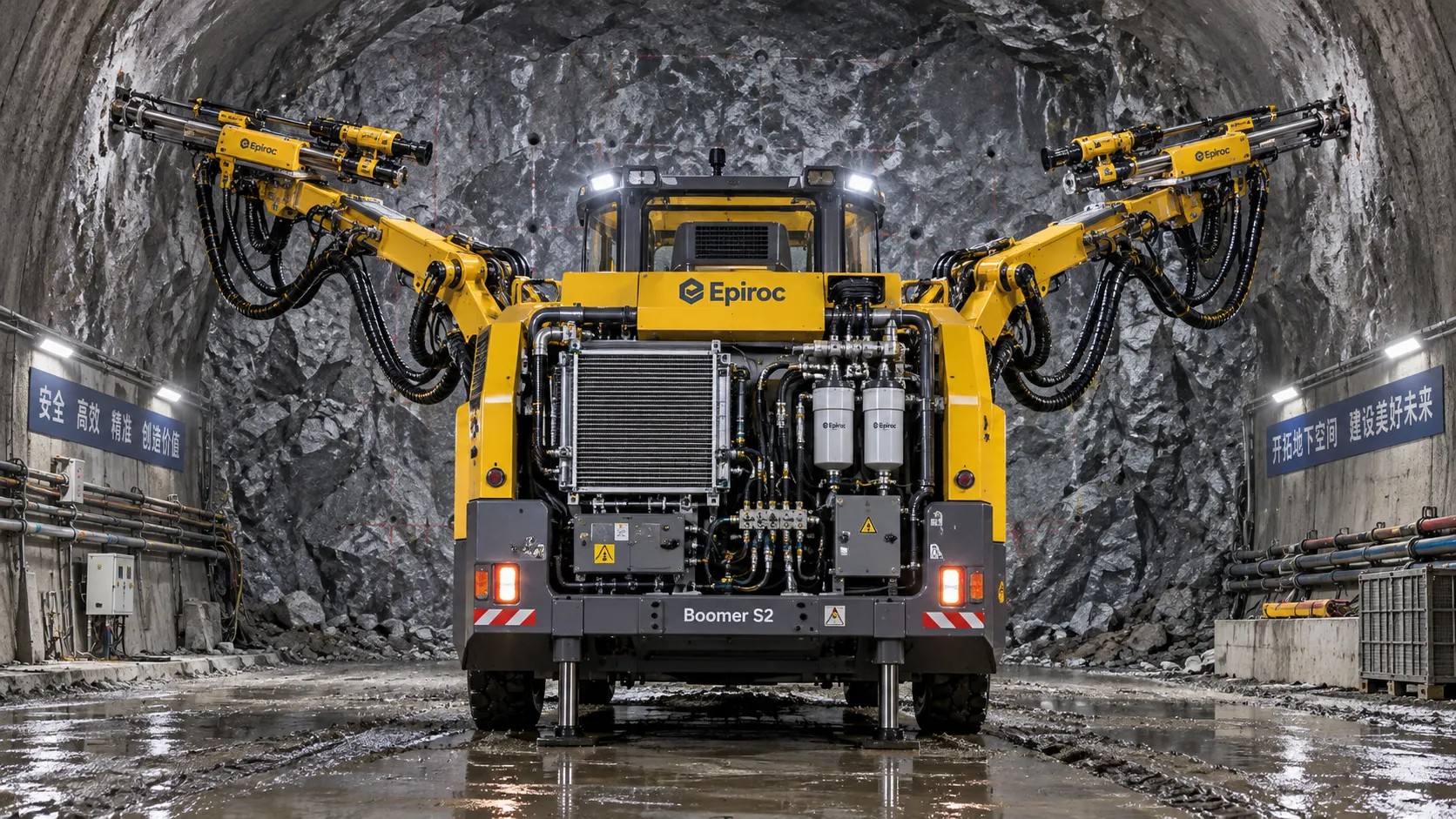
How tunnel hydraulic systems influence drill jumbo uptime underground
Tunnel hydraulic systems directly influence drill jumbo uptime. Explore how stable pressure, clean oil, cooling, and maintainable design reduce underground downtime.
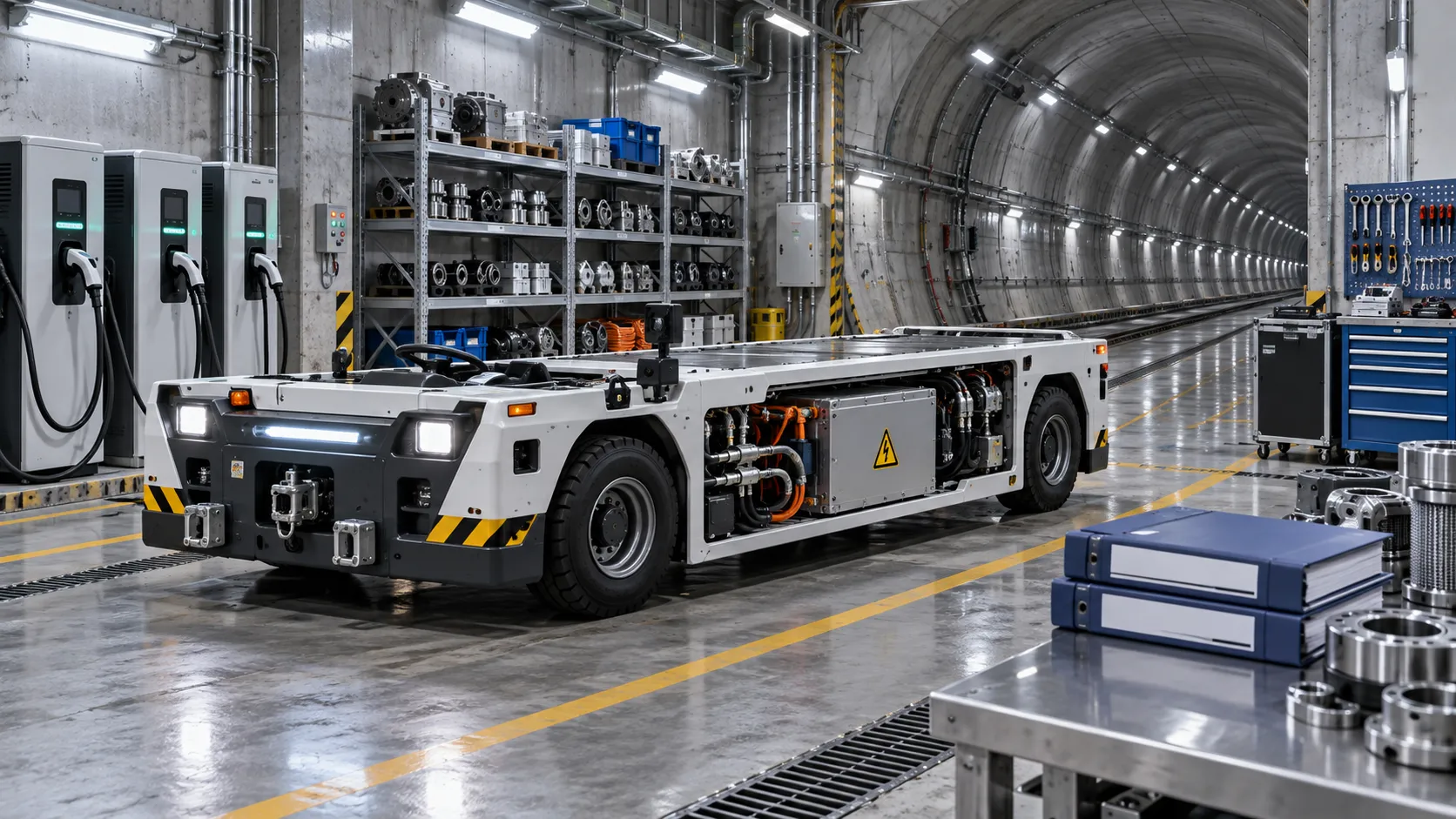
What to verify before appointing a tunneling vehicles manufacturer
Choosing a tunneling vehicles manufacturer? Verify application fit, reliability, compliance, parts support, training, and channel terms before appointing a partner.
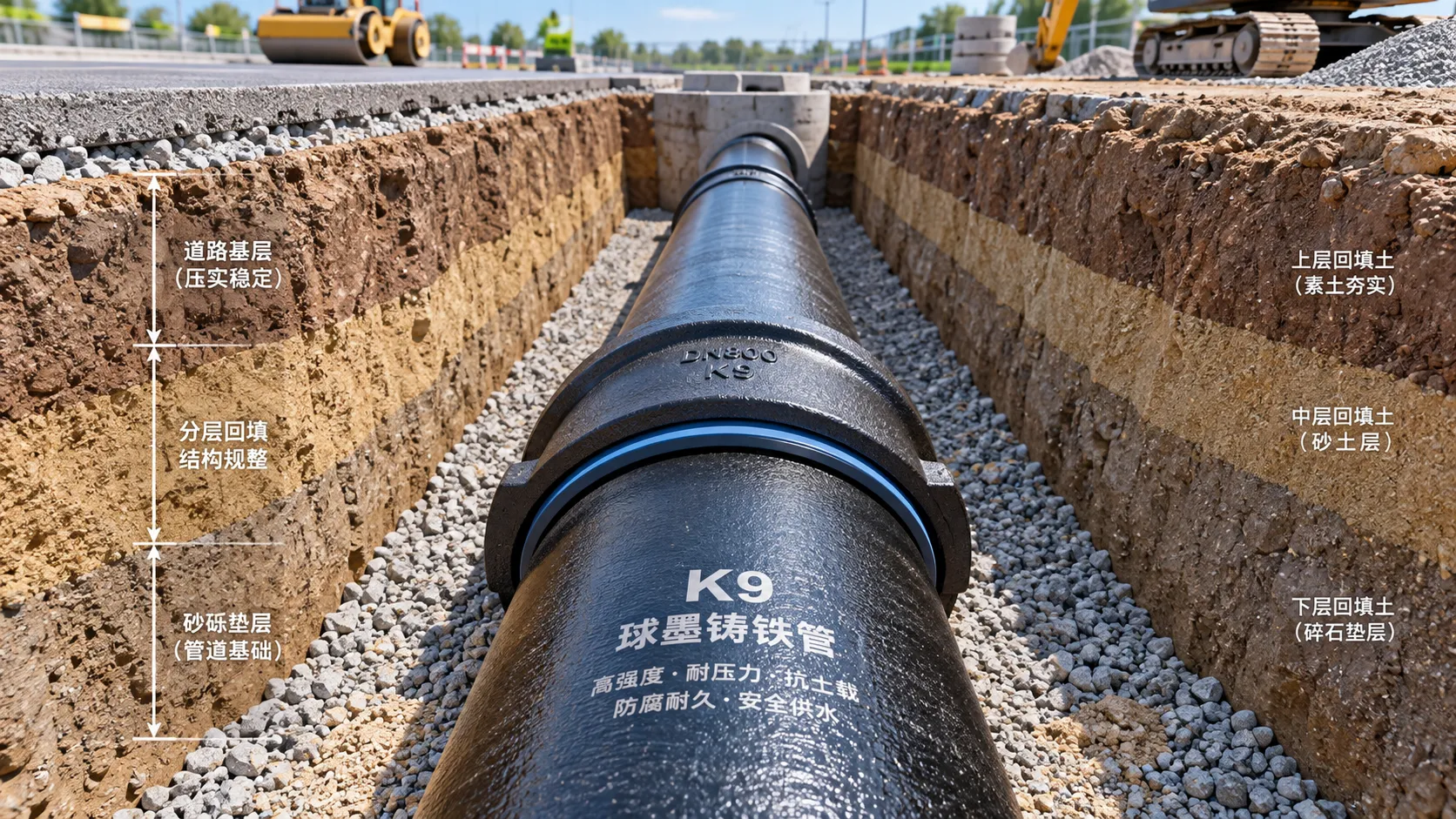
Selecting K9 Ductile Iron Pipe for Buried Water Pipeline Conditions
K9 ductile iron pipe selection for buried water pipelines: compare pressure duty, joints, soil loads, corrosion protection, and installation controls for reliable long-term performance.
Related News
- 00
0000-00
Tunnel Boring Machine Costs: Budgeting for Purchase, Operation, and Project Risk - 00
0000-00
Open-Pit Haulage Cost Analysis: How Mine Managers Can Cut Cost per Tonne - 00
0000-00
Tunnel Construction Innovations That Reduce Risk and Schedule Delays on Urban Projects - 00
0000-00
TBM Disc Cutter Design: Key Geometry and Load Factors for Hard Rock Tunnelling - 00
0000-00
Hydraulic Tipping Stability Risks in Multi-Axle Dump Special Trailers
Weekly Insights
Stay ahead with our curated technology reports delivered every Monday.