How Underground Equipment Control Systems Improve Safety and Productivity in Mining
A common problem in underground mining is that equipment may be technically advanced, yet daily operations still depend on fragmented information, delayed communication, and limited visibility across headings, ramps, loading points, and ore passes. When that happens, even routine tasks like moving an LHD, coordinating a drilling jumbo, or managing underground haulage can become slower and riskier than they need to be.
That is why underground equipment control has become a practical operating concern rather than a future concept. For mine managers, maintenance planners, automation engineers, and production supervisors, the issue is usually not whether control systems matter, but how they actually reduce exposure, improve machine coordination, and help teams make better decisions without disrupting the whole operation.
Why control gaps create safety and productivity problems underground
Underground mines are difficult environments for any equipment fleet. Visibility is limited, tunnel geometry changes by zone, communications can weaken around corners or deeper levels, and machines often work in close sequence with people, support vehicles, and fixed infrastructure. In that setting, a small delay in machine status, location awareness, or operator response can ripple into larger operational problems.
Many teams first notice the issue through symptoms rather than system design. Loaders wait longer than expected at drawpoints. Drilling schedules slip because access is not clear. Haulage routes become congested. Supervisors need several radio calls to confirm whether a machine is available, parked, faulted, or still in transit. None of these problems always look dramatic in isolation, but together they increase exposure to avoidable risk and slowly reduce shift output.
Safety is usually the first concern. If operators, dispatchers, and nearby crews do not have reliable information about machine location, machine mode, or restricted zones, the chance of unsafe interaction rises. This is especially relevant where remote operation, battery-electric equipment, or mixed manual and semi-automated fleets are used together. Productivity suffers at the same time because uncertainty forces people to work cautiously, wait for confirmation, or repeat tasks that should have been coordinated once.
In practice, underground equipment control is valuable because it addresses both issues at the same point: the flow of operational information. When machine data, operator inputs, alarms, and dispatch logic are connected properly, crews can respond faster and make fewer assumptions.
Where underground equipment control usually breaks down
It is easy to assume that control problems come only from old machines or weak networks, but the cause is often more mixed. In many mines, part of the fleet may already have onboard monitoring, another part may rely on standalone control modules, and some areas may support remote operation better than others. The result is not a total lack of technology. The result is inconsistent control logic across the working cycle.
One common misunderstanding is to treat underground equipment control as a single screen in a control room. In reality, it is a chain that includes sensors, onboard control units, communications links, traffic logic, operator interfaces, maintenance visibility, and reporting discipline. If one link is weak, the whole system feels unreliable even when individual components are working.
Typical breakdown points include:
- Machine status is visible to the operator but not clearly shared with dispatch or maintenance.
- Location tracking is available, but not accurate enough for traffic coordination in constrained headings.
- Remote operation exists, but camera views, latency, or control handover rules are not robust enough for regular use.
- Alarm data is generated, but not prioritized in a way that helps crews act quickly.
- Production planning and equipment control are handled separately, so equipment movement does not match actual face conditions.
These issues matter because underground mining is not only about machine power. It is also about timing, spacing, and response. A loader that arrives late, a truck that waits in the wrong section, or a jumbo that enters before ground support clearance is confirmed can affect both tonnage and safety margins.
How to evaluate whether your current control approach is actually working
Before looking for new tools or redesigning workflows, it helps to assess the current situation with a practical lens. Many operations already have parts of the answer in place, but they are not connected in a way that supports consistent field decisions.
A useful check is to follow the actual path of a machine through one shift. Take an underground LHD, a drilling jumbo, or a haulage unit and ask a simple set of questions at each step. Can the team confirm where the machine is? Can they verify whether it is operating, idle, faulted, charging, waiting, or blocked? Can nearby crews see the same status in time to act on it? If something unexpected happens, who is alerted first, and how fast can they respond?
If those answers are unclear, underground equipment control is probably not mature enough yet, even if the fleet appears connected on paper. Good control is less about having more dashboards and more about reducing ambiguity at operating level.
Another useful test is to review how often decisions depend on manual workarounds. If production supervisors still rely heavily on voice updates, handwritten notes, or repeated confirmation requests to keep equipment moving safely, the system may be digitized but not truly controlled. This is often where improvement opportunities become visible.
Practical steps to improve underground equipment control
For most mines, the best path is not a full replacement of everything in one move. A better approach is to improve control in stages, starting with the parts of the operating cycle where visibility gaps create the most risk or delay.
- Map the highest-friction equipment interactions. Start with the points where machines, people, and infrastructure interact most often. This may include loading zones, charging or battery-swap points, intersections, ore passes, workshop approaches, and drill-and-blast access areas. The goal is to identify where the lack of reliable control information creates waiting, confusion, or unsafe assumptions.
- Standardize machine status logic. One of the simplest and most effective improvements is to make equipment state reporting consistent. Operators, dispatchers, and maintenance teams should interpret statuses the same way. If one machine reports standby, another reports idle, and a third uses a local code that only one team understands, response quality drops immediately.
- Improve real-time visibility before adding more automation. Full automation gets attention, but many mines first need dependable visibility: location, machine health, active mode, zone restrictions, and operator control state. Without that foundation, advanced control features can create false confidence. Good underground equipment control starts with trustworthy operational awareness.
- Define clear rules for remote and local control handover. This is especially important for underground LHDs and other equipment that may alternate between onboard operation and remote control. The handover process must be obvious, logged, and easy to verify. When control mode is ambiguous, both safety and productivity suffer.
- Connect control decisions to maintenance signals. Equipment control should not stop at movement coordination. When machine condition signals are visible early, planners can avoid sending a unit into a demanding cycle when braking, steering, battery condition, hydraulic response, or sensor health is already questionable. This reduces both unplanned downtime and exposure in difficult areas.
- Review communication coverage in operational context. Coverage maps alone do not tell the full story. Test communications where machines actually pause, reverse, dump, queue, or hand over control. A tunnel segment that looks acceptable in theory may still be a weak point during loaded movement or camera-based remote operation.
- Train around decisions, not just interfaces. Operators and supervisors do not only need button-level instruction. They need shared rules for how to react to alarms, congestion, restricted access, loss of signal, and conflicting machine priorities. That is what makes the control system usable under pressure.
What a better control setup changes in day-to-day mining operations
When underground equipment control improves, the first change is often operational clarity. Crews spend less time checking where machines are, whether a route is open, or whether a unit is available for the next task. That clarity reduces hesitation and helps teams sequence work more cleanly between drilling, support, loading, hauling, and maintenance windows.
Safety improvements often come from removing blind spots in decision-making. If supervisors can see equipment states and zone conditions more reliably, they are better able to keep people out of active machine paths, avoid conflicts between mobile units, and respond faster when a machine stops unexpectedly. In narrow or low-visibility workings, that difference matters.
Productivity improves for a related reason. Mines lose time when machines wait unnecessarily, travel without priority logic, or enter sections before the next activity is actually ready. Better control does not mean pushing machines harder in every case. Often it means reducing wasted motion, reducing uncertain stops, and making handoffs between crews more predictable.
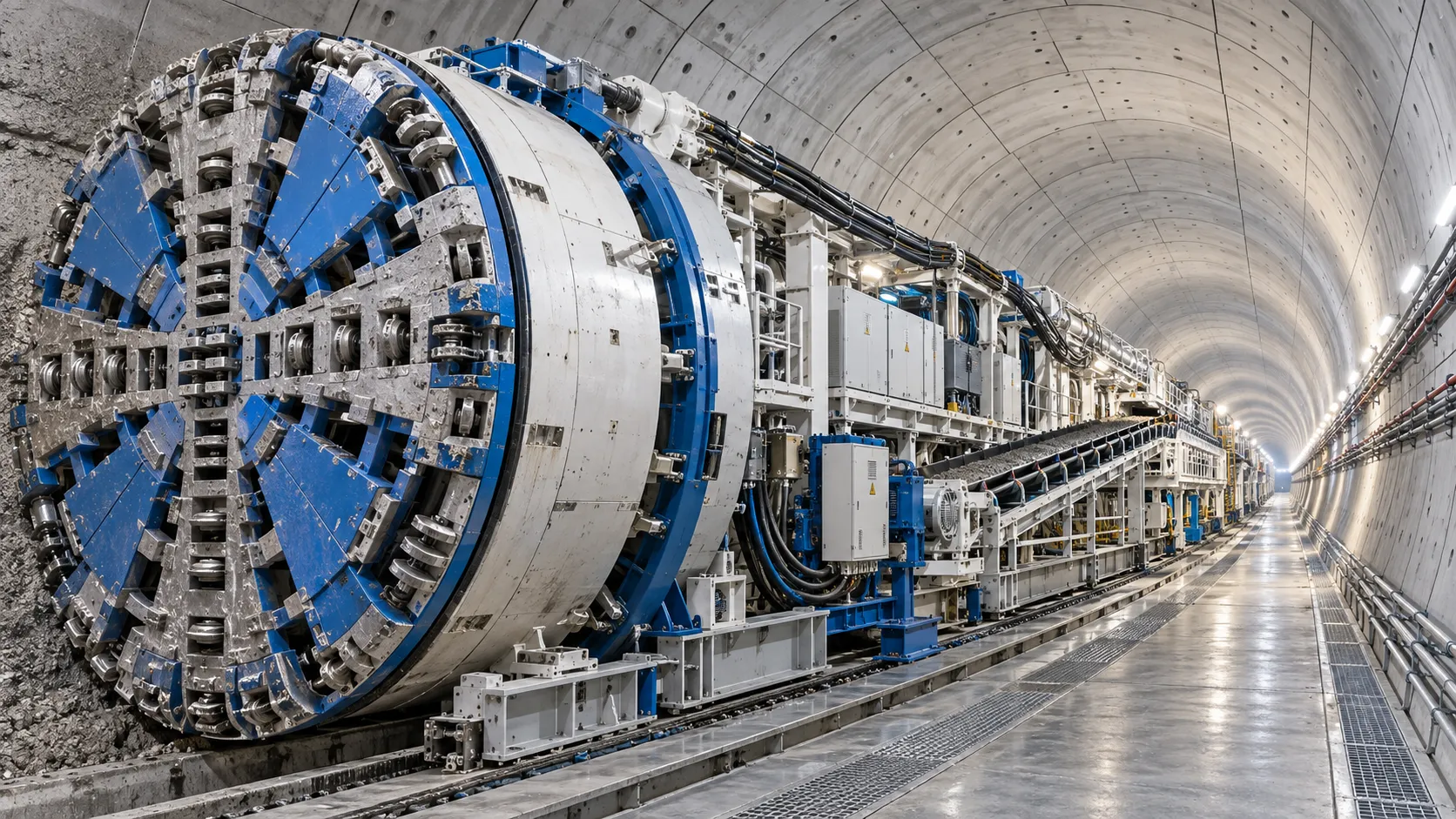
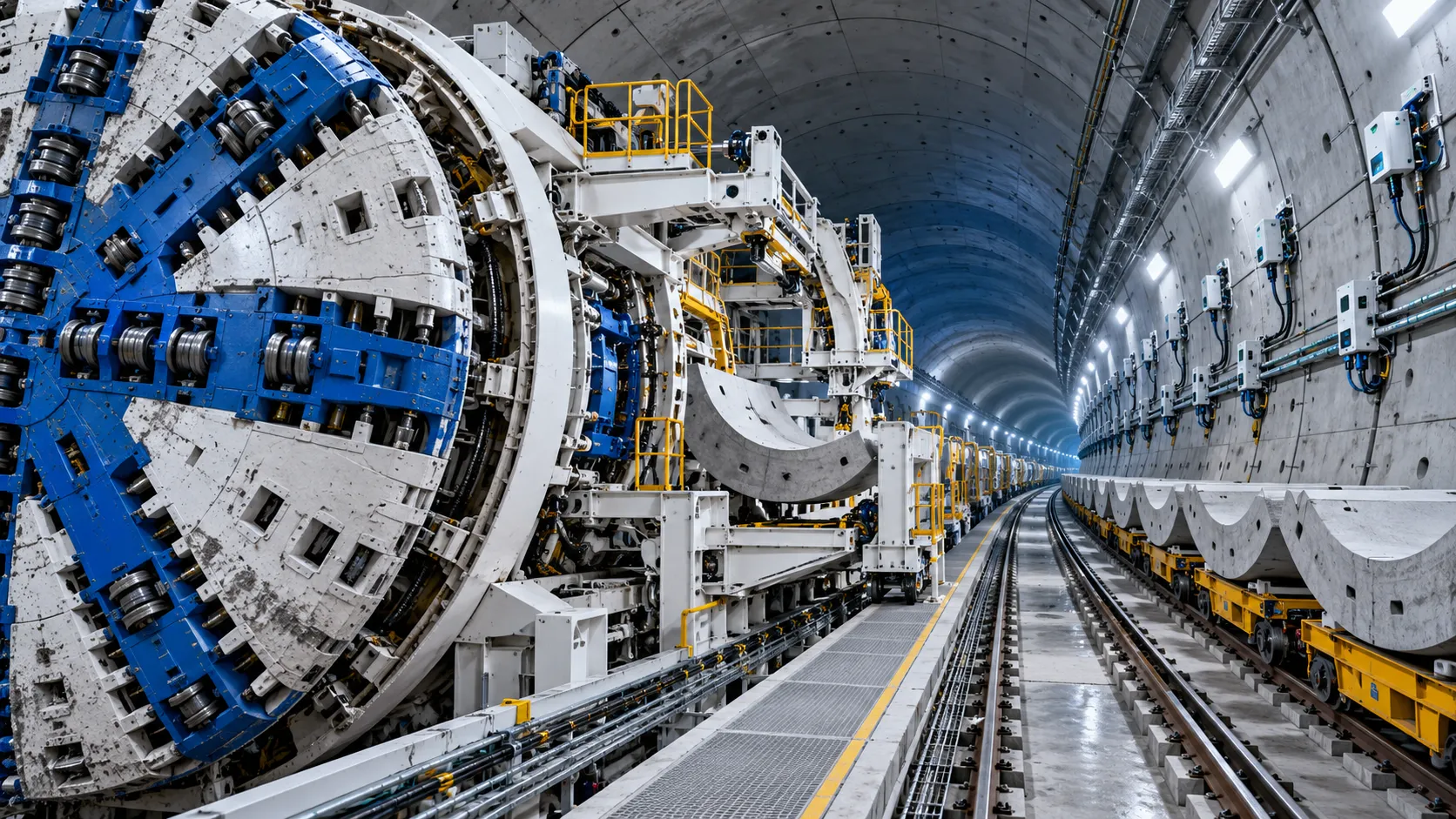
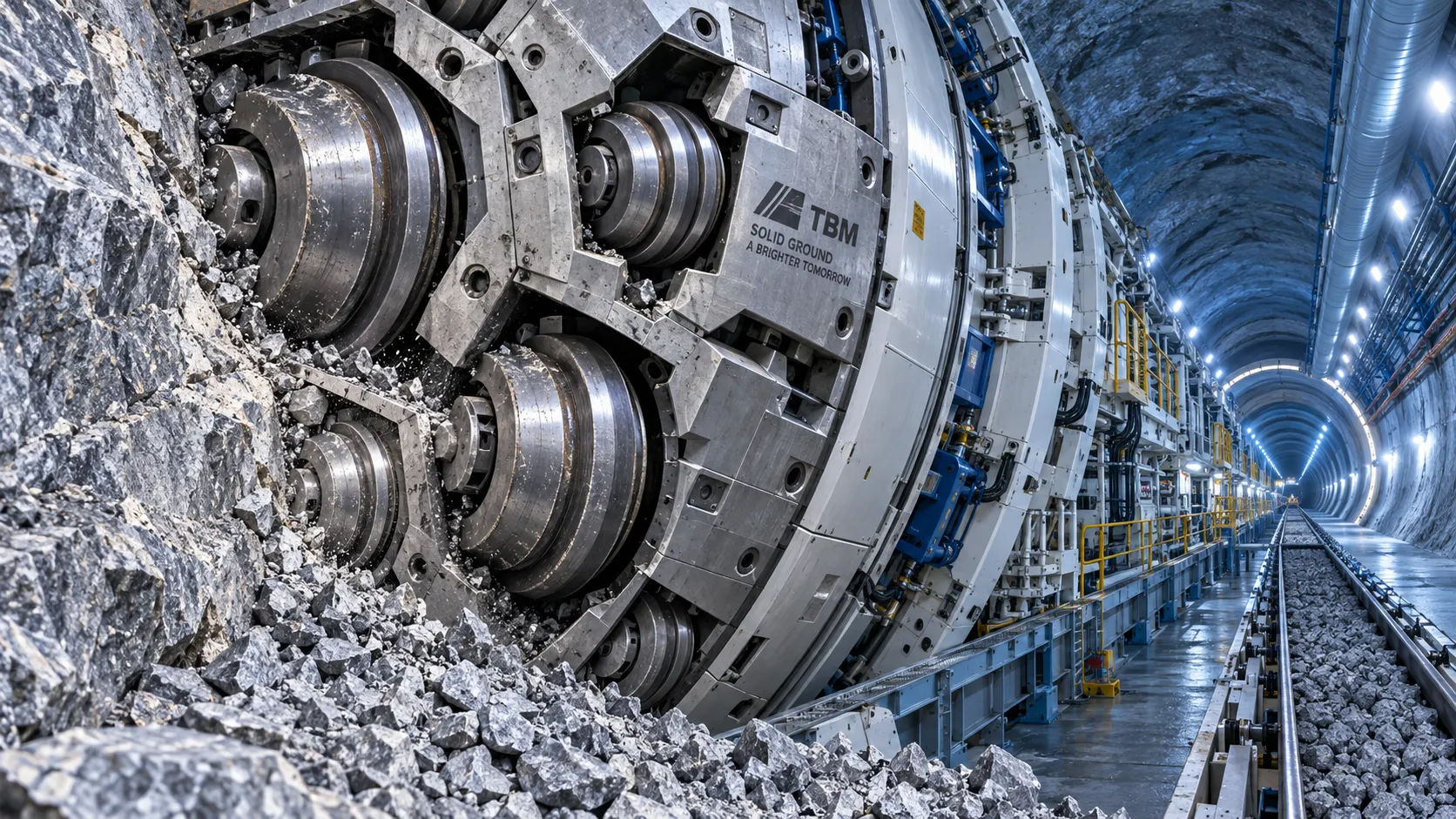
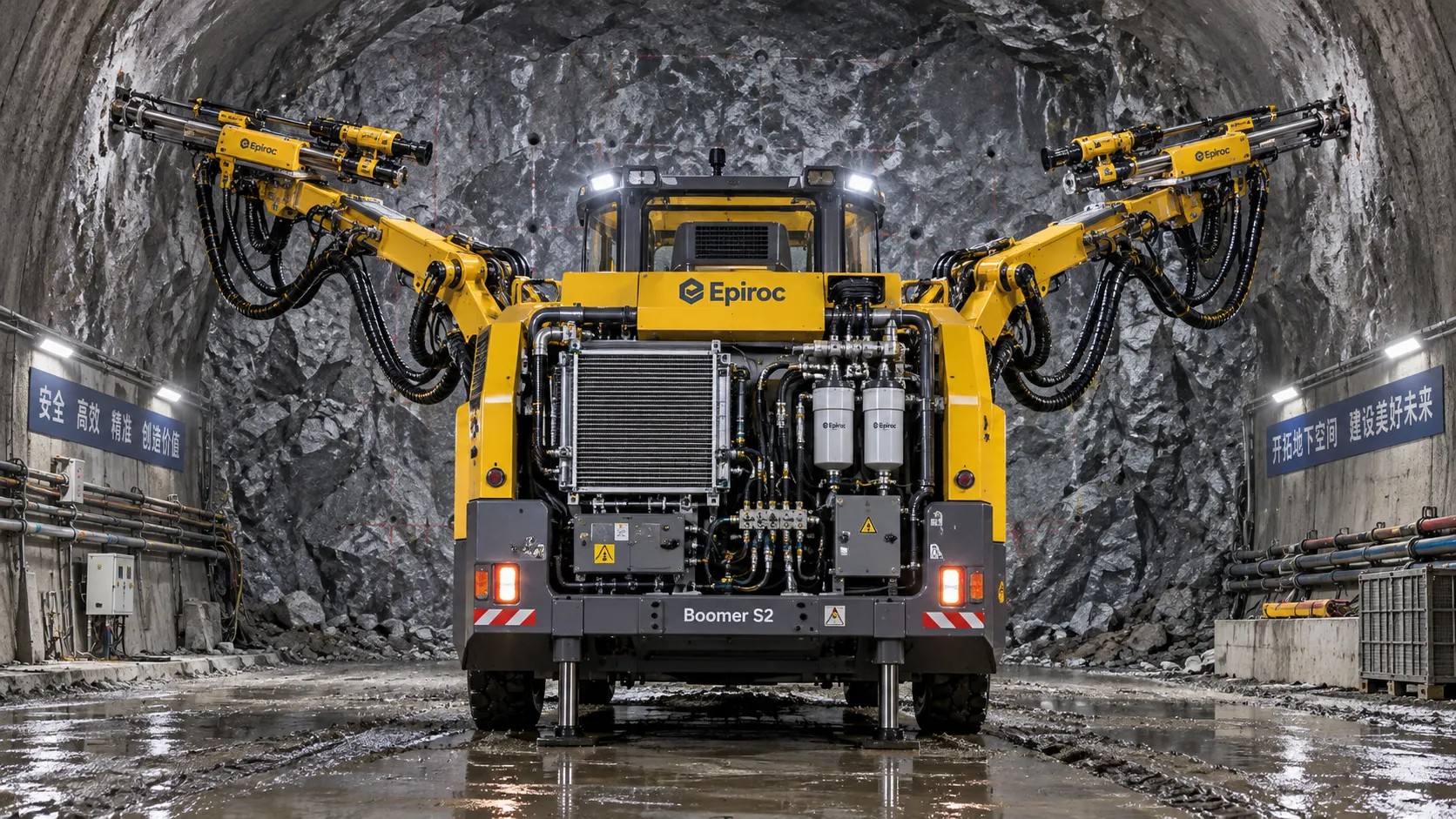
This is also where intelligence platforms and sector analysis can help operational teams think more clearly. A portal like UTMD is relevant not because it promises a universal answer, but because it tracks how control, electrification, remote operation, and underground transport systems are evolving across machines such as TBMs, drilling jumbos, mining trucks, and underground LHD loaders. For engineering leaders comparing options, that broader technical context can help separate useful control architecture from marketing language.
Common mistakes when selecting a control approach
One frequent mistake is choosing a system mainly because it looks advanced in a demonstration, without checking whether it fits the mine's communication conditions, operator routines, and mixed-equipment reality. Underground mining rarely offers perfect conditions. A control setup must work when headings change, equipment rotates between zones, and crews need simple decisions under pressure.
Another mistake is treating automation as the only goal. In many cases, the immediate value comes earlier: better visibility, cleaner dispatch logic, more reliable alarms, and safer remote operation in hazardous areas. These are not small gains. They are often the foundation that makes later automation credible.
A third mistake is leaving maintenance outside the control conversation. If a system helps move machines but does not help teams understand condition trends and fault context, it may improve coordination while still allowing avoidable downtime to grow. Strong underground equipment control should support both operations and asset reliability.
Frequently Asked Questions
Is underground equipment control only useful for large automated mines?
No. Even mines that are not fully automated can benefit from better equipment status visibility, traffic coordination, remote operation rules, and maintenance-linked monitoring. The value often starts with reducing uncertainty in normal daily operations.
Which machines benefit most from underground equipment control?
Underground LHD loaders, drilling jumbos, haulage units, and support vehicles are common priorities because they operate in shared spaces and depend on timing and route coordination. The best starting point is usually whichever equipment creates the most delays, traffic conflict, or operator exposure.
Does better control automatically mean full autonomous operation?
No. Better control can simply mean that machine state, location, alarms, and operator mode are visible and actionable in real time. Full autonomy is only one possible direction. Many operations gain meaningful safety and productivity benefits before reaching that stage.
What should be reviewed first if a mine already has connected equipment but coordination is still poor?
Start with status definitions, communication reliability in working zones, control handover rules, and whether supervisors, operators, and maintenance teams are all seeing the same operational picture. Many coordination issues come from inconsistent interpretation rather than missing hardware.
Conclusion
In underground mining, safety and productivity are often limited by uncertainty more than by raw machine capability. That is why underground equipment control matters: it helps teams know what equipment is doing, where it is, what condition it is in, and how it should move through the next decision point.
If you are reviewing your current setup, start with the real bottlenecks in the operating cycle rather than the most impressive feature list. Look at where crews wait for confirmation, where machine interactions are hardest to manage, and where control handovers create confusion. That is usually where practical improvement begins.