
EU Rule Sets UN R155 Approval for EV Mining Trucks





From 00:00 on August 11, 2026, the European Commission formally applies the mandatory UN Regulation No. 155 (R155) approval requirement to all newly registered electric mining transport vehicles, including EV and hydrogen mining trucks. For manufacturers, exporters, buyers, certification-related service providers, and delivery teams connected to battery-powered rigid and articulated mining trucks entering the EU market, this is not just a technical update; it changes how market entry, compliance review, and delivery scheduling need to be handled.
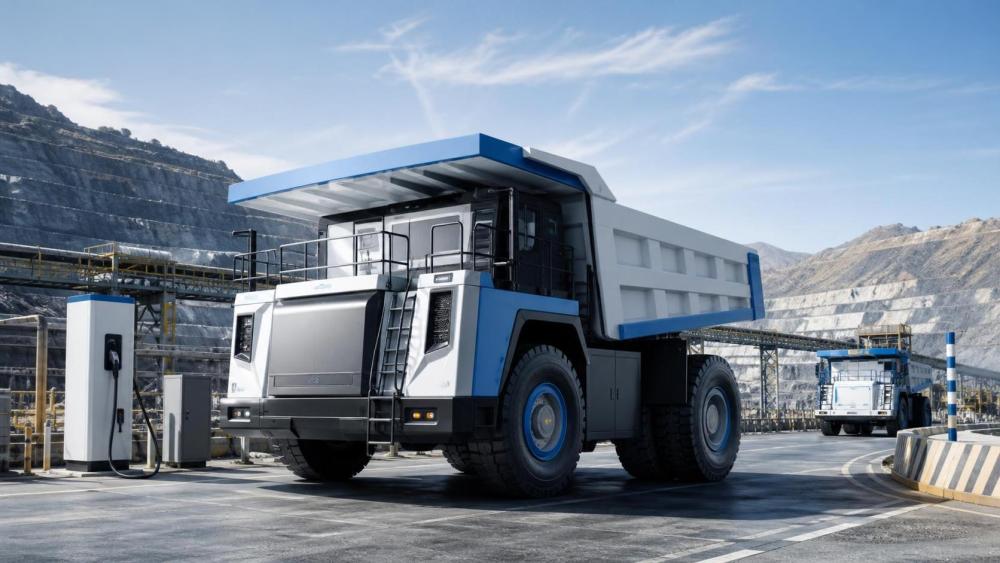
What the new requirement formally covers
The confirmed change is that, starting on August 11, 2026, UN Regulation No. 155 (R155) becomes a mandatory certification requirement for all newly registered pure electric mining transport vehicles in the EU, including EV/Hydrogen Mining Trucks.
The requirement applies at the whole-vehicle level. According to the provided event summary, vehicle software update management, cybersecurity architecture, and failure response mechanisms must pass type approval.
The same summary also makes clear that this directly affects the market access process and delivery timeline for Chinese manufacturers exporting battery-powered rigid or articulated mining trucks to the EU.
Where the pressure is likely to appear first
Export access shifts from product readiness to approval readiness
From an industry perspective, exporters of electric mining trucks may be affected first because the new rule is tied to registration and type approval rather than only to the physical vehicle itself. The practical impact is likely to appear in pre-shipment compliance preparation, model entry planning, and delivery scheduling for EU-bound units.
What deserves closer attention is whether product documentation, approval materials, and technical compliance files are organized around software update management, cybersecurity architecture, and failure response in a way that supports the approval process.
Manufacturing and technical teams face a broader compliance interface
For vehicle manufacturers, the change may affect not only final certification work but also the internal coordination between design, software, electrical architecture, and quality functions. Analysis shows that once whole-vehicle approval requirements explicitly cover cybersecurity and update management, compliance review can extend beyond traditional hardware-focused preparation.
The business impact may therefore show up in document preparation, specification review, internal sign-off, and timing coordination before vehicles are released for export or registration.
Procurement and project delivery may need earlier alignment
Buyers, project procurement teams, and delivery coordinators may also need to adjust. If market entry now depends on type approval for the vehicle-level systems described in the rule, procurement schedules and acceptance milestones may need to reflect compliance timing rather than only production timing.
Observably, this matters most where delivery commitments, bid documentation, or supplier qualification checks require clarity on whether the vehicle can move through the relevant registration and approval path without delay.
Certification and support services gain a larger role in execution
Certification-related companies, testing support organizations, and after-sales service teams may see a more visible role because the rule directly references approval of software update management, cybersecurity architecture, and failure response mechanisms. That can increase the importance of technical file coordination, approval communication, and post-delivery compliance support.
For service-side participants, the key issue is not only whether a vehicle can be delivered, but whether the supporting compliance chain is complete enough for approval and follow-up execution.
What companies should review now
Check whether approval files match the new compliance focus
Analysis shows that companies involved in EU-bound EV mining trucks should closely review whether existing approval materials and technical files clearly address the three areas named in the event summary: software update management, cybersecurity architecture, and failure response mechanisms. If those materials were previously organized around other certification priorities, the documentation workflow may need adjustment.
Watch for changes in tender and buyer-side documentation
It is more appropriate to understand this development as a rule change that can flow into commercial documents. Companies should therefore watch whether tender requirements, supplier qualification conditions, technical bid alignment, or delivery terms begin to reflect UN R155-related approval expectations for newly registered vehicles.
Reassess delivery timing for EU-bound projects
Because the provided information already points to effects on market access procedures and delivery cycles, exporters and project teams should pay closer attention to planning assumptions around shipment, registration, and handover. This should be treated as a compliance-linked scheduling issue, even though the input does not provide detailed enforcement timing beyond the rule's formal start date.
Keep tracking the official wording used in implementation
The event summary confirms the mandatory requirement and its scope, but it does not provide further detail on implementation language, supporting documents, or operational interpretation. For that reason, companies should continue monitoring how the requirement is expressed in official communication, approval practice, and business-facing compliance requests.
Why this reads as an execution signal
Observably, this development is better understood as a concrete market-entry rule taking effect rather than as a distant policy direction. The reason is straightforward: the requirement is tied to mandatory certification from a defined date and is described as directly affecting access and delivery for exported vehicles.
At the same time, Analysis shows that the market still needs to watch how this requirement is applied in practice. The provided information confirms the rule and its core compliance areas, but it does not settle every operational question around documentation depth, approval rhythm, buyer-side interpretation, or industry response. That leaves room for continued observation rather than fixed conclusions about how quickly every participant will adapt.
How this update should be understood for now
At this stage, the most balanced reading is that the EU has moved a compliance requirement into active execution for newly registered electric mining transport vehicles, and that this has direct relevance for exporters of battery-powered rigid and articulated mining trucks entering the EU. The immediate significance lies in approval readiness, compliance preparation, and delivery planning rather than in broad market claims.
It is more appropriate to understand this as a landed regulatory change with practical execution consequences, while still keeping attention on how certification practice, procurement language, and industry feedback develop after implementation.
Basis of this article and what still needs verification
This article is generated on the basis of the user-provided news title, event date, and event summary. For developments of this kind, commonly relevant source categories may include official regulatory notices, publications from supervisory authorities, trade or customs information, industry association updates, standard-setting organization documents, and reporting from authoritative trade media.
No specific official source link was provided in the input, so the exact official source document still needs to be verified on an ongoing basis. What should continue to be monitored includes detailed implementation language, certification interpretation, changes in tender documentation, market feedback, and how companies carry the requirement into actual export and delivery workflows.
Related News
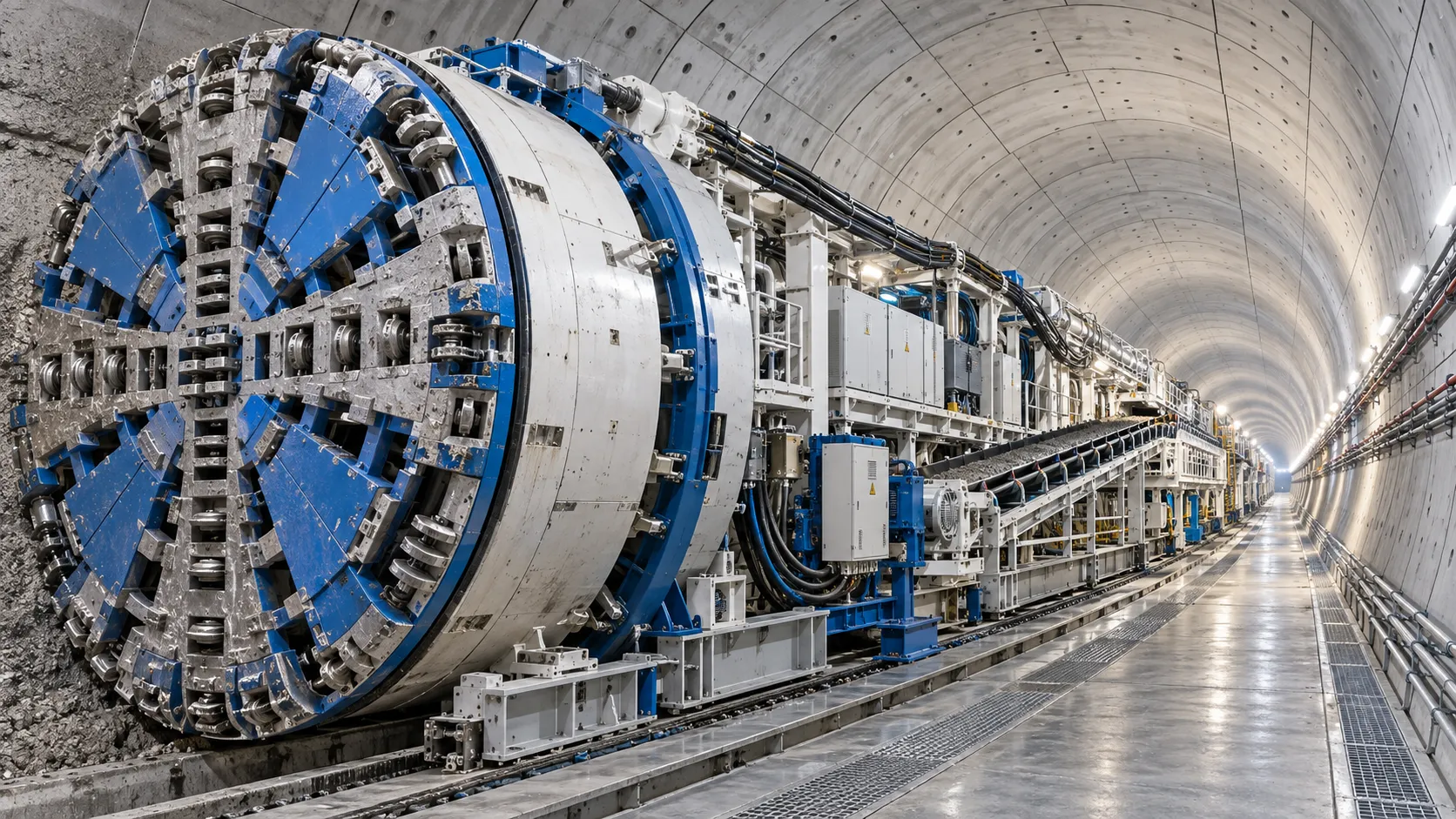
Tunnel Boring Machine Costs: Budgeting for Purchase, Operation, and Project Risk
Tunnel Boring Machines cost more than purchase price. Learn how to budget lifecycle costs, downtime, logistics, wear, and project risk for smarter TBM decisions.

Open-Pit Haulage Cost Analysis: How Mine Managers Can Cut Cost per Tonne
Open pit haulage cost analysis: discover practical ways to reduce cost per tonne through payload control, cycle-time optimization, road performance, and smarter fleet decisions.
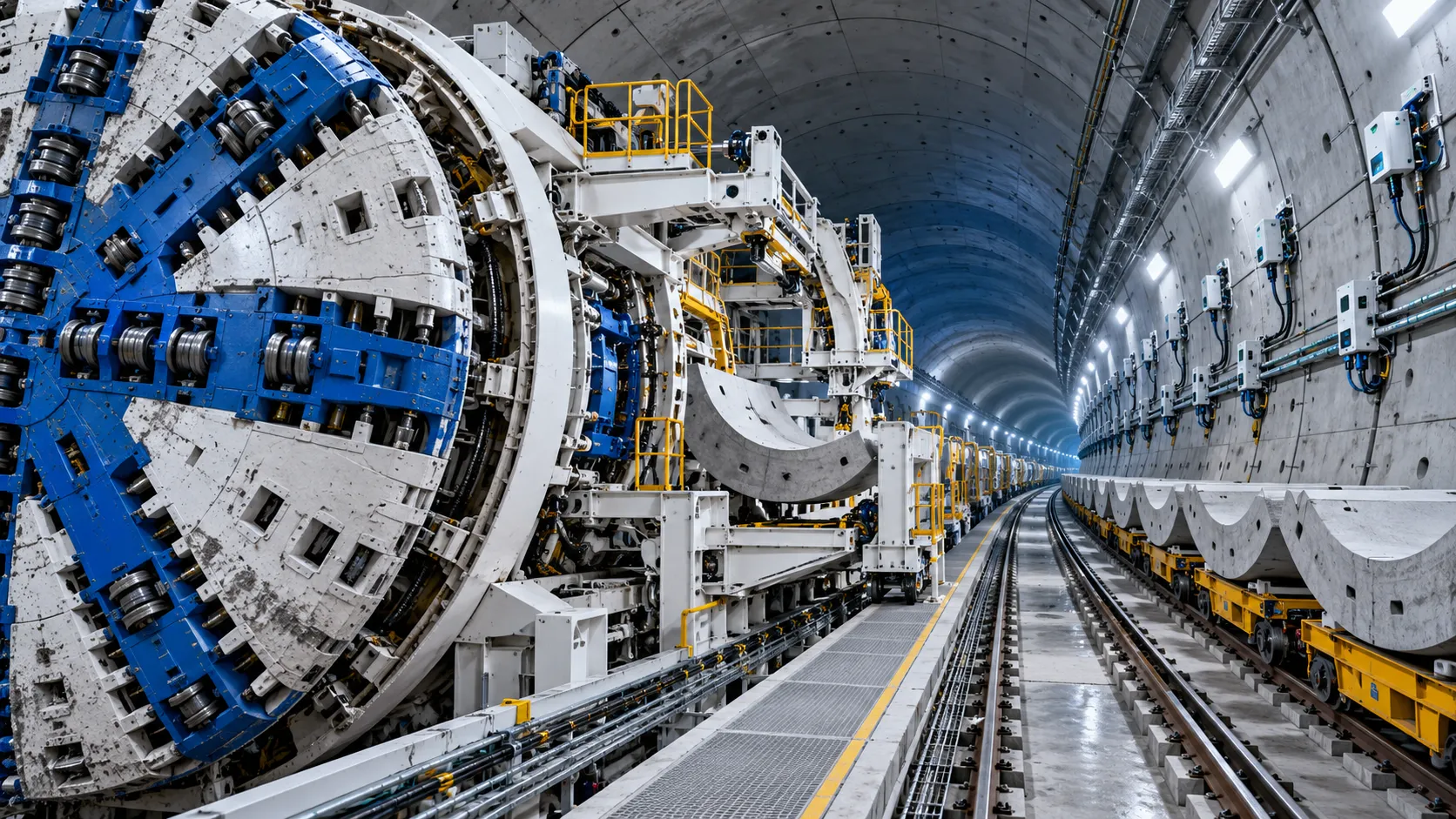
Tunnel Construction Innovations That Reduce Risk and Schedule Delays on Urban Projects
Tunnel construction innovation for urban projects: discover smarter TBMs, real-time monitoring, trenchless methods, and automation that reduce risk and protect schedules.
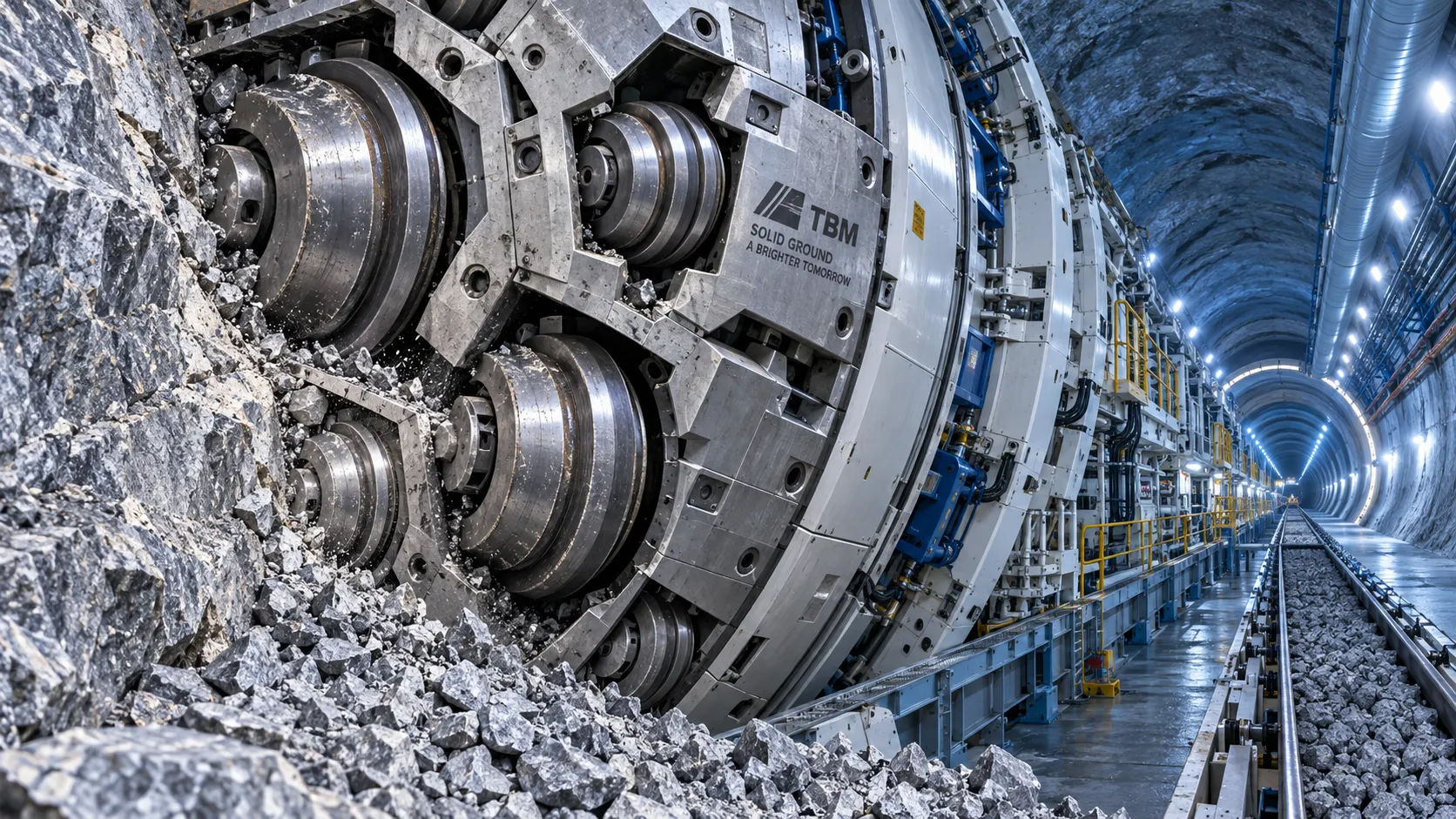
TBM Disc Cutter Design: Key Geometry and Load Factors for Hard Rock Tunnelling
TBM disc cutter design explained: explore geometry, spacing, load distribution and maintenance factors for reliable, efficient hard-rock tunnelling performance.
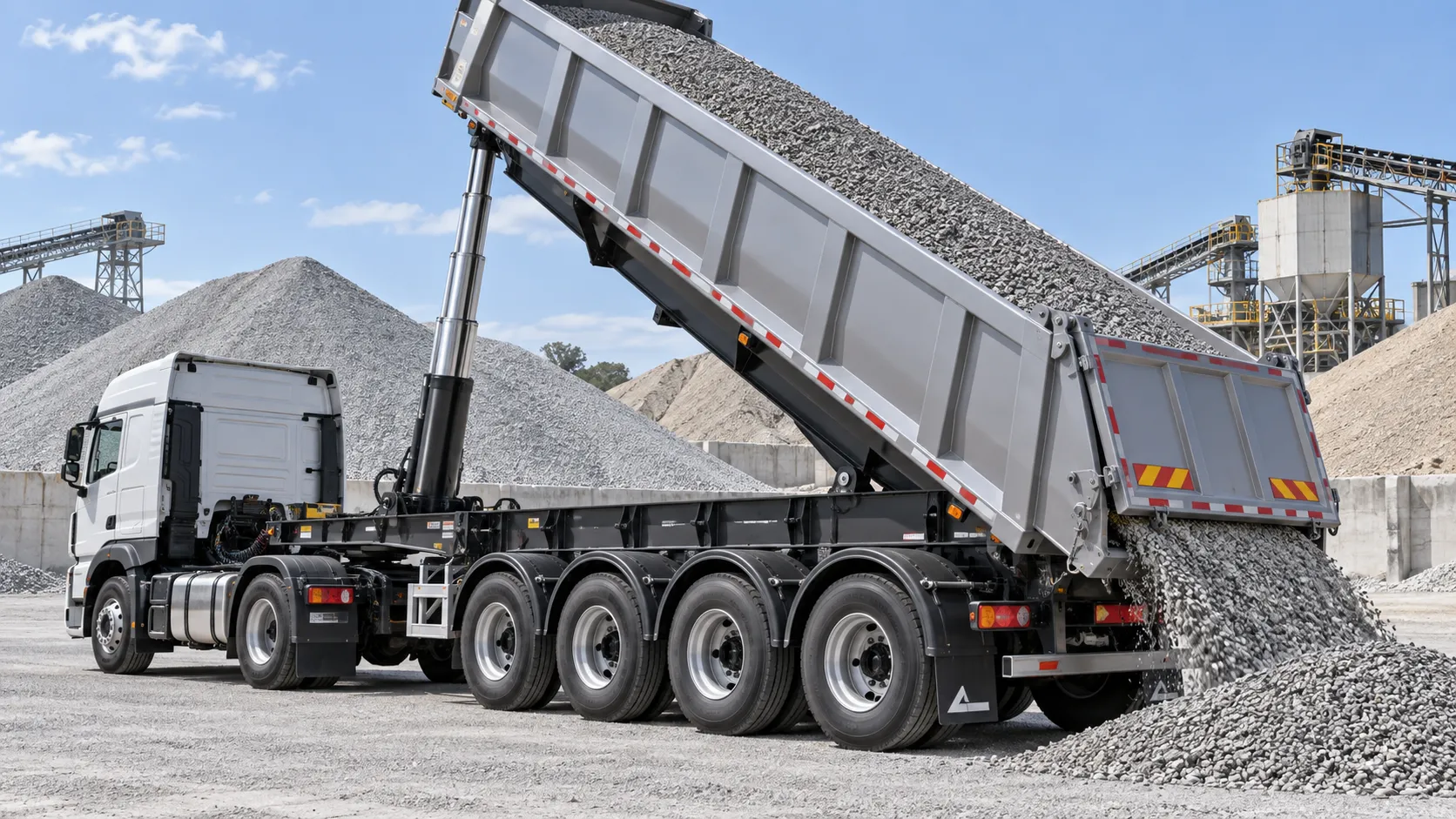
Hydraulic Tipping Stability Risks in Multi-Axle Dump Special Trailers
Dump special trailers: discover key hydraulic tipping stability risks, multi-axle load dynamics, and practical safety controls for safer, smarter bulk hauling.
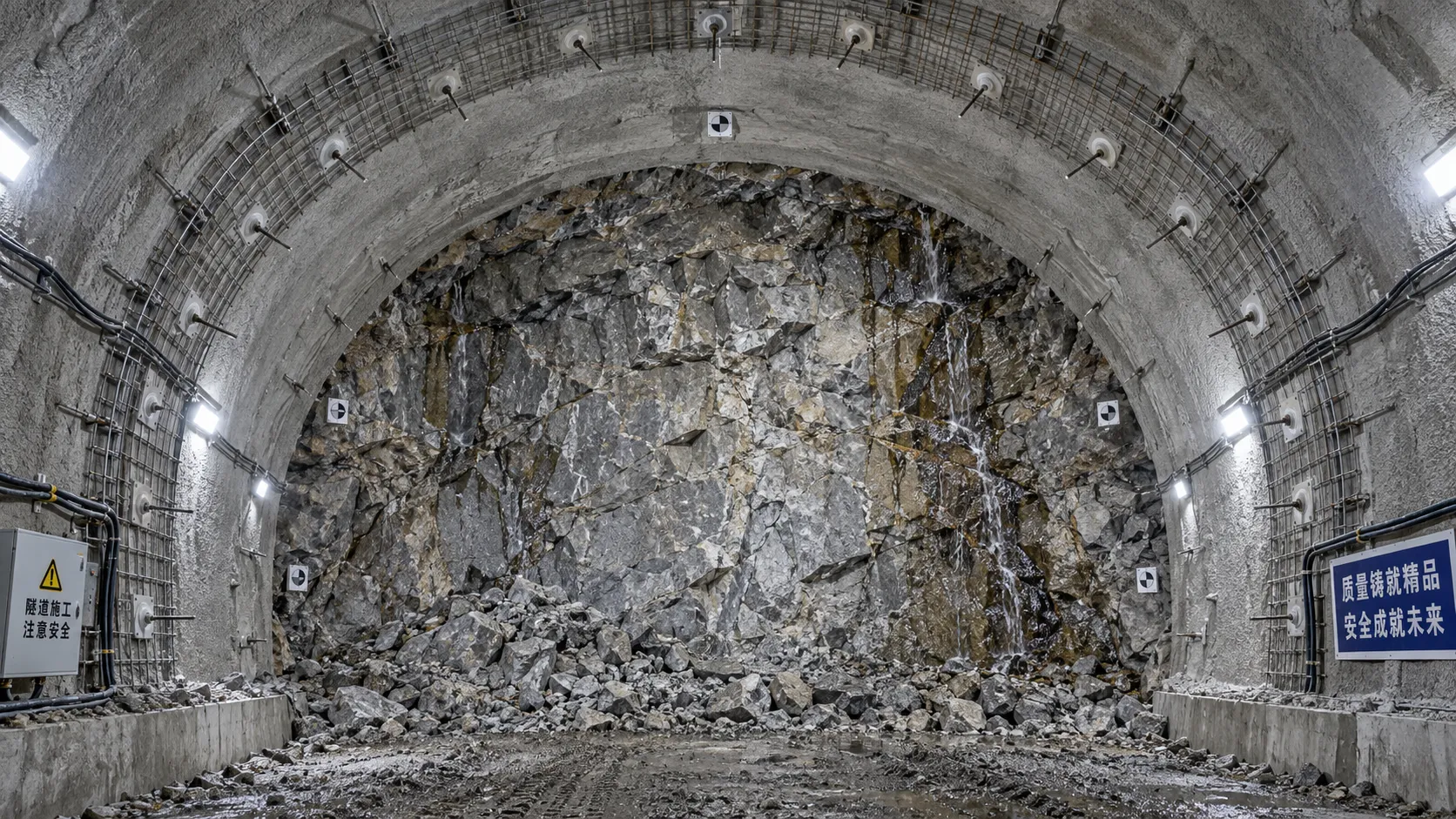
When rock reinforcement in tunnel construction must change after blasting
Rock reinforcement in tunnel construction must change when blasting reveals overbreak, weak joints, water inflow, or deformation. Discover key post-blast support decisions.
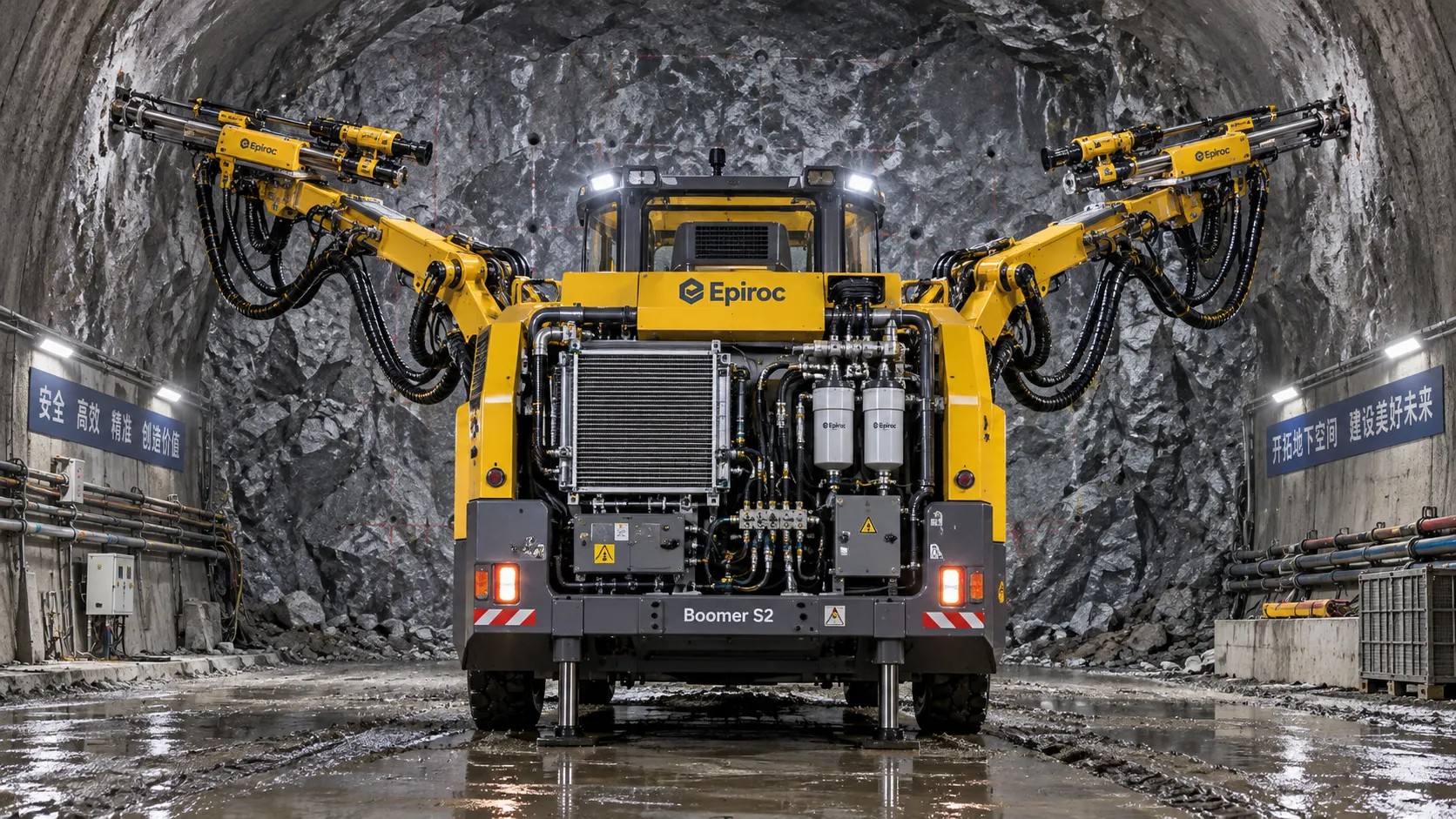
How tunnel hydraulic systems influence drill jumbo uptime underground
Tunnel hydraulic systems directly influence drill jumbo uptime. Explore how stable pressure, clean oil, cooling, and maintainable design reduce underground downtime.
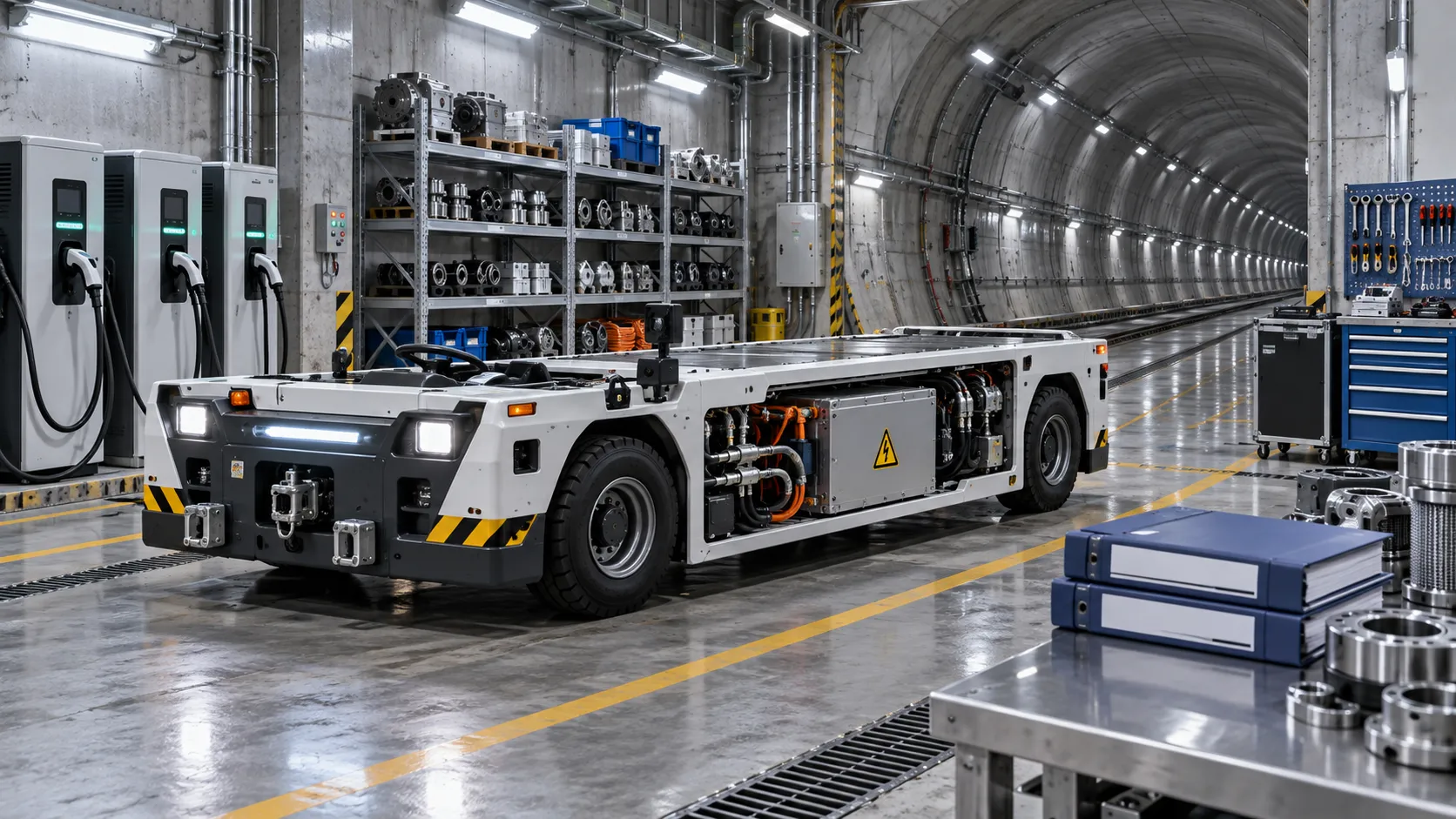
What to verify before appointing a tunneling vehicles manufacturer
Choosing a tunneling vehicles manufacturer? Verify application fit, reliability, compliance, parts support, training, and channel terms before appointing a partner.
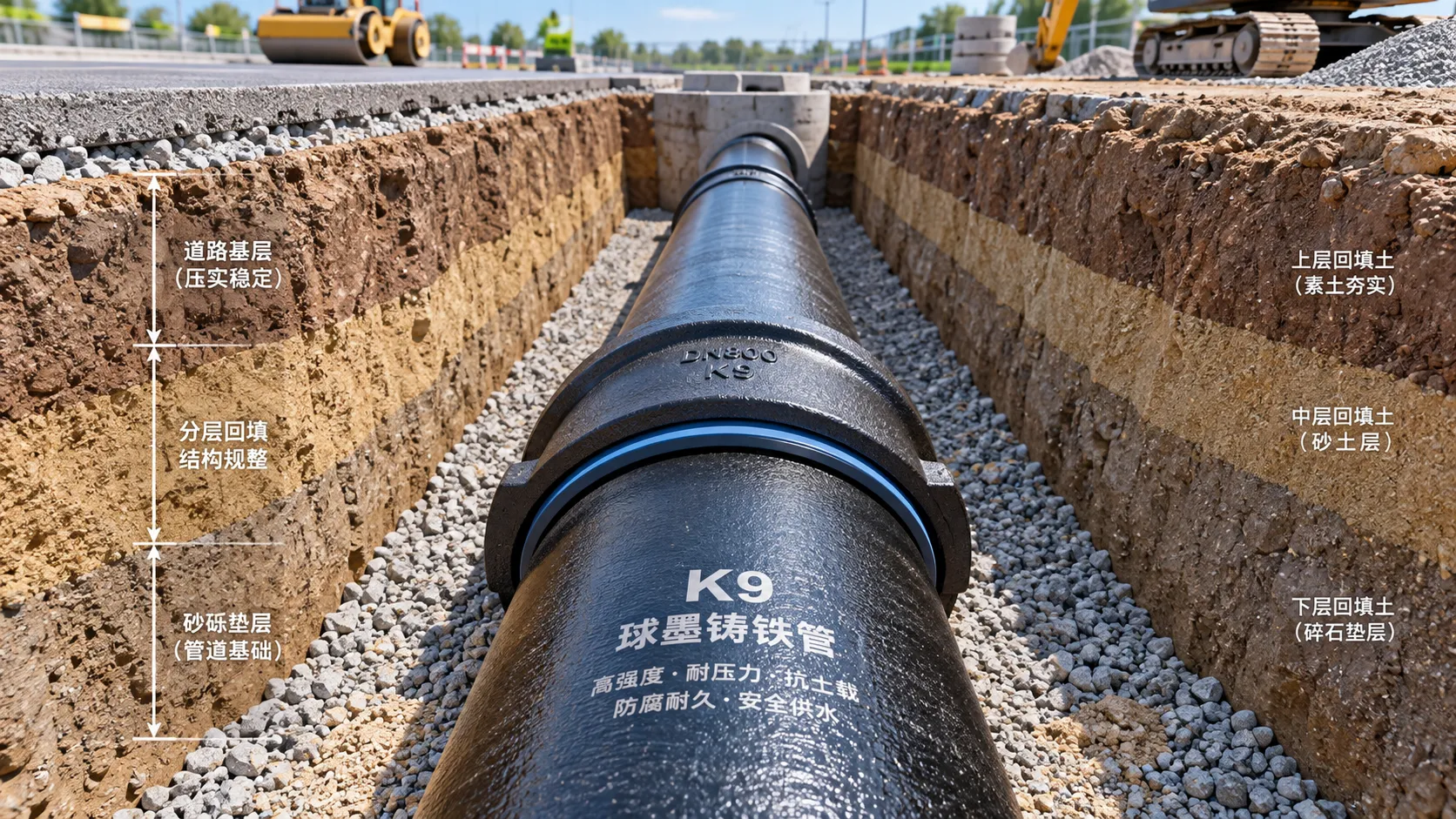
Selecting K9 Ductile Iron Pipe for Buried Water Pipeline Conditions
K9 ductile iron pipe selection for buried water pipelines: compare pressure duty, joints, soil loads, corrosion protection, and installation controls for reliable long-term performance.
Related News
- 00
0000-00
Tunnel Boring Machine Costs: Budgeting for Purchase, Operation, and Project Risk - 00
0000-00
Open-Pit Haulage Cost Analysis: How Mine Managers Can Cut Cost per Tonne - 00
0000-00
Tunnel Construction Innovations That Reduce Risk and Schedule Delays on Urban Projects - 00
0000-00
TBM Disc Cutter Design: Key Geometry and Load Factors for Hard Rock Tunnelling - 00
0000-00
Hydraulic Tipping Stability Risks in Multi-Axle Dump Special Trailers
Weekly Insights
Stay ahead with our curated technology reports delivered every Monday.