
Mechanized Rock Bolting vs Conventional Methods: Where the Productivity Gains Come From





Mechanized Rock Bolting vs Conventional Methods: Where the Productivity Gains Come From
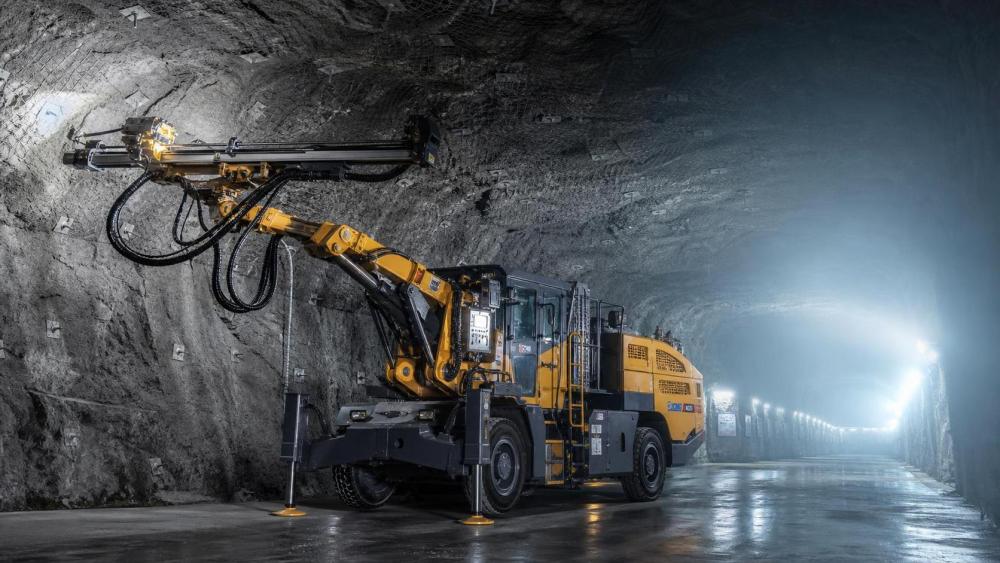
As underground projects face tighter safety, labor, and productivity targets, mechanized rock bolting is becoming a practical upgrade.
The shift is not only about replacing manual work with machines.
It is about changing how an entire support cycle is planned, executed, measured, and improved.
For underground tunnelling and mining, mechanized rock bolting improves output through faster cycles, safer positioning, steadier installation quality, and better use of crews and equipment.
That matters in drill-and-blast headings, mine development drives, civil tunnels, and high-stress rock conditions where delays quickly affect project economics.
From UTMD’s market view, the strongest signal is clear.
Mechanized rock bolting delivers value when support is treated as a controlled production process, not a separate safety task after excavation.
What separates mechanized rock bolting from conventional methods
Conventional bolting often relies on handheld drilling, manual resin or grout handling, and workers positioned close to unsupported ground.
Performance depends heavily on crew experience, local conditions, and shift discipline.
Mechanized rock bolting uses purpose-built drilling jumbos, bolters, or multi-function carriers with integrated drilling, bolt placement, resin injection, and torque control.
The operator works from a protected cabin or remote station.
The machine manages boom positioning, feed force, hole depth, angle accuracy, and installation repeatability.
This changes support from a craft-based activity into a data-linked workflow.
In practical terms, mechanized rock bolting reduces variability between shifts and raises the probability of hitting the support design every time.
The first productivity gain: shorter and more predictable cycle times
The biggest gain usually comes from cycle time.
Conventional bolting involves repeated manual steps, each with small delays.
Workers move tools, align drills, handle consumables, and recheck positions under changing conditions.
Mechanized rock bolting compresses those steps into one coordinated sequence.
The machine reaches the face, aligns quickly, drills consistently, installs bolts, and moves to the next pattern point with less interruption.
More importantly, the cycle becomes predictable.
Predictability is often more valuable than raw speed because it improves shift planning, blasting windows, mucking coordination, and ventilation scheduling.
When headings operate in a synchronized sequence, one unstable support stage can slow the entire development chain.
Mechanized rock bolting lowers that disruption risk.
Where time is saved in each cycle
- Faster machine setup and hole alignment at each bolt location.
- Reduced manual handling of drill steels, bolts, plates, and resin cartridges.
- Fewer stoppages caused by repositioning errors or hole deviation.
- Integrated drilling and installation on one carrier.
- Less waiting between excavation, scaling, support, and haulage stages.
The second productivity gain: safer work zones support higher output
Safety and productivity are often discussed separately, but underground they are tightly linked.
Conventional methods place workers close to unsupported rock, falling fragments, dust, and repetitive strain exposure.
Every additional exposure point increases the chance of interruption, injury, or procedural slowdown.
Mechanized rock bolting moves people away from the immediate hazard zone.
Protected cabins, enclosed controls, and remote functions reduce direct exposure while keeping the operation moving.
This has a direct production effect.
Fewer incidents mean fewer stoppages, fewer emergency inspections, and less unscheduled downtime.
In high-volume mine development, even small safety-related delays can cut weekly advance more than expected.
This is why mechanized rock bolting is increasingly evaluated as both a production and risk-control investment.
The third productivity gain: more consistent bolt quality and support performance
Not every productivity gain appears in the hourly bolting rate.
Some gains appear later, through fewer failures and less rework.
Conventional bolting can produce inconsistent hole depth, angle, resin mixing, or bolt tension.
That inconsistency weakens support performance, especially in fractured ground, deep stress environments, or water-bearing rock.
Mechanized rock bolting improves precision through controlled drilling parameters and repeatable installation routines.
The result is a support pattern closer to design intent.
That means fewer rejected bolts, fewer rehabilitation rounds, and less productivity loss caused by poor ground response.
For decision-makers, this is where lifecycle thinking matters.
A bolt installed correctly the first time protects schedule integrity far better than a faster but unreliable cycle.
Quality control advantages of mechanized rock bolting
- Better control of hole length, angle, and collar location.
- More stable bolt insertion and plate seating.
- Improved resin or grout delivery consistency.
- Clearer digital records for compliance and review.
- Lower probability of support defects causing future delays.
The fourth productivity gain: better labor leverage in a tighter workforce market
Labor pressure is changing underground equipment decisions faster than many expected.
Experienced bolting crews are harder to recruit and retain in many regions.
Conventional methods depend on high manual skill at every stage.
Mechanized rock bolting does not remove the need for skill, but it concentrates skill where it has the most value.
A trained operator can achieve steadier output with less physical strain and less crew exposure.
This improves labor leverage across the heading.
Teams can be redeployed toward scaling, logistics, maintenance, ventilation support, or parallel production tasks.
In practical business terms, mechanized rock bolting helps operations produce more meters with a more manageable workforce model.
The fifth productivity gain: equipment utilization and data visibility
One overlooked advantage of mechanized rock bolting is visibility.
Conventional methods make it difficult to track real installation time, delays, deviation causes, and consumable efficiency.
Mechanized systems increasingly generate operational data at the equipment level.
That includes drilling parameters, bolt counts, cycle duration, machine idle time, and maintenance signals.
This creates a stronger basis for performance management.
Managers can identify whether low output comes from geology, operator practice, consumable supply, equipment condition, or poor sequencing with other machines.
That visibility raises utilization over time.
In an industry moving toward autonomous and connected fleets, mechanized rock bolting fits naturally into digital production control.
Where conventional methods still remain in use
Conventional bolting is not disappearing overnight.
It still has a role in narrow headings, short-term works, low-volume projects, and sites with limited capital access.
Some operations also face tunnel geometry constraints that reduce machine access.
But even in those cases, the comparison is changing.
Rising safety expectations, ESG pressure, and stricter production accountability are raising the hidden cost of manual variability.
That is why many operators now compare total system performance, not just purchase price.
Questions worth asking before choosing a bolting approach
- How much development delay comes from support bottlenecks today?
- How often does rework follow bolt installation quality issues?
- What is the current exposure level near unsupported ground?
- Can the site support training, maintenance, and spare parts for mechanized rock bolting?
- Will data capture from bolting improve planning and compliance value?
How to evaluate mechanized rock bolting as a strategic investment
A sound evaluation should go beyond bolts per hour.
The real business case comes from combined effects across safety, cycle control, reliability, workforce efficiency, and asset utilization.
For many underground projects, mechanized rock bolting works best when linked with broader fleet modernization.
That may include drilling jumbos, digital heading management, battery-electric support equipment, and remote operations strategies.
This also aligns with UTMD’s long-term view of underground engineering.
The future belongs to integrated systems where rock cutting, ground support, haulage, electrification, and automation reinforce each other.
In that context, mechanized rock bolting is more than a support upgrade.
It is a practical step toward stable, measurable, and scalable underground performance.
If current operations still lose time to manual variability, support rework, or unsafe exposure, this is the right point to benchmark mechanized rock bolting against actual cycle data and long-term production targets.
Related News
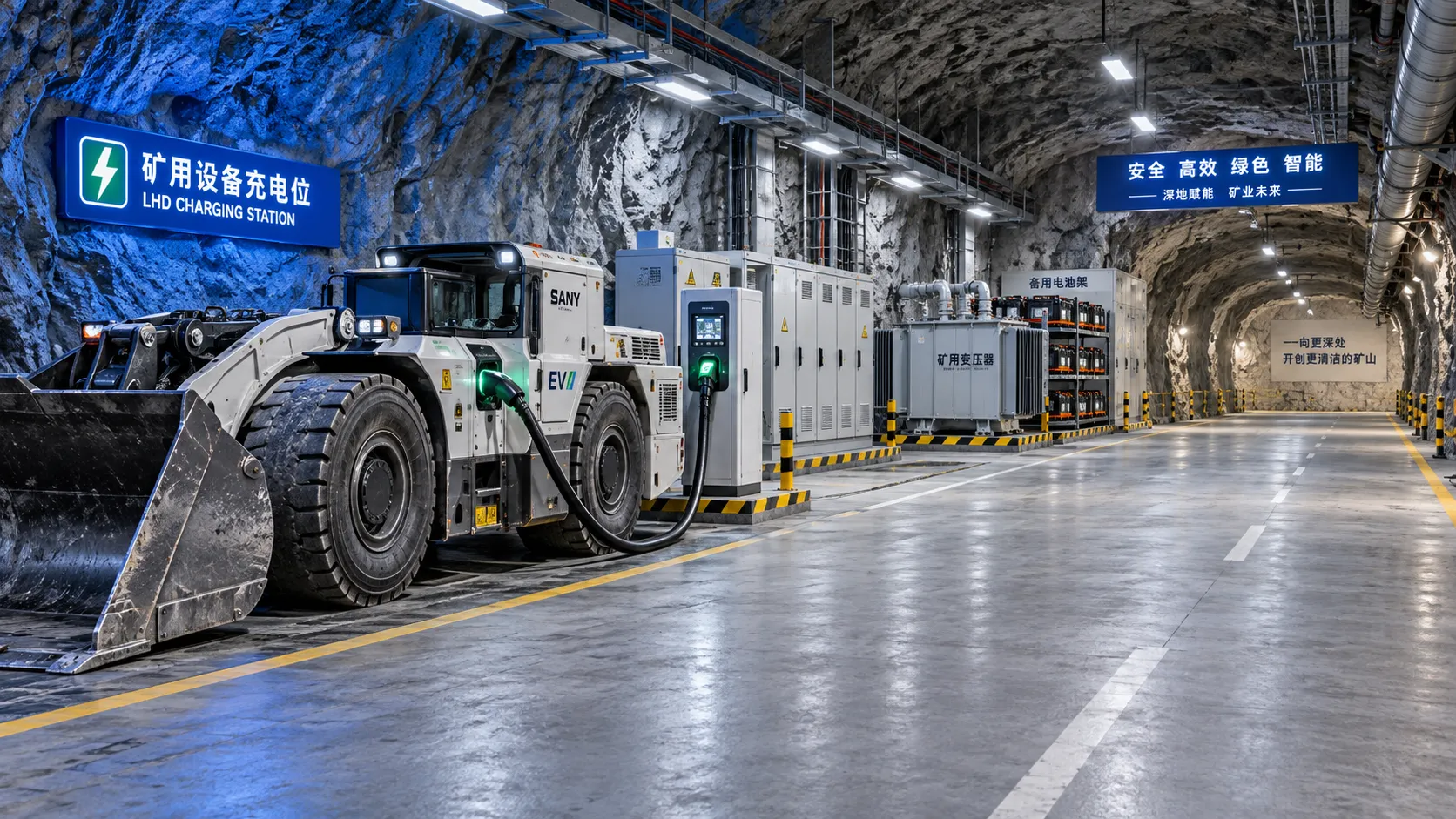
Underground Mine Electrification: How to Size Battery Fleets and Charging Capacity
Mining electrification for underground mines: learn how to size battery fleets, chargers, and power capacity to prevent queues, peak-load issues, and production downtime.
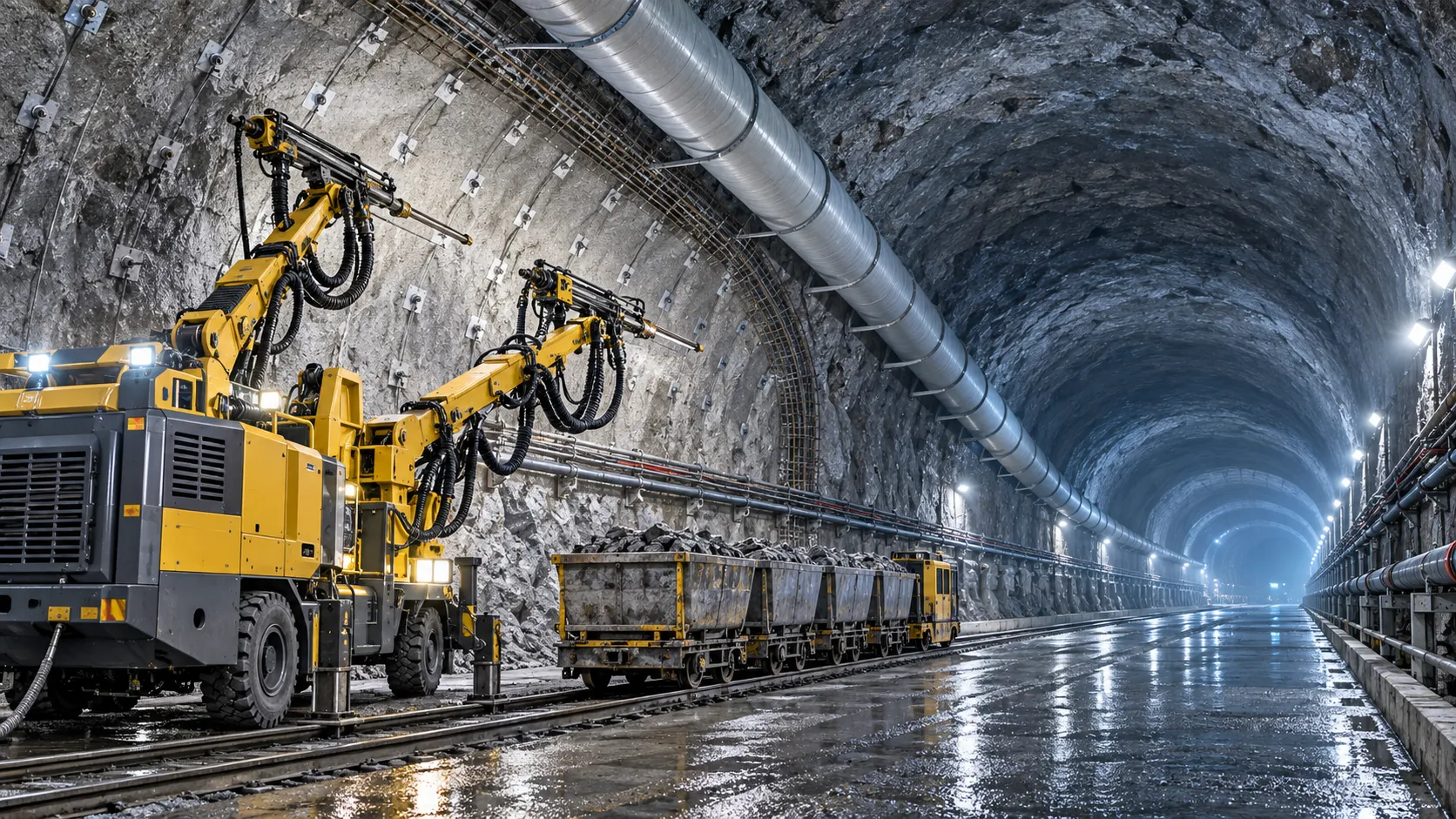
How to Evaluate European Drill-and-Blast Tunnelling Contractors for Complex Projects
Drill and blast tunnelling contractors Europe: learn how to assess geology expertise, blast control, equipment reliability, safety, and programme resilience for complex projects.
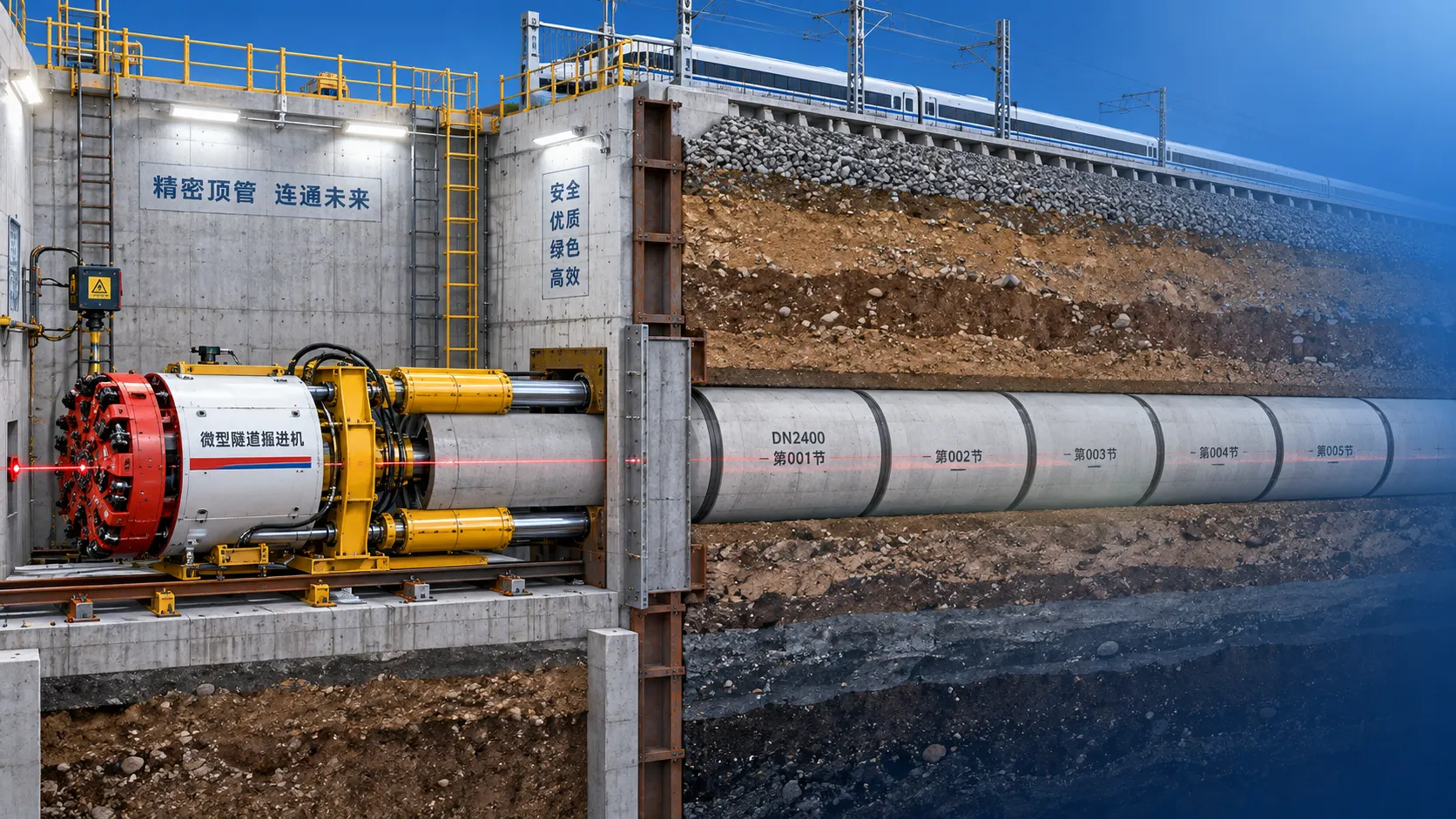
Which Trenchless Construction Technique Fits Your Utility Crossing Conditions?
Trenchless construction techniques compared for utility crossings: choose HDD, microtunnelling, pipe jacking, or auger boring based on ground, accuracy, access, and risk.
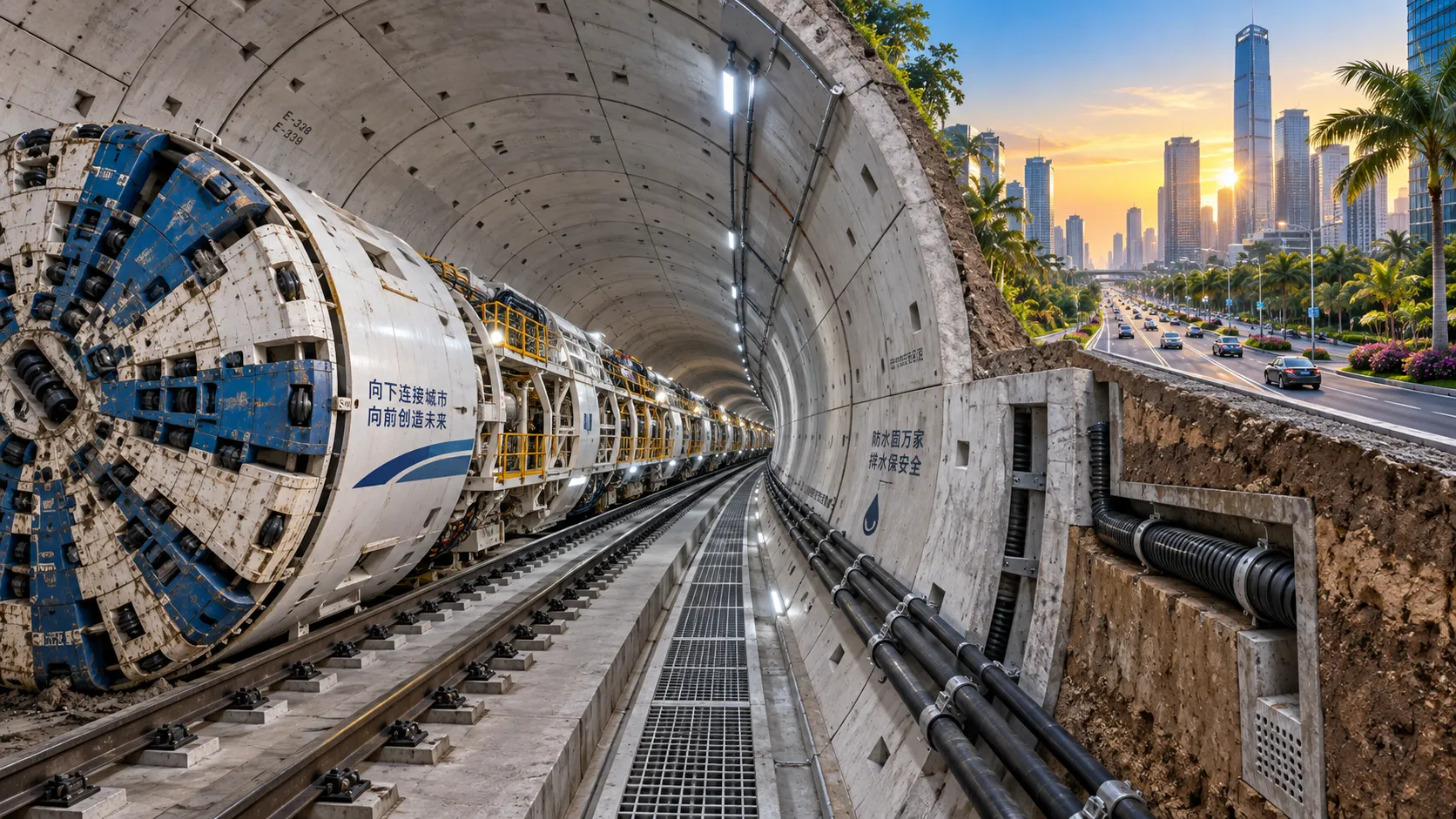
What Is Driving Metro Tunnelling Demand Across Southeast Asia’s Major Cities?
Metro tunnelling Southeast Asia is accelerating as major cities tackle congestion, flooding, and connectivity. Explore the market forces, technical risks, and opportunities shaping demand.
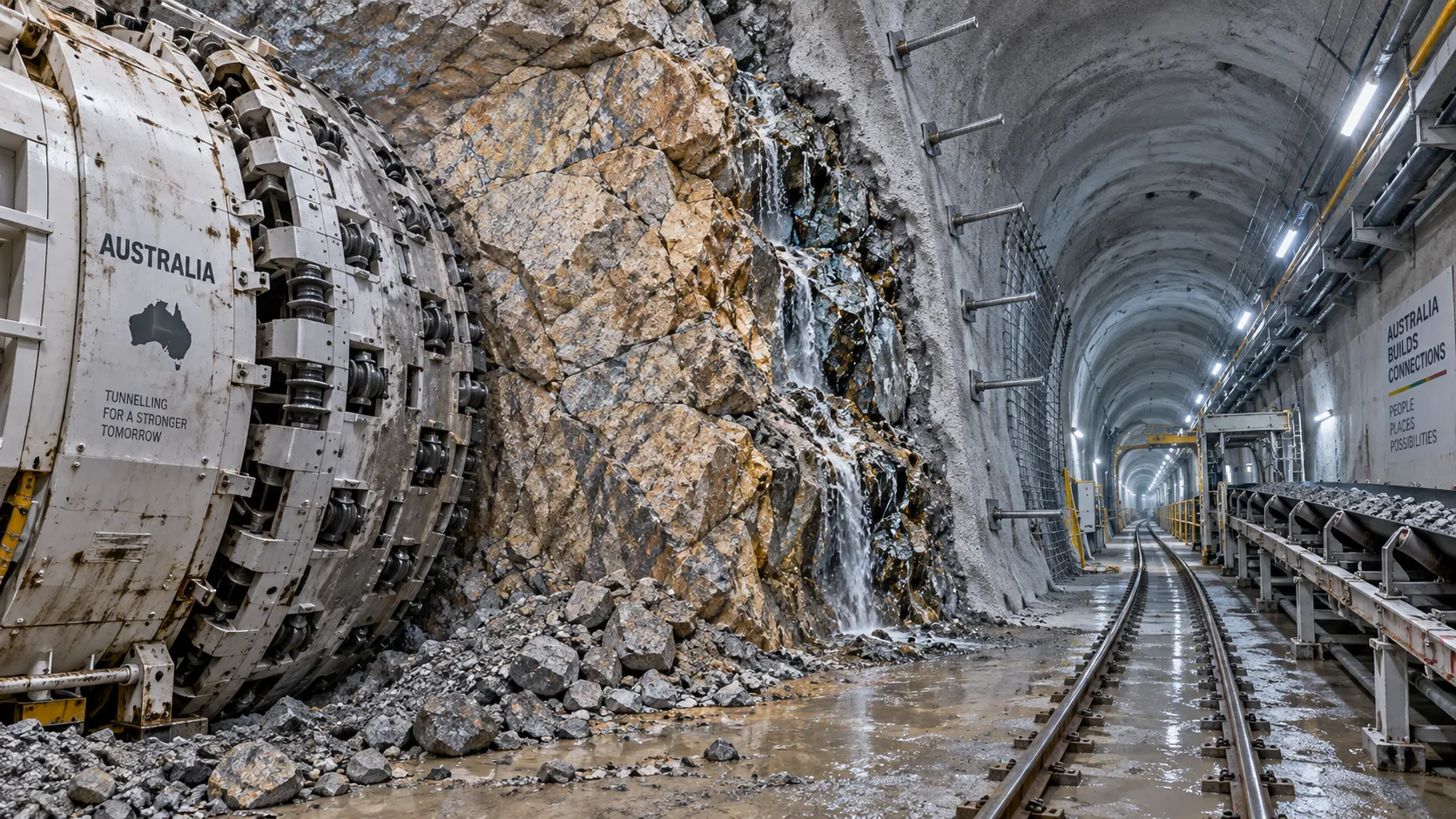
Hard Rock Tunnelling in Australia: Selecting Methods for Variable Ground Conditions
Hard rock tunnelling in Australia: compare TBM, drill-and-blast and hybrid methods to manage variable ground, reduce risk and protect project costs.
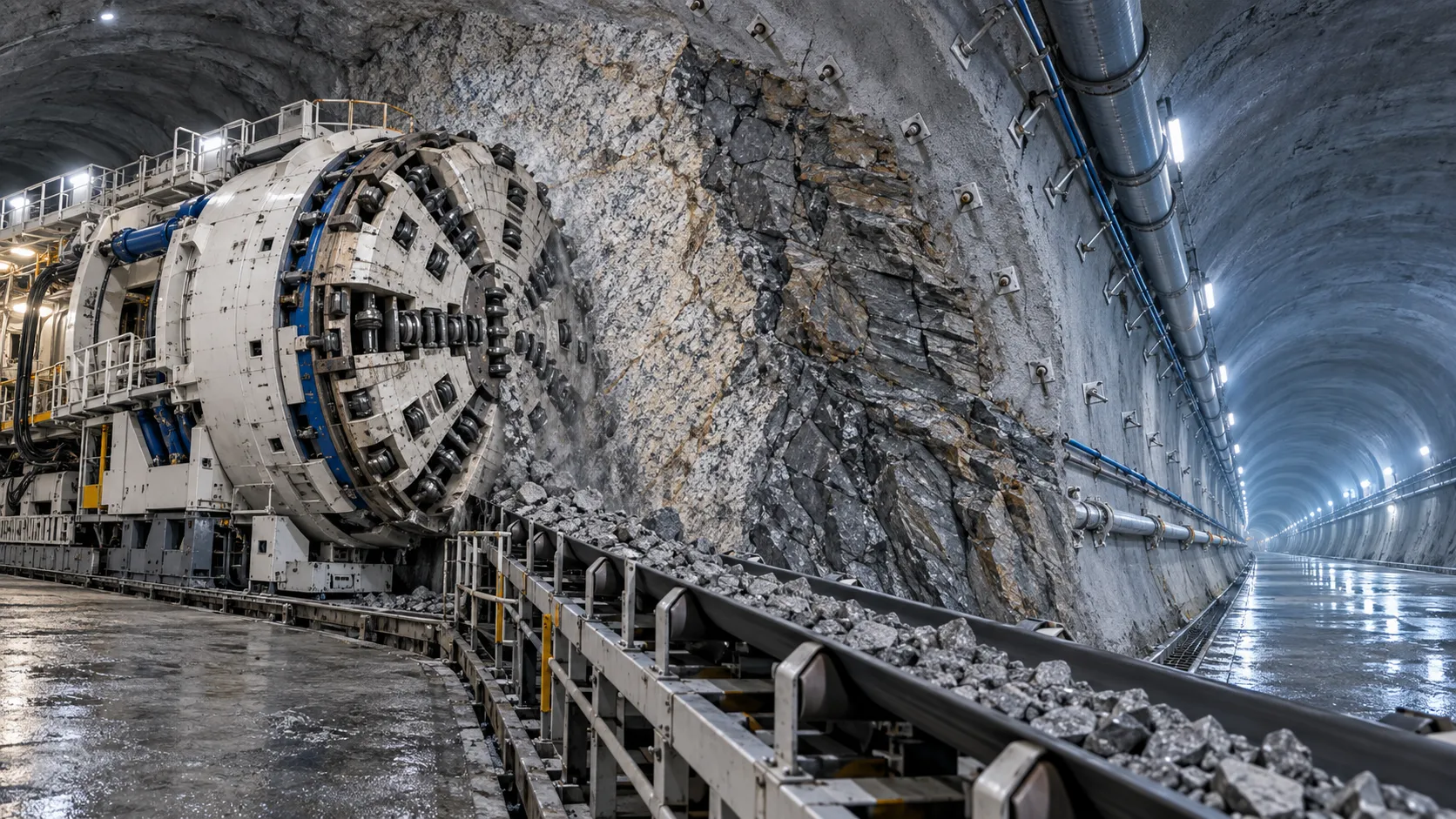
Hydropower Tunnel Excavation: Selecting Methods for Variable Rock Conditions
Hydropower tunnel excavation methods for variable rock conditions: compare TBM, drill-and-blast, and hybrid strategies to improve safety, progress, and project control.
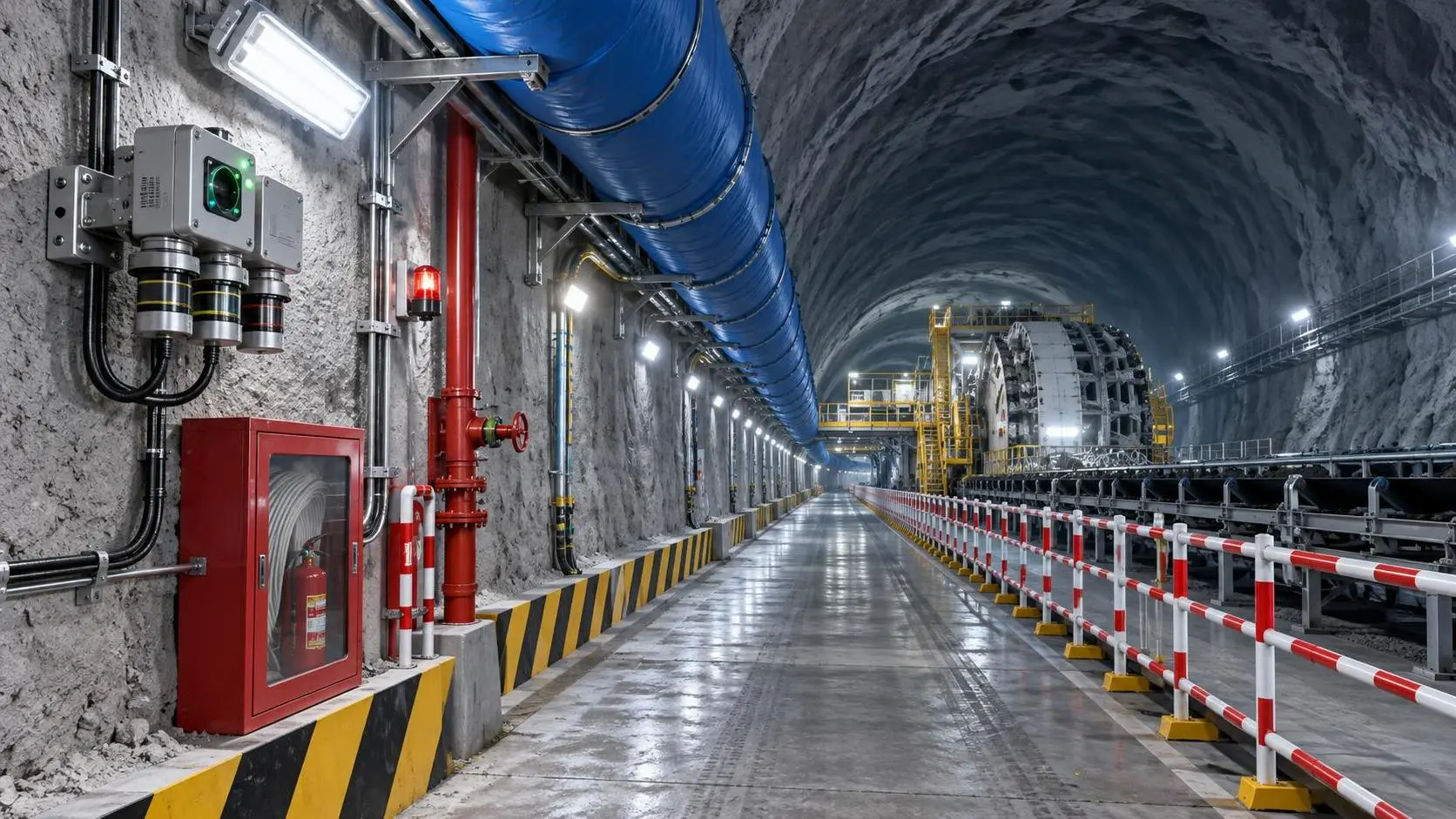
How to Select Underground Safety Equipment for Tunnelling by Hazard and Work Zone
Underground Safety Equipment for tunnelling: match protection to hazards, work zones, compliance, and emergency needs with this practical selection guide.
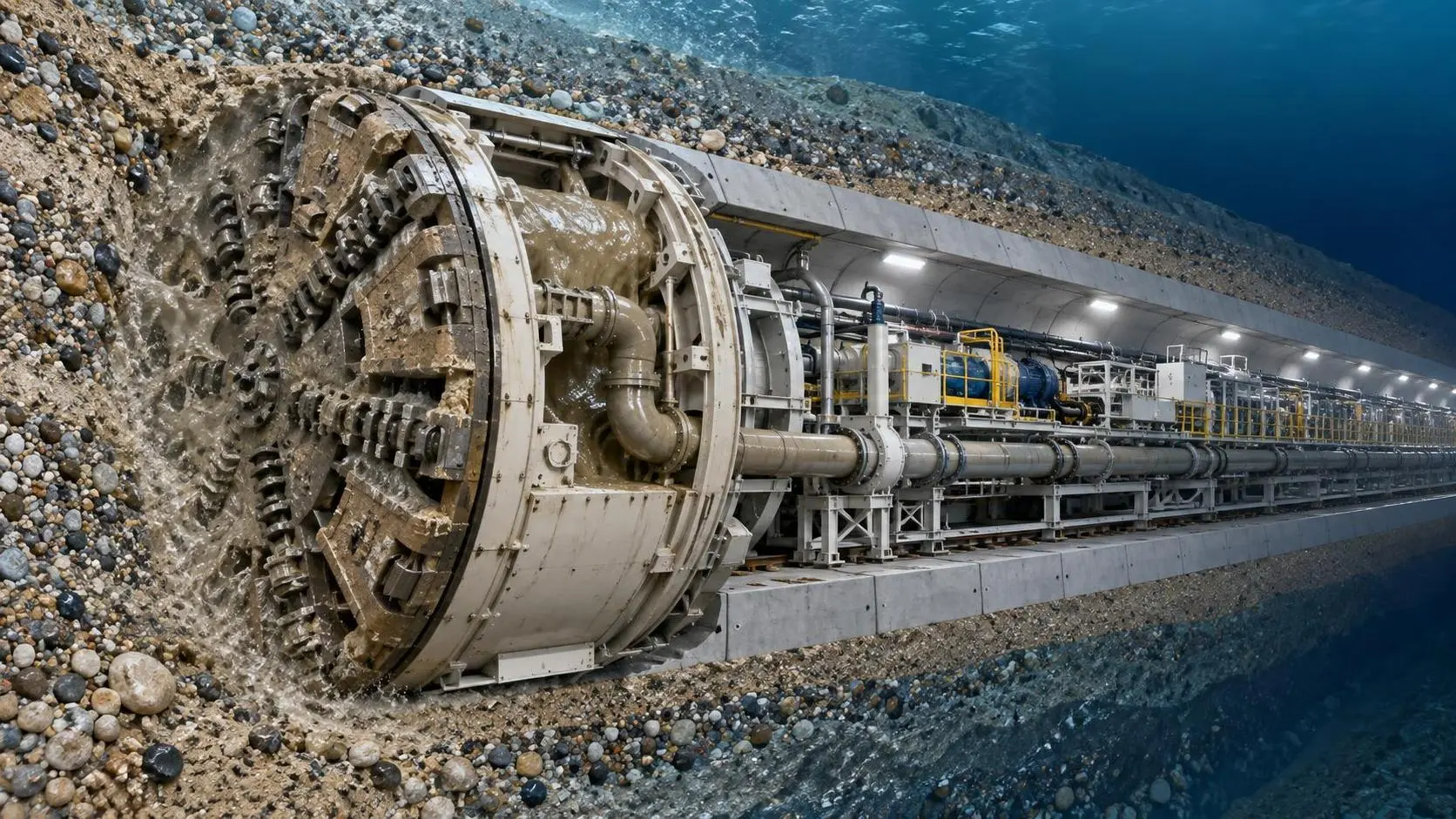
EPB or Slurry Shield? Selecting Soft-Ground Tunnelling Equipment by Soil Conditions
Tunnel Excavation Equipment for soft ground: compare EPB and slurry shields by soil, groundwater, settlement risk, and project logistics to choose confidently.
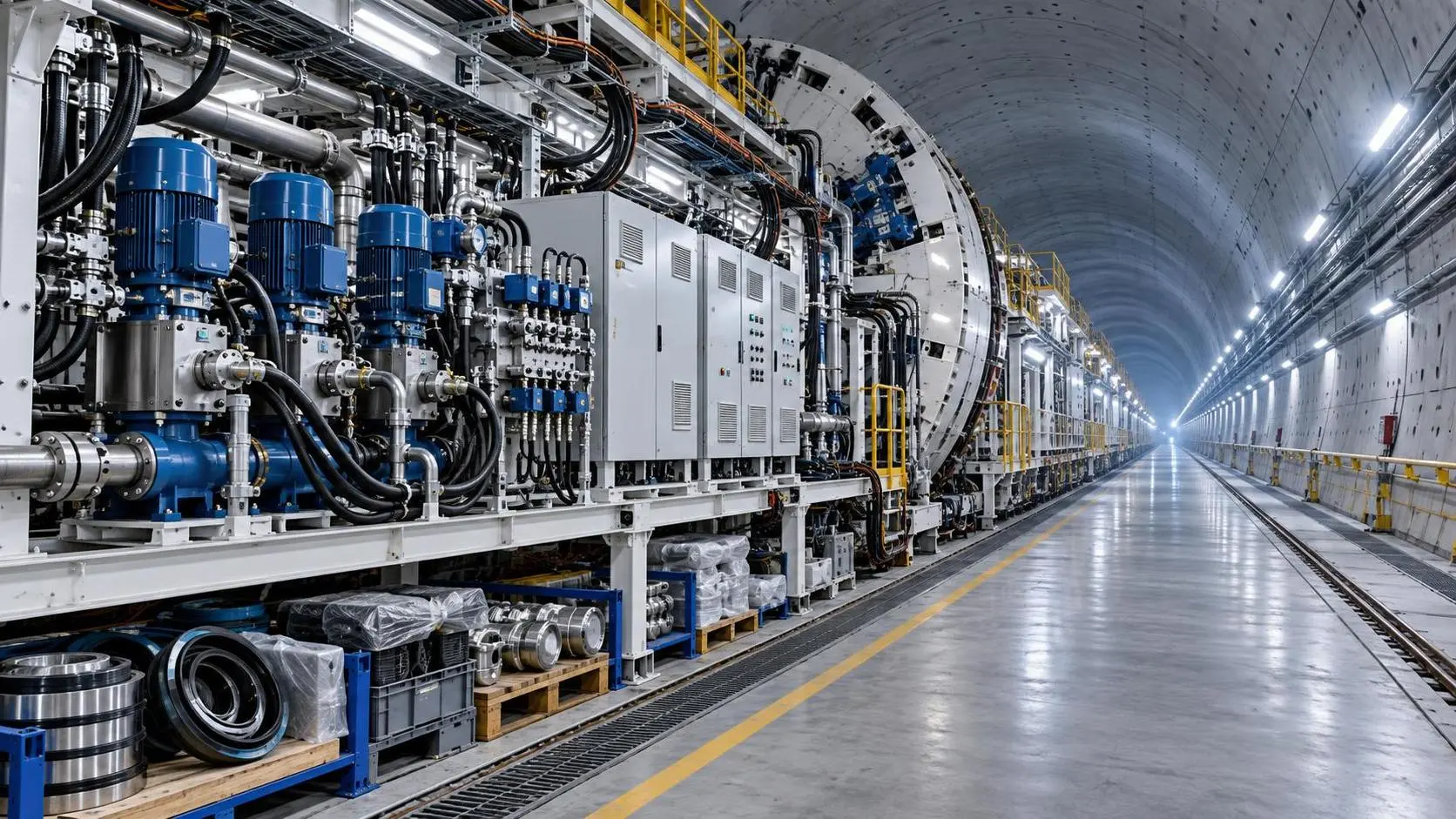
How to Specify TBM Backup System Parts for Reliable Long-Distance Tunnelling
TBM backup system parts: learn how to specify reliable spares for long-distance tunnelling, reduce downtime, ensure compatibility, and speed underground recovery.
Related News
- 00
0000-00
Underground Mine Electrification: How to Size Battery Fleets and Charging Capacity - 00
0000-00
How to Evaluate European Drill-and-Blast Tunnelling Contractors for Complex Projects - 00
0000-00
Which Trenchless Construction Technique Fits Your Utility Crossing Conditions? - 00
0000-00
What Is Driving Metro Tunnelling Demand Across Southeast Asia’s Major Cities? - 00
0000-00
Hard Rock Tunnelling in Australia: Selecting Methods for Variable Ground Conditions
Weekly Insights
Stay ahead with our curated technology reports delivered every Monday.