
Drill and Blast Tunnelling Methods Explained: Best Rock Conditions and Limits





Drill and Blast Tunnelling Methods Explained: Best Rock Conditions and Limits
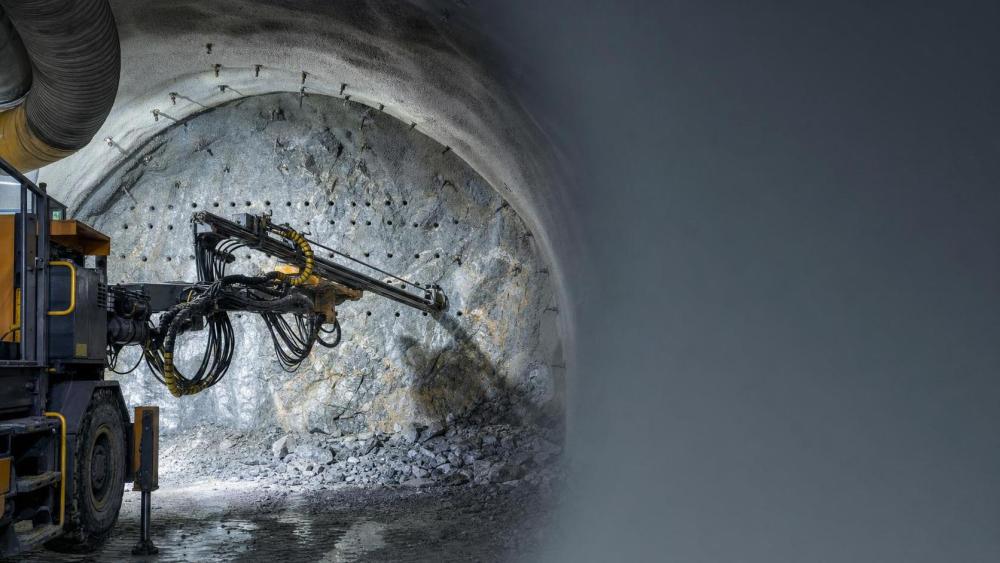
Drill and blast tunnelling methods still matter in modern underground construction.
They are not outdated tools used only before TBMs became dominant.
In many projects, they remain the more flexible and realistic choice.
That is especially true where rock conditions change quickly underground.
The method also fits sites with tight access, short drives, or uncertain geology.
From a technical standpoint, drill and blast tunnelling methods combine controlled drilling, explosive loading, ventilation, scaling, mucking, and support installation.
Each cycle advances the tunnel in measured steps rather than continuous excavation.
This article explains the workflow, the best rock conditions, and the practical limits.
It also highlights where drill and blast tunnelling methods can outperform mechanized alternatives.
How drill and blast tunnelling methods work in practice
The process begins with surveying and face mapping.
Engineers review joint patterns, fault traces, water inflow, and the last round profile.
Next comes drilling.
A jumbo drills cut holes, stoping holes, contour holes, and lifters.
Hole accuracy matters more than many people expect.
Small drilling deviations can reduce pull, increase overbreak, and raise support demand.
After drilling, crews load explosives and connect detonators in a planned sequence.
The blast opens a free face first, then breaks the remaining rock in stages.
Ventilation clears fumes before re-entry.
Crews then scale loose rock, remove muck, and install support.
Support may include rock bolts, mesh, steel ribs, shotcrete, or drainage measures.
The cycle then repeats.
In real operations, cycle quality often determines both cost and safety.
Typical cycle stages
- Mark the face and confirm the blast design.
- Drill blast holes with the planned burden and spacing.
- Charge explosives and connect delays.
- Blast, ventilate, inspect, and scale.
- Muck out broken rock and install support.
Best rock conditions for drill and blast tunnelling methods
The best ground for drill and blast tunnelling methods is competent to moderately jointed rock.
Hard igneous and metamorphic formations are common examples.
Granite, basalt, quartzite, and strong gneiss often suit the method well.
These rocks resist continuous cutting and can wear TBM cutters aggressively.
That changes the economic comparison.
In very abrasive ground, drill and blast tunnelling methods may lower dependence on expensive cutter consumption.
They also perform well where tunnel geometry changes often.
Caverns, cross passages, niches, and variable sections are easier to shape with blasting.
Another strong case is uncertain geology.
If the rock mass class changes every few dozen meters, flexibility becomes valuable.
Crews can modify charge patterns, support types, and advance lengths round by round.
Rock features that usually favor the method
- High compressive strength rock that is difficult to cut continuously.
- Moderate jointing with enough stand-up time for safe support installation.
- Variable tunnel profiles and multiple branch connections.
- Remote projects where modular equipment is easier to mobilize than a TBM.
- Short or medium tunnel lengths with limited economies of scale.
Where drill and blast tunnelling methods become less effective
The practical limits usually appear in weak, squeezing, or highly fractured ground.
If the rock mass loses confinement quickly, each blast can worsen instability.
Overbreak becomes harder to control, and support demand rises fast.
Water-bearing fault zones are another limit.
Explosives, fractured ground, and inflow can interact in ways that slow the cycle and increase risk.
Urban settings also create constraints.
Vibration limits, noise restrictions, and blast windows may reduce productivity.
In very long, uniform tunnels, continuous excavation can offer better average advance rates.
That is often where TBMs gain a clear advantage.
More importantly, drill and blast tunnelling methods are sensitive to crew skill.
Poor drilling accuracy or weak blast discipline can erase the method’s economic benefits.
Main operational limits
- Low stand-up time and severe face instability.
- Strict vibration limits near buildings or sensitive equipment.
- Extensive groundwater under pressure.
- Very long, repetitive alignment with stable geology.
- Poor ventilation capacity in deep confined workings.
Key design variables that shape performance
Successful drill and blast tunnelling methods depend on more than explosives.
The design starts with rock mass data and tunnel purpose.
Hole diameter, burden, spacing, and delay timing must match the geology.
Advance length also matters.
Long rounds can look efficient on paper, but they can reduce pull in broken ground.
Contour control is equally important for final quality.
Smooth blasting techniques help reduce overbreak, support volume, and concrete consumption.
Ventilation planning is another often underestimated factor.
Fume clearance time affects the full cycle and therefore the real advance rate.
In deeper headings, electrified equipment and better airflow design can improve both safety and productivity.
Performance checklist
- Confirm geological mapping before every round.
- Track drilling deviation and pull efficiency.
- Measure overbreak against design profile.
- Coordinate support installation with cycle timing.
- Review ventilation clearance after each blast.
Drill and blast tunnelling methods versus mechanized excavation
This comparison is rarely as simple as faster versus slower.
Mechanized excavation offers continuity, smoother spoil handling, and lower blast-related disturbance.
But drill and blast tunnelling methods often win on flexibility.
They adapt faster to changing geology, alignment changes, and staged construction programs.
Capital intensity is another deciding point.
A TBM needs strong upfront confidence in alignment length, geology, logistics, and schedule discipline.
Drill and blast tunnelling methods usually allow a more phased commitment.
That can be attractive in mining declines, hydropower tunnels, and exploratory infrastructure works.
Still, the choice should come from total project economics, not tradition.
Quick decision view
What current project planning should focus on
Recent project trends point to a more selective use of drill and blast tunnelling methods.
The method is strongest when paired with better data and tighter cycle control.
Digital face mapping, jumbo automation, and blast analytics are changing performance expectations.
So are zero-emission requirements in confined underground spaces.
This means equipment strategy now matters as much as blast design.
Battery-electric loaders, smarter ventilation, and automated drilling can improve the full cycle, not just one step.
For decision-making, the best approach is practical and disciplined.
- Start with rock mass behavior, not equipment preference.
- Test vibration, groundwater, and support scenarios early.
- Compare life-cycle cost, not only daily advance.
- Assess how quickly the method can adapt when geology changes.
In short, drill and blast tunnelling methods remain highly relevant where hard rock, variable geometry, and operational flexibility define success.
Their limits are real, but they are also well understood.
When geology, support strategy, ventilation, and blast control are aligned, the method still delivers strong technical value.
That is the most useful lens for evaluating drill and blast tunnelling methods in today’s underground projects.
Related News
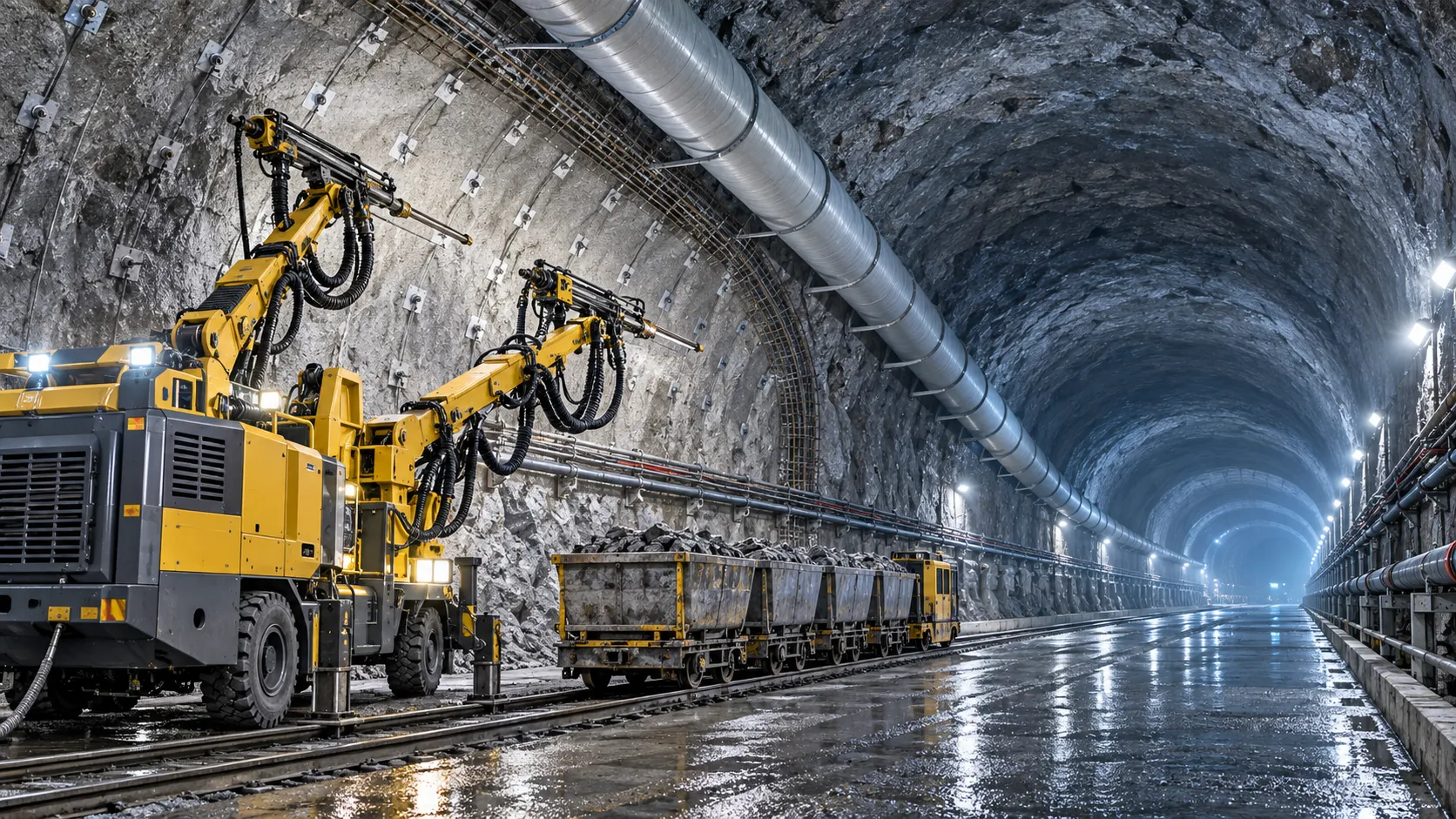
How to Evaluate European Drill-and-Blast Tunnelling Contractors for Complex Projects
Drill and blast tunnelling contractors Europe: learn how to assess geology expertise, blast control, equipment reliability, safety, and programme resilience for complex projects.
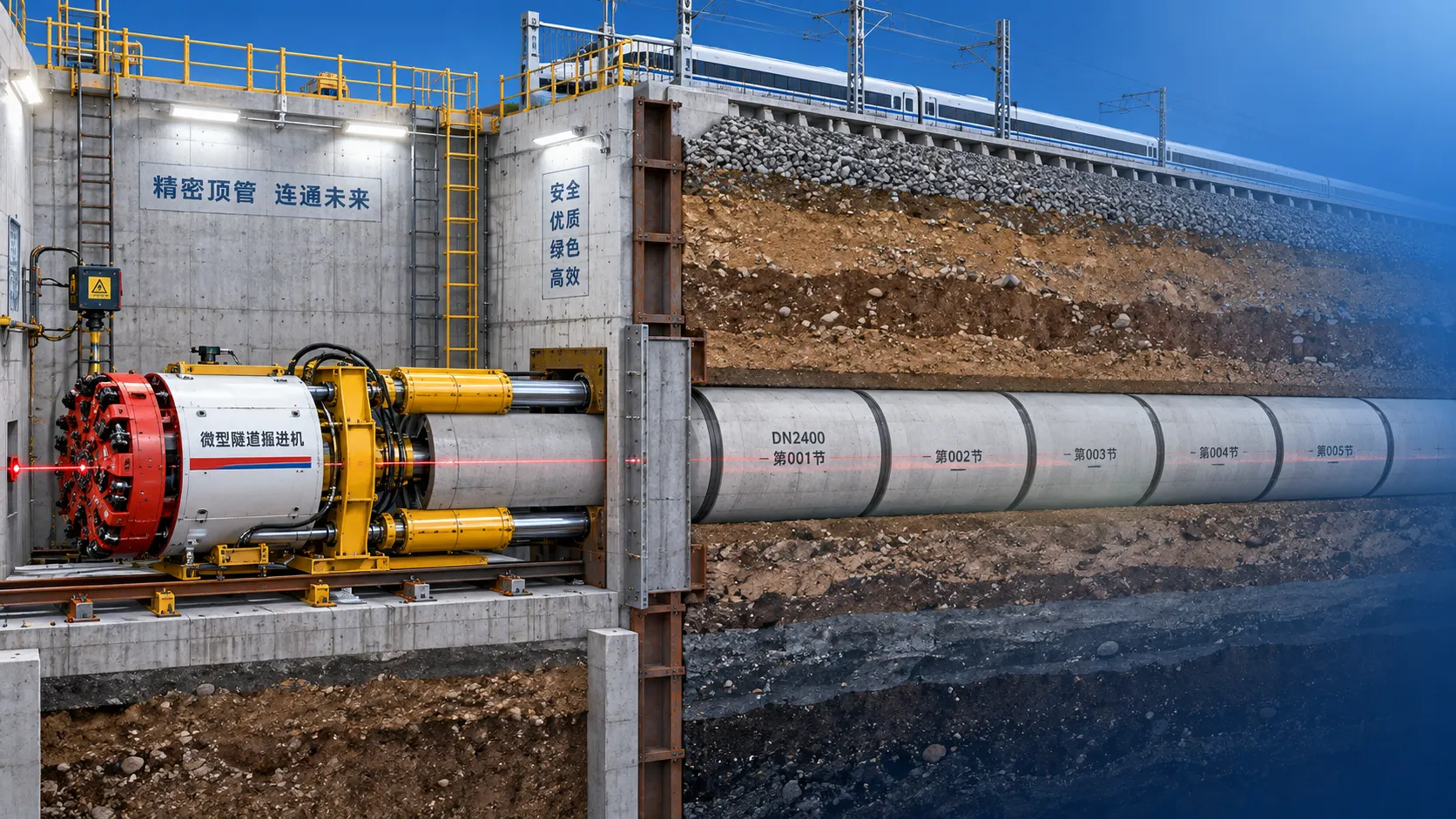
Which Trenchless Construction Technique Fits Your Utility Crossing Conditions?
Trenchless construction techniques compared for utility crossings: choose HDD, microtunnelling, pipe jacking, or auger boring based on ground, accuracy, access, and risk.
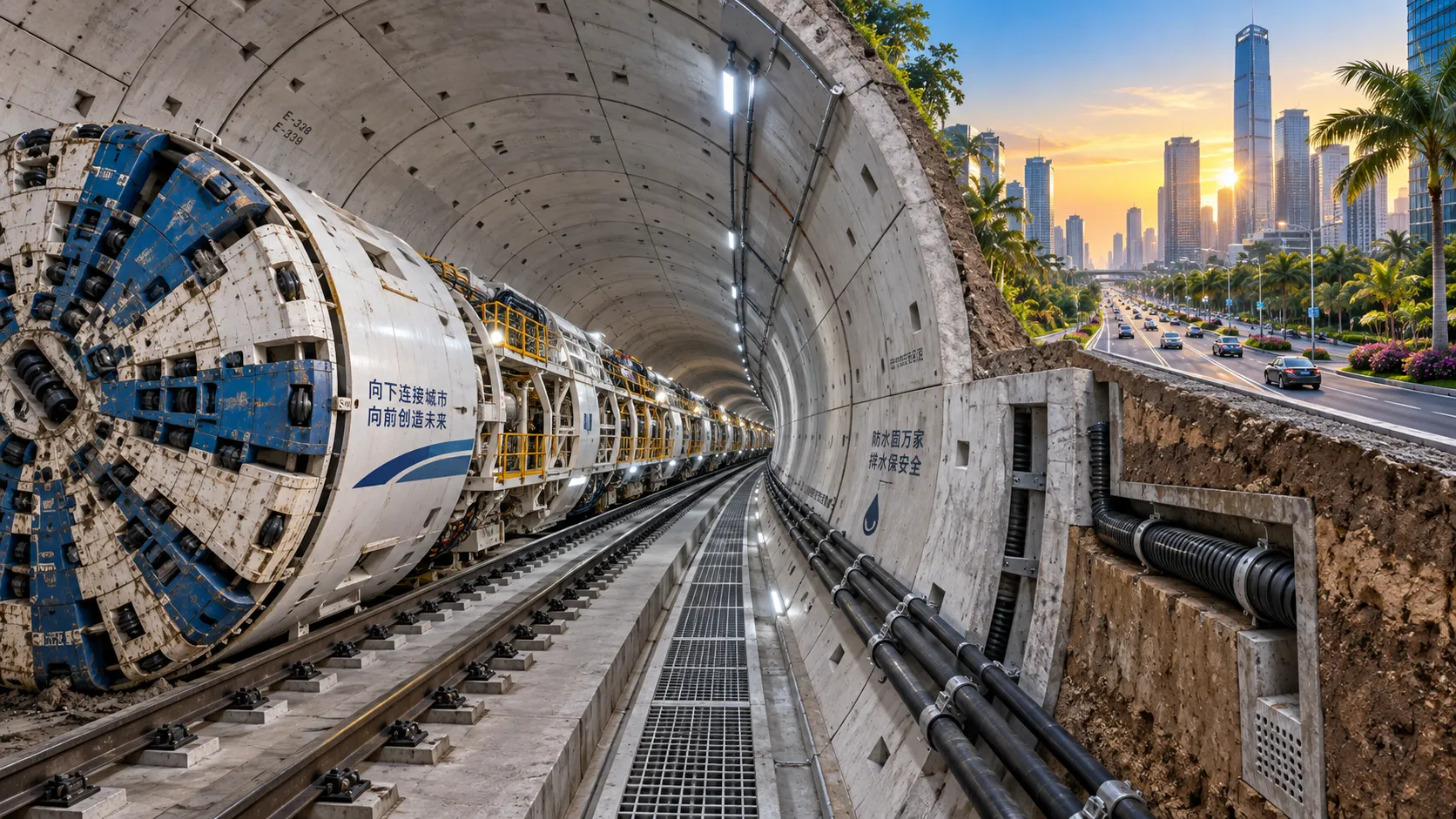
What Is Driving Metro Tunnelling Demand Across Southeast Asia’s Major Cities?
Metro tunnelling Southeast Asia is accelerating as major cities tackle congestion, flooding, and connectivity. Explore the market forces, technical risks, and opportunities shaping demand.
Hard Rock Tunnelling in Australia: Selecting Methods for Variable Ground Conditions
Hard rock tunnelling in Australia: compare TBM, drill-and-blast and hybrid methods to manage variable ground, reduce risk and protect project costs.
Hydropower Tunnel Excavation: Selecting Methods for Variable Rock Conditions
Hydropower tunnel excavation methods for variable rock conditions: compare TBM, drill-and-blast, and hybrid strategies to improve safety, progress, and project control.
How to Select Underground Safety Equipment for Tunnelling by Hazard and Work Zone
Underground Safety Equipment for tunnelling: match protection to hazards, work zones, compliance, and emergency needs with this practical selection guide.
EPB or Slurry Shield? Selecting Soft-Ground Tunnelling Equipment by Soil Conditions
Tunnel Excavation Equipment for soft ground: compare EPB and slurry shields by soil, groundwater, settlement risk, and project logistics to choose confidently.
How to Specify TBM Backup System Parts for Reliable Long-Distance Tunnelling
TBM backup system parts: learn how to specify reliable spares for long-distance tunnelling, reduce downtime, ensure compatibility, and speed underground recovery.
How to Size Open Pit Mining Trucks for Haul Distance, Grade, and Payload?
Open Pit Mining Trucks: learn how to match payload, haul distance, grade, road resistance, and loading capacity for safer, lower-cost mine operations.
Related News
- 00
0000-00
How to Evaluate European Drill-and-Blast Tunnelling Contractors for Complex Projects - 00
0000-00
Which Trenchless Construction Technique Fits Your Utility Crossing Conditions? - 00
0000-00
What Is Driving Metro Tunnelling Demand Across Southeast Asia’s Major Cities? - 00
0000-00
Hard Rock Tunnelling in Australia: Selecting Methods for Variable Ground Conditions - 00
0000-00
Hydropower Tunnel Excavation: Selecting Methods for Variable Rock Conditions
Weekly Insights
Stay ahead with our curated technology reports delivered every Monday.