
DRC Lithium Reclassification Lifts Demand for Hard-Rock Drilling Systems





On June 2, 2026, the Democratic Republic of the Congo moved lithium into its strategic minerals framework and raised mining royalty charges as well as export surcharges. For the mining equipment and project delivery chain, the development matters not only because of a fiscal rule change, but because it is already being linked to a shift in new local lithium projects toward more efficient drill-and-blast methods, with direct implications for procurement, technical specifications, and delivery planning for hard-rock tunneling and drilling systems.
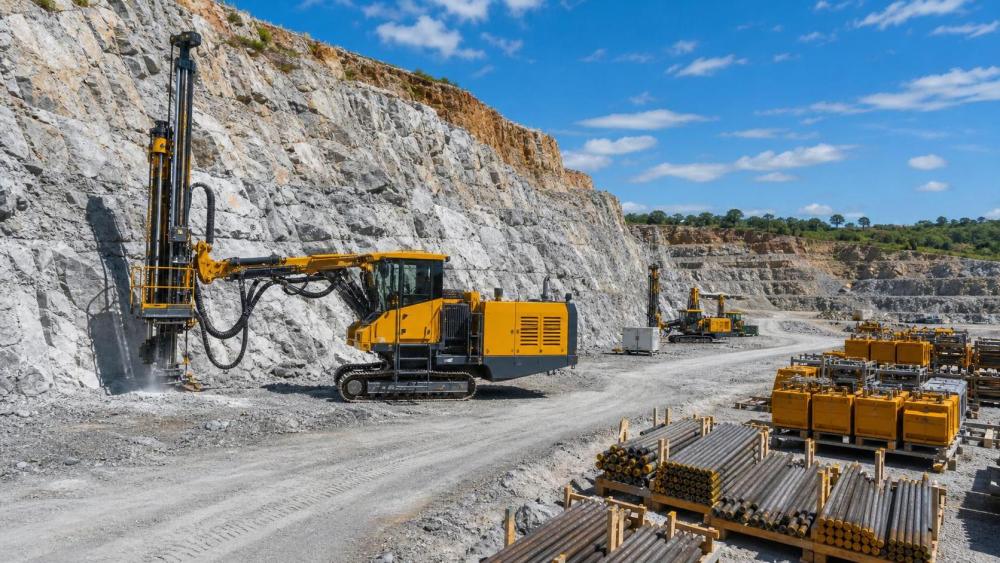
What the announced change confirms
Confirmed information is limited but clear on several points. The announcement was made on June 2, 2026. Lithium was designated as a strategic mineral in the Democratic Republic of the Congo, and mining royalty charges and export surcharges were increased at the same time. The policy shift has accelerated a move in local new lithium mine development toward efficient drill-and-blast methods rather than low-efficiency manual mining. The same development has significantly increased purchasing demand for hard-rock excavation equipment such as Computerized Jumbos and Hydraulic Rock Drills, especially intelligent drilling systems suited to very hard surrounding rock conditions including quartz porphyry and pegmatite.
Where the pressure points emerge across the supply chain
Equipment suppliers face a more specification-driven buying cycle
For suppliers of Computerized Jumbos, Hydraulic Rock Drills, and related hard-rock systems, the immediate effect is likely to appear in customer inquiries, bid preparation, and technical alignment. Analysis shows that once new lithium projects move away from manual mining and toward efficient drill-and-blast methods, procurement attention usually shifts toward equipment suitability for hard rock, system reliability, and configuration completeness. What deserves closer attention is not only unit sales, but whether technical documents, equipment descriptions, and supporting materials are ready for specification-based purchasing discussions tied to hard surrounding rock conditions.
Project buyers and contractors may need to reassess procurement sequences
For project owners, procurement teams, and contractors involved in new lithium mine development, the rule change may affect when and how equipment packages are planned. The fiscal adjustment on mining royalties and export surcharges changes the commercial setting around project development, while the move toward efficient drill-and-blast methods changes the operational setting. From an industry perspective, this combination can push buyers to review equipment categories, delivery timing, and bid documentation for hard-rock excavation systems rather than relying on lower-efficiency labor-intensive approaches.
Trade and delivery service providers should watch documentation and execution risk
For export-oriented suppliers, logistics providers, and after-sales service partners, the issue is not limited to demand growth. Analysis shows that when a strategic mineral classification is introduced alongside higher tax and export-related charges, trade execution can become more document-sensitive and timing-sensitive. Companies linked to shipment, customs handling, spare-parts support, and field service should monitor whether procurement files, export paperwork, technical descriptions, and contract terms begin to reflect the new project methods and equipment categories more explicitly.
Practical issues companies should track now
Prepare compliance and technical files for harder review
It is more appropriate to understand this stage as one where internal document readiness matters. Suppliers of intelligent drilling systems should pay attention to technical specifications, product literature, equipment configuration records, and any supporting compliance materials that may be requested during project review or tender alignment. The input does not provide formal execution details, so this should be treated as a watch point rather than a confirmed mandatory checklist.
Monitor official wording and downstream procurement language
Observably, one of the most important next signals will be how the policy language is reflected in later procurement documents, commercial terms, and project execution requirements. Companies should watch for changes in how lithium projects describe mining methods, equipment expectations, and export-related obligations. Because no further official wording is provided in the input, any conclusion beyond monitoring would go beyond confirmed facts.
Focus on equipment fit for very hard rock conditions
The event summary directly ties demand growth to systems suitable for quartz porphyry, pegmatite, and other very hard surrounding rock conditions. For manufacturers, integrators, and procurement teams, this means product fit and application matching deserve close attention. Analysis shows that technical bid alignment may become more important than broad catalog coverage if buyers prioritize operating suitability over generic equipment availability.
Review delivery support and traceability expectations
What deserves closer attention is whether stronger project demand also brings tighter expectations around delivery coordination, spare-parts planning, after-sales readiness, and quality traceability. The input does not confirm any new mandatory service rule, but companies involved in cross-border supply and field support should be prepared for more detailed buyer review once procurement activity for hard-rock systems increases.
Why this looks like an execution signal, not a completed outcome
Analysis shows that this development is best read as a live execution signal rather than a fully settled rule environment. The confirmed facts already point to a policy change and to a linked shift in mining method and equipment demand. At the same time, the available information does not include detailed enforcement language, procurement rules, certification interpretations, or project-level tender standards. For that reason, continued attention should be placed on how the policy is implemented in practice, how buyers translate it into technical and commercial requirements, and how market participants respond.
How the market may best interpret the development
From an industry perspective, the significance of this event lies in the interaction between mineral policy, tax treatment, and equipment selection. The announcement is not just a headline about lithium classification; it also indicates that operating methods and procurement behavior in new local lithium projects are shifting toward more efficient hard-rock drilling systems. A neutral reading is that the change has already produced a direction-of-travel signal for equipment demand, while the finer points of compliance, trade execution, and tender practice still require observation.
Basis of this article and what still needs verification
This article is generated from the user-provided news title, event date, and event summary. For events of this type, relevant source categories commonly include official government announcements, regulator publications, customs or trade authority notices, industry association updates, standards-related documents, and reporting by established industry media. No specific official source link was provided in the input, so the original release text and any later implementing details still need to be verified on an ongoing basis. Items that remain worth monitoring include policy detail, enforcement interpretation, procurement document changes, certification or compliance wording, market feedback, and how companies execute against the new conditions.
Related News
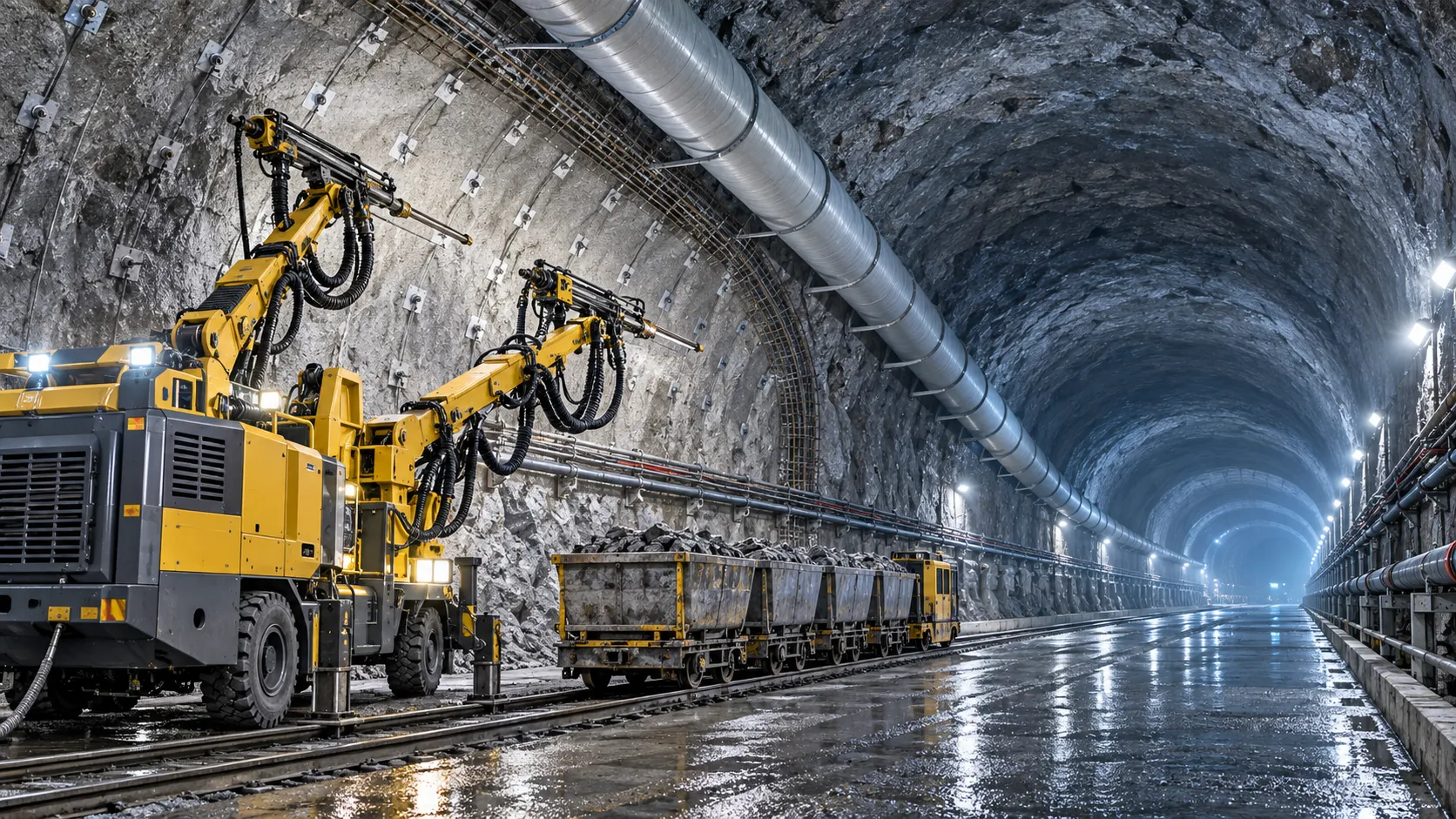
How to Evaluate European Drill-and-Blast Tunnelling Contractors for Complex Projects
Drill and blast tunnelling contractors Europe: learn how to assess geology expertise, blast control, equipment reliability, safety, and programme resilience for complex projects.
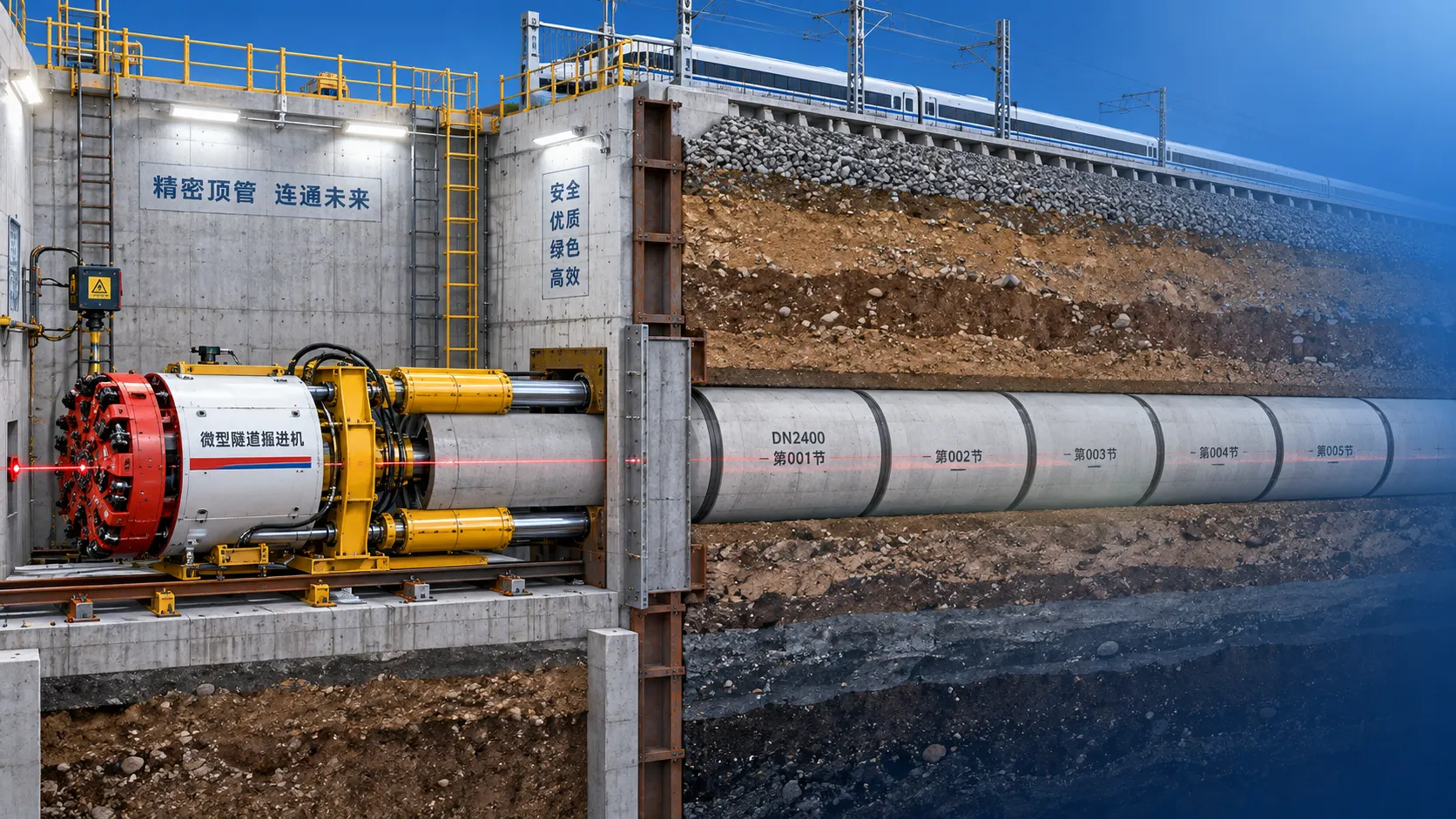
Which Trenchless Construction Technique Fits Your Utility Crossing Conditions?
Trenchless construction techniques compared for utility crossings: choose HDD, microtunnelling, pipe jacking, or auger boring based on ground, accuracy, access, and risk.
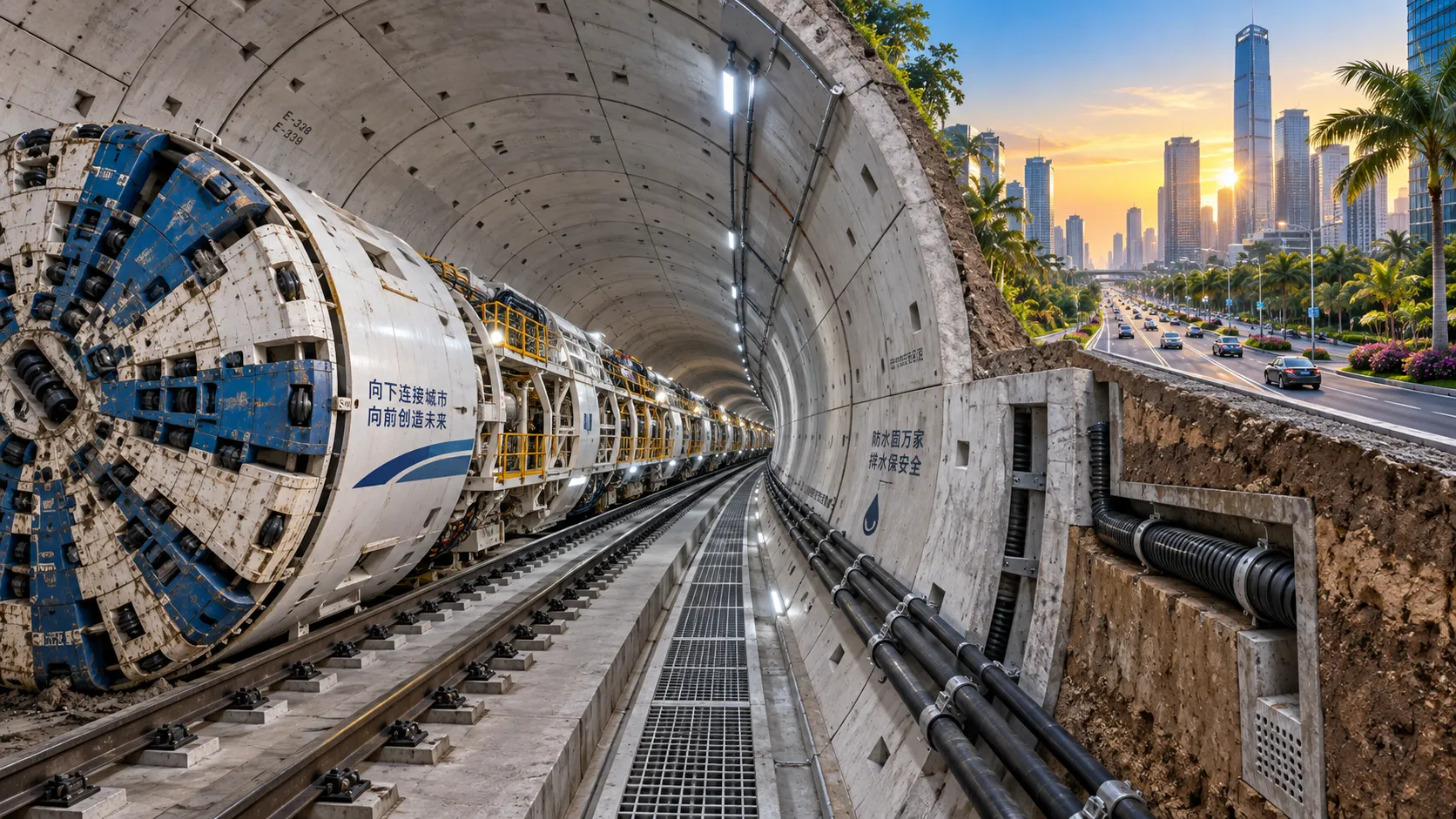
What Is Driving Metro Tunnelling Demand Across Southeast Asia’s Major Cities?
Metro tunnelling Southeast Asia is accelerating as major cities tackle congestion, flooding, and connectivity. Explore the market forces, technical risks, and opportunities shaping demand.
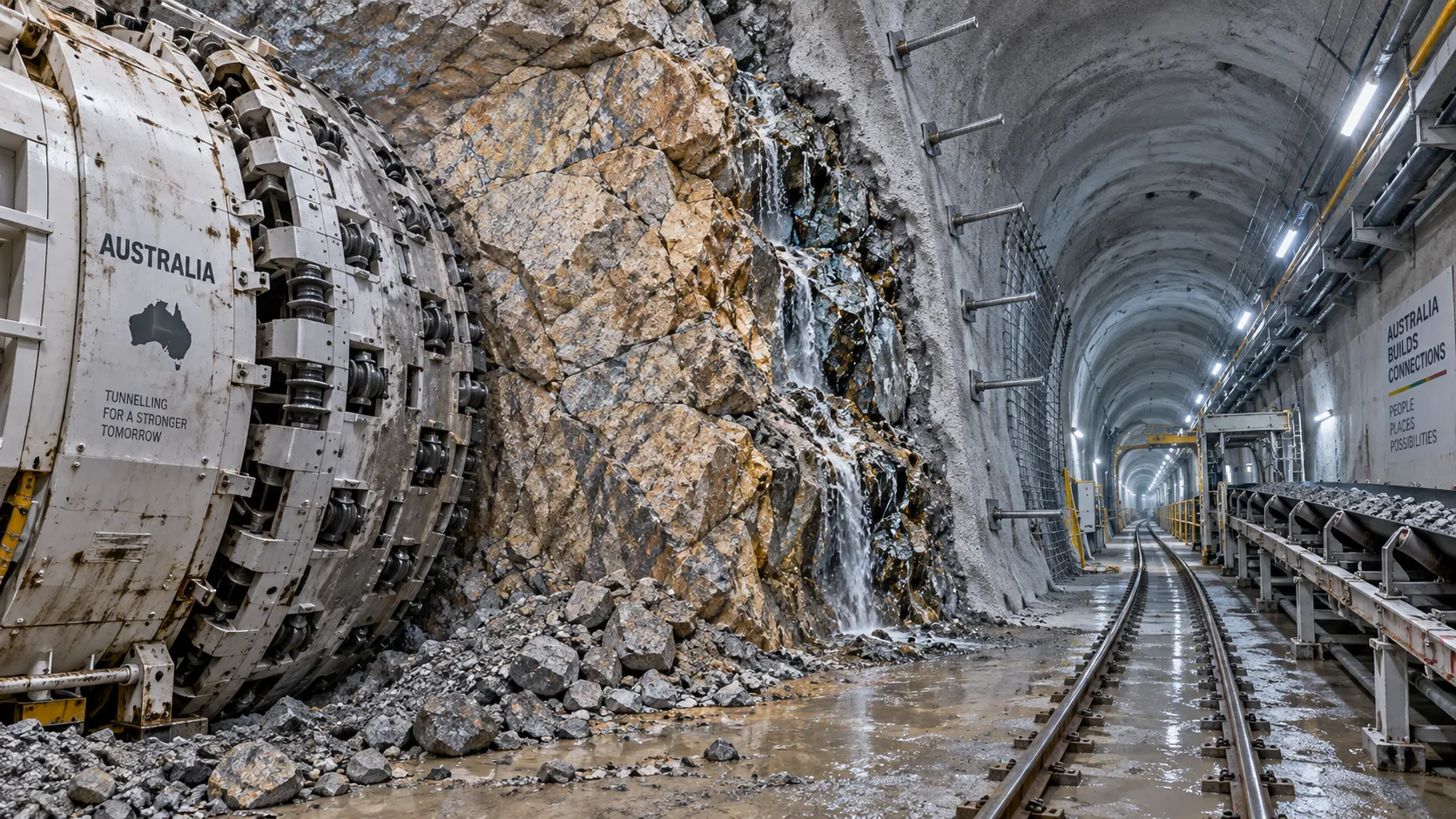
Hard Rock Tunnelling in Australia: Selecting Methods for Variable Ground Conditions
Hard rock tunnelling in Australia: compare TBM, drill-and-blast and hybrid methods to manage variable ground, reduce risk and protect project costs.
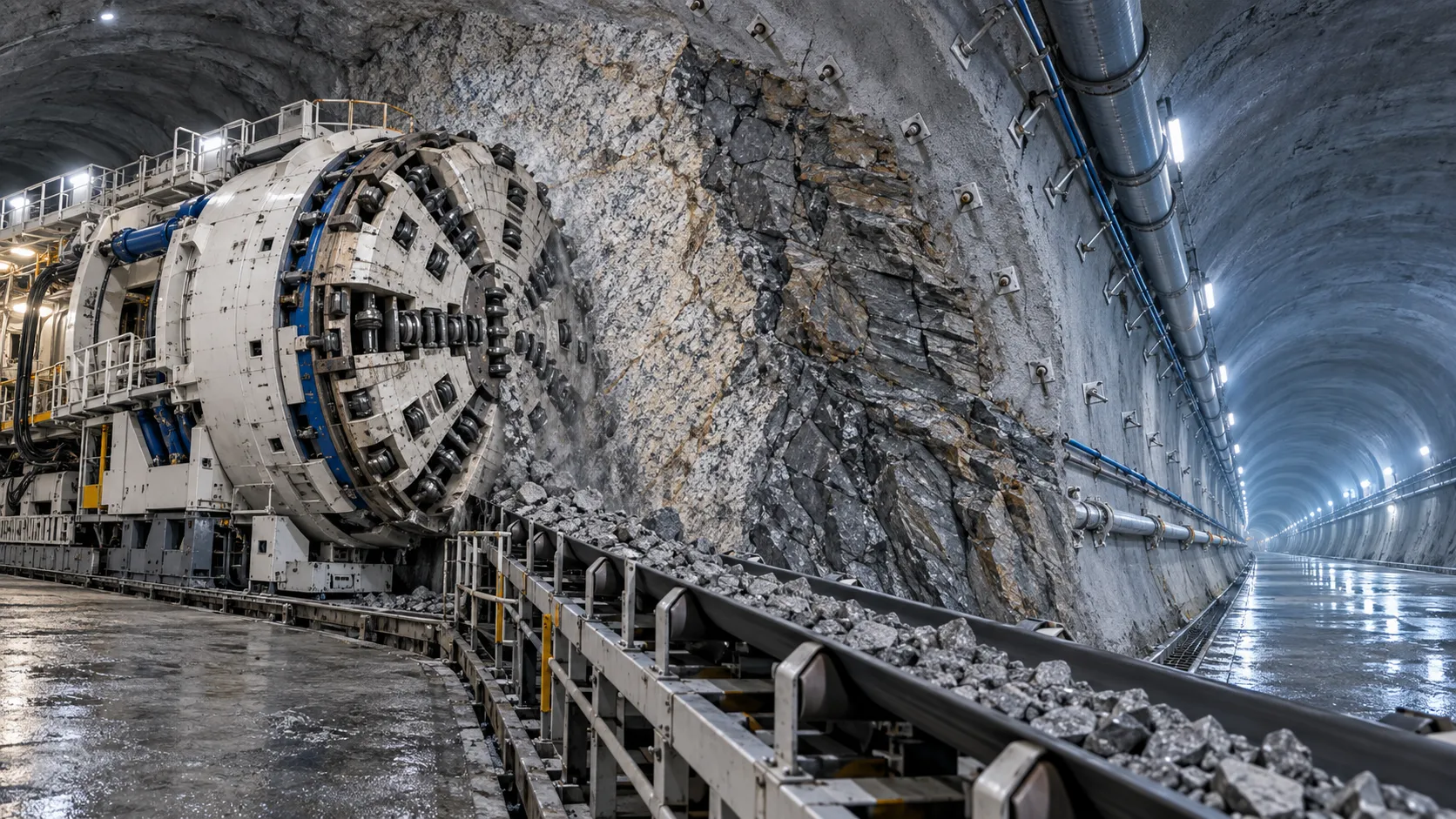
Hydropower Tunnel Excavation: Selecting Methods for Variable Rock Conditions
Hydropower tunnel excavation methods for variable rock conditions: compare TBM, drill-and-blast, and hybrid strategies to improve safety, progress, and project control.
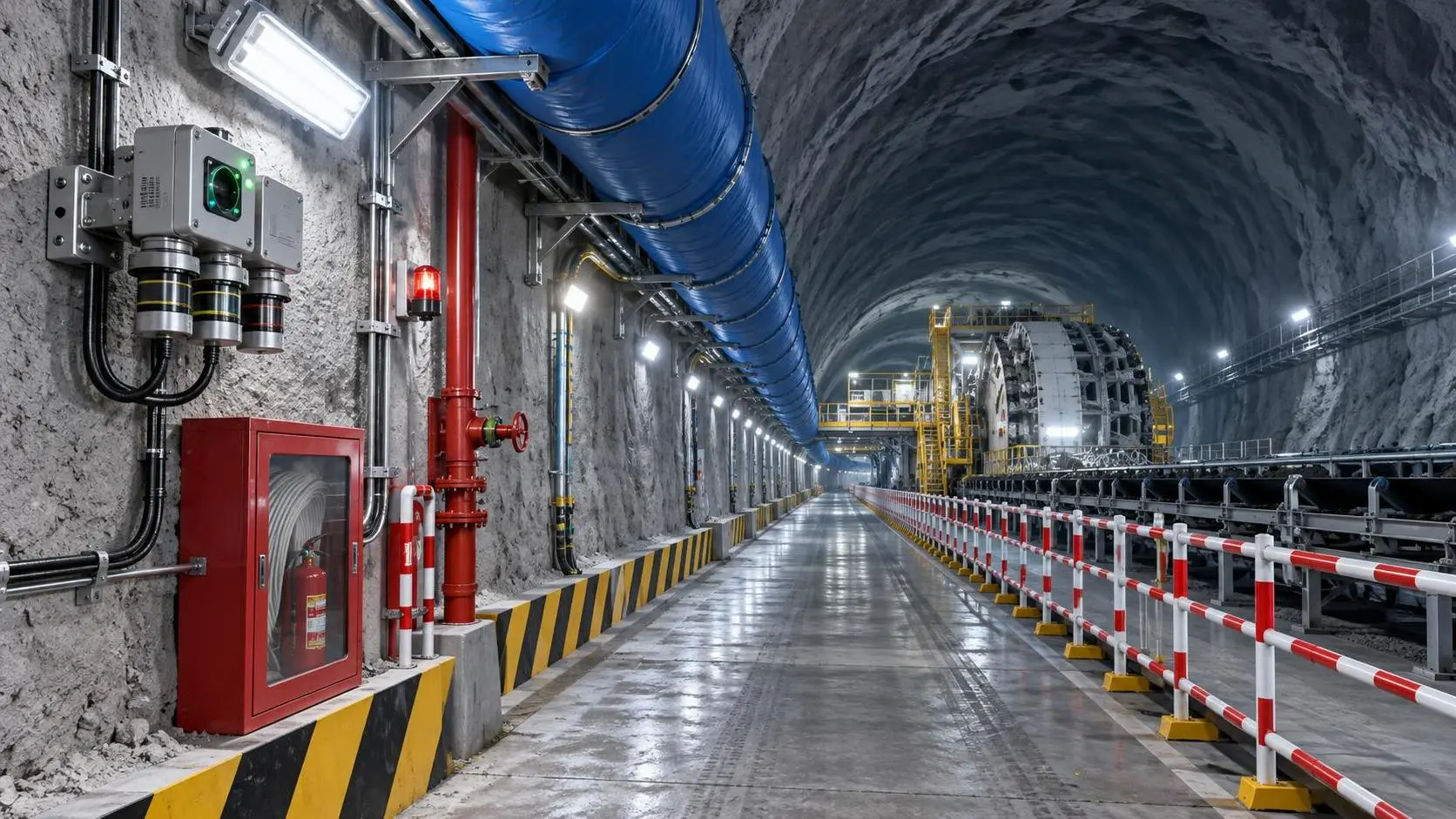
How to Select Underground Safety Equipment for Tunnelling by Hazard and Work Zone
Underground Safety Equipment for tunnelling: match protection to hazards, work zones, compliance, and emergency needs with this practical selection guide.
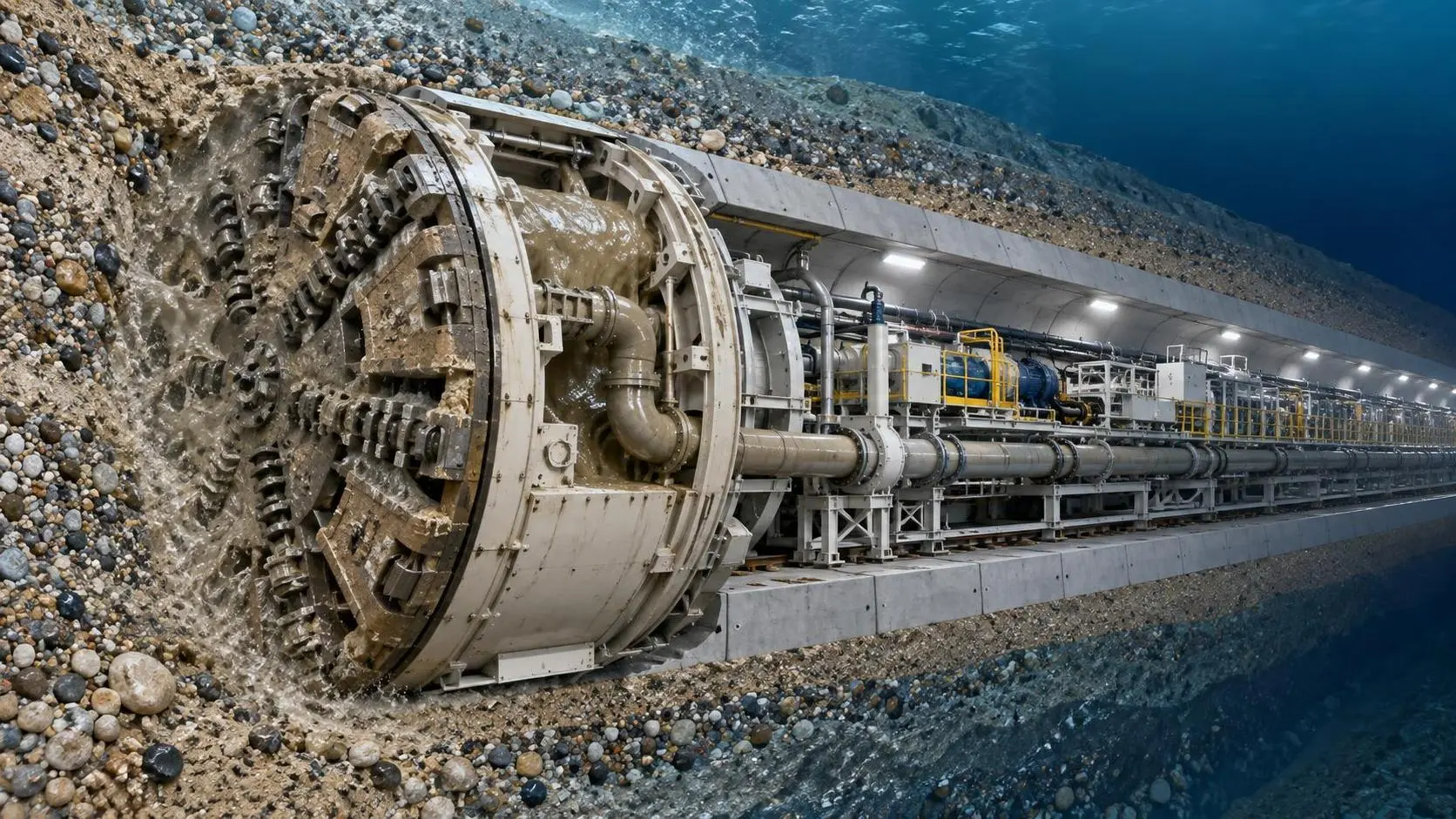
EPB or Slurry Shield? Selecting Soft-Ground Tunnelling Equipment by Soil Conditions
Tunnel Excavation Equipment for soft ground: compare EPB and slurry shields by soil, groundwater, settlement risk, and project logistics to choose confidently.
How to Specify TBM Backup System Parts for Reliable Long-Distance Tunnelling
TBM backup system parts: learn how to specify reliable spares for long-distance tunnelling, reduce downtime, ensure compatibility, and speed underground recovery.

How to Size Open Pit Mining Trucks for Haul Distance, Grade, and Payload?
Open Pit Mining Trucks: learn how to match payload, haul distance, grade, road resistance, and loading capacity for safer, lower-cost mine operations.
Related News
- 00
0000-00
How to Evaluate European Drill-and-Blast Tunnelling Contractors for Complex Projects - 00
0000-00
Which Trenchless Construction Technique Fits Your Utility Crossing Conditions? - 00
0000-00
What Is Driving Metro Tunnelling Demand Across Southeast Asia’s Major Cities? - 00
0000-00
Hard Rock Tunnelling in Australia: Selecting Methods for Variable Ground Conditions - 00
0000-00
Hydropower Tunnel Excavation: Selecting Methods for Variable Rock Conditions
Weekly Insights
Stay ahead with our curated technology reports delivered every Monday.