
Drilling Jumbo Manufacturer Comparison: Key Specs, Support, and Delivery Factors





A reliable Drilling Jumbo manufacturer influences far more than unit price. In underground tunnelling and mining, drilling precision, equipment uptime, operator safety, and long-term cost all depend on how well a machine fits the rock, heading geometry, and support model behind it.
That is why manufacturer comparison has become a strategic task across the broader underground equipment market. As electrification, automation, and tighter ESG expectations reshape heavy equipment selection, drilling jumbos now sit inside a larger decision framework that also includes fleet compatibility, data visibility, and delivery confidence.
From the UTMD perspective, drilling jumbos are one of the core systems defining deep underground productivity. They connect rock-cutting mechanics with blasting quality, ground support timing, and the wider performance of mines, tunnels, loaders, haulage systems, and digital operations.
Why manufacturer differences matter in real operations
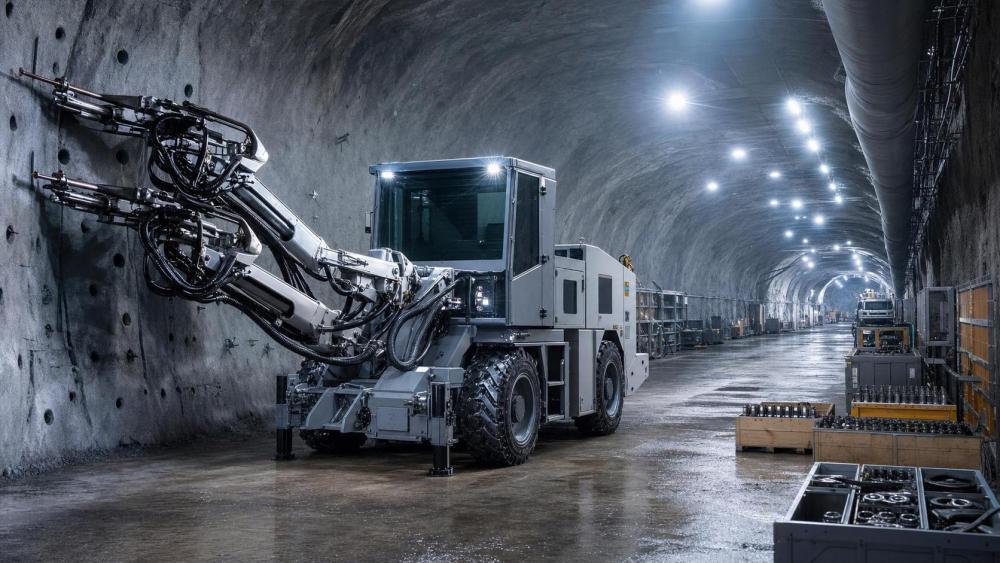
Two drill rigs may look similar on paper, yet behave very differently underground. The gap often comes from boom stability, feed accuracy, hydraulic response, control software, and the manufacturer’s ability to support the machine after commissioning.
A strong Drilling Jumbo manufacturer usually delivers repeatable hole quality, predictable maintenance intervals, and faster parts support. A weaker supplier may offer a lower entry price, but create overbreak, longer cycle times, and more unplanned downtime.
This matters in both mining and civil tunnelling. In hard rock headings, inaccurate drilling affects blasting outcomes. In mechanized project environments, poor support from a Drilling Jumbo manufacturer can disrupt the full sequence of scaling, bolting, mucking, ventilation, and haulage.
What a drilling jumbo comparison should actually cover
A useful comparison goes beyond catalog language. It should examine machine capability, operating fit, service strength, and supply chain resilience together rather than as separate boxes.
Core machine specifications
Start with the drilling envelope. Coverage area, boom reach, feed positioning, and face adaptability decide whether the machine can achieve the required pattern without awkward repositioning.
Then review rock drilling performance. Percussion power, penetration rate, hole deviation control, and drill string compatibility shape both productivity and explosive efficiency.
Carrier dimensions also matter. Underground constraints often make width, turning radius, tram speed, and gradeability as important as the drill itself.
Automation and control depth
The modern Drilling Jumbo manufacturer increasingly competes through software. Auto-positioning, drill plan import, anti-jamming logic, and remote diagnostics can reduce variability between shifts.
In operations moving toward smart mines or digital tunnel workflows, system openness becomes important. Data export, fleet connectivity, and integration with mine planning platforms can influence future value more than a small difference in horsepower.
Powertrain and environmental fit
Diesel, electric, and hybrid concepts should be assessed in relation to ventilation cost, emissions policy, and tunnel heat load. Confined spaces increasingly reward designs that reduce exhaust, noise, and thermal burden.
This trend mirrors the larger underground equipment transition tracked by UTMD, where zero-emission transport, battery systems, and automation are changing how fleets are specified across mines and mega-projects.
The support model often decides lifecycle value
Many comparisons focus heavily on machine specs and not enough on support depth. Yet aftermarket capability is often where one Drilling Jumbo manufacturer separates from another.
A credible supplier should provide commissioning expertise, operator training, maintenance planning, and clear escalation channels. Without these, even a technically capable jumbo may underperform.
Parts availability is especially critical. Rock drilling components wear fast in demanding headings, and delays on drifters, hoses, sensors, feeds, or boom parts can stop production quickly.
When comparing a Drilling Jumbo manufacturer, ask for documented support coverage, not broad promises. Service maps, parts lists, typical lead times, and installed base references are more useful than polished presentations.
Delivery reliability is now a procurement risk factor
Delivery used to be treated as a scheduling issue. It is now a strategic risk variable. Delays in chassis, hydraulic components, control systems, or imported steel assemblies can push project start dates and disrupt capital planning.
A dependable Drilling Jumbo manufacturer should explain production capacity, supply chain exposure, factory testing routines, and shipping assumptions. It is wise to compare quoted lead time against actual delivery history in similar regions.
Commissioning readiness matters too. Delivery is not complete when the machine reaches site. Underground acceptance depends on assembly, calibration, test drilling, and early operator adaptation.
Questions worth raising before award
- What is the guaranteed lead time for the exact configuration?
- Which major components are sourced from third parties?
- How long does site commissioning usually take?
- Which spare parts should arrive with the first machine?
- What delivery penalties or service credits are acceptable?
Different projects need different manufacturer strengths
Not every Drilling Jumbo manufacturer should be judged by the same priorities. The right choice depends on application, geology, workforce capability, and how the jumbo fits into the broader underground system.
Metal mining headings
Frequent movement, variable headings, and abrasive rock increase the value of robust carriers, durable rock drills, and simplified maintenance access. Parts logistics and field service become central.
Drill-and-blast civil tunnels
Here, profile control, pattern repeatability, and alignment accuracy have strong cost implications. Overbreak, underbreak, and cycle slippage quickly affect concrete use, support work, and contract performance.
ESG-sensitive and future-ready fleets
Where ventilation cost, emissions limits, or digital fleet integration matter, the preferred Drilling Jumbo manufacturer is often the one with stronger electrification options and better data architecture rather than only higher drilling power.
A practical comparison framework
A balanced evaluation helps avoid decisions based on single metrics. One practical method is to score each Drilling Jumbo manufacturer across technical fit, support readiness, delivery credibility, and lifecycle economics.
- Match boom coverage and drilling accuracy to actual face geometry.
- Check whether automation features solve a real operating issue.
- Estimate maintenance cost using wear parts and service intervals.
- Verify local support with named contacts and stocked components.
- Compare delivery risk using factory, logistics, and commissioning data.
- Review reference sites with similar rock hardness and tunnel dimensions.
This approach also aligns with how UTMD interprets underground equipment markets. The most resilient buying decisions usually come from connecting machine-level data with operational context, asset utilization goals, and the wider transition toward automated, lower-emission underground systems.
Where to focus next
The best Drilling Jumbo manufacturer is rarely the one with the most aggressive brochure claims. It is the one whose machine performance, support commitment, and delivery discipline hold up under the actual conditions of the project.
A useful next step is to narrow the shortlist using site-specific criteria: rock strength, tunnel profile, cycle targets, ventilation constraints, digital integration needs, and expected service response.
Once those criteria are clear, manufacturer comparison becomes much sharper. The conversation moves from nominal price to measurable fit, lower risk, and stronger asset performance across the full underground production chain.
Related News

How to Evaluate European Drill-and-Blast Tunnelling Contractors for Complex Projects
Drill and blast tunnelling contractors Europe: learn how to assess geology expertise, blast control, equipment reliability, safety, and programme resilience for complex projects.

Which Trenchless Construction Technique Fits Your Utility Crossing Conditions?
Trenchless construction techniques compared for utility crossings: choose HDD, microtunnelling, pipe jacking, or auger boring based on ground, accuracy, access, and risk.

What Is Driving Metro Tunnelling Demand Across Southeast Asia’s Major Cities?
Metro tunnelling Southeast Asia is accelerating as major cities tackle congestion, flooding, and connectivity. Explore the market forces, technical risks, and opportunities shaping demand.

Hard Rock Tunnelling in Australia: Selecting Methods for Variable Ground Conditions
Hard rock tunnelling in Australia: compare TBM, drill-and-blast and hybrid methods to manage variable ground, reduce risk and protect project costs.

Hydropower Tunnel Excavation: Selecting Methods for Variable Rock Conditions
Hydropower tunnel excavation methods for variable rock conditions: compare TBM, drill-and-blast, and hybrid strategies to improve safety, progress, and project control.

How to Select Underground Safety Equipment for Tunnelling by Hazard and Work Zone
Underground Safety Equipment for tunnelling: match protection to hazards, work zones, compliance, and emergency needs with this practical selection guide.

EPB or Slurry Shield? Selecting Soft-Ground Tunnelling Equipment by Soil Conditions
Tunnel Excavation Equipment for soft ground: compare EPB and slurry shields by soil, groundwater, settlement risk, and project logistics to choose confidently.
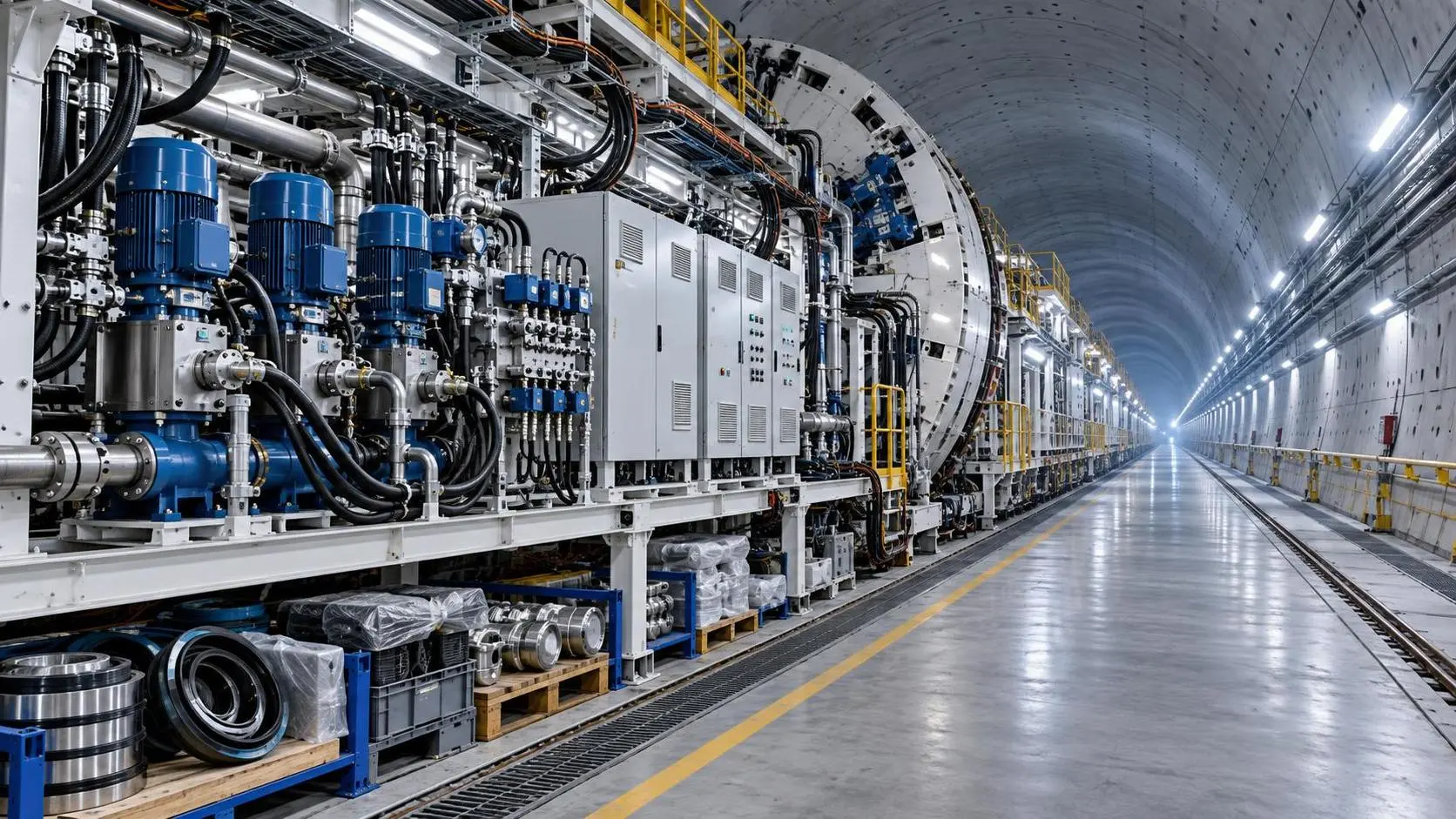
How to Specify TBM Backup System Parts for Reliable Long-Distance Tunnelling
TBM backup system parts: learn how to specify reliable spares for long-distance tunnelling, reduce downtime, ensure compatibility, and speed underground recovery.
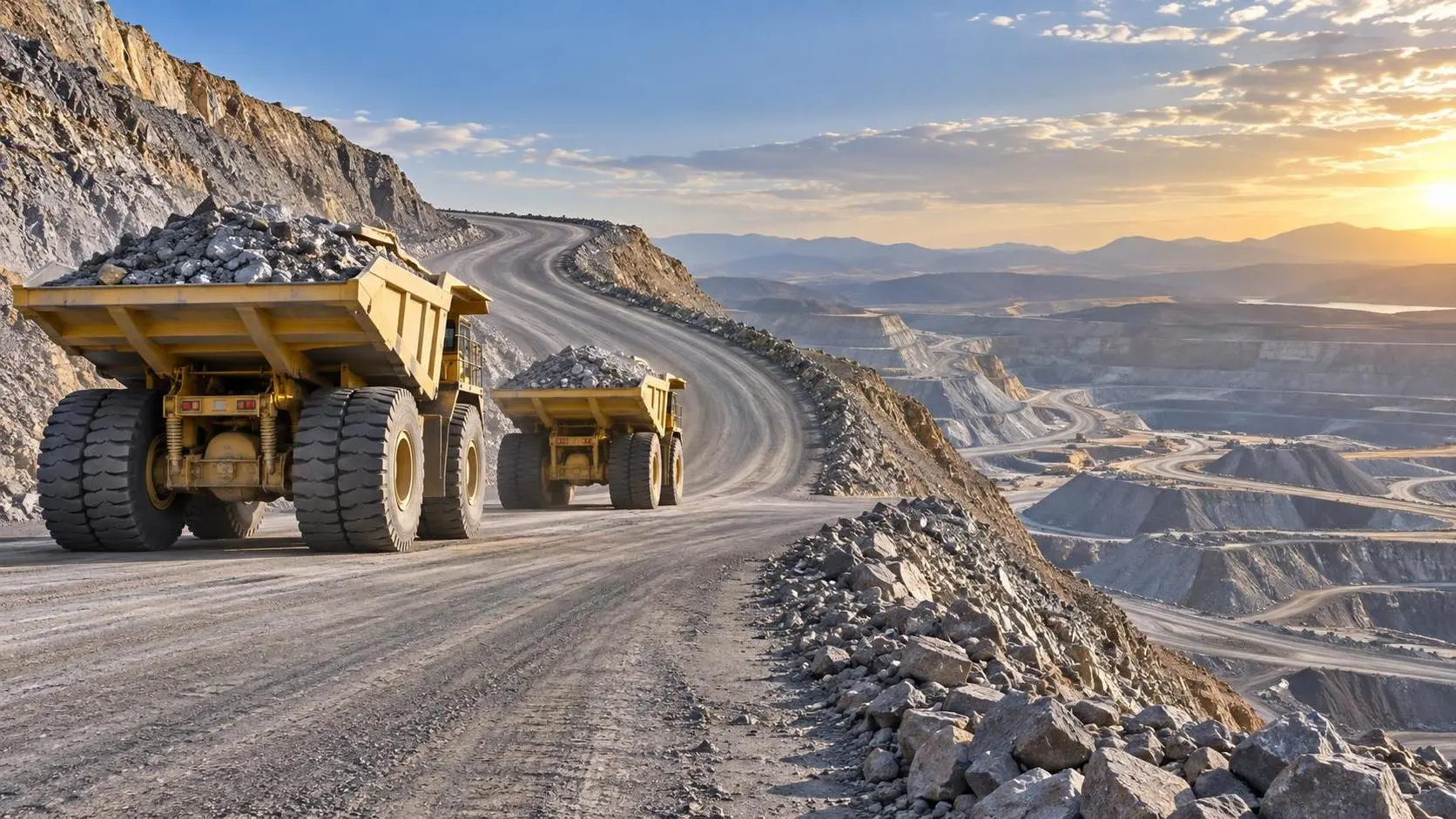
How to Size Open Pit Mining Trucks for Haul Distance, Grade, and Payload?
Open Pit Mining Trucks: learn how to match payload, haul distance, grade, road resistance, and loading capacity for safer, lower-cost mine operations.
Related News
- 00
0000-00
How to Evaluate European Drill-and-Blast Tunnelling Contractors for Complex Projects - 00
0000-00
Which Trenchless Construction Technique Fits Your Utility Crossing Conditions? - 00
0000-00
What Is Driving Metro Tunnelling Demand Across Southeast Asia’s Major Cities? - 00
0000-00
Hard Rock Tunnelling in Australia: Selecting Methods for Variable Ground Conditions - 00
0000-00
Hydropower Tunnel Excavation: Selecting Methods for Variable Rock Conditions
Weekly Insights
Stay ahead with our curated technology reports delivered every Monday.