
Selecting Hydraulic Rock Drills for Tunneling: Match Impact Energy to Rock Conditions





For tunnelling teams evaluating hydraulic rock drills, impact energy should be treated as a rock-matching variable, not as a headline performance number. A drill with higher impact energy can improve penetration in competent, hard rock, but it can also accelerate bit wear, increase vibration, and reduce hole quality when the face is heavily fractured or the drilling pattern demands tight control. The best selection is the one that delivers repeatable holes at the required diameter, depth, and alignment throughout the planned drill-and-blast cycle.
That assessment starts with the rock mass, not the drill catalogue. Uniaxial compressive strength matters, but it is only one part of the decision. Abrasiveness, joint spacing, water inflow, fault zones, tunnel geometry, and the intended support pattern all influence whether a high-energy drifter will create productive advance or simply transfer more stress into consumables and the boom system.
Start with the drilling task, then define the energy range
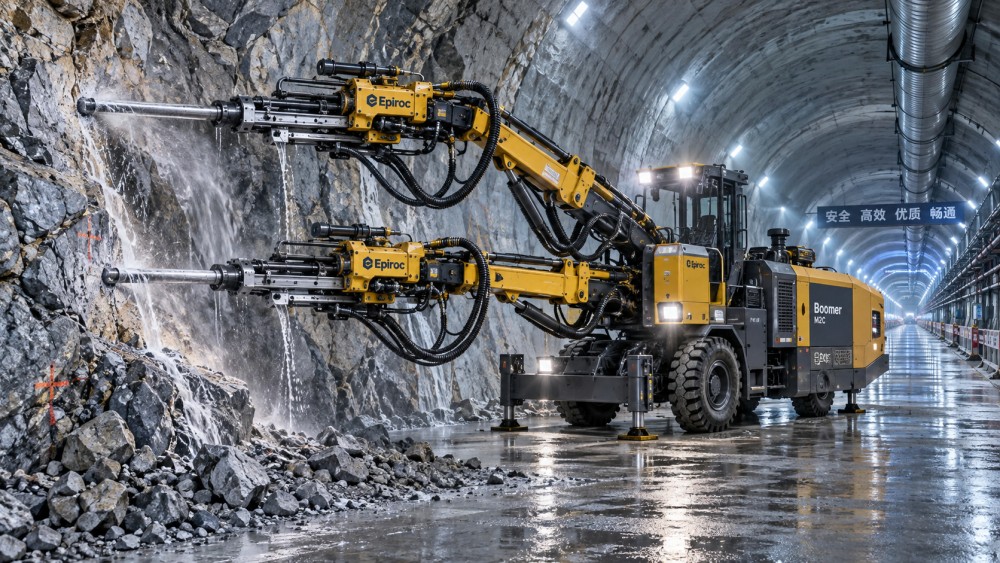
Hydraulic rock drills for tunneling typically serve several distinct jobs at the face: cut holes, stoping holes, perimeter holes, lifter holes, probe holes, and rock-bolt holes. Treating these as one drilling requirement often leads to an oversized or poorly balanced specification.
Production holes in hard, massive rock generally benefit from sufficient impact energy to maintain penetration without excessive dwell time at the collar. In this condition, the rock can accept a stronger impact pulse and transfer that energy into effective breakage. However, the drifter also needs an appropriate blow frequency and rotation system. High impact energy with inadequate rotation may repeatedly strike the same crushed area, reducing drilling efficiency and producing excess heat at the bit.
Perimeter drilling imposes a different discipline. Smooth blasting and controlled contour excavation depend on accurate collaring, straight holes, stable spacing, and limited overbreak. A drifter selected only for maximum energy may be poorly suited to this work if its control system, feed response, or boom rigidity cannot maintain the specified alignment. The economic penalty is not limited to extra explosive consumption. Overbreak can increase scaling, shotcrete, rock-bolt demand, mucking time, and downstream lining work.
Rock-bolt and support drilling also deserves separate treatment. The required hole quality may be more important than peak penetration, particularly where resin or grout performance depends on hole geometry and cleaning. A machine configured around fast long-hole production can be inefficient if it repeatedly changes between drilling modes, rod systems, and feed settings to complete short support holes.
A practical evaluation should therefore define each hole class before comparing drifters:
- Required hole diameter, depth, and tolerance.
- Expected rock strength and abrasiveness by chainage or mining horizon.
- Whether the hole is intended for blasting, probing, drainage, or support.
- Acceptable deviation at depth and consequences of deviation.
- Required advance per round and the available drill time in the cycle.
- Expected frequency of transitions between production and support drilling.
Hard rock does not automatically justify the highest impact energy
It is tempting to link hard rock directly to the largest available drifter. That shortcut overlooks how the rock mass fails. Strong, intact granite-like material often requires a robust impact system and durable tooling because energy must create new fractures in a relatively competent matrix. Yet a hard rock mass with frequent joints, altered seams, or variable confinement may react very differently. The bit can break through discontinuities abruptly, the rod string may experience unstable loading, and hole deviation can rise even where compressive strength remains high.
In fractured ground, controllability becomes as important as breaking power. Excessive feed force can force the bit into open joints or allow the drill steel to bend under irregular contact. Excessive impact energy can damage gauge buttons, shorten shank-adapter life, and worsen hole-wall condition. Operators may compensate by reducing pressure or slowing feed, leaving a premium high-energy unit operating below its intended range.
The selection question is therefore not “How much energy can the drill produce?” It is “At what energy, frequency, and feed setting can the drill maintain stable contact in the rock conditions likely to govern the cycle?” Suppliers should be asked to demonstrate the operating window, not merely the maximum output.
Mixed faces deserve particular caution. A tunnel can pass from competent rock into sheared or weathered zones within a relatively short distance, and the transition is often more disruptive than either end condition. A drifter with adjustable impact settings, responsive feed control, and usable operator presets may produce better cycle consistency than a machine designed around one narrow peak-performance condition.
Evaluate impact energy together with frequency, rotation, and feed
Impact energy is only one component of rock-drilling performance. The energy delivered by each blow, the number of blows per minute, rotational torque and speed, and feed force form a working system. A mismatch in any one of these elements can reduce penetration and consume tools without producing better footage.
For technical evaluators, this changes how performance claims should be read. Penetration rate from a demonstration may be meaningful only if the test rock, hole diameter, rod length, flushing arrangement, bit design, and operator settings resemble the intended tunnel. A fast result in a short, dry, homogeneous test hole does not establish performance in long rounds with variable geology, water, and strict contour requirements.
It is also important to consider the complete boom-and-carrier arrangement. A capable drifter cannot maintain hole accuracy if boom stiffness, positioning sensors, feed-beam alignment, or automatic anti-jamming functions are inadequate. In tunnel applications, poor positioning is often revealed later through uneven pull, poor blast fragmentation, or perimeter damage rather than at the instant of drilling.
Tooling and drill steel determine whether the specification works underground
Drifter selection should not be separated from the consumable strategy. The chosen impact range must be compatible with available shank adapters, rods, couplings, bits, and regrinding practices. A unit that reaches high penetration only with a narrow tooling configuration may introduce procurement exposure or leave the project vulnerable when ground conditions demand a different bit profile.
Abrasive rock is especially unforgiving. Higher energy can raise penetration initially, yet faster gauge loss may gradually reduce hole diameter and alter burden, spacing, or charging conditions. The resulting decline may be mistaken for a hydraulic problem unless wear is tracked by bit type, metres drilled, rock domain, and hole function. A reliable evaluation method looks at cost per usable metre drilled, not simply metres achieved before a component is discarded.
Flushing deserves the same attention. Water or air flushing must remove cuttings effectively while fitting the site’s water-management and ventilation constraints. Inadequate hole cleaning can cause regrinding, lower penetration, overheating, and inconsistent hole depth. Where water-bearing ground or drainage requirements are material, the selected system should also be assessed for how easily crews can identify blocked holes, leaking connections, and degraded flushing performance.
Measure cycle value, not only drilling speed
The most useful comparison is the effect of the drill package on the full round. Faster drilling has limited value if it produces poorer contour control, more frequent bit changes, difficult charging, or a blast pattern that creates oversized muck and additional scaling. Conversely, a slightly lower peak penetration rate may improve overall advance if it delivers straighter holes, more predictable breakout, and less interruption between drilling and support activities.
Evaluation criteria should link the equipment to the planned operating cycle:
- Metres drilled per hour by hole type, with setup and repositioning included.
- Hole deviation at the required depth, particularly for perimeter and long blast holes.
- Bit, rod, shank-adapter, and coupling consumption by rock domain.
- Frequency and duration of jams, re-collaring, rod changes, and manual interventions.
- Impact of hole quality on charging, fragmentation, scaling, and initial support.
- Maintenance access for the drifter, feed system, hoses, and lubrication points in the available tunnel profile.
This approach also prevents an expensive mismatch between machine size and site logistics. A larger, more powerful jumbo may offer greater drilling capacity, but constrained headings, limited turning space, ventilation restrictions, or a small blasting crew can prevent that capacity from translating into more advance. The right equipment needs to fit both the rock and the production system around it.
Build the specification around adjustment and verification
For tunnels with well-characterised, uniform hard rock, a narrower specification can be justified: choose a drifter whose impact energy and tooling package are proven for the planned hole diameter and round length, then focus on reliability and serviceability. Where geology is variable, the specification should place more weight on controllable operating modes, feed adaptation, drilling data capture, and the ability to tune settings by hole type.
Before final selection, technical teams should request a documented drilling matrix that maps proposed impact pressure, frequency, rotation, feed, and flushing settings to the expected rock domains and hole classes. It should identify the normal operating range, the reduced-energy approach for fractured zones and contour holes, tooling recommendations, and the indicators that tell the crew when settings need adjustment.
That document is more valuable than a single maximum penetration figure. It turns the hydraulic drill from a nominal component on a jumbo specification into an operating system that can be checked against geology, blast design, support requirements, and cost per completed round. For tunnelling work, that is where matching impact energy to rock conditions becomes a defensible equipment decision.
Related News
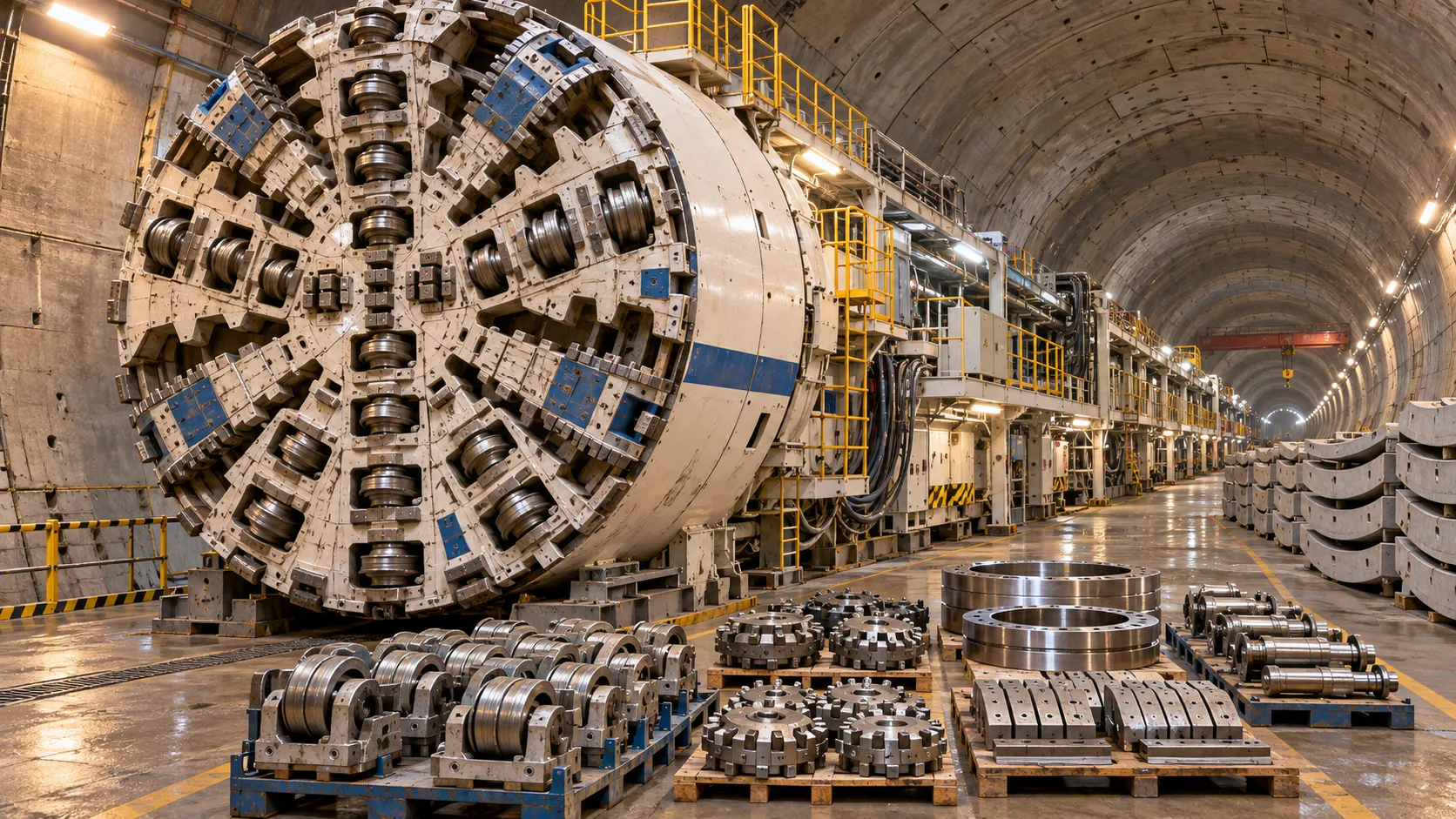
China's TBM Export Controls Prompt Infrastructure Concerns in India
China's TBM export controls could affect infrastructure projects in India. Explore potential supply risks and practical procurement steps.
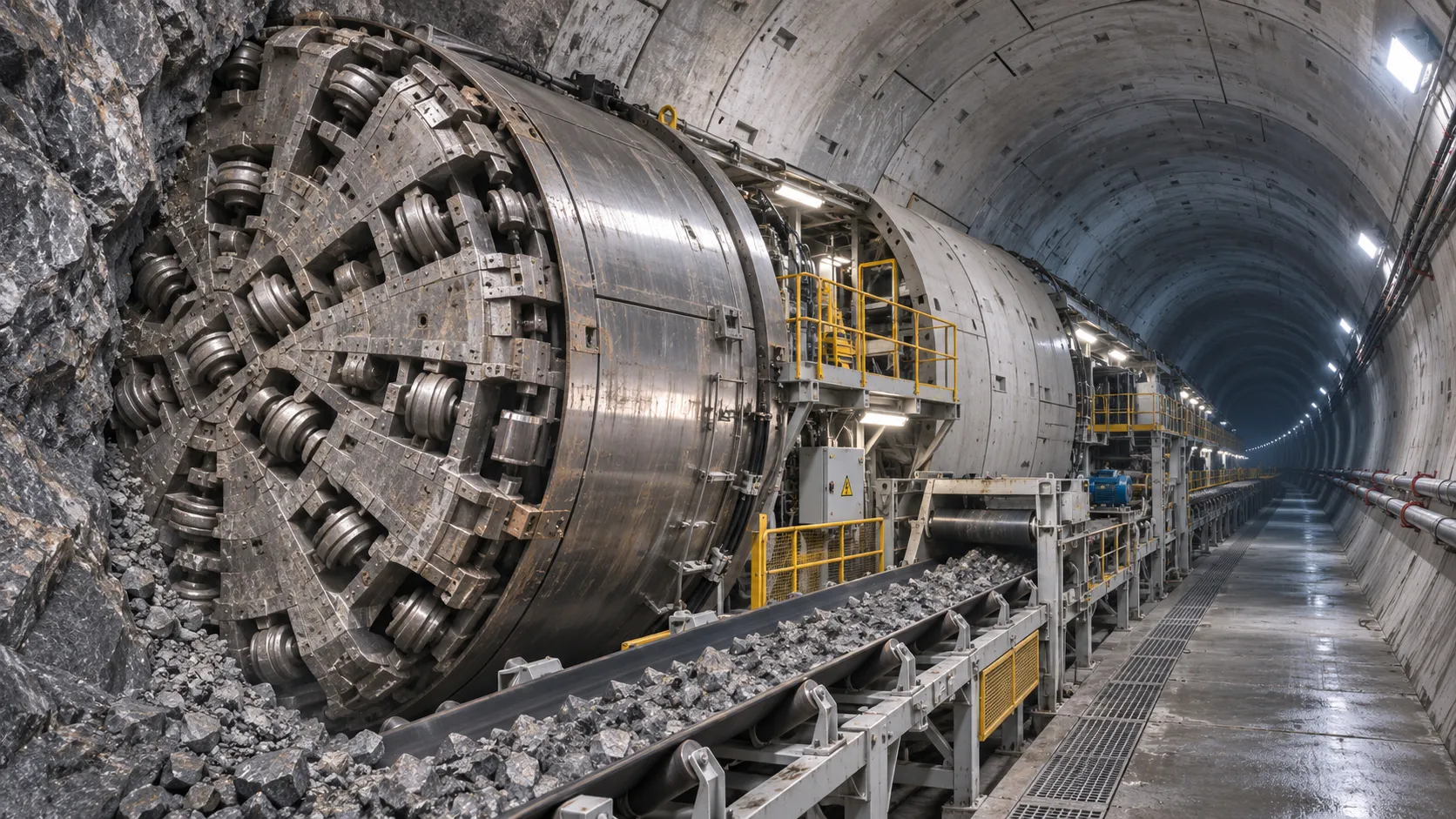
How TBM Excavation Works in Rock and Soft Ground: A Practical Guide
TBM Excavation in rock and soft ground explained: compare machine types, ground support, spoil removal, and the factors that guide smarter project planning.
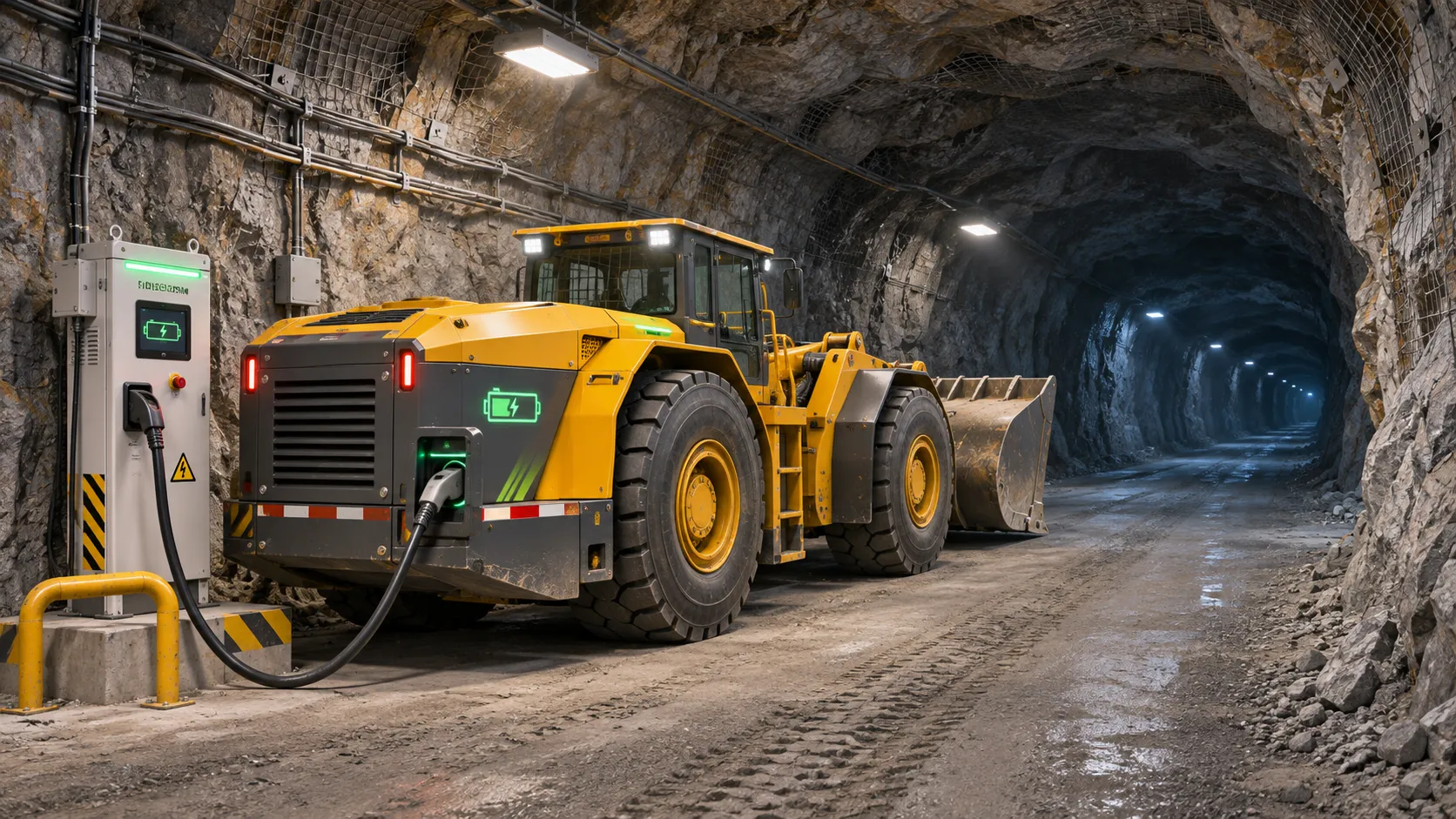
Choosing a Zero-Emission Underground Equipment Supplier: What to Check
Choosing a zero emission underground equipment supplier? Compare duty-cycle performance, charging, safety, total costs and support before you commit.
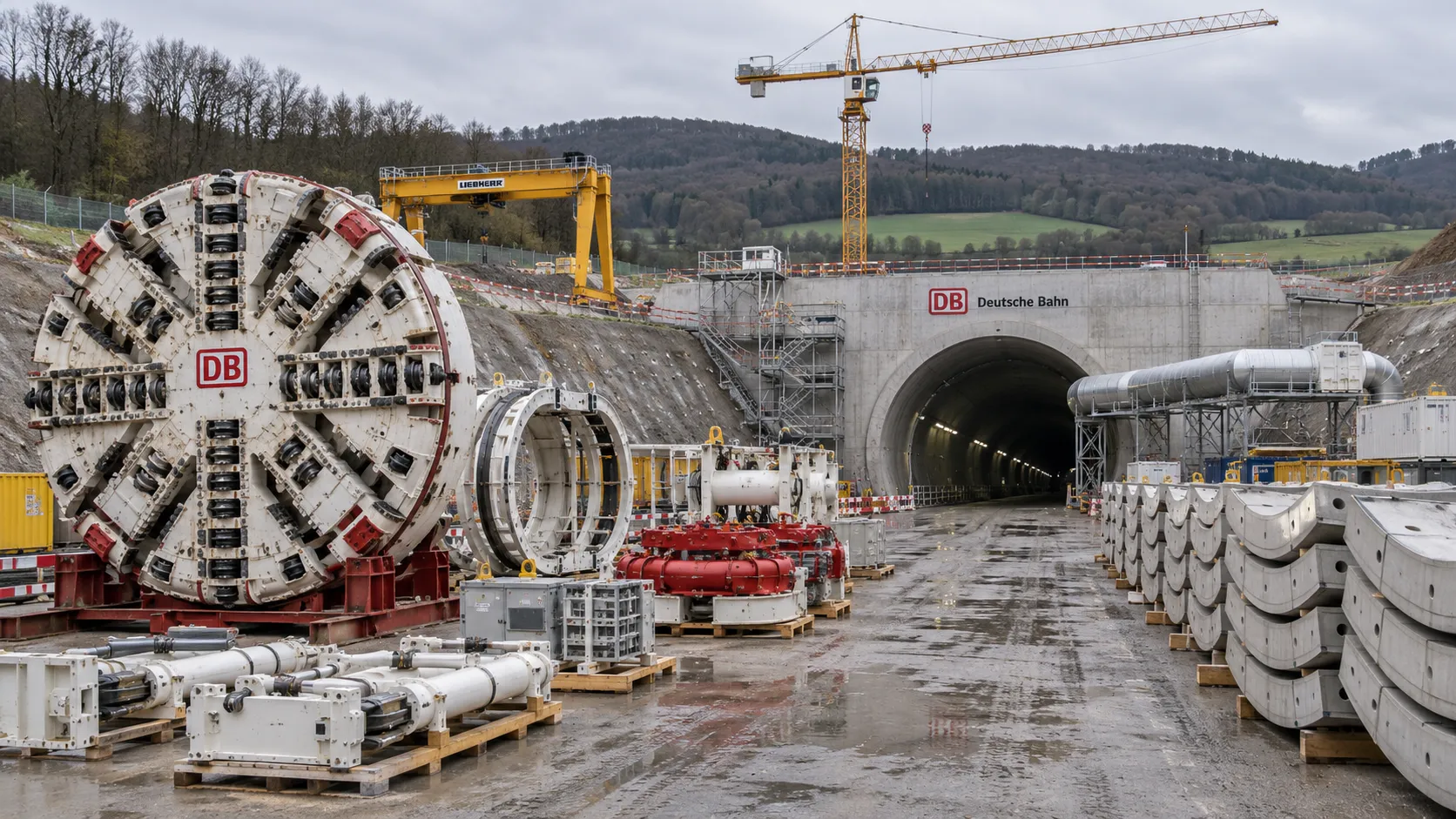
Construction Starts on Germany's Pfaffensteig Rail Tunnel, With Two TBMs Planned
Pfaffensteig rail tunnel construction is underway in Germany. Discover how two planned TBMs will support the 11-kilometre project near Stuttgart.
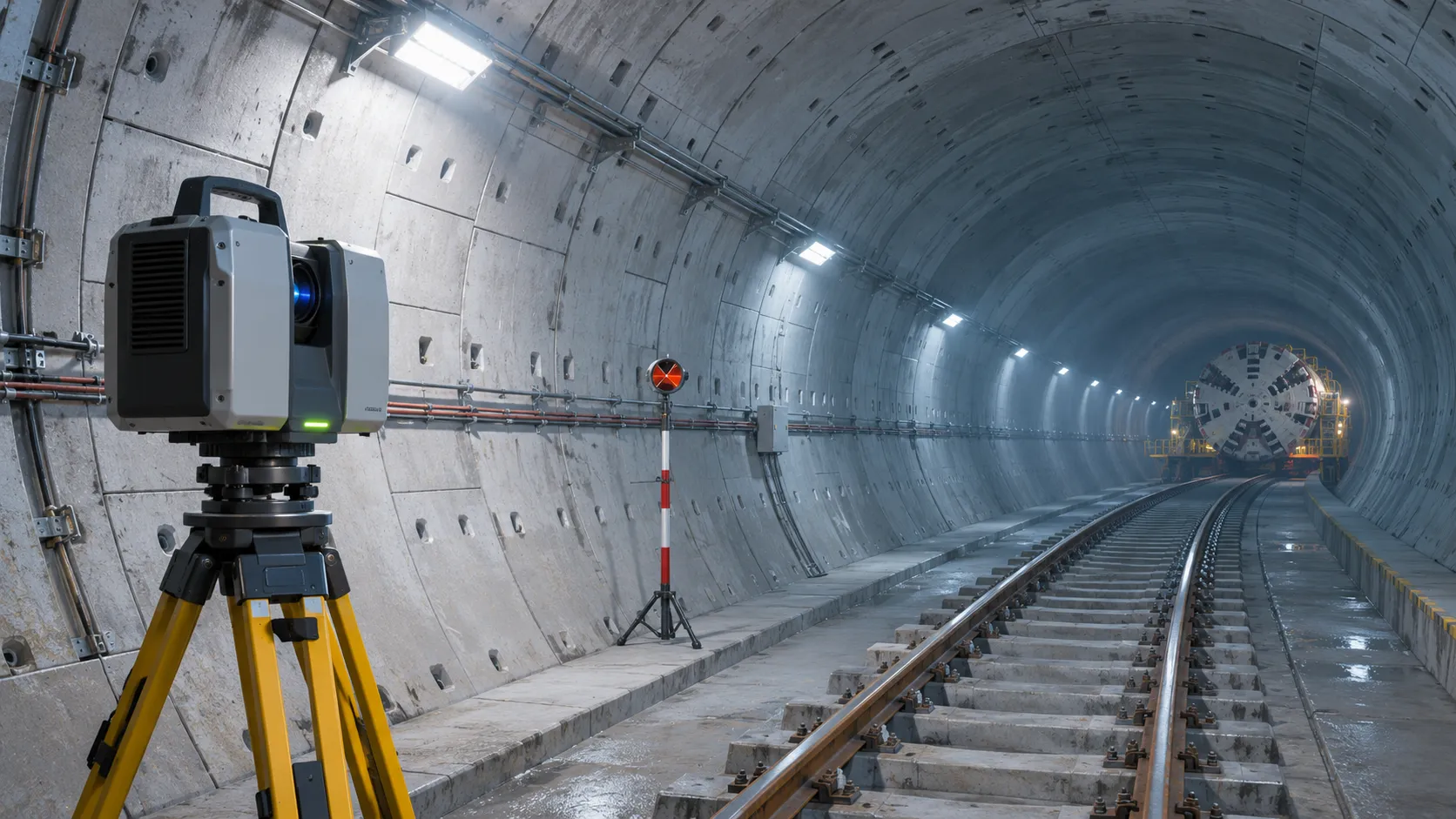
How Real-Time Underground Mapping Systems Work in Tunneling
Discover how real-time underground mapping systems guide tunneling teams, integrate sensor data, and support confident decisions with verified accuracy.
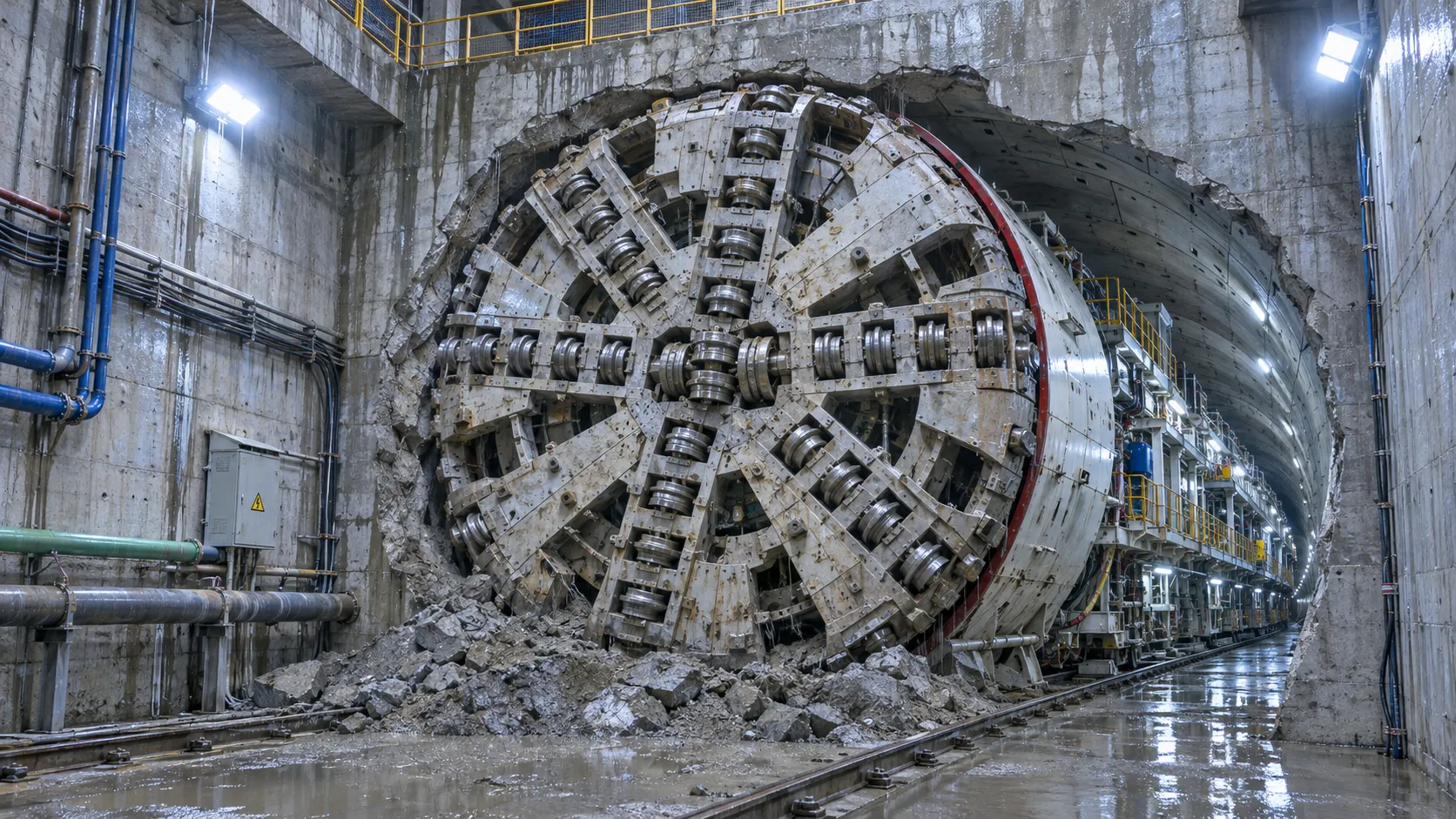
First Mechanized Tunnel Crossing Beneath the Panama Canal Completed
Panama Canal tunnel crossing: Explore the reported Metro Line 3 milestone and what it could mean for future underwater tunneling projects.
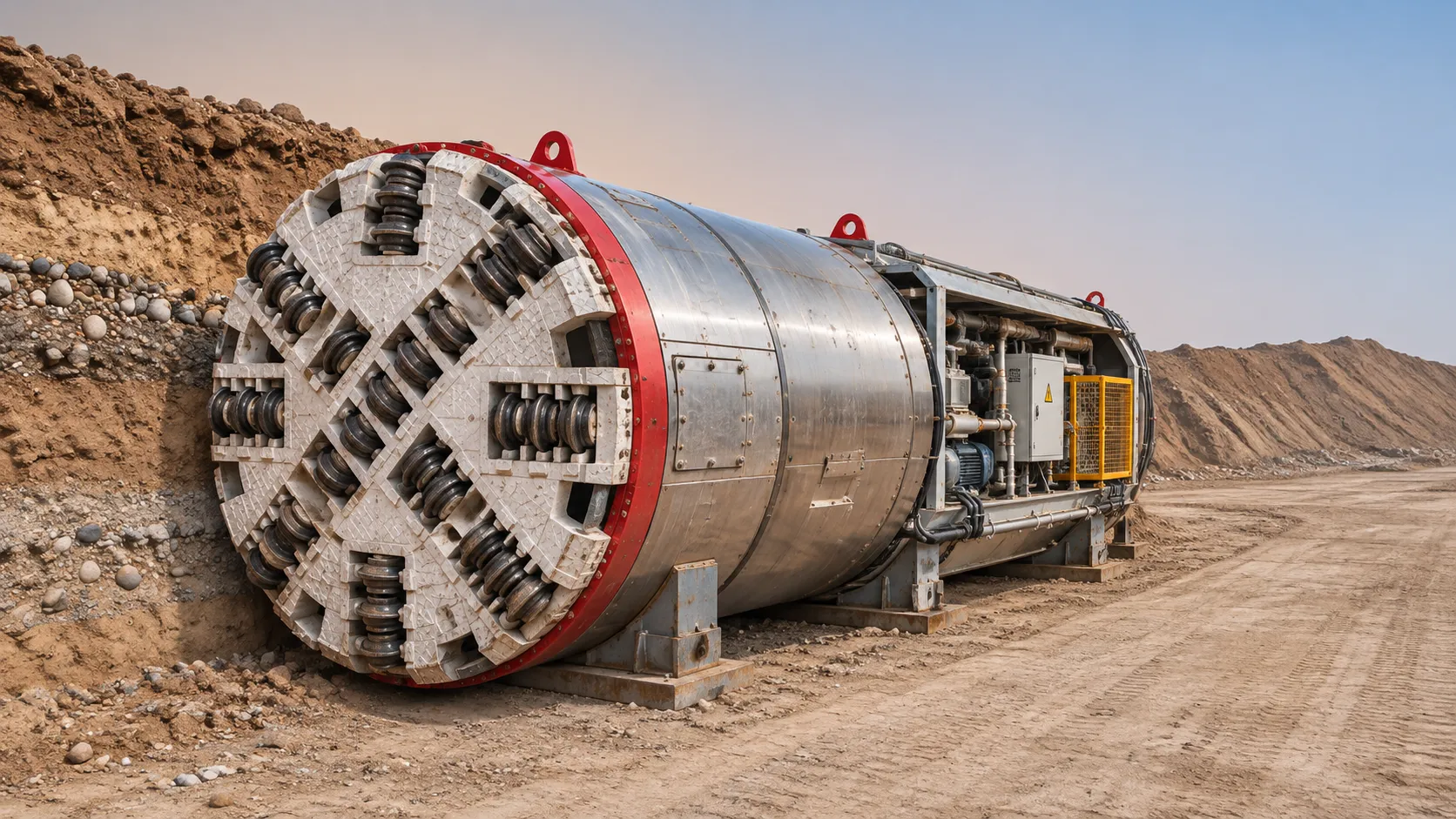
Underground Utility Construction Equipment: Choosing by Ground Conditions
Choose underground utility construction equipment with confidence. Compare trenching, HDD, microtunnelling and TBMs by ground conditions, risk and cost.
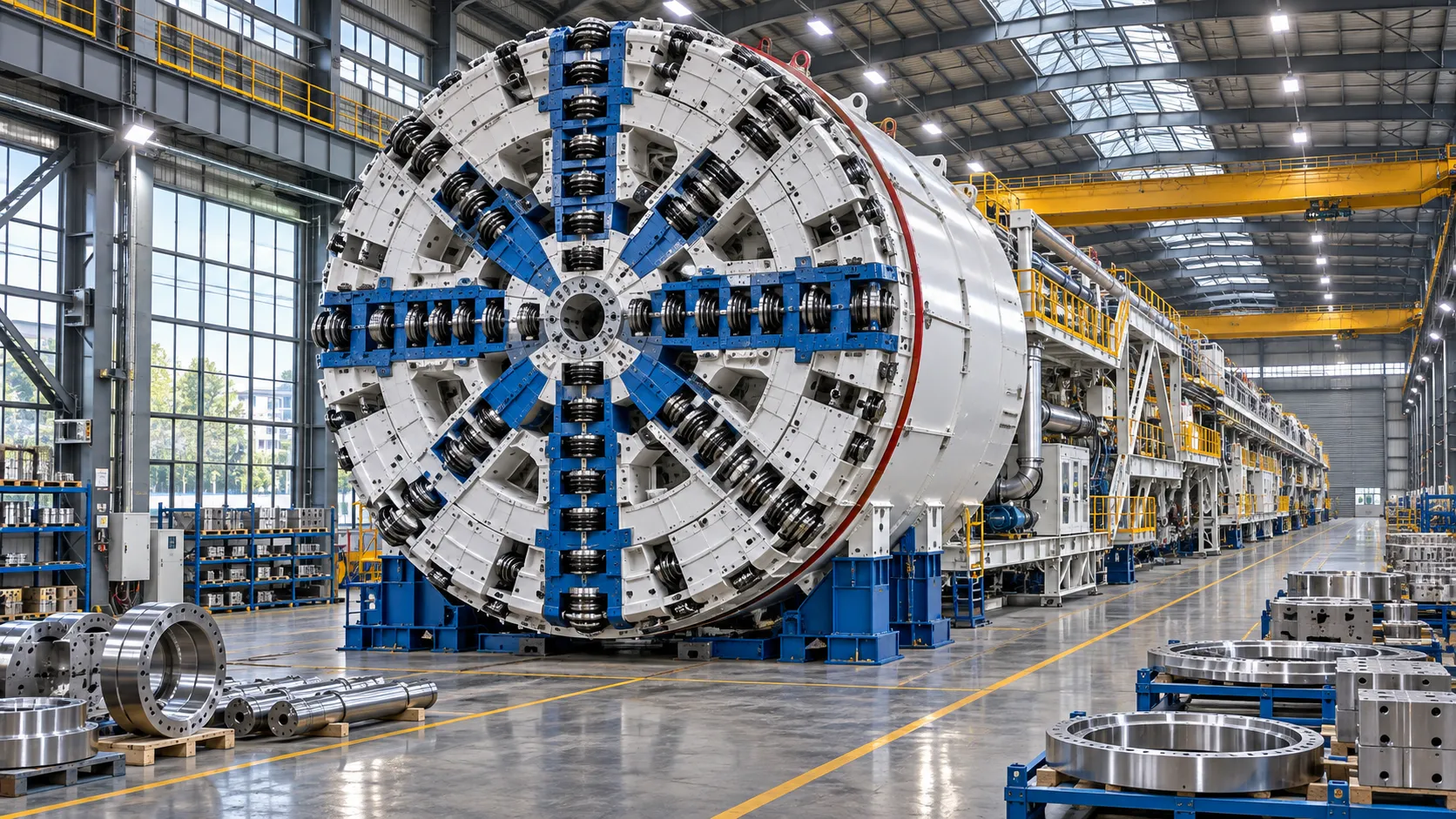
China Sets Tunnel Boring Machine Export Controls as India Pushes Local Production
China tunnel boring machine export controls could reshape procurement as India pushes local production. Explore potential supply and project impacts.
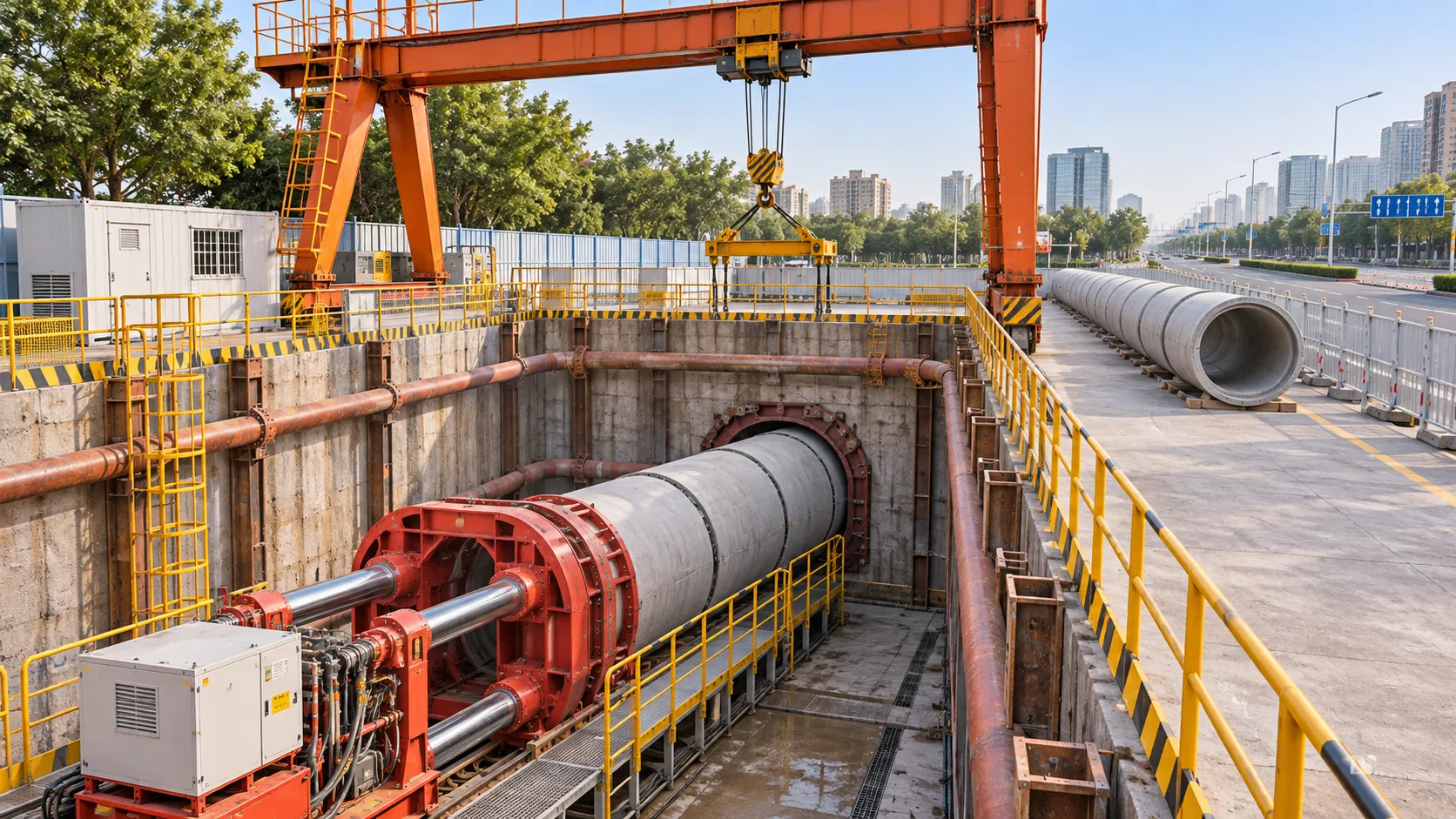
Choosing a Trenchless Pipeline Installation Contractor: Key Qualifications
Choose a trenchless pipeline installation contractor with confidence. Learn how to assess experience, equipment, safety, costs, and project risks before you hire.
Related News
- 00
0000-00
China's TBM Export Controls Prompt Infrastructure Concerns in India - 00
0000-00
How TBM Excavation Works in Rock and Soft Ground: A Practical Guide - 00
0000-00
Choosing a Zero-Emission Underground Equipment Supplier: What to Check - 00
0000-00
Construction Starts on Germany's Pfaffensteig Rail Tunnel, With Two TBMs Planned - 00
0000-00
How Real-Time Underground Mapping Systems Work in Tunneling
Weekly Insights
Stay ahead with our curated technology reports delivered every Monday.