
Indonesia Tightens Import Rule for Hydraulic Rock Drills





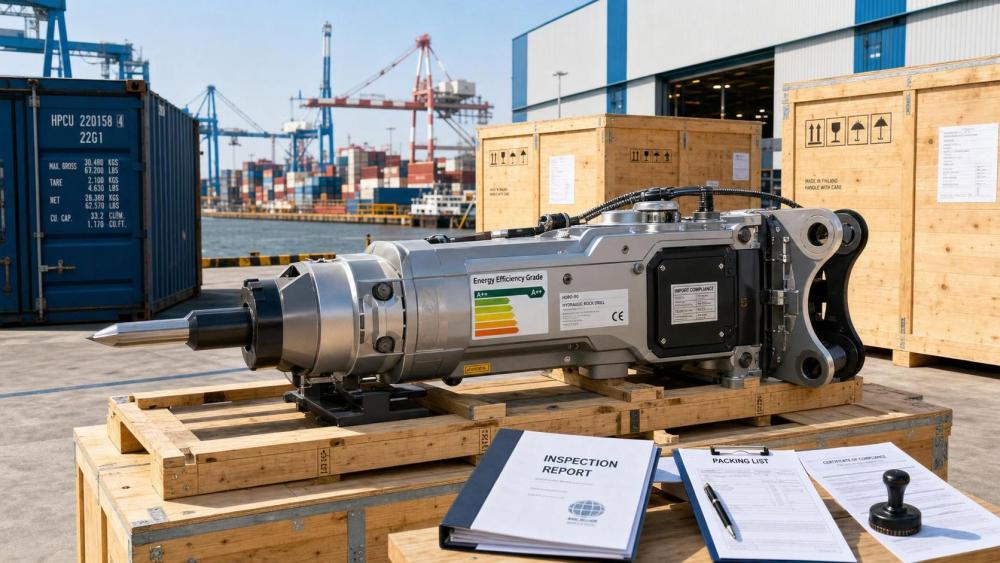
On July 10, 2026, Indonesia’s Ministry of Energy and Mineral Resources introduced an urgent change to the mining equipment import list that directly affects imported Hydraulic Rock Drills. From September 1, 2026, these products must carry a Grade 3 energy-efficiency label under SNI IEC 62841-3-2:2026, and non-compliant equipment will face a punitive tariff equal to 20% of cargo value. For manufacturers, importers, procurement teams, and certification-related service providers, this is worth close attention because it links market access, labeling, and trade cost to a clearly dated compliance requirement.
What the New Notice Formally Requires
According to Notice No. 112/MEM/2026 issued by Indonesia’s Ministry of Energy and Mineral Resources on July 10, 2026, all imported Hydraulic Rock Drills must bear a Grade 3 energy-efficiency label under SNI IEC 62841-3-2:2026 starting on September 1, 2026.
The notice states that equipment failing to meet this requirement will be subject to a punitive tariff of 20% of cargo value.
The standard is described in the provided information as an equivalent adoption of China’s GB/T 38292-2025. The same information also states that Chinese manufacturers may apply for SNI mutual recognition on the basis of domestic energy-efficiency test reports.
Where the Pressure Will Appear First in the Supply Chain
Import transactions now depend more directly on labeling readiness
From an industry perspective, importers and trading companies are likely to be affected first because the new requirement is tied to product entry conditions and tariff exposure. The practical issue is no longer only whether a Hydraulic Rock Drill can be shipped, but whether it arrives with the required SNI IEC 62841-3-2:2026 Grade 3 energy label in place before the September 1 deadline.
What deserves closer attention is the alignment between shipment preparation, import documentation, and product labeling status. Any mismatch between the declared product, its technical file, and the applied label could become a compliance risk in the import process.
Manufacturers must connect testing, certification, and shipment timing
For manufacturers, especially those supplying the Indonesian market, the rule change shifts part of the commercial risk into pre-shipment compliance work. Analysis shows that product testing records, technical specifications, and label preparation will matter not only for certification purposes but also for delivery planning and customer acceptance.
The mutual-recognition path mentioned for Chinese manufacturers may reduce part of the certification burden, but it also means producers need to check whether their domestic energy-efficiency reports are complete and suitable for SNI recognition procedures. This is a compliance and scheduling issue rather than a purely technical one.
Procurement and project delivery teams may need to recheck specifications
Buyers, project procurement teams, and supply chain coordinators may also feel the impact because the new rule can affect supplier selection, delivery timing, and acceptance conditions. Observably, if purchase orders, bid specifications, or delivery documents do not reflect the new labeling requirement, procurement plans may face avoidable disruption close to shipment or customs stages.
For this group, the main concern is whether existing sourcing arrangements for Hydraulic Rock Drills still match the updated import conditions in Indonesia.
Testing and certification support functions move closer to the transaction front end
Certification-related companies and testing service providers are also likely to see a more immediate role in trade execution. Analysis shows that once labeling becomes a mandatory import condition with a dated enforcement point and tariff consequences, conformity assessment work is pulled forward into the early stages of order confirmation and export preparation.
This means supporting documents, report validity, and recognition pathways may become more commercially sensitive than before.
What Companies Should Check Now
Review whether current products can support the required label
Companies dealing in Hydraulic Rock Drills should first verify whether the relevant product models can support the SNI IEC 62841-3-2:2026 Grade 3 energy-efficiency labeling requirement described in the notice. Where the provided information does not specify detailed implementation criteria, it is more appropriate to treat this as a document and compliance review task that still needs close follow-up.
Check the usability of test reports for SNI mutual recognition
For Chinese manufacturers, the reference to SNI mutual recognition based on domestic energy-efficiency test reports deserves immediate attention. Companies should focus on whether existing reports under GB/T 38292-2025 are complete, current, and suitable for the recognition process mentioned in the notice summary. At this stage, the key point is not to assume automatic acceptance, but to prepare for a structured review of report applicability.
Revisit order timing before the September 1 enforcement date
Exporters, distributors, and buyers should review shipment schedules and order cutoffs against the September 1, 2026 effective date. Analysis shows that the closer a shipment falls to that date, the more important it becomes to confirm labeling status, supporting documents, and any certification-related prerequisites before dispatch.
Update commercial and technical paperwork
What deserves closer attention is the consistency of technical files, product descriptions, procurement specifications, and delivery documentation. If the market begins treating the label as a practical entry requirement, then discrepancies across these materials may become a source of delay, dispute, or added cost exposure.
How This Change Should Be Read at This Stage
Observably, this development is more than a broad policy signal because it includes a named notice, a defined product category, a specific standard, an effective date, and a tariff consequence for non-compliance. That makes it more appropriate to understand the change as a rule with operational impact rather than as a general direction of travel.
At the same time, analysis shows that some parts of market execution still require observation. The provided information does not set out fuller procedural details on documentation review, labeling verification steps, or how SNI mutual recognition will be applied in practice. For that reason, companies should treat the notice as an actionable compliance signal while continuing to monitor the implementing approach.
Why the Market Will Keep Watching This Rule
In practical terms, this notice matters because it places labeling compliance, energy-efficiency assessment, and tariff exposure into the same decision chain for imported Hydraulic Rock Drills entering Indonesia. The immediate takeaway is not that outcomes are already settled across every transaction scenario, but that affected businesses now have a defined compliance point they cannot ignore.
Current observation suggests this is best understood as a landed rule with near-term execution implications, while the finer points of certification handling, document acceptance, and market response still need to be watched carefully.
Basis of This Article and What Still Needs Verification
This article is based on the user-provided news title, event date, and event summary. For events of this type, relevant source categories typically include official ministry notices, regulator publications, customs or trade authority information, industry association updates, standardization documents, and reporting by authoritative industry media.
No specific official source link was provided in the input, so the exact official publication path still requires follow-up verification. It remains necessary to continue checking later details such as implementing guidance, certification interpretation, bid document changes, industry feedback, and how affected companies carry out compliance in practice.
Related News
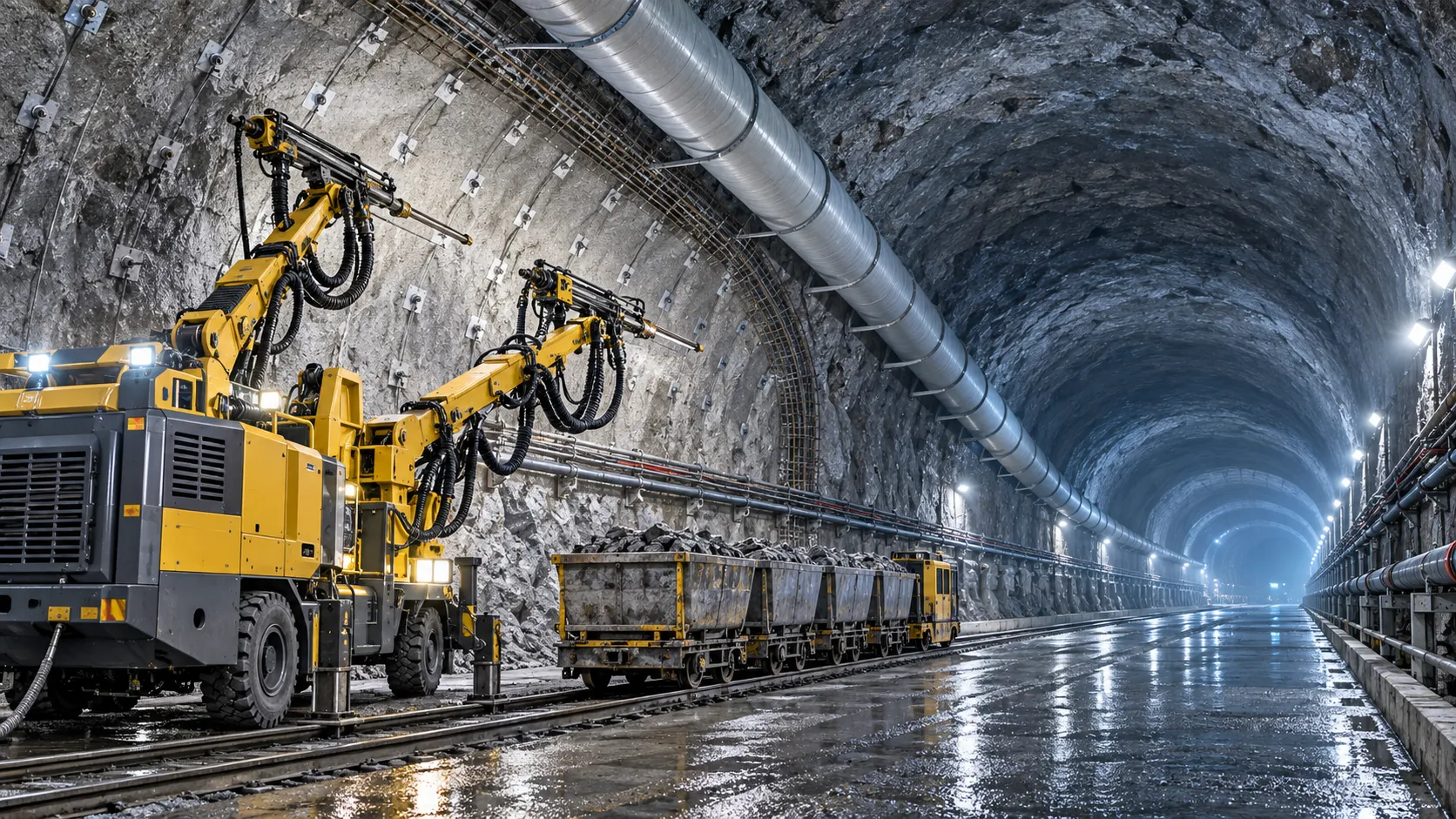
How to Evaluate European Drill-and-Blast Tunnelling Contractors for Complex Projects
Drill and blast tunnelling contractors Europe: learn how to assess geology expertise, blast control, equipment reliability, safety, and programme resilience for complex projects.
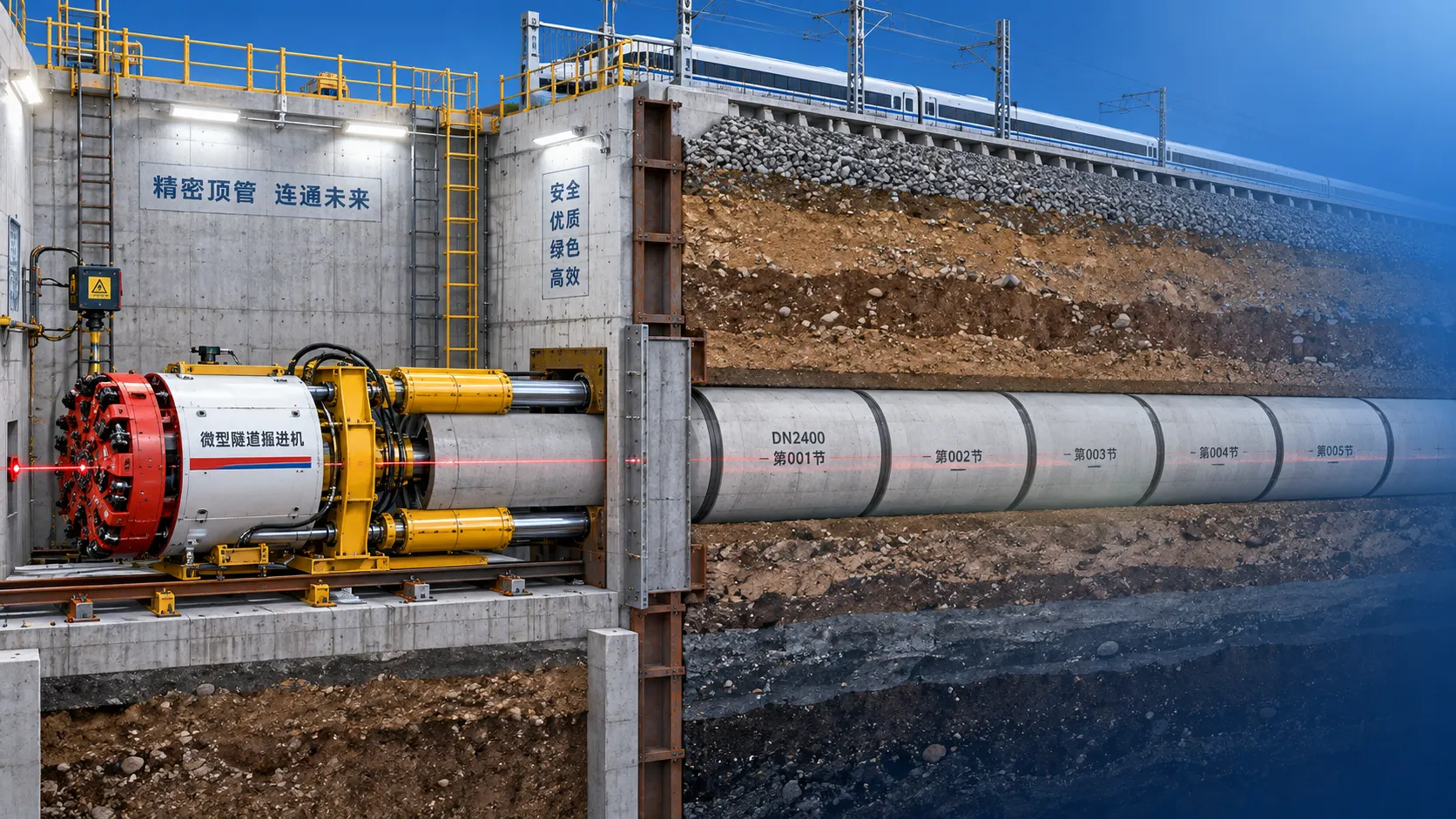
Which Trenchless Construction Technique Fits Your Utility Crossing Conditions?
Trenchless construction techniques compared for utility crossings: choose HDD, microtunnelling, pipe jacking, or auger boring based on ground, accuracy, access, and risk.
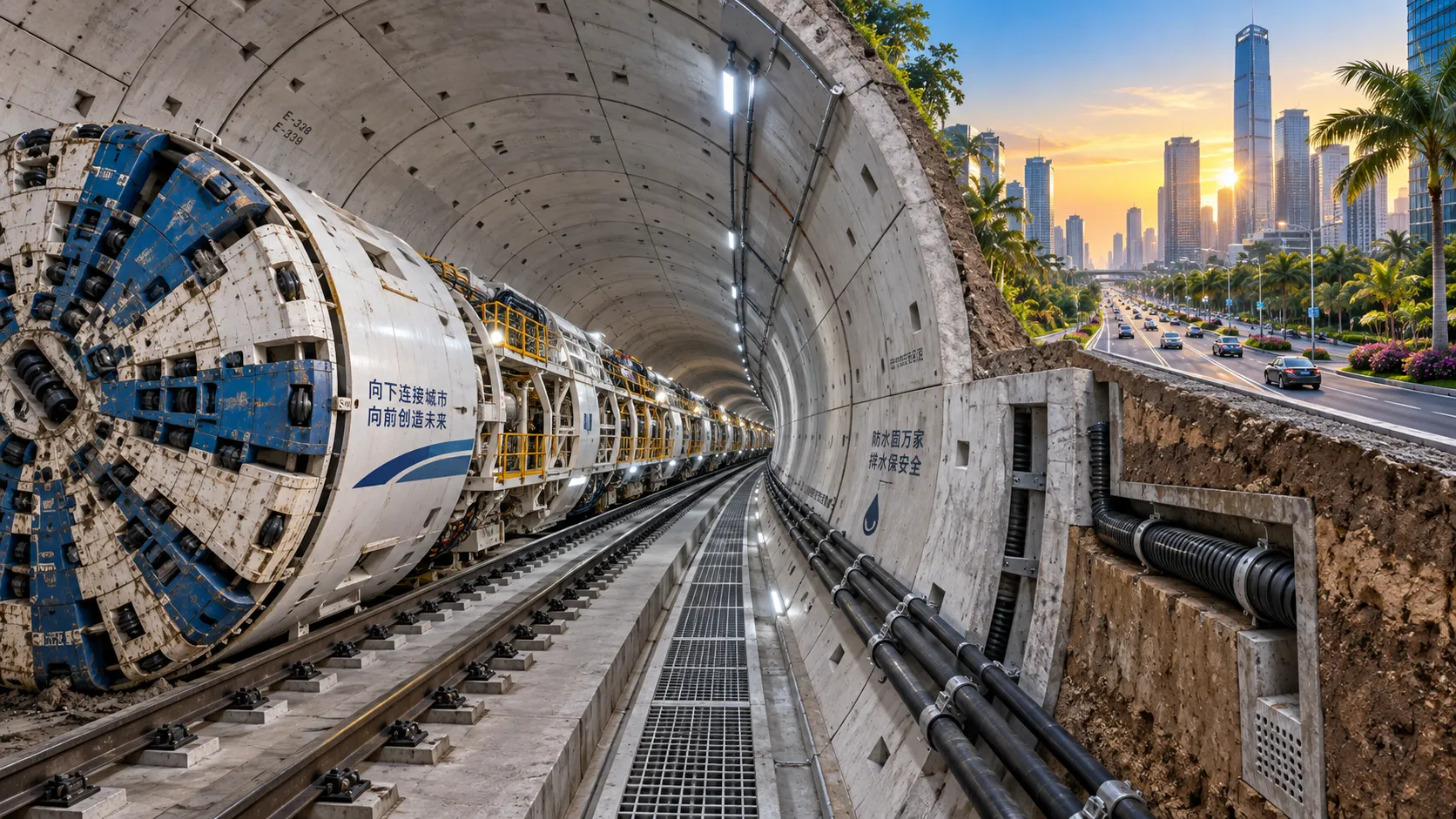
What Is Driving Metro Tunnelling Demand Across Southeast Asia’s Major Cities?
Metro tunnelling Southeast Asia is accelerating as major cities tackle congestion, flooding, and connectivity. Explore the market forces, technical risks, and opportunities shaping demand.
Hard Rock Tunnelling in Australia: Selecting Methods for Variable Ground Conditions
Hard rock tunnelling in Australia: compare TBM, drill-and-blast and hybrid methods to manage variable ground, reduce risk and protect project costs.
Hydropower Tunnel Excavation: Selecting Methods for Variable Rock Conditions
Hydropower tunnel excavation methods for variable rock conditions: compare TBM, drill-and-blast, and hybrid strategies to improve safety, progress, and project control.
How to Select Underground Safety Equipment for Tunnelling by Hazard and Work Zone
Underground Safety Equipment for tunnelling: match protection to hazards, work zones, compliance, and emergency needs with this practical selection guide.
EPB or Slurry Shield? Selecting Soft-Ground Tunnelling Equipment by Soil Conditions
Tunnel Excavation Equipment for soft ground: compare EPB and slurry shields by soil, groundwater, settlement risk, and project logistics to choose confidently.

How to Specify TBM Backup System Parts for Reliable Long-Distance Tunnelling
TBM backup system parts: learn how to specify reliable spares for long-distance tunnelling, reduce downtime, ensure compatibility, and speed underground recovery.

How to Size Open Pit Mining Trucks for Haul Distance, Grade, and Payload?
Open Pit Mining Trucks: learn how to match payload, haul distance, grade, road resistance, and loading capacity for safer, lower-cost mine operations.
Related News
- 00
0000-00
How to Evaluate European Drill-and-Blast Tunnelling Contractors for Complex Projects - 00
0000-00
Which Trenchless Construction Technique Fits Your Utility Crossing Conditions? - 00
0000-00
What Is Driving Metro Tunnelling Demand Across Southeast Asia’s Major Cities? - 00
0000-00
Hard Rock Tunnelling in Australia: Selecting Methods for Variable Ground Conditions - 00
0000-00
Hydropower Tunnel Excavation: Selecting Methods for Variable Rock Conditions
Weekly Insights
Stay ahead with our curated technology reports delivered every Monday.