
G7 Paris Pact Tightens Export Controls on TBM Hard-Rock Cutters





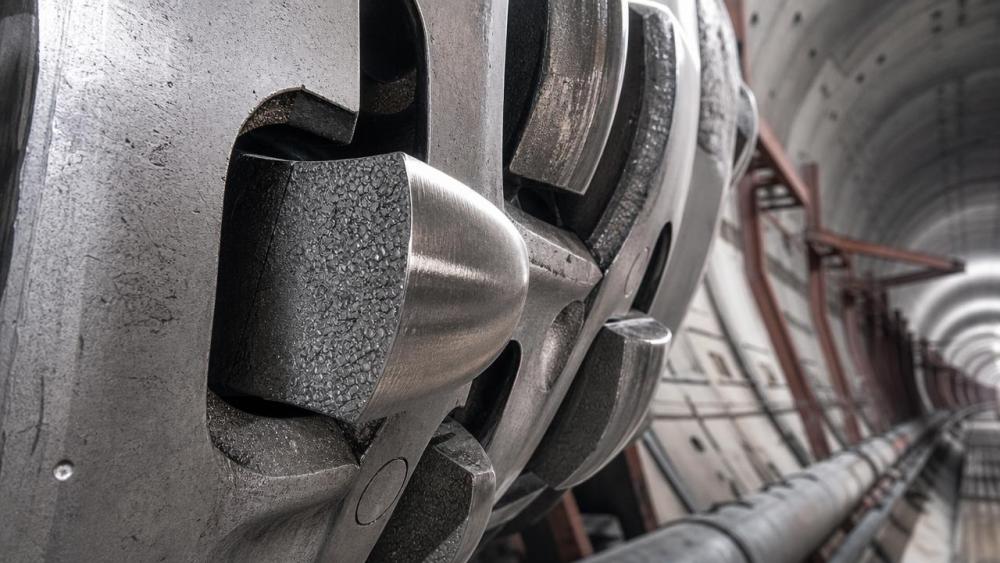
On 6 May 2026, G7 trade ministers convened in Paris and agreed to jointly de-risk critical mineral supply chains — triggering new export compliance requirements for tungsten-cobalt hardmetal components used in tunnel boring machine (TBM) cutterheads and disc cutters. The move directly affects Chinese manufacturers exporting hard alloy tools and shield tunneling disc assemblies to the EU and UK markets.
G7 Ministers Formalize Joint Review of Critical Mineral Exports
At the Paris meeting held on 6 May 2026, G7 trade ministers reached consensus to advance coordinated export controls over rare earths and other critical minerals. Cobalt, nickel, lithium, and high-wear alloys — specifically including tungsten-cobalt cemented carbides employed in TBM cutterheads and disc cutters — were added to a shared review list for export licensing and technical scrutiny. This decision establishes a formal framework for harmonized regulatory assessment across participating jurisdictions, with implications for customs classification, technical certification pathways, and material declarations required by importing parties.
Impact Across Supply Chain Roles
Export-oriented manufacturing firms
Manufacturers supplying TBM disc cutters and cutterhead components face revised technical documentation expectations. Export clearance now requires alignment with updated REACH and UKCA substance declarations — particularly concerning cobalt content and alloy composition traceability. Product labelling, safety data sheets (SDS), and origin-of-material statements must be reviewed and potentially re-validated prior to shipment.
Raw material procurement specialists
Firms sourcing tungsten, cobalt, or nickel powders for sintered hardmetal production must verify upstream supplier compliance with emerging due diligence expectations. Traceability from mine to finished component — especially for cobalt — is increasingly treated as a prerequisite for eligibility in regulated markets.
Component assembly and integration providers
Companies integrating hardmetal cutters into full cutterhead assemblies must ensure that subcomponent certifications (e.g., material grade certificates, microstructure reports) meet newly emphasized verification standards. Technical bid submissions for infrastructure tenders in G7 countries may now require explicit disclosure of critical mineral sourcing and processing routes.
Logistics and trade compliance service providers
Customs brokers and regulatory consultants must update tariff classification guidance for HS codes covering tungsten-cobalt alloys (e.g., 8209.00, 8211.91). Harmonized interpretation of ‘dual-use’ criteria — especially where wear resistance intersects with strategic material content — is now essential for accurate entry filings and risk mitigation.
Key Compliance Priorities for Exporters
Update REACH and UKCA material declarations immediately
Importers in the EU and UK are expected to request updated substance declarations reflecting cobalt, nickel, and lithium thresholds under Annex XVII and UK REACH Annex 17. Firms must verify whether their tungsten-cobalt grades exceed reporting thresholds and prepare supporting analytical test reports.
Reassess export control classifications for hardmetal grades
Tungsten-cobalt alloys used in TBM cutters may now fall under expanded dual-use or strategic goods frameworks. Exporters should conduct internal reviews against national implementations of the Wassenaar Arrangement and EU Dual-Use Regulation Annex I, particularly entries related to ‘hard metals’ and ‘tungsten-based composites’.
Align technical specifications with evolving tender requirements
Major infrastructure projects in G7 nations are likely to incorporate new clauses on critical mineral provenance and supply chain transparency. Tender documents may soon require ISO 20400-aligned sustainability criteria or OECD Due Diligence Guidance references — especially for cobalt-intensive components.
Verify customs tariff codes and origin documentation
HS code 8209.00 (cemented carbides) and related headings may undergo enhanced scrutiny during import inspection. Exporters should ensure origin declarations reflect actual processing location — not just final assembly — given growing emphasis on value-added thresholds in critical mineral trade rules.
Industry Observation: Beyond Certification, Toward Systemic Traceability
Analysis shows this shift reflects a broader transition from end-product compliance toward upstream supply chain governance. What deserves closer attention is how rapidly ‘critical mineral’ status is migrating from bulk commodities (e.g., battery-grade cobalt sulfate) into engineered components — such as TBM cutters — where alloy composition serves both functional and strategic roles. From an industry perspective, the six- to twelve-month lead time required to validate new material declarations, retest microstructures, and renegotiate supplier agreements suggests that proactive preparation — not reactive adaptation — will define competitive advantage. Observably, manufacturers with existing ISO 20400-aligned procurement systems or cobalt traceability pilots are better positioned to meet accelerated timelines.
Strategic Implications for Tunneling Equipment Suppliers
This development signals a structural recalibration: export competitiveness for TBM tools is no longer determined solely by mechanical performance or price, but increasingly by verifiable mineral stewardship. While the G7 agreement does not impose immediate bans, it institutionalizes collaborative oversight — meaning delays, reclassifications, or additional audits may become routine rather than exceptional. A measured interpretation is that compliance is evolving from a transactional checkpoint into a continuous capability — requiring dedicated cross-functional coordination between R&D, procurement, quality assurance, and regulatory affairs teams.
Source Information and Verification Notes
This article is based exclusively on the user-provided title, event date (6 May 2026), and summary text. Specific official source links were not provided in the input and should be verified continuously. Readers are advised to monitor updates from the European Commission’s Directorate-General for Trade, the UK Department for Business and Trade, and G7 working group publications on critical raw materials. Further clarification is anticipated regarding implementation timelines, enforcement thresholds, and harmonization of technical definitions for ‘high-wear alloys’ across jurisdictions.
Related News
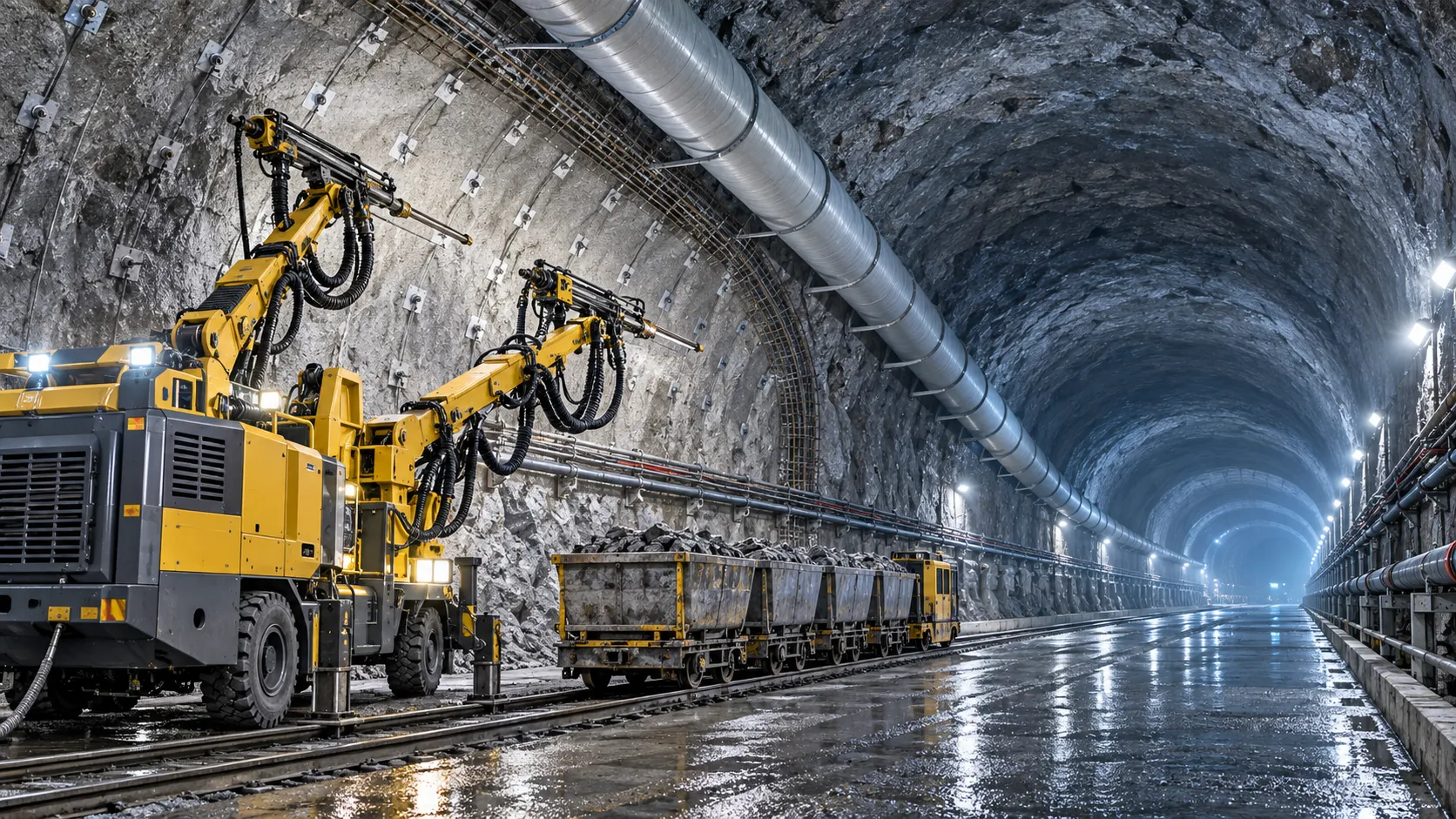
How to Evaluate European Drill-and-Blast Tunnelling Contractors for Complex Projects
Drill and blast tunnelling contractors Europe: learn how to assess geology expertise, blast control, equipment reliability, safety, and programme resilience for complex projects.
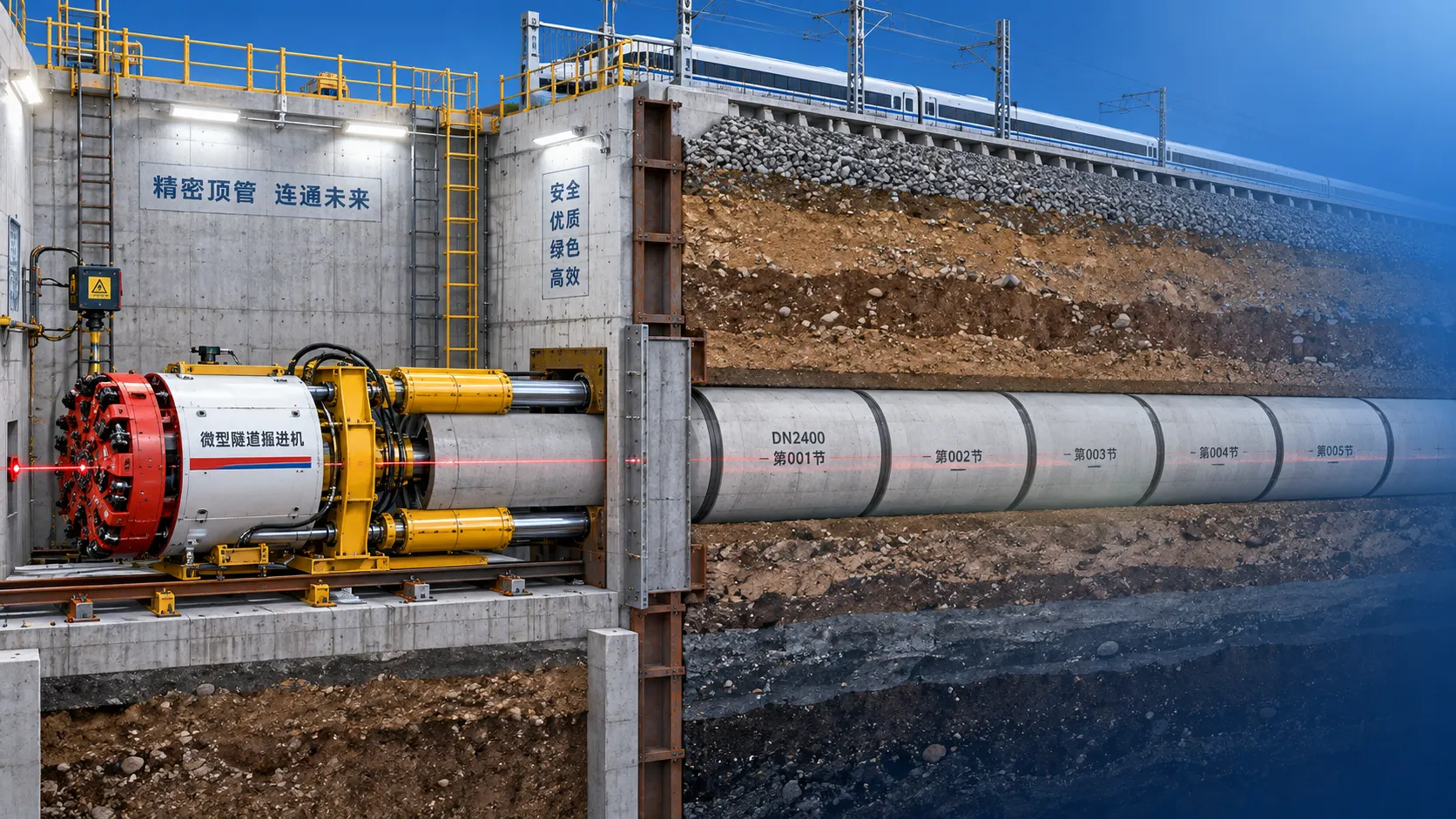
Which Trenchless Construction Technique Fits Your Utility Crossing Conditions?
Trenchless construction techniques compared for utility crossings: choose HDD, microtunnelling, pipe jacking, or auger boring based on ground, accuracy, access, and risk.

What Is Driving Metro Tunnelling Demand Across Southeast Asia’s Major Cities?
Metro tunnelling Southeast Asia is accelerating as major cities tackle congestion, flooding, and connectivity. Explore the market forces, technical risks, and opportunities shaping demand.
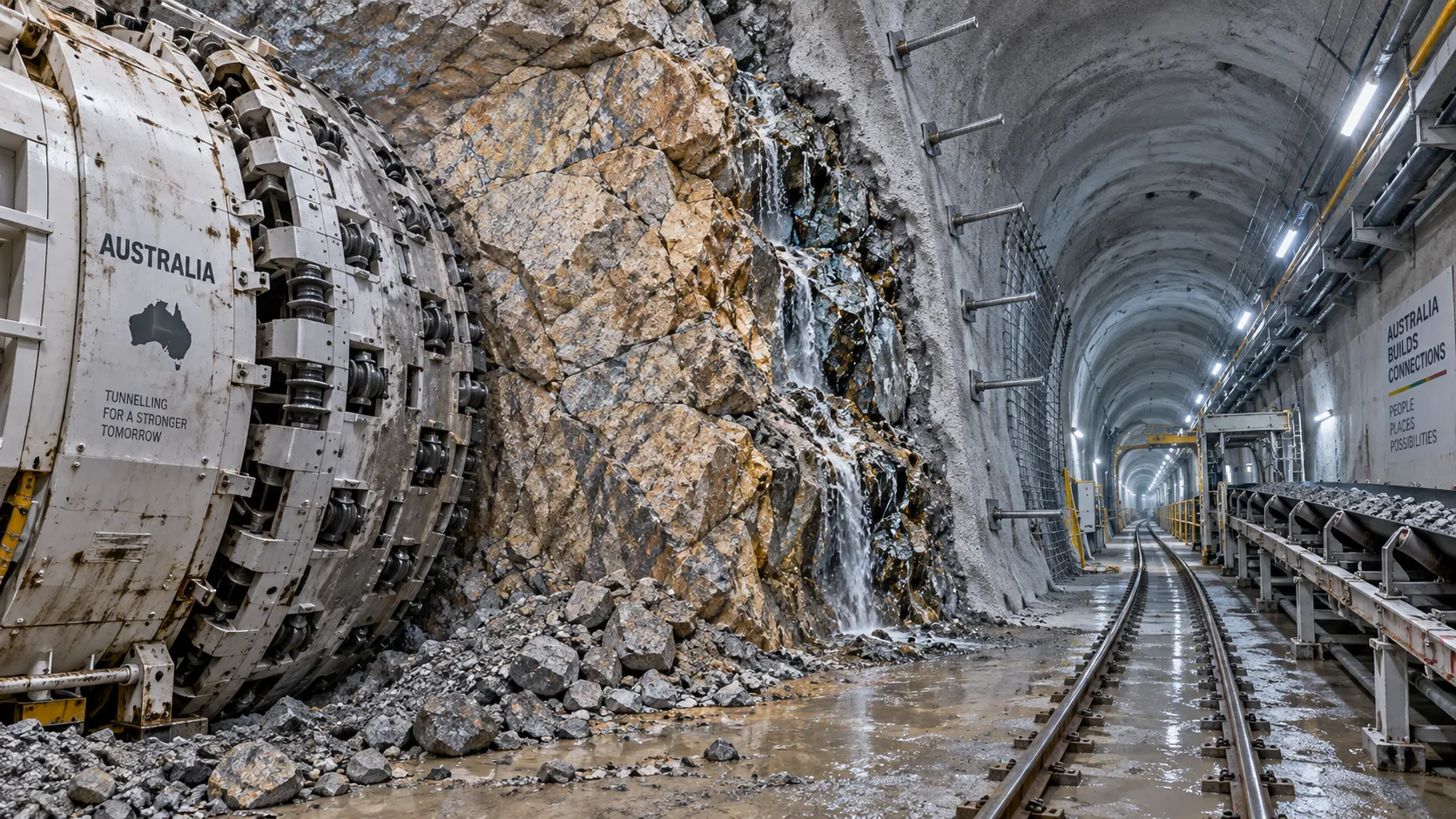
Hard Rock Tunnelling in Australia: Selecting Methods for Variable Ground Conditions
Hard rock tunnelling in Australia: compare TBM, drill-and-blast and hybrid methods to manage variable ground, reduce risk and protect project costs.
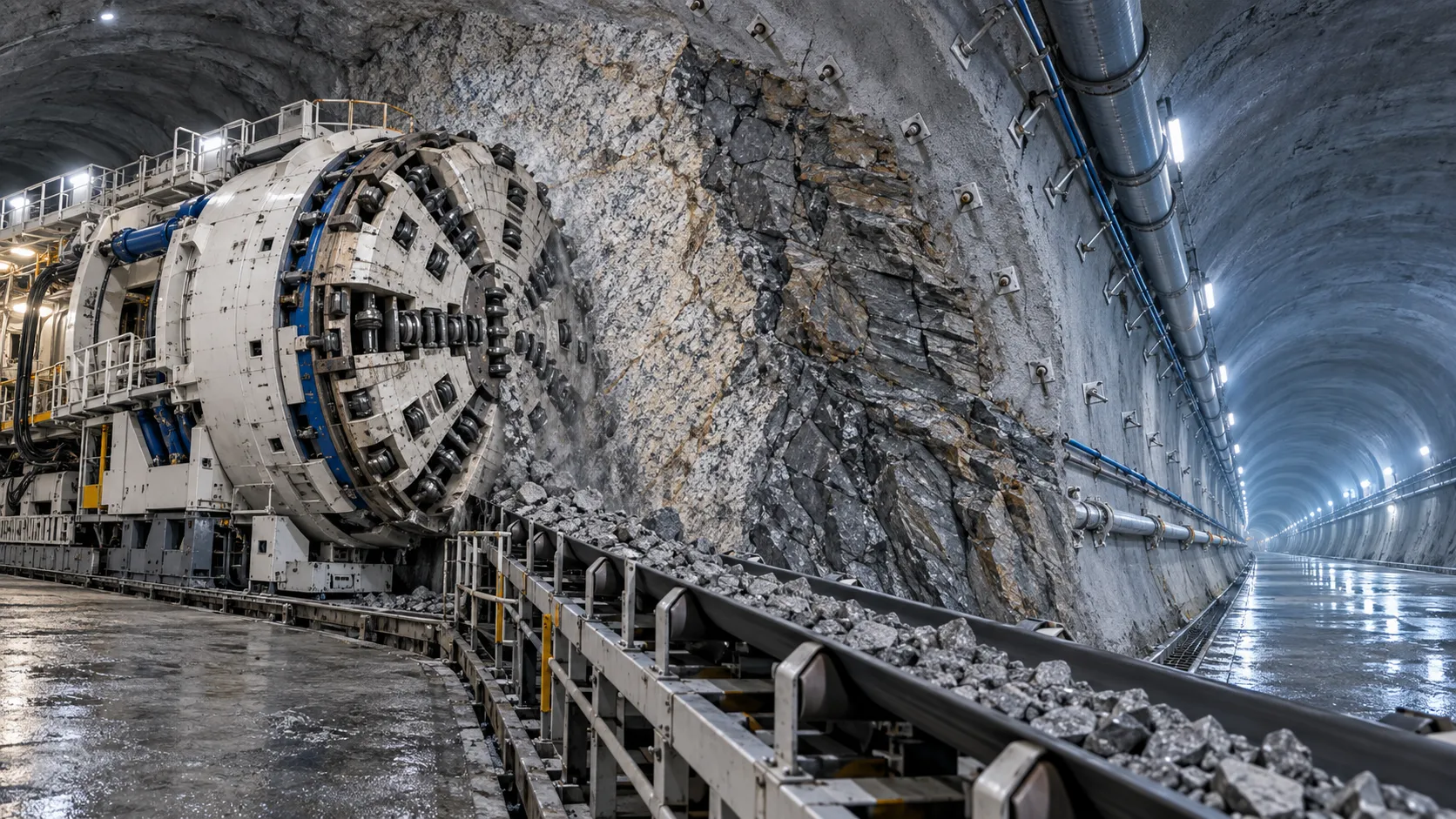
Hydropower Tunnel Excavation: Selecting Methods for Variable Rock Conditions
Hydropower tunnel excavation methods for variable rock conditions: compare TBM, drill-and-blast, and hybrid strategies to improve safety, progress, and project control.
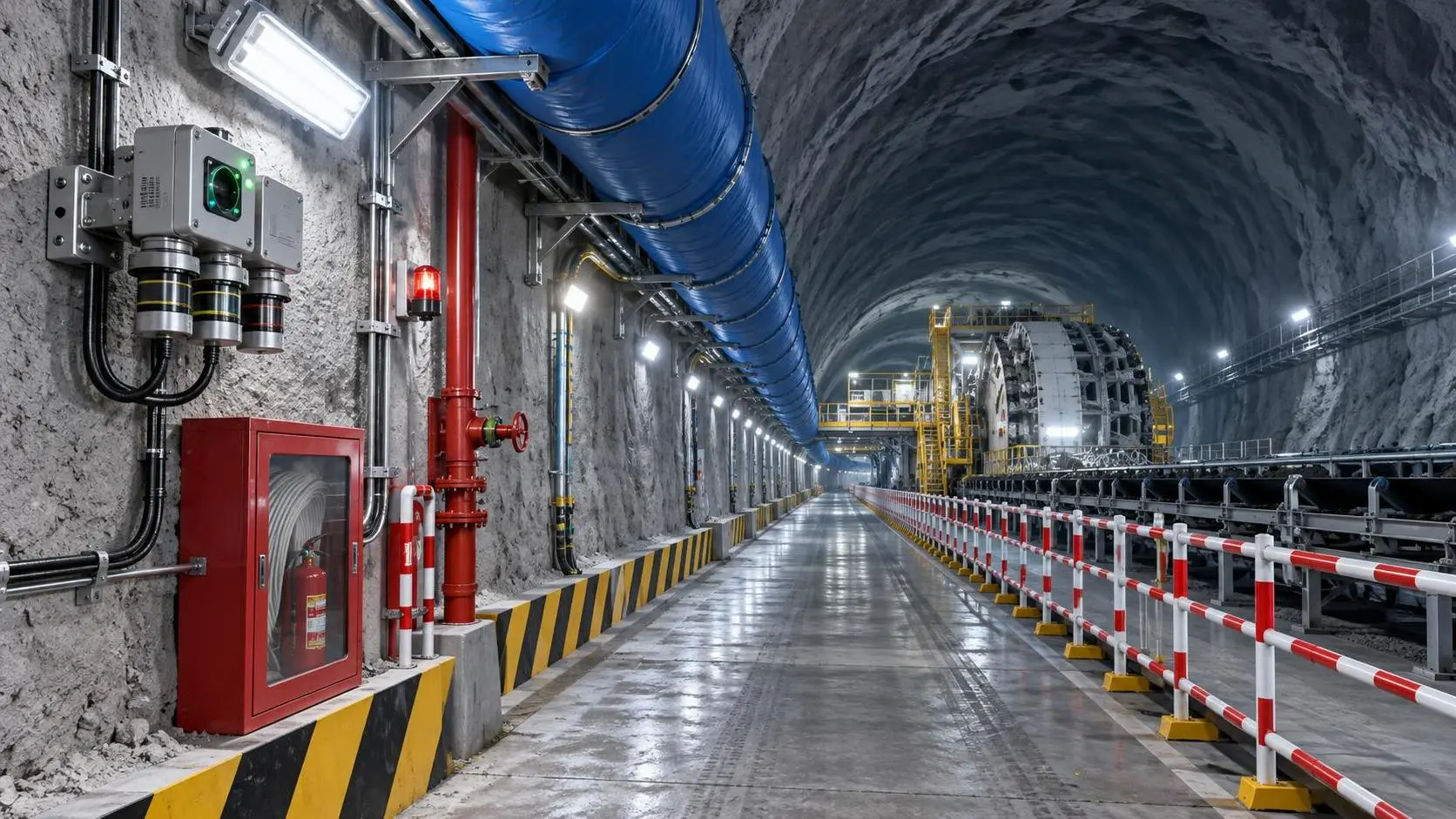
How to Select Underground Safety Equipment for Tunnelling by Hazard and Work Zone
Underground Safety Equipment for tunnelling: match protection to hazards, work zones, compliance, and emergency needs with this practical selection guide.

EPB or Slurry Shield? Selecting Soft-Ground Tunnelling Equipment by Soil Conditions
Tunnel Excavation Equipment for soft ground: compare EPB and slurry shields by soil, groundwater, settlement risk, and project logistics to choose confidently.

How to Specify TBM Backup System Parts for Reliable Long-Distance Tunnelling
TBM backup system parts: learn how to specify reliable spares for long-distance tunnelling, reduce downtime, ensure compatibility, and speed underground recovery.

How to Size Open Pit Mining Trucks for Haul Distance, Grade, and Payload?
Open Pit Mining Trucks: learn how to match payload, haul distance, grade, road resistance, and loading capacity for safer, lower-cost mine operations.
Related News
- 00
0000-00
How to Evaluate European Drill-and-Blast Tunnelling Contractors for Complex Projects - 00
0000-00
Which Trenchless Construction Technique Fits Your Utility Crossing Conditions? - 00
0000-00
What Is Driving Metro Tunnelling Demand Across Southeast Asia’s Major Cities? - 00
0000-00
Hard Rock Tunnelling in Australia: Selecting Methods for Variable Ground Conditions - 00
0000-00
Hydropower Tunnel Excavation: Selecting Methods for Variable Rock Conditions
Weekly Insights
Stay ahead with our curated technology reports delivered every Monday.