
South Korea's Middle East Crude Imports Drop 37.3% in April 2026, Raising Shipping Costs for EV Mining Trucks and Battery LHDs





In April 2026, geopolitical tensions in the Middle East triggered a sharp 37.3% year-on-year decline in South Korea’s crude oil imports from the region. Concurrently, rising marine insurance premiums pushed the Shanghai Containerized Freight Index (SCFI) for Asia–Europe routes up by 12% week-on-week—directly impacting ocean freight costs for heavy-duty electric and hydrogen-powered mining trucks (EV/Hydrogen Mining Trucks) and battery-electric Load-Haul-Dump vehicles (Battery LHDs).
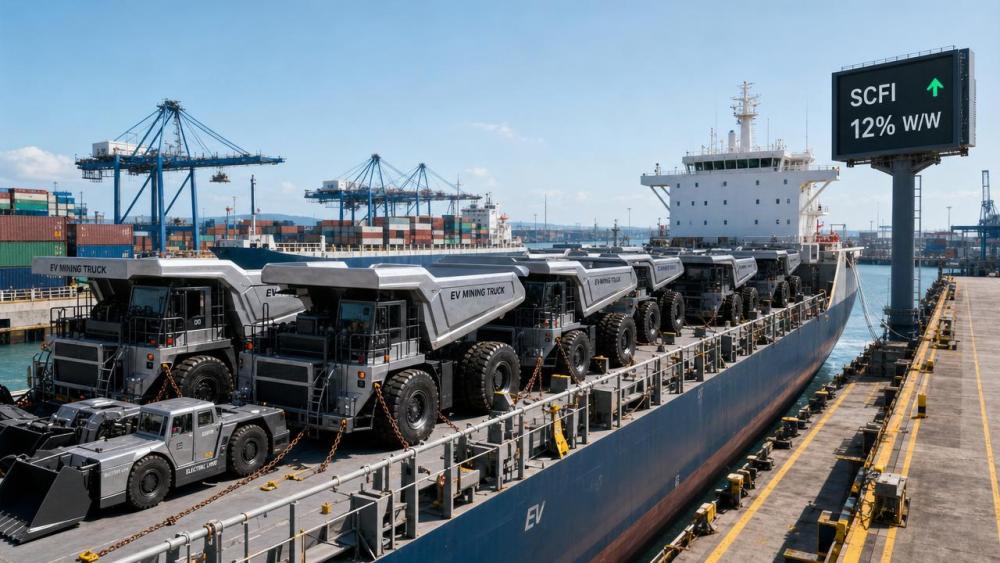
Confirmed Developments in April 2026
According to verified trade data, South Korea’s crude oil imports from Middle Eastern suppliers fell by 37.3% year-on-year in April 2026. This reduction coincided with an industry-wide increase in marine insurance rates, contributing to a 12% weekly surge in the SCFI for Asia–Europe container shipping lanes. As a result, the cost differential between FOB and CIF pricing widened significantly for exported EV/Hydrogen Mining Trucks and Battery LHDs. In response, distributors across Europe and North America accelerated order placements targeting delivery before the end of Q3 2026 to hedge against further freight volatility.
Impact Across Supply Chain Roles
Export-Oriented Trading Companies
These firms face immediate pressure on landed cost calculations and margin visibility. The widening FOB-to-CIF gap complicates quotation accuracy and contract finalization—especially for fixed-price export agreements. Monitoring real-time SCFI updates and marine insurance clause revisions has become essential for tender submissions and pro forma invoicing.
Raw Material and Component Procurement Teams
While not directly sourcing crude, procurement units must assess secondary ripple effects: higher energy costs may affect battery cell production or metal refining margins, potentially influencing component lead times and pricing stability. Contracts referencing energy-indexed clauses now require closer review.
Equipment Manufacturers
Manufacturers exporting EV/Hydrogen Mining Trucks and Battery LHDs are encountering tighter delivery windows and increased pre-shipment financing needs. The push for Q3 delivery commitments means earlier mobilization of documentation—including type approval certificates, UN38.3 test reports for lithium batteries, and CE/UKCA declarations—must align with accelerated production schedules.
Logistics and Freight Forwarding Providers
Forwarders report heightened demand for guaranteed capacity and all-risk marine cargo insurance coverage on Asia–Europe lanes. Capacity allocation now often requires advance booking deposits and acceptance of dynamic surcharge mechanisms tied to SCFI benchmarks or vessel repositioning costs.
Strategic Priorities for Exporters
Accelerate Trade Documentation Readiness
Ensure full compliance packages—including EU Machinery Directive conformity assessments, battery safety certifications (IEC 62619, UN38.3), and updated technical files—are finalized ahead of shipment. Delays in certification validation may now trigger cascading schedule slippage under compressed Q3 delivery timelines.
Reassess Incoterm Selection and Risk Allocation
Given volatility in marine insurance premiums and freight index fluctuations, exporters should revisit Incoterm® usage—particularly whether CFR or CIF terms remain operationally sustainable versus retaining control via FOB with vetted forwarder partnerships.
Lock in Carrier Capacity and Insurance Terms Early
With distributors prioritizing Q3 deliveries, securing vessel space and fixed-rate marine insurance coverage by early May 2026 is becoming a de facto prerequisite—not just an option—for fulfilling committed shipments without cost overruns.
Validate Technical Specifications Against Evolving Import Requirements
European and North American buyers are increasingly embedding transport resilience criteria into procurement specifications—such as battery thermal management validation under extended port dwell times or structural integrity testing for multi-leg intermodal handling. Aligning product design and test reports with these emerging expectations is critical.
Industry Observation: Beyond Short-Term Volatility
Analysis shows this episode reflects more than transient freight disruption—it signals a structural recalibration in how mining equipment exporters assess total landed cost. From an industry perspective, the convergence of energy supply risk, marine insurance recalibration, and tightening delivery windows is accelerating the adoption of integrated logistics compliance planning. What deserves closer attention is how OEMs respond: those embedding freight cost modeling, real-time regulatory alert systems, and modular certification strategies into their export workflows are gaining measurable advantages in bid responsiveness and margin predictability.
Key Takeaway for Stakeholders
This development underscores that geopolitical energy dynamics now directly shape heavy equipment export economics—not only through fuel prices, but via cascading impacts on maritime insurance, container availability, and buyer-driven delivery discipline. A resilient export strategy must treat logistics compliance and transport cost forecasting as core engineering and commercial functions—not peripheral support activities.
Source Attribution
This article was generated exclusively from the user-provided title, event date (April 2026), and event summary. Specific official source links were not provided in the input and should be verified continuously. Ongoing monitoring is recommended for updates on SCFI methodology revisions, marine insurance underwriting guidelines from P&I Clubs, national customs tariff interpretations related to battery-powered off-highway vehicles, and evolving EU Type Approval requirements for autonomous mining equipment.
Related News
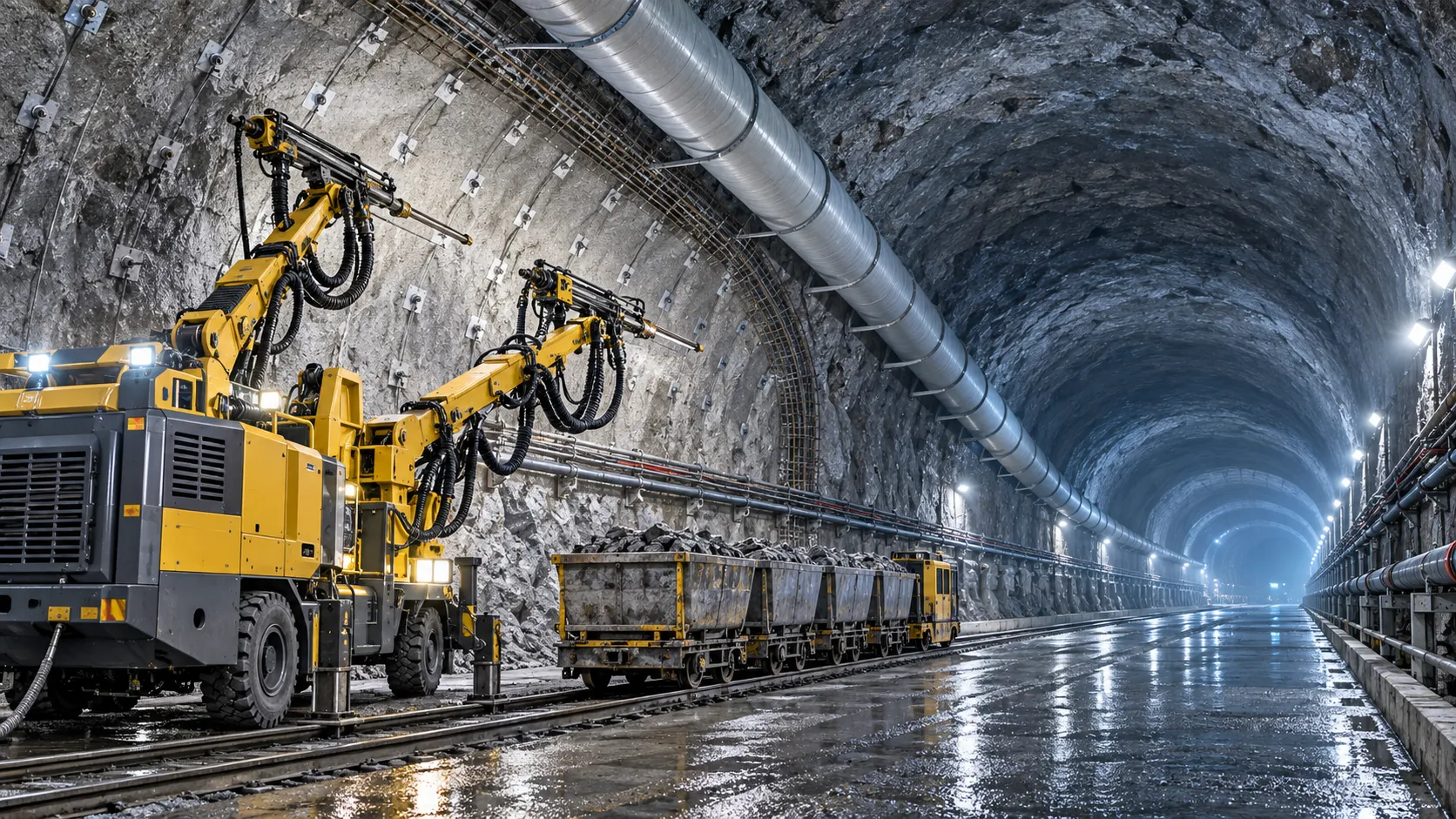
How to Evaluate European Drill-and-Blast Tunnelling Contractors for Complex Projects
Drill and blast tunnelling contractors Europe: learn how to assess geology expertise, blast control, equipment reliability, safety, and programme resilience for complex projects.
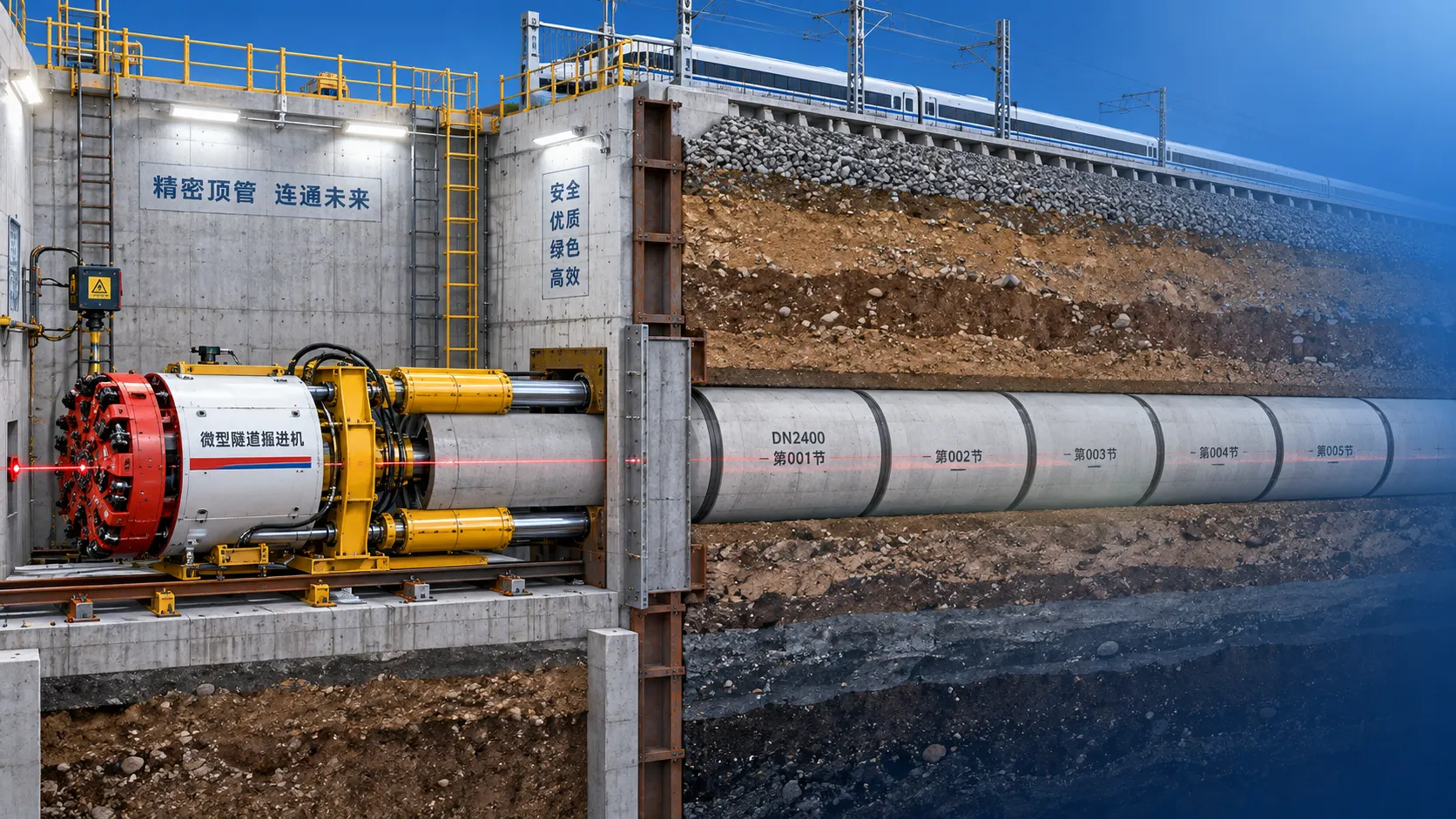
Which Trenchless Construction Technique Fits Your Utility Crossing Conditions?
Trenchless construction techniques compared for utility crossings: choose HDD, microtunnelling, pipe jacking, or auger boring based on ground, accuracy, access, and risk.
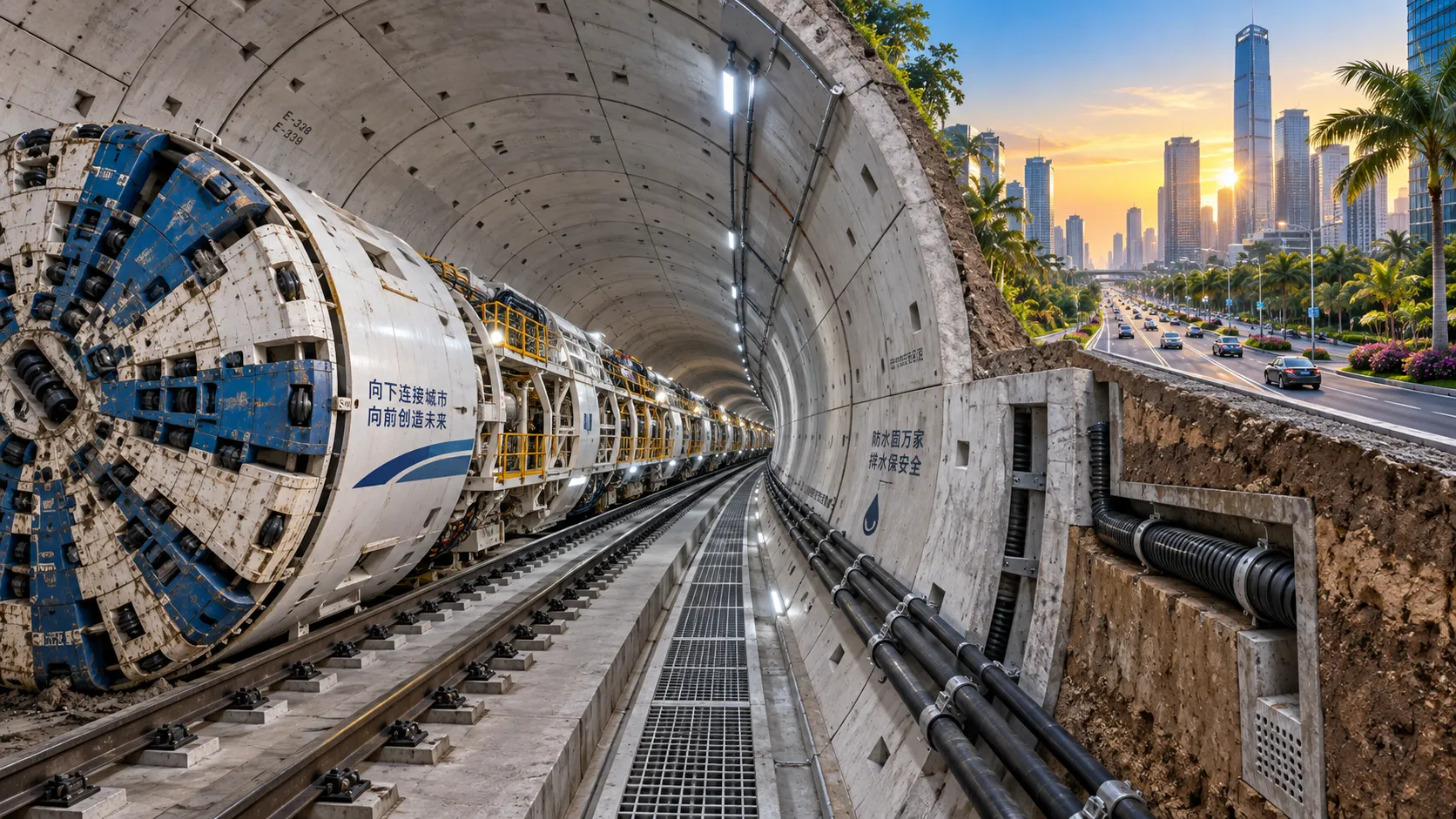
What Is Driving Metro Tunnelling Demand Across Southeast Asia’s Major Cities?
Metro tunnelling Southeast Asia is accelerating as major cities tackle congestion, flooding, and connectivity. Explore the market forces, technical risks, and opportunities shaping demand.
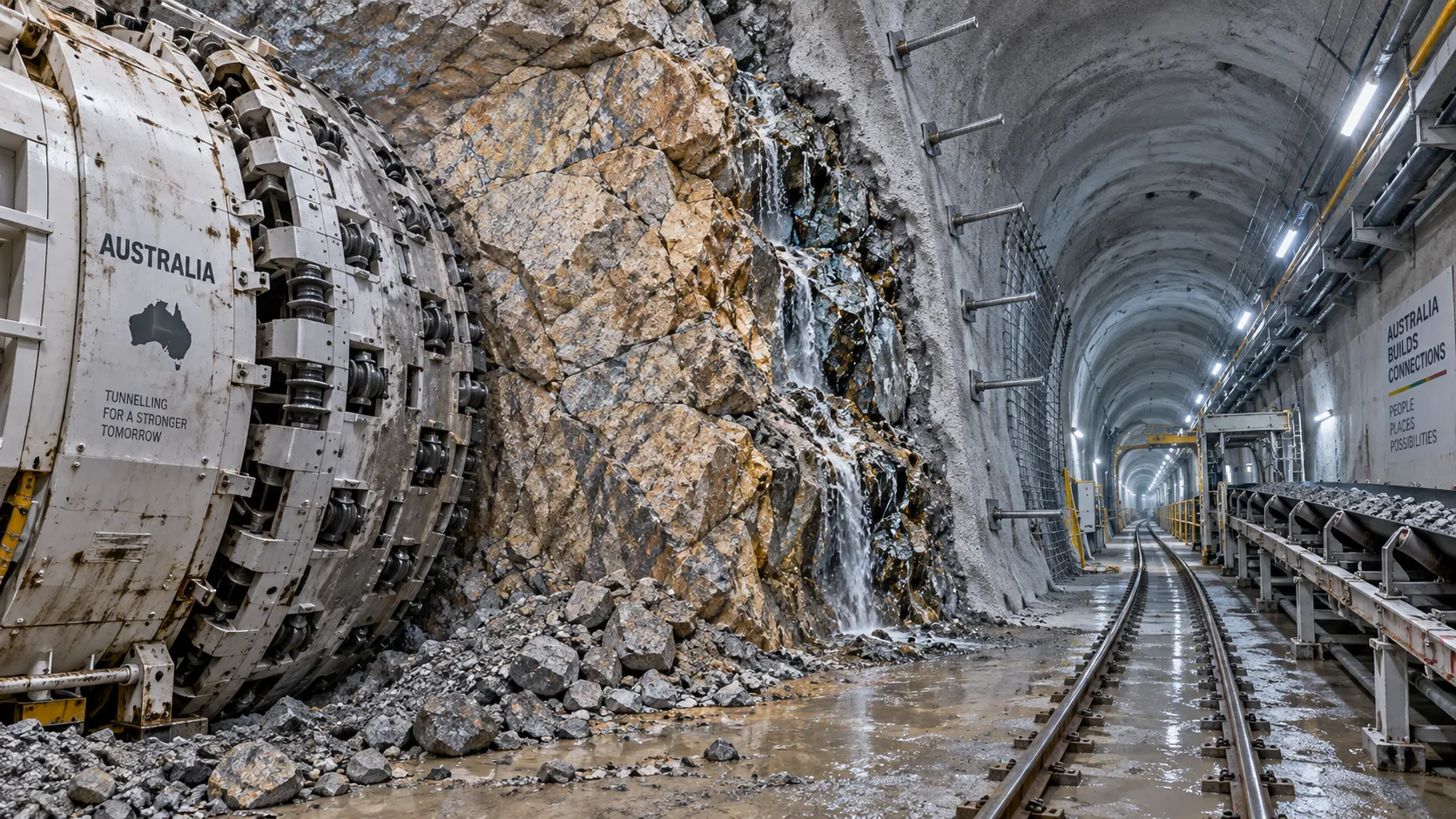
Hard Rock Tunnelling in Australia: Selecting Methods for Variable Ground Conditions
Hard rock tunnelling in Australia: compare TBM, drill-and-blast and hybrid methods to manage variable ground, reduce risk and protect project costs.
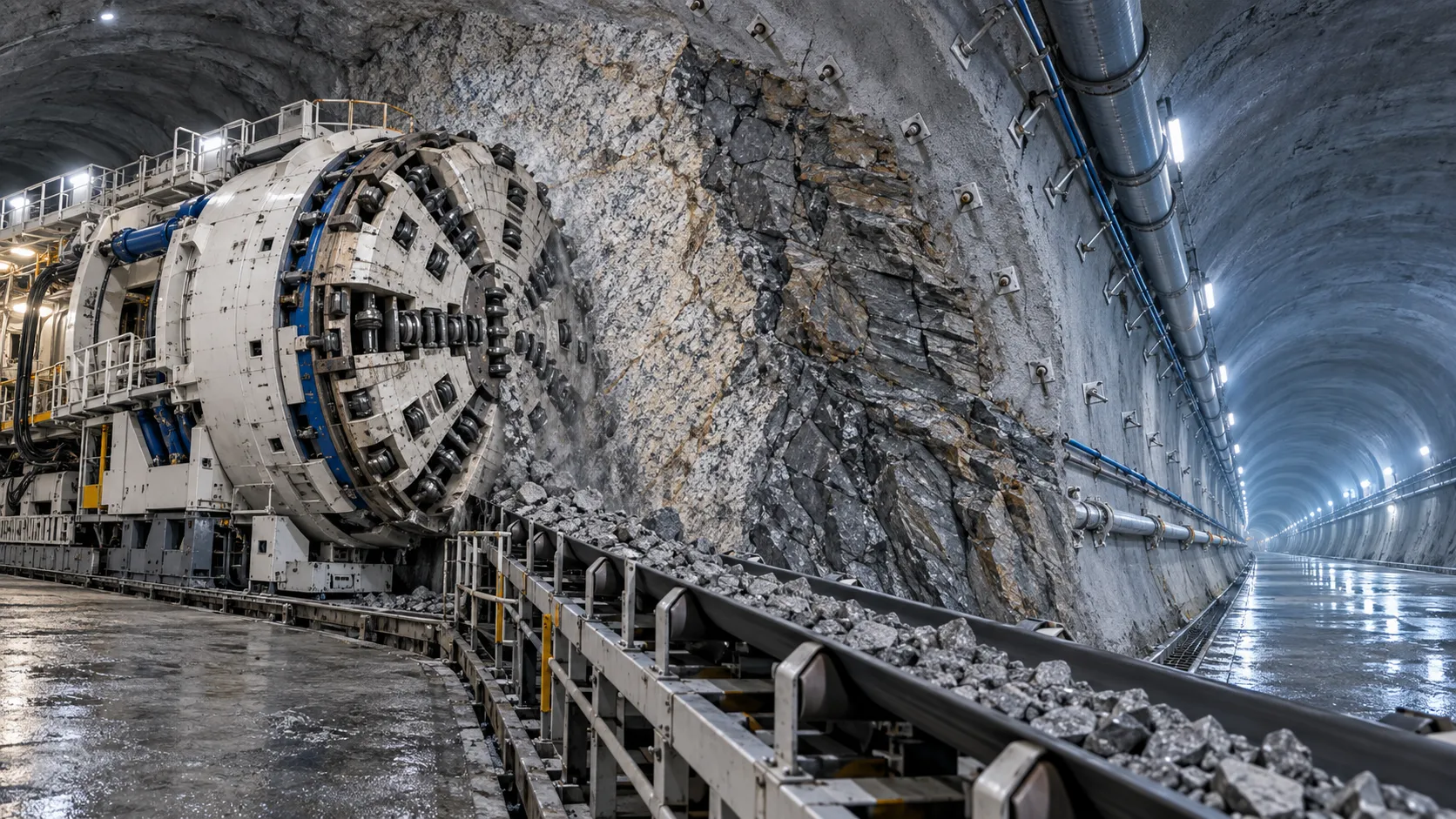
Hydropower Tunnel Excavation: Selecting Methods for Variable Rock Conditions
Hydropower tunnel excavation methods for variable rock conditions: compare TBM, drill-and-blast, and hybrid strategies to improve safety, progress, and project control.
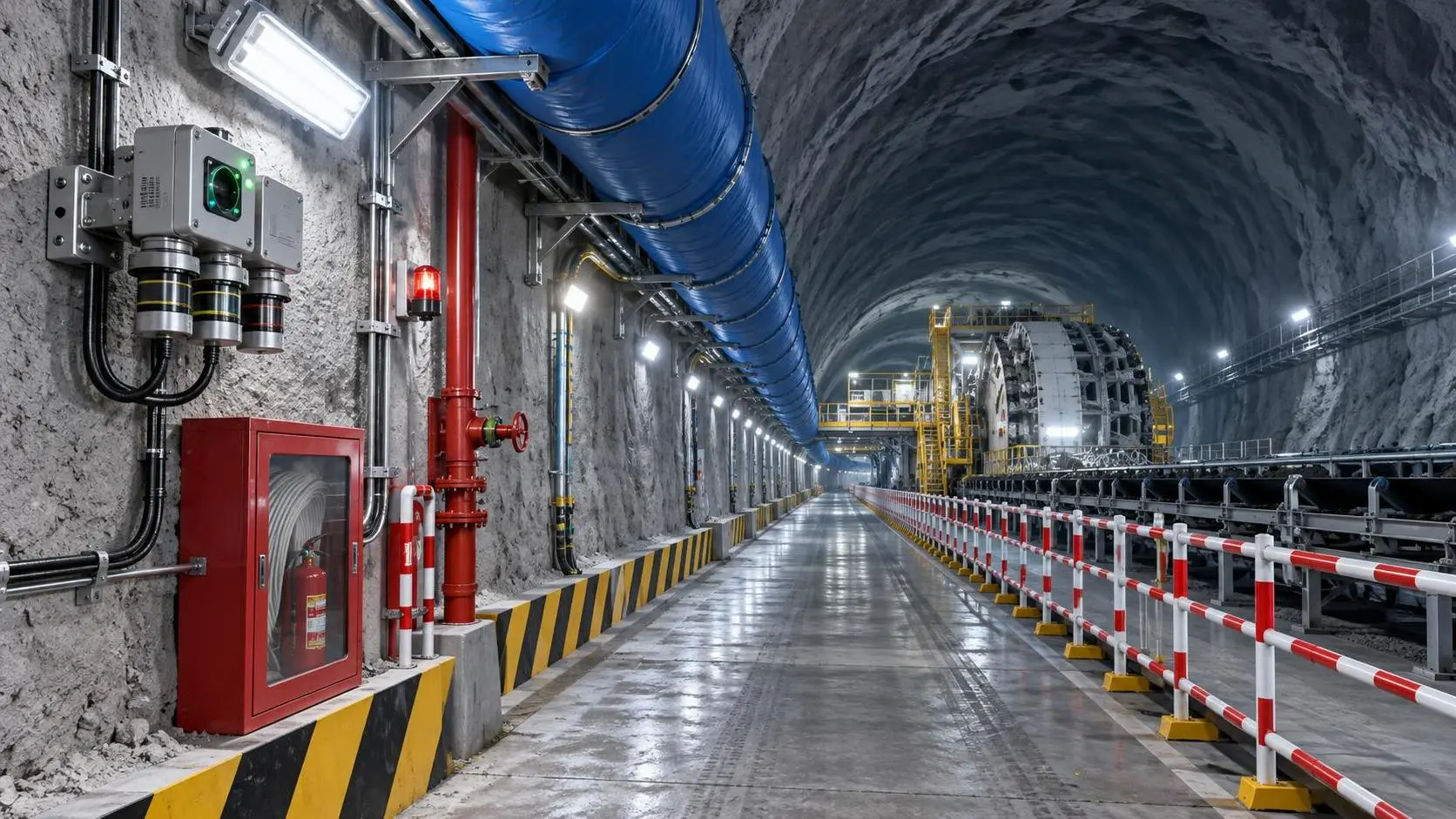
How to Select Underground Safety Equipment for Tunnelling by Hazard and Work Zone
Underground Safety Equipment for tunnelling: match protection to hazards, work zones, compliance, and emergency needs with this practical selection guide.
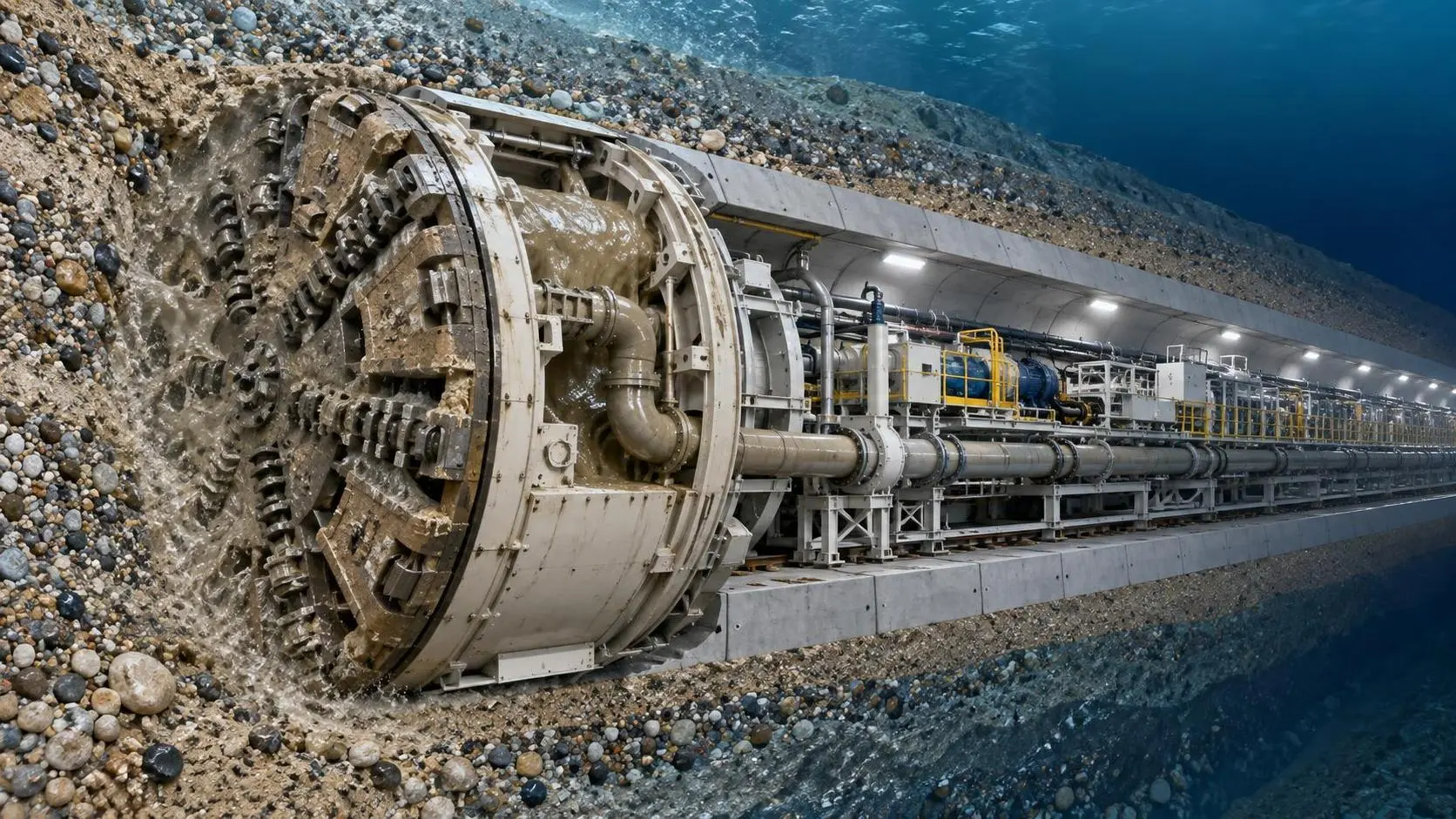
EPB or Slurry Shield? Selecting Soft-Ground Tunnelling Equipment by Soil Conditions
Tunnel Excavation Equipment for soft ground: compare EPB and slurry shields by soil, groundwater, settlement risk, and project logistics to choose confidently.
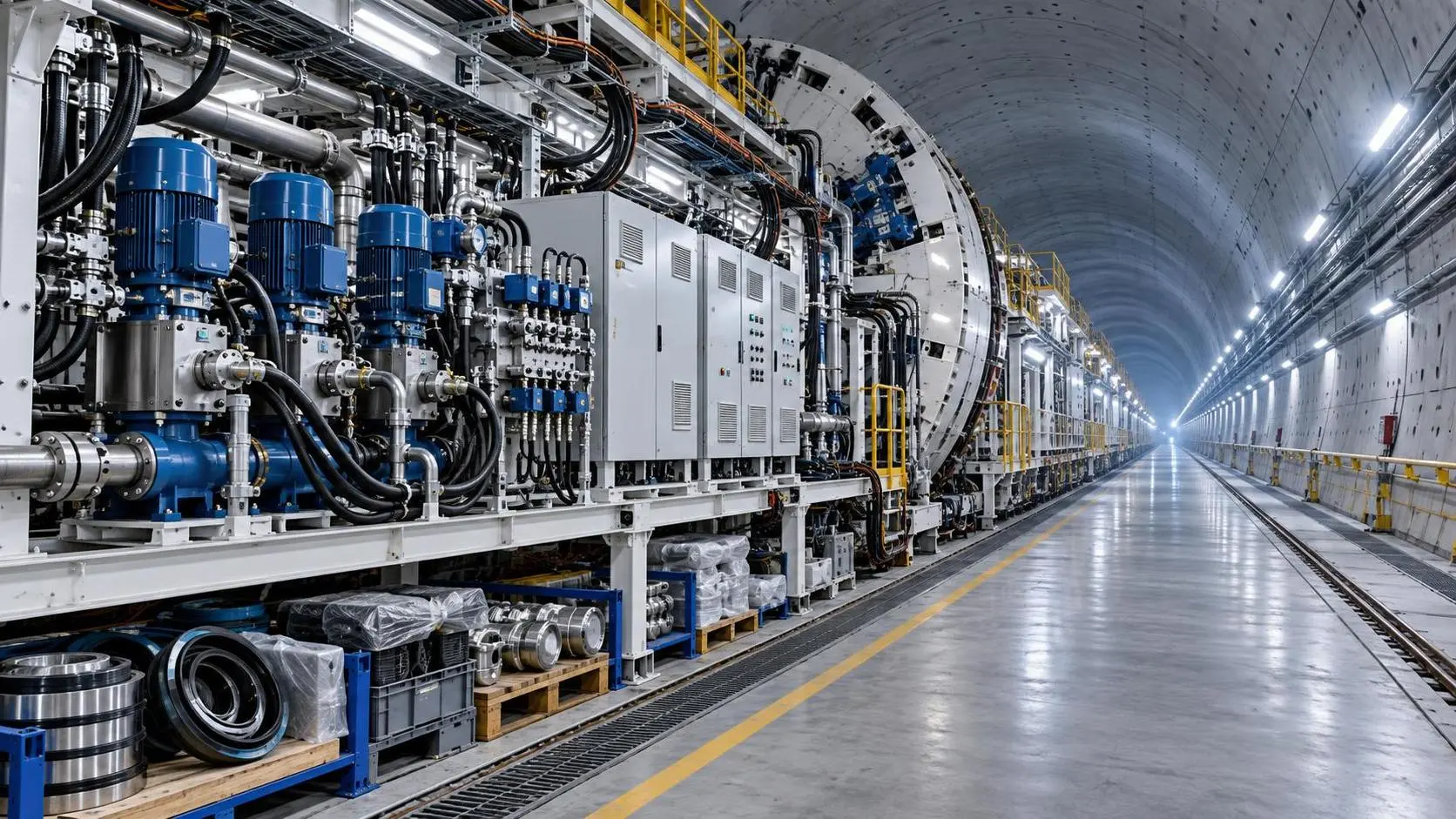
How to Specify TBM Backup System Parts for Reliable Long-Distance Tunnelling
TBM backup system parts: learn how to specify reliable spares for long-distance tunnelling, reduce downtime, ensure compatibility, and speed underground recovery.
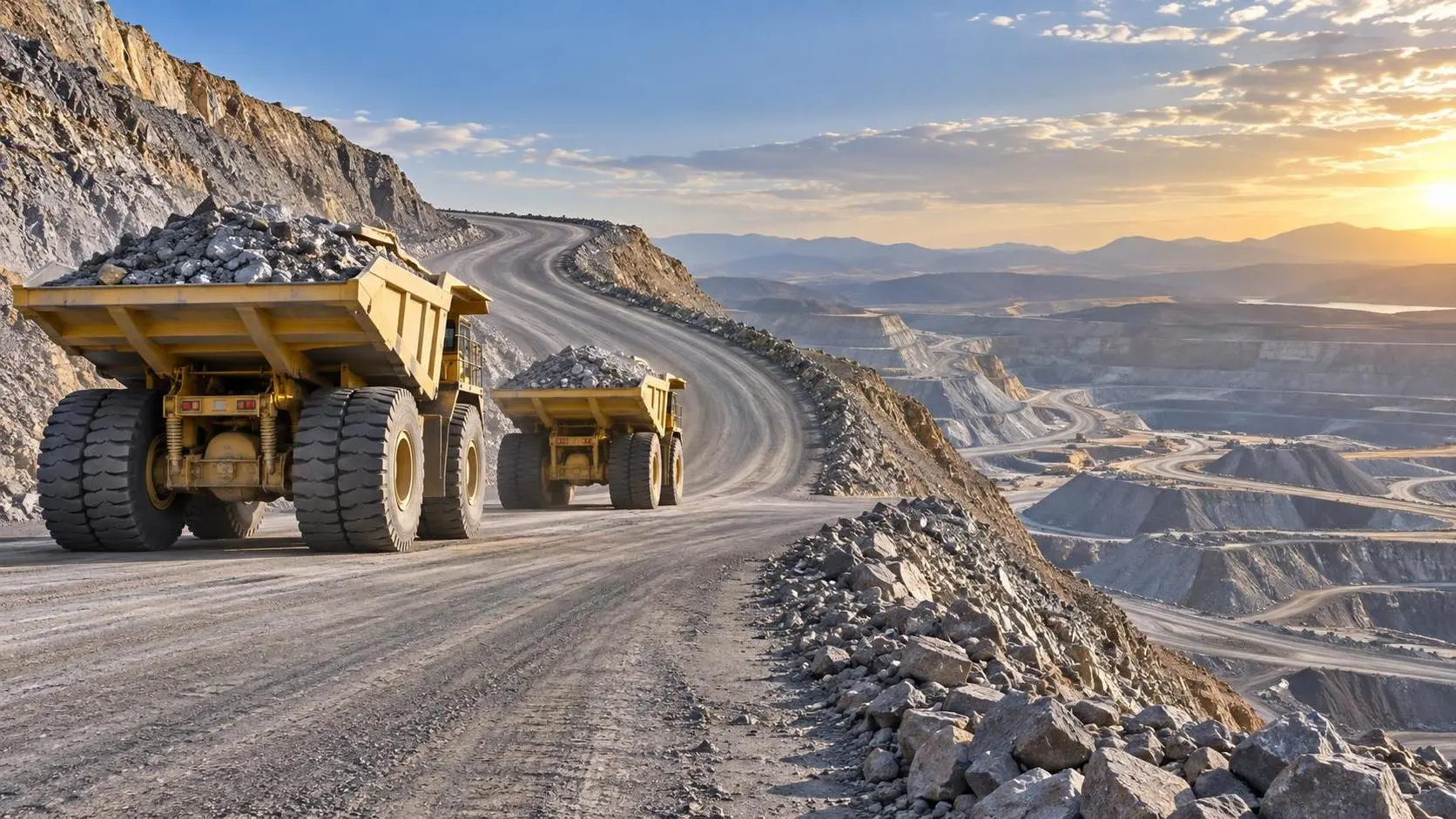
How to Size Open Pit Mining Trucks for Haul Distance, Grade, and Payload?
Open Pit Mining Trucks: learn how to match payload, haul distance, grade, road resistance, and loading capacity for safer, lower-cost mine operations.
Related News
- 00
0000-00
How to Evaluate European Drill-and-Blast Tunnelling Contractors for Complex Projects - 00
0000-00
Which Trenchless Construction Technique Fits Your Utility Crossing Conditions? - 00
0000-00
What Is Driving Metro Tunnelling Demand Across Southeast Asia’s Major Cities? - 00
0000-00
Hard Rock Tunnelling in Australia: Selecting Methods for Variable Ground Conditions - 00
0000-00
Hydropower Tunnel Excavation: Selecting Methods for Variable Rock Conditions
Weekly Insights
Stay ahead with our curated technology reports delivered every Monday.