
China's 70% TBM Share and Export Controls Challenge India's Local Production





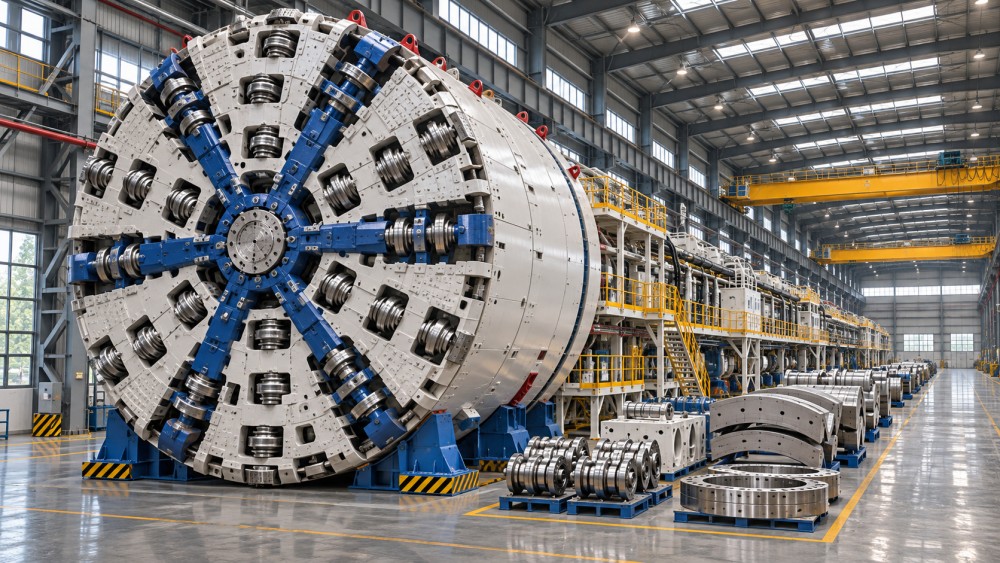
Reports published on November 2, 2026, said China's planned export controls on full-face tunnel boring machines (TBMs) and key components would take effect on November 18, drawing attention from equipment buyers and infrastructure contractors. China's reported share of roughly 70% of the global market makes the planned controls particularly relevant to sourcing and delivery decisions, including in India, where the reports identified high barriers to local manufacturing.
Controls Scheduled for November 18
On November 2, 2026, Phoenix New Media and other outlets cited Bloomberg and other foreign media reports stating that Chinese TBMs account for approximately 70% of the global market. The reports also said China's annual production capacity exceeds the combined capacity of the rest of the world.
According to the supplied account, China's Ministry of Commerce announced export controls on full-face tunnel boring machines and key components, effective November 18, 2026. The reports said India is seeking to manufacture TBMs domestically but faces substantial technical and cost barriers, making it difficult to reduce its reliance on Chinese equipment in the short term.
Where Sourcing and Project Delivery May Be Affected
Equipment Exporters and Component Suppliers
From an industry perspective, exporters and suppliers may need to reassess transactions involving complete machines and key components once the controls take effect. The practical effect on individual shipments will depend on the detailed scope and implementation terms, which were not provided in the supplied information. Product classification, transaction documentation and delivery planning are therefore areas to monitor.
Buyers and Infrastructure Contractors
Analysis suggests that buyers and contractors using Chinese equipment could face additional uncertainty when planning purchases and project schedules. This may be especially relevant to Indian projects if local production cannot provide an immediate alternative. Whether any particular order or delivery is affected remains dependent on the applicable rules and their execution.
Manufacturers Considering Local Alternatives
The reported technical and cost barriers suggest that domestic manufacturing may require careful assessment of both capability and economics. Potential manufacturers and buyers may need to evaluate alternatives against project specifications and delivery needs; the supplied information does not establish when, or at what cost, an alternative could become available.
Preparing for Sourcing Decisions
Check the Scope and Official Guidance
Exporters and buyers can monitor official announcements for clarification on which machines and components are covered and how the controls will be applied. They should verify the requirements relevant to each transaction rather than assume that all products or shipments will be treated alike.
Review Orders and Technical Documents
Businesses may find it useful to review equipment specifications, component descriptions and existing order documentation against any published scope. Project teams can also check whether procurement or tender documents need review once implementation details are available. These are preparation steps, not requirements established by the supplied account.
Assess Delivery and Alternatives
Buyers and contractors can discuss potential schedule exposure with suppliers and evaluate alternative sourcing or production options against technical requirements and cost. For Indian projects, the reported barriers to local manufacturing make validation of any proposed alternative particularly relevant. The supplied information does not confirm delays or identify replacement suppliers.
What the Announcement Signals
At this stage, the development is best understood as an announced control with a stated future effective date, rather than evidence of a completed change in trade flows. The reported concentration of TBM supply suggests the potential for effects beyond individual exporters, but the scale and timing remain uncertain. Detailed rules, trade execution and feedback from equipment users will be important to assessing the outcome.
A Measured View of Procurement Risk
The announcement brings export compliance into closer focus for a market in which Chinese equipment has a reported leading position. Businesses can prepare by checking the eventual rules and testing procurement assumptions, while avoiding conclusions about specific costs, delays or substitution outcomes until further evidence is available.
Basis for This Report
This article is based on the supplied news title, event timing and event summary, including their references to reports by Phoenix New Media, Bloomberg and other media. No specific official source link was provided in the input, so the announcement and subsequent details require continued verification. Relevant material to monitor includes official announcements, trade execution, procurement or tender changes, and feedback from affected businesses.
Related News
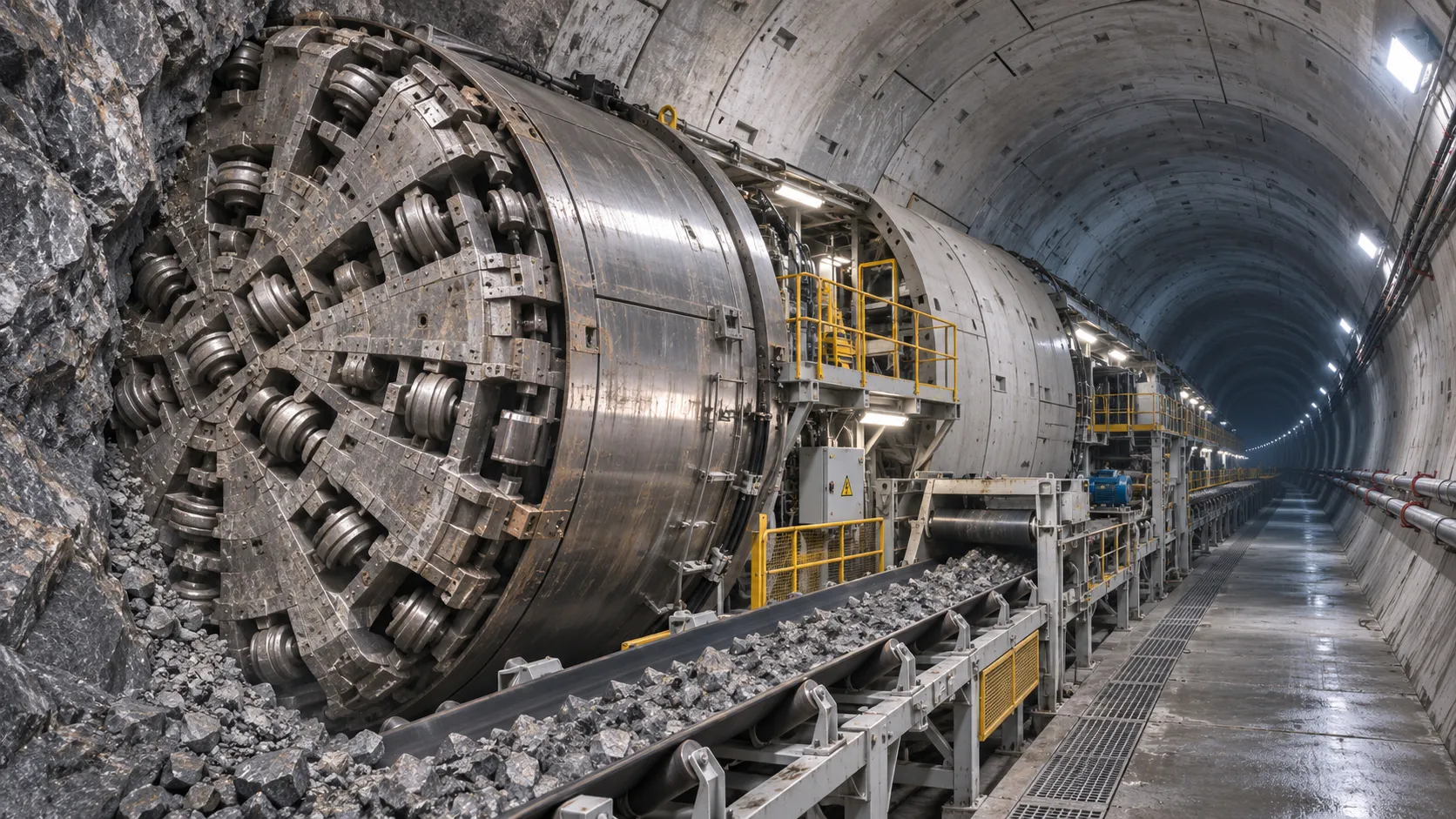
How TBM Excavation Works in Rock and Soft Ground: A Practical Guide
TBM Excavation in rock and soft ground explained: compare machine types, ground support, spoil removal, and the factors that guide smarter project planning.
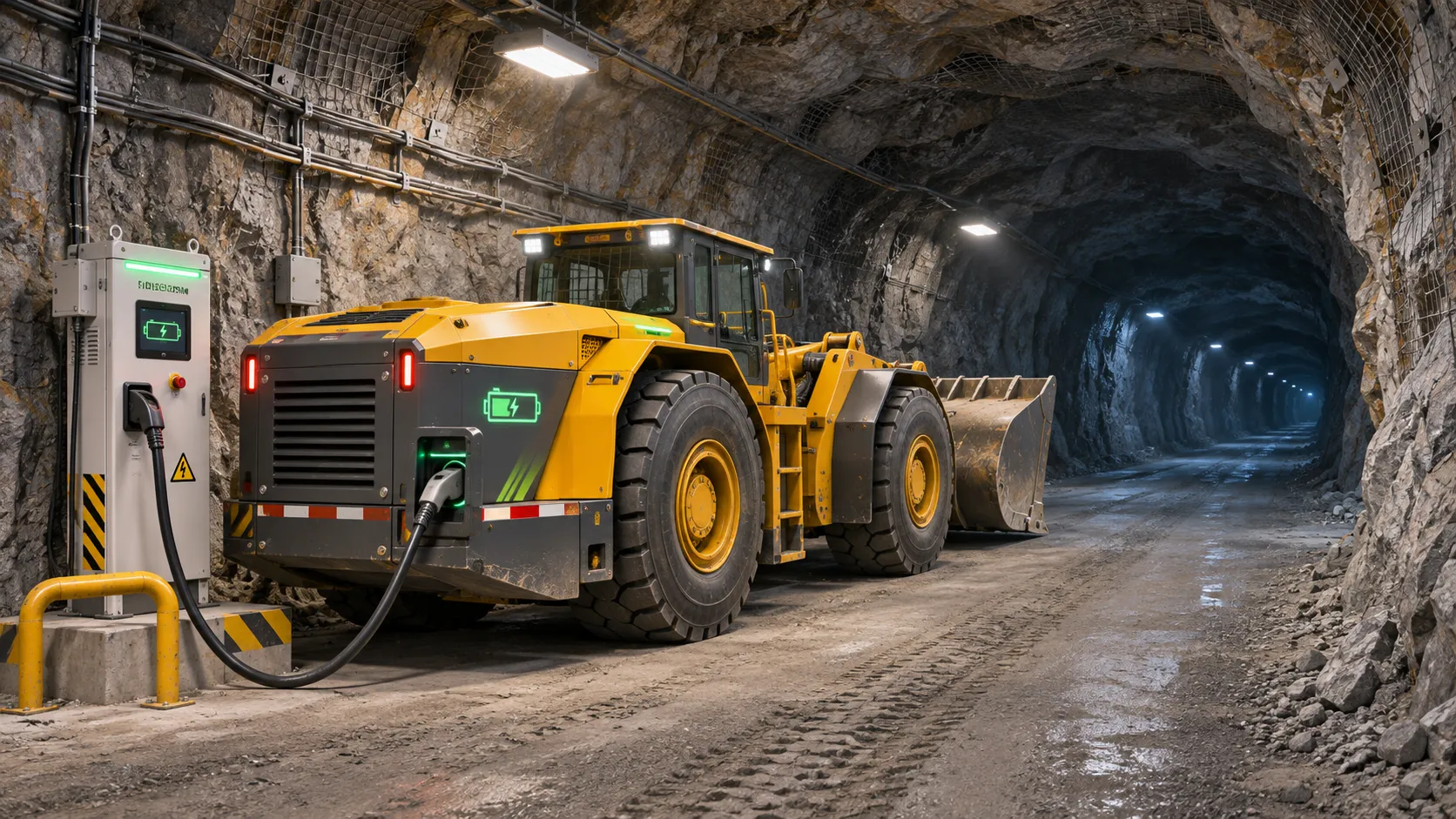
Choosing a Zero-Emission Underground Equipment Supplier: What to Check
Choosing a zero emission underground equipment supplier? Compare duty-cycle performance, charging, safety, total costs and support before you commit.
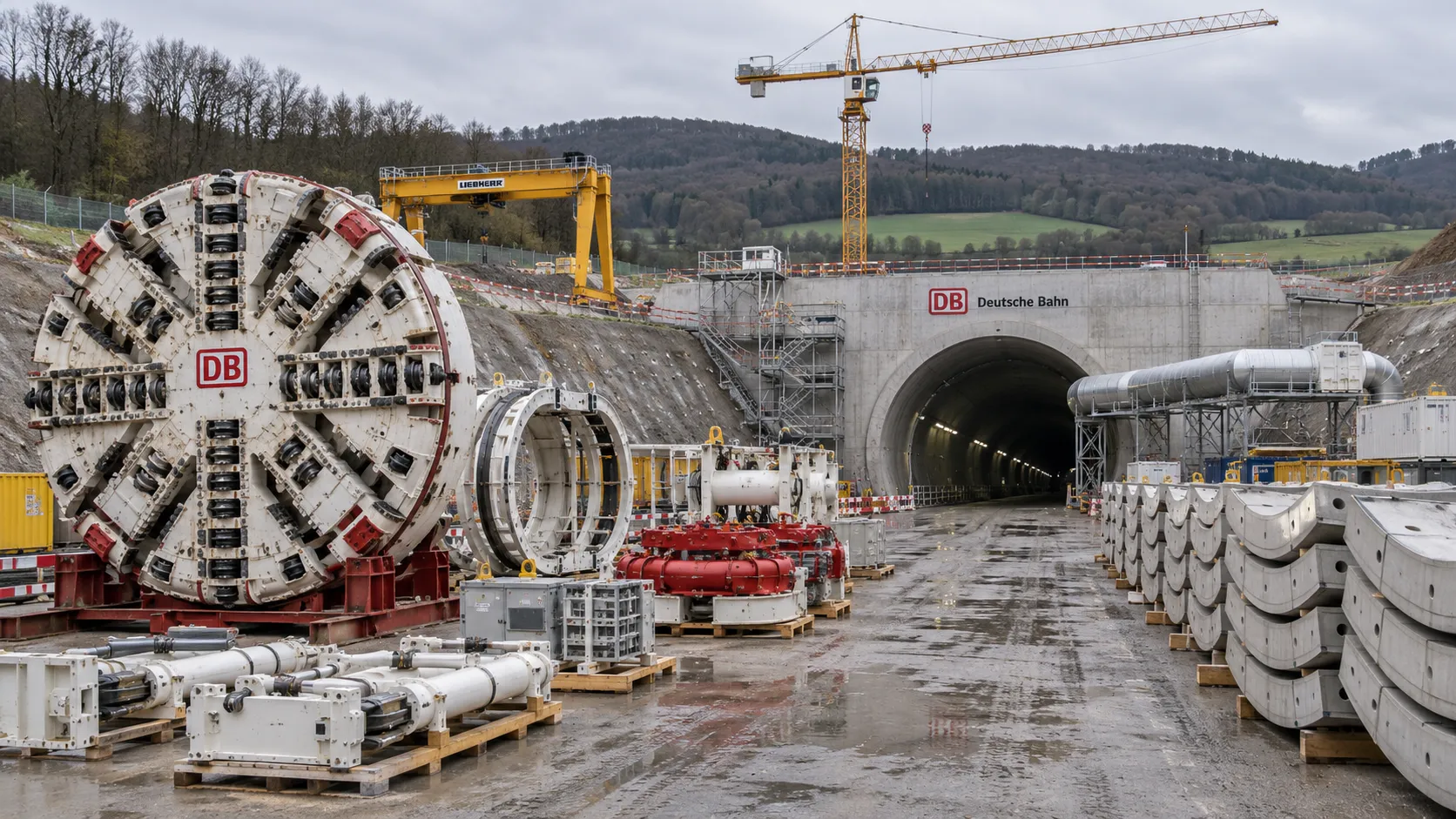
Construction Starts on Germany's Pfaffensteig Rail Tunnel, With Two TBMs Planned
Pfaffensteig rail tunnel construction is underway in Germany. Discover how two planned TBMs will support the 11-kilometre project near Stuttgart.
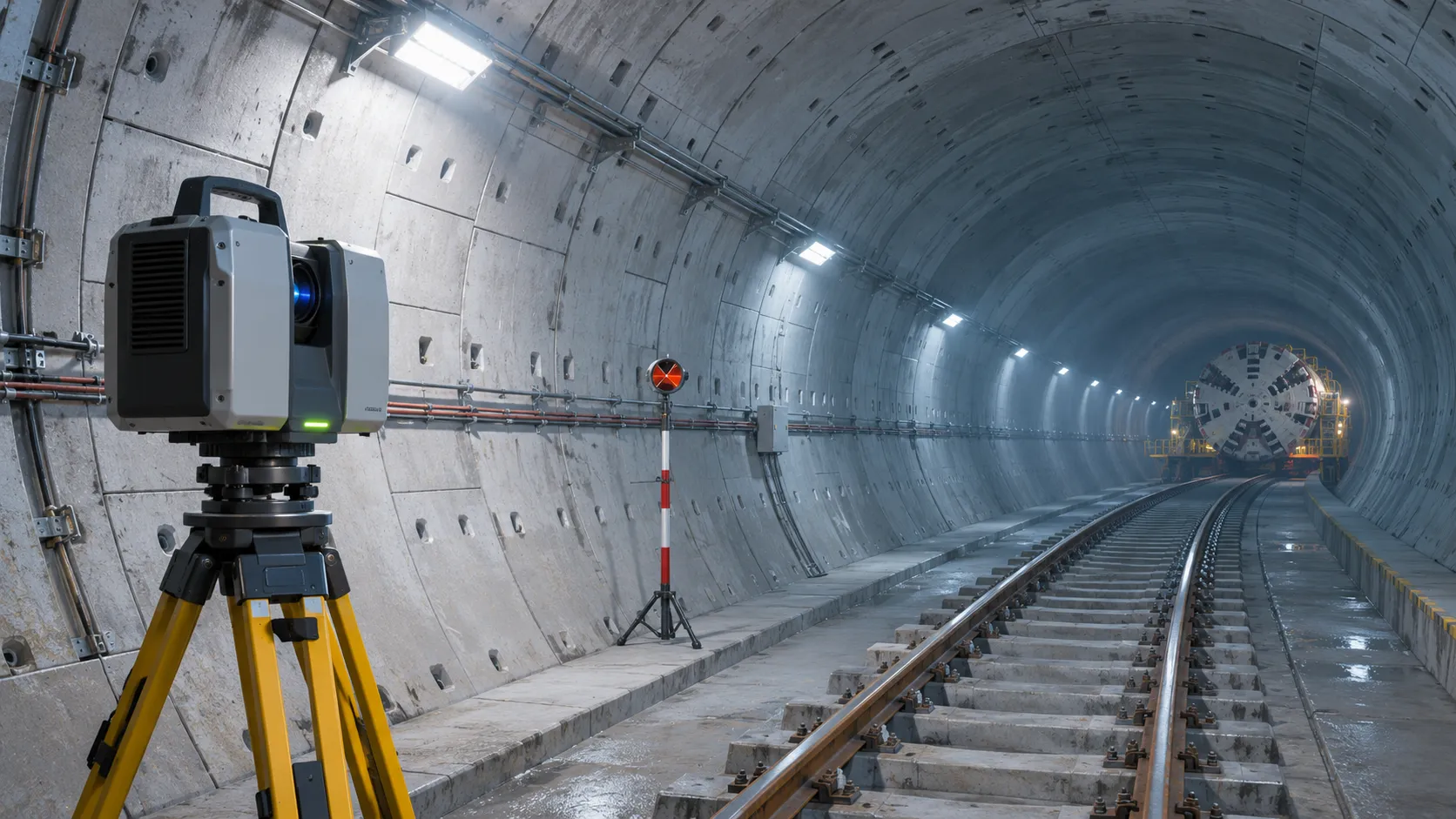
How Real-Time Underground Mapping Systems Work in Tunneling
Discover how real-time underground mapping systems guide tunneling teams, integrate sensor data, and support confident decisions with verified accuracy.
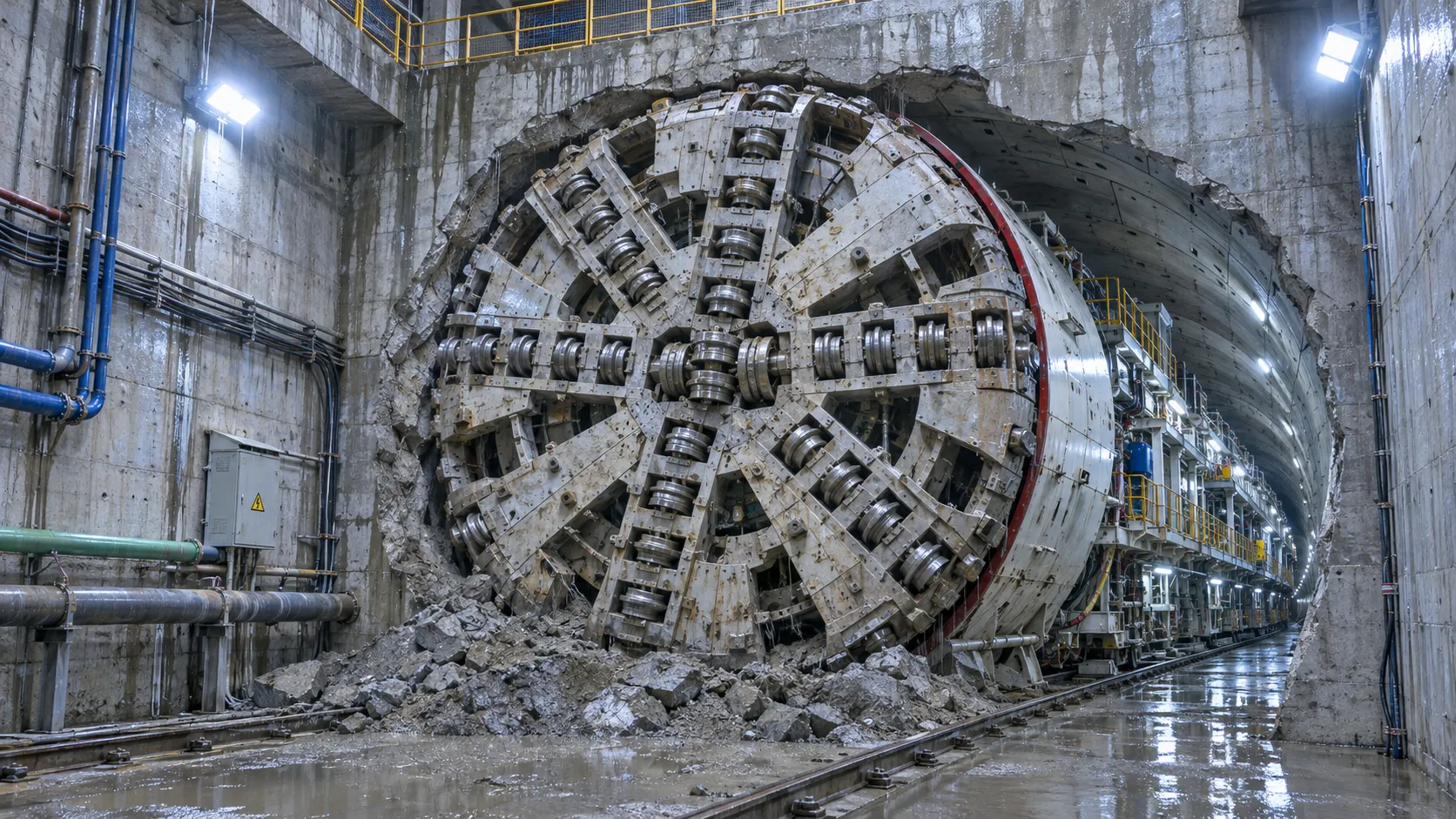
First Mechanized Tunnel Crossing Beneath the Panama Canal Completed
Panama Canal tunnel crossing: Explore the reported Metro Line 3 milestone and what it could mean for future underwater tunneling projects.
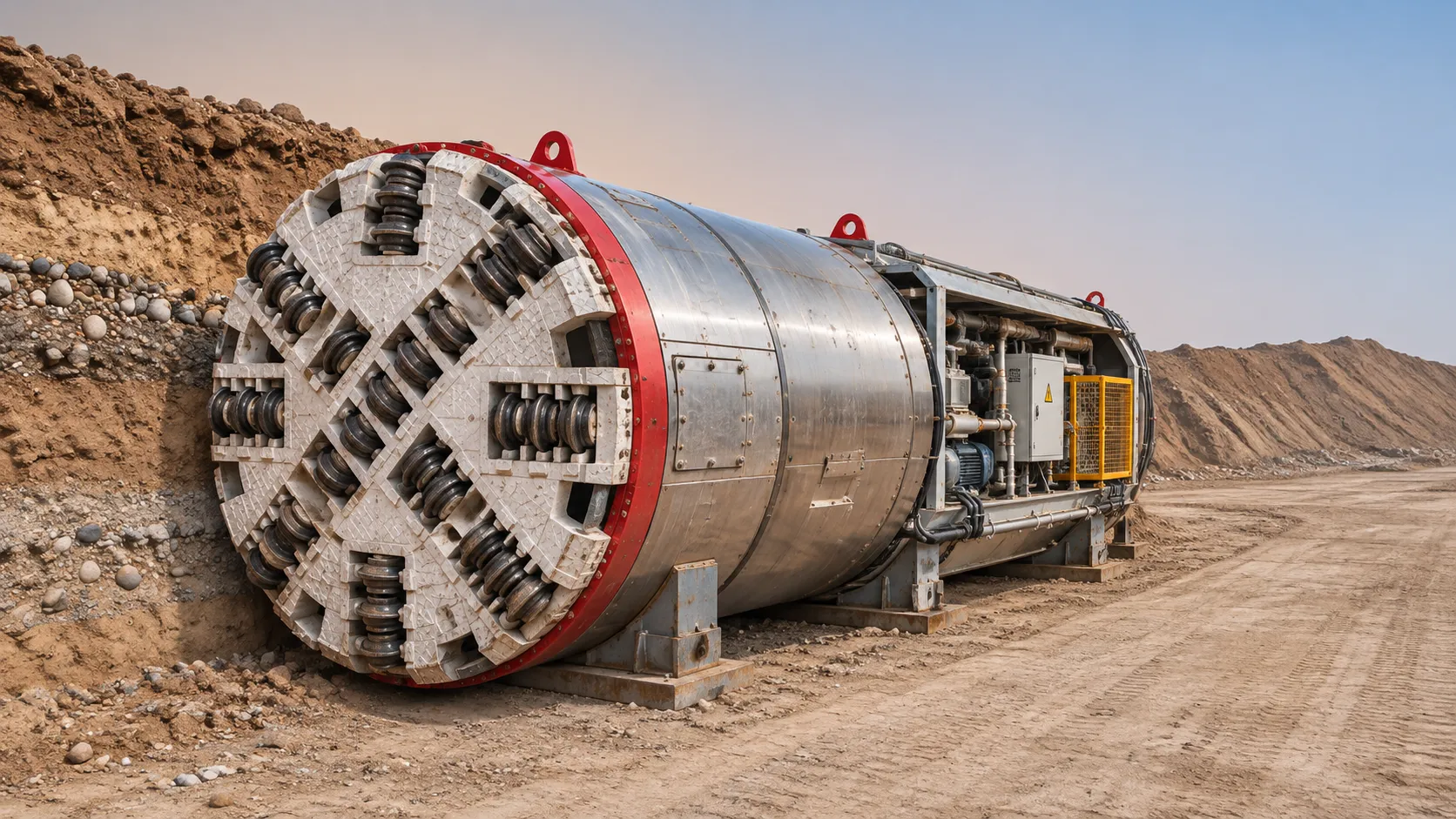
Underground Utility Construction Equipment: Choosing by Ground Conditions
Choose underground utility construction equipment with confidence. Compare trenching, HDD, microtunnelling and TBMs by ground conditions, risk and cost.
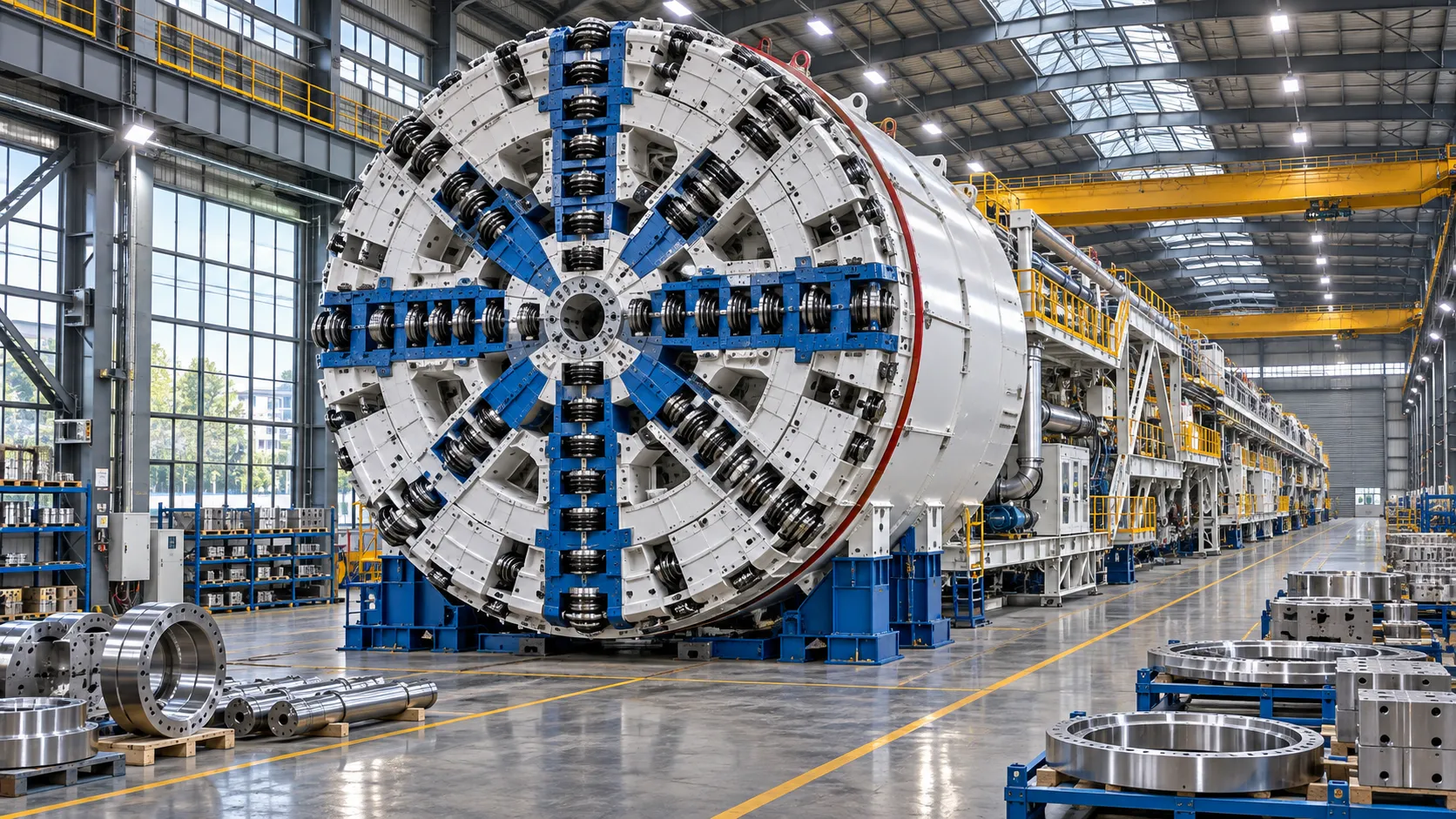
China Sets Tunnel Boring Machine Export Controls as India Pushes Local Production
China tunnel boring machine export controls could reshape procurement as India pushes local production. Explore potential supply and project impacts.
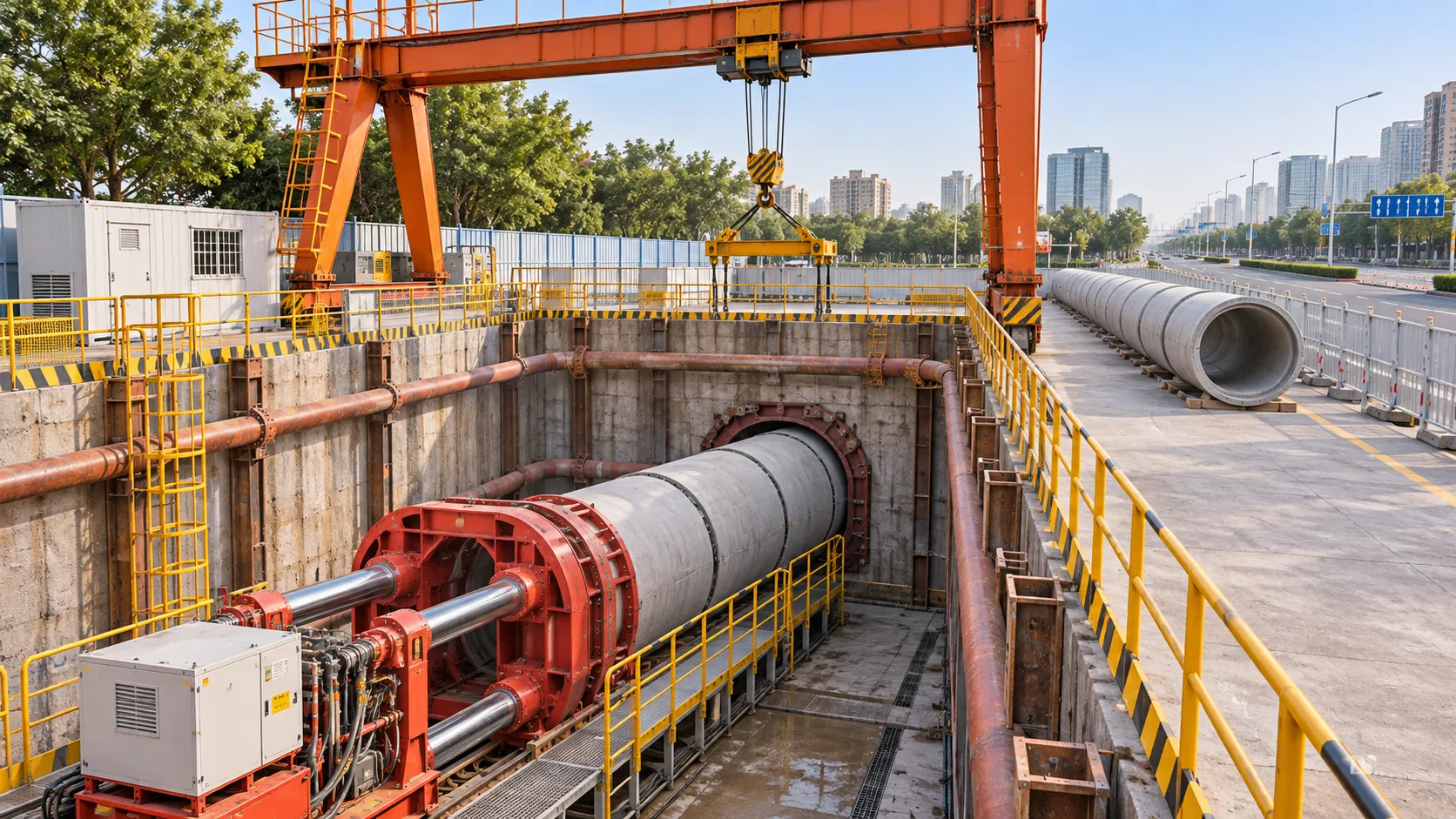
Choosing a Trenchless Pipeline Installation Contractor: Key Qualifications
Choose a trenchless pipeline installation contractor with confidence. Learn how to assess experience, equipment, safety, costs, and project risks before you hire.
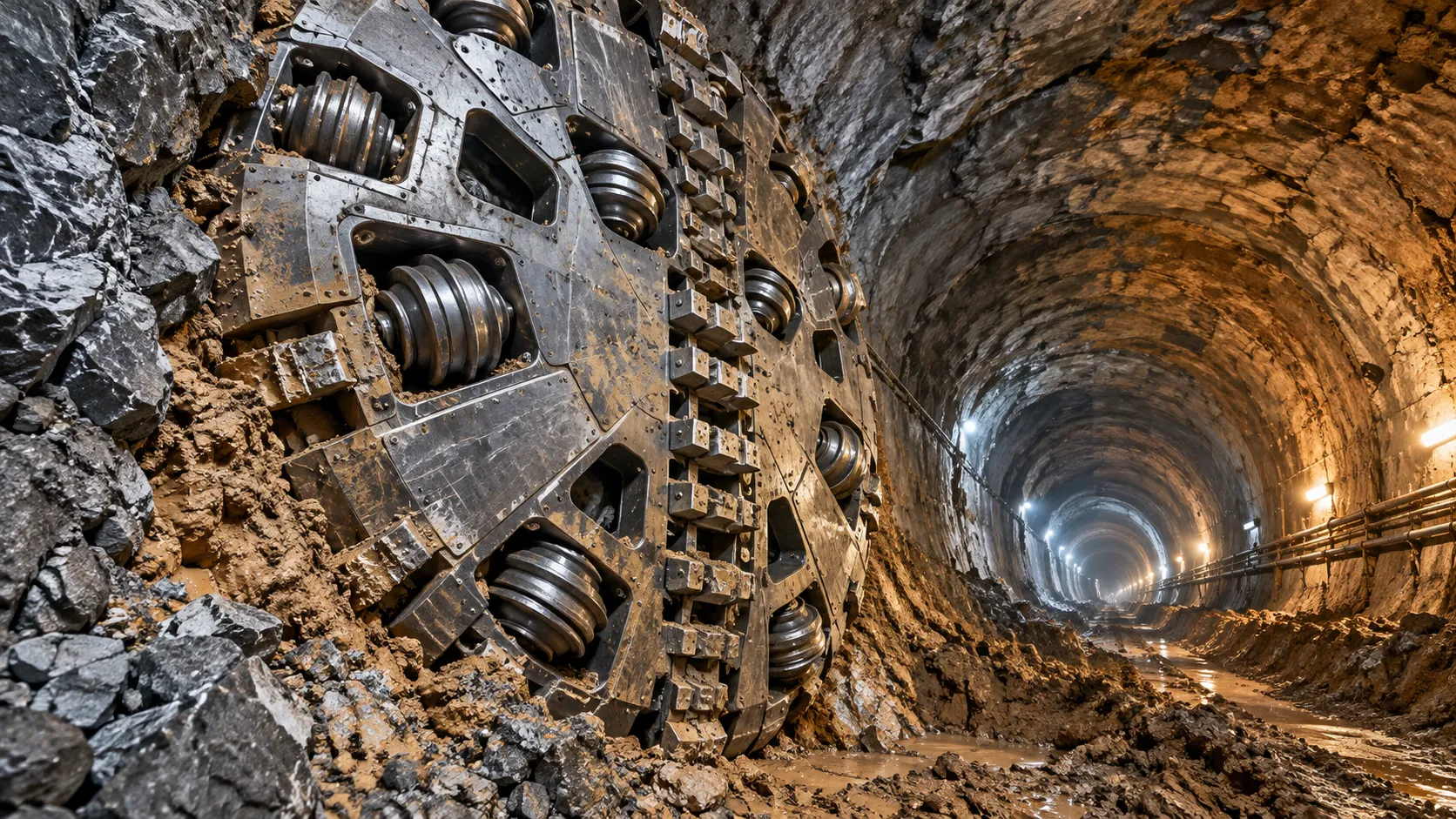
TBM Cutterheads for Mixed Ground: Selecting Cutters for Rock and Soil
Explore TBM cutterheads for mixed ground and learn how to select cutters, manage rock–soil transitions, and reduce wear, downtime, and intervention risk.
Related News
- 00
0000-00
How TBM Excavation Works in Rock and Soft Ground: A Practical Guide - 00
0000-00
Choosing a Zero-Emission Underground Equipment Supplier: What to Check - 00
0000-00
Construction Starts on Germany's Pfaffensteig Rail Tunnel, With Two TBMs Planned - 00
0000-00
How Real-Time Underground Mapping Systems Work in Tunneling - 00
0000-00
First Mechanized Tunnel Crossing Beneath the Panama Canal Completed
Weekly Insights
Stay ahead with our curated technology reports delivered every Monday.