
Decline Development Mining: How to Plan Gradient, Ventilation, and Haulage Together





Why decline development mining decisions must be linked early
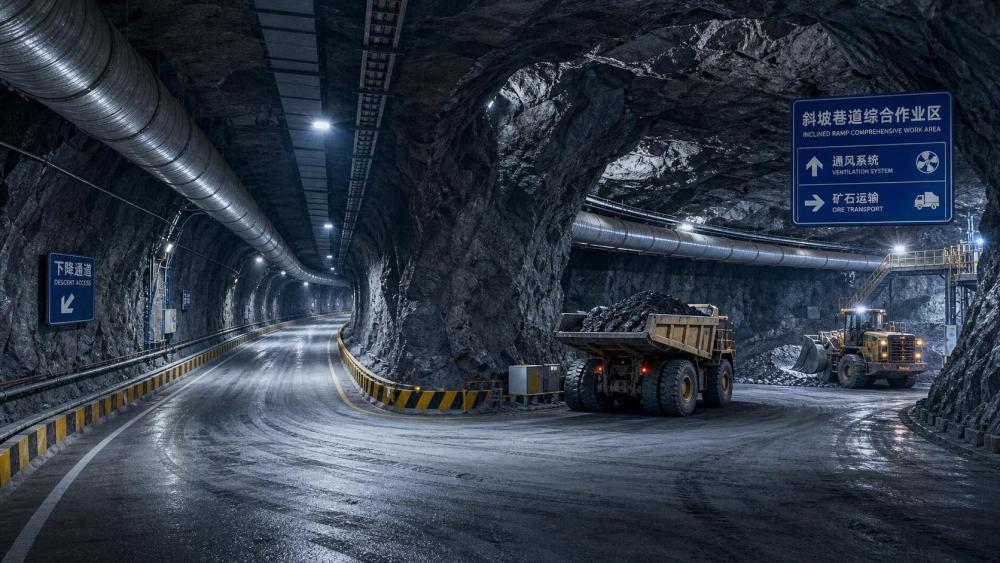
Decline development mining rarely fails because one number is wrong. It usually fails because separate design choices start fighting each other underground.
A steeper gradient may shorten the ramp. It can also increase diesel heat, brake wear, and cycle-time variability if haulage equipment is not matched.
A larger airway may improve dilution control. Yet it can reduce excavation efficiency if the section grows beyond what the drilling jumbo, ground support plan, and mucking method can sustain.
That is why decline development mining is better planned as one operating system, not three separate engineering packages.
Across underground projects tracked by UTMD, the strongest outcomes usually come from early coordination between rock-cutting logic, transport layout, and low-emission ventilation strategy.
This matters even more as mines move toward battery-electric fleets, remote operation, and higher asset utilization in deeper, hotter workings.
Different underground settings change the real design priority
Not every decline development mining layout serves the same production path. The right balance depends on depth, orebody timing, fleet type, and ventilation constraints.
In a shallow, fast-start operation, quicker access to initial stopes may outweigh long-term ramp efficiency. In a deep expansion, the same shortcut can become a permanent operating penalty.
Ground conditions also shift the answer. Weak rock may favor gentler geometry and simpler intersections, while competent rock can tolerate more aggressive advance if support installation remains stable.
Ventilation demand changes with equipment philosophy. Diesel fleets need strong contaminant clearance and heat control. Battery-electric machines reduce exhaust, but they do not remove the need for airflow planning.
Heat, dust, blasting fumes, charger rooms, and refuge requirements still shape decline development mining in practical ways.
Where integrated planning usually starts
- Expected ramp life versus early access urgency.
- Fleet selection, including truck size, LHD interaction, and braking profile.
- Air quantity needs at peak development, not only at first cut.
- Excavation profile required for support, drainage, and utility corridors.
- Future automation or electrification that may alter traffic rules and charging locations.
When early production pressure drives the decline layout
One common scenario in decline development mining is the push to reach ore quickly. The schedule dominates every design meeting.
Here, teams often accept tighter curves, steeper grades, or minimal passing arrangements to save months. Sometimes that works. Often it creates a hidden bottleneck.
The key judgement is whether the ramp is mainly a temporary access drive or the backbone of long-term haulage.
If long-term use is likely, every extra percent of grade compounds operating cost. Truck speed falls on ascent, brake demand rises on descent, and ventilation power keeps climbing.
In this setting, the best decline development mining approach is usually selective acceleration, not universal compression. Advance fast where geometry is forgiving, but protect the segments that will govern haulage for years.
What deserves extra checking
Cycle-time modeling should include loaded uphill runs, empty returns, queueing at loading points, and service interruptions caused by ventilation re-entry delays.
If the model only shows nominal travel speed, decline development mining economics will look better on paper than underground.
Deepening projects usually expose ventilation and heat limits first
Another frequent situation appears when an operating mine extends deeper using the existing decline philosophy. The original geometry may have worked at moderate depth.
At greater depth, the same layout can struggle with heat, longer haul distances, and reduced operational flexibility during maintenance or emergency events.
This is where decline development mining stops being a simple civil alignment issue. It becomes an energy and logistics problem.
Ventilation raises questions beyond fan size. The route of fresh air, leakage control, booster strategy, and interaction with development headings all matter.
UTMD regularly highlights how underground transport systems and airflow design now need closer coordination, especially where electrified equipment and digital monitoring are entering legacy mines.
A battery fleet may reduce diesel particulates. However, decline development mining still needs enough air for thermal comfort, blast clearance, and reliable visibility in busy headings.
Haulage choices change the right ramp gradient
In decline development mining, gradient is often discussed as a civil number. In practice, it is a fleet performance number.
A gradient that suits smaller trucks may be inefficient for larger units. A ramp designed around diesel torque curves may not be ideal for battery-electric vehicles.
Regenerative braking changes the downhill energy picture, but only if speed control, payload consistency, and road conditions allow the system to work efficiently.
That is one reason UTMD pays close attention to long downhill haul analysis and the operating limits of electrified mining transport.
More importantly, decline development mining should test intersections between truck haulage and LHD rehandle strategy. A ramp can look efficient while the loading zone quietly becomes the throughput cap.
A practical way to judge haulage fit
- Check sustained ramp speed, not peak speed.
- Compare brake demand against moisture, curve radius, and road maintenance reality.
- Model mixed traffic if development, support, and production share the same route.
- Test whether charger bays or refuge chambers interrupt passing logic.
Where decline development mining is often misjudged
A common mistake is treating ventilation as a compliance task after the ramp alignment is fixed. That usually leads to expensive retrofits.
Another error is choosing equipment first, then forcing the decline profile to fit published dimensions. Catalog dimensions do not capture operational clearance, maintenance access, or service installation.
Some projects also assume similar orebodies need similar decline development mining layouts. The comparison breaks down when haul distances, heat load, and production sequencing differ.
There is also a long-term cost blind spot. Saving excavation volume today can increase fan power, tire consumption, road maintenance, and lost productivity for the life of the mine.
In mines preparing for autonomy, one more issue appears. Geometry that is workable for skilled manual driving may be weak for repeatable sensor-based navigation and safe machine interaction.
A better fit comes from comparing conditions, not copying layouts
Useful decline development mining planning starts with a short list of conditions that actually move cost and risk.
- Define whether the decline is temporary access, permanent haulage, or both.
- Map the ventilation requirement at peak activity, not only during initial development.
- Test diesel and electric fleet cases if the transition window is realistic.
- Reserve space for utilities, drainage, and support installation without squeezing traffic safety.
- Review turning, passing, and emergency response at the same time, not in separate studies.
This comparison-based method is more reliable than copying a successful ramp from another mine. Similar geology does not guarantee similar logistics.
For complex underground programs, the strongest next step is usually a joined review of gradient profile, airflow path, and haulage model under several realistic operating cases.
That kind of integrated check gives decline development mining a better chance of supporting safety, production stability, and future electrification without costly redesign later.
Related News
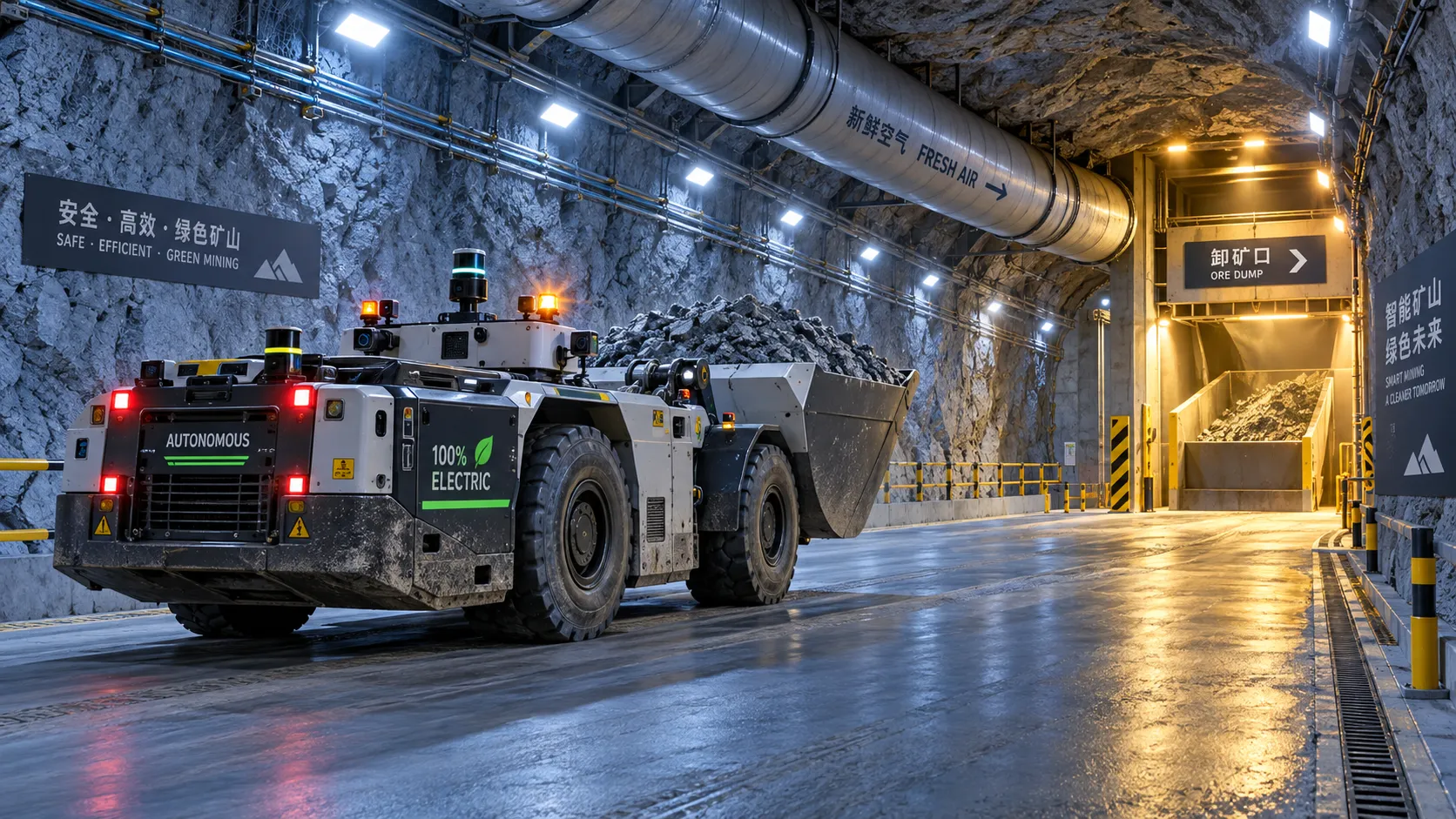
Where Autonomous Mining Loaders Deliver the Most Value in Underground Operations
Autonomous Mining Loaders deliver greater underground value through safer blast-zone work, repeatable haul cycles, and improved ventilation efficiency. Discover the best deployment zones.
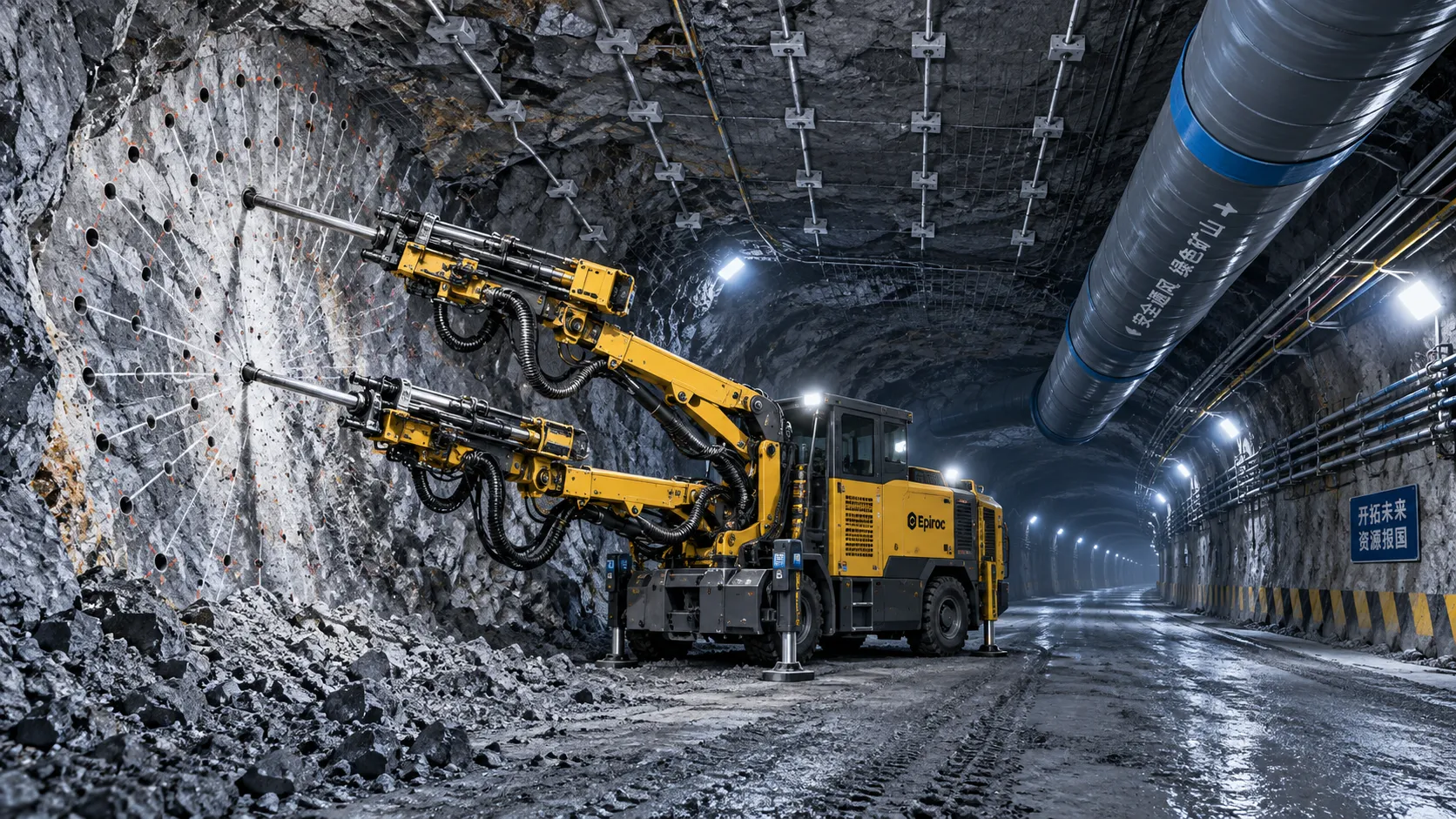
Underground Drilling for Mining: Selecting Methods for Rock Conditions and Mine Layout
Underground drilling for mining: learn how to match drilling methods to rock conditions, mine layout, accuracy needs, ground support, and cycle efficiency.
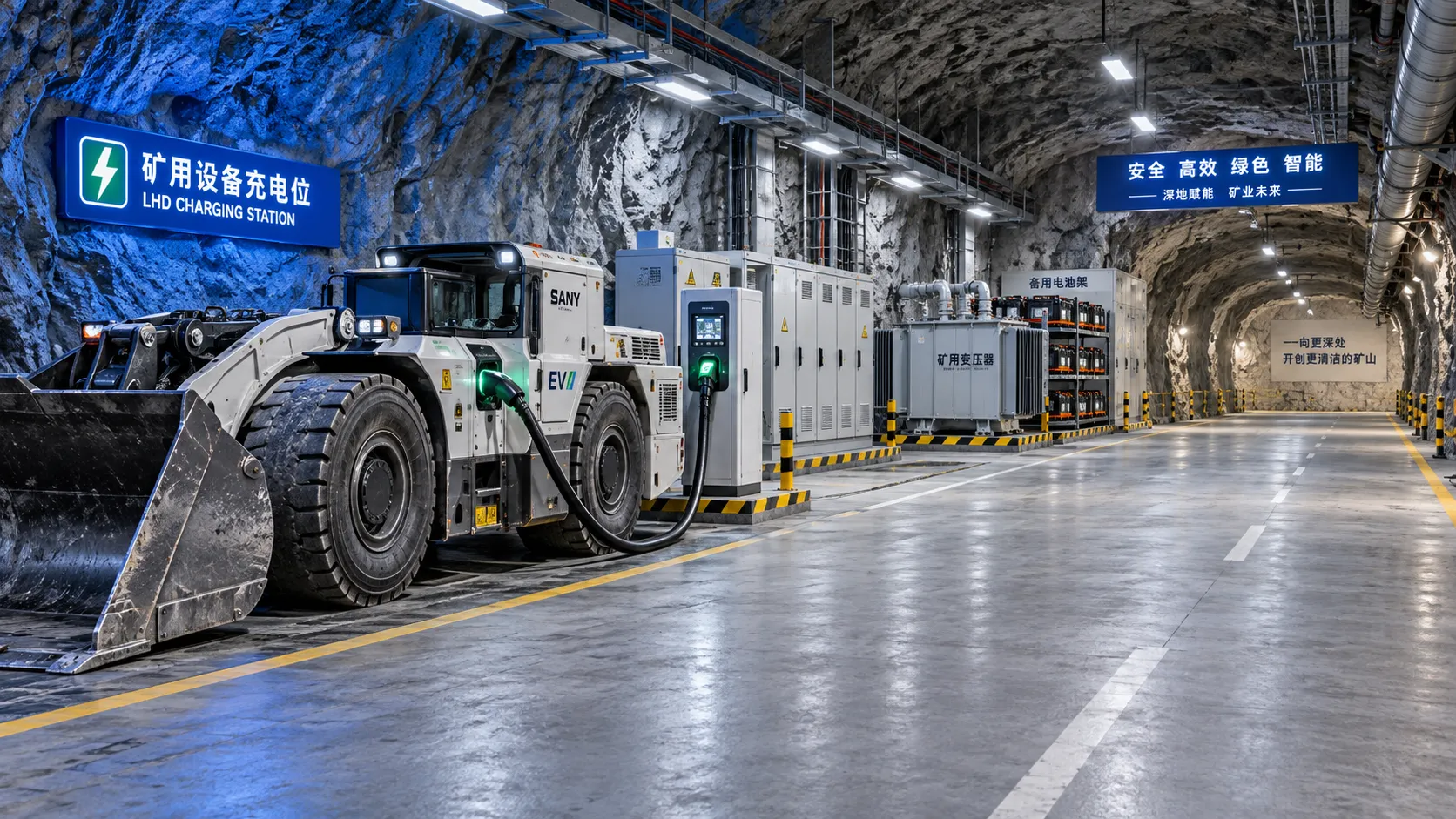
Underground Mine Electrification: How to Size Battery Fleets and Charging Capacity
Mining electrification for underground mines: learn how to size battery fleets, chargers, and power capacity to prevent queues, peak-load issues, and production downtime.
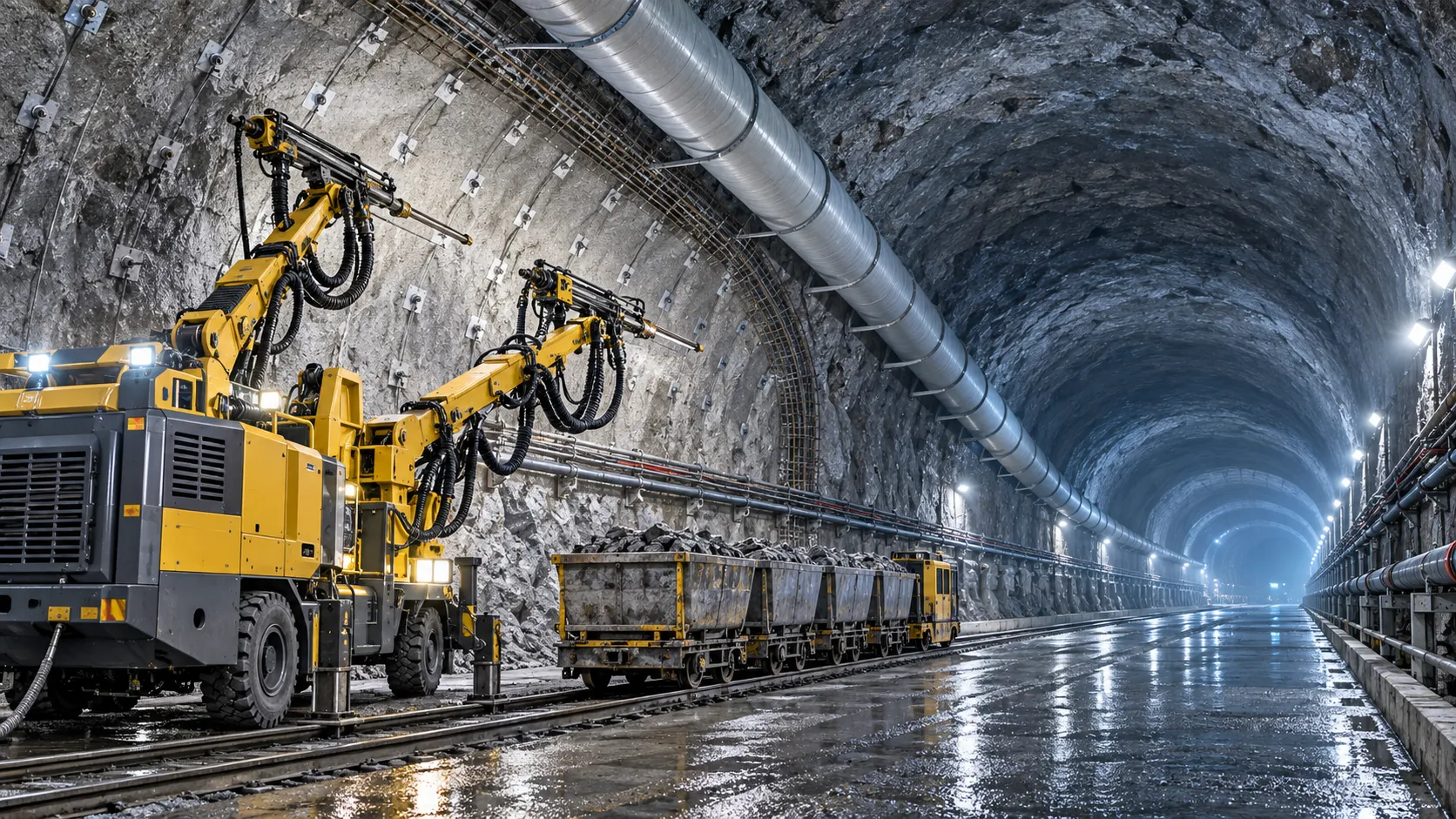
How to Evaluate European Drill-and-Blast Tunnelling Contractors for Complex Projects
Drill and blast tunnelling contractors Europe: learn how to assess geology expertise, blast control, equipment reliability, safety, and programme resilience for complex projects.
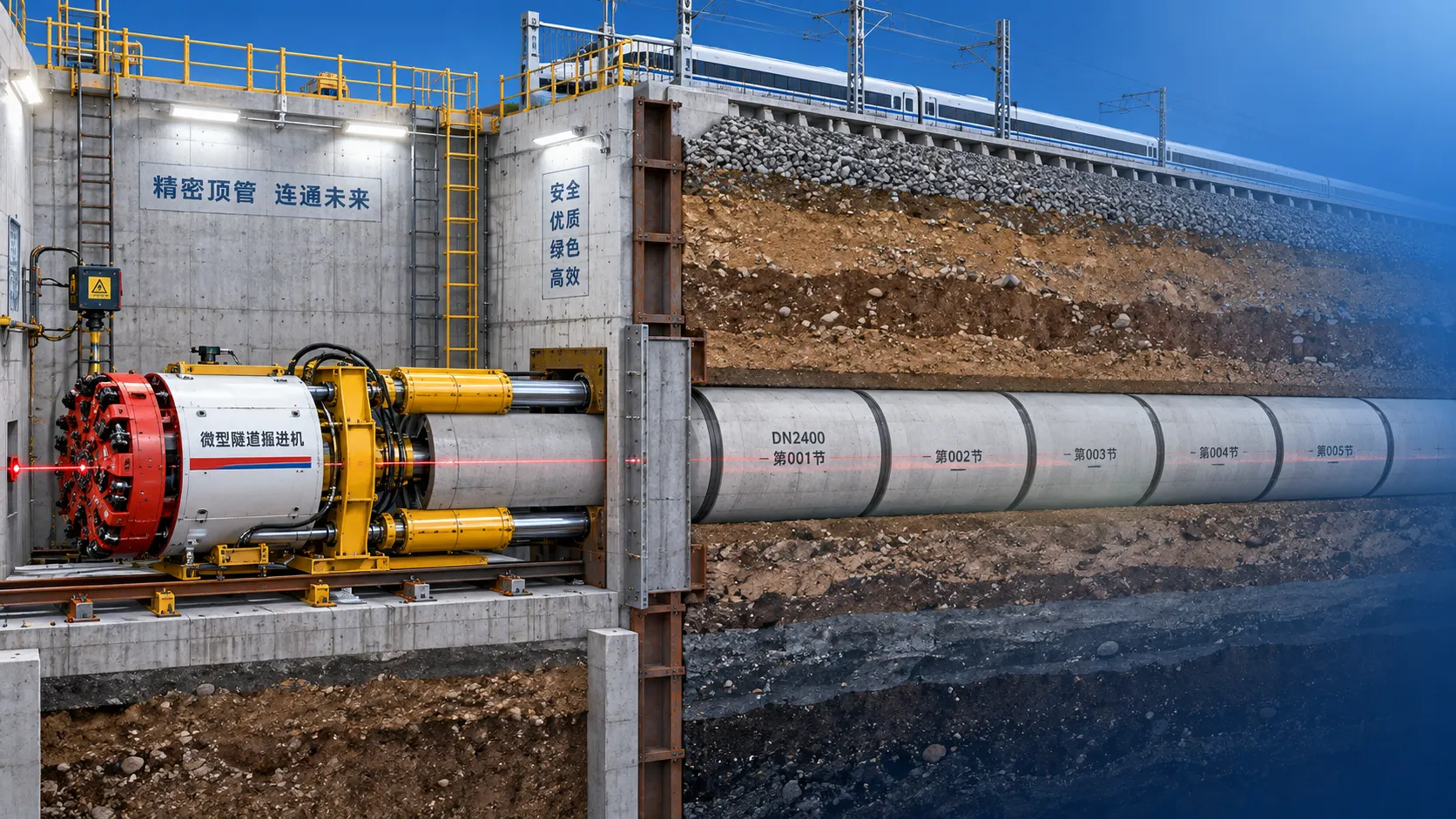
Which Trenchless Construction Technique Fits Your Utility Crossing Conditions?
Trenchless construction techniques compared for utility crossings: choose HDD, microtunnelling, pipe jacking, or auger boring based on ground, accuracy, access, and risk.
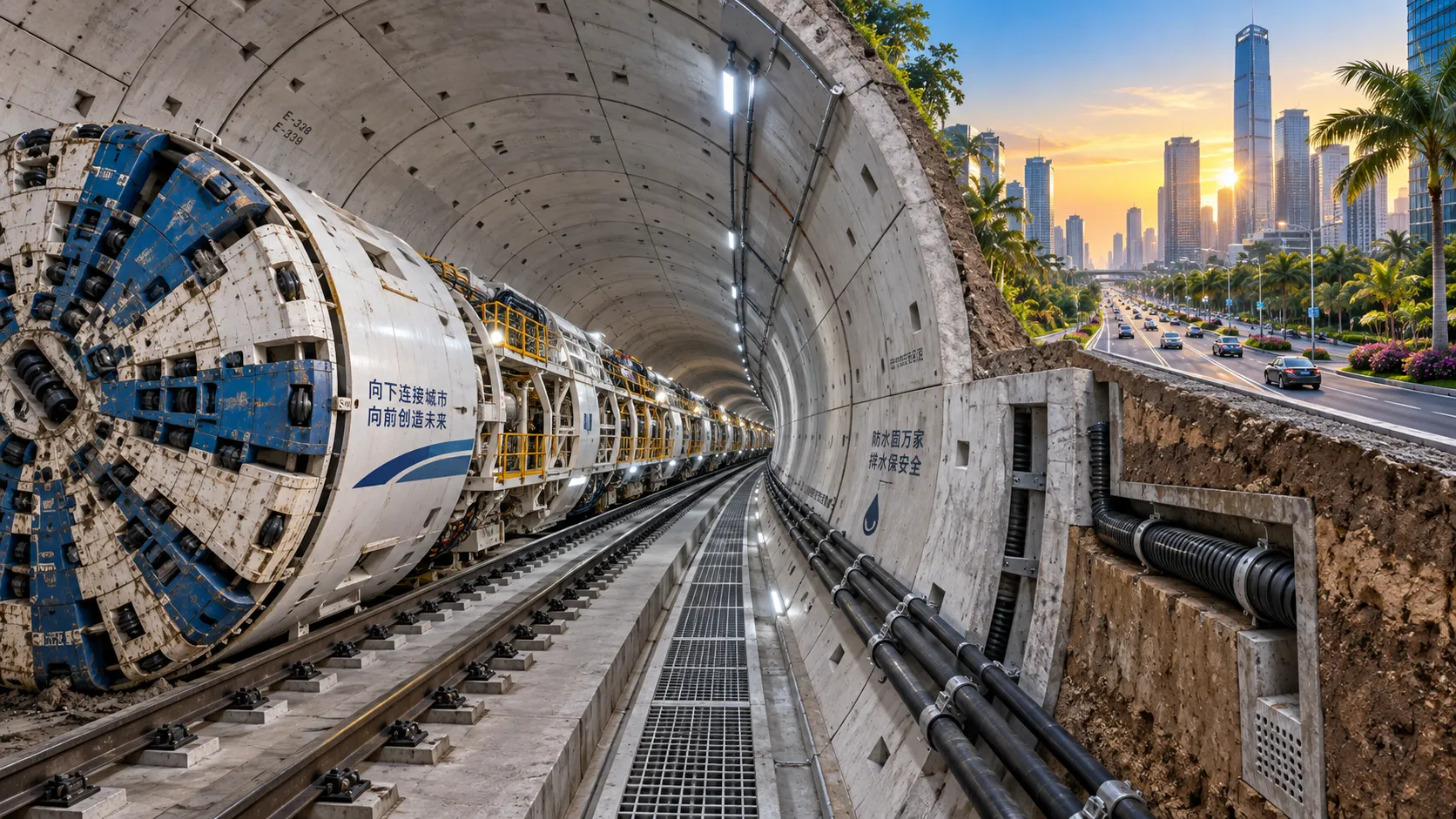
What Is Driving Metro Tunnelling Demand Across Southeast Asia’s Major Cities?
Metro tunnelling Southeast Asia is accelerating as major cities tackle congestion, flooding, and connectivity. Explore the market forces, technical risks, and opportunities shaping demand.
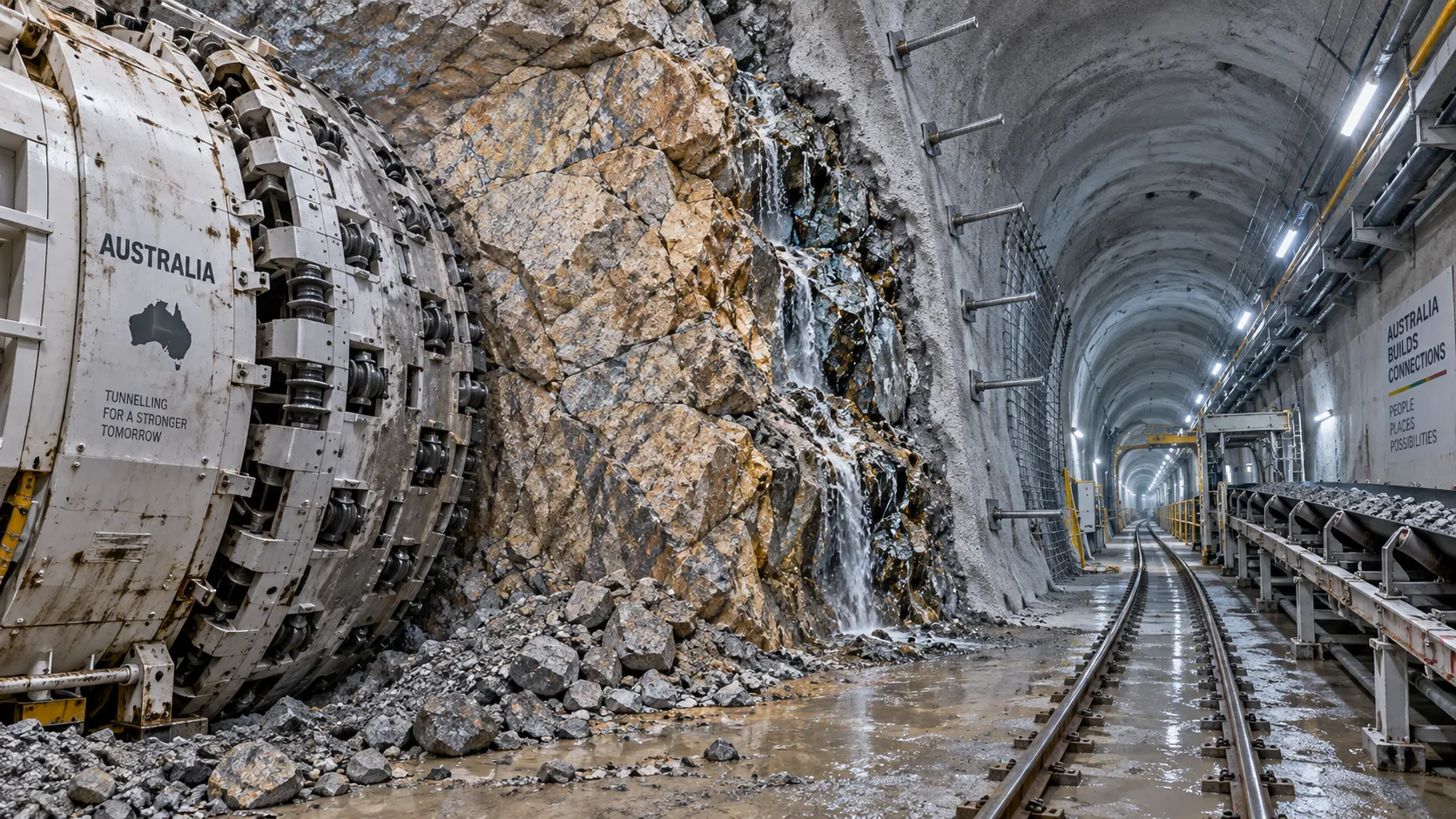
Hard Rock Tunnelling in Australia: Selecting Methods for Variable Ground Conditions
Hard rock tunnelling in Australia: compare TBM, drill-and-blast and hybrid methods to manage variable ground, reduce risk and protect project costs.
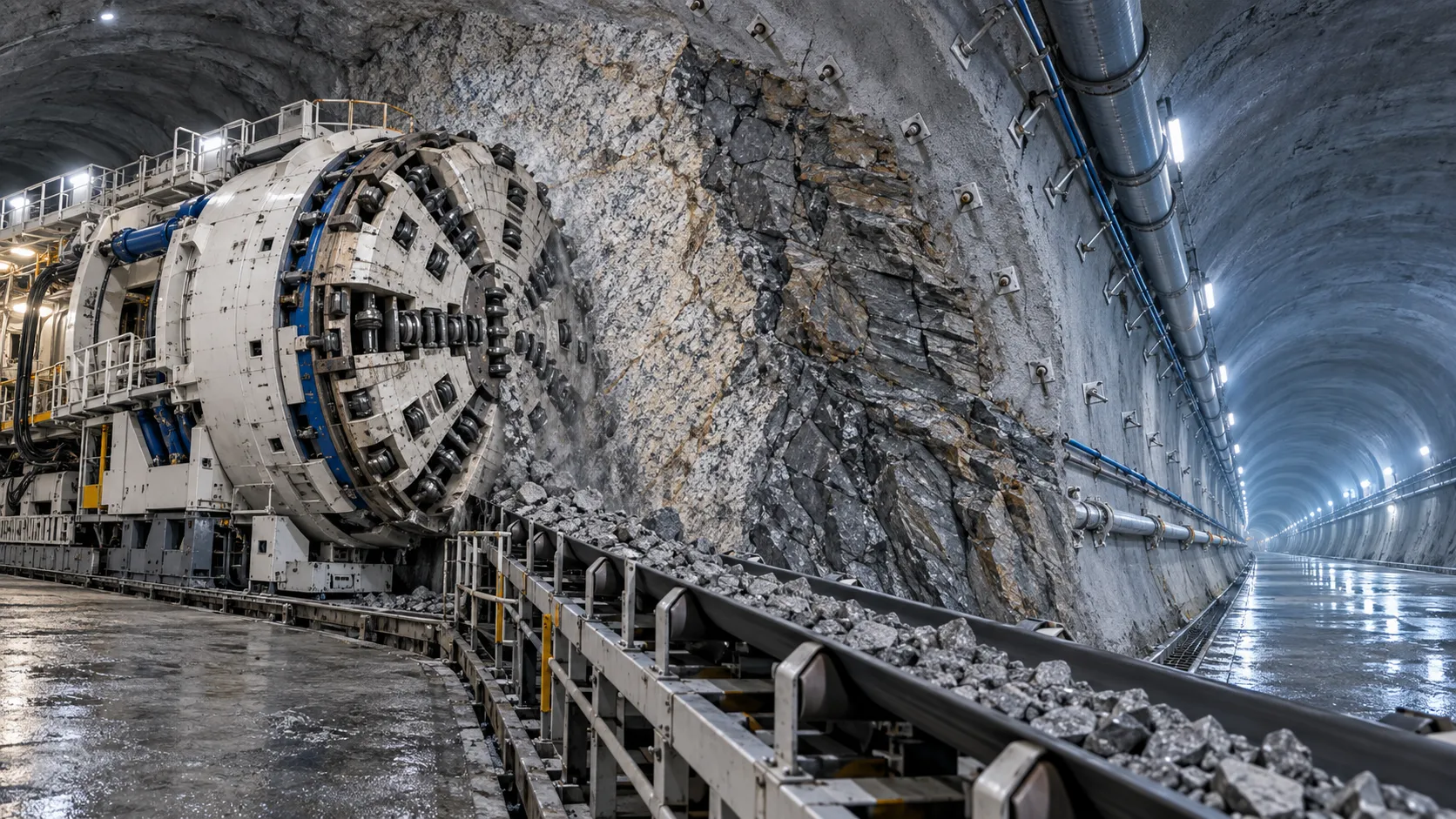
Hydropower Tunnel Excavation: Selecting Methods for Variable Rock Conditions
Hydropower tunnel excavation methods for variable rock conditions: compare TBM, drill-and-blast, and hybrid strategies to improve safety, progress, and project control.
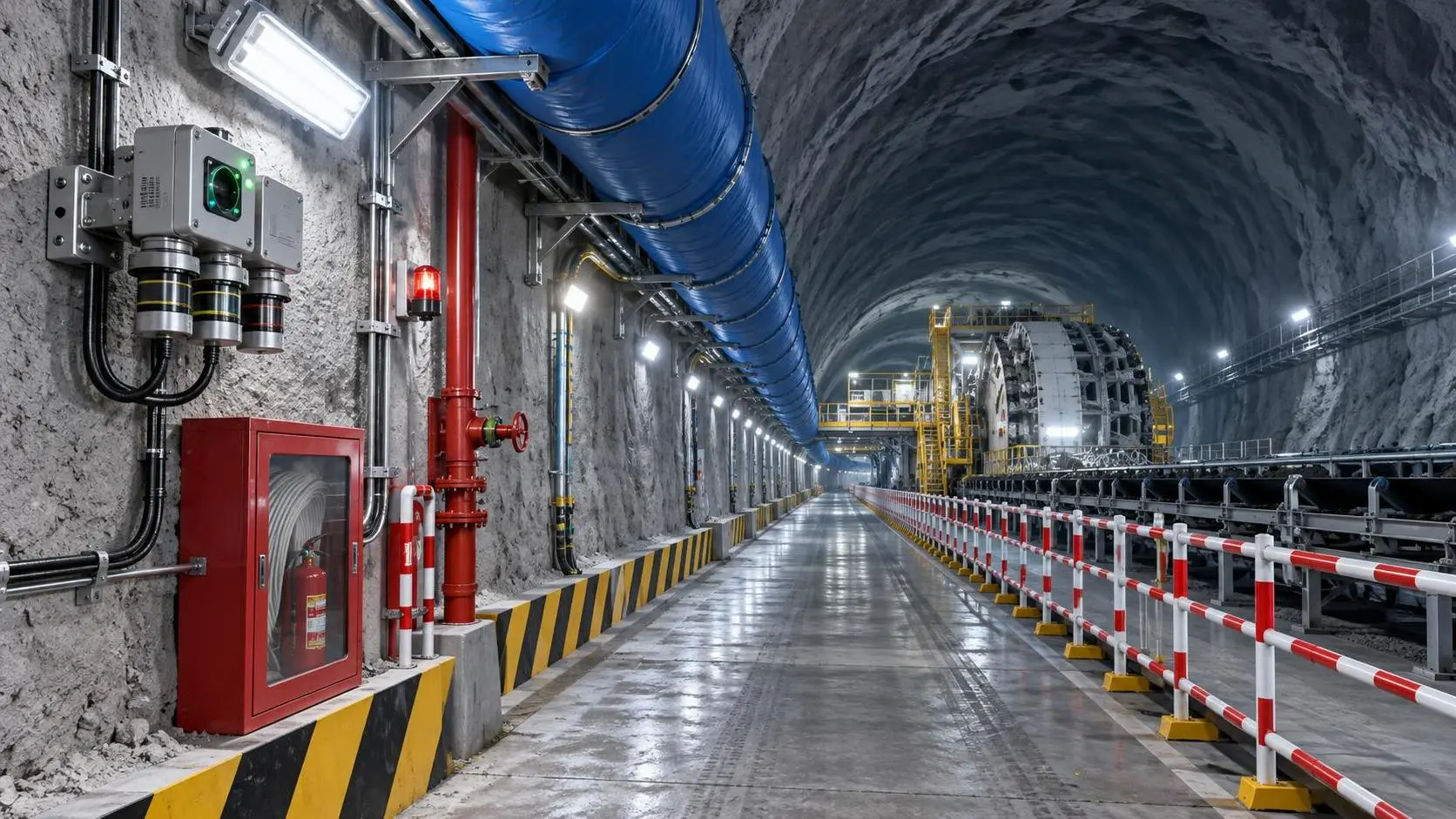
How to Select Underground Safety Equipment for Tunnelling by Hazard and Work Zone
Underground Safety Equipment for tunnelling: match protection to hazards, work zones, compliance, and emergency needs with this practical selection guide.
Related News
- 00
0000-00
Where Autonomous Mining Loaders Deliver the Most Value in Underground Operations - 00
0000-00
Underground Drilling for Mining: Selecting Methods for Rock Conditions and Mine Layout - 00
0000-00
Underground Mine Electrification: How to Size Battery Fleets and Charging Capacity - 00
0000-00
How to Evaluate European Drill-and-Blast Tunnelling Contractors for Complex Projects - 00
0000-00
Which Trenchless Construction Technique Fits Your Utility Crossing Conditions?
Weekly Insights
Stay ahead with our curated technology reports delivered every Monday.