
Trenchless Technology Benefits for Urban Utility Projects: Less Disruption, Faster Delivery





Trenchless Technology Benefits for Urban Utility Projects: Less Disruption, Faster Delivery
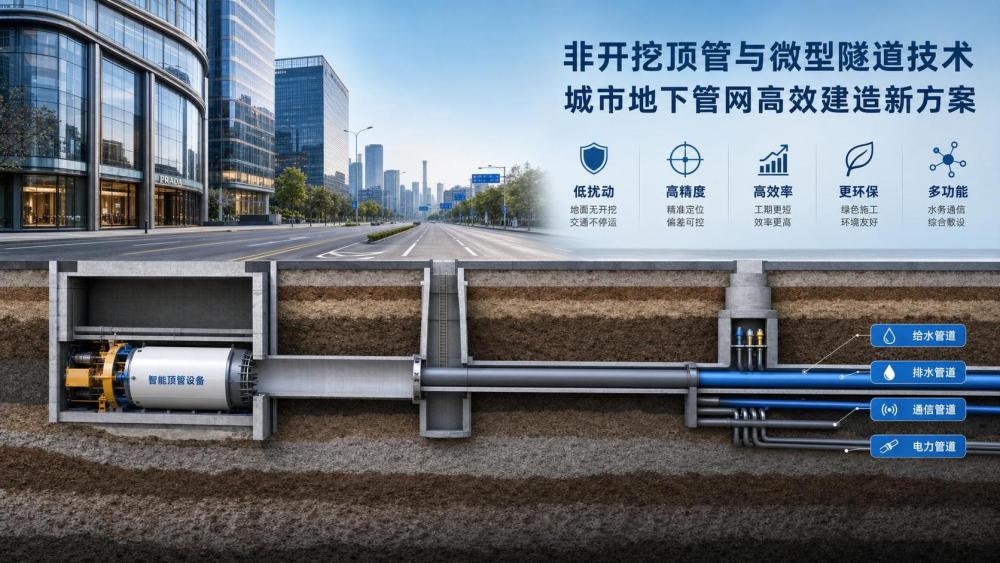
For urban utility leaders under pressure to upgrade aging infrastructure without paralyzing city life, Trenchless Technology benefits are becoming impossible to ignore.
From reduced surface disruption to faster delivery, these methods solve a real operational problem.
Cities need new water, sewer, telecom, and energy networks.
But they also need roads open, businesses accessible, and residents minimally affected.
That tension explains why trenchless construction has moved from niche option to strategic delivery model.
In practical terms, Trenchless Technology benefits go well beyond avoiding open trenches.
They improve schedule certainty, stakeholder confidence, safety, and long-term infrastructure resilience.
For organizations planning urban utility upgrades, that makes trenchless methods a business decision, not just an engineering choice.
Why urban utility projects need a different delivery model
Traditional excavation still works in some contexts.
However, dense urban corridors create constraints that make open-cut methods expensive in hidden ways.
Traffic detours, pavement restoration, permit complexity, noise complaints, and business disruption all add cost.
More importantly, they raise political and operational risk.
This is where Trenchless Technology benefits become easier to quantify.
Methods such as pipe jacking, microtunneling, HDD, and cured-in-place rehabilitation reduce surface intervention dramatically.
That means fewer lane closures, fewer utility conflicts at street level, and less rework after installation.
From a decision standpoint, the shift is clear.
Urban infrastructure now needs delivery approaches designed for continuity, not just construction access.
The hidden costs of open-cut disruption
Open trenches often look cheaper on the first estimate.
Yet urban projects rarely stay inside that simplified cost frame.
- Road restoration can become a major budget line.
- Traffic management may last longer than the excavation itself.
- Retail and residential complaints can delay approvals.
- Unexpected utility crossings increase redesign and field changes.
- Safety exposure rises with longer open work zones.
When these factors are included, Trenchless Technology benefits often support a stronger total-value case.
Core Trenchless Technology benefits in urban utility delivery
The main appeal of trenchless methods is not one single advantage.
It is the combination of operational, financial, and community outcomes.
1. Less disruption to roads, neighborhoods, and businesses
This is usually the most visible benefit.
With fewer access pits and less surface excavation, cities keep daily life moving.
That matters in downtown streets, hospital zones, rail corridors, and school districts.
Among all Trenchless Technology benefits, lower disruption often delivers the fastest public acceptance.
2. Faster delivery in constrained environments
Urban schedules are vulnerable to permits, congestion, and utility conflicts.
Trenchless methods reduce many of those interface points.
A smaller site footprint can simplify logistics and shorten restoration work.
That is why Trenchless Technology benefits often include better schedule reliability, not just faster digging.
3. Lower social and lifecycle costs
Direct construction cost is only part of the picture.
Decision makers increasingly assess social cost, carbon impact, and future maintenance exposure.
Less excavation can mean less hauling, less disposal, and less surface rebuilding.
These Trenchless Technology benefits align well with ESG targets and budget discipline.
4. Safer execution around existing infrastructure
Busy streets hide dense networks of cables, pipes, ducts, and foundations.
Extensive surface excavation increases contact risk.
Trenchless solutions, when properly planned, reduce exposure to repeated open cuts and unstable work zones.
That makes safety one of the most practical Trenchless Technology benefits in high-density areas.
Where trenchless methods create the most value
Not every utility project needs the same trenchless approach.
The value grows when location risk and continuity demands are high.
High-value application scenarios
- Water and sewer renewal under major roads.
- Utility crossings beneath railways, rivers, or highways.
- Fiber, power, or district energy installation in business districts.
- Rehabilitation in historic neighborhoods with restoration restrictions.
- Projects near hospitals, airports, campuses, and logistics hubs.
In these cases, Trenchless Technology benefits compound quickly.
The more sensitive the corridor, the stronger the value of low-impact installation.
Method selection matters
The right method depends on ground conditions, alignment, diameter, depth, and utility purpose.
Pipe jacking and microtunneling suit precise urban installations.
HDD can work well for long crossings with limited access points.
Rehabilitation methods fit aging networks where replacement would be too disruptive.
The strongest Trenchless Technology benefits appear when the method matches the operating context.
How to evaluate Trenchless Technology benefits before project approval
A good decision process goes beyond comparing bid prices.
It should test delivery risk, stakeholder impact, and long-term value.
A practical evaluation checklist
- Map all critical surface constraints, not just underground assets.
- Estimate social disruption costs with real traffic and access data.
- Review subsurface uncertainty and geotechnical investigation quality.
- Compare restoration scope between open-cut and trenchless alternatives.
- Assess contractor capability and equipment suitability early.
- Include schedule resilience in the value model.
- Test ESG, emissions, and community impact assumptions.
This kind of framework makes Trenchless Technology benefits easier to defend internally.
It also reduces the chance of choosing trenchless for the wrong reason.
Common risks to watch
Trenchless is not automatically low risk.
Poor site investigation, weak alignment planning, or mismatched equipment can undermine outcomes.
- Incomplete utility records can affect launch and reception zones.
- Groundwater and mixed-face conditions may alter production rates.
- Settlement monitoring must be active in sensitive corridors.
- Public communication still matters, even with reduced disruption.
Recognizing these issues early helps preserve the full value of Trenchless Technology benefits.
Why market intelligence improves trenchless project decisions
The technical case for trenchless is important.
But timing, equipment availability, supplier maturity, and innovation trends also shape outcomes.
That is where sector intelligence becomes useful.
UTMD tracks the equipment ecosystem behind modern underground delivery.
This includes pipe jacking machines, TBM evolution, and broader underground automation trends.
For project planning teams, that visibility supports better procurement timing and technology selection.
In a market shaped by ESG pressure and smarter infrastructure investment, informed decisions protect both schedule and credibility.
A simple decision framework for the next urban utility project
If a project sits in a dense corridor, start with a trenchless screening study early.
Do not wait until final design to compare low-impact options.
Build the business case around continuity, total disruption cost, and execution risk.
Then match the method to ground reality, not just trend language.
That approach usually reveals the most important Trenchless Technology benefits clearly.
Less disruption is valuable.
Faster delivery is valuable too.
But the real advantage is better control over complex urban delivery conditions.
That is why Trenchless Technology benefits are increasingly central to future-ready utility planning.
For teams shaping the next wave of underground projects, now is the right time to evaluate trenchless options with sharper technical and market insight.
Related News
Tunnel Boring Machine Costs: Budgeting for Purchase, Operation, and Project Risk
Tunnel Boring Machines cost more than purchase price. Learn how to budget lifecycle costs, downtime, logistics, wear, and project risk for smarter TBM decisions.
Open-Pit Haulage Cost Analysis: How Mine Managers Can Cut Cost per Tonne
Open pit haulage cost analysis: discover practical ways to reduce cost per tonne through payload control, cycle-time optimization, road performance, and smarter fleet decisions.
Tunnel Construction Innovations That Reduce Risk and Schedule Delays on Urban Projects
Tunnel construction innovation for urban projects: discover smarter TBMs, real-time monitoring, trenchless methods, and automation that reduce risk and protect schedules.
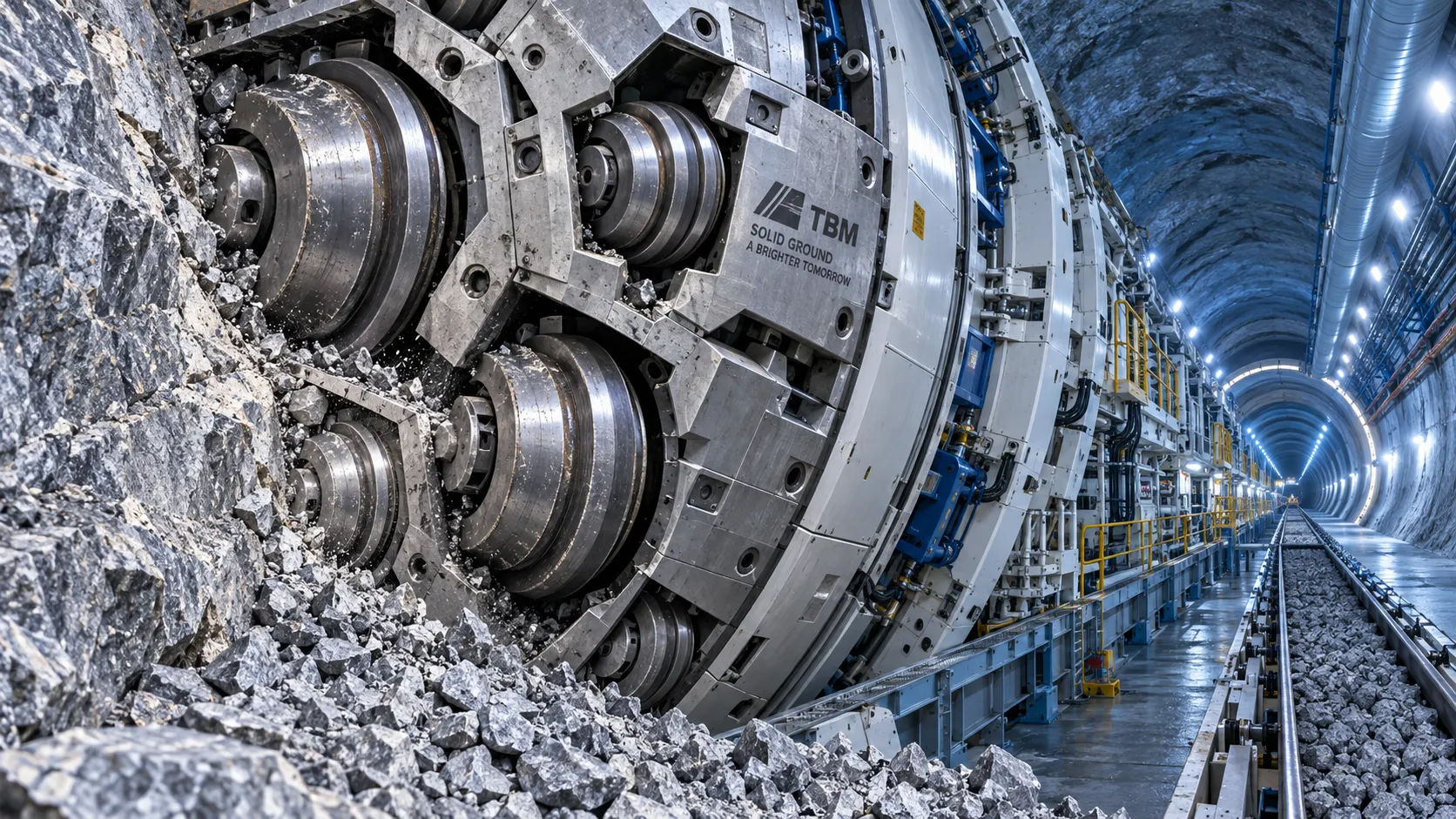
TBM Disc Cutter Design: Key Geometry and Load Factors for Hard Rock Tunnelling
TBM disc cutter design explained: explore geometry, spacing, load distribution and maintenance factors for reliable, efficient hard-rock tunnelling performance.
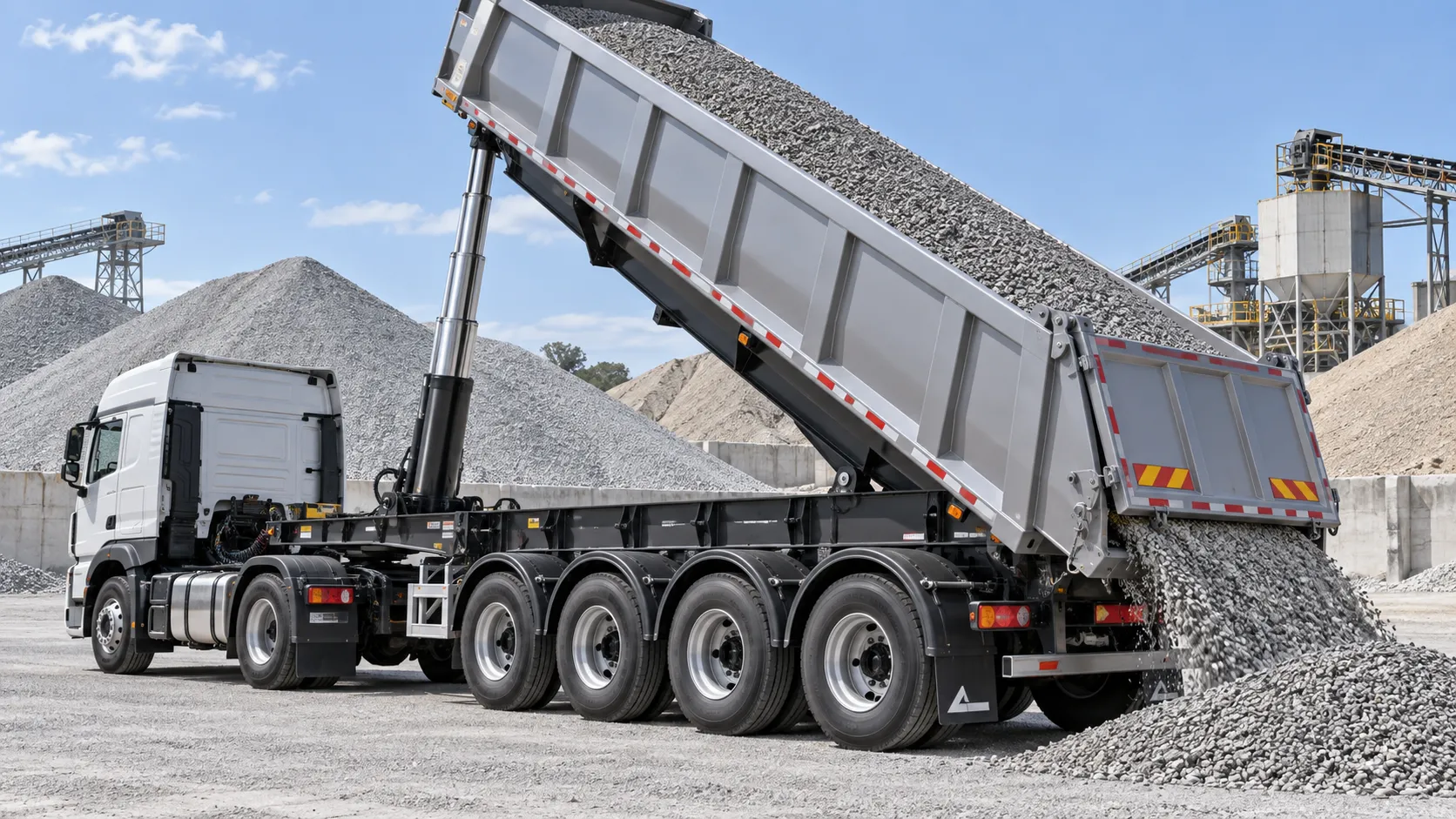
Hydraulic Tipping Stability Risks in Multi-Axle Dump Special Trailers
Dump special trailers: discover key hydraulic tipping stability risks, multi-axle load dynamics, and practical safety controls for safer, smarter bulk hauling.
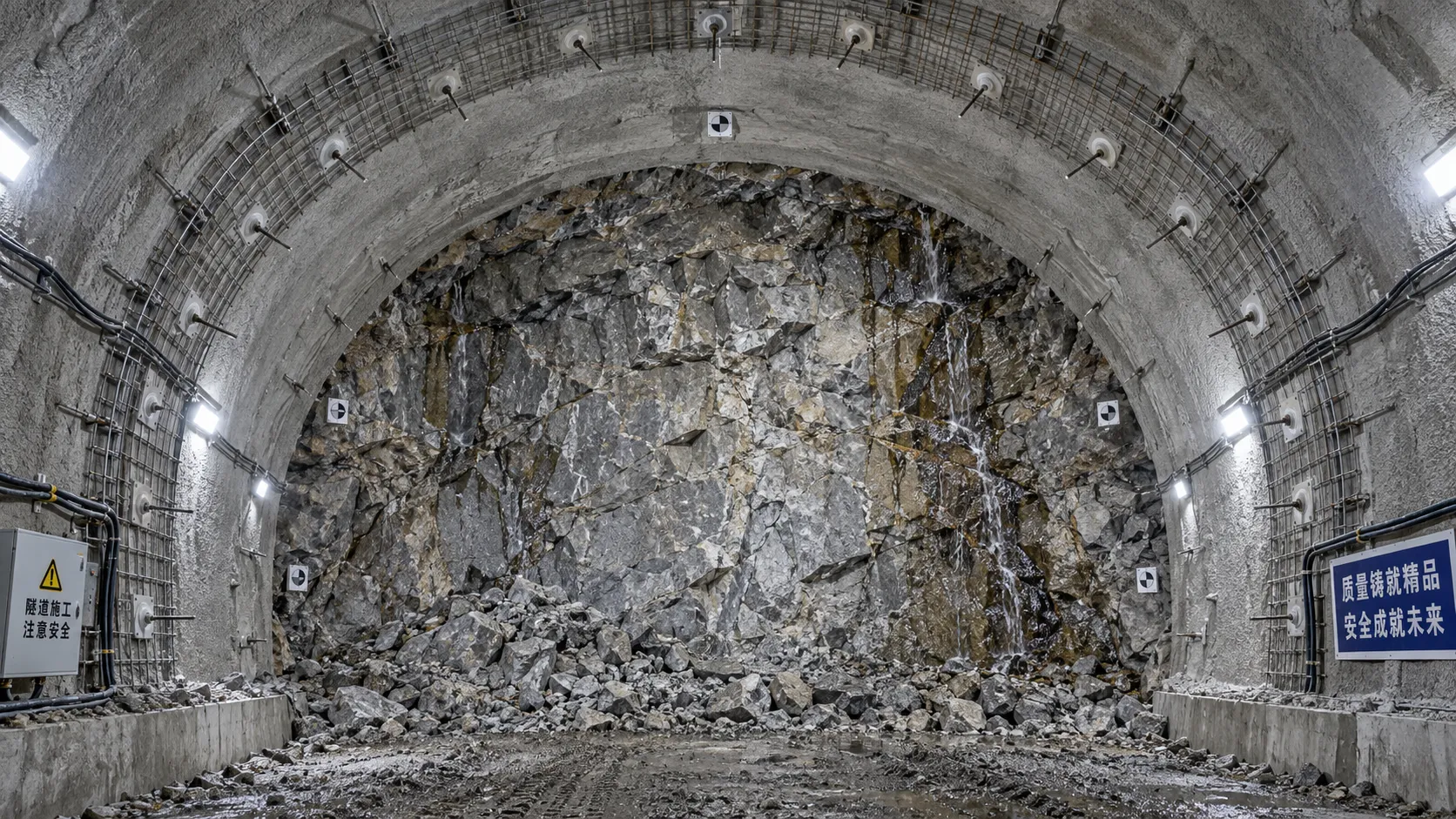
When rock reinforcement in tunnel construction must change after blasting
Rock reinforcement in tunnel construction must change when blasting reveals overbreak, weak joints, water inflow, or deformation. Discover key post-blast support decisions.
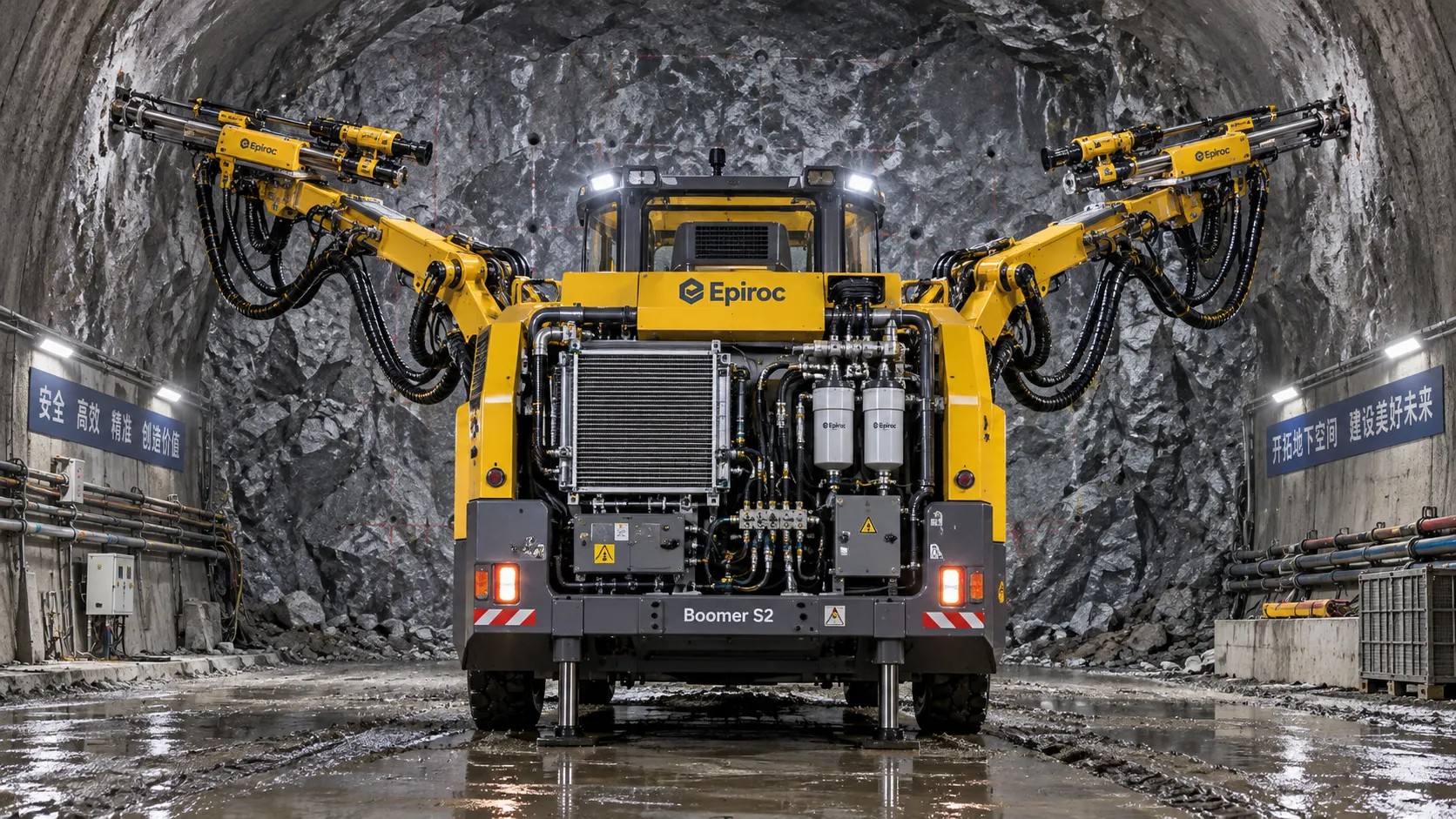
How tunnel hydraulic systems influence drill jumbo uptime underground
Tunnel hydraulic systems directly influence drill jumbo uptime. Explore how stable pressure, clean oil, cooling, and maintainable design reduce underground downtime.
What to verify before appointing a tunneling vehicles manufacturer
Choosing a tunneling vehicles manufacturer? Verify application fit, reliability, compliance, parts support, training, and channel terms before appointing a partner.
Selecting K9 Ductile Iron Pipe for Buried Water Pipeline Conditions
K9 ductile iron pipe selection for buried water pipelines: compare pressure duty, joints, soil loads, corrosion protection, and installation controls for reliable long-term performance.
Related News
- 00
0000-00
Tunnel Boring Machine Costs: Budgeting for Purchase, Operation, and Project Risk - 00
0000-00
Open-Pit Haulage Cost Analysis: How Mine Managers Can Cut Cost per Tonne - 00
0000-00
Tunnel Construction Innovations That Reduce Risk and Schedule Delays on Urban Projects - 00
0000-00
TBM Disc Cutter Design: Key Geometry and Load Factors for Hard Rock Tunnelling - 00
0000-00
Hydraulic Tipping Stability Risks in Multi-Axle Dump Special Trailers
Weekly Insights
Stay ahead with our curated technology reports delivered every Monday.