
Heavy Mining Machinery Price Breakdown: What Drives Cost Across Truck and Loader Types





Heavy mining machinery price: why similar machines rarely cost the same
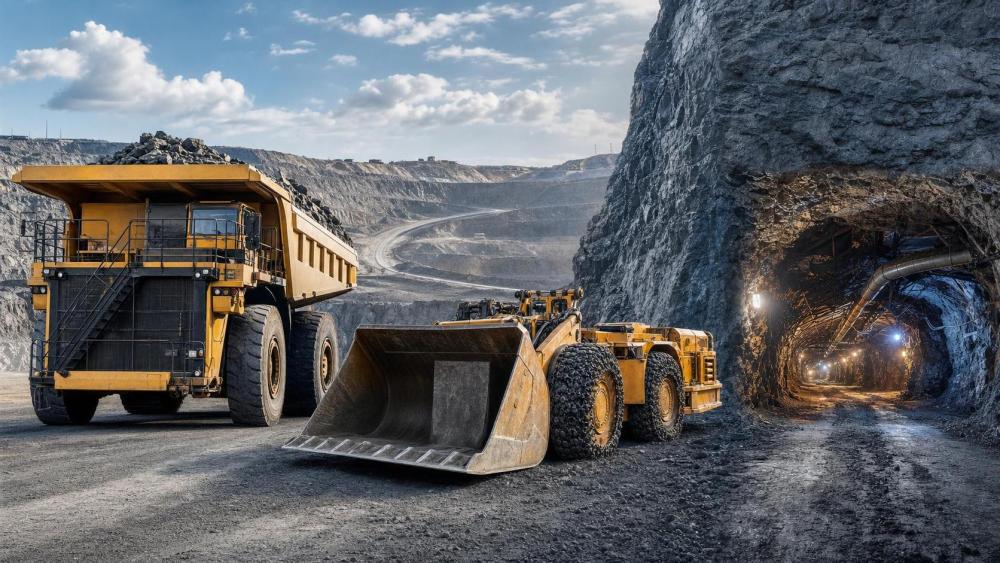
Heavy mining machinery price discussions often begin with a quote sheet, but the real decision starts much earlier.
A 60-ton underground loader and a 60-ton haul truck may look comparable in capital intensity, yet their cost logic is completely different.
The biggest reason is context. Payload, haul profile, ventilation limits, automation readiness, and energy strategy reshape the final number.
In practical buying cycles, list price is only one layer of the heavy mining machinery price story.
That is especially true in operations linked to deep underground development, large open-pit haulage, and ESG-driven fleet renewal.
UTMD tracks these shifts closely across mining dump trucks, underground LHD loaders, drilling systems, and smart tunnelling equipment.
The useful takeaway is simple: equipment cost follows operating physics, not just brand position.
So when comparing truck and loader types, the better question is not only “What is the price?” but “What is driving it?”
What usually adds the most to heavy mining machinery price?
The short answer is payload class, powertrain architecture, and control technology.
A larger chassis means more structural steel, higher-capacity driveline parts, stronger braking systems, and bigger tires or underground traction packages.
That sounds obvious, yet scaling is not linear. Once machines move into ultra-class ranges, component costs rise sharply.
Powertrain choice changes the equation further. Diesel units often start lower, but battery-electric or trolley-assisted systems can alter operating cost for years.
Underground fleets add another layer. Zero-exhaust requirements can increase the initial heavy mining machinery price through battery packs, thermal management, and charging or swapping systems.
Automation also matters more than many first assume.
Remote operation kits, onboard perception sensors, collision avoidance, SLAM-based navigation, and fleet integration software all add capital cost before production begins.
Still, these features may reduce labor exposure, improve cycle consistency, and lower damage rates in constrained headings or ramp systems.
A useful way to frame cost drivers is this:
- Base machine cost follows size, payload, and structural duty.
- Application cost follows terrain, ventilation, rock conditions, and shift pattern.
- Technology cost follows electrification, autonomy, and data integration.
- Ownership cost follows maintenance access, parts life, and energy efficiency.
This is why two machines with close payload ratings can show very different total ownership profiles.
How do truck types and loader types change the cost picture?
Truck and loader categories serve different work cycles, so the heavy mining machinery price should never be compared in isolation.
Open-pit mining dump trucks are built around long hauls, high gross vehicle weight, and continuous braking performance.
Underground LHD loaders are built around compact geometry, fast bucket fill, tight turning radius, and safe travel in dark confined drifts.
As a result, cost pressure appears in different components.
That table helps separate visible cost from operational fit.
For example, a battery-electric LHD may carry a higher initial heavy mining machinery price, yet reduce ventilation expansion, diesel handling, and heat load underground.
On the truck side, autonomy packages may look expensive, but in long repetitive haul cycles they can improve utilization enough to change fleet sizing.
Is the cheapest quote ever the lowest-cost option?
Usually not. The lower quote often excludes the conditions that will define the machine’s working life.
A more reliable comparison starts with lifecycle cost, not the invoice headline.
In actual evaluations, several hidden items change the heavy mining machinery price after award.
- Commissioning scope and operator training.
- Spare parts packages for the first year or first overhaul window.
- Telemetry subscriptions and fleet management software licenses.
- Site charging systems, substations, or battery swap stations.
- Ventilation upgrades avoided or required, depending on powertrain.
- Warranty terms tied to maintenance intervals or approved consumables.
Need a quick rule of thumb? If a quote looks far below the market band, verify what has been left outside the scope.
UTMD’s intelligence tracking often shows that replacement demand is increasingly shaped by electrification standards and digital readiness, not only machine age.
That means the “cheapest” asset can become the most expensive if it cannot fit future mine planning, reporting, or emissions targets.
What should be checked before comparing heavy mining machinery price across suppliers?
This is where many evaluations become misleading.
A fair comparison requires the same duty profile, same payload assumption, same ambient conditions, and similar service scope.
Without that alignment, price differences may reflect spec differences rather than supplier competitiveness.
Before asking for revised pricing, confirm these points:
- Target tonnage per hour and expected cycle distance.
- Ramp gradient, road quality, and loading density.
- Underground drift dimensions or open-pit road geometry.
- Diesel, battery-electric, or hybrid operating strategy.
- Remote operation, autonomy, and safety system requirements.
- Parts support response time and local technical coverage.
More detailed buying teams also request duty-cycle simulations and energy consumption assumptions.
That step is increasingly valuable for battery trucks and underground LHDs, where regenerative braking, thermal load, and shift pattern materially affect cost recovery.
In other words, the heavy mining machinery price only becomes meaningful after the work profile is defined.
Where do buyers misread cost risk most often?
One common mistake is treating all automation features as optional extras.
In hazardous or low-visibility zones, remote operation is often a productivity tool and a risk-control tool at the same time.
Another mistake is underestimating infrastructure dependency.
Battery-electric fleets can outperform diesel fleets, but only when charging, swapping, and maintenance planning are integrated from the start.
A third issue is buying oversized equipment for prestige rather than network fit.
Large machines can raise the heavy mining machinery price while reducing effective productivity in narrow headings, sharp turns, or short hauls.
The better approach is to watch for cost risk in three places:
- Specification drift after tender issue.
- Infrastructure gaps around power, roads, or ventilation.
- Support limits that cut machine availability after delivery.
This is also why UTMD emphasizes intelligence stitching across equipment, geology, energy transition, and operational software.
Cost risk rarely sits inside one machine alone. It sits in the system around it.
So how should the final decision be framed?
A good final decision balances purchase price, productive fit, and upgrade path.
For truck fleets, that usually means checking payload efficiency, energy use, braking performance, and autonomy readiness against the mine plan.
For underground loaders, the focus shifts toward tunnel dimensions, emissions strategy, battery logistics, operator exposure, and maintenance access.
The heavy mining machinery price becomes easier to judge when each quote is translated into cost per productive hour and cost per ton moved.
That method also reveals whether a premium machine is genuinely overpriced or simply better aligned with the site’s next decade.
A practical next step is to build one comparison sheet with five fields: duty profile, capital scope, infrastructure need, operating cost, and upgrade flexibility.
Once that framework is in place, supplier discussions become clearer, and the price conversation becomes more strategic than reactive.
For operations navigating electrification, automation, or deep underground expansion, that clarity is often where the real savings begin.
Related News
How to Evaluate European Drill-and-Blast Tunnelling Contractors for Complex Projects
Drill and blast tunnelling contractors Europe: learn how to assess geology expertise, blast control, equipment reliability, safety, and programme resilience for complex projects.
Which Trenchless Construction Technique Fits Your Utility Crossing Conditions?
Trenchless construction techniques compared for utility crossings: choose HDD, microtunnelling, pipe jacking, or auger boring based on ground, accuracy, access, and risk.
What Is Driving Metro Tunnelling Demand Across Southeast Asia’s Major Cities?
Metro tunnelling Southeast Asia is accelerating as major cities tackle congestion, flooding, and connectivity. Explore the market forces, technical risks, and opportunities shaping demand.
Hard Rock Tunnelling in Australia: Selecting Methods for Variable Ground Conditions
Hard rock tunnelling in Australia: compare TBM, drill-and-blast and hybrid methods to manage variable ground, reduce risk and protect project costs.
Hydropower Tunnel Excavation: Selecting Methods for Variable Rock Conditions
Hydropower tunnel excavation methods for variable rock conditions: compare TBM, drill-and-blast, and hybrid strategies to improve safety, progress, and project control.
How to Select Underground Safety Equipment for Tunnelling by Hazard and Work Zone
Underground Safety Equipment for tunnelling: match protection to hazards, work zones, compliance, and emergency needs with this practical selection guide.
EPB or Slurry Shield? Selecting Soft-Ground Tunnelling Equipment by Soil Conditions
Tunnel Excavation Equipment for soft ground: compare EPB and slurry shields by soil, groundwater, settlement risk, and project logistics to choose confidently.
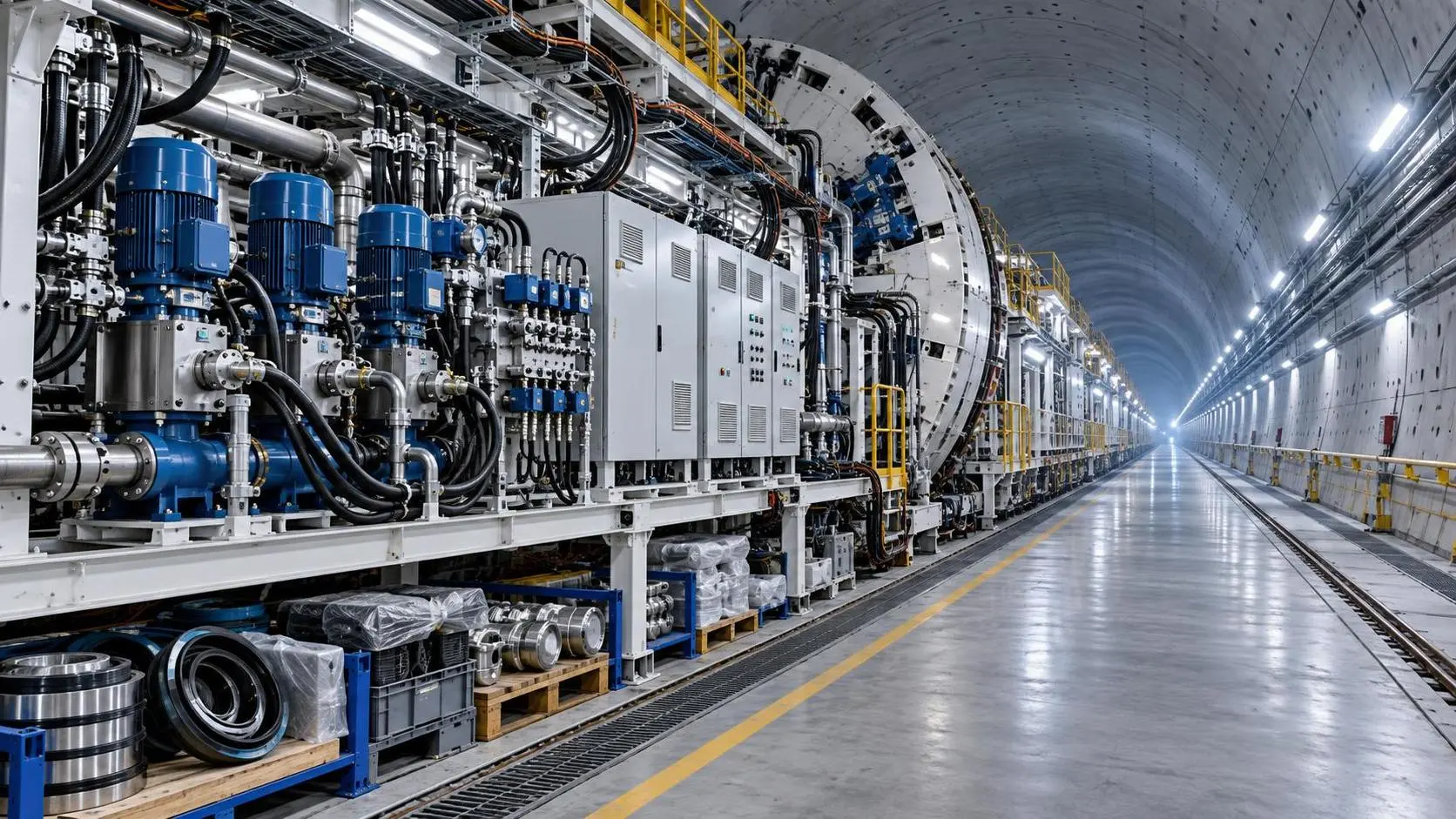
How to Specify TBM Backup System Parts for Reliable Long-Distance Tunnelling
TBM backup system parts: learn how to specify reliable spares for long-distance tunnelling, reduce downtime, ensure compatibility, and speed underground recovery.
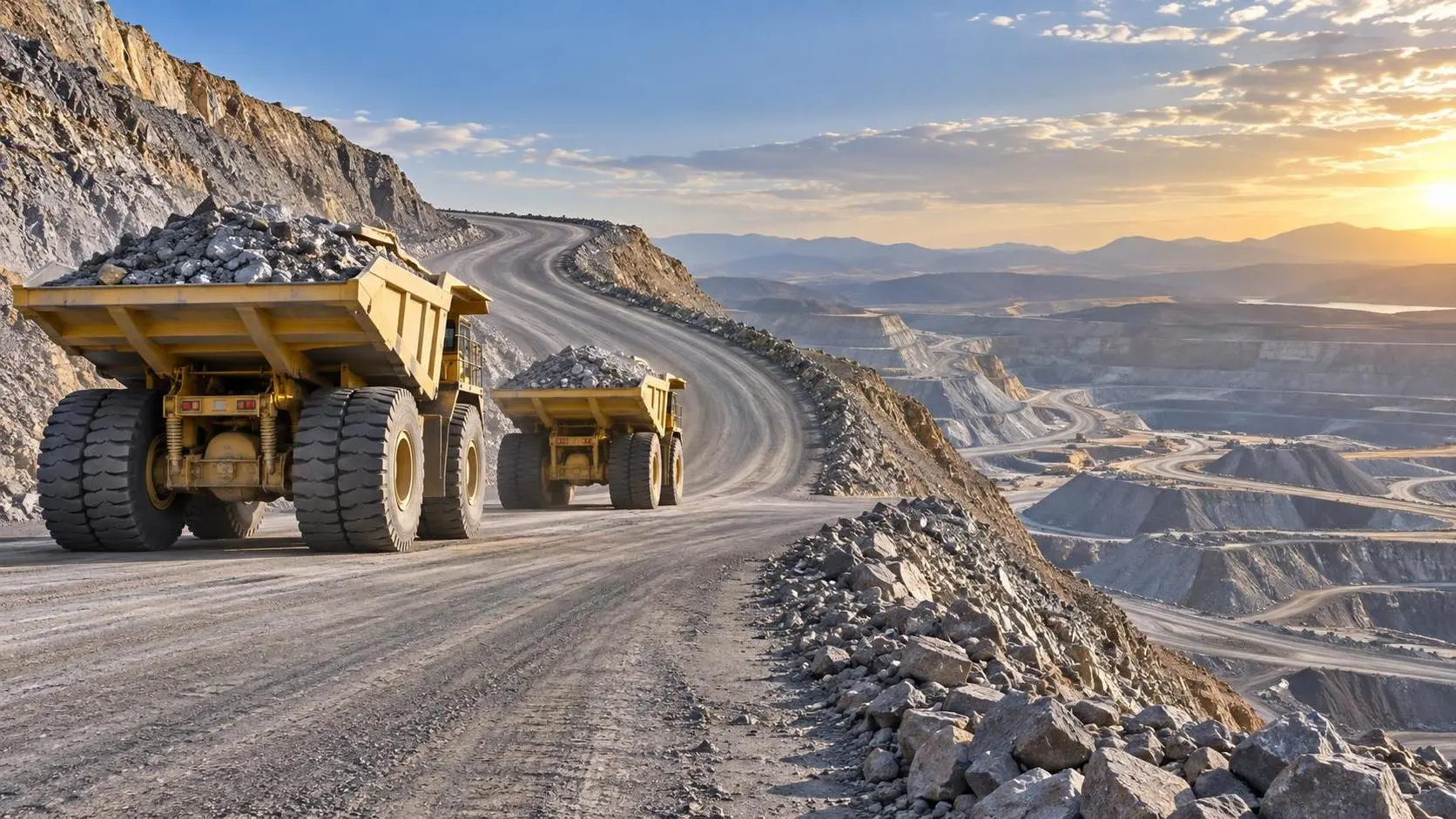
How to Size Open Pit Mining Trucks for Haul Distance, Grade, and Payload?
Open Pit Mining Trucks: learn how to match payload, haul distance, grade, road resistance, and loading capacity for safer, lower-cost mine operations.
Related News
- 00
0000-00
How to Evaluate European Drill-and-Blast Tunnelling Contractors for Complex Projects - 00
0000-00
Which Trenchless Construction Technique Fits Your Utility Crossing Conditions? - 00
0000-00
What Is Driving Metro Tunnelling Demand Across Southeast Asia’s Major Cities? - 00
0000-00
Hard Rock Tunnelling in Australia: Selecting Methods for Variable Ground Conditions - 00
0000-00
Hydropower Tunnel Excavation: Selecting Methods for Variable Rock Conditions
Weekly Insights
Stay ahead with our curated technology reports delivered every Monday.