
Underground Logistics Safety: Key Risk Points, Controls, and Inspection Priorities





Underground Logistics Safety: Key Risk Points, Controls, and Inspection Priorities
Underground logistics safety is not just a transport issue. It directly shapes output, compliance, maintenance cost, and workforce confidence across tunnelling and mining operations.
In practice, most failures start small. A blind corner, a missed brake defect, poor radio discipline, or weak ventilation can quickly turn routine haulage into a high-risk event.
That is why underground logistics safety needs a system view. Vehicle movement, pedestrian separation, equipment interaction, air quality, and inspections must work together, not in isolation.
For tunnel projects, pipe jacking work, and underground mining transport, the goal is simple. Keep people clear of mobile equipment, keep machines predictable, and keep conditions visible and controlled.
The sections below break down the biggest underground logistics safety risk points, the most effective controls, and the inspection priorities that usually make the greatest operational difference.
Where Underground Logistics Safety Usually Breaks Down
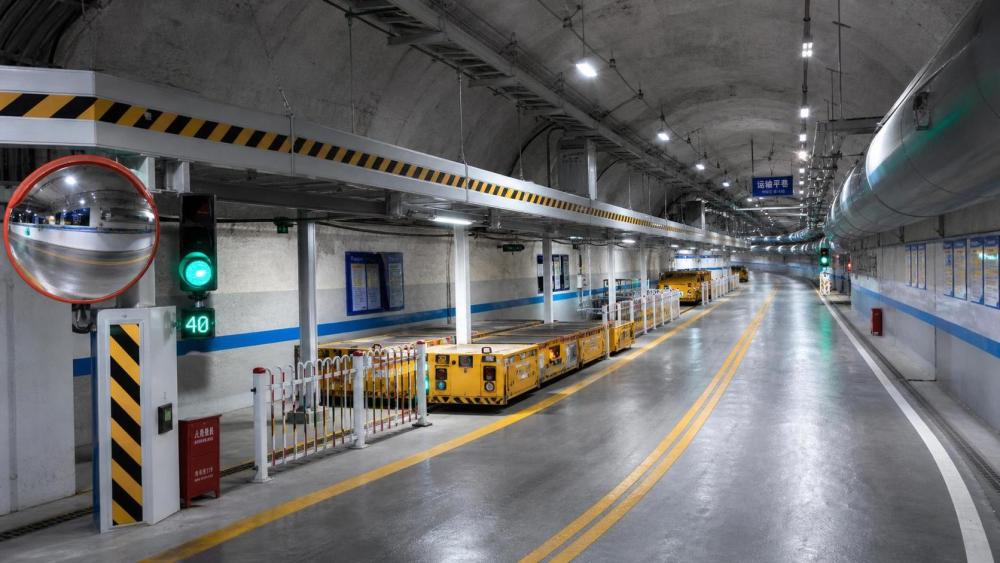
Most underground logistics safety incidents follow repeat patterns. The setting may differ, but the root causes are often surprisingly consistent.
1. Vehicle and pedestrian conflict
This remains the most obvious transport hazard. Loaders, personnel carriers, utility vehicles, and service crews often share narrow routes with limited escape space.
Risk rises sharply at intersections, passing bays, refuge chamber approaches, and maintenance zones. If traffic rules are informal, people start relying on habit instead of control.
2. Blind spots and weak visibility
Underground logistics safety depends on sightlines. Dust, poor lighting, sharp curves, wet walls, and machine size can hide people, obstacles, and stopped vehicles.
Battery-electric and low-noise equipment create another issue. They may reduce emissions, but they also reduce audible warning cues in confined headings.
3. Equipment interaction in tight spaces
Load-haul-dump units, drilling jumbos, shotcrete equipment, segment transport cars, and support vehicles often operate in overlapping windows. Clearance becomes a daily control issue.
Even minor route deviations can cause collision, wall contact, cable damage, or blocked emergency access. This is a common weak point in underground logistics safety programs.
4. Ventilation and air-quality instability
Airflow problems are often treated as environmental issues only. In reality, they are core underground logistics safety concerns because they affect visibility, alertness, and machine operability.
Diesel exhaust, heat, fumes after blasting, and dust build-up reduce margins fast. Operators make poorer judgments when air conditions are unstable.
5. Inconsistent inspections and poor defect closure
Many sites perform checks, but not all checks change behavior. Underground logistics safety weakens when defects are reported late, classified badly, or closed without real verification.
A brake warning light, damaged mirror, weak reversing alarm, or worn tyre can stay in service longer than it should. Small tolerances then disappear.
Practical Controls That Reduce Transport Risk Fast
The most effective underground logistics safety controls are usually simple, visible, and enforced every shift. They reduce uncertainty before they reduce incident numbers.
Set clear traffic rules underground
Define one-way routes where possible. Mark passing bays, no-parking zones, reversing limits, and pedestrian exclusion areas in a way crews can understand instantly.
Rules should cover right of way, speed limits, horn signals, radio calls, and stoppage procedures. Underground logistics safety improves when movement becomes predictable.
Separate people from moving equipment
Use physical barriers where possible. If barriers are not practical, create protected walkways, timing windows, and controlled crossing points with strict communication steps.
High-risk areas need tighter control. Loading points, crusher access, conveyor crossings, and battery swap stations should never rely on informal eye contact alone.
Improve visibility and situational awareness
Install lighting where route geometry creates shadows. Keep reflectors, mirrors, cameras, and proximity systems clean and functional, especially in wet and dusty headings.
This matters even more with modern fleets. As underground equipment becomes quieter and more automated, visual control becomes a bigger part of underground logistics safety.
Control interfaces between machines
Plan task sequencing, not just routes. A jumbo setting up, an LHD dumping, and a service crew entering the same zone should trigger automatic access restrictions.
In real operations, interface control often outperforms broad safety slogans. It removes ambiguity at the moment when underground logistics safety is most exposed.
Stabilize ventilation around transport routes
Check airflow where trucks queue, loaders idle, and service teams gather. Dead-air pockets, heat build-up, and dust rebound zones deserve the same attention as production headings.
For many sites, this is the hidden lever. Better air conditions usually improve attention, visibility, and equipment reliability at the same time.
Inspection Priorities That Matter Most
A strong underground logistics safety inspection system focuses on critical failure points first. It does not treat every checklist item as equally important.
Daily mobile equipment checks
- Brakes, steering, tyres, articulation, and parking systems.
- Lights, beacons, alarms, cameras, and mirrors.
- Fire suppression readiness and emergency shutdown access.
- Leaks, hose condition, cable protection, and battery integrity.
These items sit at the center of underground logistics safety because they influence stopping distance, driver awareness, and survival options during failure.
Route and roadway condition checks
- Road width, berm condition, potholes, spillage, and drainage.
- Ground support integrity near travel paths.
- Signage visibility, line marking, and reflector placement.
- Refuge access, escape route clearance, and radio coverage.
A route can be mechanically passable and still be unsafe. That is a common blind spot in underground logistics safety audits.
Environmental monitoring checks
- Dust concentration at loading, dumping, and transfer points.
- Ventilation flow near active transport corridors.
- Heat, humidity, and visibility changes during peak traffic.
- Post-blast gas clearance before haulage re-entry.
When environmental controls drift, underground logistics safety degrades long before a major event makes the problem visible.
Behavioral and communication checks
- Radio call consistency at intersections and single-lane sections.
- Compliance with exclusion zones and lockout points.
- Parking discipline during charging, fueling, or maintenance.
- Contractor alignment with site traffic standards.
This is where inspection quality shows. Underground logistics safety is not protected by paperwork if field behavior tells a different story.
A Simple Risk-Based Inspection Model
If inspection time is limited, prioritize by exposure, consequence, and detectability. That approach usually brings faster gains than expanding generic checklists.
This kind of model keeps underground logistics safety tied to actual exposure. It also helps teams explain why certain defects demand immediate closure.
How to Strengthen Execution Without Slowing Production
The best underground logistics safety systems do not fight production. They remove unplanned stops, route confusion, and preventable equipment damage.
Start by reviewing high-frequency exposure points. Look at intersections, waiting zones, loader approaches, and maintenance access areas before expanding the scope.
Next, tighten defect closure. A reported issue should have an owner, a response time, and a field verification step. That is where underground logistics safety becomes measurable.
Then align operations and maintenance teams. Brake performance, steering response, lighting quality, ventilation reliability, and route condition should be reviewed together, not separately.
From a longer-term view, digital tools can help. Proximity alerts, camera analytics, fleet telemetry, and underground traffic monitoring support stronger underground logistics safety decisions.
Still, technology only works when rules are simple and field discipline is steady. Safe movement underground depends on execution, not just equipment specification.
In the end, underground logistics safety improves fastest when teams focus on the basics that fail most often. Control movement, protect visibility, manage interfaces, and inspect what truly drives risk.
That approach creates safer haulage, stronger reliability, and fewer disruptions across tunnelling and mining transport systems. It is also the most practical path to consistent operational improvement.
Related News
How to Evaluate European Drill-and-Blast Tunnelling Contractors for Complex Projects
Drill and blast tunnelling contractors Europe: learn how to assess geology expertise, blast control, equipment reliability, safety, and programme resilience for complex projects.
Which Trenchless Construction Technique Fits Your Utility Crossing Conditions?
Trenchless construction techniques compared for utility crossings: choose HDD, microtunnelling, pipe jacking, or auger boring based on ground, accuracy, access, and risk.
What Is Driving Metro Tunnelling Demand Across Southeast Asia’s Major Cities?
Metro tunnelling Southeast Asia is accelerating as major cities tackle congestion, flooding, and connectivity. Explore the market forces, technical risks, and opportunities shaping demand.
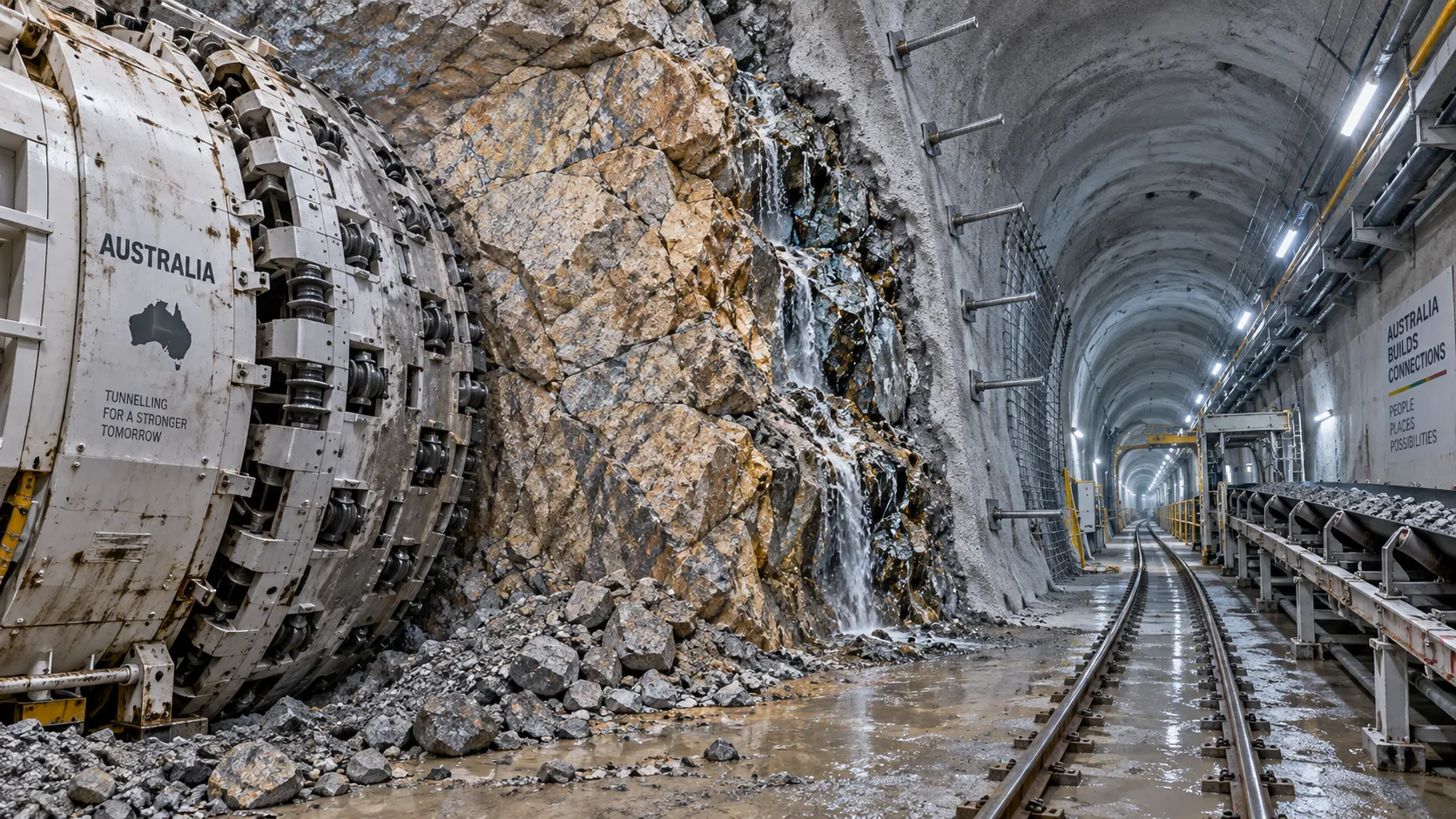
Hard Rock Tunnelling in Australia: Selecting Methods for Variable Ground Conditions
Hard rock tunnelling in Australia: compare TBM, drill-and-blast and hybrid methods to manage variable ground, reduce risk and protect project costs.
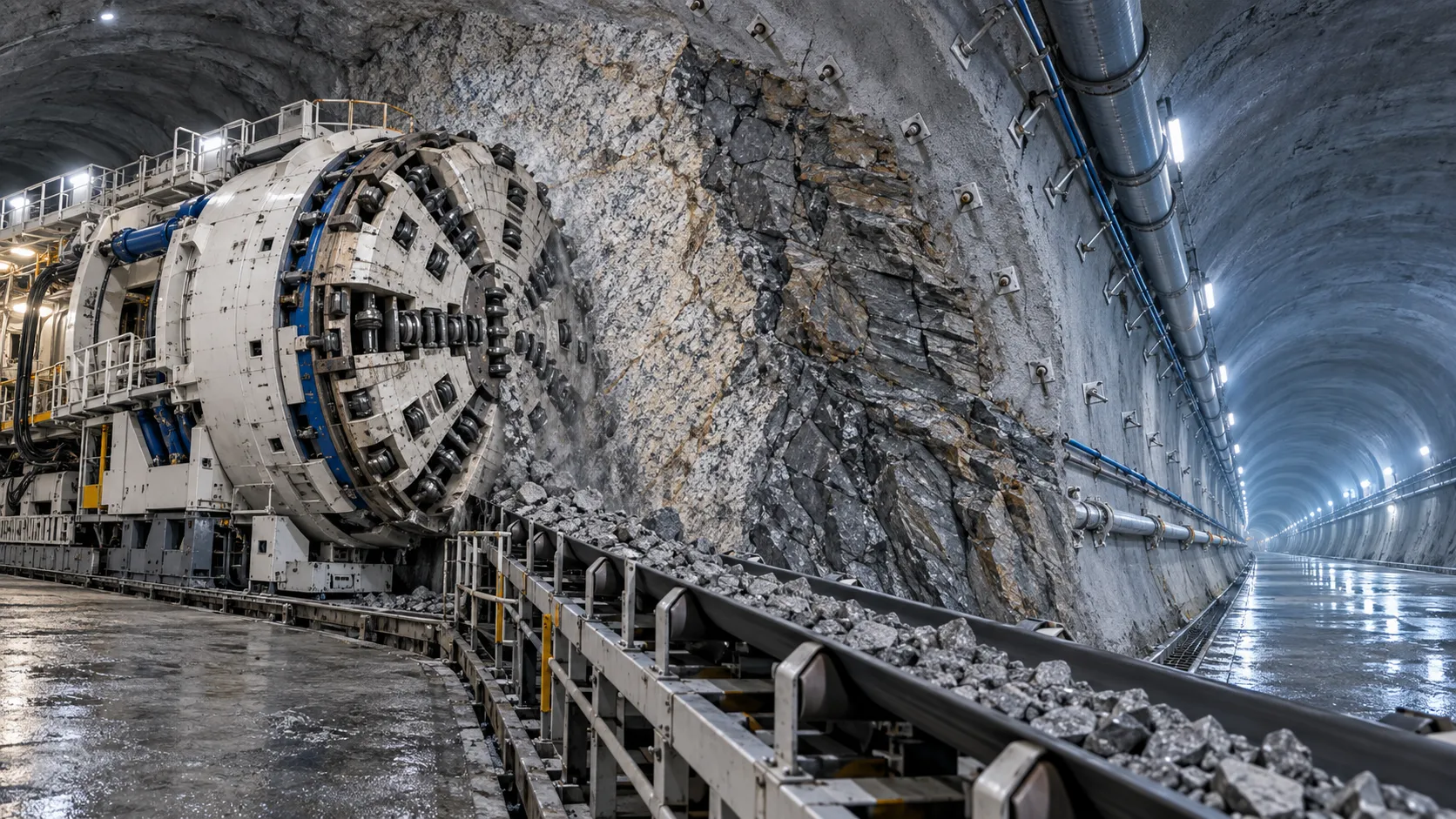
Hydropower Tunnel Excavation: Selecting Methods for Variable Rock Conditions
Hydropower tunnel excavation methods for variable rock conditions: compare TBM, drill-and-blast, and hybrid strategies to improve safety, progress, and project control.
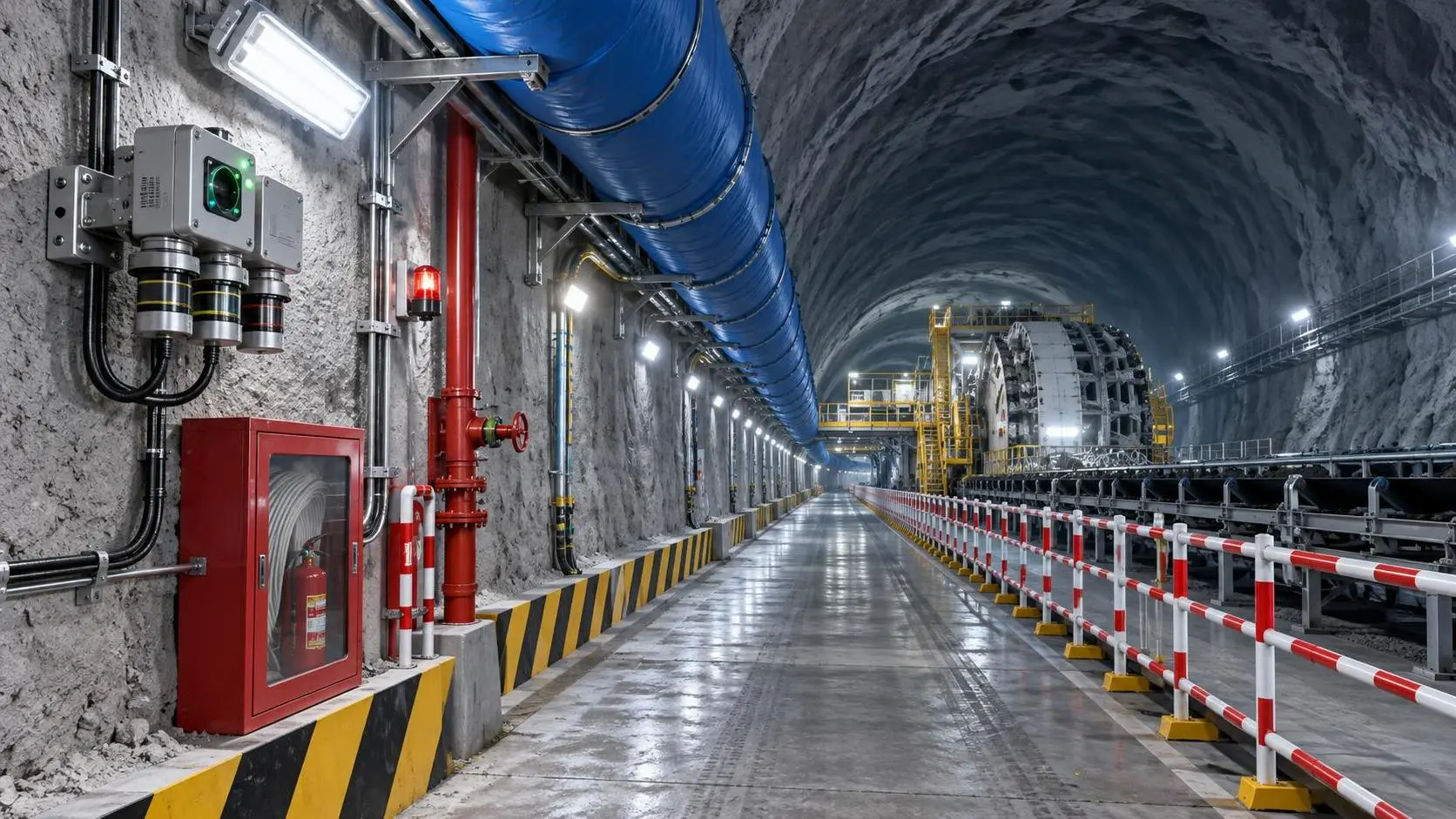
How to Select Underground Safety Equipment for Tunnelling by Hazard and Work Zone
Underground Safety Equipment for tunnelling: match protection to hazards, work zones, compliance, and emergency needs with this practical selection guide.
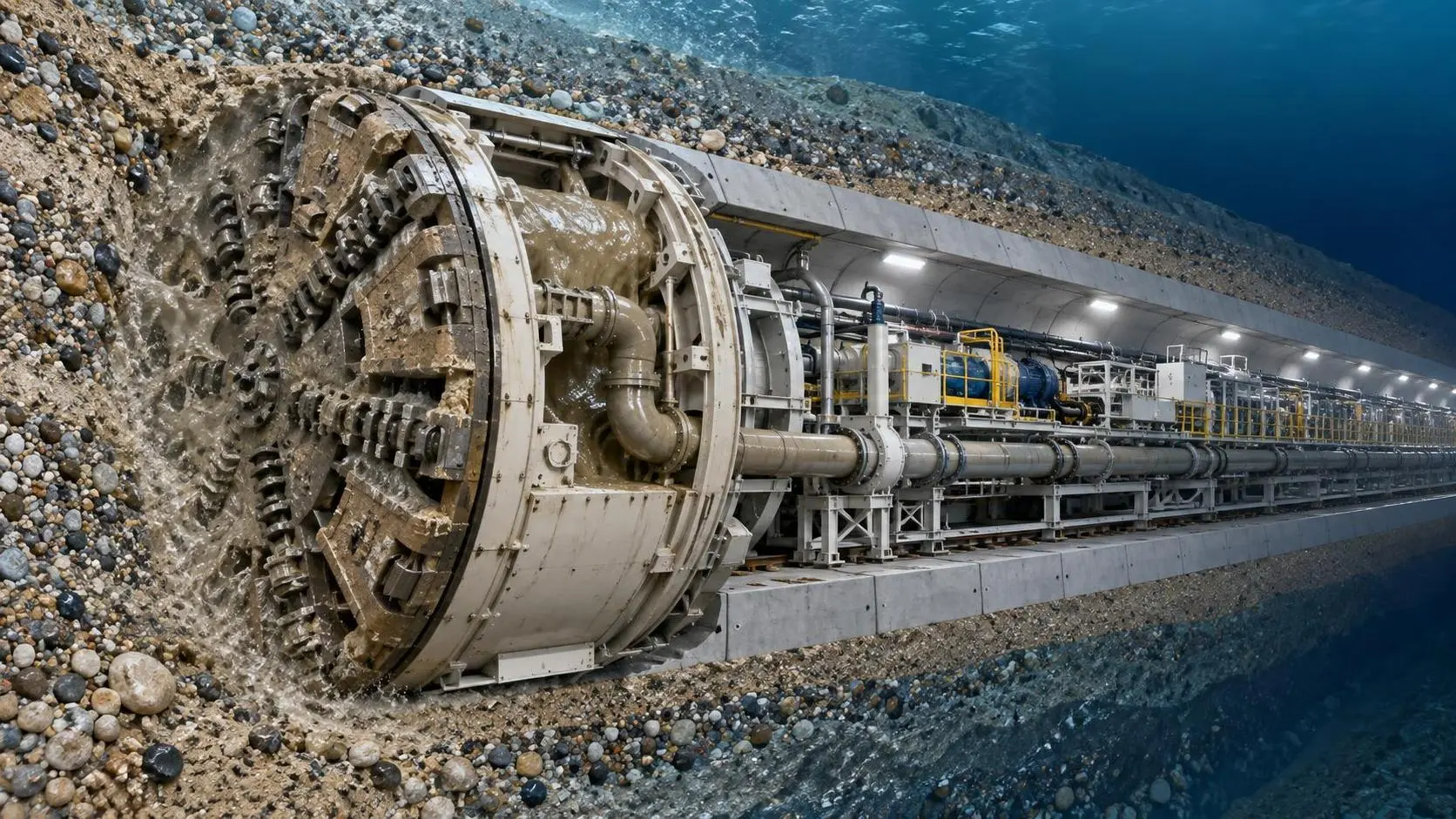
EPB or Slurry Shield? Selecting Soft-Ground Tunnelling Equipment by Soil Conditions
Tunnel Excavation Equipment for soft ground: compare EPB and slurry shields by soil, groundwater, settlement risk, and project logistics to choose confidently.
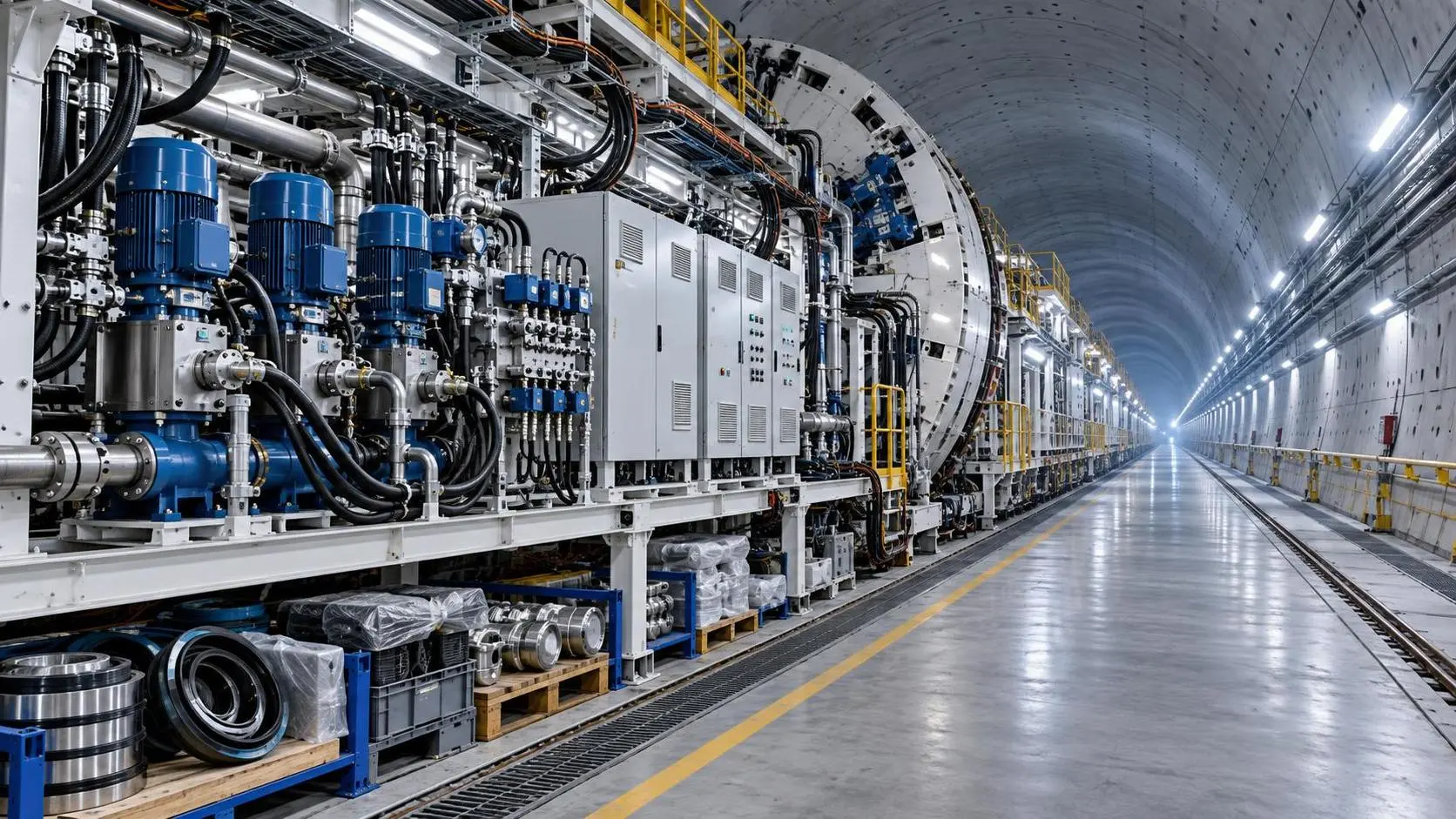
How to Specify TBM Backup System Parts for Reliable Long-Distance Tunnelling
TBM backup system parts: learn how to specify reliable spares for long-distance tunnelling, reduce downtime, ensure compatibility, and speed underground recovery.

How to Size Open Pit Mining Trucks for Haul Distance, Grade, and Payload?
Open Pit Mining Trucks: learn how to match payload, haul distance, grade, road resistance, and loading capacity for safer, lower-cost mine operations.
Related News
- 00
0000-00
How to Evaluate European Drill-and-Blast Tunnelling Contractors for Complex Projects - 00
0000-00
Which Trenchless Construction Technique Fits Your Utility Crossing Conditions? - 00
0000-00
What Is Driving Metro Tunnelling Demand Across Southeast Asia’s Major Cities? - 00
0000-00
Hard Rock Tunnelling in Australia: Selecting Methods for Variable Ground Conditions - 00
0000-00
Hydropower Tunnel Excavation: Selecting Methods for Variable Rock Conditions
Weekly Insights
Stay ahead with our curated technology reports delivered every Monday.