
How to Evaluate Trenchless Engineering Solutions for Urban Utility Crossings





Urban utility crossings look simple on drawings, yet they sit inside the most congested and risk-sensitive parts of a city. Evaluating trenchless engineering solutions for these crossings is not only about machine capacity. It is about matching method, geology, utility exposure, traffic tolerance, environmental limits, and delivery certainty into one decision that can hold up under real site pressure.
That is why the topic keeps gaining weight across infrastructure planning. Denser underground corridors, stricter disruption controls, and stronger ESG expectations are pushing owners toward low-impact construction. In that setting, trenchless engineering solutions are no longer a specialist option at the edge of design. They are becoming a central part of how cities expand, renew, and protect buried networks.
For teams working across transport, water, power, telecom, and municipal drainage, a sound evaluation framework reduces rework before procurement starts. It also creates a clearer bridge between design intent, field execution, and long-term asset performance.
Why urban crossings demand closer evaluation
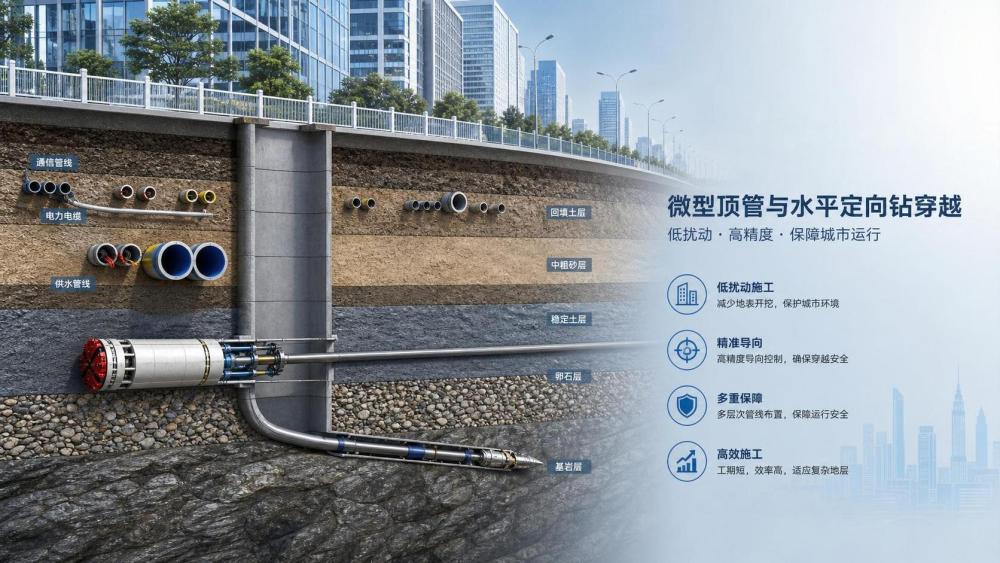
A crossing beneath a road, rail line, river embankment, or utility cluster often carries constraints that do not appear in open-cut comparisons. Surface access may be limited. Settlement tolerance may be extremely low. Existing records may be incomplete. One wrong assumption can shift a routine crossing into a claims, safety, or public relations problem.
This is where trenchless engineering solutions create value. They can limit excavation, reduce traffic interruption, and protect sensitive urban functions. Yet the value appears only when the selected method fits the corridor conditions. A microtunnelling drive in unstable ground, for example, requires a different risk profile from a pipe jacking installation in better-defined strata.
From an industry intelligence perspective, this is also where UTMD’s focus becomes relevant. The same discipline used to understand TBM performance, rock-cutting behavior, and underground automation helps decision-makers evaluate smaller but equally critical urban trenchless programs. Method selection works best when it is informed by equipment capability, ground response, and execution data rather than brochure claims alone.
What should be compared beyond equipment specifications
A useful evaluation starts with the crossing objective, not the machine brand. The main question is simple: what must the installed utility achieve, and what limits define success during construction?
That usually leads to five practical dimensions.
- Ground behavior: soil mix, cobbles, boulders, rock interface, groundwater pressure, and potential for loss of face support.
- Utility environment: density of existing lines, accuracy of records, clearances, protection requirements, and access for verification.
- Surface sensitivity: traffic volume, nearby buildings, rail operations, public spaces, and permitted working hours.
- Installation demand: diameter, alignment accuracy, drive length, shaft footprint, and final service life expectations.
- Delivery resilience: contractor capability, spares, slurry handling, guidance systems, contingency planning, and permit dependencies.
When these dimensions are scored together, trenchless engineering solutions become easier to compare in a way that reflects project reality. A lower initial cost may stop looking attractive if it depends on uncertain utility records or narrow settlement tolerance.
How method fit changes from one crossing to another
Not every urban crossing needs the same trenchless approach. What matters is the fit between corridor conditions and construction behavior.
Short crossings with moderate risk
Horizontal directional drilling may suit longer, flexible utility installations when curvature is acceptable and the ground can support a stable bore path. It can reduce shaft needs, but it becomes harder to control in crowded corridors with tight tolerances.
High-accuracy crossings in dense corridors
Pipe jacking and microtunnelling often perform better where line and grade control are critical. They are especially relevant beneath roads, tracks, or drainage assets where movement must remain tightly managed. In these cases, trenchless engineering solutions must be judged on guidance precision, spoil removal reliability, and jacking force management.
Mixed ground or abrasive conditions
Where geology shifts rapidly, the evaluation should move closer to cutterhead design, wear exposure, and intervention strategy. UTMD’s wider underground perspective is useful here. Lessons from TBM disc wear, rock interaction, and machine reliability can sharpen judgment on smaller trenchless systems facing abrasive or unstable formations.
Risk, cost, and schedule should be read together
One common mistake is to compare trenchless engineering solutions by bid price alone. Urban crossings rarely fail because the cheapest option was technically impossible. They fail because hidden risks were left outside the cost model.
A stronger review looks at total delivery exposure. That includes investigation cost, shaft construction, dewatering, spoil treatment, traffic management, utility proving, monitoring, standby requirements, and probable delay scenarios.
Schedule should also be tested against dependencies. A method that appears fast on paper may depend on permits, specialist crews, or imported components with long lead times. In busy city programs, reliability often creates more value than theoretical speed.
This is also where zero-emission and confined-space expectations are becoming more influential. Across underground sectors, electrification and cleaner worksite operations are moving from innovation topics to procurement factors. Even in urban crossings, trenchless engineering solutions can be differentiated by ventilation demand, slurry handling impact, noise profile, and compatibility with tighter environmental controls.
What reliable evaluation looks like in practice
A practical review process is usually staged rather than compressed into one design workshop. Early screening narrows feasible methods. Targeted investigation then tests the assumptions that matter most. After that, commercial and execution reviews can focus on who can actually deliver the chosen approach.
Useful questions during screening
- What movement can the surrounding assets tolerate, and how certain is that threshold?
- Which unknowns could force a method change after award?
- Does the installation need strict line and grade, or is some flexibility acceptable?
- Can shafts be built safely within the available footprint and traffic plan?
- How will monitoring data trigger intervention if the ground behaves differently?
Signals of execution strength
The best trenchless engineering solutions are backed by teams that can show comparable drives, not only generic capability statements. Method statements should connect ground assumptions to machine setup, steering control, spoil handling, contingency tools, and recovery procedures.
Digital monitoring is another differentiator. Guidance data, settlement tracking, equipment health alerts, and maintenance discipline can reduce uncertainty before it becomes a visible site issue. That broader move toward automation and intelligent underground operations mirrors the same transition UTMD tracks across TBMs, mine haulage, and advanced subsurface equipment.
Where the best decisions usually come from
Strong decisions usually combine three viewpoints. The first is design feasibility. The second is field constructability. The third is strategic intelligence from comparable projects, equipment performance, and evolving market capability.
That last part is often overlooked. Cities are not only choosing between methods. They are choosing between maturity levels of equipment, contractor ecosystems, and operating models. Access to structured market insight helps separate proven trenchless engineering solutions from options that look efficient only in concept.
For that reason, the most resilient urban utility crossing strategies are usually built on a short list of verified criteria, a realistic ground model, and clear thresholds for acceptable disruption. Once those elements are documented, comparing methods becomes far more objective.
A practical next step for upcoming crossings
Before selecting a preferred method, it helps to create a simple evaluation matrix covering ground conditions, corridor sensitivity, alignment demand, delivery risk, and lifecycle implications. That exercise often exposes whether the current choice is genuinely robust or only familiar.
If the crossing sits in a high-consequence urban zone, the next move should be deeper review of comparable trenchless engineering solutions, available machine configurations, and contractor execution records. When those findings are paired with reliable intelligence on underground equipment trends and performance, the final decision is more likely to protect both the project schedule and the city above it.
Related News
How to Evaluate European Drill-and-Blast Tunnelling Contractors for Complex Projects
Drill and blast tunnelling contractors Europe: learn how to assess geology expertise, blast control, equipment reliability, safety, and programme resilience for complex projects.
Which Trenchless Construction Technique Fits Your Utility Crossing Conditions?
Trenchless construction techniques compared for utility crossings: choose HDD, microtunnelling, pipe jacking, or auger boring based on ground, accuracy, access, and risk.
What Is Driving Metro Tunnelling Demand Across Southeast Asia’s Major Cities?
Metro tunnelling Southeast Asia is accelerating as major cities tackle congestion, flooding, and connectivity. Explore the market forces, technical risks, and opportunities shaping demand.
Hard Rock Tunnelling in Australia: Selecting Methods for Variable Ground Conditions
Hard rock tunnelling in Australia: compare TBM, drill-and-blast and hybrid methods to manage variable ground, reduce risk and protect project costs.
Hydropower Tunnel Excavation: Selecting Methods for Variable Rock Conditions
Hydropower tunnel excavation methods for variable rock conditions: compare TBM, drill-and-blast, and hybrid strategies to improve safety, progress, and project control.
How to Select Underground Safety Equipment for Tunnelling by Hazard and Work Zone
Underground Safety Equipment for tunnelling: match protection to hazards, work zones, compliance, and emergency needs with this practical selection guide.
EPB or Slurry Shield? Selecting Soft-Ground Tunnelling Equipment by Soil Conditions
Tunnel Excavation Equipment for soft ground: compare EPB and slurry shields by soil, groundwater, settlement risk, and project logistics to choose confidently.
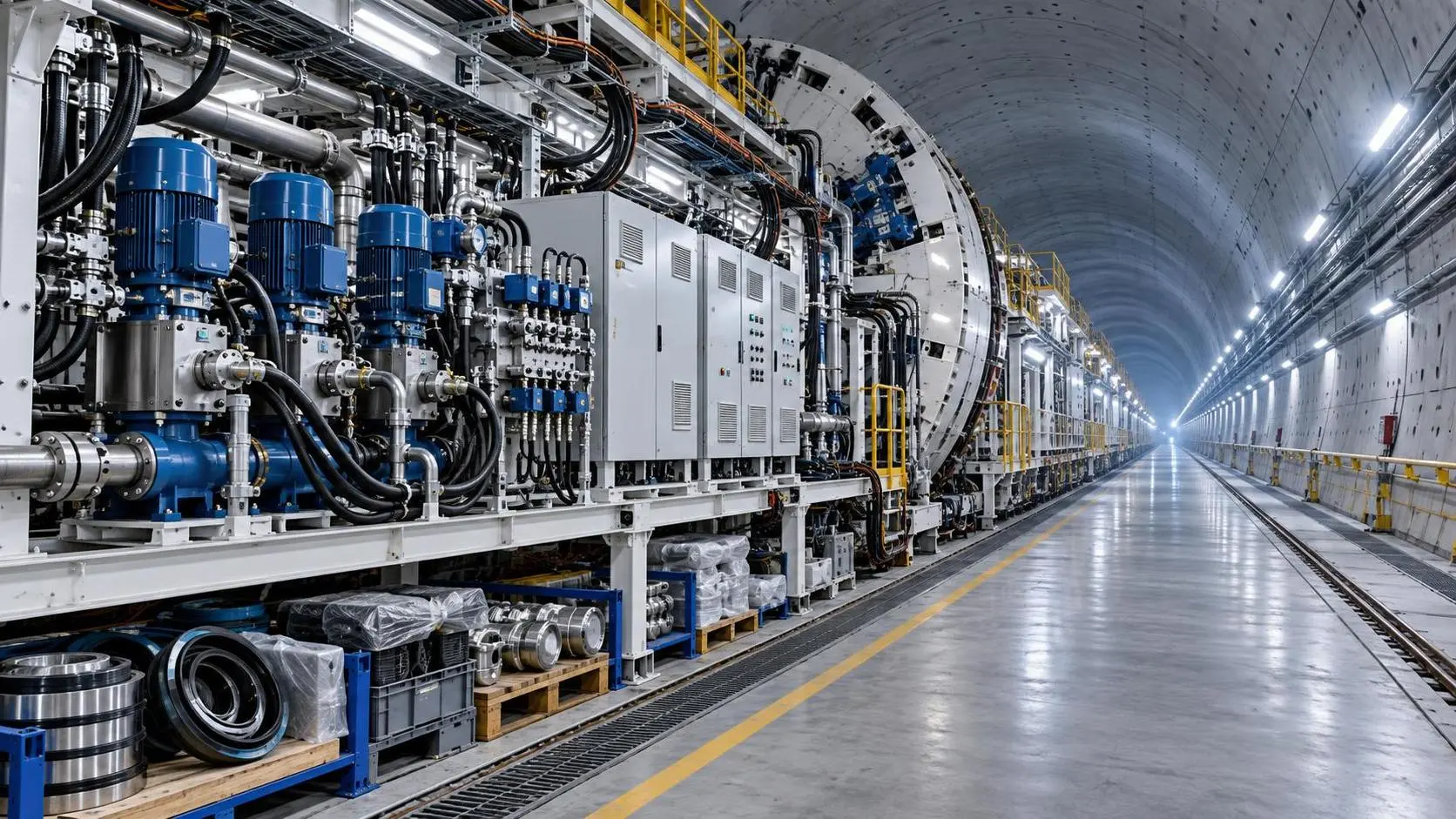
How to Specify TBM Backup System Parts for Reliable Long-Distance Tunnelling
TBM backup system parts: learn how to specify reliable spares for long-distance tunnelling, reduce downtime, ensure compatibility, and speed underground recovery.
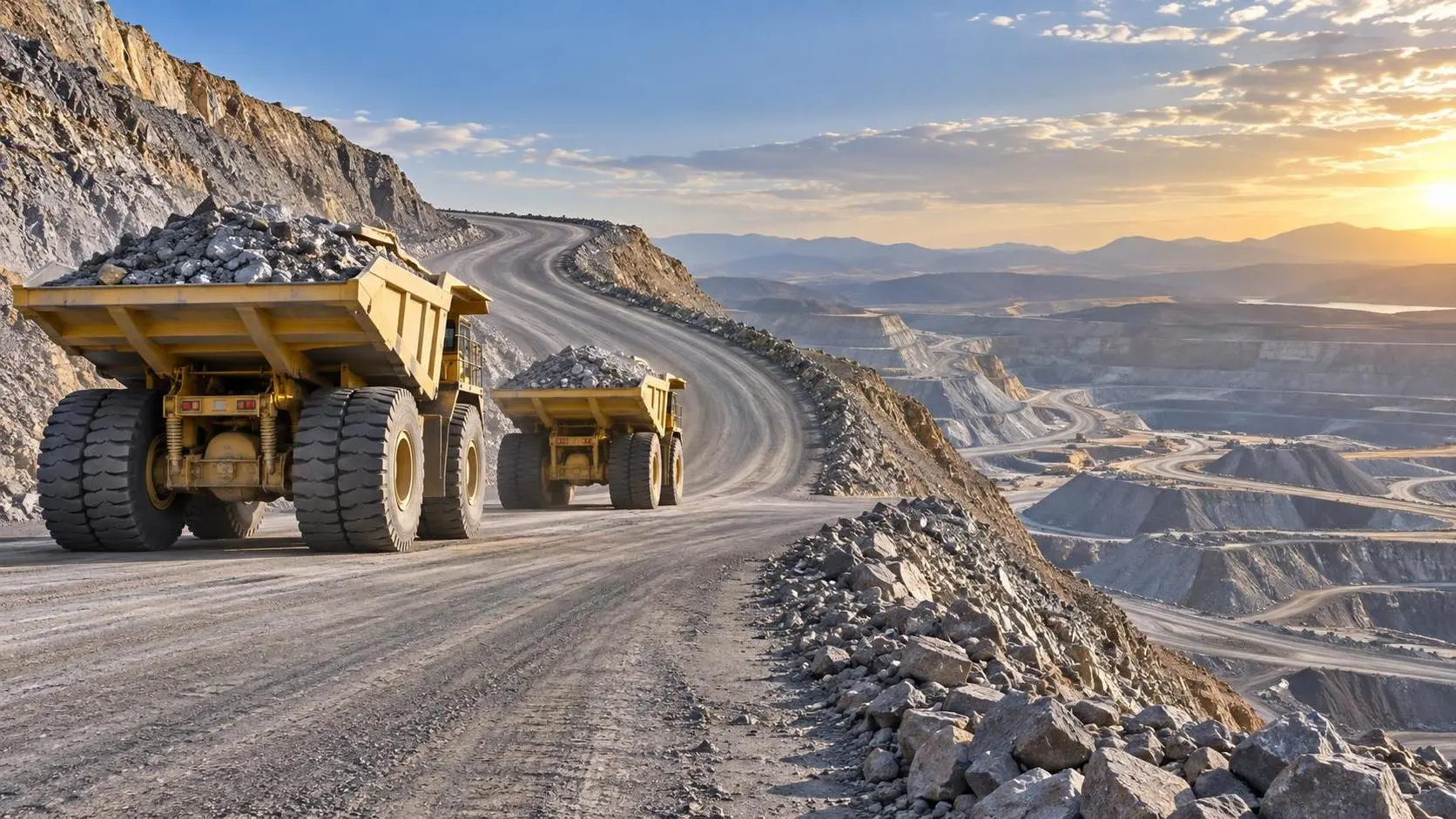
How to Size Open Pit Mining Trucks for Haul Distance, Grade, and Payload?
Open Pit Mining Trucks: learn how to match payload, haul distance, grade, road resistance, and loading capacity for safer, lower-cost mine operations.
Related News
- 00
0000-00
How to Evaluate European Drill-and-Blast Tunnelling Contractors for Complex Projects - 00
0000-00
Which Trenchless Construction Technique Fits Your Utility Crossing Conditions? - 00
0000-00
What Is Driving Metro Tunnelling Demand Across Southeast Asia’s Major Cities? - 00
0000-00
Hard Rock Tunnelling in Australia: Selecting Methods for Variable Ground Conditions - 00
0000-00
Hydropower Tunnel Excavation: Selecting Methods for Variable Rock Conditions
Weekly Insights
Stay ahead with our curated technology reports delivered every Monday.