
How to Choose Underground Communication Systems for Mines and Tunnels





Choosing the right Underground Communication Systems for mines and tunnels is never just about getting a signal underground. In real projects, the better question is whether the system stays reliable through dust, water, vibration, blind turns, equipment traffic, and emergency conditions.
That is why technical evaluation usually starts with operations, not brochures. A tunnel boring machine, a pipe jacking drive, a drilling jumbo fleet, or battery-electric underground LHDs will all stress communication infrastructure in different ways.
For UTMD, this is a practical issue tied to the wider shift toward electrification, automation, and digital visibility in deep physical spaces. If the communication layer is weak, dispatch, safety, remote control, condition monitoring, and emergency coordination all become less dependable.
A strong evaluation process helps avoid that. It also makes it easier to compare leaky feeder, fiber backbone, Wi-Fi, LTE/5G private networks, VoIP, tracking tags, and integrated control platforms on the same decision basis.
Start with the operating environment, not the technology name
Before comparing vendors, define what the underground space really looks like. Long straight drifts, curved access tunnels, active headings, cross passages, shafts, wet zones, and high-traffic loading points all affect Underground Communication Systems performance.
[Image 01: Underground communication network layout across a mine or tunnel, showing backbone, access points, vehicles, refuge chambers, and control room links.]
This matters even more in UTMD-covered sectors. A TBM drive needs reliable moving-face communications. Pipe jacking projects often need stable control links in narrow, non-entry-prone spaces. Underground mining operations may require roaming, tracking, telemetry, and remote intervention at once.
- Map the full route, not just the active face. Include shafts, refuge bays, workshops, substations, and loading pockets, because dead zones often appear in support areas, not headline production zones.
- Define mobility requirements early. Fixed plant monitoring, moving vehicle voice, personnel tracking, and tele-remote machine control place very different demands on Underground Communication Systems latency and handoff stability.
- Record environmental stressors. Dust, blasting vibration, water ingress, steel reinforcement, and diesel or electric fleet traffic all influence equipment placement, enclosure rating, cable protection, and maintenance frequency.
- Check development pace. If headings advance quickly, the chosen system must extend easily without repeated shutdowns, redesign, or fragile temporary cabling that fails during normal operational movement.
- Separate mission-critical and convenience traffic. Emergency voice, alarm signals, and remote stop functions should never compete badly with routine data uploads, video streams, or non-essential device usage.
Focus on the functions that actually affect safety and uptime
Many systems sound similar until evaluation reaches actual field use. The simplest way to compare Underground Communication Systems is to tie them to operational outcomes: faster response, better visibility, safer evacuation, and less production disruption.
Voice and emergency response
Clear voice still matters. In an underground incident, people need to hear instructions immediately. Fancy dashboards do not replace intelligible communication during smoke, power events, or access restrictions.
A common mistake is assuming normal operating voice quality equals emergency readiness. It does not. Emergency calling paths, fallback power, refuge chamber connectivity, and redundancy should be tested separately.
Data, automation, and machine coordination
In modern mines and tunnels, Underground Communication Systems increasingly support telemetry, fleet coordination, ventilation logic, video, access control, and remote machine support. That is especially relevant for electrified fleets and semi-autonomous equipment.
UTMD’s focus on smart underground transport makes this especially practical. If underground LHDs, drilling jumbos, or connected haulage assets rely on digital workflows, communication reliability directly affects asset utilization.
- Prioritize voice intelligibility during faults. Ask for test results under noise, low power, and partial network loss, because emergency communication quality matters more than normal office-style clarity.
- Verify latency against use case. Tele-remote loading, machine interlocks, and live video need faster and steadier performance than reporting dashboards or periodic condition monitoring uploads.
- Check location accuracy carefully. Personnel and equipment tracking should match evacuation, dispatch, and incident investigation needs, not just provide a rough presence signal in a long drift.
- Review alarm integration. Gas alerts, fire systems, refuge chamber status, and ventilation events should trigger communication workflows automatically, rather than depending on manual relays during stressful incidents.
- Confirm control system compatibility. Good Underground Communication Systems should integrate with SCADA, fleet management, and equipment health platforms without heavy custom engineering every expansion phase.
Compare architectures by expansion risk and maintenance burden
In procurement reviews, headline performance often gets too much attention. What usually costs more over time is difficult expansion, fragile field hardware, or maintenance routines that require repeated access to hazardous areas.
That is why architecture matters. Fiber backbone with distributed nodes may fit one operation. Leaky feeder may remain strong for voice-heavy mines. Private LTE or 5G can add value where mobility, video, and machine connectivity are growing fast.
One overlooked issue is lifecycle labor. A system that is cheap to install but hard to extend around advancing headings can become expensive very quickly, especially in high-output mines or long tunnel programs.
- Ask how the network grows. Extension kits, splice time, commissioning steps, and shutdown needs often reveal whether the architecture suits fast-moving mine or tunnel development.
- Examine repair logistics underground. Replaceable modules, connector protection, and diagnostic visibility can matter more than lab performance when crews need fast recovery after physical damage.
- Review power dependency in detail. Backup duration, local battery support, and restart behavior during outages are essential if Underground Communication Systems support emergency coordination.
- Compare vendor lock-in risk. Open interfaces and documented protocols make future upgrades easier when automation, tracking, or fleet systems evolve beyond current project assumptions.
Match the decision to the underground scenario
TBM and long tunnel drives
A TBM environment usually needs dependable links between the surface or control room and a moving production chain underground. That includes the cutterhead area, backup gantries, segment handling, ventilation interfaces, and safety points.
In this setting, Underground Communication Systems should be judged on how easily they move with the drive and how well they integrate with machine data, maintenance alerts, and operational coordination.
Drill-and-blast mines and development headings
These operations often face changing geometry, blasting interruption, mobile equipment conflict, and varying ground conditions. Coverage continuity is important, but rapid restoration after advance or blast cycles matters just as much.
If the site plans future tele-remote loading or battery-electric fleet growth, it is wise to evaluate not only current voice needs but also the digital headroom needed for the next three to five years.
Pipe jacking and trenchless urban work
In trenchless projects, confined geometry and long microtunneling or pipe jacking drives can make maintenance access more difficult than in larger tunnels. Compact, reliable links and clear fault diagnosis become especially valuable.
This is where UTMD’s cross-sector perspective helps. Lessons from mining mobility and tunnel automation often improve evaluation logic for trenchless communication systems too.
Common misses that weaken Underground Communication Systems decisions
Some weak decisions come from checking features without checking operating consequences. Others come from underestimating how much underground communication changes when equipment fleets electrify and automation increases.
- Do not evaluate coverage only on day one. Reassess after tunnel advance, equipment relocation, and service buildup, because real underground geometry changes faster than static design maps suggest.
- Avoid treating voice and data as separate forever. Modern Underground Communication Systems often need a unified roadmap as mines adopt automation, video, analytics, and connected electric fleets.
- Do not ignore cybersecurity underground. Remote access, connected controls, and integrated dashboards expand risk, especially when operational technology and enterprise systems begin sharing data paths.
- Be careful with pilot-zone conclusions. A clean demonstration area rarely reflects wet intersections, steel congestion, moving equipment shadows, or maintenance constraints in full production conditions.
- Never skip operator workflow checks. If alarms, device interfaces, or escalation paths feel slow or confusing, the communication system may fail people even when hardware specifications look strong.
A practical way to make the final choice
The best final decision usually comes from a weighted comparison sheet. Score each option on coverage, resilience, emergency readiness, integration, extension effort, maintenance burden, and long-term fit with automation plans.
At this point, UTMD-style intelligence becomes useful. Technology selection should reflect broader underground trends, including zero-emission fleet transition, smarter dispatch, higher equipment utilization, and the growing value of connected underground assets.
When comparing Underground Communication Systems, the strongest option is often not the one with the longest feature sheet. It is the one that keeps people informed, machines connected, and operations stable as underground complexity increases.
A sensible next step is simple: define the operational scenarios first, rank critical functions second, and test shortlisted systems against real underground constraints before final approval. That approach leads to a safer, more scalable decision.
Related News
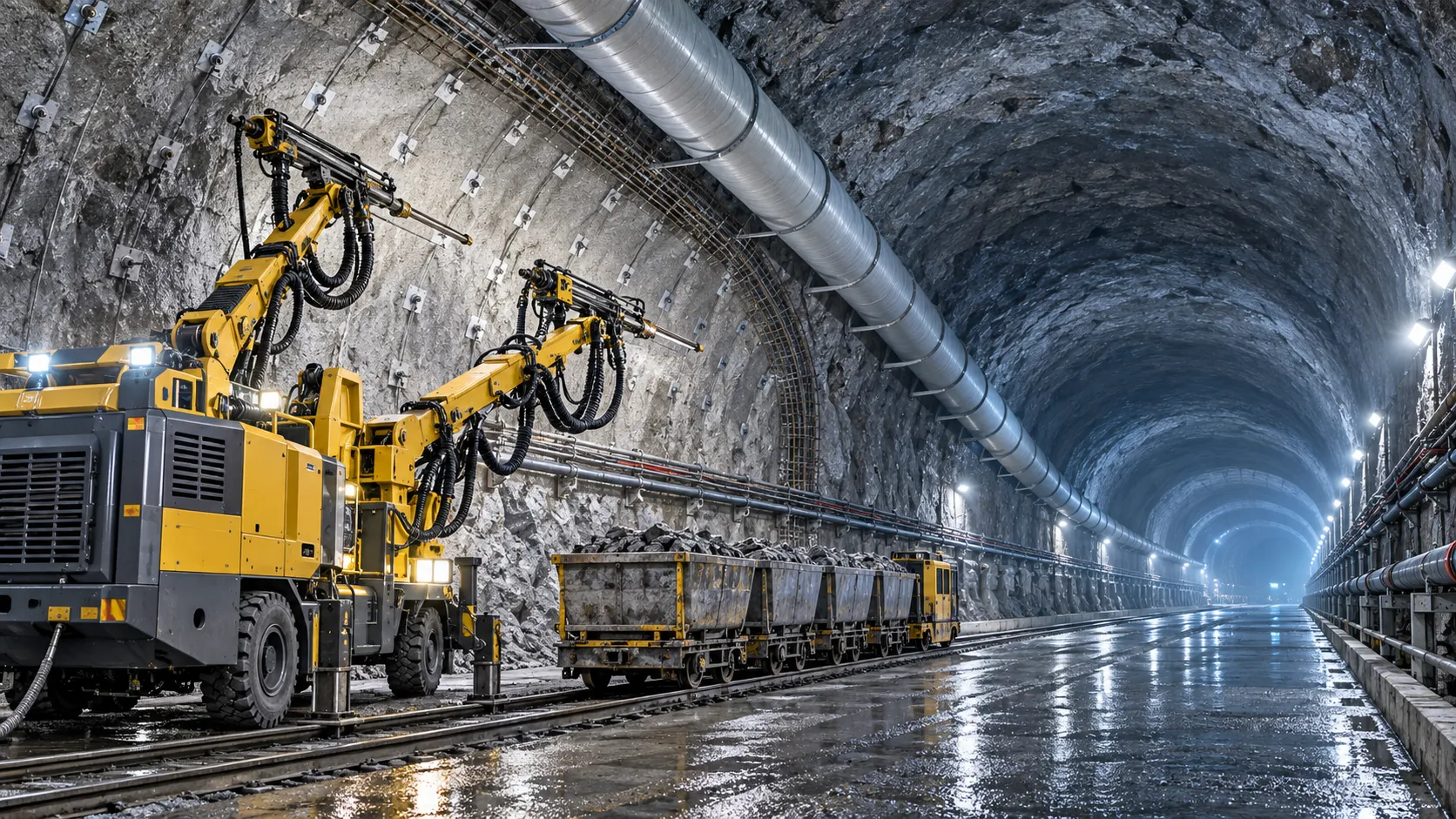
How to Evaluate European Drill-and-Blast Tunnelling Contractors for Complex Projects
Drill and blast tunnelling contractors Europe: learn how to assess geology expertise, blast control, equipment reliability, safety, and programme resilience for complex projects.
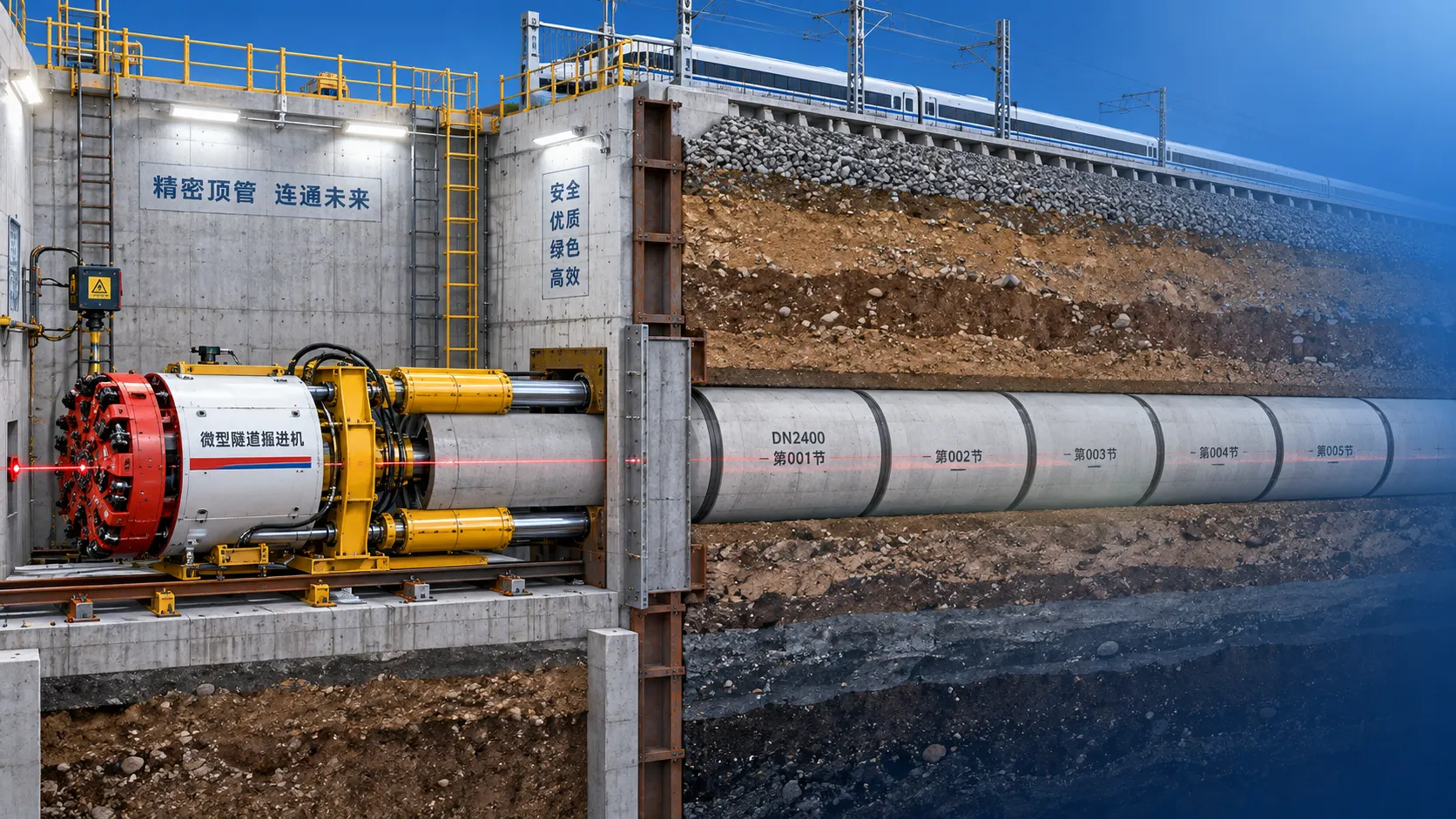
Which Trenchless Construction Technique Fits Your Utility Crossing Conditions?
Trenchless construction techniques compared for utility crossings: choose HDD, microtunnelling, pipe jacking, or auger boring based on ground, accuracy, access, and risk.
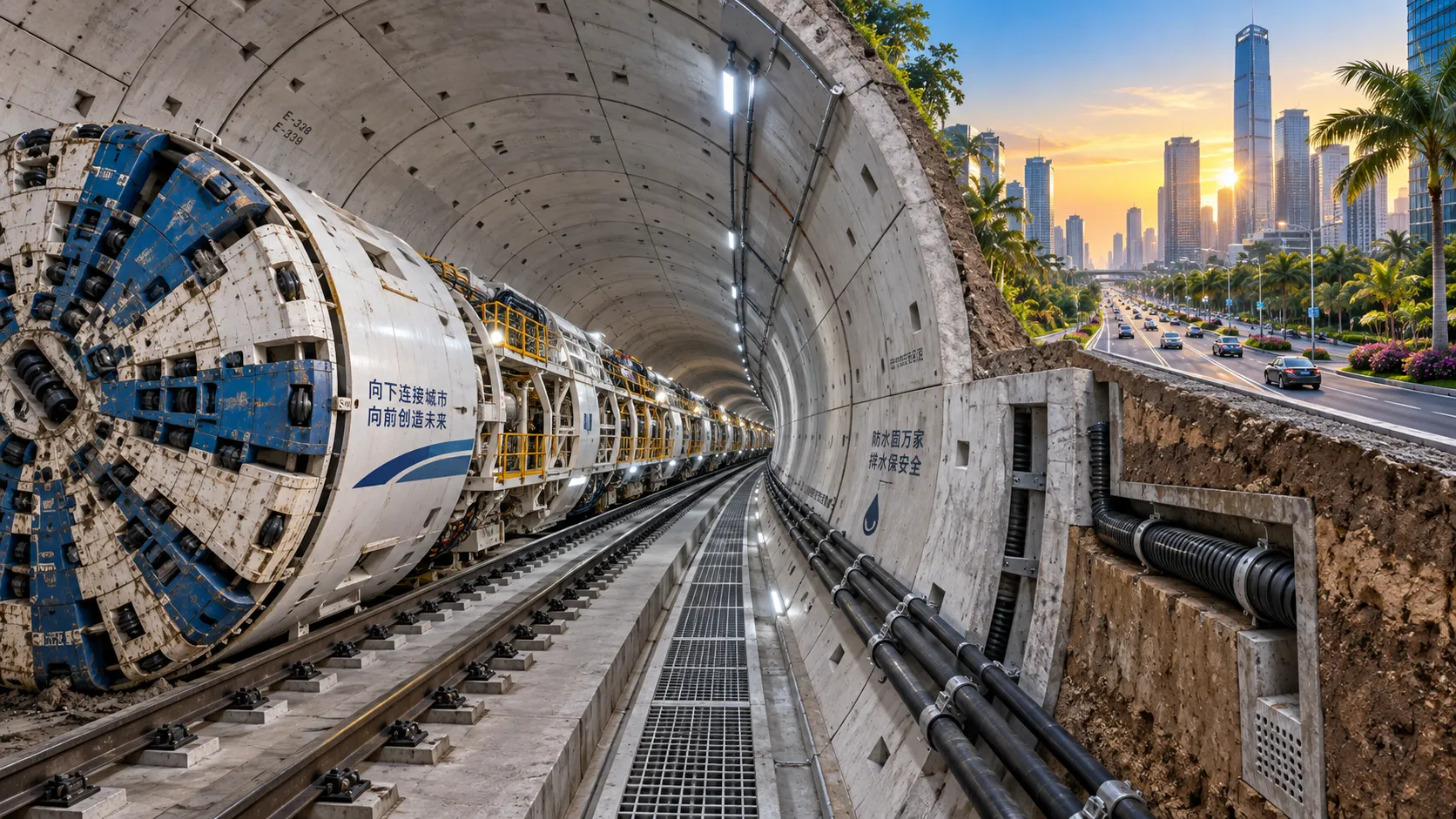
What Is Driving Metro Tunnelling Demand Across Southeast Asia’s Major Cities?
Metro tunnelling Southeast Asia is accelerating as major cities tackle congestion, flooding, and connectivity. Explore the market forces, technical risks, and opportunities shaping demand.
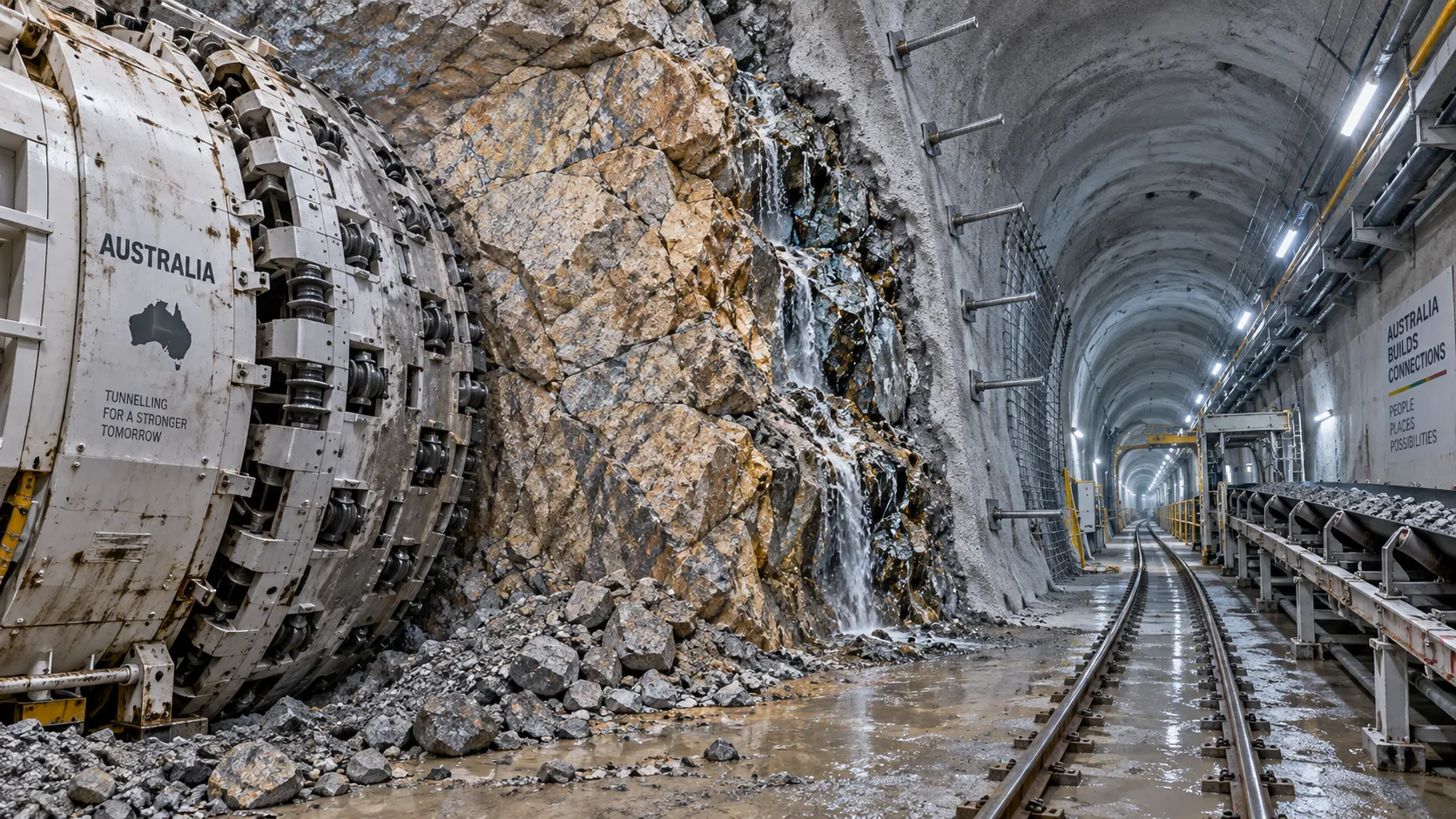
Hard Rock Tunnelling in Australia: Selecting Methods for Variable Ground Conditions
Hard rock tunnelling in Australia: compare TBM, drill-and-blast and hybrid methods to manage variable ground, reduce risk and protect project costs.
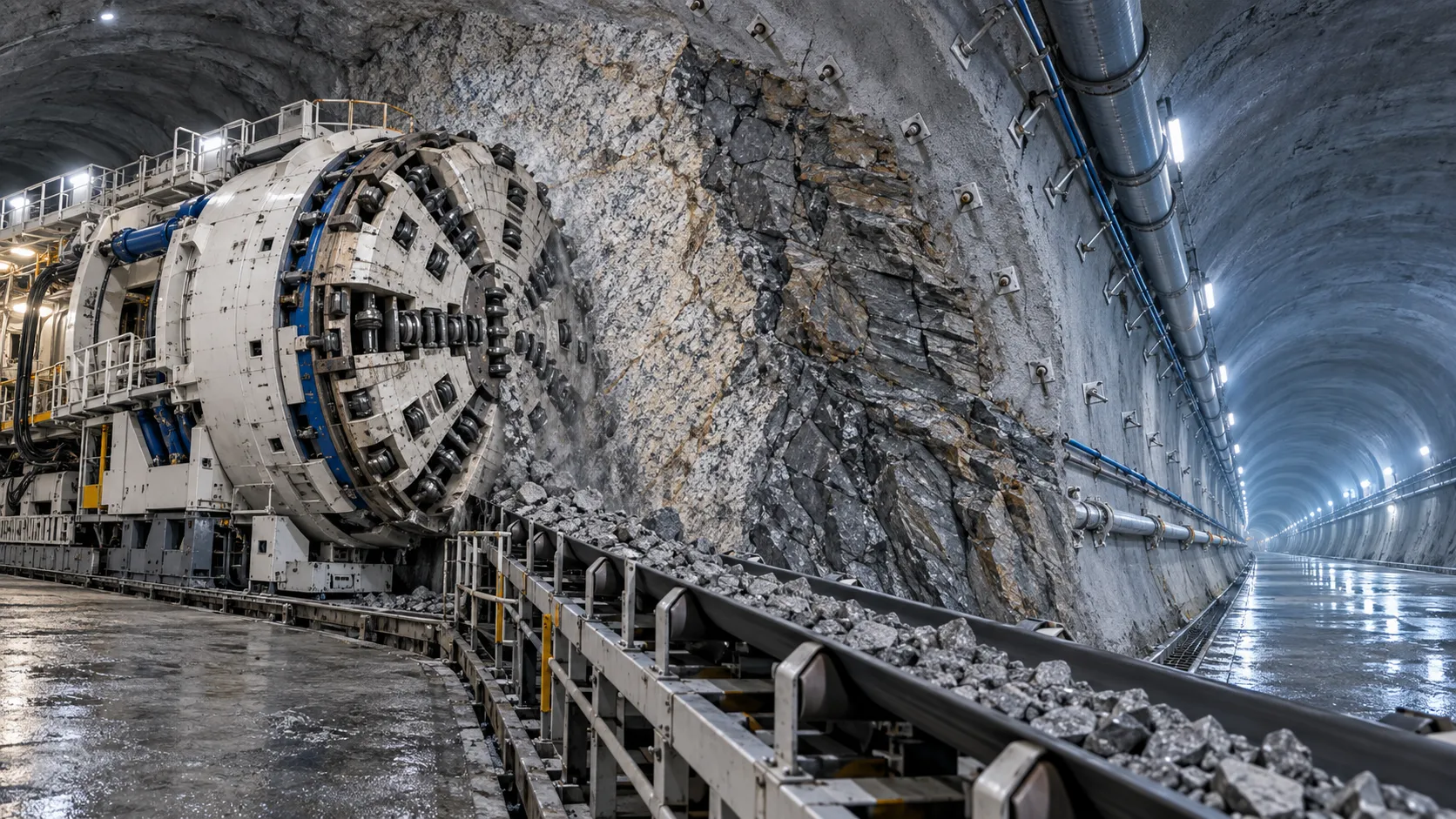
Hydropower Tunnel Excavation: Selecting Methods for Variable Rock Conditions
Hydropower tunnel excavation methods for variable rock conditions: compare TBM, drill-and-blast, and hybrid strategies to improve safety, progress, and project control.
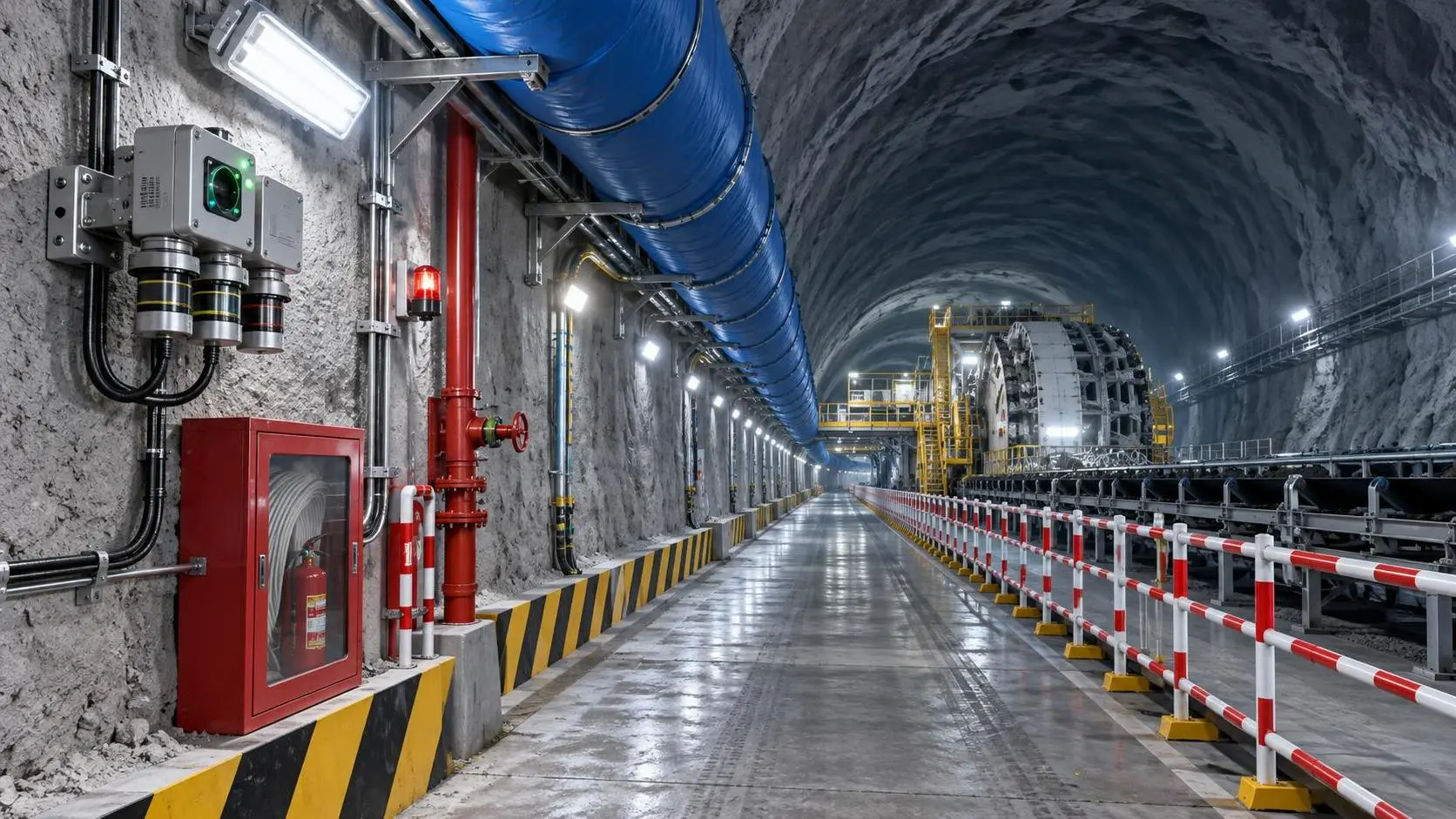
How to Select Underground Safety Equipment for Tunnelling by Hazard and Work Zone
Underground Safety Equipment for tunnelling: match protection to hazards, work zones, compliance, and emergency needs with this practical selection guide.
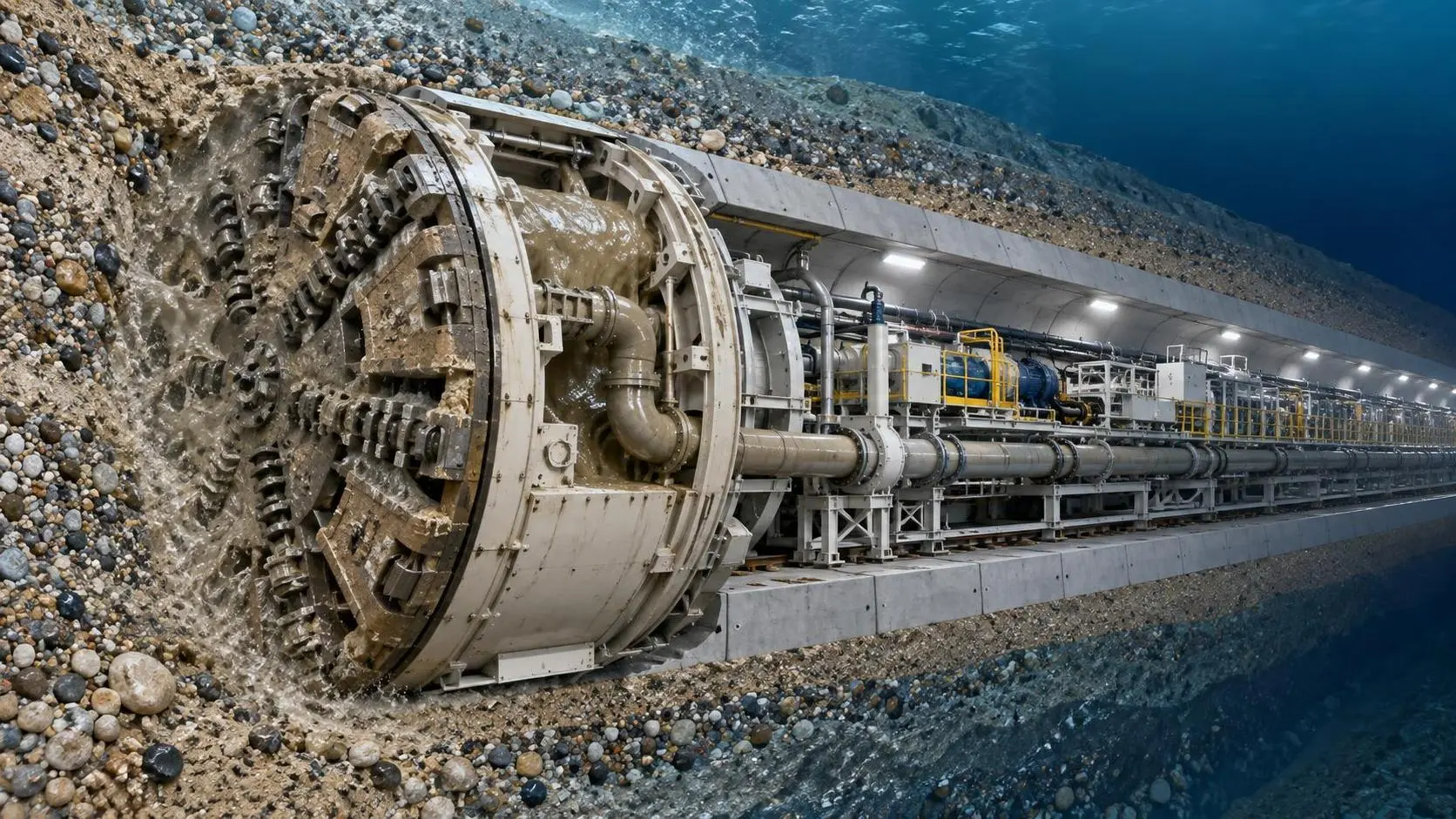
EPB or Slurry Shield? Selecting Soft-Ground Tunnelling Equipment by Soil Conditions
Tunnel Excavation Equipment for soft ground: compare EPB and slurry shields by soil, groundwater, settlement risk, and project logistics to choose confidently.
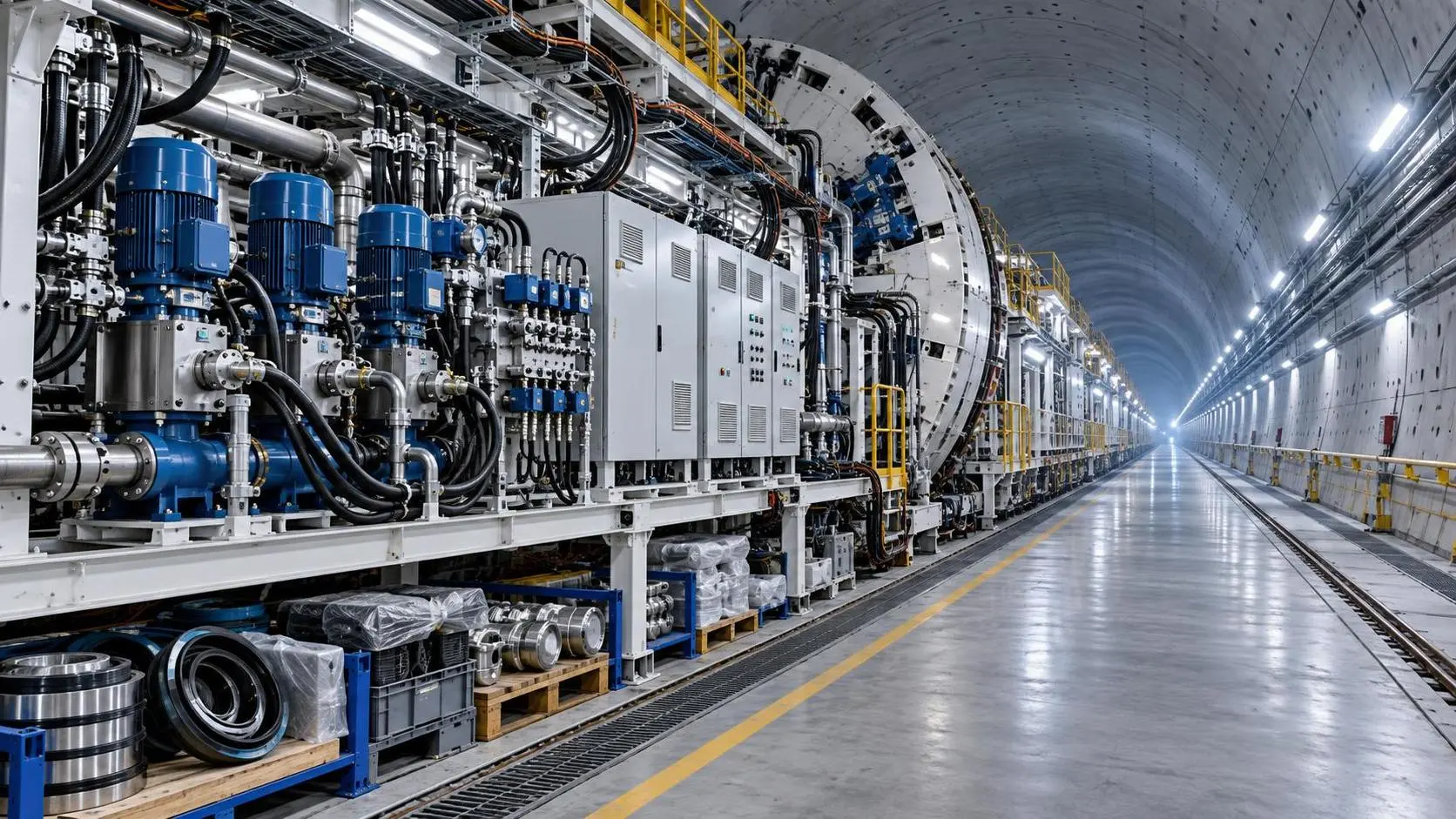
How to Specify TBM Backup System Parts for Reliable Long-Distance Tunnelling
TBM backup system parts: learn how to specify reliable spares for long-distance tunnelling, reduce downtime, ensure compatibility, and speed underground recovery.
How to Size Open Pit Mining Trucks for Haul Distance, Grade, and Payload?
Open Pit Mining Trucks: learn how to match payload, haul distance, grade, road resistance, and loading capacity for safer, lower-cost mine operations.
Related News
- 00
0000-00
How to Evaluate European Drill-and-Blast Tunnelling Contractors for Complex Projects - 00
0000-00
Which Trenchless Construction Technique Fits Your Utility Crossing Conditions? - 00
0000-00
What Is Driving Metro Tunnelling Demand Across Southeast Asia’s Major Cities? - 00
0000-00
Hard Rock Tunnelling in Australia: Selecting Methods for Variable Ground Conditions - 00
0000-00
Hydropower Tunnel Excavation: Selecting Methods for Variable Rock Conditions
Weekly Insights
Stay ahead with our curated technology reports delivered every Monday.