
Mining Equipment Replacement: 7 Signs It’s Time to Repair, Rebuild, or Replace





Mining Equipment Replacement is no longer a routine maintenance call. It now shapes uptime, safety exposure, ESG progress, and the real cost of every ton moved underground or on the surface.
For operations running TBMs, drilling jumbos, mining dump trucks, or underground LHD loaders, the hard part is not seeing wear. The hard part is knowing when repair still makes sense, when rebuild adds value, and when replacement protects the business better.
That is where Mining Equipment Replacement becomes a strategic decision. The strongest decisions usually come from linking field performance, lifecycle cost, emissions pressure, and future production plans into one practical view.
UTMD tracks these turning points across underground engineering and smart mining systems. From cutter wear in hard-rock TBMs to battery-electric LHD deployment and autonomous haulage upgrades, the same question keeps coming up: how long should an aging asset stay in the fleet?
Seven signals that Mining Equipment Replacement deserves attention
The signs below are practical. They help separate temporary issues from structural decline, so capital planning stays grounded in evidence instead of habit.
[Image 01: Aging mining fleet inspection dashboard comparing repair cost, utilization, and replacement timing]
- If maintenance cost rises for three reporting cycles and failures return fast, Mining Equipment Replacement often beats repeated repairs that only restore short-term availability.
- When component failures start cascading across hydraulics, powertrain, controls, or structure, rebuild economics weaken because one fix triggers another hidden cost.
- If the machine cannot meet planned output without overtime, standby units, or schedule compromises, replacement may protect production better than another overhaul.
- When OEM parts lead times stretch and critical spares become scarce, asset risk rises sharply, especially for legacy drilling, haulage, or tunnelling platforms.
- If safety incidents, near misses, or operator workarounds increase, Mining Equipment Replacement should move higher on the agenda before reliability becomes a hazard issue.
- When emissions, ventilation, or energy use no longer fit ESG targets, older diesel fleets can become more expensive than modern electric or automation-ready options.
- If digital integration is weak and the asset cannot support telemetry, automation, or predictive maintenance, replacement may unlock value beyond mechanical performance alone.
Why the repair-versus-rebuild-versus-replace decision gets harder
On paper, repair always looks cheaper first. The invoice is smaller, approval is easier, and downtime seems shorter. In real operations, that logic can fail quickly.
A repaired underground LHD may return to service fast, yet still consume extra ventilation capacity, miss battery-transition targets, and create another stoppage two months later. That changes the real cost.
The same applies to mining dump trucks and drilling jumbos. If structural fatigue, control obsolescence, or poor energy efficiency is already built into the platform, repeated repairs only delay a more expensive decision.
A simple way to compare the three paths
What these signs look like in real operations
Underground loaders and haulage systems
In deep mines, old loaders often stay in service because they still move material. But ventilation demand, heat load, and operator exposure can make that choice much more expensive than it looks.
If a diesel LHD needs frequent engine, hydraulic, and brake attention while battery-electric options improve shift utilization, Mining Equipment Replacement becomes a productivity and ESG question, not just a workshop question.
TBMs and trenchless equipment
For TBMs and pipe jacking machines, the decision is rarely about one failed part. It usually starts when cutterhead wear, drive inefficiency, and control-system age begin affecting schedule confidence.
UTMD follows these issues closely because underground megaprojects cannot afford unpredictable stoppages. If diagnostics are weak and subsystem upgrades no longer integrate cleanly, replacement planning should begin earlier than many teams expect.
Drilling jumbos and open-pit trucks
A drilling jumbo with declining hole accuracy does more than slow development. It can hurt blast quality, ground support timing, and downstream haulage efficiency.
For mining dump trucks, watch tire wear patterns, brake energy recovery limits, and fuel or electricity intensity per ton hauled. Those indicators often reveal whether Mining Equipment Replacement can lower total cost faster than another rebuild.
Common blind spots that distort Mining Equipment Replacement decisions
One common mistake is treating maintenance cost as the only number that matters. Downtime, spare availability, ventilation expense, operator productivity, and resale value are just as important.
Another blind spot is ignoring future mine design. A machine that fits today’s heading size, haul profile, or emissions rule may not fit the next phase of expansion.
This is especially relevant as electrification and automation move from pilot stage to operating standard. A unit that cannot support telemetry, remote operation, or energy optimization may age faster financially than mechanically.
Questions worth asking before approving spend
- Does this asset still fit the mine plan, or only the current month’s production pressure?
- Are failure records detailed enough to prove root cause, not just symptom frequency?
- Will the chosen option improve safety, emissions, and digital visibility together?
- Is the expected life extension long enough to justify downtime and capital already committed?
A practical decision sequence that keeps the process grounded
Start with evidence, not assumptions. Pull 12 to 24 months of downtime, repair spend, utilization, and incident data for the asset class under review.
Next, separate random failures from systemic decline. If the pattern shows repeat faults, rising standby dependence, or persistent derating, repair is probably buying time instead of solving the issue.
Then compare three cost views: immediate cash outlay, full lifecycle cost, and strategic fit. This is where Mining Equipment Replacement often wins, even when the purchase price looks harder to justify at first glance.
UTMD’s sector intelligence is useful here because replacement timing increasingly depends on more than workshop history. It depends on OEM evolution, electrification pace, automation readiness, and how fast underground infrastructure standards are changing.
What a strong replacement case usually includes
- Verified downtime trend with production impact translated into cost per hour or cost per ton.
- Repair and rebuild scenarios with realistic parts lead times and hidden risk allowances.
- ESG and energy impact, especially for diesel-to-electric transition opportunities underground.
- Compatibility with future automation, remote control, and fleet data integration.
Closing the gap between asset age and asset value
Old equipment is not automatically bad equipment. Some machines deserve targeted rebuilds and can create excellent value if the structure is sound and the duty cycle remains stable.
But when aging assets begin eroding uptime, safety margin, emissions performance, or digital readiness, Mining Equipment Replacement becomes the more disciplined decision.
The smartest next step is simple: review failure history, map it against future operating requirements, and test each asset against repair, rebuild, and replacement economics with equal honesty.
In heavy underground engineering, timing matters as much as technology. Making the Mining Equipment Replacement decision early enough can protect output, improve resilience, and support the move toward safer, cleaner, smarter operations.
Related News
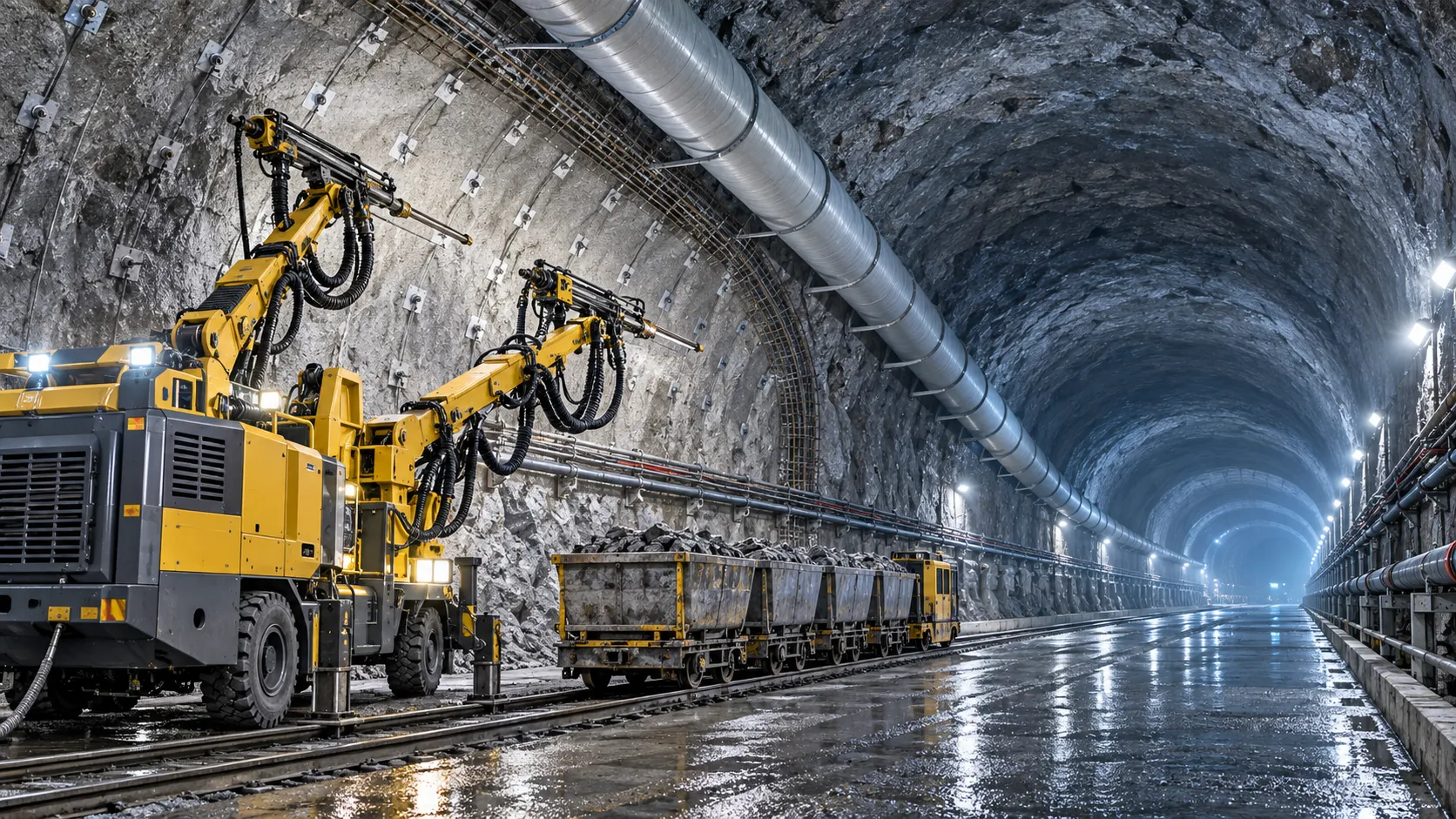
How to Evaluate European Drill-and-Blast Tunnelling Contractors for Complex Projects
Drill and blast tunnelling contractors Europe: learn how to assess geology expertise, blast control, equipment reliability, safety, and programme resilience for complex projects.
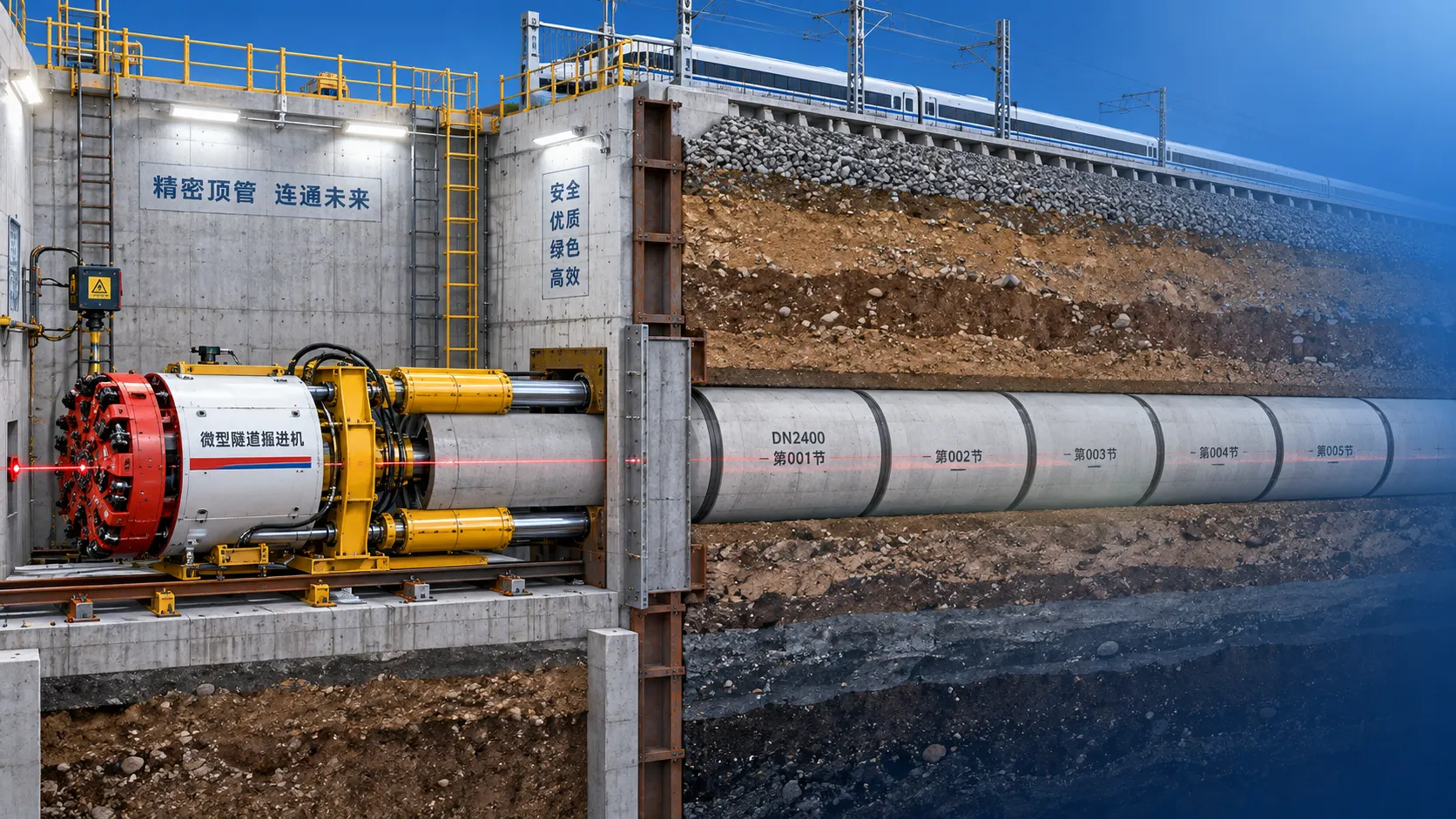
Which Trenchless Construction Technique Fits Your Utility Crossing Conditions?
Trenchless construction techniques compared for utility crossings: choose HDD, microtunnelling, pipe jacking, or auger boring based on ground, accuracy, access, and risk.
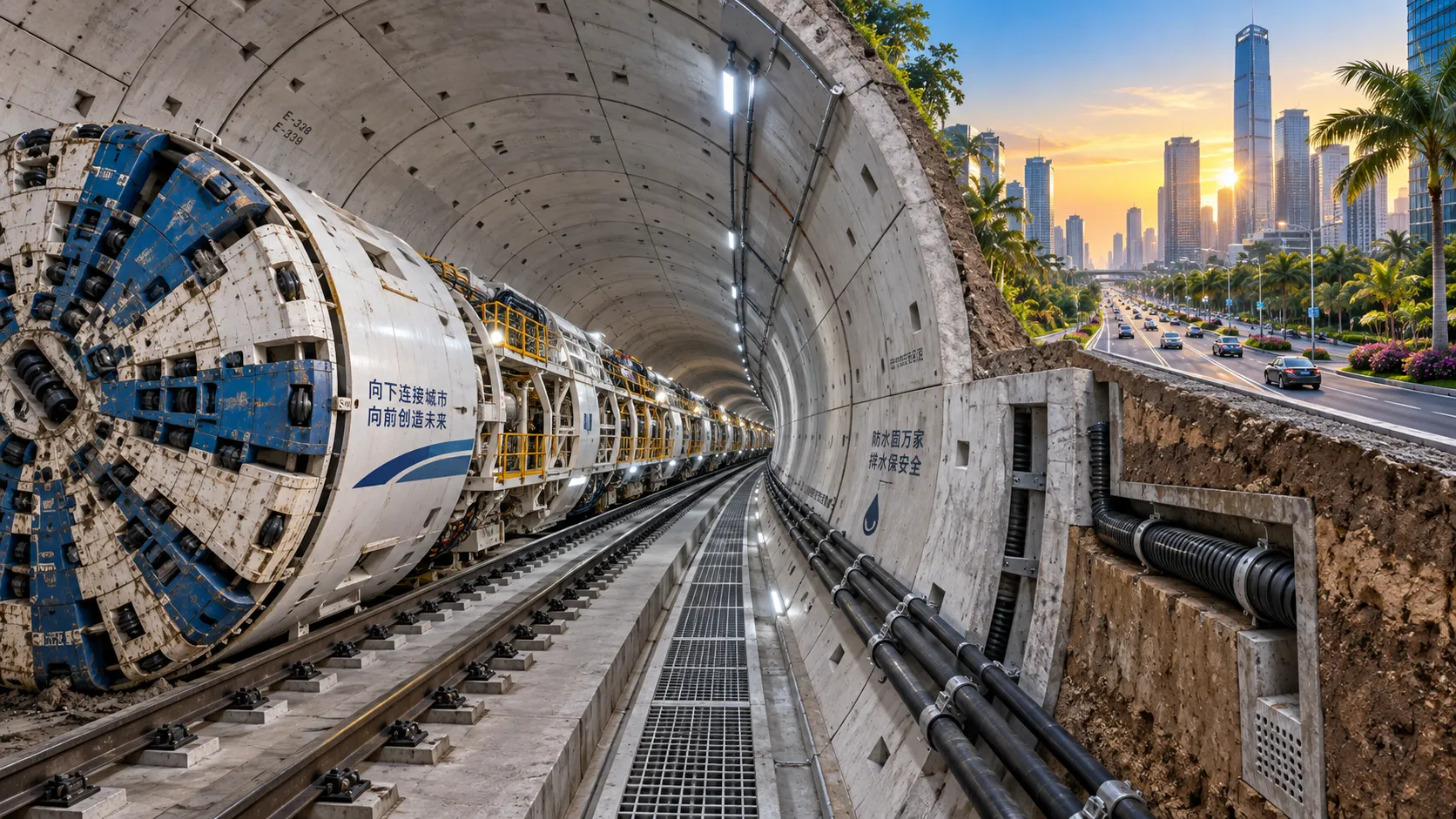
What Is Driving Metro Tunnelling Demand Across Southeast Asia’s Major Cities?
Metro tunnelling Southeast Asia is accelerating as major cities tackle congestion, flooding, and connectivity. Explore the market forces, technical risks, and opportunities shaping demand.
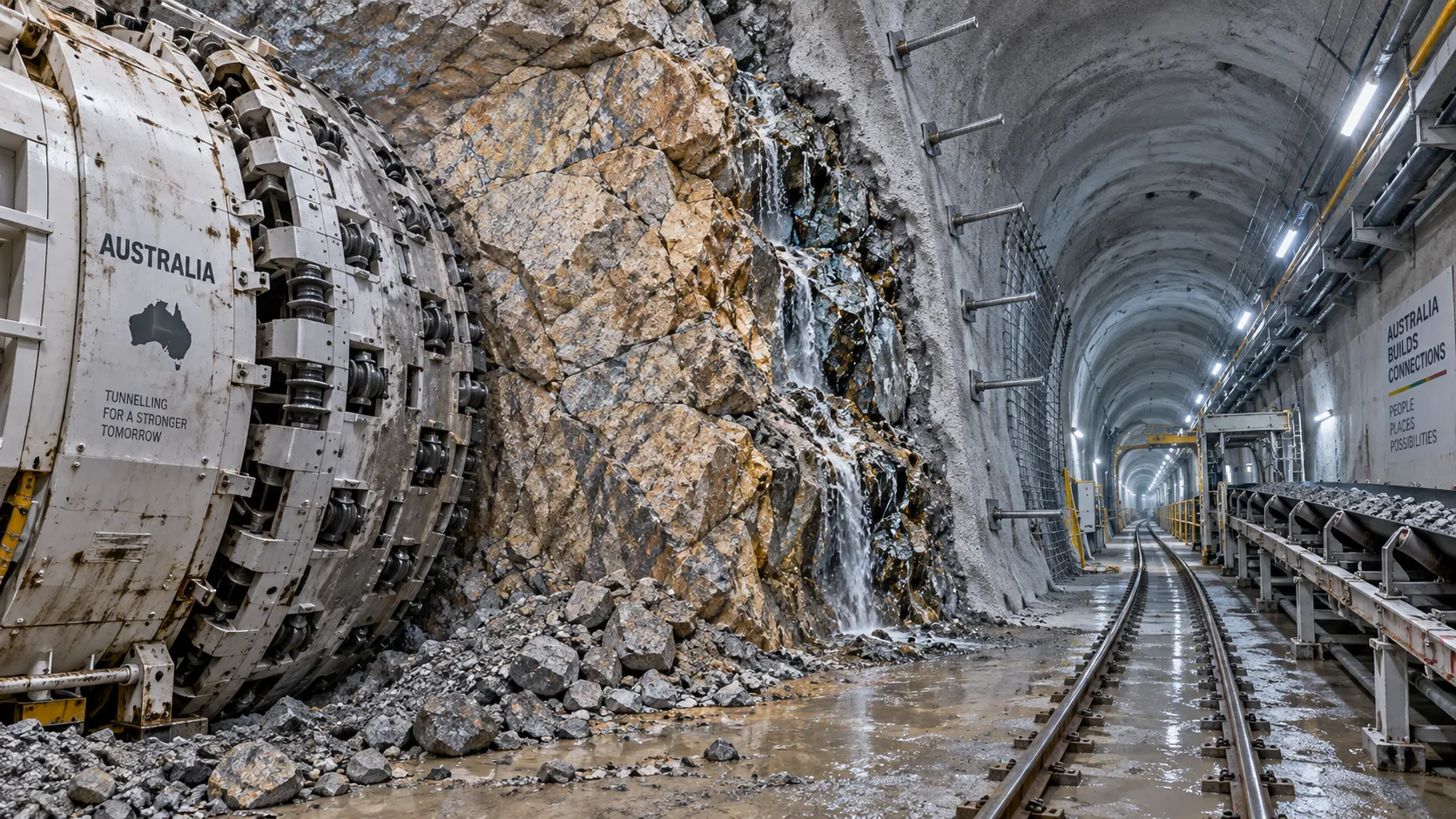
Hard Rock Tunnelling in Australia: Selecting Methods for Variable Ground Conditions
Hard rock tunnelling in Australia: compare TBM, drill-and-blast and hybrid methods to manage variable ground, reduce risk and protect project costs.
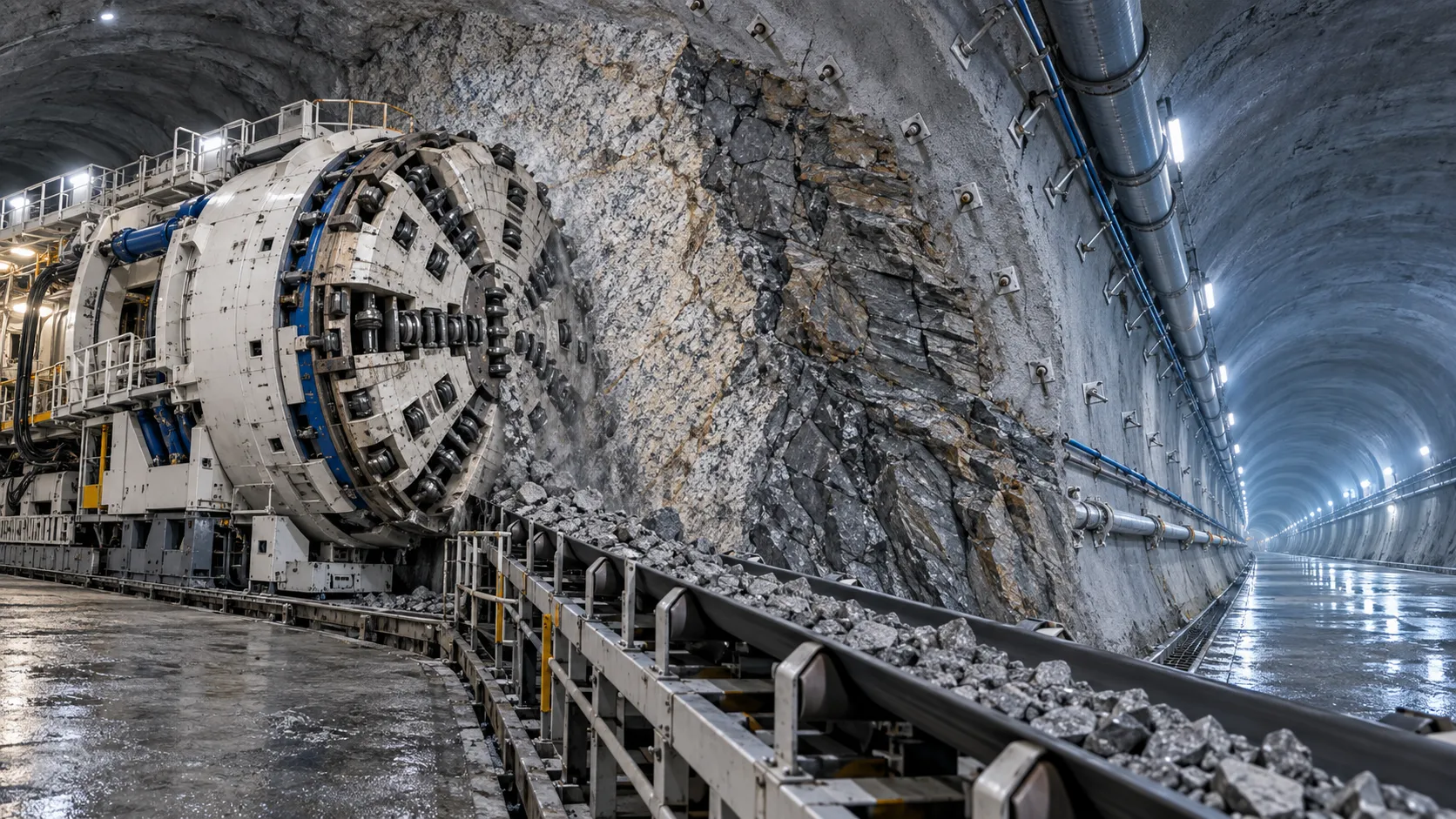
Hydropower Tunnel Excavation: Selecting Methods for Variable Rock Conditions
Hydropower tunnel excavation methods for variable rock conditions: compare TBM, drill-and-blast, and hybrid strategies to improve safety, progress, and project control.
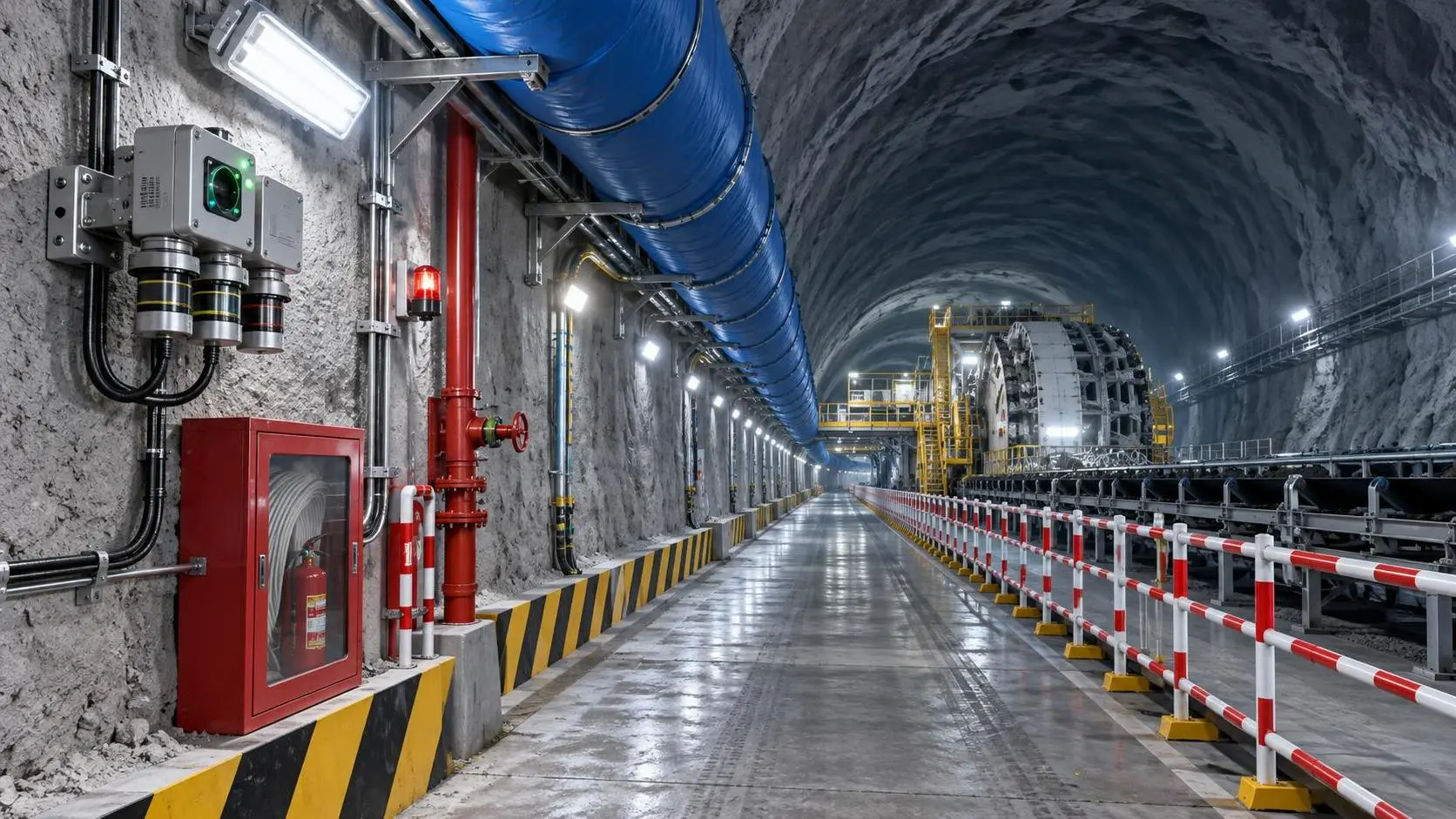
How to Select Underground Safety Equipment for Tunnelling by Hazard and Work Zone
Underground Safety Equipment for tunnelling: match protection to hazards, work zones, compliance, and emergency needs with this practical selection guide.
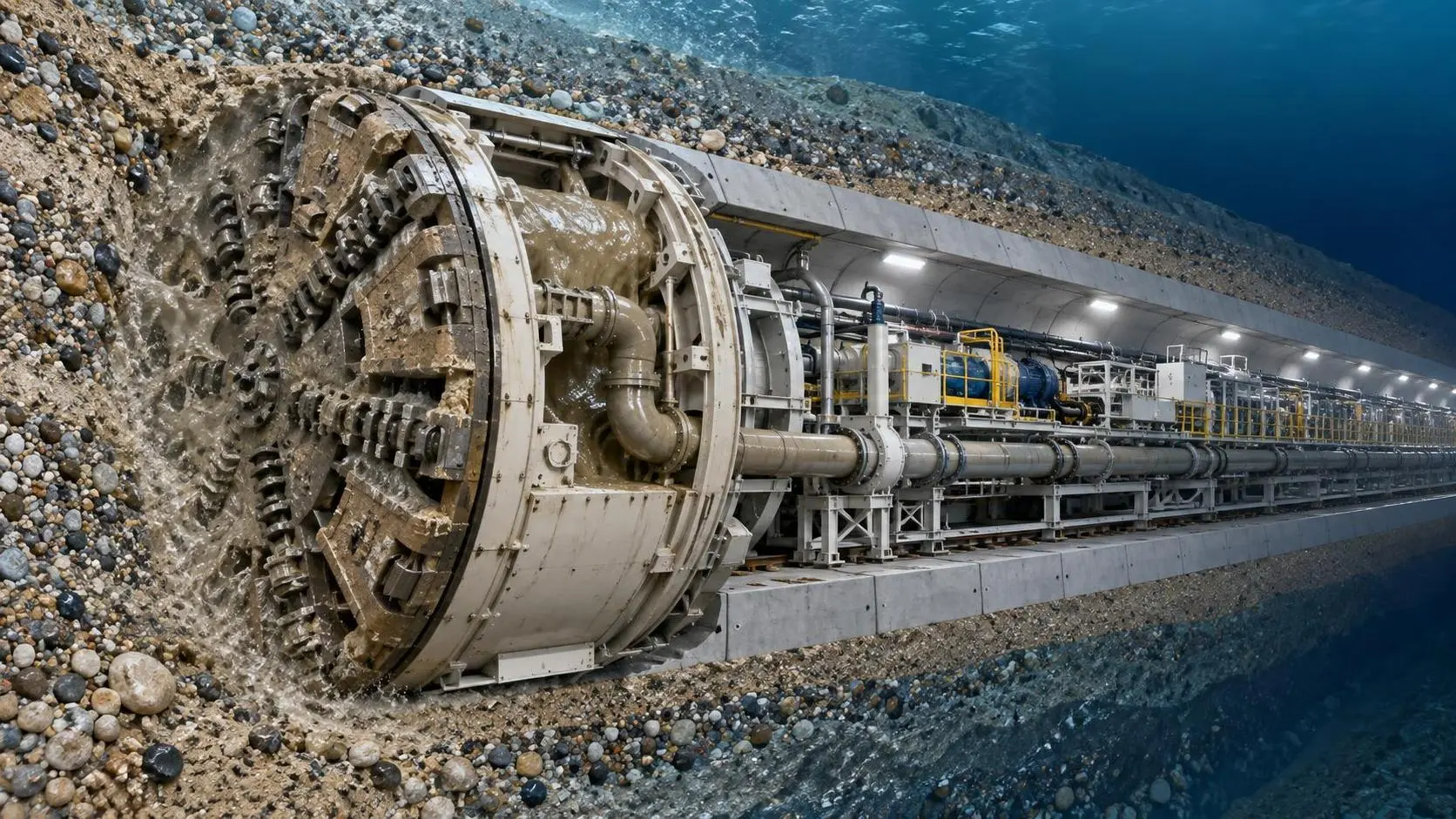
EPB or Slurry Shield? Selecting Soft-Ground Tunnelling Equipment by Soil Conditions
Tunnel Excavation Equipment for soft ground: compare EPB and slurry shields by soil, groundwater, settlement risk, and project logistics to choose confidently.
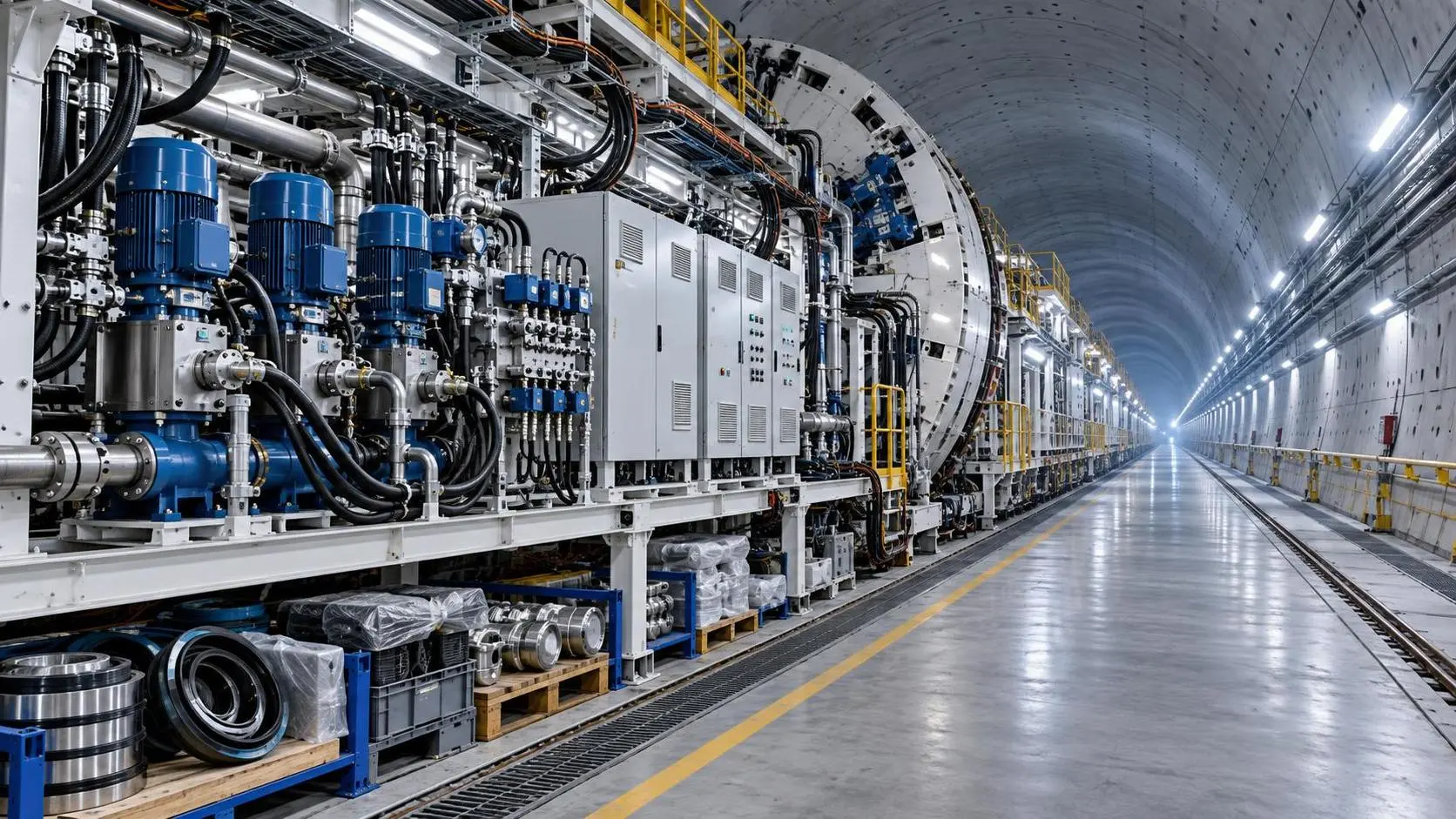
How to Specify TBM Backup System Parts for Reliable Long-Distance Tunnelling
TBM backup system parts: learn how to specify reliable spares for long-distance tunnelling, reduce downtime, ensure compatibility, and speed underground recovery.
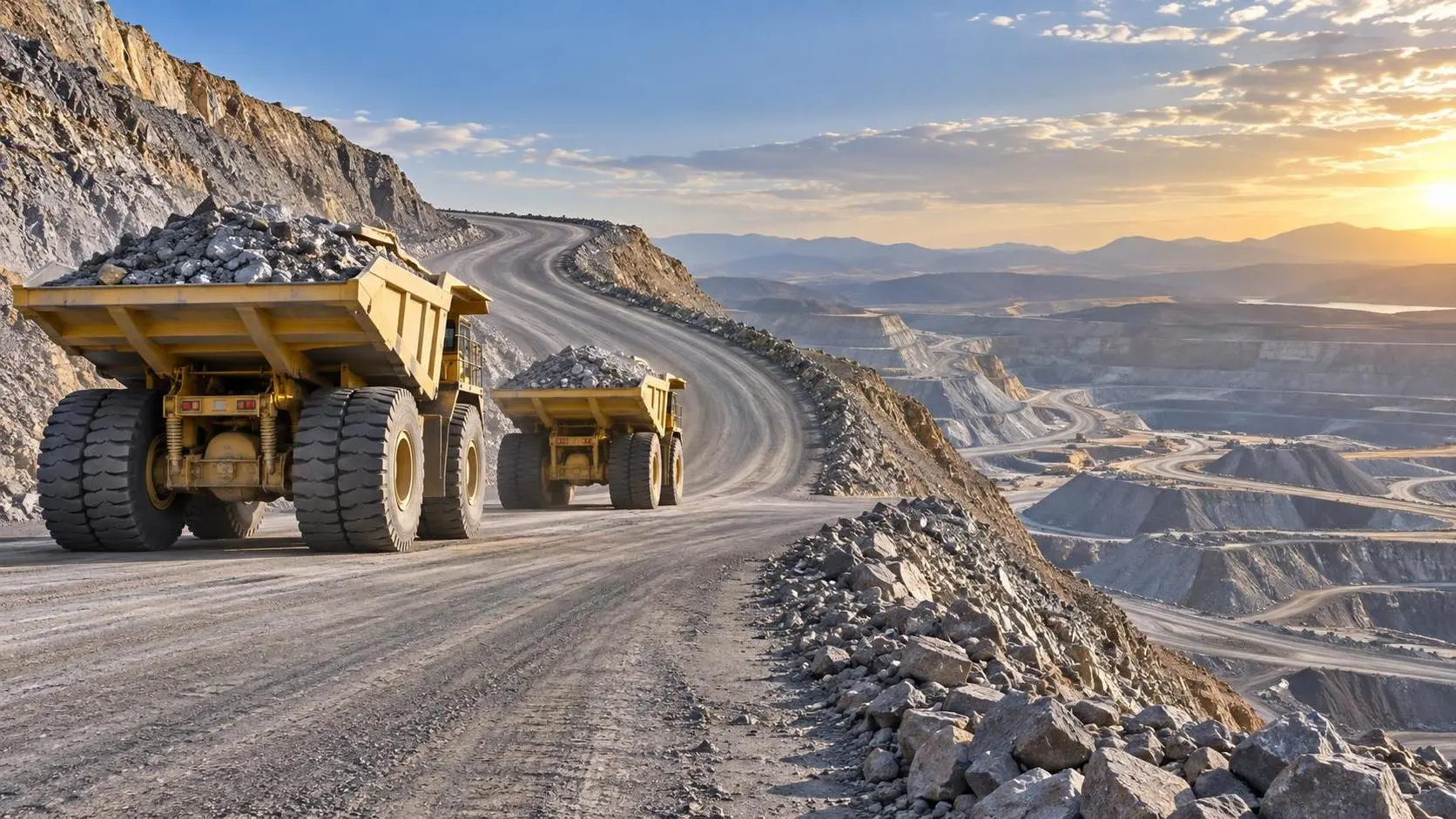
How to Size Open Pit Mining Trucks for Haul Distance, Grade, and Payload?
Open Pit Mining Trucks: learn how to match payload, haul distance, grade, road resistance, and loading capacity for safer, lower-cost mine operations.
Related News
- 00
0000-00
How to Evaluate European Drill-and-Blast Tunnelling Contractors for Complex Projects - 00
0000-00
Which Trenchless Construction Technique Fits Your Utility Crossing Conditions? - 00
0000-00
What Is Driving Metro Tunnelling Demand Across Southeast Asia’s Major Cities? - 00
0000-00
Hard Rock Tunnelling in Australia: Selecting Methods for Variable Ground Conditions - 00
0000-00
Hydropower Tunnel Excavation: Selecting Methods for Variable Rock Conditions
Weekly Insights
Stay ahead with our curated technology reports delivered every Monday.