
How to Choose Underground Communication Systems for Safety, Coverage, and Interference





How to Choose Underground Communication Systems for Safety, Coverage, and Interference
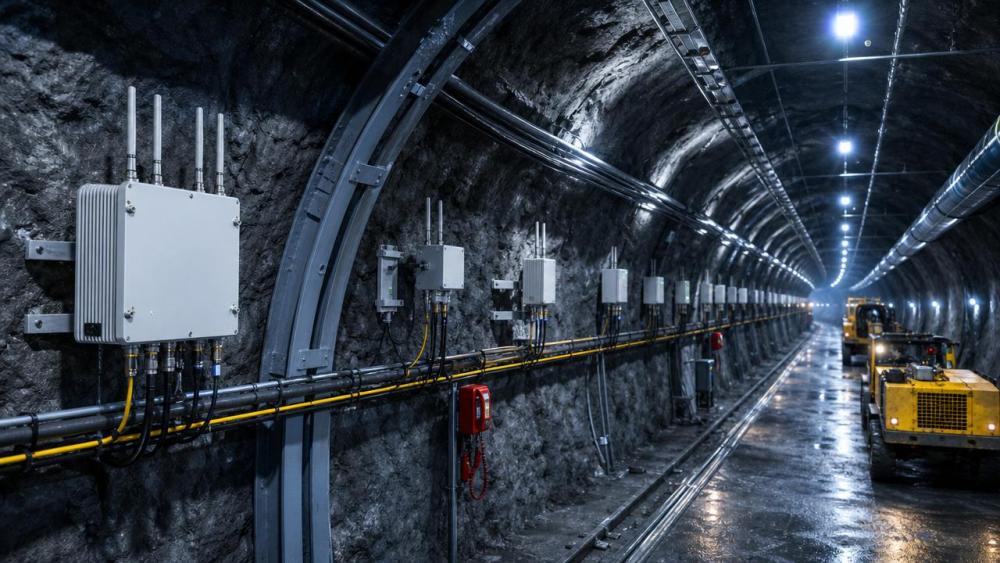
Choosing the right Underground Communication Systems is not just a technical decision. It directly affects safety response, production continuity, and daily operational control.
In tunnels, mines, and confined worksites, communication failures can quickly become safety failures. That is why buyers need to look beyond brochure claims.
The best Underground Communication Systems support clear voice, stable data flow, and reliable alerts even when rock geometry, dust, vehicles, and machinery create difficult conditions.
For underground projects tracked by UTMD, this decision is becoming more strategic. As automation, electrification, and remote operation expand, communication infrastructure is now part of core risk control.
A poor fit usually shows up in three places first. Coverage gaps appear in headings and crosscuts. Emergency calls lag during incidents. Interference increases around mobile fleets and power systems.
This also means procurement decisions should focus on field performance, not only initial price. A cheaper system can become expensive if it causes downtime, blind spots, or repeated maintenance visits.
Start with the Real Underground Risk Profile
Before comparing suppliers, define the communication environment in practical terms. Underground Communication Systems perform differently in hard rock mines, soft ground tunnels, and mixed development zones.
Begin with tunnel length, depth, section shape, branching complexity, and active equipment density. These factors determine how signals travel, weaken, or reflect underground.
Then assess the operating model. A drill-and-blast heading, a TBM launch area, and a battery LHD haulage route need different communication priorities.
- Voice-critical sites need instant team coordination and emergency paging.
- Data-heavy sites need telemetry, tracking, and machine health visibility.
- Remote operation zones need low latency and stable handoff.
From a buying perspective, this step prevents overbuying or underbuying. Many projects install systems designed for ideal conditions, then struggle once the network meets actual rock and traffic behavior.
Prioritize Coverage Before Extra Features
Coverage is the first performance test for Underground Communication Systems. If people or machines drop off the network in critical zones, advanced features lose value fast.
Ask suppliers to show usable coverage, not theoretical range. Underground environments rarely match open-air test results or perfect lab assumptions.
In actual operations, the most important question is simple. Can the system maintain clear communication where risk, movement, and equipment concentration are highest?
Look closely at these areas:
- Tunnel intersections and curves where signals often weaken.
- Refuge chambers, substations, and maintenance bays.
- Loading, dumping, blasting, or segment assembly zones.
- Temporary headings that move as work advances.
A strong supplier should explain how the network expands with tunnel progress. This matters for pipe jacking drives, mine development headings, and large tunnelling packages with shifting fronts.
Check Interference Resistance Under Working Conditions
Interference is often underestimated during procurement. Yet it is one of the main reasons Underground Communication Systems underperform after installation.
Underground sites are electrically noisy. Chargers, substations, ventilation systems, variable frequency drives, heavy vehicles, and metal structures can all distort communication quality.
This is becoming even more relevant as zero-emission fleets grow. Battery charging infrastructure and remote control equipment add new interference patterns that older networks may not handle well.
Ask vendors how their Underground Communication Systems manage:
- Electromagnetic interference near power equipment.
- Signal reflection in narrow or wet tunnel sections.
- Performance loss during simultaneous machine movement.
- Network congestion during emergency events.
The more useful signal is not a polished specification sheet. It is proof from similar underground projects with comparable fleet size, tunnel geometry, and power load.
Match the System to Safety-Critical Functions
For procurement teams, safety should guide the selection logic. Underground Communication Systems must support emergency readiness first, then productivity gains.
In practice, a good system should support fast incident reporting, evacuation coordination, geofenced alerts, and communication continuity during power or network disruption.
Useful evaluation questions include:
- Can it send priority emergency messages without delay?
- Does it support worker tracking in active zones?
- Can it keep operating during local infrastructure failure?
- How quickly can damaged nodes be replaced underground?
This is especially important for long tunnels and deep mining levels. When visibility is poor and access is limited, communication becomes the backbone of response discipline.
Compare Total Cost, Not Just Purchase Price
Cost control matters, but the lowest quote rarely delivers the best value. Underground Communication Systems should be evaluated over their full service life.
A lower upfront cost can hide repeated cable damage, poor expansion flexibility, spare part delays, or frequent reconfiguration as the project develops.
A practical cost review should include:
In recent underground projects, integration costs have become more visible. Communication no longer stands alone. It increasingly supports autonomous haulage, remote drilling, ventilation control, and digital safety workflows.
Ask for Proof from Similar Projects
Not all references carry the same weight. A supplier with surface industry experience may still struggle in deep or highly mobile underground settings.
Request examples from environments that match your site. The more comparable the application, the more useful the reference becomes.
Focus on evidence such as:
- Performance in long, curved, or branching tunnels.
- Reliability near electrified fleets or charging stations.
- Support during production expansion or heading extension.
- Measured incident response improvement after deployment.
If possible, ask for site test data, maintenance records, and failure recovery times. These details reveal much more than marketing language.
Use a Practical Supplier Evaluation Checklist
A structured checklist helps buyers compare Underground Communication Systems more objectively. It also keeps the decision aligned with operational risk, not just sales presentations.
- Define critical zones where communication failure is unacceptable.
- Map coverage needs for current and future tunnel development.
- Evaluate interference risks around power and mobile equipment.
- Confirm emergency communication and redundancy functions.
- Review life-cycle cost, expansion cost, and service response.
- Request proof from similar underground operations.
- Run a pilot in the most demanding area, not the easiest one.
That last point matters a lot. If Underground Communication Systems work well in a high-interference, high-mobility zone, broader rollout becomes far less risky.
Make the Decision with Future Operations in Mind
Underground sites are changing fast. Automation, electrification, and digital monitoring are raising the baseline for communication performance.
That means the right Underground Communication Systems should solve today’s safety and coverage needs while remaining useful as the operation becomes more connected.
A sound procurement decision usually has three qualities. It protects people first. It maintains dependable coverage under real underground conditions. It stays stable when interference increases.
If you evaluate systems through those three lenses, cost decisions become clearer. You can separate short-term savings from long-term operational value.
In real projects, the best communication investment is often the one that prevents a blind spot, shortens emergency response, and supports reliable underground growth year after year.
Related News
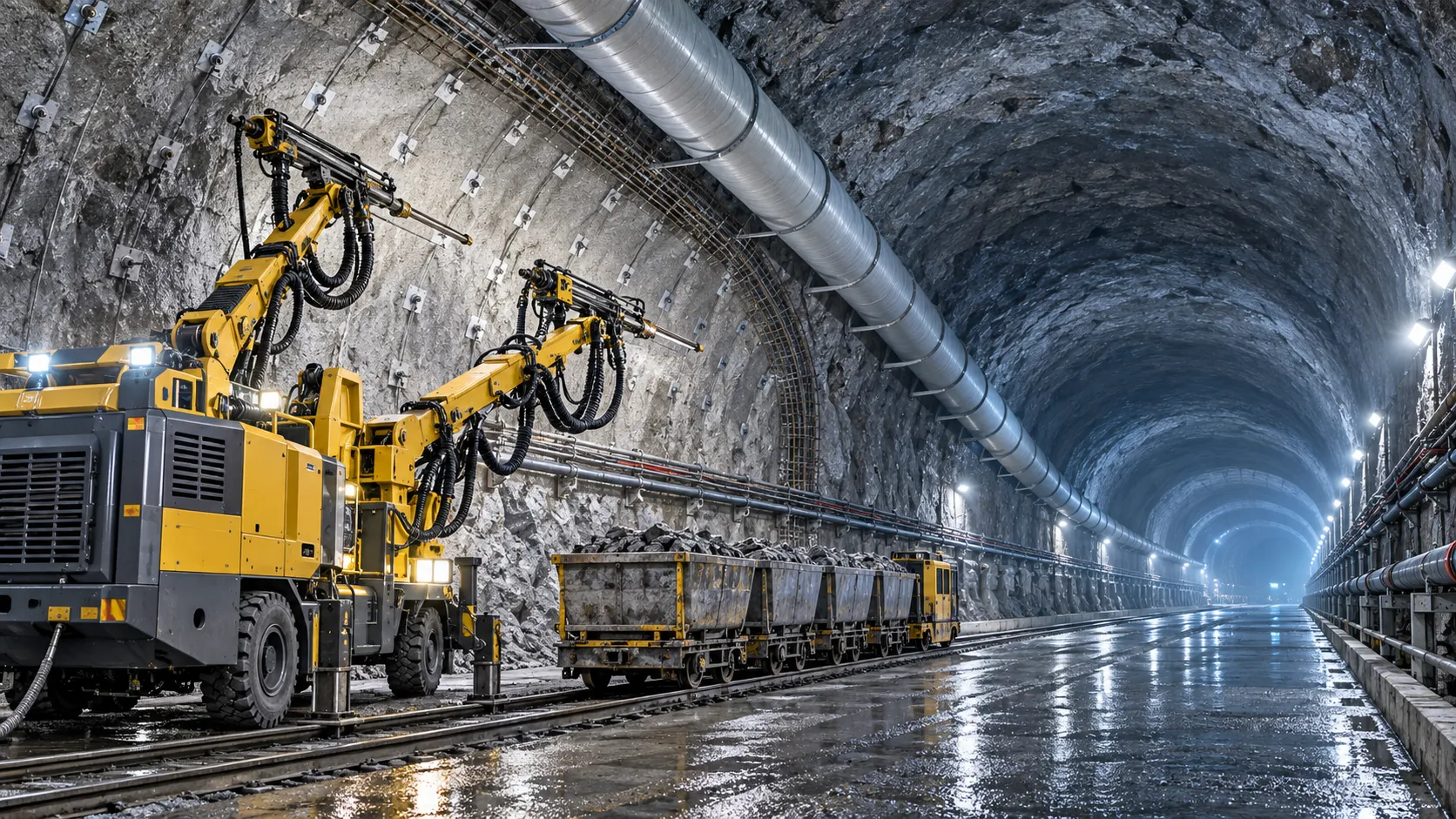
How to Evaluate European Drill-and-Blast Tunnelling Contractors for Complex Projects
Drill and blast tunnelling contractors Europe: learn how to assess geology expertise, blast control, equipment reliability, safety, and programme resilience for complex projects.
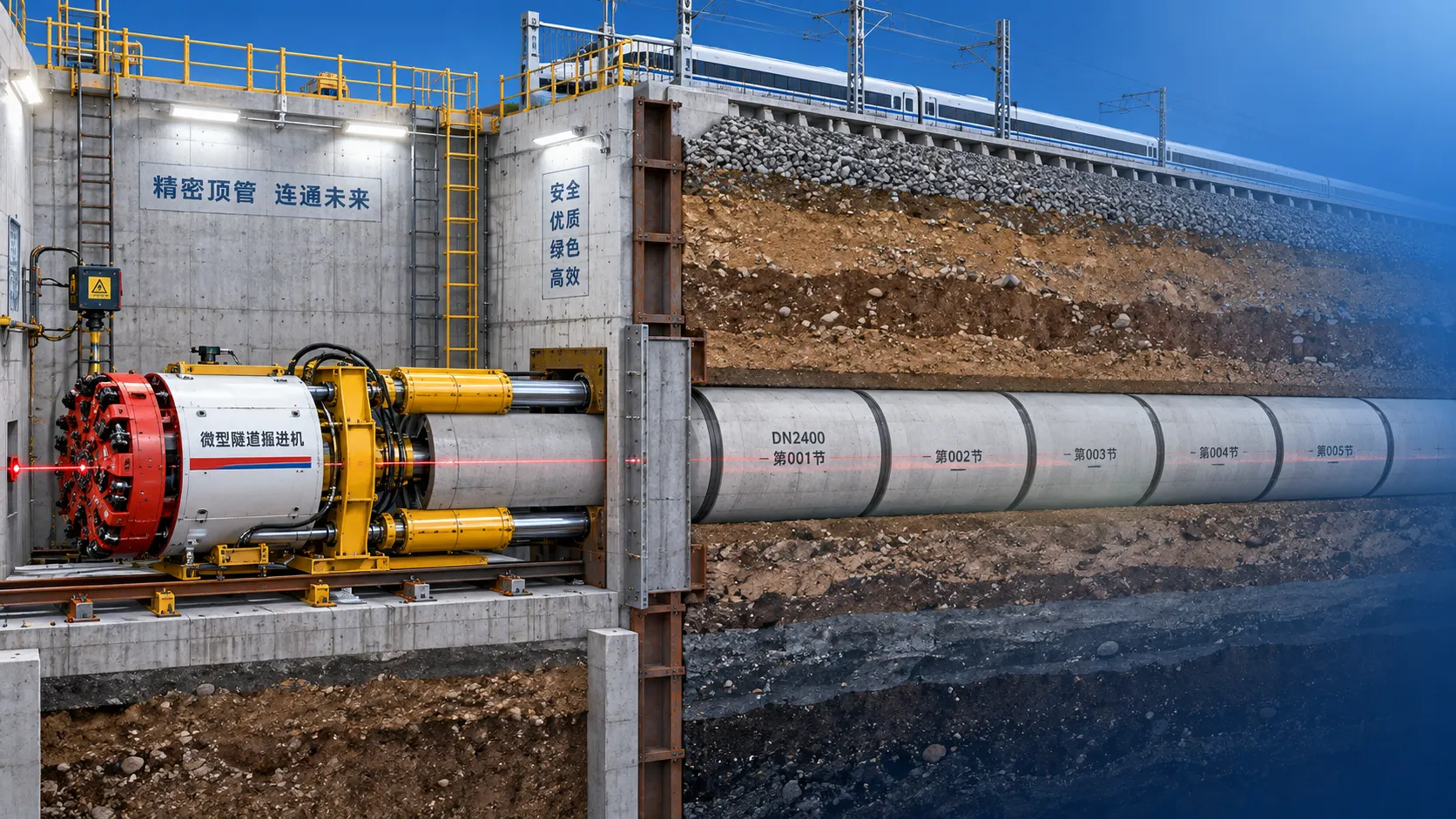
Which Trenchless Construction Technique Fits Your Utility Crossing Conditions?
Trenchless construction techniques compared for utility crossings: choose HDD, microtunnelling, pipe jacking, or auger boring based on ground, accuracy, access, and risk.
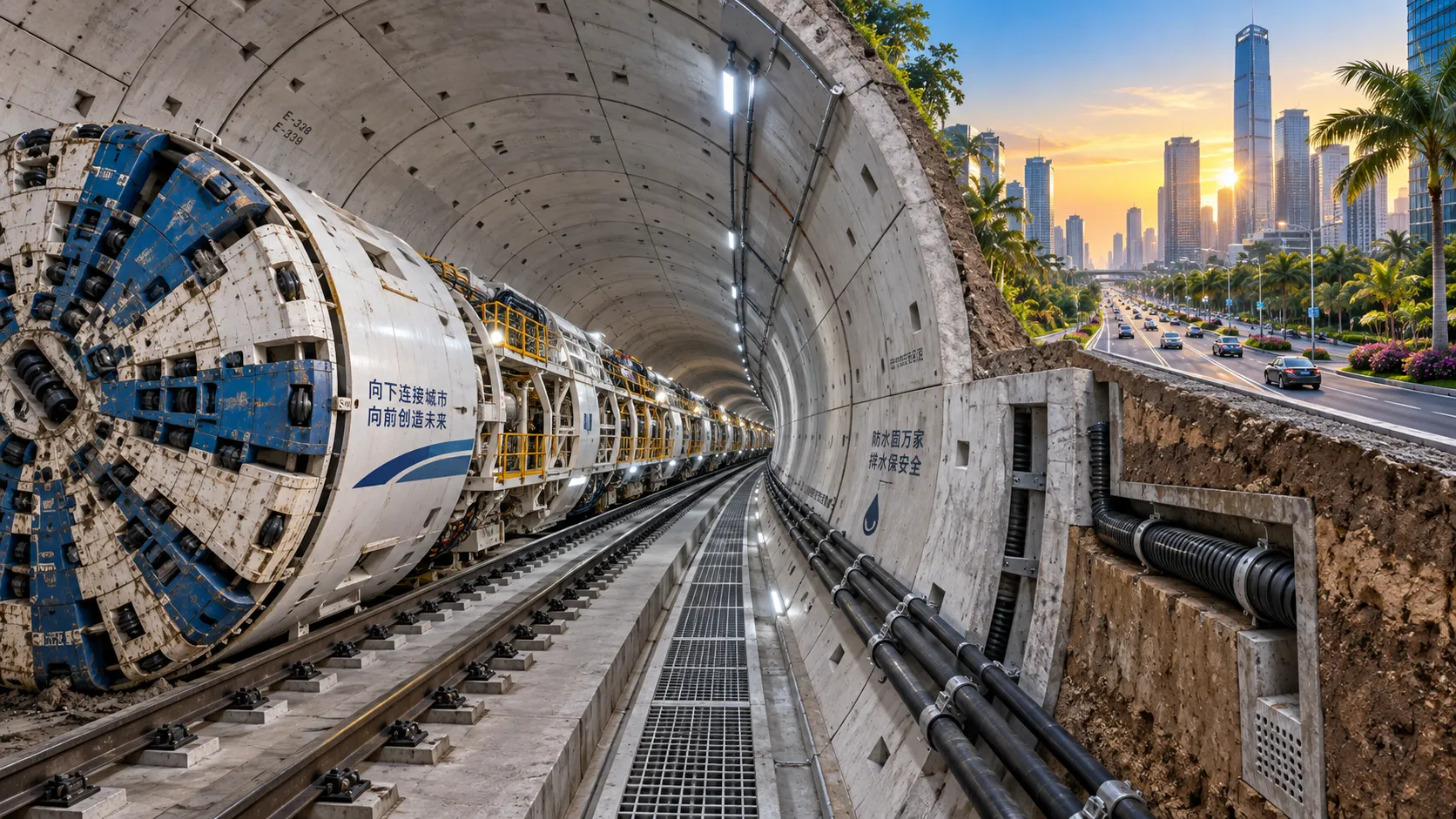
What Is Driving Metro Tunnelling Demand Across Southeast Asia’s Major Cities?
Metro tunnelling Southeast Asia is accelerating as major cities tackle congestion, flooding, and connectivity. Explore the market forces, technical risks, and opportunities shaping demand.
Hard Rock Tunnelling in Australia: Selecting Methods for Variable Ground Conditions
Hard rock tunnelling in Australia: compare TBM, drill-and-blast and hybrid methods to manage variable ground, reduce risk and protect project costs.
Hydropower Tunnel Excavation: Selecting Methods for Variable Rock Conditions
Hydropower tunnel excavation methods for variable rock conditions: compare TBM, drill-and-blast, and hybrid strategies to improve safety, progress, and project control.
How to Select Underground Safety Equipment for Tunnelling by Hazard and Work Zone
Underground Safety Equipment for tunnelling: match protection to hazards, work zones, compliance, and emergency needs with this practical selection guide.
EPB or Slurry Shield? Selecting Soft-Ground Tunnelling Equipment by Soil Conditions
Tunnel Excavation Equipment for soft ground: compare EPB and slurry shields by soil, groundwater, settlement risk, and project logistics to choose confidently.
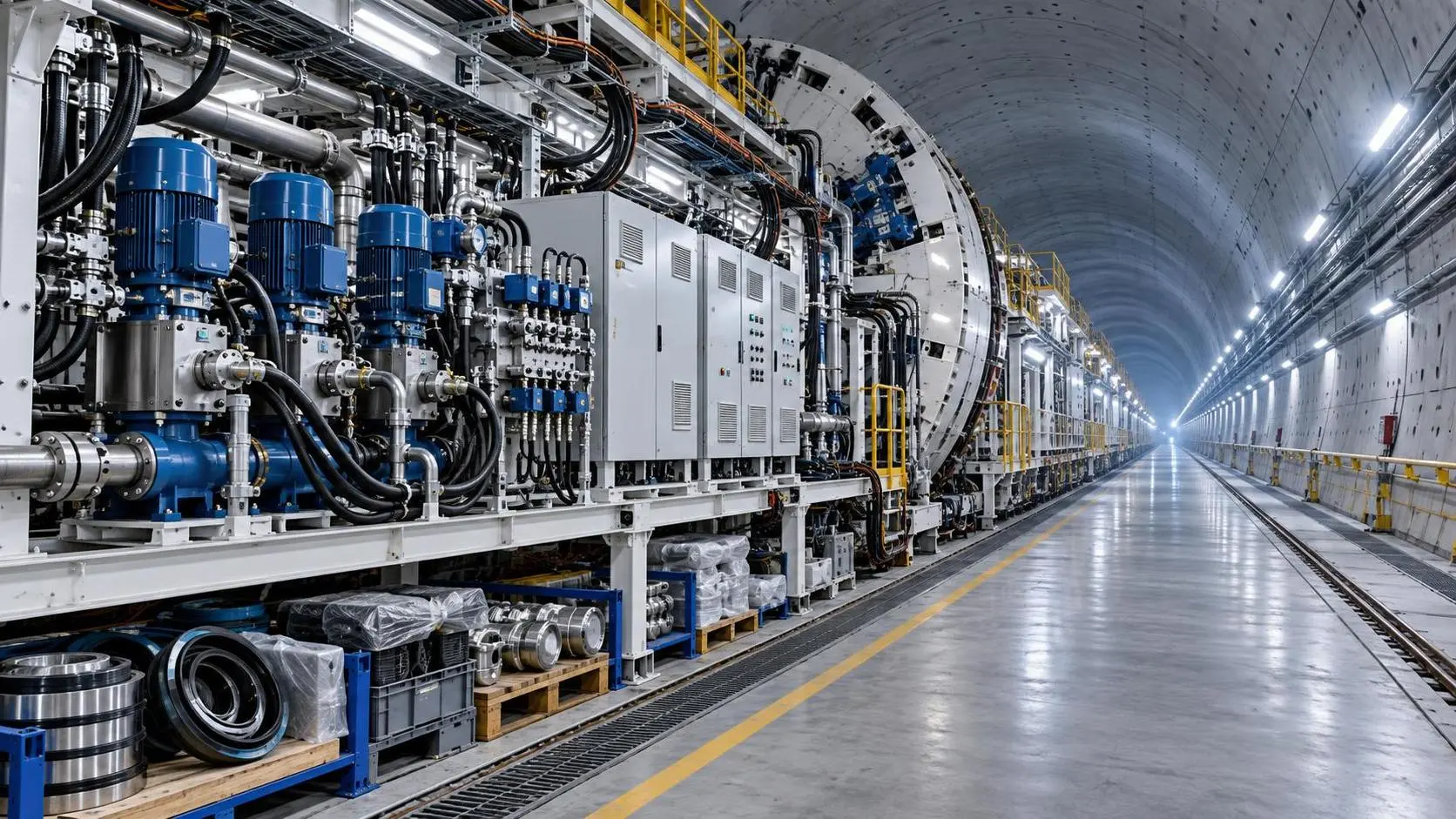
How to Specify TBM Backup System Parts for Reliable Long-Distance Tunnelling
TBM backup system parts: learn how to specify reliable spares for long-distance tunnelling, reduce downtime, ensure compatibility, and speed underground recovery.

How to Size Open Pit Mining Trucks for Haul Distance, Grade, and Payload?
Open Pit Mining Trucks: learn how to match payload, haul distance, grade, road resistance, and loading capacity for safer, lower-cost mine operations.
Related News
- 00
0000-00
How to Evaluate European Drill-and-Blast Tunnelling Contractors for Complex Projects - 00
0000-00
Which Trenchless Construction Technique Fits Your Utility Crossing Conditions? - 00
0000-00
What Is Driving Metro Tunnelling Demand Across Southeast Asia’s Major Cities? - 00
0000-00
Hard Rock Tunnelling in Australia: Selecting Methods for Variable Ground Conditions - 00
0000-00
Hydropower Tunnel Excavation: Selecting Methods for Variable Rock Conditions
Weekly Insights
Stay ahead with our curated technology reports delivered every Monday.