
How to Evaluate Mine Haul Trucks in South Africa for Cost, Terrain, and Payload?





What Mine Haul Truck Evaluation Really Means in South African Mines
A mine haul truck is easy to compare on paper and easy to misjudge in practice. In South Africa, buyers rarely fail because they overlooked a brochure figure. They fail because the truck that looked efficient at tender stage turns out to be mismatched to haul road gradients, cycle length, loading tool compatibility, maintenance capability, or the mine’s power and fuel strategy. That is why evaluating Mine Haul Trucks in South Africa is less about choosing the biggest unit at the lowest purchase price and more about deciding which platform can keep moving tonnage at predictable cost under local operating conditions.
The three anchors in most procurement decisions are cost, terrain, and payload, but none of them should be treated in isolation. A truck with a higher nominal payload may raise output when the loading fleet, road design, and dump point layout are already built around that class. The same truck can also create idle excavators, tire stress, higher fuel burn, and slower cycle times if the mine is constrained by narrow ramps, poor underfoot conditions, or workshop limitations. In other words, haul truck selection is a system question, not just an equipment question.
Start with Cost, but Use Total Ownership Cost Rather Than Bid Price
Procurement teams often begin with capital expenditure because it is visible and easy to compare. For haul trucks, that is only the front edge of the economic picture. The larger cost drivers usually emerge after commissioning: diesel or electricity consumption, tire life, component rebuild intervals, availability, planned maintenance hours, parts lead times, and the productivity losses that come from downtime during peak stripping or ore movement periods.
In South African operations, this becomes especially important where mines may be far from major support hubs and where logistics for critical spares can materially affect fleet availability. A lower-priced truck that depends on imported proprietary components with long replacement cycles may become more expensive over the first few years than a higher-priced unit backed by stronger local service infrastructure. The question is not only “What does the truck cost?” but also “What does each moved tonne cost once the truck enters our actual operating environment?”
A useful evaluation model usually includes cost per tonne hauled, expected mechanical availability, tire cost per operating hour, and projected energy cost across the haul profile. If the mine is considering trolley-assist, hybrid, or battery-electric pathways, the analysis has to extend beyond the truck itself into charging, substations, cable infrastructure, ventilation implications where relevant, and operational scheduling.
Terrain Is Not a Background Detail
Terrain is where many evaluations become too generic. “Rough site conditions” does not tell a procurement team much. What matters is whether the truck is being asked to perform on long uphill loaded hauls, repeated downhill braking sections, high rolling resistance roads, soft pit floors in wet periods, or tight turning geometry around loading and dump zones. South African mine sites can differ sharply in altitude, temperature, dust exposure, rainfall pattern, and road maintenance quality, so two trucks with similar rated payloads may behave very differently in real production.
For steep or extended declines, braking performance and retarding capacity deserve more scrutiny than they often receive. This is not simply a safety box to tick. It affects cycle speed, component wear, energy recovery potential in electric configurations, and operator confidence. On soft or uneven ground, suspension behavior, frame durability, and tire management become central to cost control. On narrow or evolving haul roads, maneuverability and body dimensions may matter more than a small headline advantage in payload.
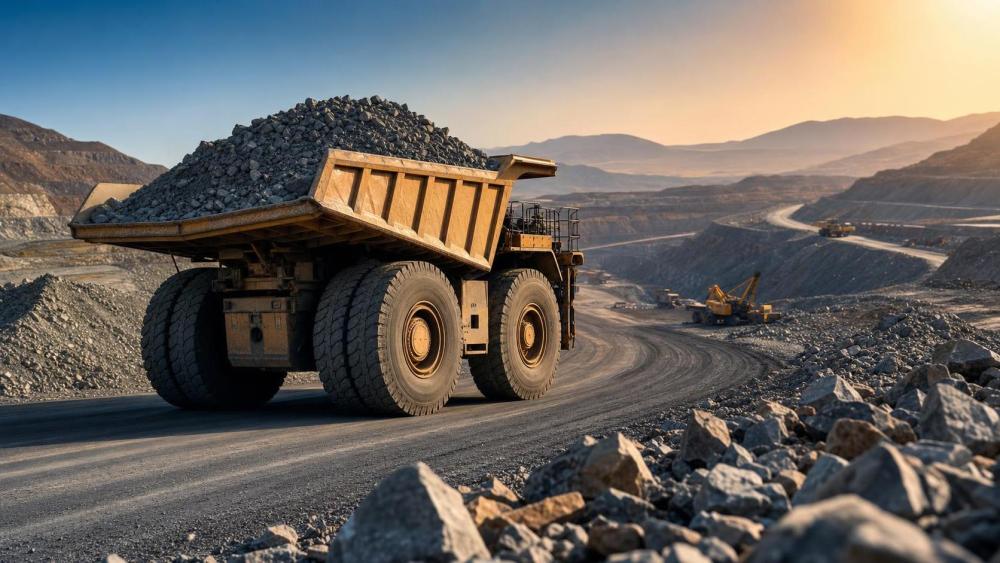
A practical review of terrain fit should include grade distribution, rolling resistance assumptions, road width, turning radius, stop-start frequency, dump edge conditions, and seasonal variability. Mines that evaluate trucks only on ideal road assumptions often discover that their real haul network is effectively downsizing the fleet by reducing achievable average speed.
Payload Should Be Matched, Not Maximized
Payload is the most visible specification and often the most misunderstood. A larger tray does not automatically mean more efficient movement of ore or waste. The truck has to match the loading unit in both pass count and bucket payload distribution. If an excavator needs too many passes to fill the truck, loading time rises and fragmentation variability starts affecting consistency. If the truck is routinely overloaded to reach target tonnage, structural fatigue, tire failures, and drivetrain stress follow.
Most mines aim for a practical pass match rather than a theoretical maximum carrying capacity. The shape and density of the material matter as well. Loose, low-density overburden may body-up before the truck reaches rated payload. Dense ore may hit weight limits early. That is why tray volume, target fill factor, and material characteristics need to be reviewed together. A buyer who looks only at payload class without checking loading tool match is not evaluating truck productivity; they are evaluating a catalogue number.
This is also where dispatch data becomes useful. If the mine already operates a fleet, historical payload distribution, queue times, and cycle variance can show whether the next truck should be bigger, smaller, or simply more reliable. In some operations, the best commercial outcome comes from standardizing around a payload class that the site can maintain well, even if a larger class appears more attractive on isolated unit economics.
Diesel, Hybrid, or Electric: Strategy Matters More Than Trend
Electrification is changing haulage discussions globally, and South African buyers are increasingly required to think about fuel exposure, emissions strategy, and future asset relevance. Still, it is a mistake to treat battery-electric or hybrid trucks as automatic upgrades regardless of site conditions. Their value depends on route profile, charging model, grid reliability, duty cycle, and the mine’s ability to support new maintenance disciplines.
For operations with long downhill segments, regenerative potential can materially influence the business case, but only if the truck architecture and site layout can actually capture that advantage. For remote sites with limited electrical infrastructure, diesel may remain operationally simpler in the near term even if long-term planning points toward decarbonization. Trolley-assist may suit high-volume repetitive routes better than a fully battery-dependent model. The selection should follow mine design and energy planning, not vendor fashion.
The Best Truck on Paper Can Still Be the Wrong Truck
One common mistake is treating haul trucks as interchangeable within the same payload class. They are not. Powertrain architecture, frame design philosophy, body options, axle loading behavior, onboard monitoring systems, and service access can differ enough to change lifecycle results. Another mistake is assuming the OEM’s advertised performance will transfer directly to the site. Those figures are usually derived from defined conditions. Buyers need to test whether their own haul profiles, operator practices, and road maintenance standards support comparable outcomes.
A disciplined evaluation usually asks harder questions than the tender sheet does. How much derating occurs at the mine’s altitude and ambient temperature? What is the parts stocking model in-country? Which failure modes are most common in similar duty cycles? Can the mine workshop handle major component changes without external dependence? Is the telematics data open enough to support fleet management decisions across mixed brands? These questions are less visible than payload rating, but they often determine whether a truck becomes a productive asset or a persistent operational drag.
A Useful Evaluation Framework
Why South African Context Changes the Decision
South Africa is not a single operating template. Open-pit commodity mix, mine depth transitions, road infrastructure maturity, power availability, contractor capability, and ESG pressure can vary significantly by site. Some operations prioritize immediate tonnage at the lowest short-term cost. Others are already weighing electrification, digital dispatch integration, and automation readiness. That means procurement cannot rely on generic “best mine truck” claims. The better question is which truck class and architecture fit the mine’s current conditions without blocking its next five to ten years of operating strategy.
For buyers, the strongest decisions usually come from combining vendor proposals with site-derived evidence: measured haul road conditions, maintenance history, loading fleet data, and realistic infrastructure constraints. Even where exact future production plans remain uncertain, this approach narrows the risk of buying a machine optimized for the wrong mine.
What a Sound Procurement Decision Looks Like
A sound haul truck evaluation does not end with a ranked vendor list. It produces a defendable operating case. The chosen truck should show a clear fit with site geometry, payload strategy, service capability, and energy direction. It should also make sense when measured in cost per moved tonne rather than in isolated equipment metrics.
That is the practical way to assess Mine Haul Trucks in South Africa. Look past the headline payload, challenge ideal-condition assumptions, and test every option against the mine’s actual terrain and lifecycle cost structure. When those three elements align, the truck is no longer just a capital item. It becomes a stable production instrument rather than a recurring source of operational compromise.
Related News
How to Evaluate European Drill-and-Blast Tunnelling Contractors for Complex Projects
Drill and blast tunnelling contractors Europe: learn how to assess geology expertise, blast control, equipment reliability, safety, and programme resilience for complex projects.
Which Trenchless Construction Technique Fits Your Utility Crossing Conditions?
Trenchless construction techniques compared for utility crossings: choose HDD, microtunnelling, pipe jacking, or auger boring based on ground, accuracy, access, and risk.
What Is Driving Metro Tunnelling Demand Across Southeast Asia’s Major Cities?
Metro tunnelling Southeast Asia is accelerating as major cities tackle congestion, flooding, and connectivity. Explore the market forces, technical risks, and opportunities shaping demand.
Hard Rock Tunnelling in Australia: Selecting Methods for Variable Ground Conditions
Hard rock tunnelling in Australia: compare TBM, drill-and-blast and hybrid methods to manage variable ground, reduce risk and protect project costs.
Hydropower Tunnel Excavation: Selecting Methods for Variable Rock Conditions
Hydropower tunnel excavation methods for variable rock conditions: compare TBM, drill-and-blast, and hybrid strategies to improve safety, progress, and project control.
How to Select Underground Safety Equipment for Tunnelling by Hazard and Work Zone
Underground Safety Equipment for tunnelling: match protection to hazards, work zones, compliance, and emergency needs with this practical selection guide.
EPB or Slurry Shield? Selecting Soft-Ground Tunnelling Equipment by Soil Conditions
Tunnel Excavation Equipment for soft ground: compare EPB and slurry shields by soil, groundwater, settlement risk, and project logistics to choose confidently.
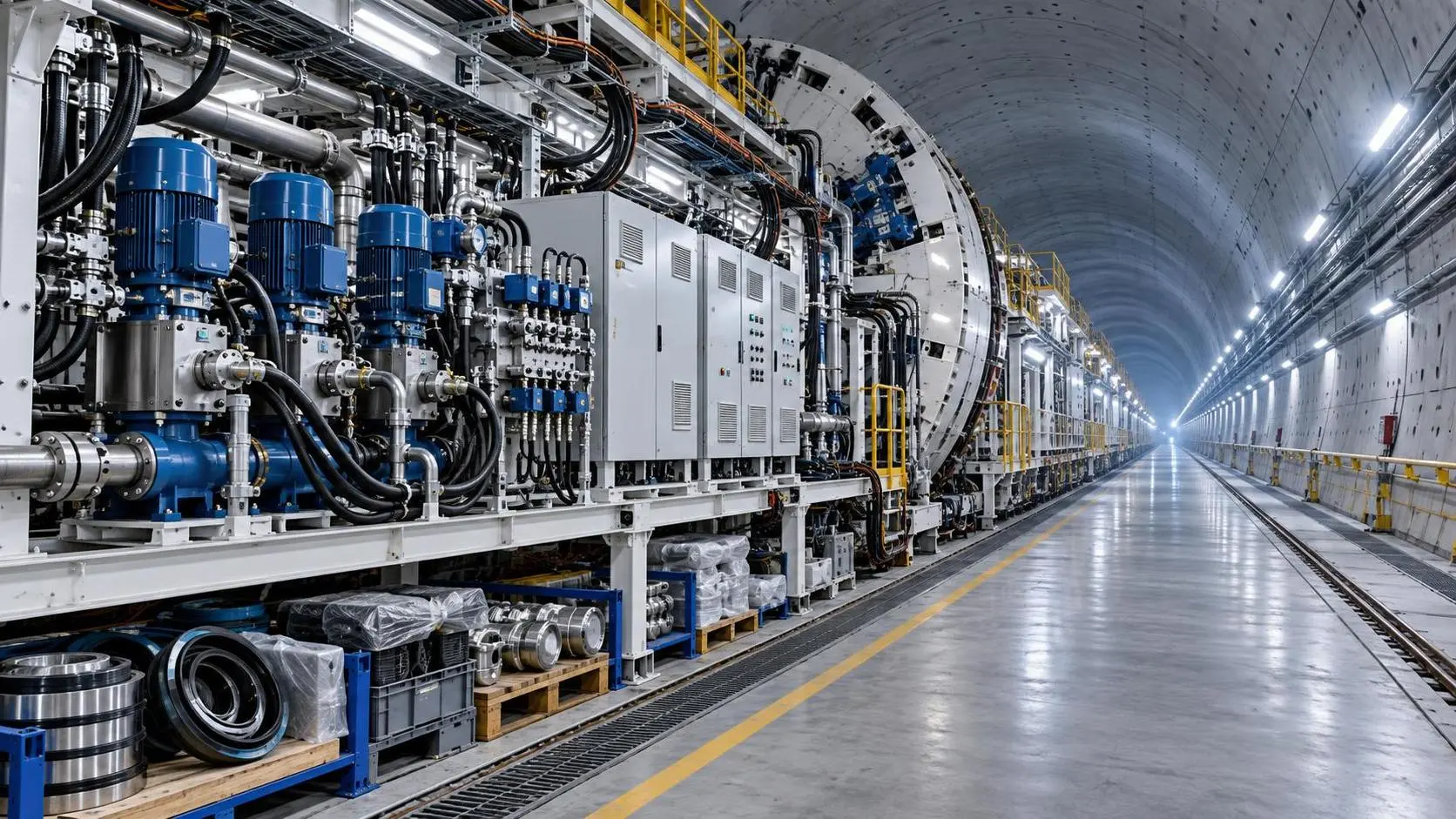
How to Specify TBM Backup System Parts for Reliable Long-Distance Tunnelling
TBM backup system parts: learn how to specify reliable spares for long-distance tunnelling, reduce downtime, ensure compatibility, and speed underground recovery.
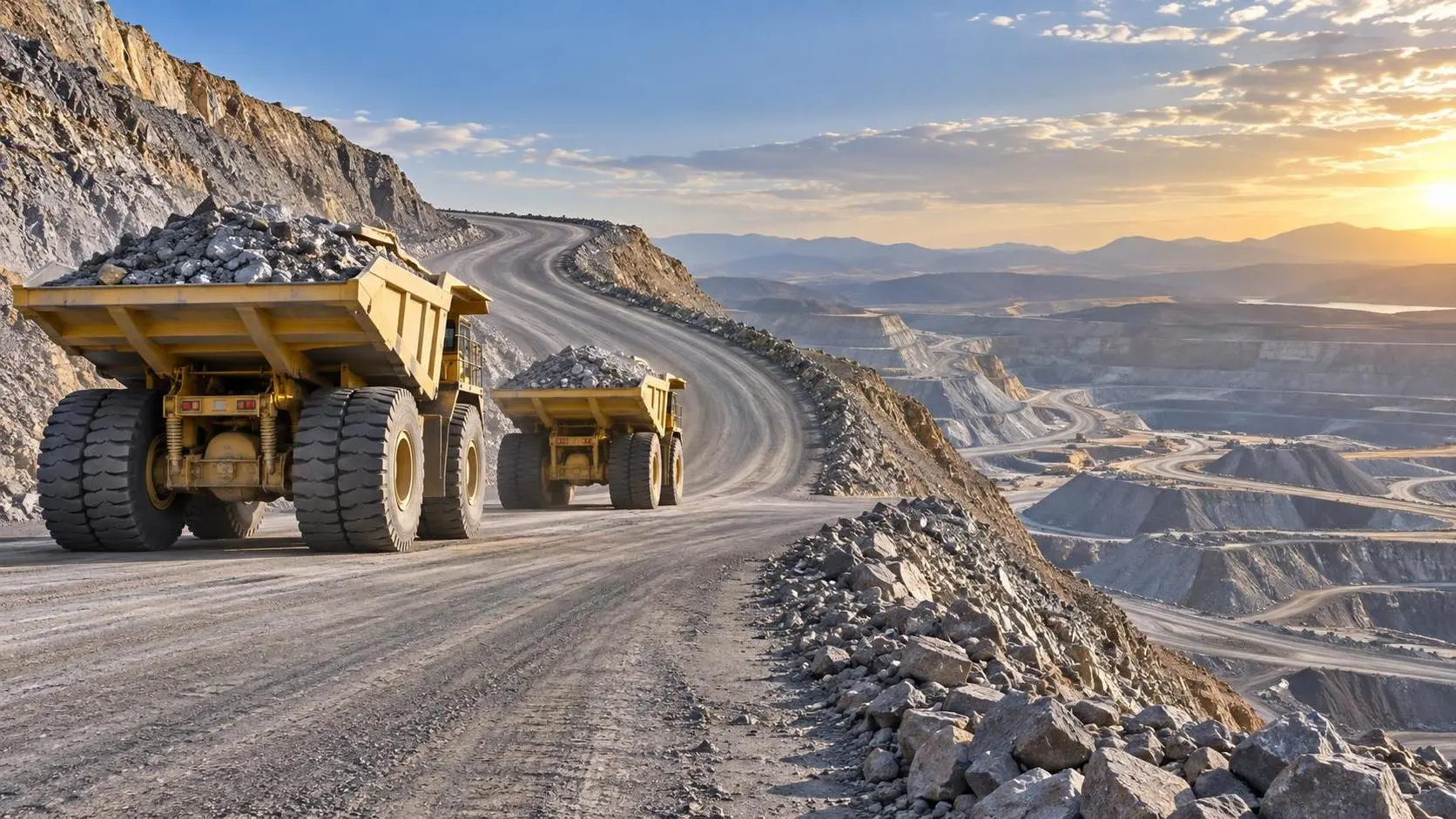
How to Size Open Pit Mining Trucks for Haul Distance, Grade, and Payload?
Open Pit Mining Trucks: learn how to match payload, haul distance, grade, road resistance, and loading capacity for safer, lower-cost mine operations.
Related News
- 00
0000-00
How to Evaluate European Drill-and-Blast Tunnelling Contractors for Complex Projects - 00
0000-00
Which Trenchless Construction Technique Fits Your Utility Crossing Conditions? - 00
0000-00
What Is Driving Metro Tunnelling Demand Across Southeast Asia’s Major Cities? - 00
0000-00
Hard Rock Tunnelling in Australia: Selecting Methods for Variable Ground Conditions - 00
0000-00
Hydropower Tunnel Excavation: Selecting Methods for Variable Rock Conditions
Weekly Insights
Stay ahead with our curated technology reports delivered every Monday.