
How Smart Underground Mining Is Reshaping Safety and Productivity in Peru





Why “Smart Underground Mining” in Peru Means More Than Putting Sensors on Old Equipment
In Peru, smart underground mining Peru is becoming a decisive force for safer operations, higher asset utilization, and more resilient production strategies. As mines push deeper and ESG expectations rise, decision-makers are turning to automation, zero-emission equipment, real-time sensing, and intelligent haulage systems to reduce risk while improving output. This shift is not only transforming underground workflows, but also redefining how mining leaders invest, compete, and scale in one of the world’s most strategic mineral markets.
The term is often misunderstood. In boardroom conversations, “smart mining” can sound like a software layer added on top of a conventional operation. Underground, that is not what it means. A mine does not become smart because it installs a dashboard, connects a few machines, or pilots one remote-control loader. In practice, the concept only starts to matter when three things begin working together: the machine fleet, the underground energy system, and the operational decision loop.
That distinction matters in Peru because the country’s underground mining profile is unusually demanding. Many operations are built around copper, zinc, silver, gold, and polymetallic deposits in geologically complex zones and high-altitude environments. Deeper workings increase ventilation burdens, heat load, cycle-time variability, and exposure to geotechnical uncertainty. Under those conditions, productivity and safety are not separate topics. They are tightly linked by how quickly the mine can see, decide, and respond.
The Real Shift: From Mechanized Mining to Coordinated Mining
The practical evolution underway is less about isolated automation and more about coordination. A drilling jumbo, an underground LHD, a haul truck, a ventilation network, and a dispatch room used to be managed as related but largely separate systems. Smart underground mining links them through data, location awareness, and machine status visibility, so the mine can run as a coordinated production environment rather than a sequence of loosely connected tasks.
For Peruvian operators, this has direct implications. Ore bodies do not wait for ideal conditions, and underground delays are expensive in ways surface industries often underestimate. A missed blast window can disrupt mucking, haulage, support installation, and shift utilization. A ventilation bottleneck can constrain diesel fleet movement. A ground condition alert that arrives too late can turn a manageable risk into lost production or an emergency response issue. Smart systems are valuable because they narrow the time gap between what is happening underground and what management thinks is happening.
This is also why the most serious investments are moving toward integrated platforms: fleet telemetry, underground communications, collision avoidance, operator-assist functions, condition monitoring, and production analytics that can be used by supervisors in real time rather than reviewed only after the shift has ended.
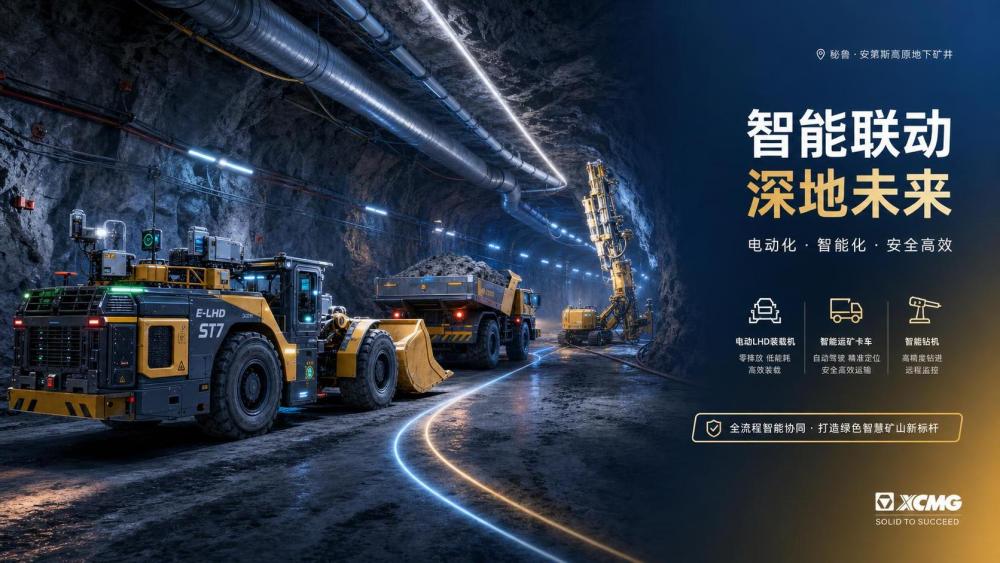
Safety Is No Longer Treated as a Parallel System
One of the clearest changes in Peru’s underground market is that safety technology is increasingly being designed into the production system itself. Historically, mines often treated safety controls as separate layers: procedures, inspections, ventilation rules, exclusion zones, and training. Those remain essential, but smart mining changes the architecture of risk control. It shifts part of safety from administrative discipline into machine behavior and operational design.
Consider underground haulage and loading. In narrow drifts with limited visibility, the risk profile comes from traffic interaction, fatigue, dust, exhaust, and unpredictable stop-start movement. Battery-electric LHDs, remote operation, and machine guidance do not remove all hazards, but they can reduce worker exposure at the face, cut diesel emissions in confined spaces, and improve maneuvering consistency. The value is not only fewer incidents. It is also more predictable operating conditions, which tends to support steadier output.
The same logic applies to sensing and communications. Real-time location tracking, equipment health alerts, and environmental monitoring matter because underground incidents rarely emerge from a single cause. They build through weak visibility: a machine running outside its optimal condition, a support sequence delayed by access issues, a ventilation imbalance after production changes, or personnel entering a zone that is technically open but operationally unstable. Smart underground systems help mines identify those conditions earlier, when intervention is still cheap.
That said, there is a common mistake here. Technology does not replace mine planning discipline, geotechnical controls, or maintenance quality. If the data layer is built on poor operating routines, the mine simply becomes better at recording disorder.
Why Productivity Gains in Peru Often Start with Haulage, Not with the Headline Technology
When people picture a “smart mine,” they often focus on autonomous drilling or advanced digital twins. Those are important, but in many underground operations the first measurable gains come from haulage and material handling. That is especially relevant in Peru, where variable ramp conditions, depth, ventilation constraints, and shift changes can make ore movement the real bottleneck.
Intelligent underground haulage systems improve productivity in several practical ways:
- They reduce non-productive waiting by aligning loading, hauling, and dumping cycles more closely.
- They make machine utilization more visible, which helps distinguish real capacity shortages from scheduling or congestion problems.
- They support maintenance planning through condition data instead of relying only on fixed service intervals.
- They improve the economics of electrification by connecting charging or battery-swapping logistics with dispatch logic.
This is where the conversation moves from technology enthusiasm to operational judgment. A mine does not benefit from a sophisticated underground fleet if charging, maintenance access, or communications coverage create new bottlenecks. In other words, smart underground mining Peru is not just about buying advanced machines. It is about redesigning the underground production rhythm around those machines.
Electrification Is Becoming a Strategic Decision, Not a Sustainability Side Project
Underground electrification deserves separate attention because in Peru it intersects with both operating cost logic and mine design logic. Diesel equipment has long dominated underground fleets because it is familiar, robust, and relatively flexible in remote conditions. But once mines go deeper, ventilation demand becomes a larger cost driver and a harder engineering constraint. Battery-electric loaders and trucks are therefore being evaluated not just for emissions reduction, but for what they can change in ventilation load, underground heat, and worker exposure.
That does not make every electrification plan automatically sound. The right question is not whether electric equipment is “better” in the abstract. The right question is whether a specific mine has the infrastructure, duty cycle profile, maintenance capability, and operating discipline to support it. In some cases, the business case strengthens when ventilation savings, reduced downtime from engine-related issues, and automation compatibility are looked at together. In other cases, the transition needs to be staged carefully.
For decision-makers, this is a useful filter: if a supplier discussion focuses only on unit performance and not on charging architecture, battery strategy, haul profile, communications, and service readiness, it is not yet a serious smart-mining conversation.
What the Better Operators Are Actually Evaluating
The market is maturing past generic digitalization claims. More operators now evaluate smart underground solutions using a narrower set of operational questions:
This is a more demanding framework than the earlier wave of mining digitalization. It asks not whether the technology works in principle, but whether it can survive underground complexity and still improve the production system.
Peru’s Market Direction Is Being Shaped by Depth, Copper, and Capital Discipline
Peru occupies a strategic position in global minerals supply, especially in copper, and that changes the stakes. As demand for transition metals stays central to long-term industrial planning, mines are under pressure to maintain output reliability while facing tighter environmental expectations and more scrutiny around operational resilience. Underground mines that can produce with lower ventilation burden, fewer exposure hours at the face, and more stable equipment performance will look increasingly attractive from an asset-quality perspective.
Still, capital discipline remains a hard boundary. Most operators are not looking for wholesale reinvention in one phase. They are looking for technologies that can be justified through uptime, development advance, ore flow consistency, maintenance predictability, and risk reduction. That is one reason smart transport systems, battery-electric LHDs, and connected drilling fleets are drawing attention: they sit close to the daily economics of underground mining rather than promising transformation at a distance.
A Useful Way to Read the Trend
The most useful way to understand smart underground mining Peru is to treat it as an operating model, not a gadget category. It combines automation, electrification, sensing, and intelligent logistics, but its purpose is very concrete: keep people farther from the highest-risk zones, make underground cycles more predictable, and extract more output from the same physical infrastructure.
For executives, the practical question is not whether this trend is real. It is already visible in procurement priorities, mine expansion planning, and the growing seriousness around connected underground fleets. The better question is where the first scalable value sits inside a given operation. In some mines it will be battery-electric loading and hauling. In others, remote drilling, integrated fleet visibility, or environmental monitoring may be the first lever. The mines that read the concept correctly will not treat “smart” as a label. They will treat it as a sequence of engineering decisions that changes how underground production is actually run.
Related News
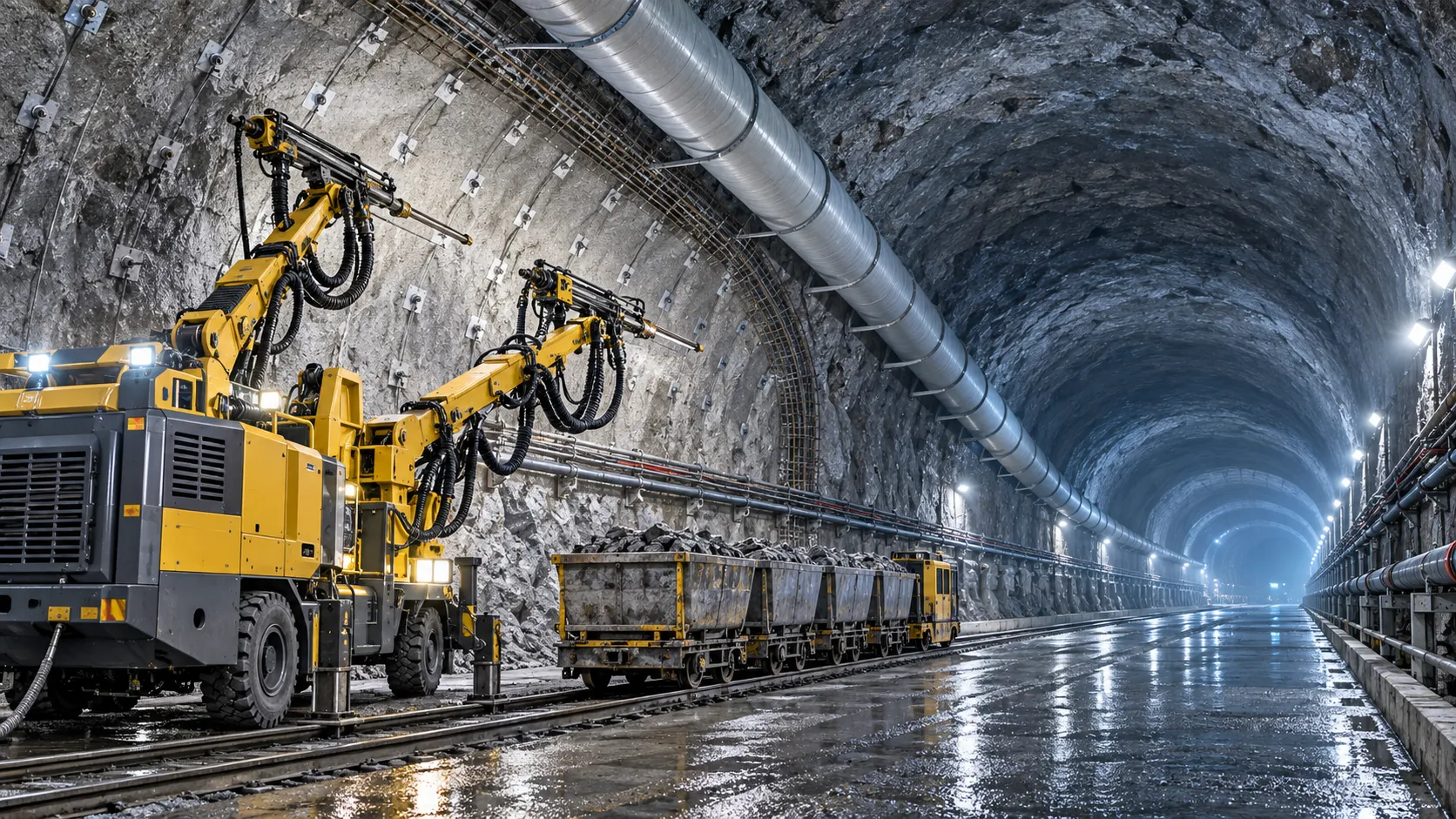
How to Evaluate European Drill-and-Blast Tunnelling Contractors for Complex Projects
Drill and blast tunnelling contractors Europe: learn how to assess geology expertise, blast control, equipment reliability, safety, and programme resilience for complex projects.
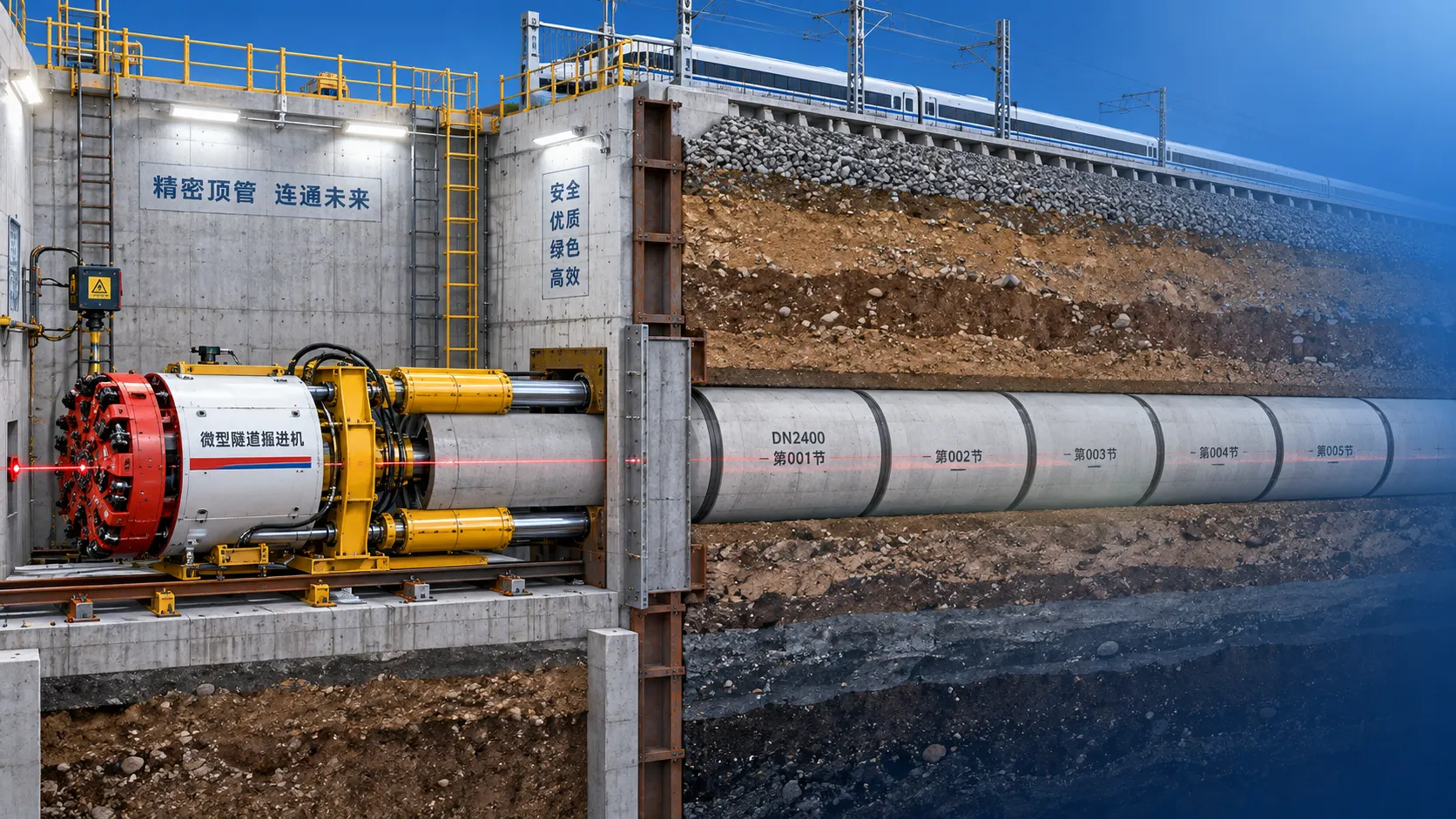
Which Trenchless Construction Technique Fits Your Utility Crossing Conditions?
Trenchless construction techniques compared for utility crossings: choose HDD, microtunnelling, pipe jacking, or auger boring based on ground, accuracy, access, and risk.
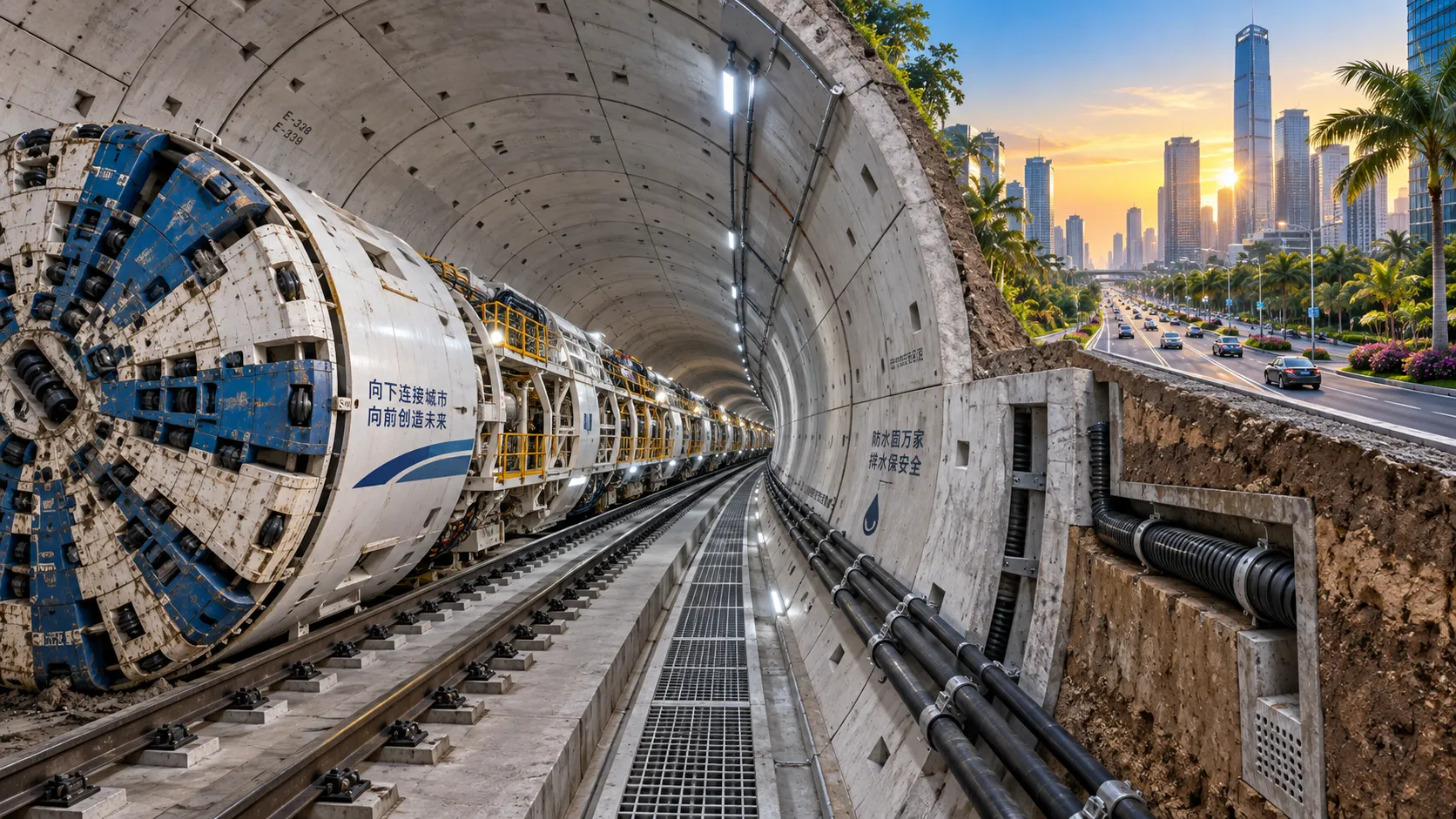
What Is Driving Metro Tunnelling Demand Across Southeast Asia’s Major Cities?
Metro tunnelling Southeast Asia is accelerating as major cities tackle congestion, flooding, and connectivity. Explore the market forces, technical risks, and opportunities shaping demand.
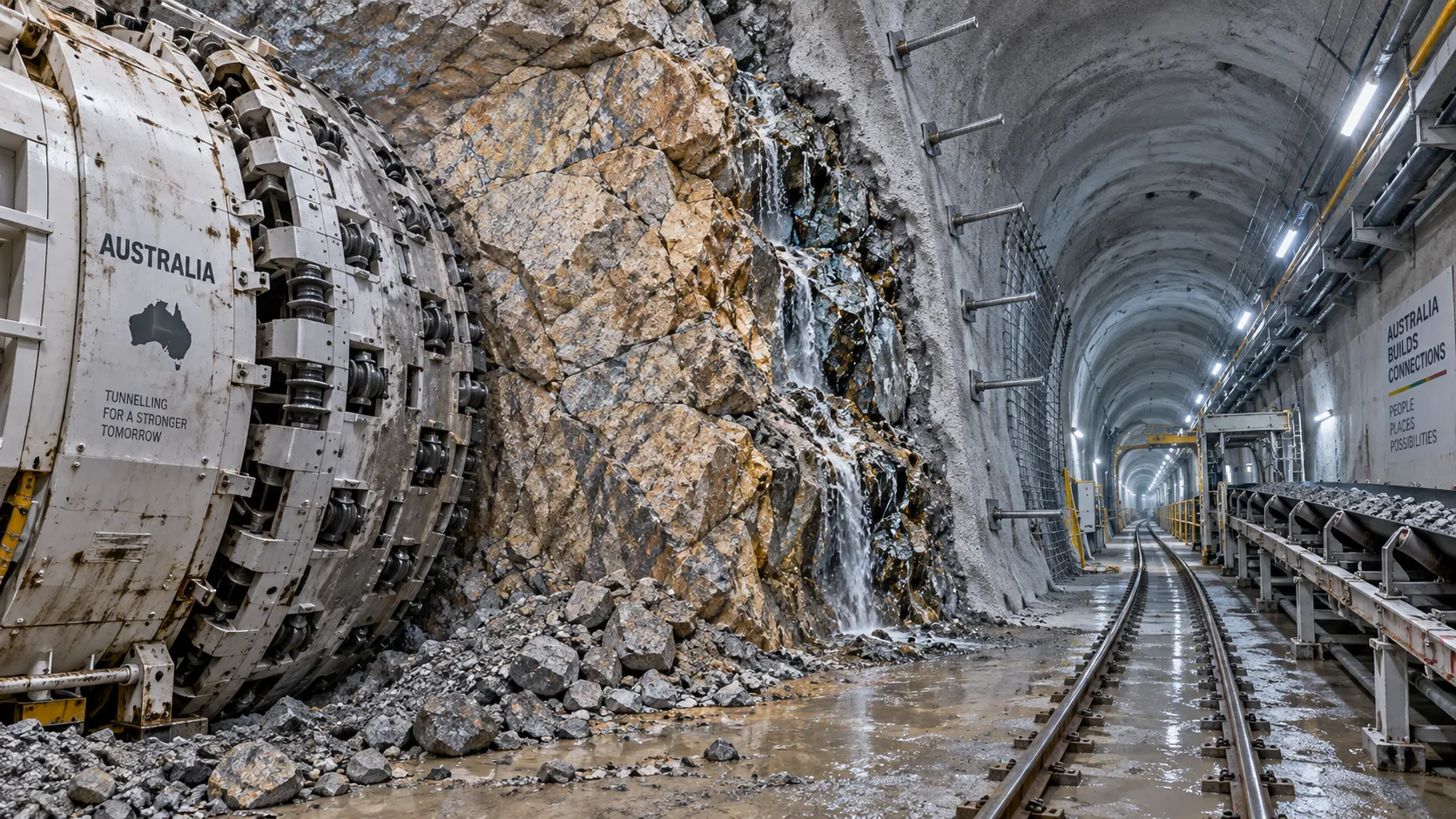
Hard Rock Tunnelling in Australia: Selecting Methods for Variable Ground Conditions
Hard rock tunnelling in Australia: compare TBM, drill-and-blast and hybrid methods to manage variable ground, reduce risk and protect project costs.
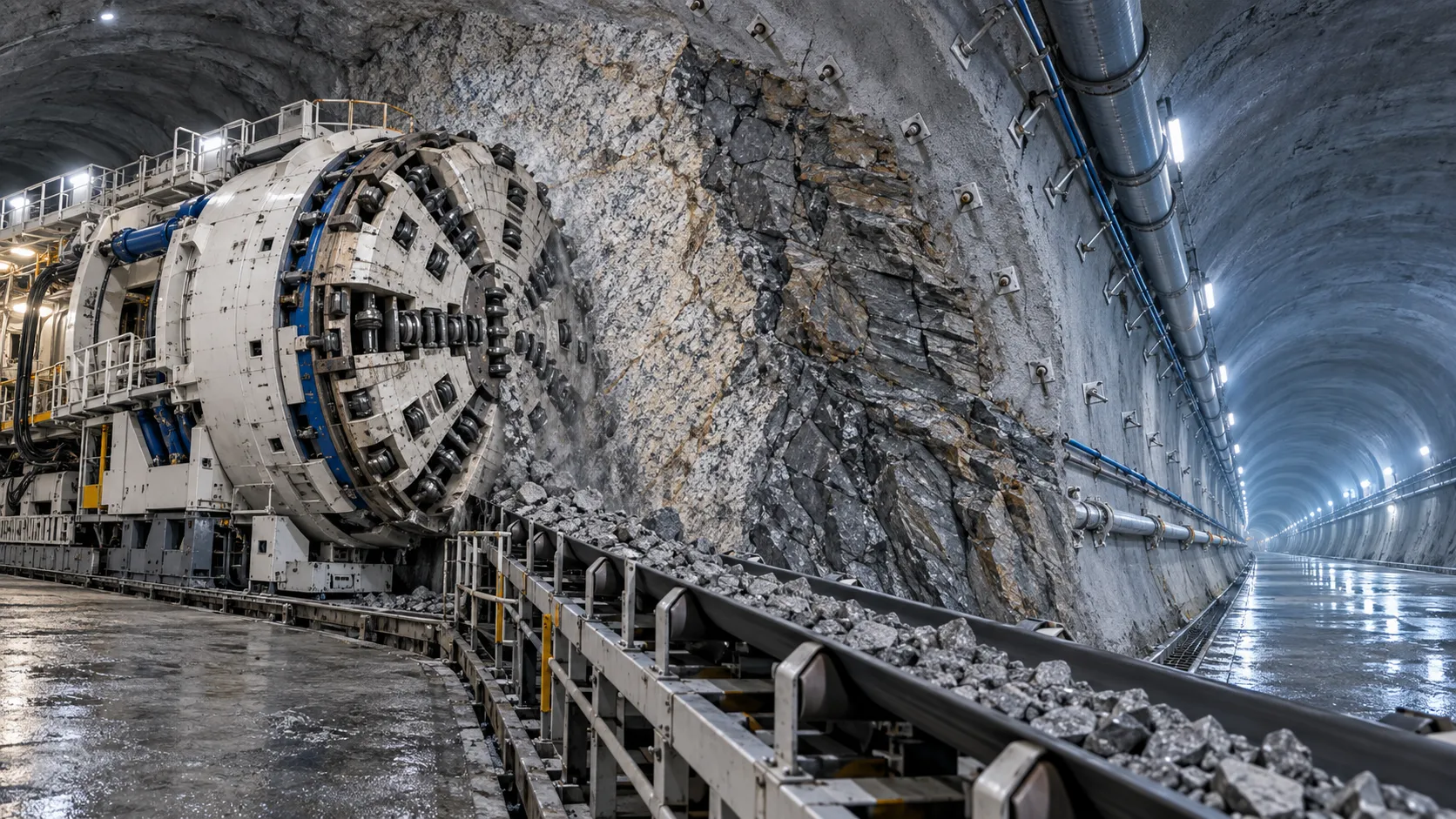
Hydropower Tunnel Excavation: Selecting Methods for Variable Rock Conditions
Hydropower tunnel excavation methods for variable rock conditions: compare TBM, drill-and-blast, and hybrid strategies to improve safety, progress, and project control.
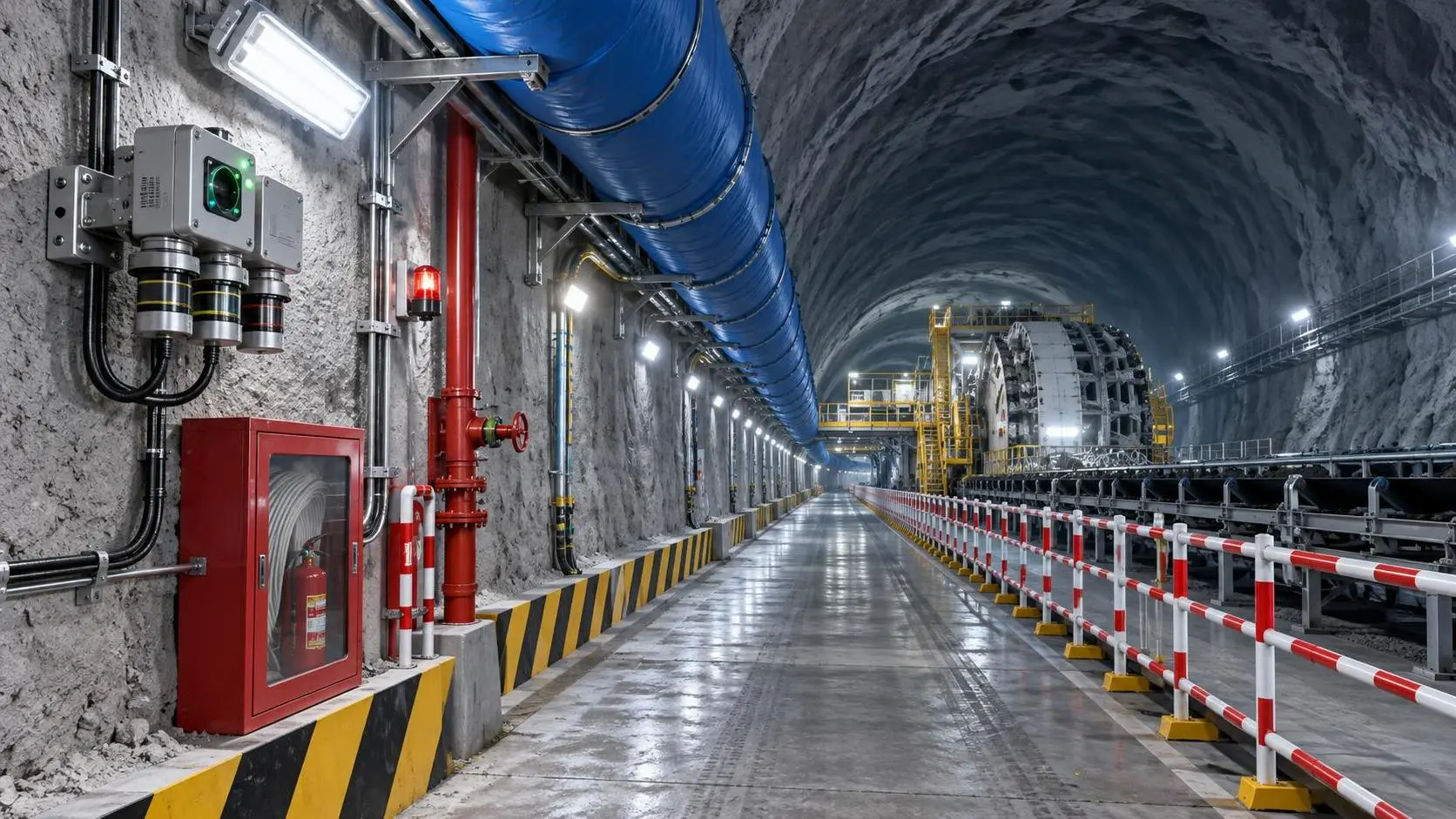
How to Select Underground Safety Equipment for Tunnelling by Hazard and Work Zone
Underground Safety Equipment for tunnelling: match protection to hazards, work zones, compliance, and emergency needs with this practical selection guide.
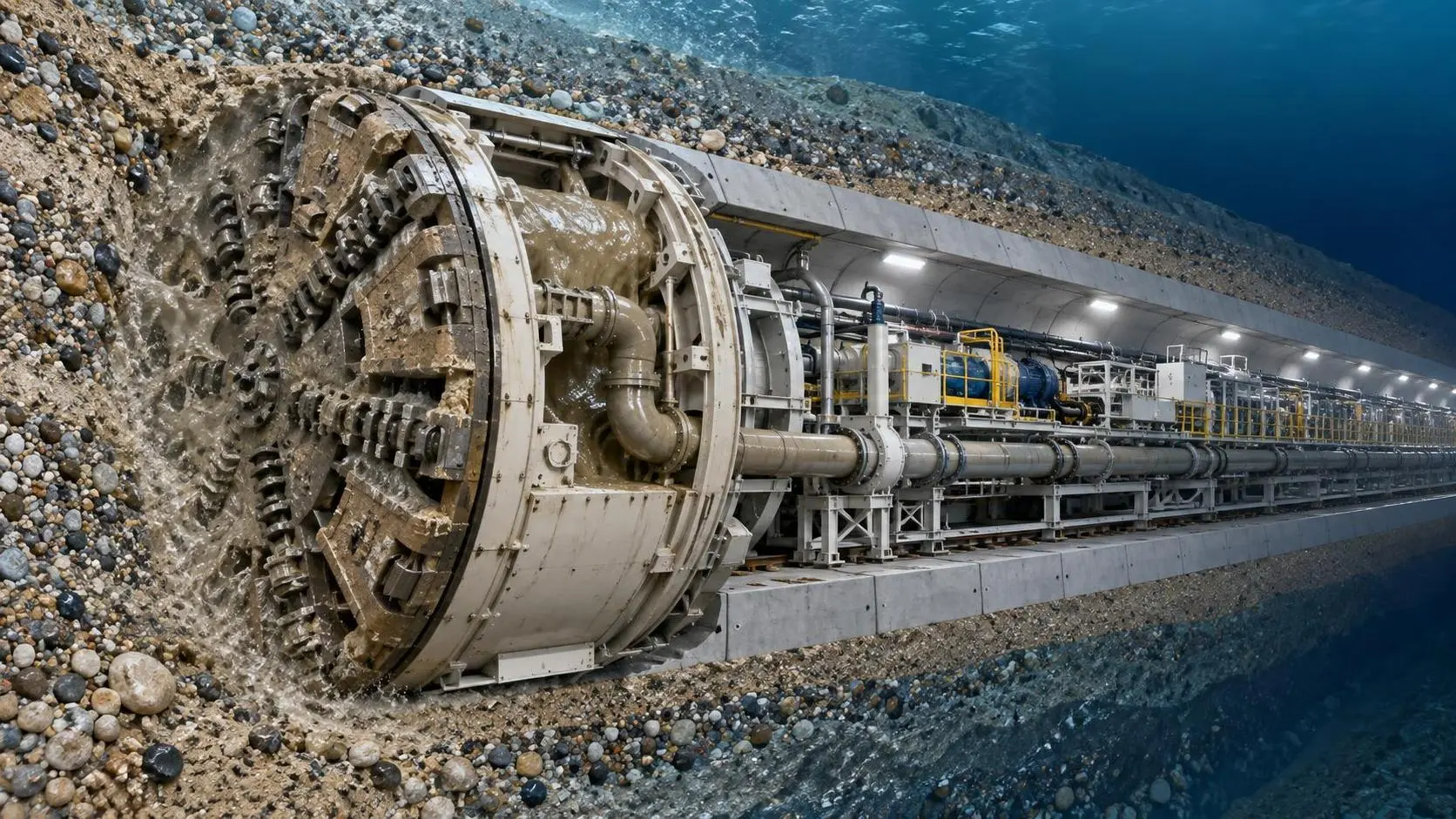
EPB or Slurry Shield? Selecting Soft-Ground Tunnelling Equipment by Soil Conditions
Tunnel Excavation Equipment for soft ground: compare EPB and slurry shields by soil, groundwater, settlement risk, and project logistics to choose confidently.
How to Specify TBM Backup System Parts for Reliable Long-Distance Tunnelling
TBM backup system parts: learn how to specify reliable spares for long-distance tunnelling, reduce downtime, ensure compatibility, and speed underground recovery.
How to Size Open Pit Mining Trucks for Haul Distance, Grade, and Payload?
Open Pit Mining Trucks: learn how to match payload, haul distance, grade, road resistance, and loading capacity for safer, lower-cost mine operations.
Related News
- 00
0000-00
How to Evaluate European Drill-and-Blast Tunnelling Contractors for Complex Projects - 00
0000-00
Which Trenchless Construction Technique Fits Your Utility Crossing Conditions? - 00
0000-00
What Is Driving Metro Tunnelling Demand Across Southeast Asia’s Major Cities? - 00
0000-00
Hard Rock Tunnelling in Australia: Selecting Methods for Variable Ground Conditions - 00
0000-00
Hydropower Tunnel Excavation: Selecting Methods for Variable Rock Conditions
Weekly Insights
Stay ahead with our curated technology reports delivered every Monday.