
Tunnel Boring Machines in Germany: What Buyers Should Compare Beyond Machine Size





Tunnel Boring Machines in Germany: is machine size really the main decision point?
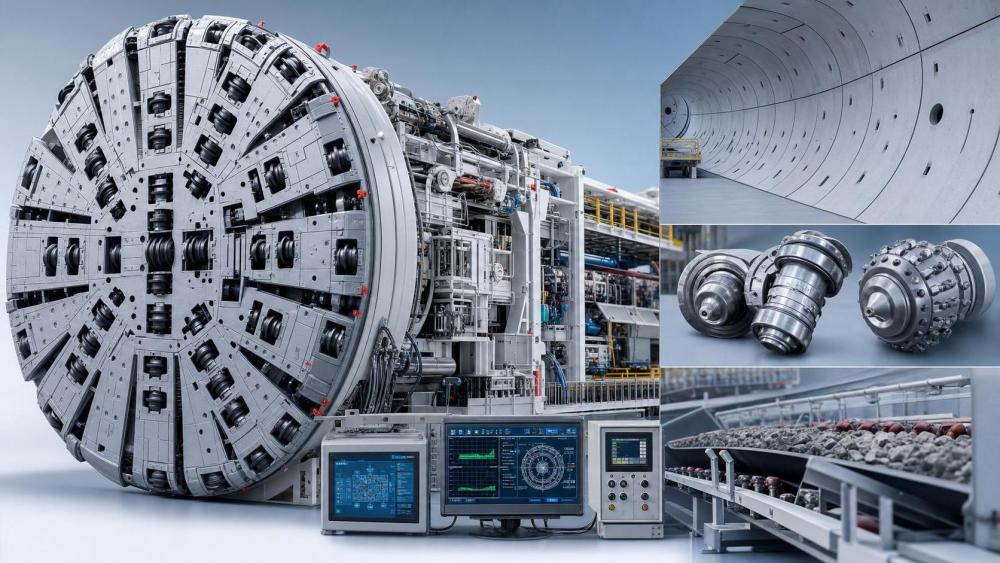
When comparing Tunnel Boring Machines in Germany, diameter gets attention first. It should not dominate the shortlist.
A larger machine may match tunnel geometry, yet still perform poorly in mixed ground, abrasive rock, or strict urban settlement limits.
In practice, the better comparison starts with geology, support systems, automation depth, energy use, and service readiness.
That matters in Germany, where projects often combine technical scrutiny, tight environmental requirements, and demanding delivery schedules.
For anyone studying Tunnel Boring Machines in Germany, the real question is simple: which machine protects schedule and lifecycle cost under local conditions?
UTMD tracks this market from a wider underground systems perspective. That lens is useful because TBM selection rarely stands alone.
Segment handling, cutter wear, digital monitoring, and zero-emission priorities often decide performance more than headline dimensions do.
What should be checked before comparing TBM models?
Start with the tunnel, not the brochure. A machine only makes sense when the project envelope is defined clearly.
For Tunnel Boring Machines in Germany, four baseline checks usually shape the rest of the decision.
- Ground profile: hard rock, mixed face, soft ground, fault zones, and groundwater pressure.
- Tunnel purpose: metro, rail, utility, road, water transfer, or mining access.
- Lining method: segment type, ring build speed, and compatibility with erector design.
- Site logistics: launch shaft limits, spoil handling, power supply, and local maintenance access.
This early filter prevents a common mistake. Buyers compare cutterhead diameter across bids, while hidden operating constraints stay unresolved.
A smaller but better-configured TBM can outperform a larger unit if torque, thrust, slurry balance, or conditioning systems fit the geology better.
More careful teams also ask how the machine behaves during disruption, not only during ideal advance.
That includes cutter intervention strategy, access safety, spare parts lead time, and recovery from sensor or hydraulic faults.
How do geology and cutter wear change the buying decision?
Geology usually decides operating economics. It influences penetration rate, torque demand, disc consumption, maintenance windows, and risk of stoppage.
For Tunnel Boring Machines in Germany, abrasive formations and variable ground transitions deserve particular attention.
A machine that looks competitive on purchase price may become expensive if cutter replacement intervals are short or access is difficult.
This is where technical intelligence matters. UTMD often frames TBM performance through rock-cutting mechanics and wear behavior, not headline output claims.
That approach is practical. Disc cutter wear models and ground response data reveal whether quoted advance rates are realistic.
A useful comparison table can keep discussions grounded.
Without these answers, comparing Tunnel Boring Machines in Germany becomes too dependent on nominal specifications.
Are automation and energy efficiency worth paying for?
Often, yes. The value appears over time, not always at contract signature.
Automation in modern TBMs affects guidance accuracy, ring build consistency, condition monitoring, and operator workload.
For German projects, this can support tighter reporting, safer interventions, and more predictable shift performance.
Energy efficiency deserves equal weight. Underground construction is under pressure to reduce emissions, noise, and wasted power.
UTMD’s broader focus on electrification in mining and tunnelling is relevant here. The same logic applies underground: energy design changes asset utilization.
When evaluating Tunnel Boring Machines in Germany, check these points carefully.
- Drive system efficiency under variable load.
- Digital diagnostics for hydraulic, electrical, and bearing systems.
- Remote support capability and data integration.
- Ventilation and confined-space compatibility.
- Consumption benchmarks linked to actual geology.
A machine with stronger monitoring may reduce unexpected stops more than it increases upfront capex.
That tradeoff is usually favorable where delays carry major penalty, traffic, or utility interface consequences.
Where do buyers misjudge lifecycle cost most often?
The most frequent error is treating TBM price as the primary cost signal.
For Tunnel Boring Machines in Germany, lifecycle cost is usually shaped by downtime, wear parts, labor intensity, support response, and schedule drift.
Another blind spot is segment handling. Slow or poorly integrated segment logistics can limit daily advance even when excavation systems perform well.
Buyers also underestimate local service structure. A sophisticated machine loses value if parts or technical field support arrive too slowly.
A more reliable way to compare bids is to ask for a cost narrative, not only a number.
- What assumptions drive the projected advance rate?
- Which components have the highest planned replacement frequency?
- How many maintenance hours are expected per ring or per meter?
- What local inventory is committed for critical failures?
- How will training affect ramp-up time and early productivity?
Those questions often separate a realistic proposal from a polished one.
What does a solid comparison framework for Tunnel Boring Machines in Germany look like?
A good framework balances technical fit, operational resilience, and long-term support.
It does not reward the biggest machine or the lowest quote by default.
A practical scoring model can include five weighted areas.
- Geology fit: cutterhead design, thrust, torque, pressure control, conditioning options.
- Operational performance: ring build speed, automation, diagnostics, crew efficiency.
- Lifecycle economics: wear rates, energy demand, downtime exposure, spare strategy.
- Project integration: shaft constraints, segment logistics, power, spoil, data interfaces.
- Service confidence: local response, training depth, references, commissioning capability.
That structure also reflects UTMD’s wider intelligence method. Underground equipment performs best when mechanics, electrification, sensing, and operations are assessed together.
So the next step is not simply collecting more brochures.
Build a shortlist around project geology, request reference data from similar ground, and test every bid against maintenance access and support responsiveness.
For Tunnel Boring Machines in Germany, the better decision usually comes from disciplined comparison beyond machine size.
That is where schedule confidence, safer operations, and stronger asset value are actually won.
Related News
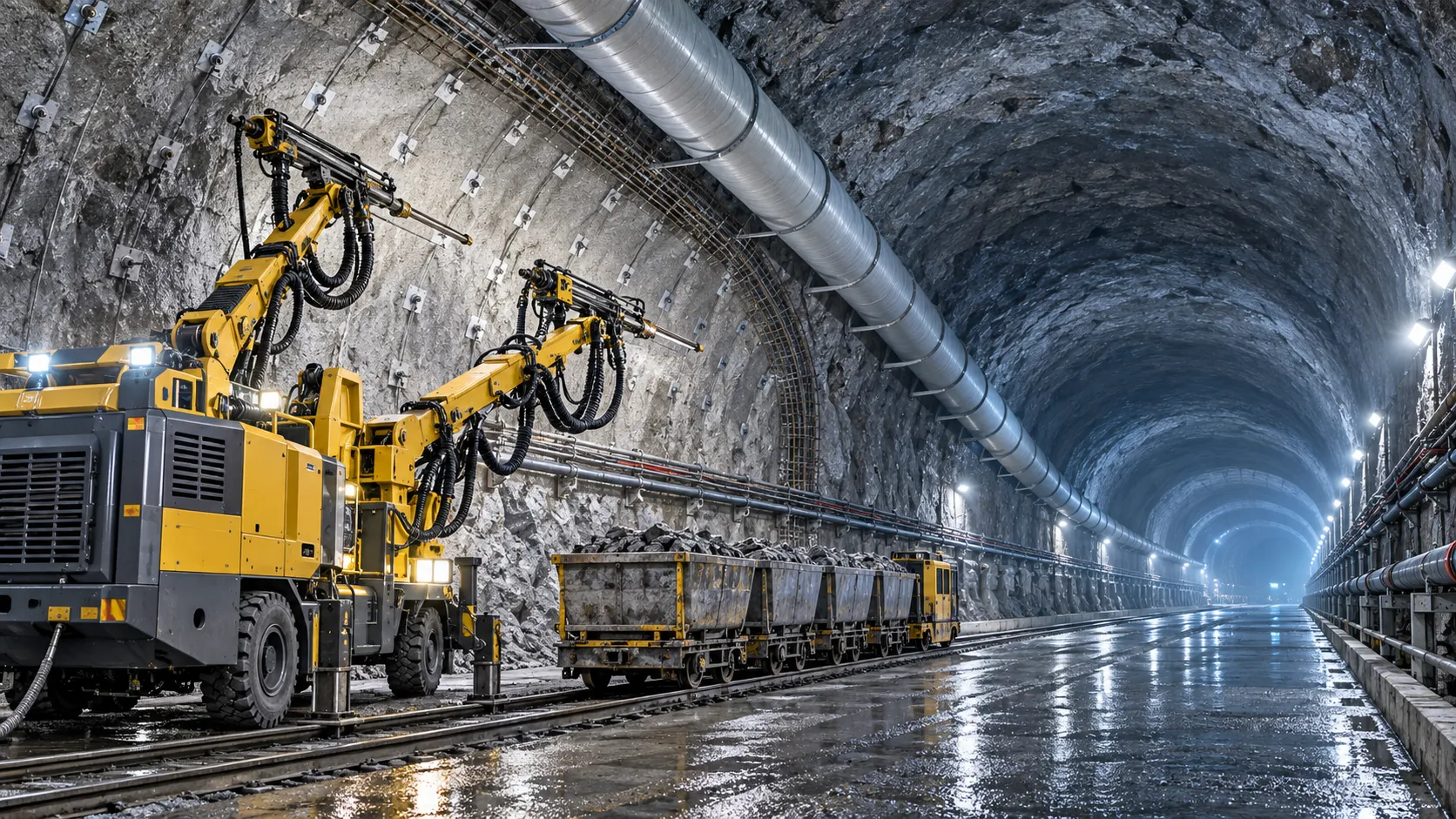
How to Evaluate European Drill-and-Blast Tunnelling Contractors for Complex Projects
Drill and blast tunnelling contractors Europe: learn how to assess geology expertise, blast control, equipment reliability, safety, and programme resilience for complex projects.
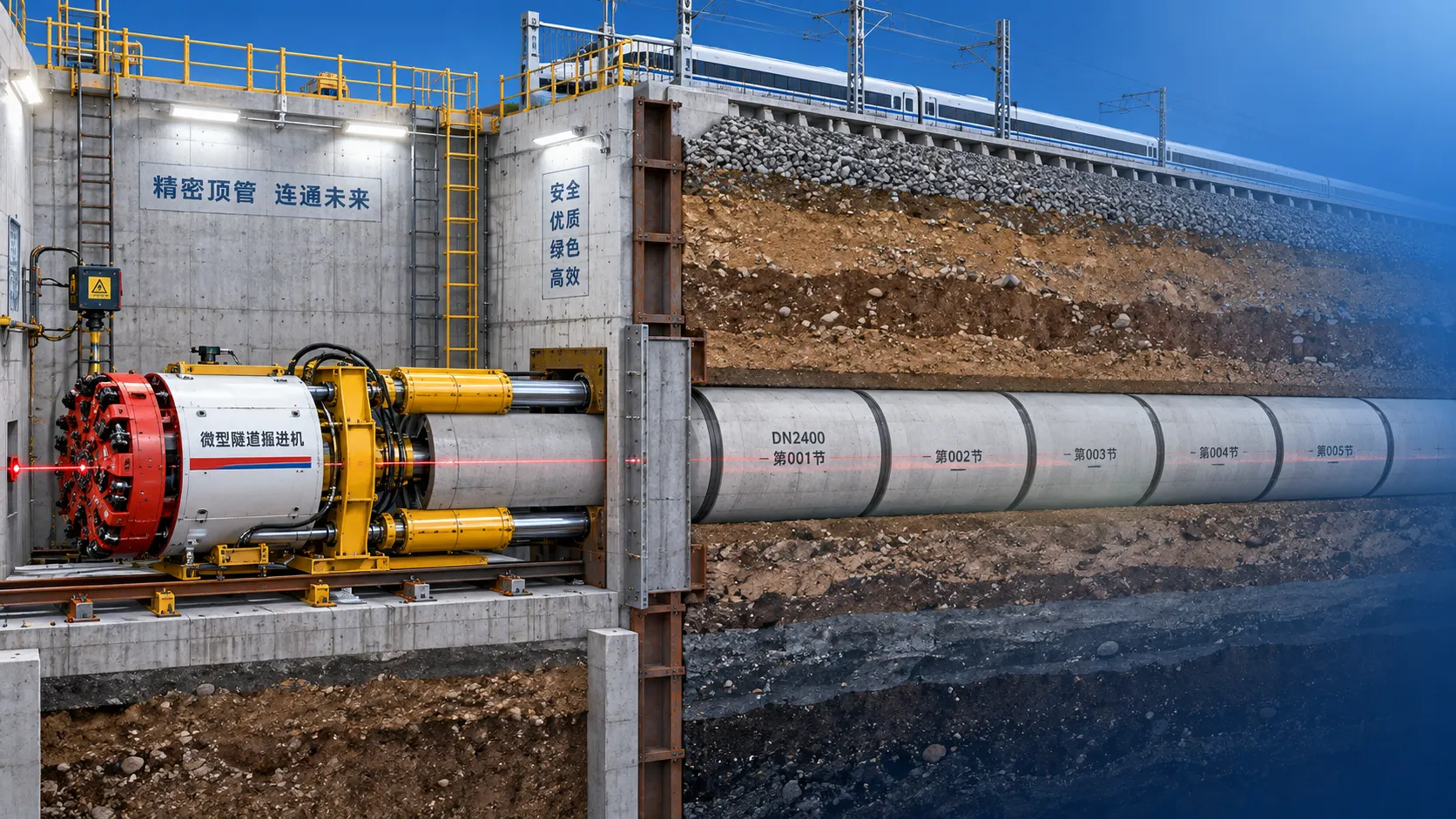
Which Trenchless Construction Technique Fits Your Utility Crossing Conditions?
Trenchless construction techniques compared for utility crossings: choose HDD, microtunnelling, pipe jacking, or auger boring based on ground, accuracy, access, and risk.
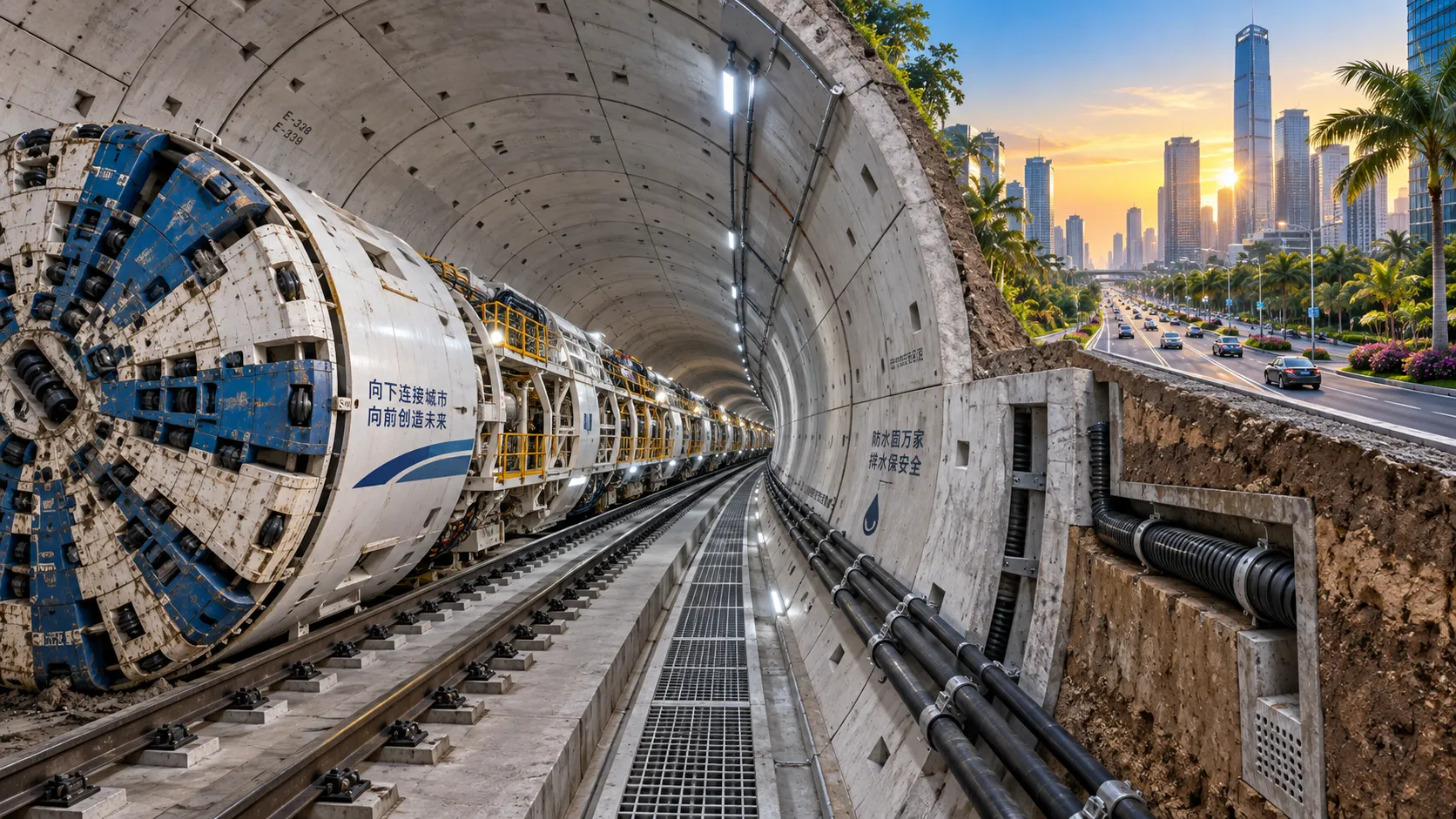
What Is Driving Metro Tunnelling Demand Across Southeast Asia’s Major Cities?
Metro tunnelling Southeast Asia is accelerating as major cities tackle congestion, flooding, and connectivity. Explore the market forces, technical risks, and opportunities shaping demand.
Hard Rock Tunnelling in Australia: Selecting Methods for Variable Ground Conditions
Hard rock tunnelling in Australia: compare TBM, drill-and-blast and hybrid methods to manage variable ground, reduce risk and protect project costs.
Hydropower Tunnel Excavation: Selecting Methods for Variable Rock Conditions
Hydropower tunnel excavation methods for variable rock conditions: compare TBM, drill-and-blast, and hybrid strategies to improve safety, progress, and project control.
How to Select Underground Safety Equipment for Tunnelling by Hazard and Work Zone
Underground Safety Equipment for tunnelling: match protection to hazards, work zones, compliance, and emergency needs with this practical selection guide.
EPB or Slurry Shield? Selecting Soft-Ground Tunnelling Equipment by Soil Conditions
Tunnel Excavation Equipment for soft ground: compare EPB and slurry shields by soil, groundwater, settlement risk, and project logistics to choose confidently.
How to Specify TBM Backup System Parts for Reliable Long-Distance Tunnelling
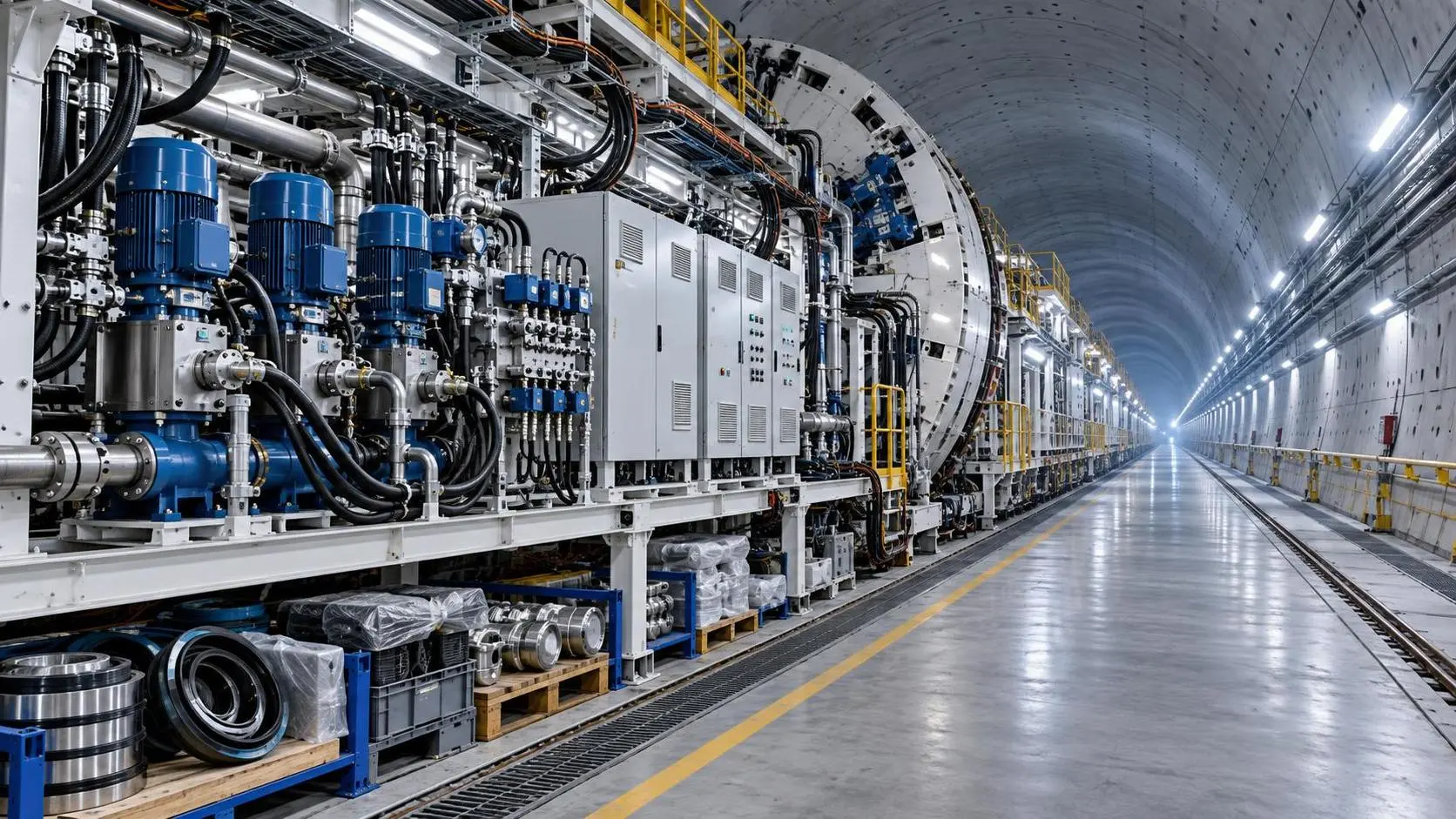
TBM backup system parts: learn how to specify reliable spares for long-distance tunnelling, reduce downtime, ensure compatibility, and speed underground recovery.
How to Size Open Pit Mining Trucks for Haul Distance, Grade, and Payload?
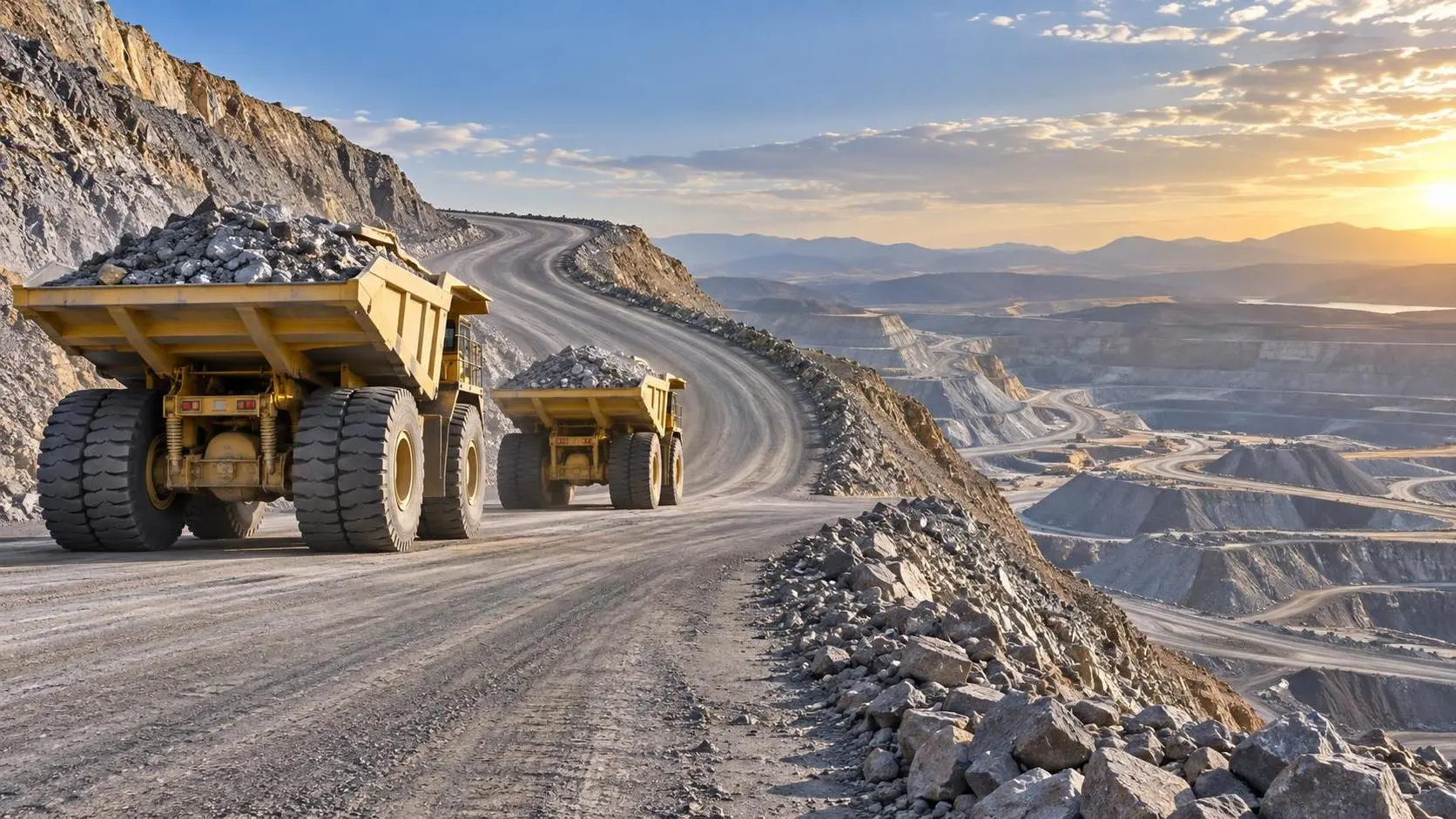
Open Pit Mining Trucks: learn how to match payload, haul distance, grade, road resistance, and loading capacity for safer, lower-cost mine operations.
Related News
- 00
0000-00
How to Evaluate European Drill-and-Blast Tunnelling Contractors for Complex Projects - 00
0000-00
Which Trenchless Construction Technique Fits Your Utility Crossing Conditions? - 00
0000-00
What Is Driving Metro Tunnelling Demand Across Southeast Asia’s Major Cities? - 00
0000-00
Hard Rock Tunnelling in Australia: Selecting Methods for Variable Ground Conditions - 00
0000-00
Hydropower Tunnel Excavation: Selecting Methods for Variable Rock Conditions
Weekly Insights
Stay ahead with our curated technology reports delivered every Monday.